

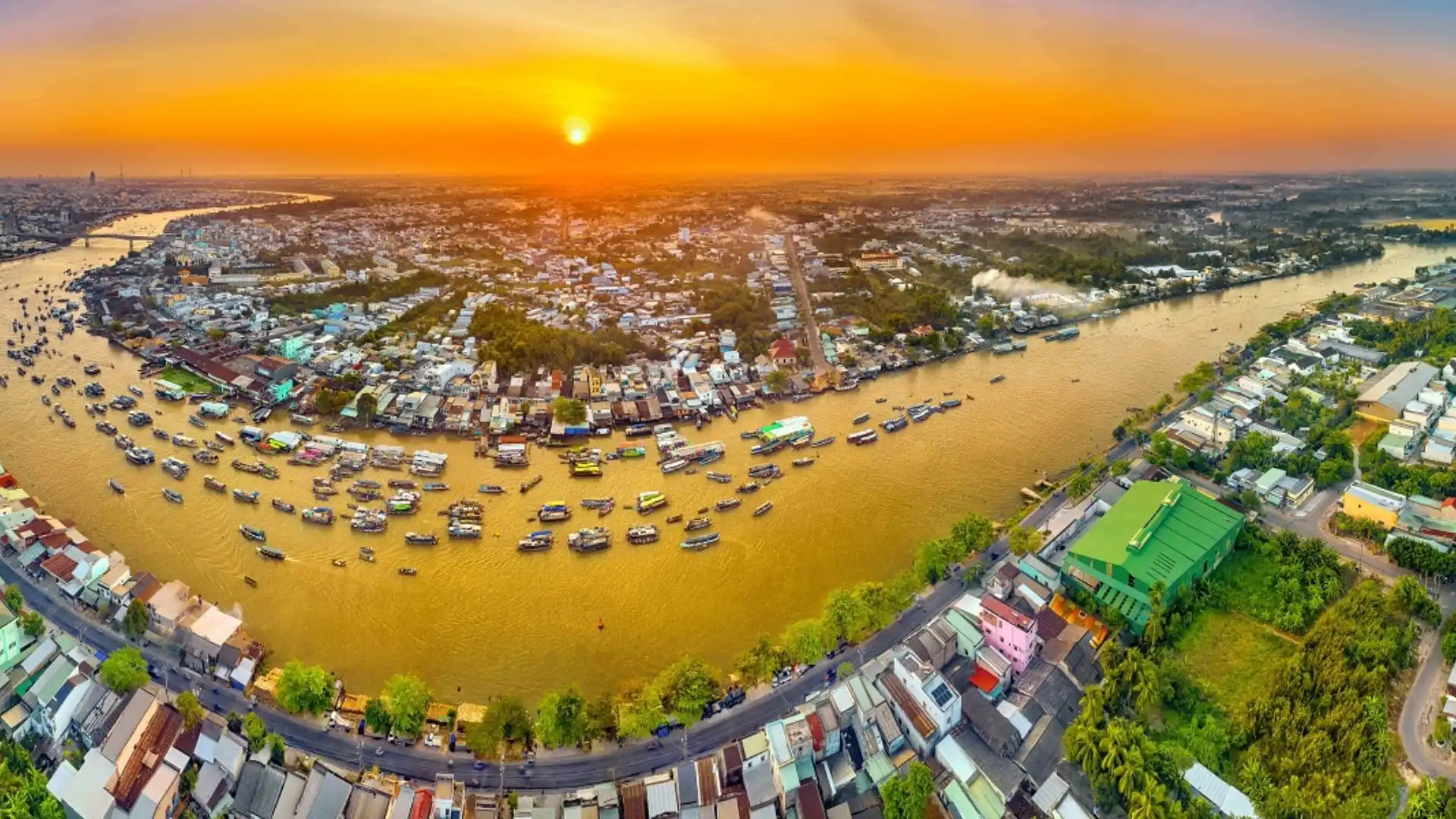
Can Tho is a major city in the Mekong Delta and a practical base for exploring floating markets, riverside villages, and Southern Vietnam’s food culture. Located 170 km southwest of Ho Chi Minh City along the Hau River, the city connects directly to Cai Rang Floating Market – one of the Mekong Delta’s best-known remaining wholesale floating markets.
This Can Tho travel guide covers attractions, transport, accommodation, local food, weather by month, suggested itineraries, estimated costs, and practical tips. Updated August 2026 by Mekong Smile, a local tour operator based in Can Tho since 2017.
Can Tho at a Glance
| Detail | Info |
| Location | 170 km southwest of HCMC, on the Hau River (Bassac River) |
| Airport | Can Tho International Airport (VCA) - 10 km from city center |
| Time Zone | Indochina Time (ICT, UTC+7) |
| Known For | Cai Rang Floating Market, street food, river tours, fruit orchards |
| Recommended Stay | 2-3 full days |
| Good Base For | Floating market visits, Mekong Delta day trips, connecting to Chau Doc and Vinh Long |
A note about administrative boundaries: Since July 1, 2025, Can Tho City officially includes the former Can Tho, Hau Giang, and Soc Trang areas. In everyday travel contexts, “Can Tho” commonly refers to the historic urban center around Ninh Kieu, Cai Rang, and Binh Thuy. This guide focuses on that central area and nearby river attractions.
Why Visit Can Tho?
-
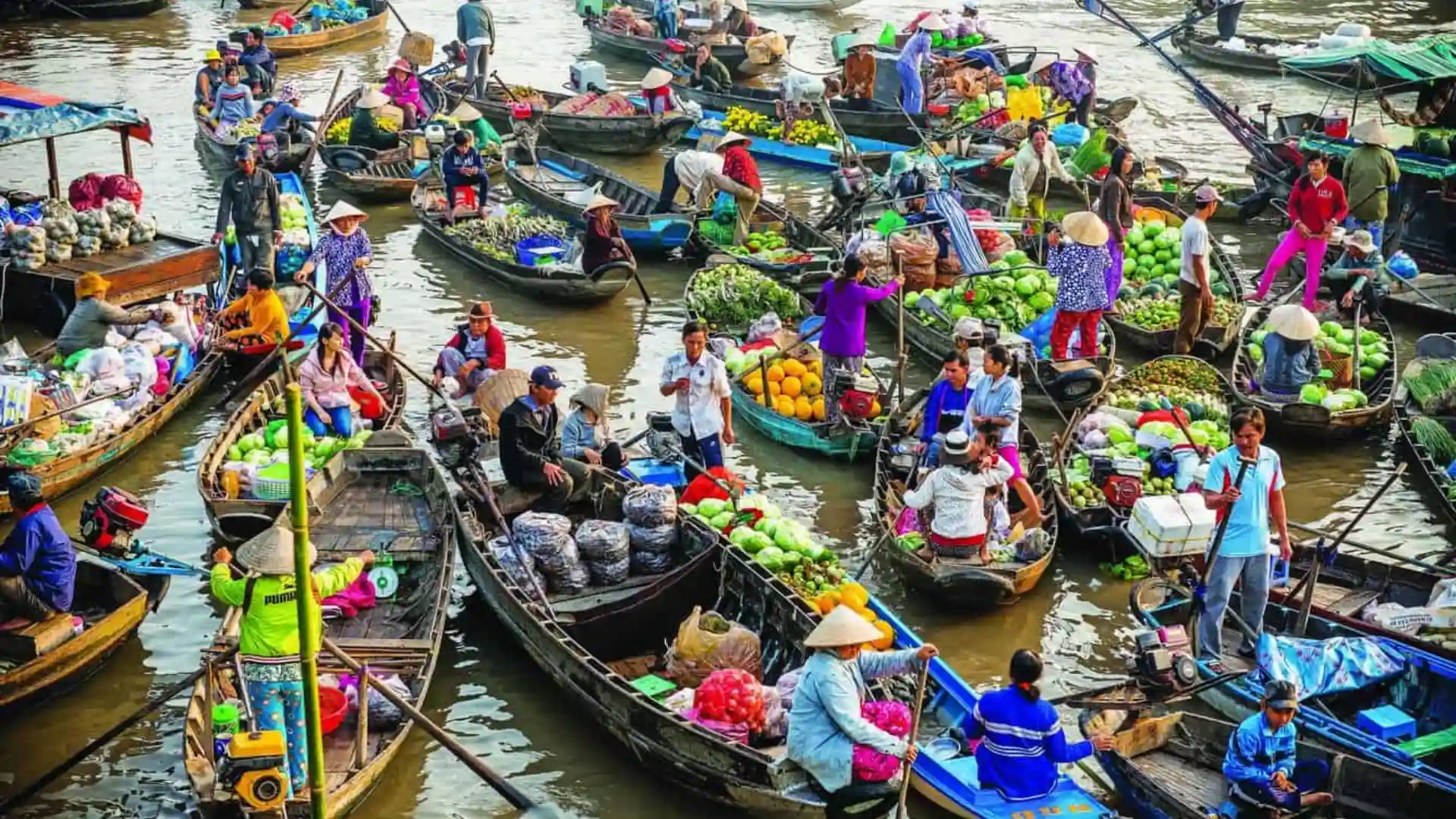
Cai Rang Floating Market – One of the Mekong Delta’s best-known remaining wholesale floating markets. Boats gather before dawn to trade fruit, vegetables, and local goods directly from vessel to vessel. You can reach it in 30 minutes by boat from Ninh Kieu Wharf.
-
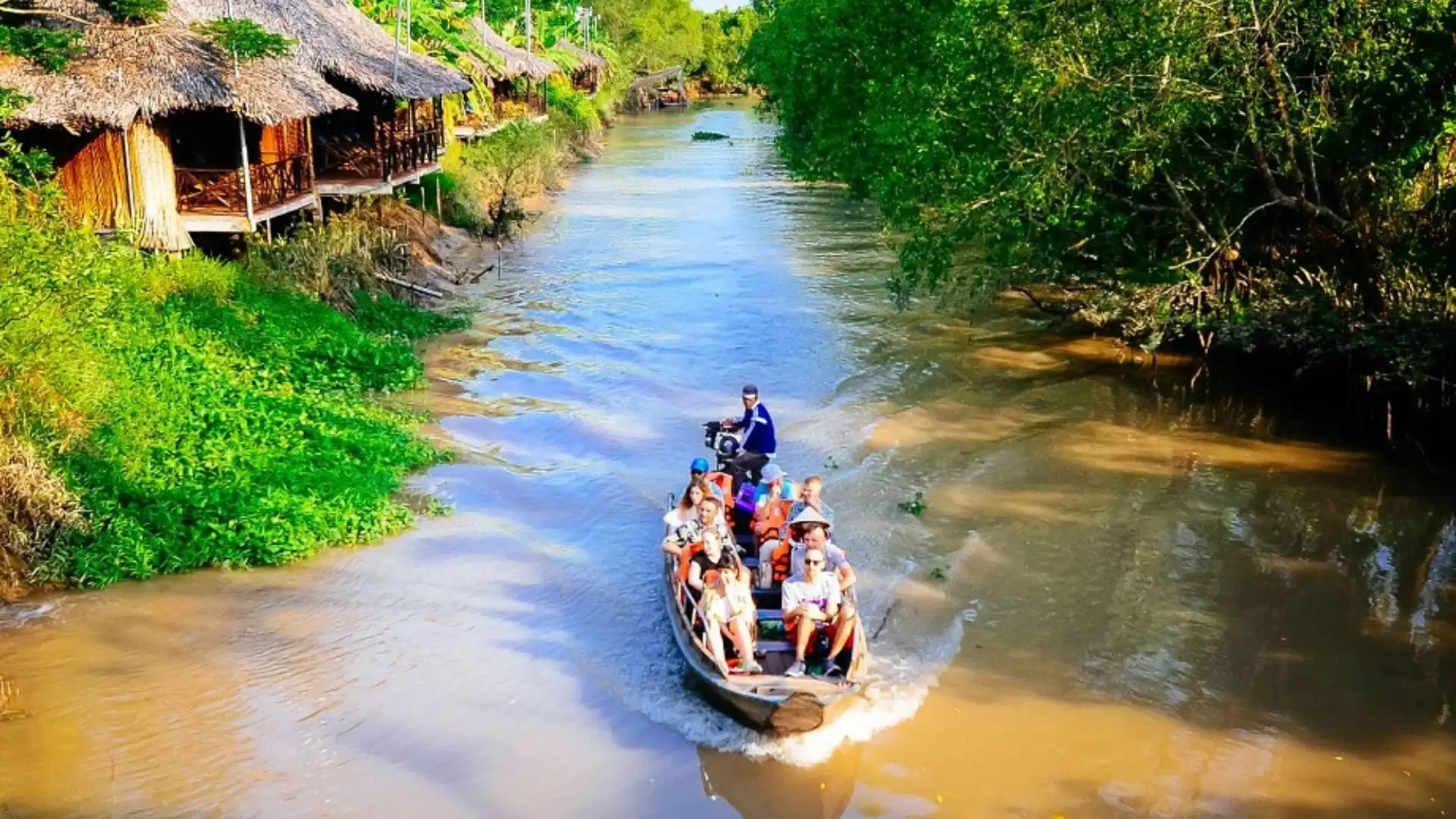
Small canals and river life – Narrow waterways branch off the Hau River, lined with palms, stilt houses, and fruit orchards. A small boat ride through these canals shows a side of the Delta that roads cannot reach.
-
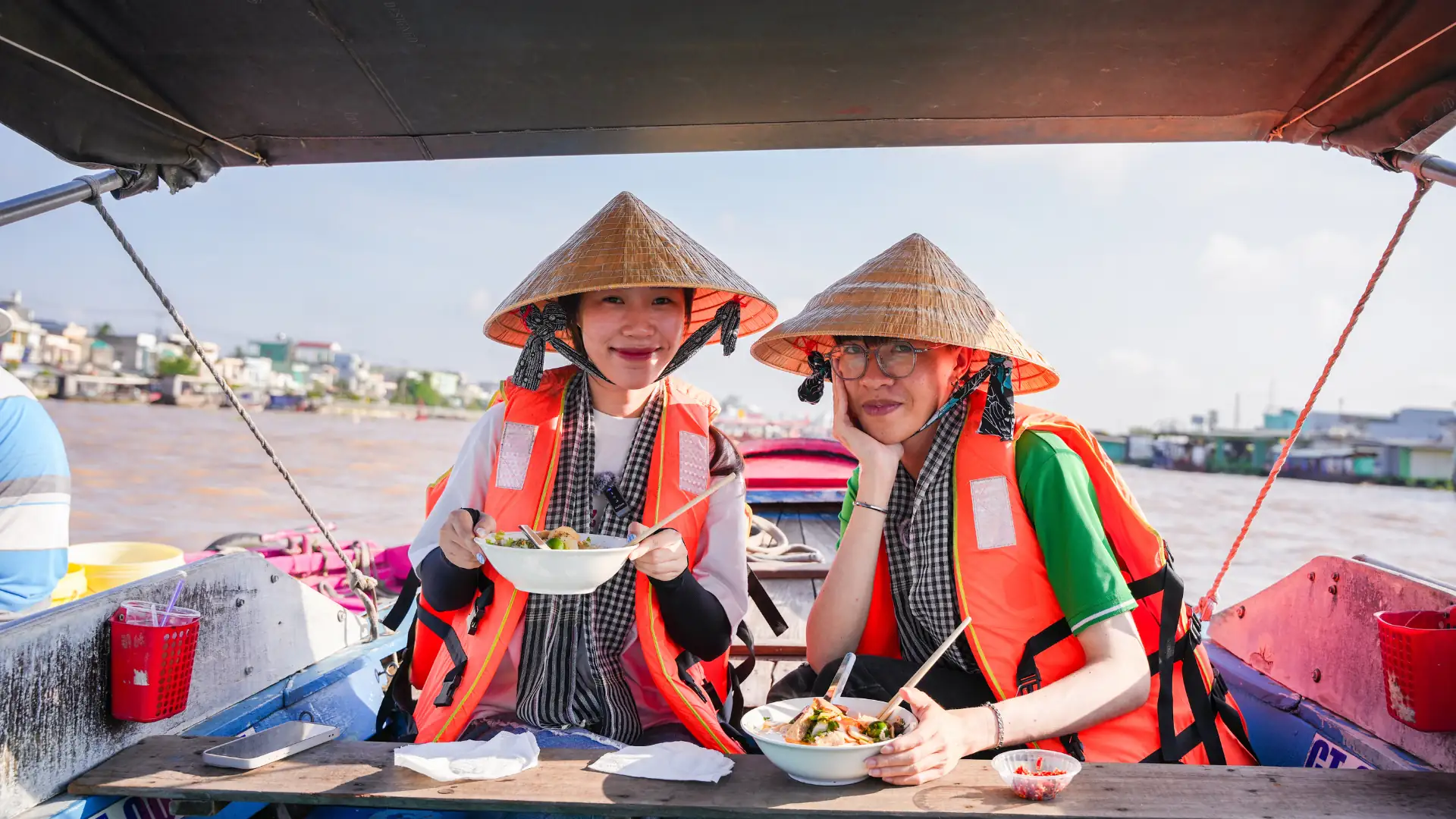
Food culture – Can Tho has a distinct Southern Vietnamese food scene. Dishes like banh xeo, banh cong, hu tieu, and lau mam are widely available. The floating market itself is a place to eat breakfast on a boat.
-
A practical base for the Delta – Can Tho has an international airport, a range of hotels from budget to luxury, and direct road connections to Vinh Long (45 minutes), Chau Doc (2.5 hours), and Ben Tre (2 hours). It is a convenient base for travelers exploring several Mekong Delta destinations.
When to Visit Can Tho
Can Tho has a tropical climate with two main seasons: dry (November to April) and rainy (May to October).
| Period | Weather | What to Expect |
| Nov - Feb | 23-30 C, low rainfall | Generally the mildest and driest conditions. Peak tourism months. Book accommodation in advance. |
| Mar - Apr | 26-34 C, dry | Hot but dry. Fewer crowds than Dec-Jan. Good for early morning tours. |
| May - Jun | 25-33 C, afternoon showers | Rainy season begins. Landscape turns green. Fruit season peaks (rambutan, mangosteen, durian). |
| Jul - Aug | 24-32 C, frequent rain | Heavy but usually short rain bursts. Floating season begins in upstream areas (An Giang, Dong Thap). |
| Sep - Oct | 24-31 C, peak rain | Wettest months. Some rural roads may flood. Floating season at its peak further north. |
Festivals
-
Tet (Jan/Feb) – Vietnamese Lunar New Year. Many businesses close for 3-7 days. Confirm tour availability in advance.
-
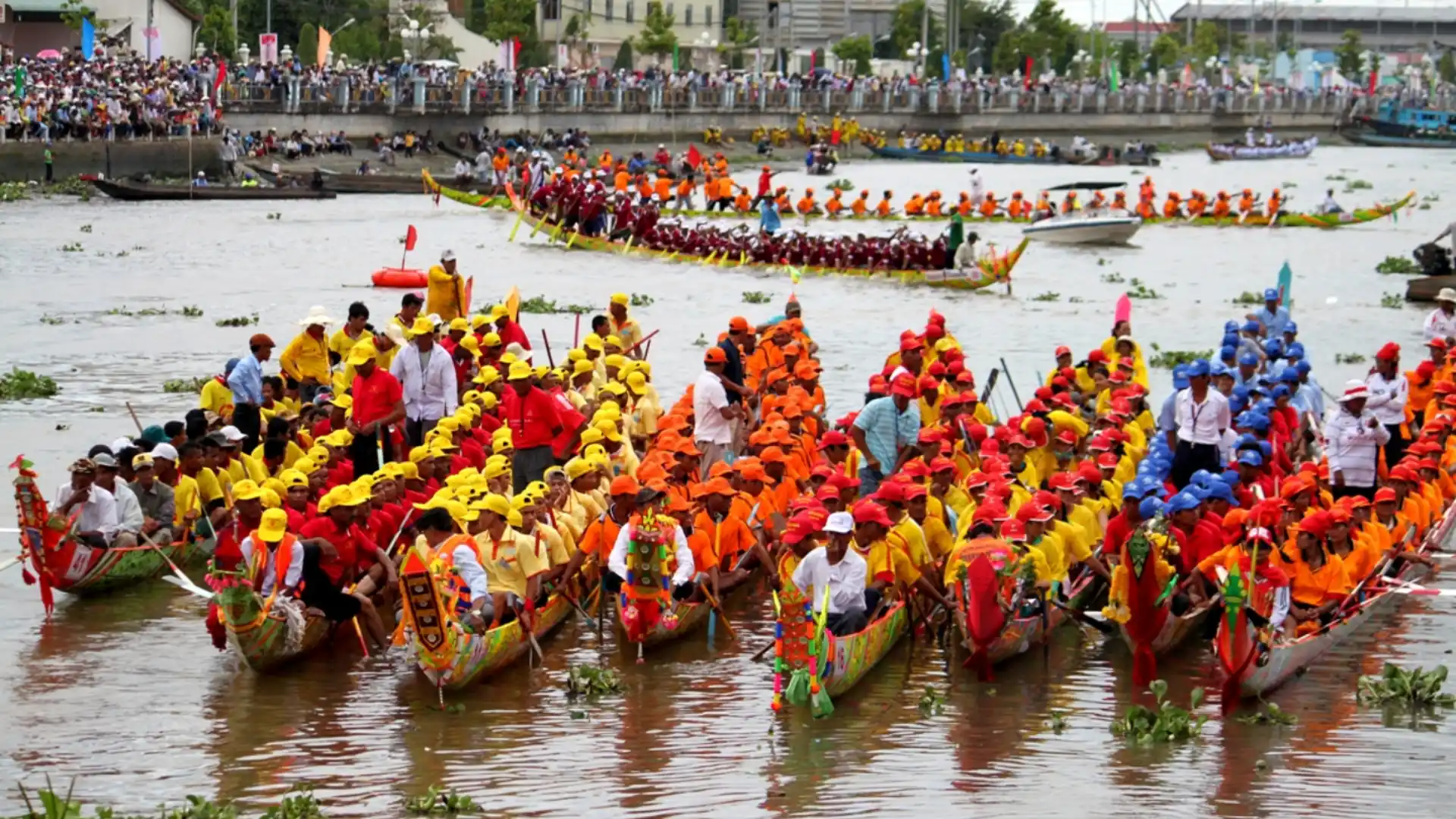
Ok Om Bok Festival (Oct/Nov) – Khmer moon worship celebration with boat races. Events are concentrated in areas with Khmer communities, including parts of greater Can Tho City and the former Soc Trang region. Dates vary annually.
How to Get to Can Tho
From Ho Chi Minh City
| Method | Duration | Approximate Cost | Notes |
| Private car | 3-3.5 hours | 1,500,000 - 2,500,000 VND | A comfortable door-to-door option. |
| Bus | 3.5-4 hours | 150,000 - 250,000 VND | Multiple daily departures from Mien Tay Bus Station. Phuong Trang (Futa) and Thanh Buoi operate this route. |
| Flight | 45 minutes (air time) | Schedules are limited and change frequently | Check airline schedules before planning. Road travel is usually more practical for this distance. |
| Motorbike | 4-5 hours via National Highway 1A and local roads | Fuel: approximately 150,000 VND | Suitable only for experienced riders. The CT01 expressway does not permit motorcycles. Foreign travelers should confirm that their motorcycle licence, supporting documents and insurance are legally valid in Vietnam before renting or riding. |
From Other Delta Cities
-
Chau Doc to Can Tho: 115 km, approximately 2.5 hours by car.
-
Vinh Long to Can Tho: 35 km, approximately 45 minutes by car.
-
Ben Tre to Can Tho: 85 km, approximately 2 hours by car.
How to Get Around Can Tho
-
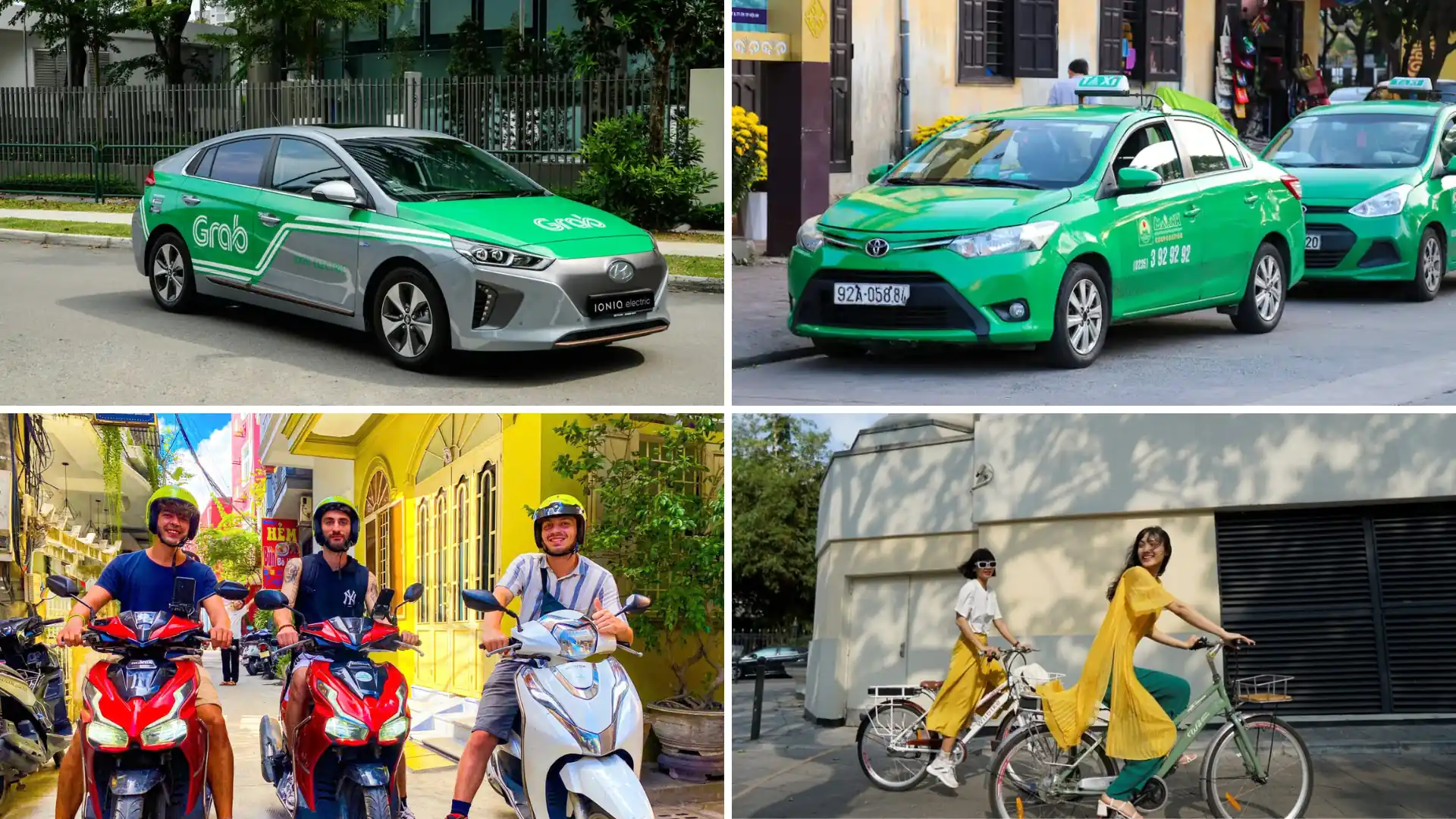
Grab (ride-hailing app) – Widely available. Car rides within Ninh Kieu Ward: 20,000-40,000 VND.
-
Taxi – Mai Linh and Vinasun operate in the city. Use the meter. or GreenSM (XanhSM).
-
Motorbike rental – 150,000-200,000 VND/day. Foreign travelers should confirm their licence and insurance are valid in Vietnam before renting.
-
Bicycle – Some hotels offer free bicycles. The terrain is flat and easy to ride.
-
Boat – Essential for reaching the floating market and riverside attractions. Book through a tour operator or negotiate directly at Ninh Kieu Wharf.
10 Things to Do in Can Tho
1. Cai Rang Floating Market
One of the Mekong Delta’s best-known remaining wholesale floating markets. Boats tie their goods to tall bamboo poles so buyers can see what they sell from a distance. The market opens around 4:00 AM. Peak trading runs from 5:30 AM to 7:30 AM. Located 6 km from Ninh Kieu Wharf – approximately 30 minutes by boat.
Tourist boats typically arrive after 7:00 AM when wholesale trading slows but the atmosphere is still active. To see the market at its busiest, book a tour that departs at 5:30-6:00 AM.
Mekong Smile operates: Cai Rang Floating Market Tour (from $56, 5-6 hours) and Can Tho River Tour (from $40, 3 hours).
Read the full guide: Cai Rang Floating Market
2. Ninh Kieu Wharf and Pedestrian Bridge
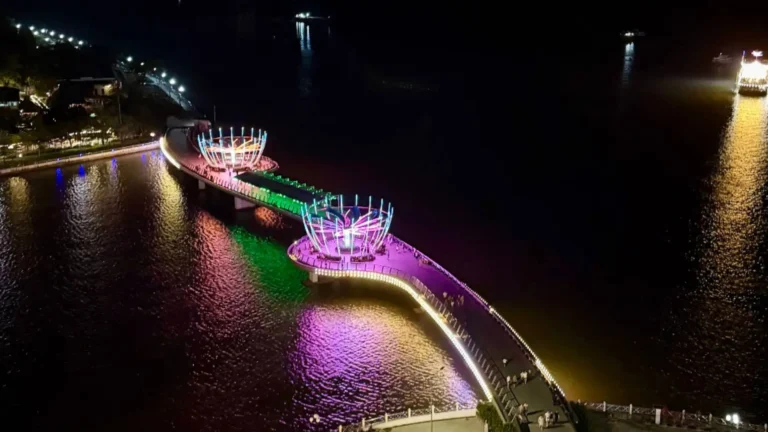
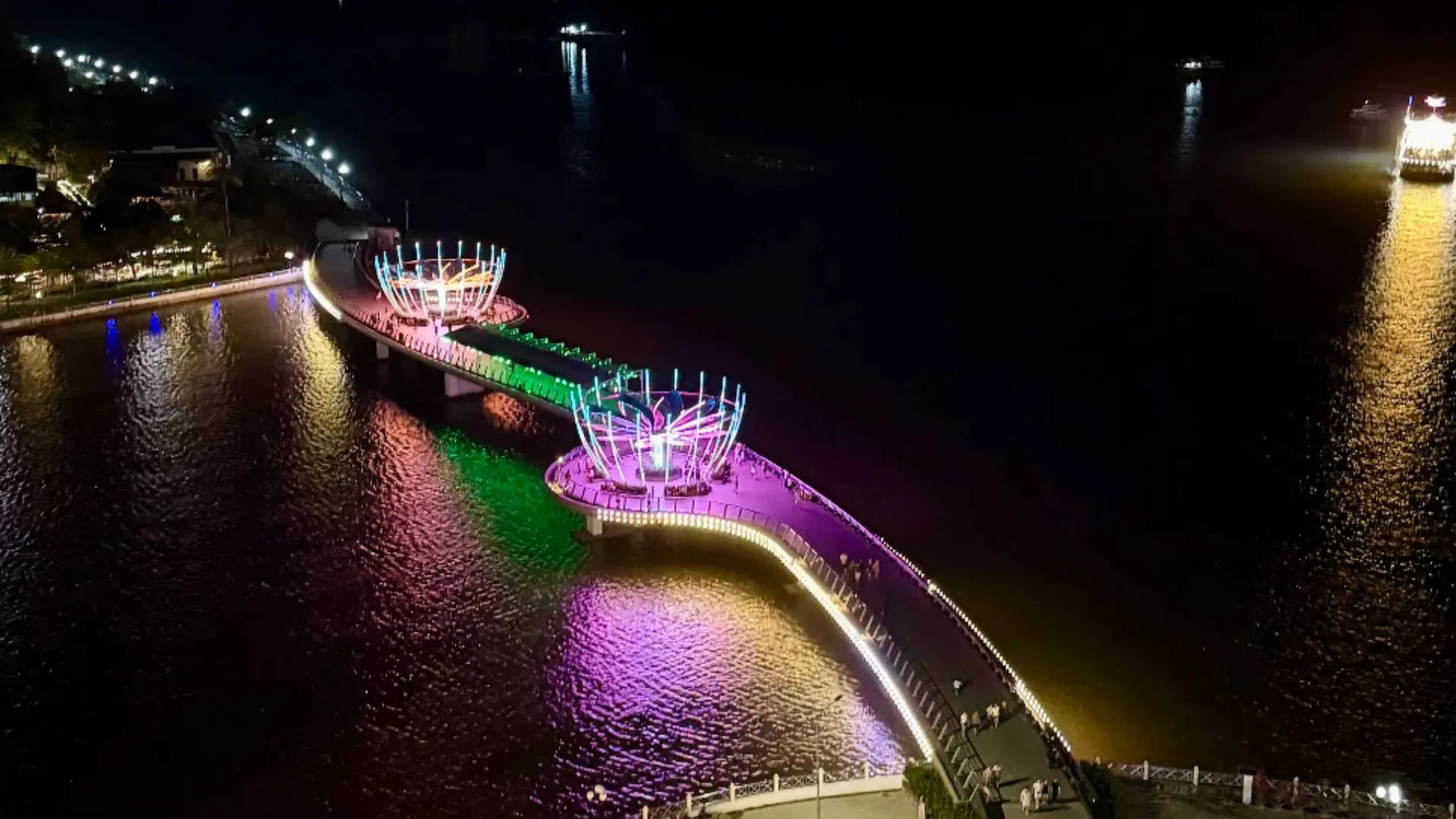
The central riverside area. The Ninh Kieu Pedestrian Bridge connects the riverside promenade with the Cai Khe area and offers views across the Can Tho waterfront. It is illuminated after dark and is a popular place for an evening walk. Nearby: Can Tho Night Market on Hai Ba Trung Street.
3. Son Islet (Con Son)
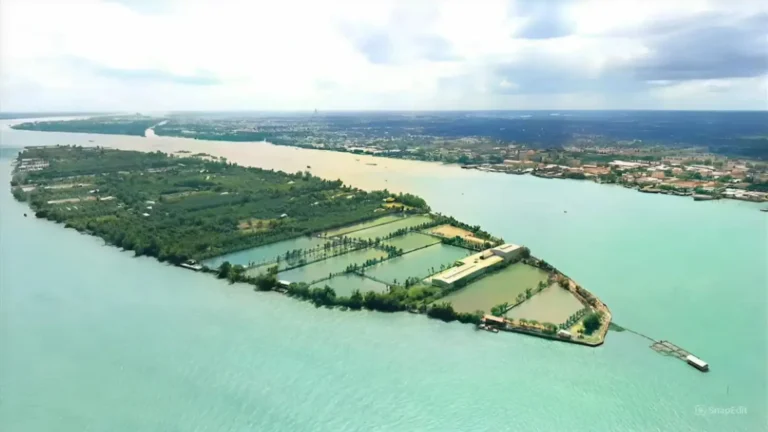
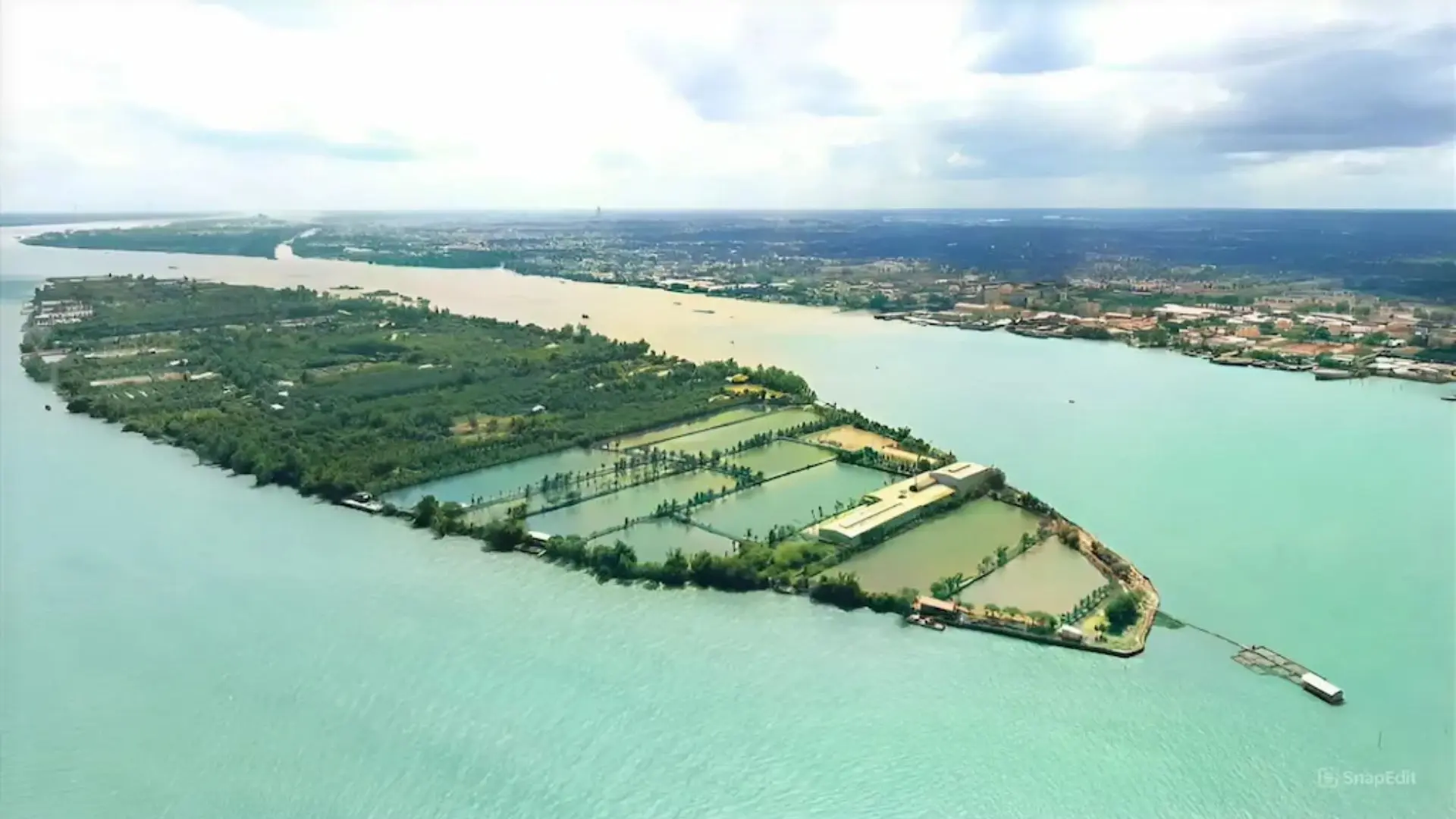
A community-based tourism island in the Hau River. Local families host visitors for lunch, fruit tasting, traditional music, and fish massage. Accessible by boat from Ninh Kieu Wharf.
Mekong Smile operates: Son Islet Tour (from $60, 5 hours). Read the full guide: Son Islet Can Tho
4. Binh Thuy Ancient House
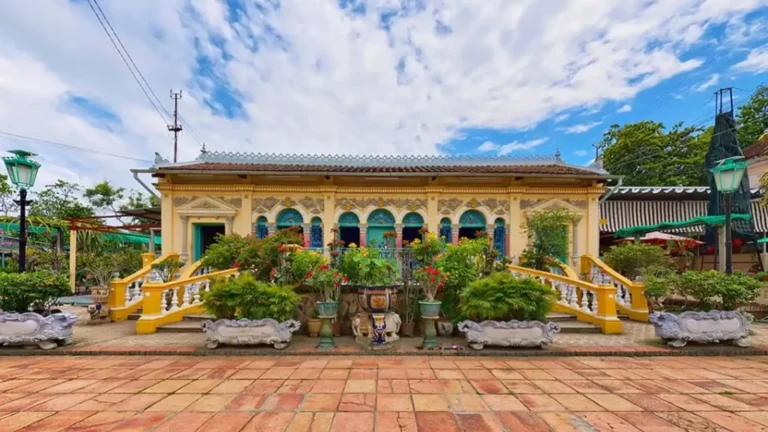
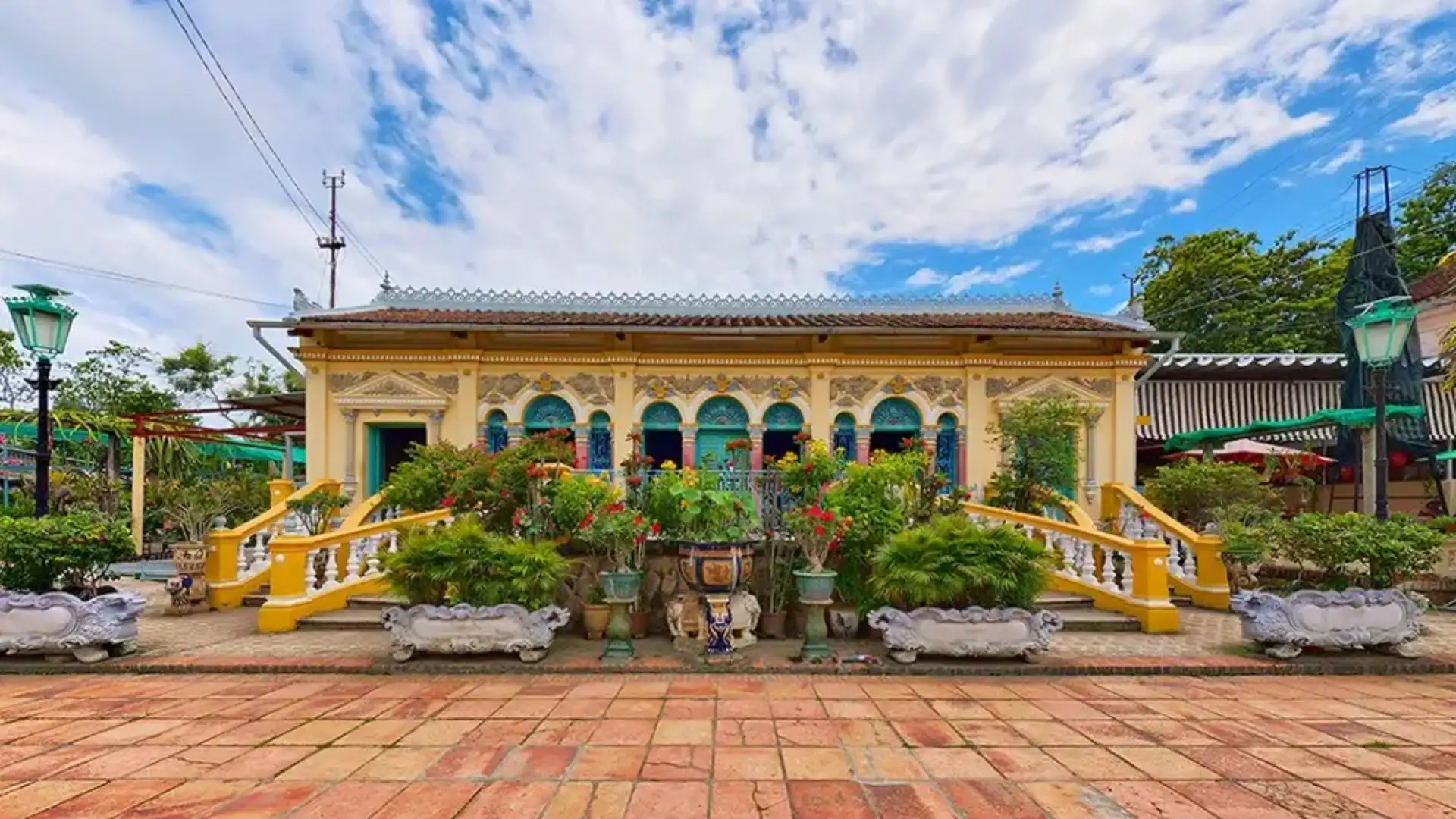
The Duong family established the original house in 1870. The current French-colonial structure was completed around 1911 after several stages of reconstruction. It served as a filming location for the movie “The Lover” (1992). Located 7 km from the city center. Confirm entry fee and opening hours before visiting.
5. Ong Pagoda (Quang Trieu Assembly Hall)
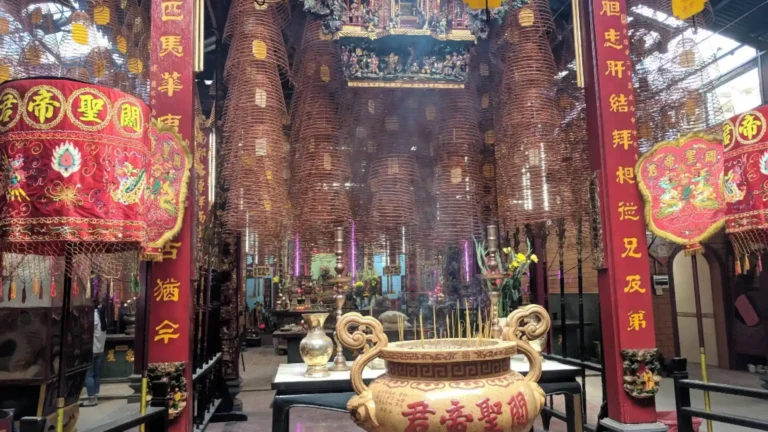
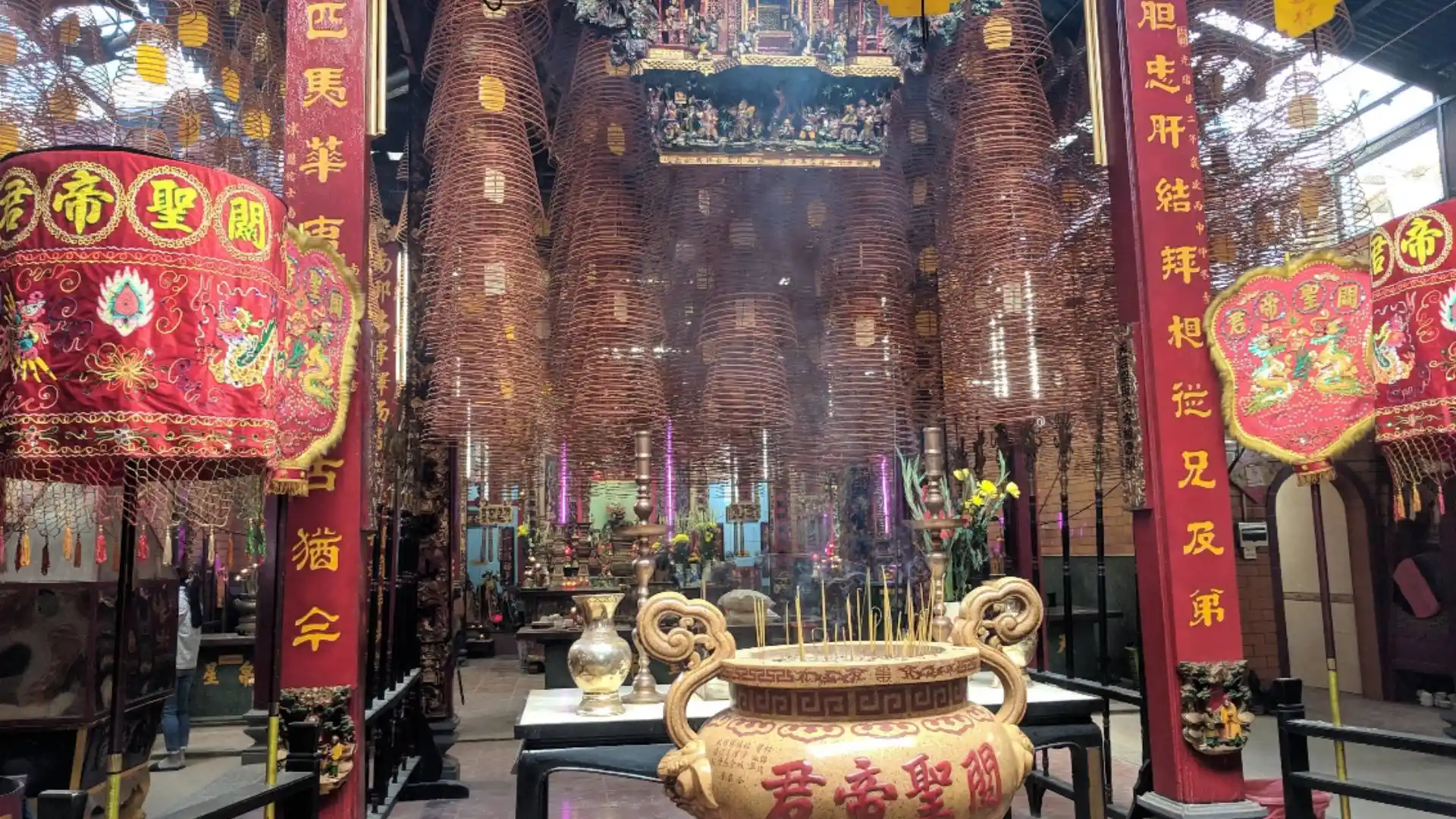
A Chinese temple in Ninh Kieu Ward, built in the late 19th century. Dedicated to Quan Cong. Incense coils hang from the ceiling. Open daily, free entry.
6. Munir Ansay Pagoda
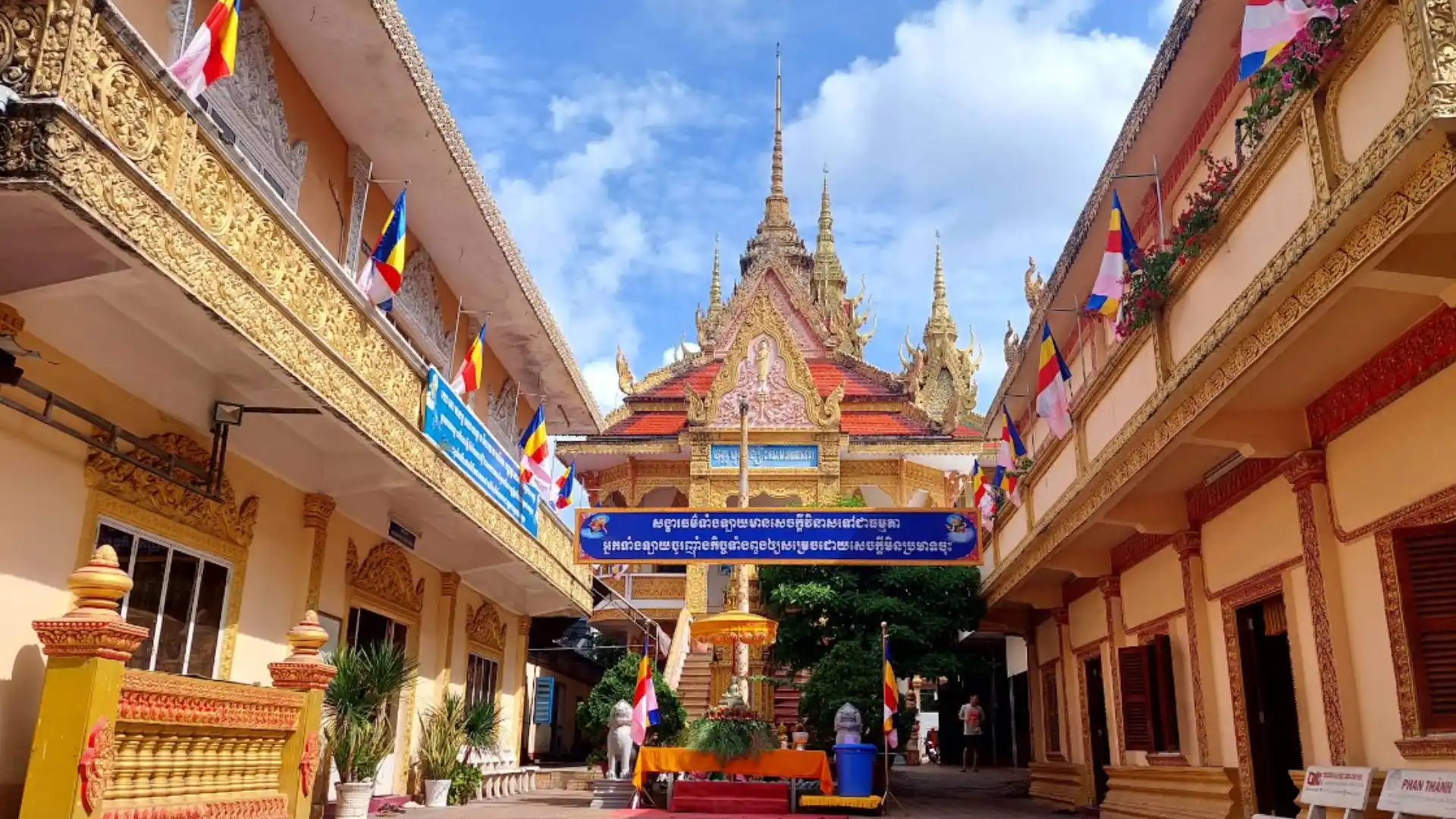
A Khmer Theravada Buddhist temple with distinctive Naga serpent motifs and gilded details. Located near the city center. Free entry.
7. Can Tho Museum
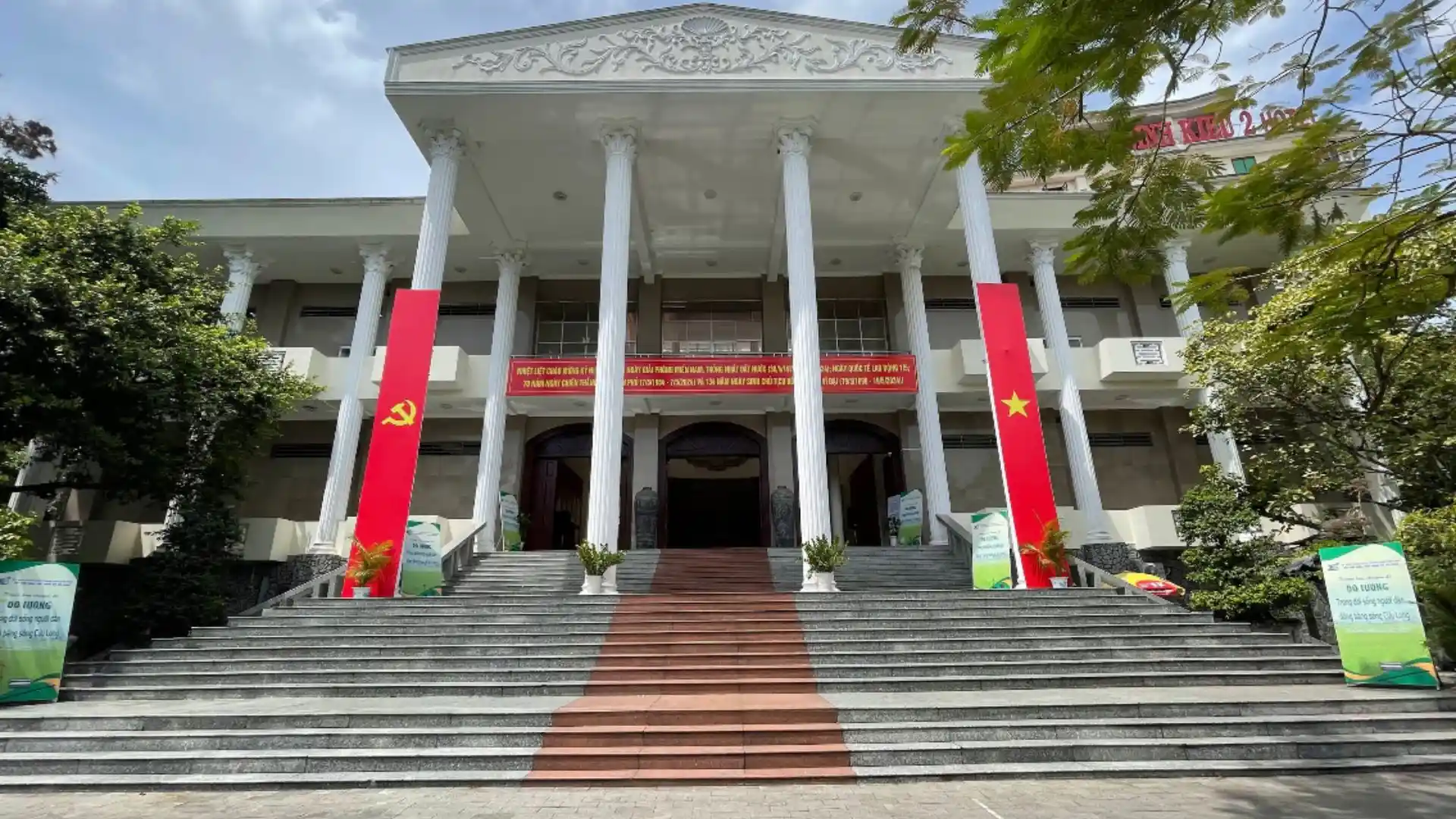
A museum covering Mekong Delta history, culture, and wartime exhibits. Opening hours vary by day and may include evening sessions on weekends. Check the official Can Tho Museum website before visiting.
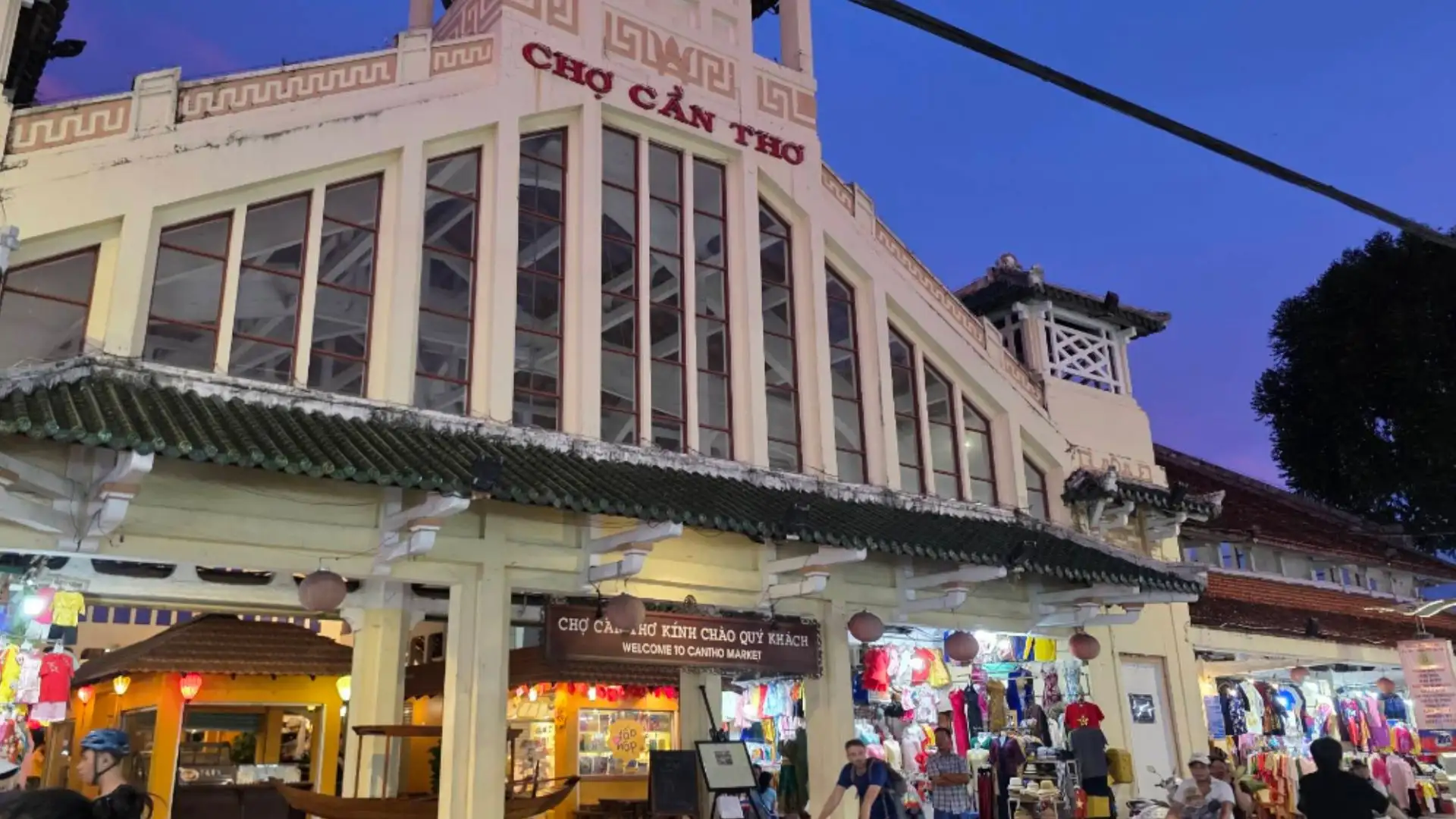
8. Can Tho Old Market
A historic market building on Hai Ba Trung Street, built during the French colonial period. Still operates as a fresh market during the day.
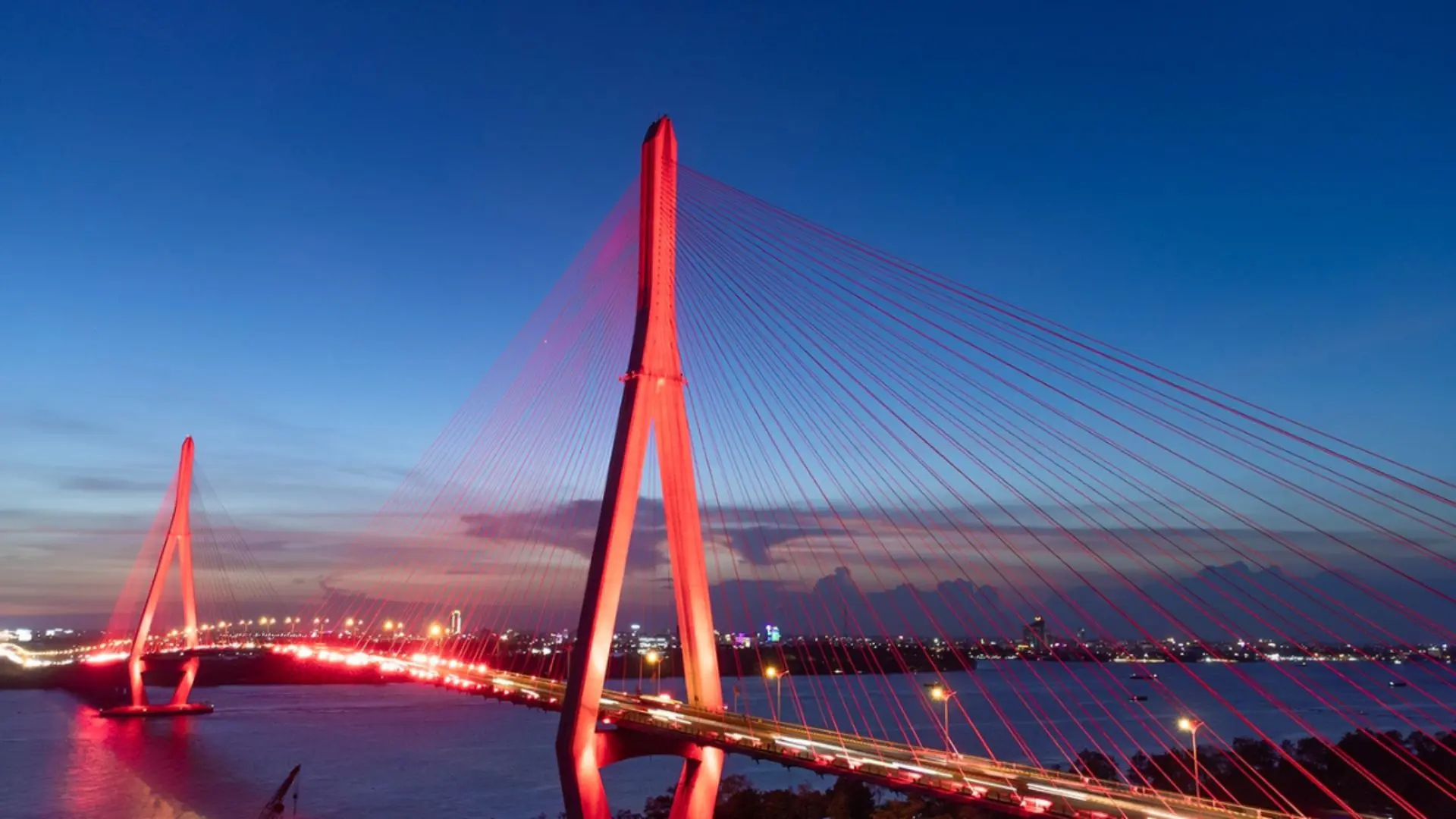
9. Can Tho Bridge
A major cable-stayed bridge crossing the Hau River. At 2.75 km, it is one of the city’s most recognizable modern landmarks. Lit up at night and visible from Ninh Kieu Wharf.
10. Small Canals
Narrow waterways branching off the Hau River, lined with palms and stilt houses. Accessible by small boat.
Mekong Smile operates: Can Tho Small Canal Tour (from $40, 3 hours).
Other Attractions Worth Considering
These attractions are covered in dedicated articles on mekongsmile.com.
-
Bang Lang Stork Sanctuary – Thousands of storks return at sunset. Located 60 km from Can Tho.
-
Rice Noodle Factory – Watch fresh rice noodles being made by hand. Open early morning.
-
Can Tho Fruit Gardens – Seasonal fruit orchards where you can pick and taste tropical fruit.
-
My Khanh Tourist Village – Recreational village with gardens, traditional games, and Mekong-style restaurants.
-
Truc Lam Phuong Nam Zen Monastery – Large Buddhist monastery with traditional architecture.
-
Binh Thuy Temple – Historic communal house with carved wooden interiors.
-
Military Zone 9 Museum – Wartime history of the Mekong Delta region.
Where to Stay in Can Tho
Areas to Consider
| Area | Best For | Drawbacks |
| Ninh Kieu Ward | First-time visitors. Walking distance to the wharf, night market, and restaurants. | Busy. Little countryside atmosphere. |
| Cai Rang | Closest to the floating market. Some riverside resorts and ecolodges. | Further from central dining and nightlife. |
| Phong Dien / Countryside | Homestays, fruit orchards, quiet atmosphere. Good for slow travel. | Requires transport to reach the city center. |
For hotel recommendations, see our Can Tho Hotels Guide.
Mekong Smile operates a tour desk in the lobby of Sheraton Can Tho Hotel. Open daily 8:30 AM-9:30 PM.
What to Eat in Can Tho
| Dish | Description | Typical Price |
| Banh Xeo Can Tho | Crispy turmeric crepe with shrimp, pork, and bean sprouts. Larger and thinner than the central Vietnamese version. | 20,000-40,000 VND |
| Banh Cong | Deep-fried mung bean and shrimp cakes. A Can Tho street food specialty. | 5,000-10,000 VND/piece |
| Lau Mam | Fermented fish hotpot with vegetables, seafood, and pork. A distinctly Southern dish. | 150,000-300,000 VND (serves 2-3) |
| Hu Tieu | Clear noodle soup with pork, seafood, and herbs. Try it at a street stall or at the floating market. | 25,000-50,000 VND |
| Bun Rieu | Crab and tomato noodle soup with tofu and fresh herbs. A popular breakfast dish. | 25,000-40,000 VND |
| Grilled Snakehead Fish | Mekong Delta specialty. Grilled whole over charcoal, served with rice paper and herbs. | 100,000-200,000 VND |
| Fresh Tropical Fruit | Rambutan, mangosteen, durian, pomelo, and longan depending on the season. | Varies by fruit and season |
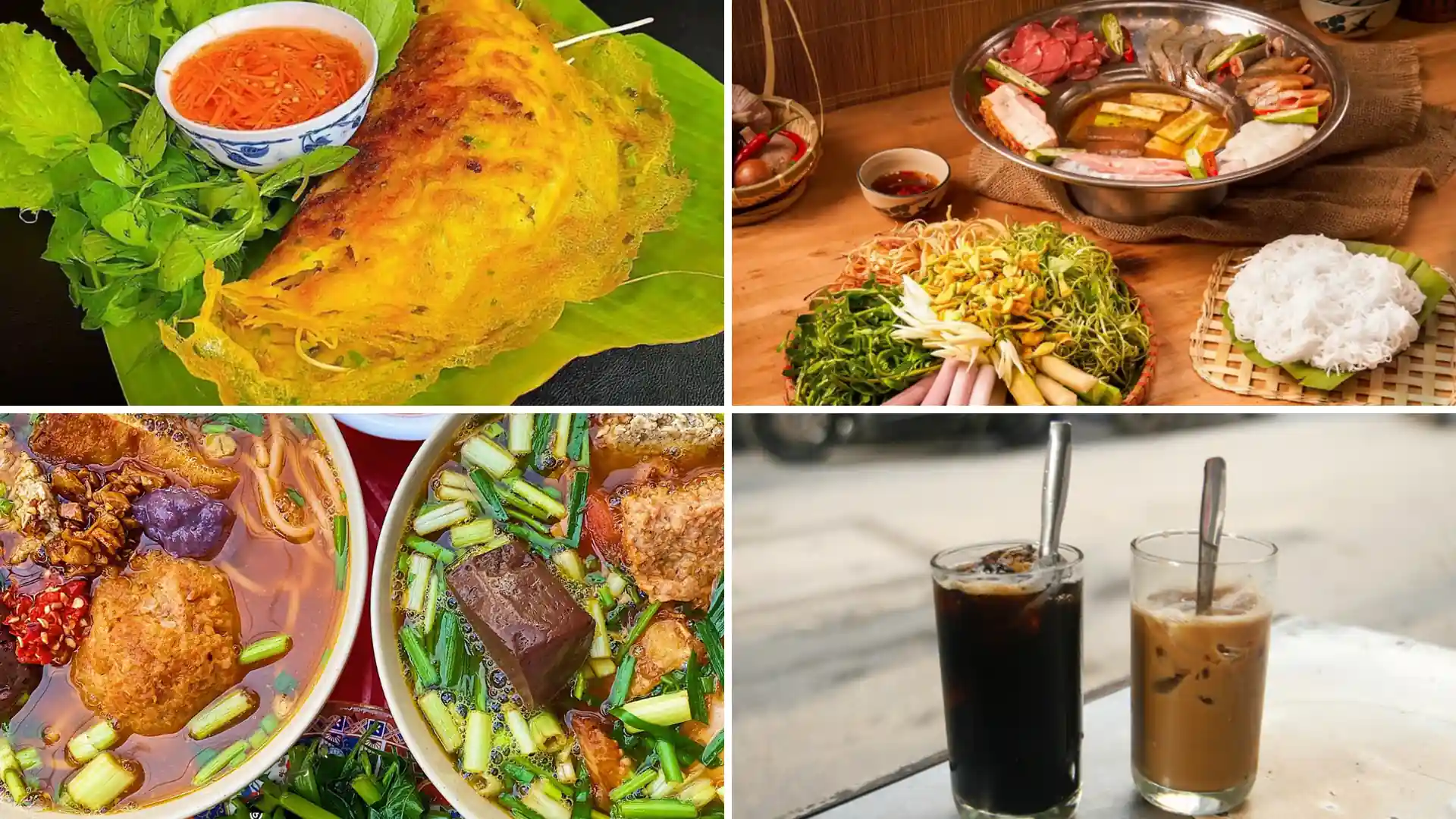
For a guided food experience: Can Tho Food Tour – from $32/person, approximately 3 hours. Includes four featured dishes followed by a local refreshment.
For restaurant recommendations: see our Can Tho Restaurants guide.
Suggested Itineraries
Option A: 1 Day – Floating Market and City Center
-
5:30 AM – Depart for Cai Rang Floating Market by boat.
-
8:00 AM – Breakfast at the market (hu tieu or bun rieu from a boat vendor).
-
10:00 AM – Visit Can Tho Old Market and Ong Pagoda.
-
12:00 PM – Lunch – try banh xeo at a local restaurant.
-
2:00 PM – Visit Can Tho Museum or Binh Thuy Ancient House.
-
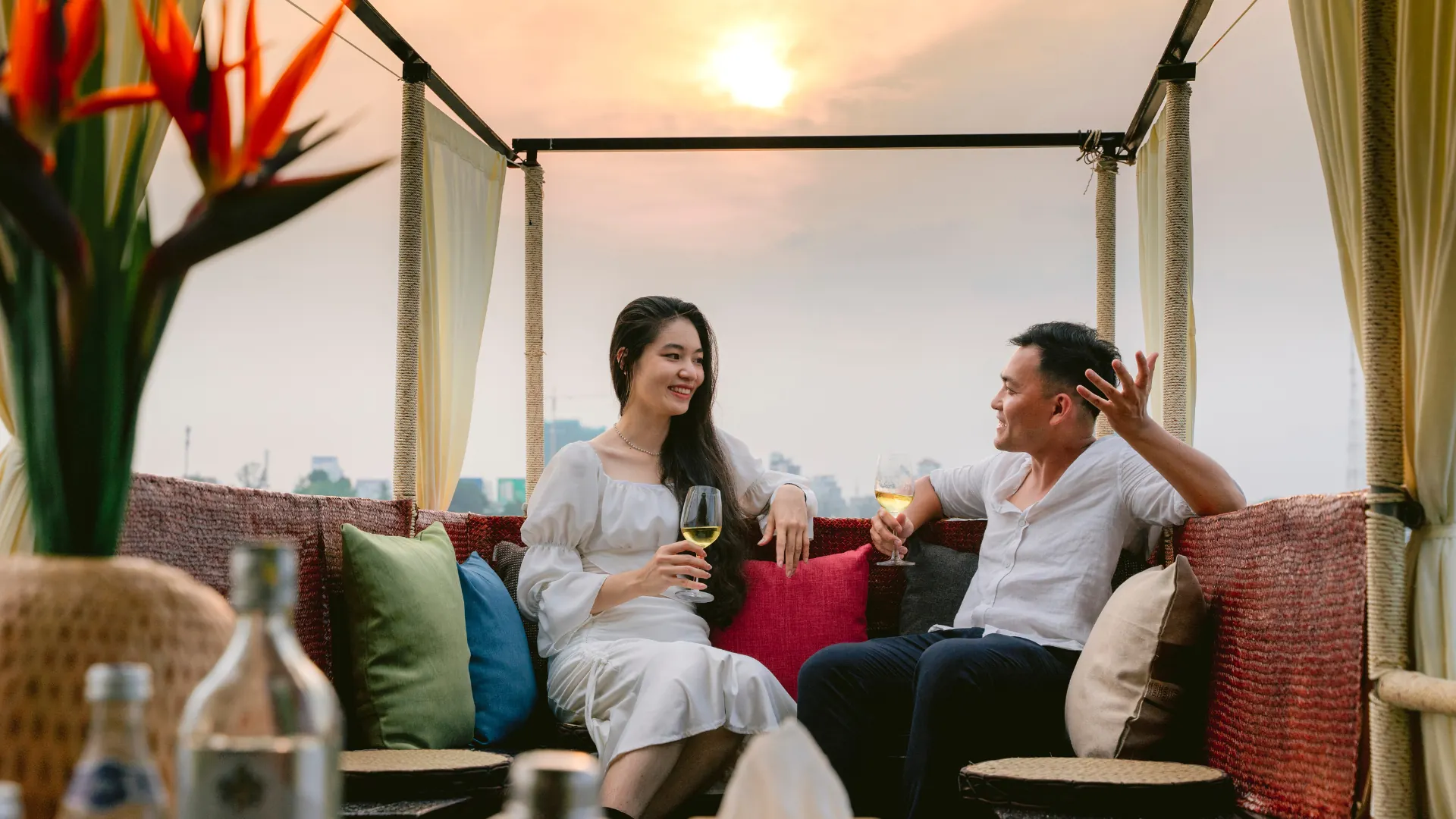
4:30 PM – Walk along the Ninh Kieu waterfront and pedestrian bridge in the late afternoon.
-
6:00 PM – Dinner and explore Can Tho Night Market.
Option B: 1 Day – Floating Market and Son Islet
-
5:30 AM – Depart for Cai Rang Floating Market.
-
8:30 AM – Visit a rice noodle factory (observe production, try fresh noodles).
-
10:00 AM – Return to Ninh Kieu Wharf. Free time or early lunch.
-
2:00 PM – Begin the Son Islet Tour, including Binh Thuy Temple, a floating fish farm, local craft activities and seasonal fruit tasting. The approximately five-hour program normally ends around 7:00 PM.
-
7:30 PM – Dinner in Ninh Kieu Ward.
2 Days in Can Tho
Day 1: Follow Option A (Floating Market and City Center).
Day 2: Choose one:
-
Son Islet community experience, available in the morning or afternoon (approximately 5 hours).
-
Small canal tour (3 hours) plus free time to explore the city center.
-
Countryside cycling tour: see Can Tho Bike Tour, from $46 (4-5 hours).
-
Day trip to Vinh Long (45 minutes by car): An Binh Islet, fruit orchards, brick kilns.
3 Days in Can Tho
Day 1: Option A (city center). Day 2: Option B (market and Son Islet). Day 3: Day trip to Chau Doc (Sam Mountain, Cham village) or Tra Su Forest (especially during floating season, Aug-Nov).
Estimated Travel Costs
Prices are general estimates compiled in August 2026. Actual costs vary by season, exchange rate, and individual choices. Guided tours and cruises are priced separately from daily living costs.
| Category | Budget | Mid-Range | Premium |
| Accommodation (per night) | 200,000-500,000 VND (guesthouse) | 800,000-1,500,000 VND (3-4 star hotel) | 2,500,000+ VND (Sheraton, Victoria) |
| Meals (per day) | 150,000-250,000 VND (street food, local restaurants) | 300,000-600,000 VND (mix of local and tourist restaurants) | 800,000+ VND (hotel dining, upscale restaurants) |
| Local transport (per day) | 50,000-100,000 VND (Grab motorbike, walking) | 150,000-300,000 VND (Grab car, rented motorbike) | 500,000+ VND (private car with driver) |
| Daily Total (excl. tours) | 400,000-850,000 VND | 1,250,000-2,400,000 VND | 3,800,000+ VND |
Guided tours generally start from $32 per person. Premium cruises and multi-day experiences are priced separately and are not included in the daily estimates above. See individual tour pages on mekongsmile.com for current pricing.
Practical Tips for International Travelers
-
Cash: Most local restaurants, markets, and small shops accept cash only. ATMs are widely available in Ninh Kieu Ward (Vietcombank, BIDV, Agribank).
-
Cards: Hotels and larger restaurants accept Visa and Mastercard. Street food, markets, and small vendors are cash only.
-
Weather: Bring an umbrella May through October. Sunscreen and a hat are recommended year-round.
-
Language: English is limited outside hotels and tours. A translation app on your phone helps. Learning a few Vietnamese phrases goes a long way.
-
SIM Card: Viettel, Mobifone, and Vietnamobile have stores in the city center. A 4G data plan costs approximately 50,000-100,000 VND for 7-30 days.
-
Safety: Can Tho is generally safe. Standard precautions apply – secure valuables in crowded areas, use Grab rather than unmarked taxis at night.
-
Tipping: Tipping is not generally expected, but a small discretionary tip is appreciated for good service. Check whether a service charge has already been included.
-
Health: Tap water is not drinkable. Bottled water is widely available. Pharmacies are common in the city center. For emergencies, dial 115.
Our Can Tho Tours
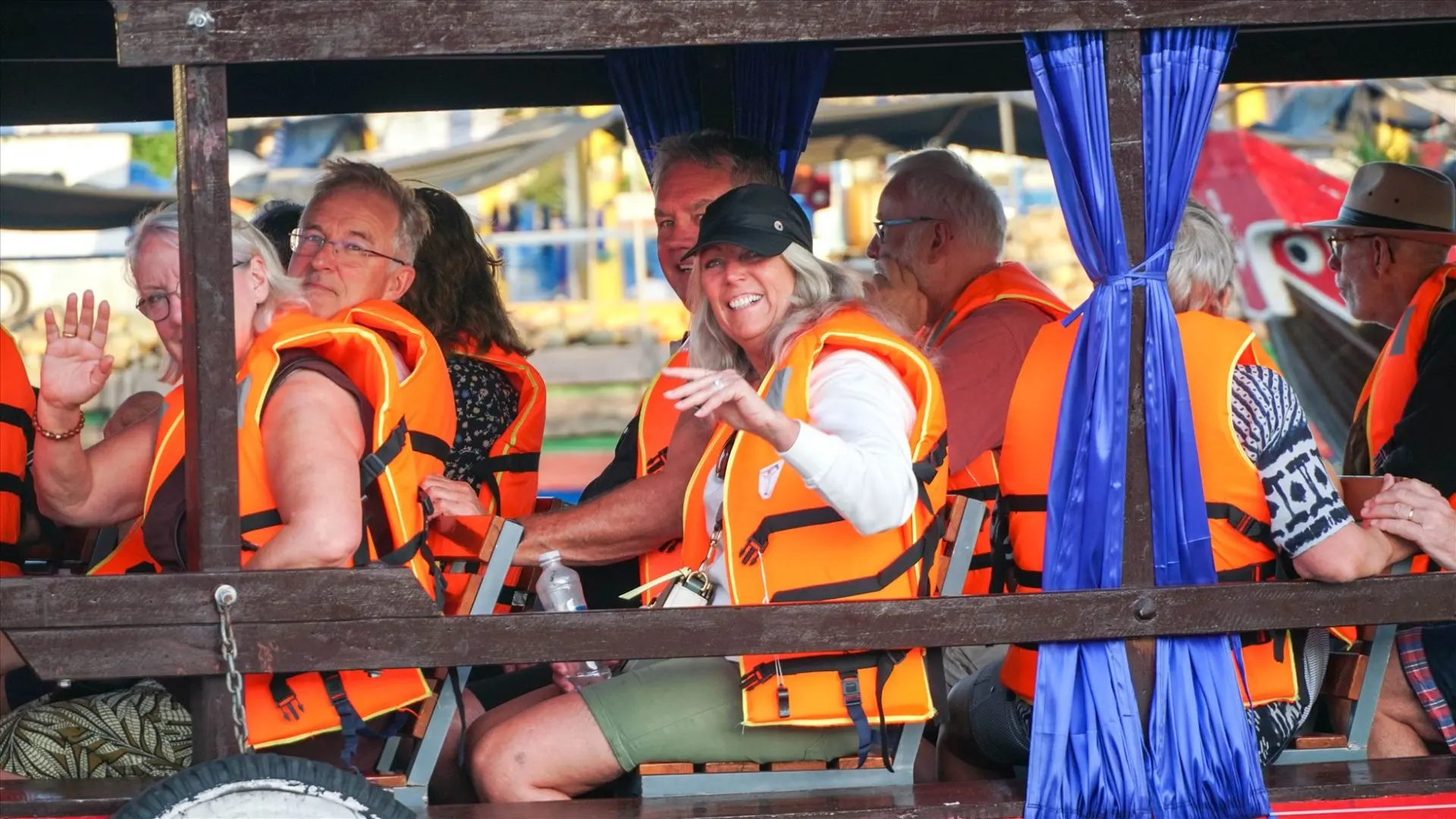
Mekong Smile offers a range of guided experiences from Can Tho. Hotel pickup is available for selected tours in central Ninh Kieu Ward, while other experiences use a designated meeting point. Check the individual tour page when booking.
Mekong Smile is based in Can Tho and operates under Vietnam National Authority of Tourism International Tour Operator Licence No. 92/018-2022/CDLQGVN – GPLHQT, issued on July 21, 2026. Recognized with TripAdvisor Travelers’ Choice 2025.
-
Cai Rang Floating Market Tour – from $56/person, 5-6 hours
-
Can Tho River Tour – from $40/person, 3 hours
-
Can Tho Food Tour – from $32/person, approximately 3 hours
-
Son Islet Tour – from $60/person, 5 hours
-
Can Tho Sunset Tour – from $46/person, 2 hours
-
Can Tho Small Canal Tour – from $40/person, 3 hours
Book at mekongsmile.com, at our tour desk in Sheraton Can Tho (daily 8:30 AM-9:30 PM), or via WhatsApp: +84 774 839 165.
Frequently Asked Questions about Can Tho Travel Guide (FAQ)
How many days should I spend in Can Tho?
Plan 2-3 full days. One day covers the floating market and city center. A second day allows for Son Islet or countryside exploration. A third day opens up day trips to Vinh Long (45 minutes), Chau Doc (2.5 hours), or Tra Su Forest (2.5 hours).
Is Can Tho worth visiting?
It depends on what you want. If you want to see a working floating market and experience the Mekong Delta beyond a rushed day trip from HCMC, Can Tho is a good choice. It has an airport, a range of hotels, and direct connections to nearby provinces. If your primary interest is beaches or mountains, Can Tho is not the right destination.
How far is Can Tho from Ho Chi Minh City?
170 km by road. Approximately 3-3.5 hours by private car or 3.5-4 hours by bus.
What is the easiest way to get to Can Tho from HCMC?
A private car is a comfortable door-to-door option (3-3.5 hours). Buses are usually the lower-cost choice (150,000-250,000 VND). Flights exist but schedules are limited; given the short distance, road travel is usually more practical.
When should I visit Can Tho?
November to February has generally the mildest and driest conditions but also the most tourists. March-April is hot but less crowded. May-October is rainy season – the landscape is green and fruit is abundant, but expect afternoon showers.
Do I need a guide to visit Cai Rang Floating Market?
You can hire a boat at Ninh Kieu Wharf. A guided tour includes transport, a guide who explains the market, and often additional stops like a noodle workshop or fruit garden. Independent boat drivers may not speak English.
Is Can Tho safe?
Can Tho is generally safe. Standard precautions apply: secure valuables in crowded areas, use Grab for transport at night, and keep your original passport securely stored and carry a copy when practical.
What should I eat in Can Tho?
Start with banh xeo (crispy turmeric crepe), banh cong (deep-fried mung bean cakes – a Can Tho specialty), hu tieu (clear noodle soup), and lau mam (fermented fish hotpot). Try fresh tropical fruit at Cai Rang market. For adventurous eaters, grilled snakehead fish is a Mekong Delta specialty.
Can I pay with a credit card in Can Tho?
Hotels and larger restaurants accept cards. Street food, markets, and small shops are cash only. ATMs are widely available in Ninh Kieu Ward.
Is there an airport in Can Tho?
Can Tho International Airport (VCA) serves selected domestic routes. Destinations and flight frequencies change throughout the year. Check the airport or airline schedule before booking. International services remain limited.
What is the best area to stay in Can Tho?
Ninh Kieu Ward is the most convenient for first-time visitors – walking distance to the wharf, night market, and restaurants. Cai Rang is closer to the floating market. Phong Dien offers homestays and countryside atmosphere. See our Can Tho Hotels Guide for recommendations.
