
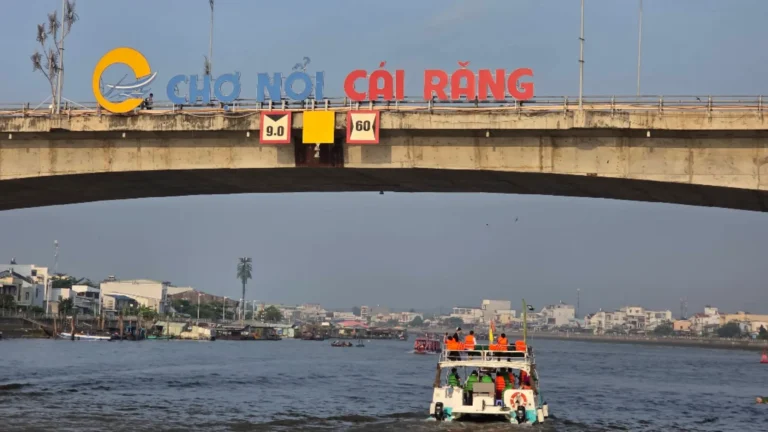
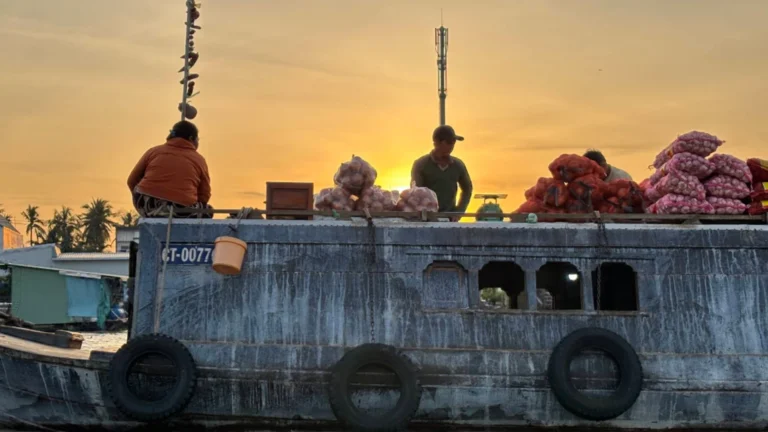
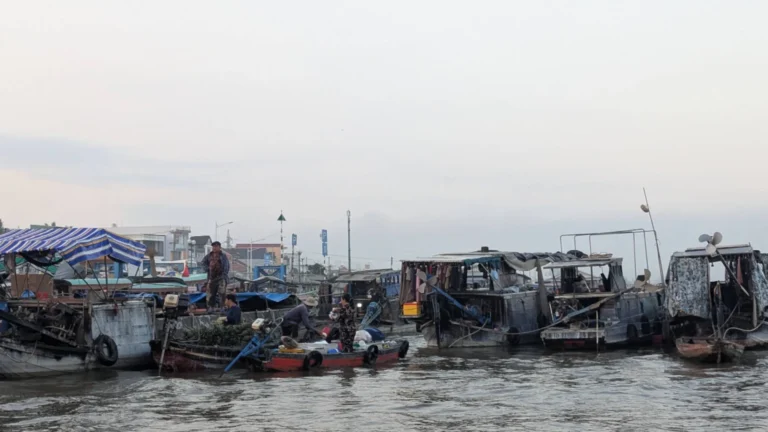
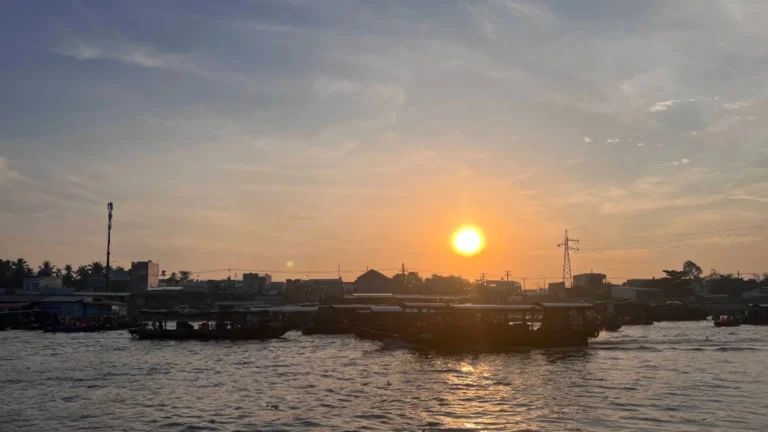

Cai Rang Floating Market is still operating and still worth an early morning visit, but it is smaller and different from the wholesale market shown in older photographs. Road transport and changes in local trading have reduced the number of merchant boats over time, while tourism now forms a more visible part of the morning activity. Go early, set realistic expectations, and the market still offers a useful look at how produce and people move along Can Tho’s waterways.
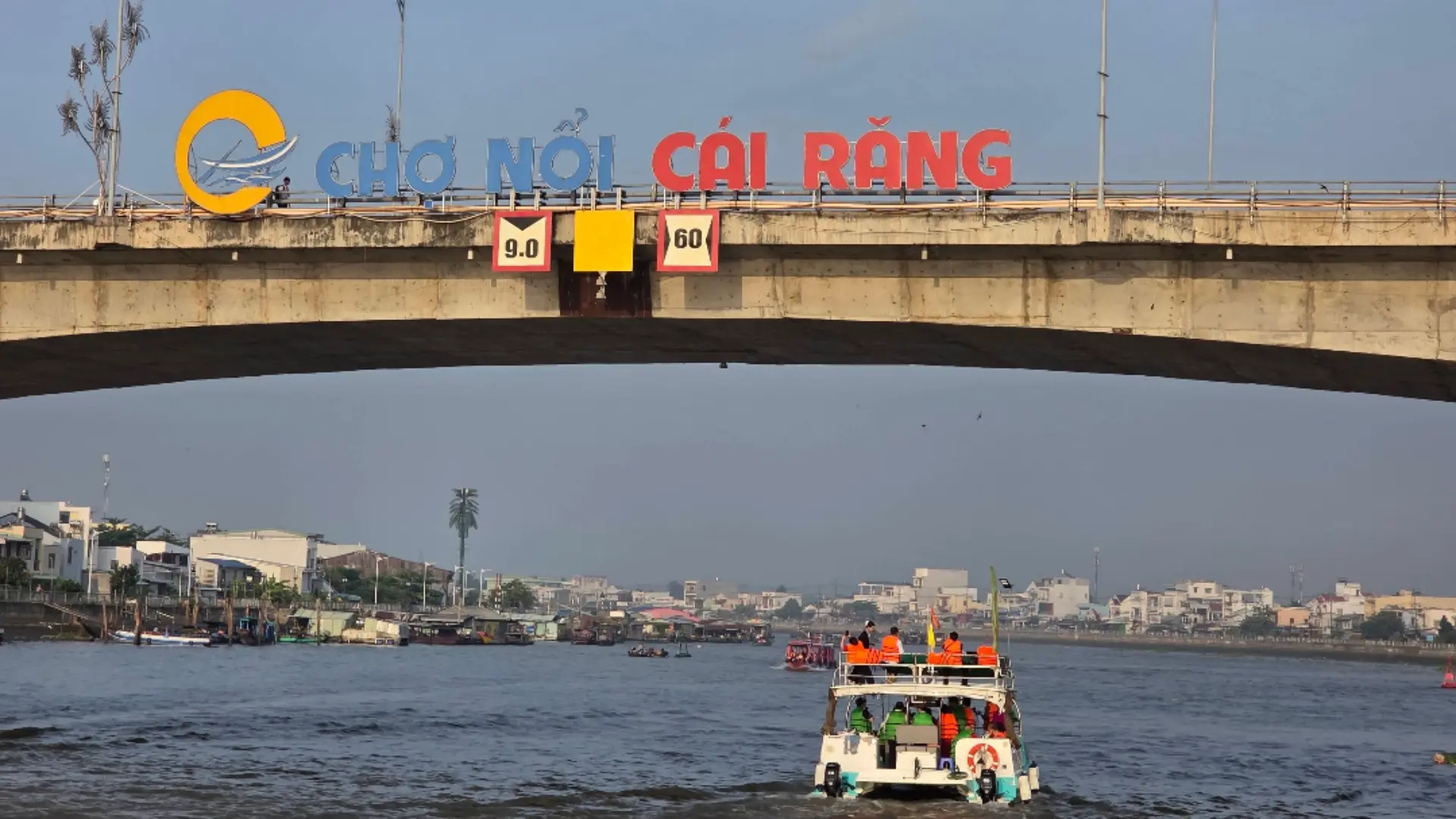
Quick Facts
Updated August 2026. Market conditions and boat activity vary by season and day.
| Detail | Info |
| Location | Can Tho River, a branch of the Hau River, Can Tho City |
| Market activity | Roughly 4:00 AM - 9:00 AM |
| Recommended visitor window | 5:00 AM - 8:00 AM |
| Heritage status | National Intangible Cultural Heritage (2016) |
| Access | By boat from Ninh Kieu or a nearby pier |
| Typical visit | Around 1-2 hours for the market itself, depending on where you depart and how long you stop |
What Is Cai Rang Floating Market?
Cai Rang is a river market where produce is traded directly between boats. Its floating-market culture was recognized as a national intangible cultural heritage in 2016. Cai Rang developed at a time when waterways played a much larger role in moving fruit, vegetables and other goods across the Mekong Delta, before road transport became as widespread and convenient as it is today.
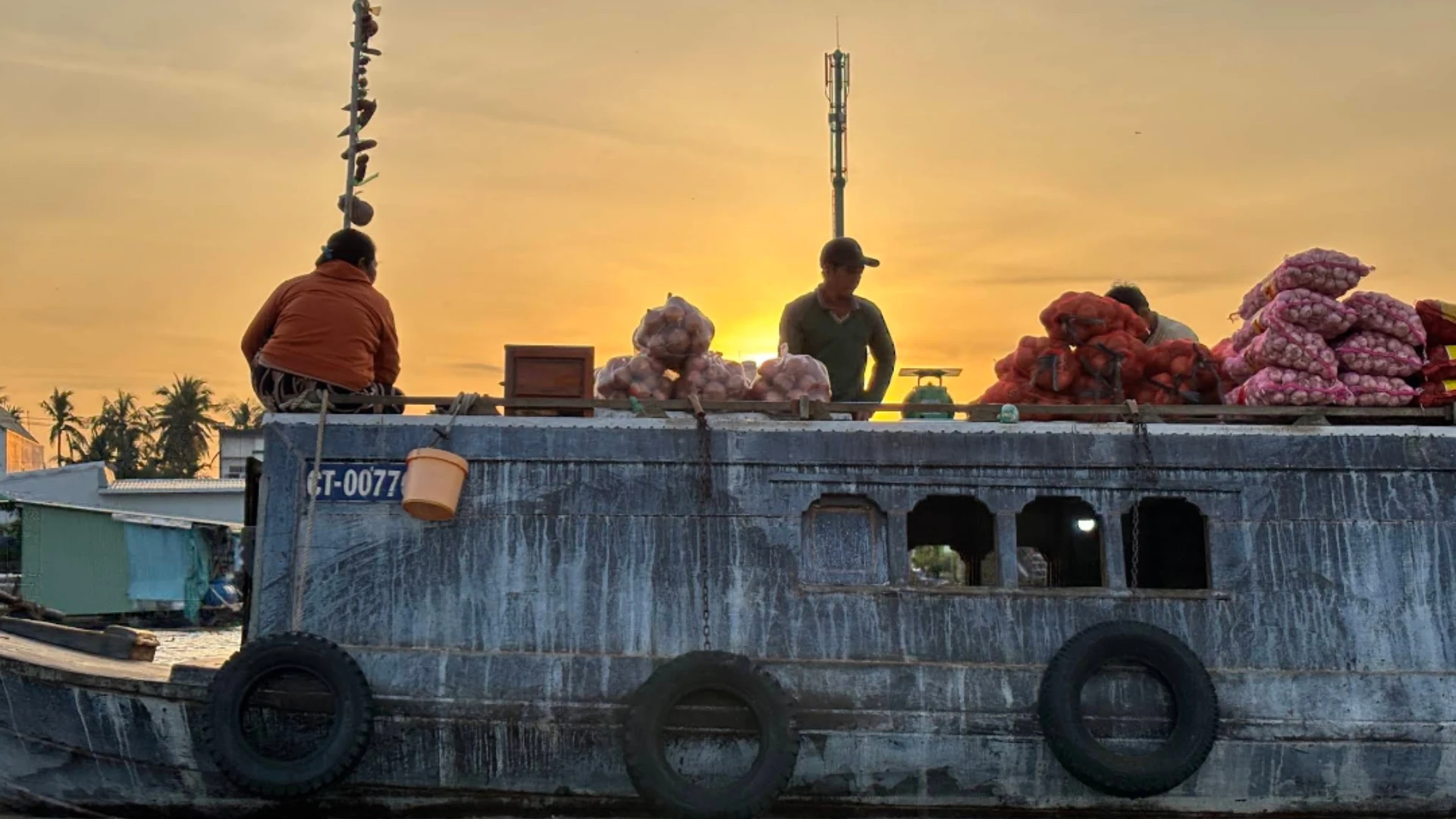
One of Cai Rang’s distinctive features is the cây bẹo (cay beo), a tall bamboo pole used by many trading boats to display a sample of what they sell. Buyers can see from a distance whether a boat is carrying pineapples, sweet potatoes or cabbages.
What Is Cai Rang Floating Market Like Today?
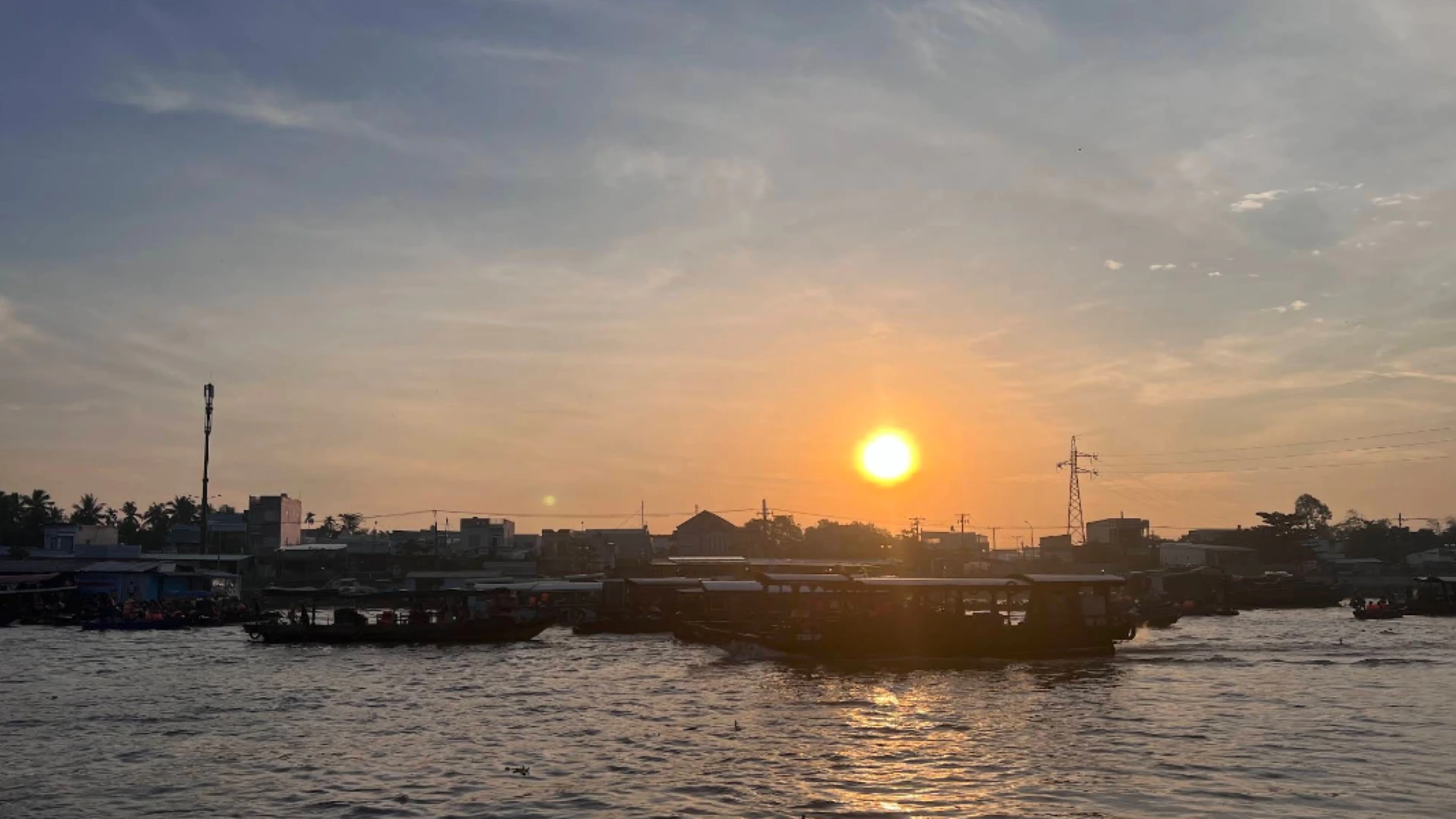
Cai Rang is still an active market and a living tradition, but it has changed. Road transport and shifts in how local produce is sold have reduced the number of trading boats over time, and tourism is now a more visible part of the morning.
Local researchers have noted that the number of merchants, the goods traded and the structure of the market have changed over time. Can Tho is working to preserve the trading side of the market while also improving the visitor experience.
In practice, a 2026 visit looks different from older photos:
-
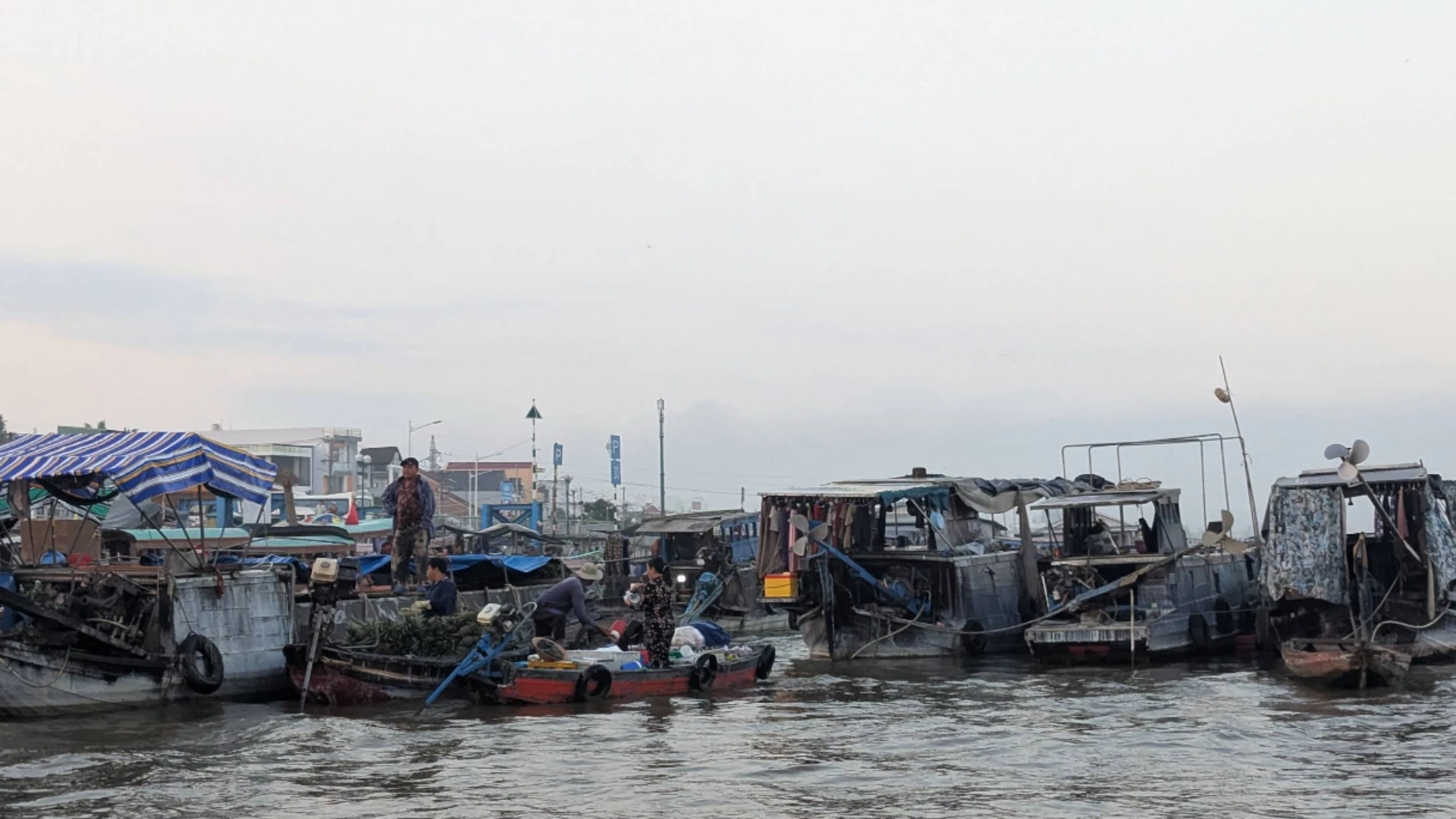
Fewer wholesale boats. Some mornings are busier than others, and the fleet is smaller than it once was.
-
Visitor boats are common. You may also see visitors having breakfast on the water and taking photos alongside the working boats.
-
The cây bẹo is still used. This part of the tradition continues and is worth watching for.
-
Food and drink boats remain a common part of the visitor experience.
You will still see river trade. You just should not expect the crowded wholesale scene from decades-old photographs.
Is Cai Rang Floating Market Worth Visiting?
Yes, with realistic expectations.
The market still offers things you will not find on land: goods traded boat-to-boat, the cây bẹo pole system, breakfast served on the water, and a look at how river trade shaped the Delta.
You will likely enjoy it if you:
-
Want to see a working river market, even a smaller one.
-
Are interested in how produce moves through the Delta.
-
Are already staying in Can Tho and can reach the market early.
-
Combine it with a noodle workshop, fruit garden or canal ride in the same morning.
You may find it underwhelming if you:
-
Expect the crowded scene from old postcards.
-
Are not interested in markets or early starts.
-
Have already seen a floating market elsewhere.
If you are unsure, pair the market with other stops. On its own, Cai Rang is a short experience.
Best Time to Visit Cai Rang Floating Market
Cai Rang is a morning market. Activity begins around 4:00-5:00 AM, and the most useful window for visitors is roughly 5:00-8:00 AM. After 8:00 AM the market thins out as boats finish trading and head back along the river.
-
Dry season (around November to April): Lower rain, generally clearer mornings. This is when many visitors travel.
-
Rainy season (around May to October): Expect a higher chance of rain, particularly during the wet season. Morning conditions vary, so bring light rain protection.
The market operates year-round. The number of boats on any given morning depends on season, weather and local trading activity more than on a fixed calendar.
How to Get to Cai Rang Floating Market
The market is reached by boat. Most visitor boats leave from the Ninh Kieu area in central Can Tho, or from a nearby pier, and head toward Cai Rang along the Can Tho River. Travel time depends on the departure point and current, but the boat ride is part of the experience rather than a long transfer.
If you are staying in central Can Tho, a tour with hotel pickup is one option. If you are arranging your own boat, confirm the departure pier and return time before you set off.
Visit Independently or Take a Tour?
| -- | Independent boat | Guided tour |
| Cost | Depends on negotiation and boat size | Fixed price, listed up front |
| Guide | Usually no commentary | English-speaking guide explains the market |
| Timing | You arrange it | Set departure, usually early |
| Extra stops | Market only, unless arranged | Often paired with noodle workshop, fruit garden, canal |
| Best for | Travelers comfortable arranging transport | First-time visitors who want logistics handled |
A guided visit can be useful if you want explanations of the cây bẹo poles, trading customs and the different boats you see. An independent boat is enough if you mainly want to experience the market at your own pace.
What You’ll See and Do at Cai Rang Floating Market
-
Wholesale boats trading fruit, vegetables and other goods.
-
The cây bẹo poles showing what each boat sells.
-
Food and drink boats – noodle soup, coffee and fruit are commonly sold from small vendor boats.
-
Fruit boats – depending on the morning and season, you may see pineapple and other produce sold directly from boats.
-
Seasonal fruit depending on the time of year.
If you visit with a tour, the morning often continues with a rice noodle workshop, a cacao farm, a fruit garden or a small canal cruise after the market. These stops are what turn a short market visit into a fuller half-day.

How Much Does It Cost to Visit Cai Rang Floating Market?
Cost depends on how you visit.
-
Guided tour (market plus extra stops, hotel pickup, guide, breakfast): Mekong Smile’s half-day tour currently starts from $56 per person. Check the Cai Rang Floating Market Tour page for the latest price.
-
Independent boat: rates vary by boat size and negotiation. Confirm the price, route and return time before boarding.
Boat and tour rates change, so check current pricing before you plan.
What to Combine with Cai Rang Floating Market
Cai Rang works best as part of a morning, not a full day on its own. Common pairings after the market:
-
Rice noodle workshop – see how hu tieu noodles are made and try rice noodle pizza.
-
Mr. Muoi’s cacao farm – taste cacao drink and local chocolate.
-
Seasonal fruit garden – sample what is ripe at the time of year.
-
Small canal cruise – a quieter stretch of water after the market.
These are the same stops on the current Mekong Smile Cai Rang Floating Market Tour .
Planning a longer stay? See the Can Tho Travel Guide for the rest of the city.
Safety and Responsible Visiting
-
Wear the provided life jacket while the boat is moving.
-
Follow your boat driver’s and guide’s instructions when boarding and moving between boats.
-
Keep hands clear when boats pull alongside each other.
-
Do not reach into the water for produce; ask the vendor instead.
-
Bring cash in small notes if you want to buy fruit or coffee on the water.
-
Wear light clothing and sun protection; the morning sun can be strong once it is fully up.
Frequently Asked Questions Cai Rang Floating Market (FAQ)
Is Cai Rang Floating Market still worth visiting?
Yes, with realistic expectations. The market is smaller than in older photos, but it is still an active river market with the cây bẹo pole system, breakfast on the water and boat-to-boat trading. Pair it with other stops for a fuller morning.
What time should I go to Cai Rang Floating Market?
Go early. Activity starts around 4:00-5:00 AM, and the most useful visitor window is roughly 5:00-8:00 AM. After 8:00 AM the market thins out.
How many boats are at Cai Rang now?
The number of trading boats varies by day, season and weather. It is smaller than in the past, and tourism boats now make up a visible part of the morning.
Is Cai Rang the largest floating market in the Mekong Delta?
Cai Rang is one of the Delta’s best-known floating markets, and its floating-market culture is a national intangible cultural heritage. We avoid describing it as the largest because boat numbers have changed over time.
Where is Cai Rang Floating Market located?
It sits on the Can Tho River, a branch of the Hau River, in Can Tho City. Boats reach it from the Ninh Kieu area or a nearby pier.
Do I need a tour to visit Cai Rang?
No. You can arrange a boat independently. A guided visit is useful if you want local explanations and other stops included in the same morning.
How long should I spend at Cai Rang?
Around 1-2 hours on the water is enough for the market itself, depending on where you depart and how long you stop. With extra stops such as a noodle workshop or fruit garden, the trip becomes a half-day.
Is breakfast served at Cai Rang?
Food and drink boats are a common part of the visitor experience. Many tours also include breakfast on the water.
