
 Can Tho
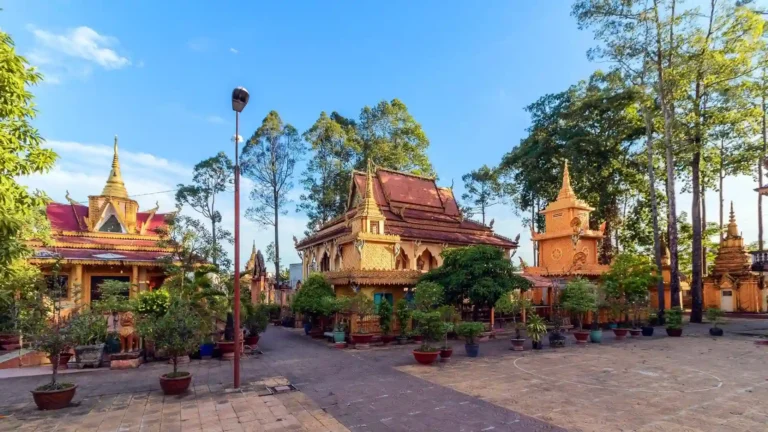
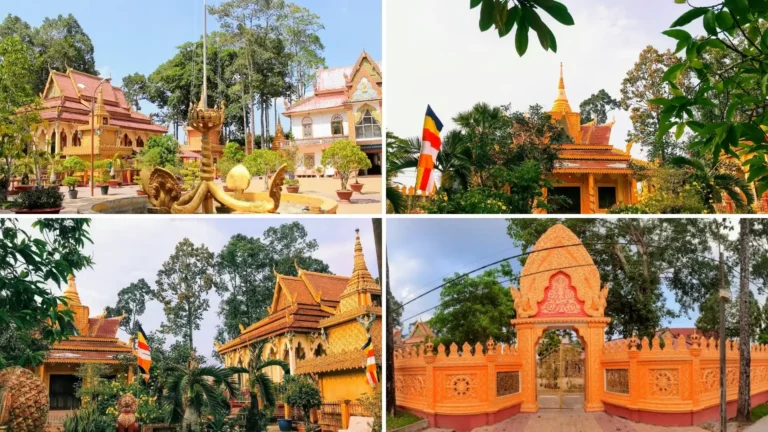

Pothisomron Pagoda (Chùa Pôthi Somrôn) is a historic Khmer Buddhist temple in O Mon, Can Tho, with origins dating back to 1735. Known for its traditional architecture, centuries-old funerary stupa, and Buddhist artifacts, the pagoda reflects the religious and cultural heritage of the Khmer community in the Mekong Delta.
Located outside central Can Tho, Pothisomron offers travelers an opportunity to explore a cultural landmark beyond the city’s familiar floating markets and riverside attractions.
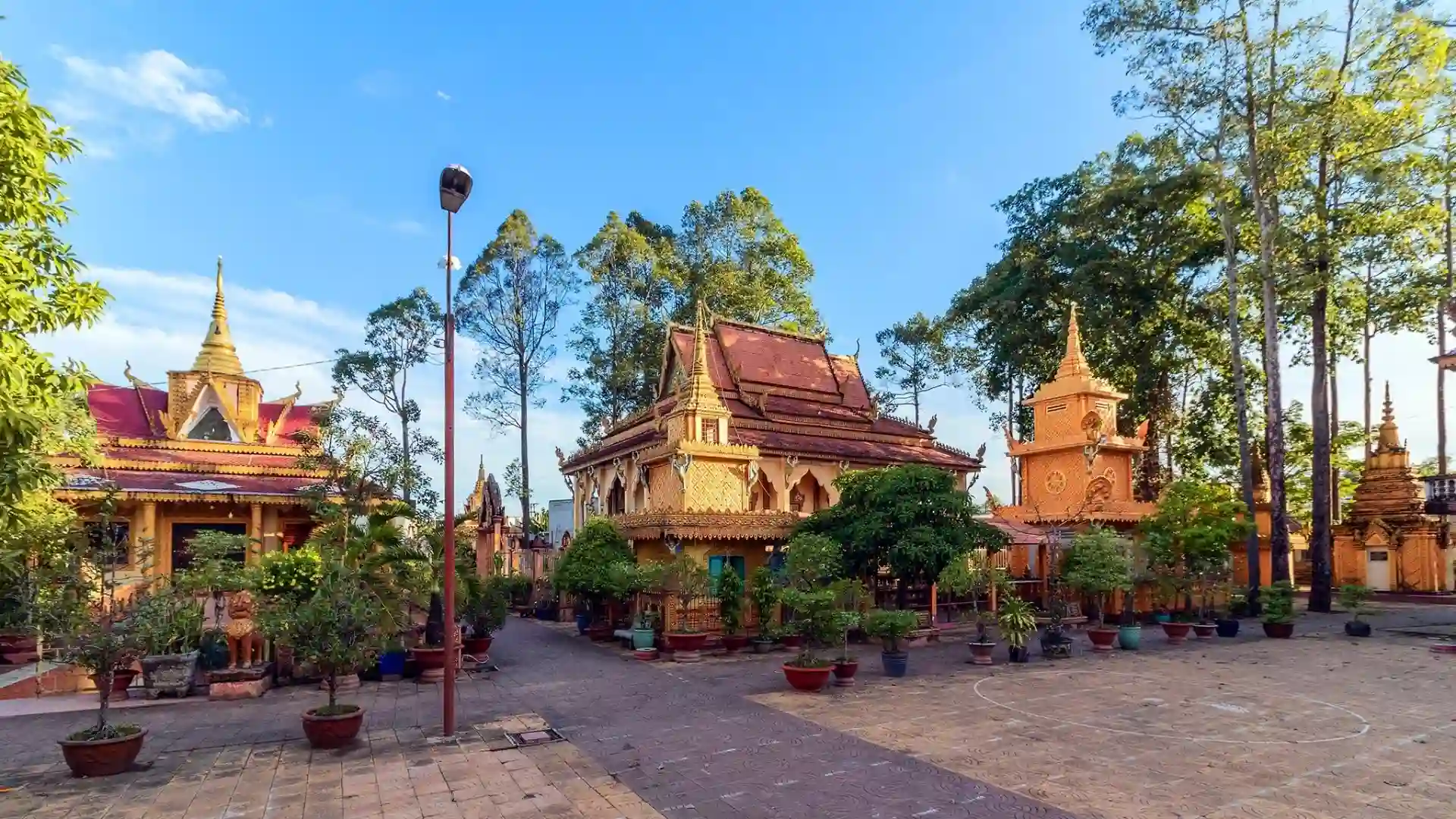
Pothisomron Pagoda at a Glance
| Visitor Information | Details |
|---|---|
| Vietnamese name | Chùa Pôthi Somrôn |
| Location | 415, Area 4, O Mon Ward, Can Tho City |
| Google Maps | https://maps.app.goo.gl/R9fHKmEYRpRn1BUx9 |
| Founded | 1735 |
| Religious tradition | Khmer Theravada Buddhism |
| Heritage recognition | City-level historical and cultural relic (2006) |
| Published visiting hours | 7:00 AM-6:00 PM |
| Suggested visit | 30-60 minutes |
| Main highlights | Khmer architecture, historic stupas, Buddhist artifacts |
The History of Pothisomron Pagoda
Established in 1735, Pothisomron was originally a modest temple built using wood and leaves. It was first located near the mouth of the O Mon River, then moved to an area known as Ba Rich before settling at its present site.
In 1856, the pagoda was rebuilt using valuable timber and traditional roof tiles.
Another major reconstruction began in June 1950 and was completed in 1952, following an architectural design obtained from Cambodia. Can Tho’s official heritage inventory also records reconstruction using concrete in 2003.
Although the pagoda’s history extends back nearly three centuries, its present buildings reflect different periods of construction and restoration. The available documents do not establish precisely which architectural elements survive from each period.
On March 27, 2006, Pothisomron Pagoda was officially recognized as a city-level historical and cultural relic by the Can Tho People’s Committee.
What Makes Pothisomron Pagoda Special?
1. The Main Sanctuary and Khmer Architecture
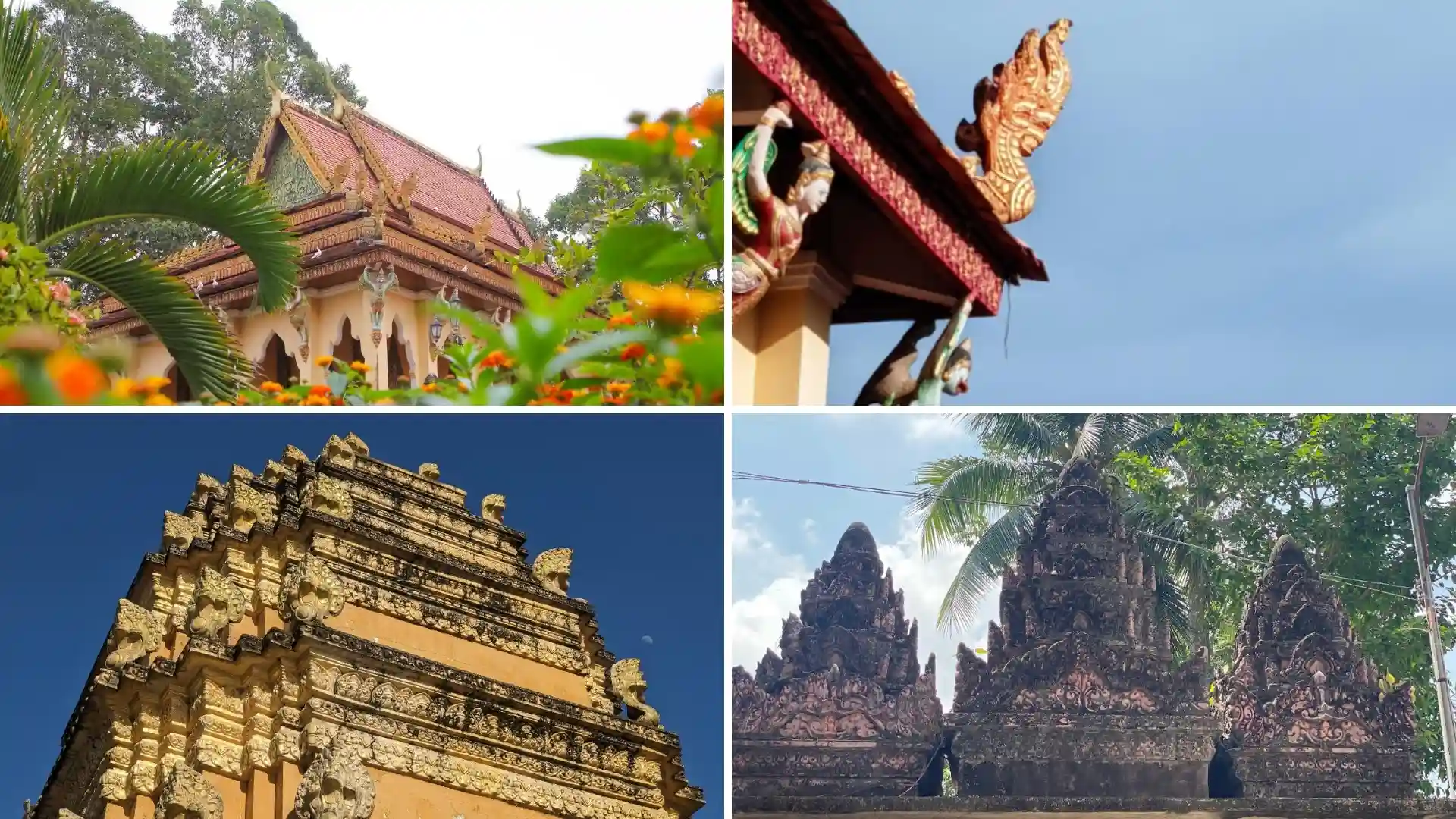
The main sanctuary (chánh điện) is the architectural centerpiece of Pothisomron Pagoda.
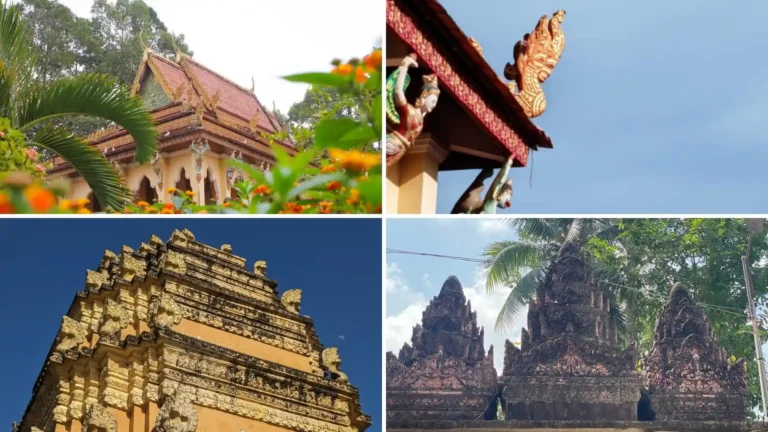
Its three-tiered roof, decorative columns, carved figures, and religious paintings reflect Khmer Theravada Buddhist traditions. According to an architectural study published in 2023, the sanctuary faces east and incorporates symbolic details throughout its structure.
Several features are particularly interesting:
- Naga: Serpent imagery associated with religious protection and Khmer Buddhist traditions.
- Garuda (Krud): A mythological bird-like figure represented in the architectural decoration.
- Kayno (Kennâr): A celestial figure with human and bird characteristics, appearing in sculptural details.
- Four-faced figures: Religious imagery incorporated into decorative elements around the sanctuary.
The building also features ornamental patterns inspired by the Bodhi leaf, an important symbol in Buddhist tradition.
Inside the sanctuary, Buddha images and wall paintings reflect Buddhist beliefs and stories associated with the life of the Buddha.
These elements are more than decoration. They show how religion, mythology, and traditional craftsmanship influence Khmer temple architecture.
As the sanctuary remains an active place of worship, visitors should follow the temple’s instructions before entering or taking photographs.
2. An 18th-Century Funerary Stupa
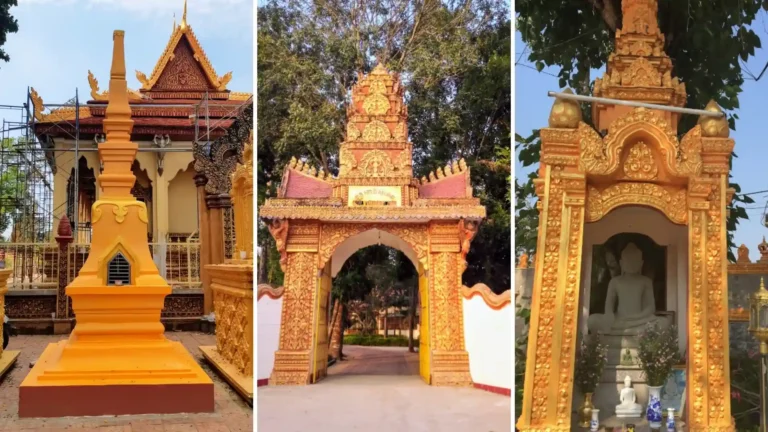
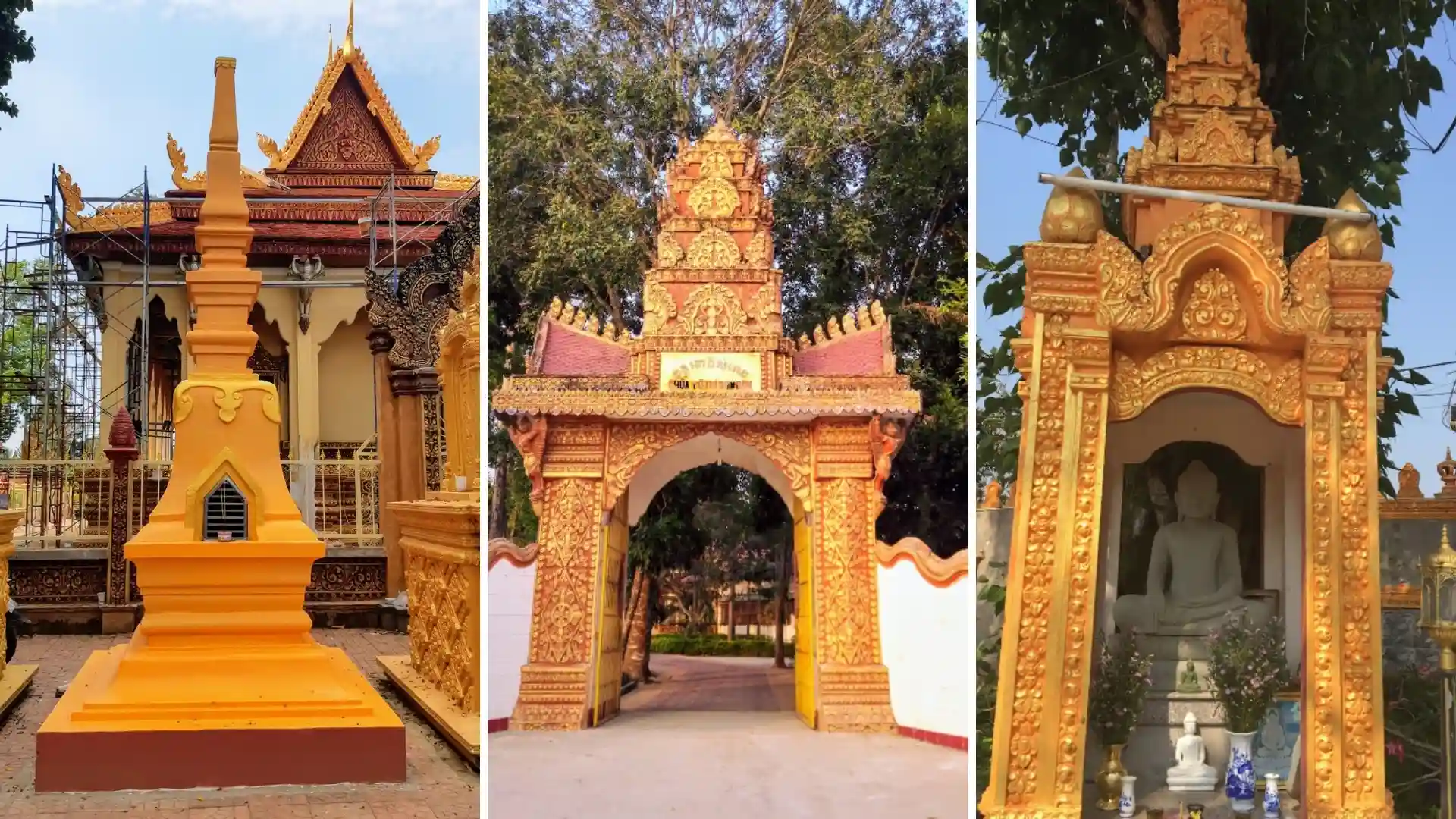
One of Pothisomron’s most historically significant features is its collection of five funerary stupas, known in Vietnamese as tháp cốt.
According to Can Tho’s official heritage inventory, the oldest stupa is believed to date from approximately the 18th century. It stands near the main sanctuary and was constructed using traditional materials, including laterite and brick.
The structure preserves cremated remains associated with the Buddhist community and has been maintained through generations.
The official tourism portal also records that temple representatives resisted proposals to modernize the exterior of the oldest stupa because of its historical and cultural significance.
This effort to preserve the original structure helps explain why the stupa is an important part of Pothisomron’s heritage.
Unlike decorative monuments, funerary stupas serve a religious and commemorative purpose. Visitors should observe them respectfully without touching or climbing on them.
3. Historical Buddhist Artifacts
Pothisomron is also associated with a collection of historical religious objects.
Published heritage accounts document several notable artifacts:
- Wooden architectural carvings dating to 1856.
- More than 100 sets of kinh Satra (kinh lá buông), traditional palm-leaf Buddhist manuscripts.
- Seventeen historical wooden statues.
- A Buddha statue in the main sanctuary recorded as dating to 1885.
The palm-leaf manuscripts are particularly significant because this traditional writing medium was used to preserve Buddhist teachings and other cultural knowledge.
These objects illustrate the pagoda’s historical role in religious learning and traditional craftsmanship.
However, the numbers and dates above come from published historical records, not a new inventory conducted in 2026. Access to individual artifacts has not been independently confirmed, so visitors should not assume that every object is currently on public display.
4. The Temple Grounds and Somrôn Tree
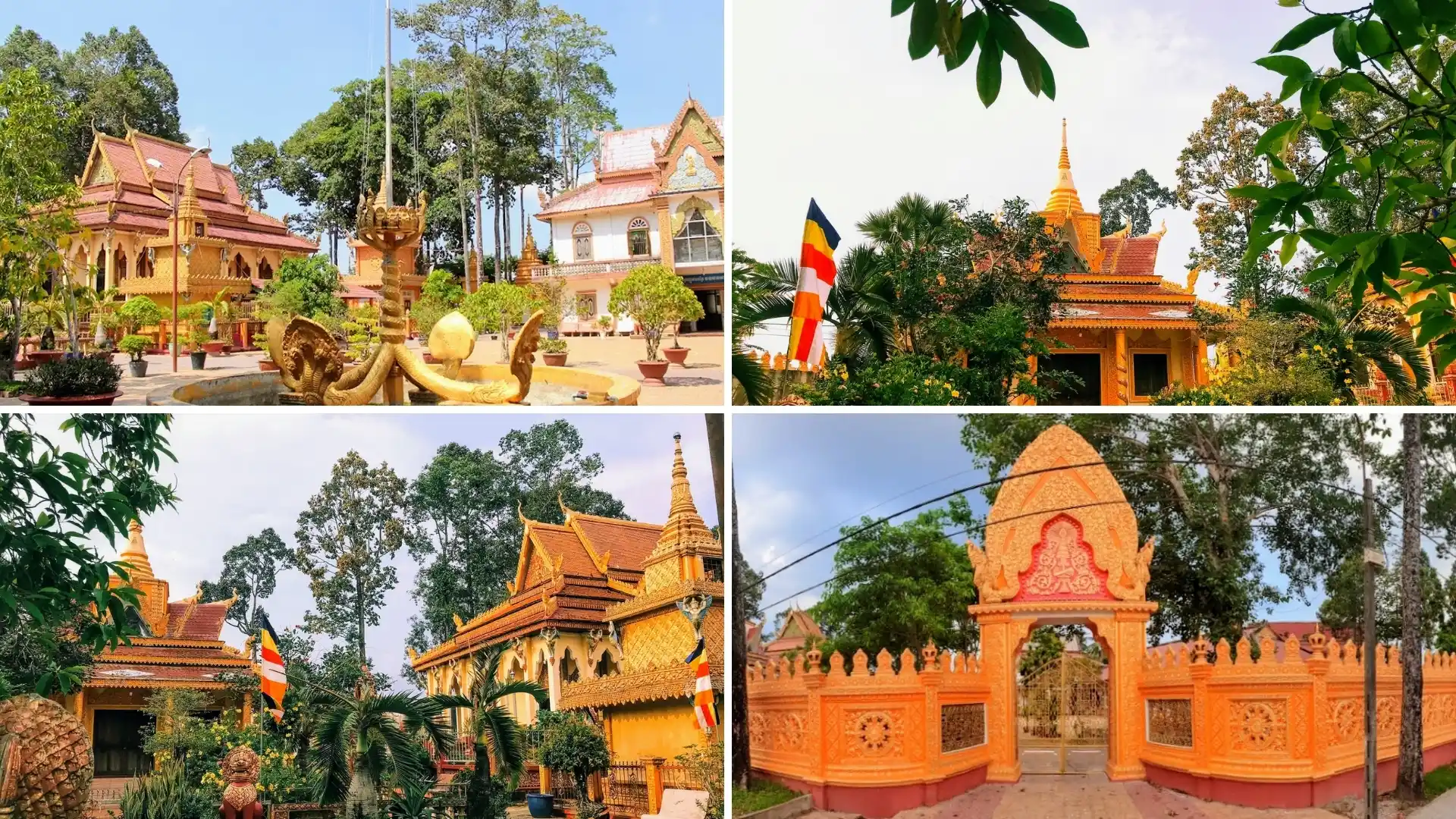
Pothisomron occupies approximately 8,600 square meters, according to the official Can Tho Tourism Portal.
The grounds contain religious buildings, mature trees, courtyards, and spaces associated with community activities.
The pagoda’s name is linked to a tree locally called Somrôn, which historical accounts describe as having grown in the temple compound.
The spacious setting distinguishes Pothisomron from some of the more compact Khmer temples in central Can Tho.
While exploring the accessible grounds, visitors can appreciate the architecture, observe religious features from an appropriate distance, and learn about the temple’s historical setting.
Pothisomron and Khmer Cultural Heritage
Beyond its architectural and religious significance, Pothisomron has played a role in preserving Khmer cultural traditions.
Local historical reports document the pagoda’s involvement in teaching nhạc Ngũ âm (traditional Khmer ensemble music) and supporting the preservation of nghệ thuật sân khấu Dù kê (traditional Khmer musical theater).
Nhạc Ngũ âm, also known as Pinn Peat, is a traditional Khmer instrumental ensemble. It brings together five groups of instruments, including percussion, wind instruments, and instruments made from materials such as bronze, iron, and wood. This musical tradition is closely associated with Khmer Buddhist ceremonies and cultural life.
Dù kê is a traditional form of Khmer theater combining singing, acting, dance, music, and storytelling. It reflects the cultural creativity of Khmer communities in southern Vietnam.
The pagoda has also been associated with festivals and religious occasions such as Chol Chnam Thmay (Khmer New Year), Ok Om Bok (Moon Worship Festival), and lễ Dâng y Kathina (Buddhist robe-offering ceremony).
These traditions demonstrate the pagoda’s role beyond worship. However, historical accounts of cultural activities do not establish that performances, music classes, or festival programs are regularly available for tourists today.
How to Visit Pothisomron Pagoda
Location and Transportation
Pothisomron Pagoda is located at 415, Area 4, O Mon Ward, Can Tho City, near the O Mon River.
Older publications may use Chau Van Liem Ward, O Mon District, or the street number 415/6. These are previously published address references.
From the Ninh Kieu area in central Can Tho, visitors can travel by taxi, private car, or an appropriate ride-hailing service.
Search for Chùa Pôthi Somrôn in your navigation app and confirm the location before departing. Travel times and transport costs depend on the route, traffic, and service provider.
For more information on transportation and sightseeing, explore our Can Tho Travel Guide.
Opening Hours and Visiting Tips
The official Can Tho Tourism Portal lists visiting hours from 7:00 AM to 6:00 PM.
Allow approximately 30-60 minutes to explore the accessible grounds and observe the architectural highlights. This is a suggested duration, not an official visiting requirement.
Morning or late afternoon is generally more comfortable for outdoor sightseeing than the hottest part of the day.
As Pothisomron remains an active Buddhist temple, visitors should follow a few basic guidelines:
- Wear modest clothing covering shoulders and knees.
- Remove shoes before entering worship areas when required.
- Keep your voice low around ceremonies and religious activities.
- Ask permission before photographing monks, worshippers, or religious interiors.
- Avoid touching historical artifacts, stupas, or religious offerings.
Current admission fees, access to historical collections, and special-event arrangements have not been independently verified. Check locally before planning a visit around a particular activity or artifact.
Other Khmer Temples to Explore in Can Tho
Travelers interested in Khmer architecture can also visit two temples closer to central Can Tho.
Pitu Khosa Rangsay Pagoda is known for its multi-story sanctuary, decorative sculptures, and cultural heritage.
Munir Ansay Pagoda, located on Hoa Binh Avenue, is another Khmer Theravada Buddhist temple that is convenient for travelers exploring the Ninh Kieu area.
Compared with these centrally located temples, Pothisomron is particularly notable for its longer documented history, old funerary stupa, and location in O Mon.
Exploring more than one temple can help visitors appreciate the architectural and cultural diversity of Khmer Buddhist heritage in Can Tho.
Is Pothisomron Pagoda Worth Visiting?
Pothisomron is worth considering for travelers interested in Khmer Buddhist architecture, historical landmarks, and cultural heritage beyond the main tourist areas of Can Tho.
Its most distinctive features are the 18th-century funerary stupa, traditional sanctuary, documented religious artifacts, and longstanding connection with the Khmer community.
Because the pagoda is located outside the Ninh Kieu area, it requires more travel planning than a visit to a centrally located temple.
For travelers with additional time and a particular interest in local history, Pothisomron can be a meaningful cultural stop.
Discover more places in Explore Can Tho, or contact Mekong Smile for assistance planning a Mekong Delta itinerary.
