 Can Tho
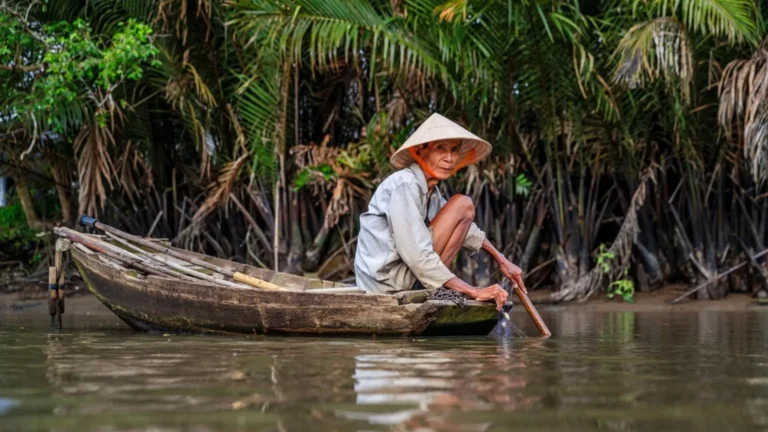
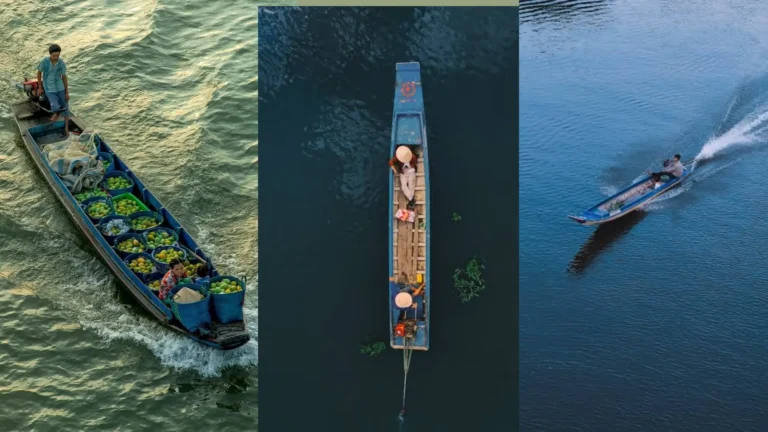
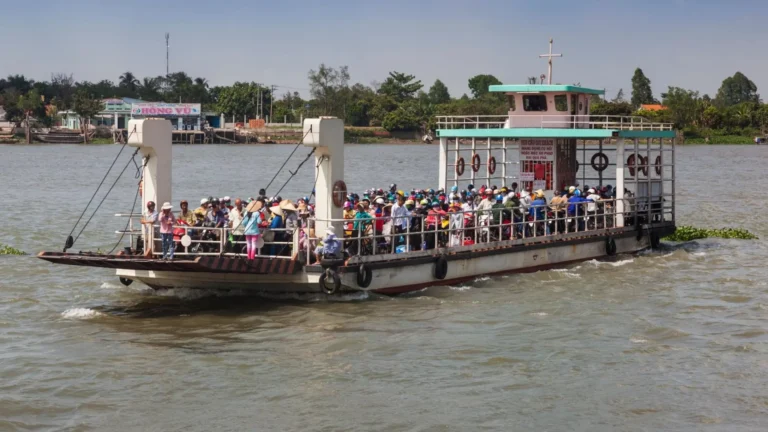
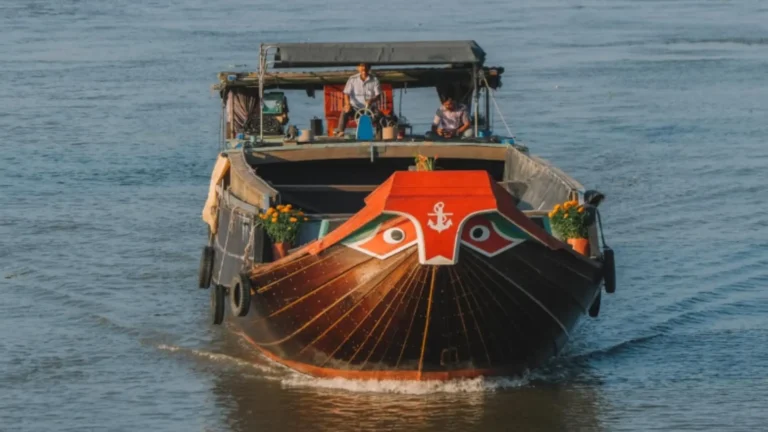

In Vietnam’s Mekong Delta, boats were once part of almost every aspect of daily life. Families traveled along canals to visit relatives, farmers crossed waterways to reach their fields, and traders carried rice, fruit and other goods between riverside markets.
But not every journey required the same boat. A small wooden xuồng ba lá was useful in narrow canals, while a larger ghe chài could carry merchandise over longer distances. Other vessels served as passenger ferries, fishing boats or ceremonial racing boats.
The traditional watercraft of the Mekong Delta include xuồng ba lá, xuồng tam bản, ghe tam bản, ghe chài, dugout boats, motorized vỏ lãi and the Khmer ghe Ngo. Their names reflect different characteristics, from hull construction and size to their purpose and local history.
Understanding these differences reveals how people adapted to the delta’s waterways and how boats became part of its language, livelihoods and cultural traditions.
Traditional boats of the Mekong Delta at a glance
The table below introduces several characteristic types of watercraft and forms of river transport associated with southern Vietnam.
| Vietnamese name | English description | Traditional role |
| Xuồng ba lá | Three-plank boat | Everyday travel through small canals and flooded areas |
| Xuồng năm lá | Five-plank boat | Local travel and small-scale transport |
| Xuồng tam bản | Traditional sampan-type boat | Fishing, carrying passengers and light goods |
| Ghe tam bản | Traditional boat with several covered designs | Transporting passengers and merchandise |
| Ghe lườn / ghe độc mộc | Dugout boat | Travel in a vessel carved from a tree trunk |
| Ghe chài | Large trading boat | Long-distance river commerce and cargo transport |
| Vỏ lãi and tắc ráng | Narrow motorized boats | Powered travel through rivers and canals |
| Đò ngang / đò dọc | River-crossing / route-based passenger services | Connecting riverside communities |
| Ghe Ngo | Khmer ceremonial racing boat | Boat races, festivals and community traditions |
These names do not belong to one rigid classification system. Some describe construction, others describe purpose, and local terminology may vary.
Why boats shaped life in the Mekong Delta
The Mekong Delta is crossed by major rivers, natural channels and human-made canals. Before roads and bridges became widespread, these waterways connected homes, agricultural land and trading centers.
A small boat could take a farmer to a distant field or help a household reach a local market. Larger vessels transported rice, fruit, firewood and other goods between settlements.
Different waterways presented different challenges. Narrow canals required relatively maneuverable boats, while longer journeys called for vessels capable of carrying more cargo and offering shelter for passengers.
Local boatbuilders responded with designs suited to particular needs, materials and water conditions.
Over generations, boats became part of the region’s everyday vocabulary, occupations and customs. They also appeared in folk songs, stories and traditions associated with river travel.
This relationship between waterways and local communities is explored further in The Soul of the Mekong Delta.
Understanding ghe, xuồng and sampan
Travelers often encounter several different names for Vietnamese boats. These terms are related, but they are not always interchangeable.
What is the difference between ghe and xuồng?
In southern Vietnamese usage, xuồng generally refers to a relatively small boat, often used for local travel, fishing or moving through narrow waterways.
Ghe is commonly associated with a wider range of vessels, including larger boats used for carrying passengers and goods.
The distinction is useful but not absolute. Regional naming practices vary, and some types of boats can fall between these broad descriptions.
A name may refer to a vessel’s construction, appearance, purpose or place of origin.
For example, xuồng ba lá refers to a traditional construction involving three main wooden hull planks, while ghe hàng describes a boat associated with carrying goods.
What does sampan mean?
Sampan is a general English term for several types of small boats found in parts of Asia.
In Mekong Delta tourism, the word often describes the narrow boats used for short canal trips, particularly hand-rowed excursions.
However, sampan is not an exact translation of every Vietnamese boat name.
A boat described as a sampan may have a different hull design, construction material or propulsion method from another vessel carrying the same English label.
When discussing local culture, retaining the Vietnamese name helps preserve these distinctions.
Small wooden boats for everyday travel
Small boats were particularly important in places where houses, gardens and fishing areas were connected by canals.
Their designs varied according to the materials available, the water conditions and the work they needed to perform.
Xuồng ba lá: the traditional three-plank boat
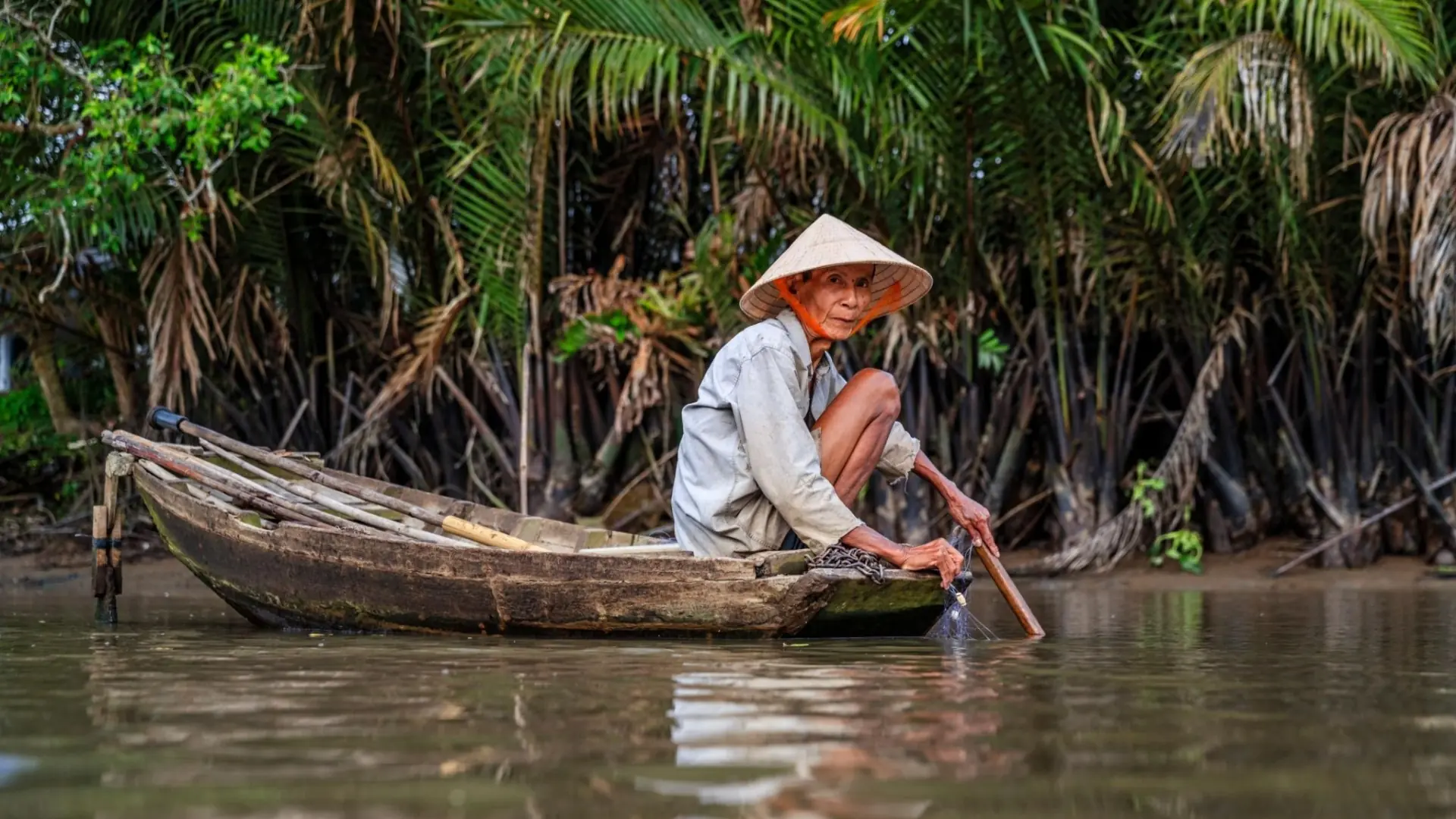
The xuồng ba lá is one of the traditional small boats closely associated with life in southern Vietnam.
Its name comes from the original construction of the hull using three principal wooden planks.
One plank formed the bottom, locally called the lồng xuồng, while the other two formed the sides, known as the be xuồng.
Boatbuilders joined these planks and supported them with internal wooden framing. The seams were sealed to help keep water from entering the hull, sometimes using a traditional resin-based material called nhựa chai.
The boat generally had a slender body with pointed ends, allowing it to travel through smaller waterways.
People used xuồng ba lá for daily journeys, fishing, visiting neighbors and reaching agricultural land.
In places where small dams or other obstacles interrupted waterways, the relatively lightweight design could also make the boat easier to move than a larger vessel.
Is every xuồng ba lá still made from exactly three planks?
No. The name reflects its traditional construction.
As suitable timber became more difficult to obtain, builders developed methods using additional smaller wooden pieces. Newer boats with similar shapes may also use composite or metal materials.
The traditional name can remain even when construction methods change.
Xuồng be bảy, be tám and be chín: local names for boat sizes
Southern Vietnamese boat vocabulary also includes names such as xuồng be bảy, be tám, be chín, be mười and be mười kèm.
These terms are recorded in accounts of rural river life and are associated with different boat sizes.
They reflect a more detailed local vocabulary than the general terms ghe and xuồng.
Importantly, the numbers in these names should not automatically be interpreted as the exact number of wooden planks in the boat.
The terminology and measurement conventions require local boatbuilding knowledge, and their use may differ between communities.
Xuồng năm lá: a five-plank design
The xuồng năm lá is another traditional small boat recorded in southern Vietnam, including the Can Tho area.
Unlike the original three-plank xuồng ba lá, its name refers to a five-plank arrangement.
The design illustrates how boatbuilders developed different hull structures while maintaining forms suited to local waterways.
From a distance, these boats can appear similar, especially when their hulls have been modified or repaired.
Xuồng tam bản: similar appearance, different construction
A xuồng tam bản can resemble a xuồng ba lá, which partly explains why the names are sometimes confused.
Traditional descriptions, however, identify several xuồng tam bản designs involving different arrangements of wooden side planks, known as ván be.
Accounts record versions using three, five, seven or nine side planks, depending on the design.
These numbers refer to particular construction arrangements rather than a universal total number of wooden pieces.
Some xuồng tam bản were used for carrying passengers or light goods, while others supported fishing activities. Historical descriptions from the former Vinh Long area mention tam bản boats used for shrimp fishing.
Certain designs also had a narrow covered section, called a mui ống, to provide shelter during travel.
Local names were not always used consistently. Some accounts from Ca Mau describe xuồng tam bản and xuồng ba lá as closely related names, while other researchers distinguish their traditional construction.
For this reason, the type of hull and its local name should be considered together rather than treating every description as a fixed technical standard.
Ghe lườn and the dugout boat tradition
Unlike boats assembled from planks, a dugout boat is made by hollowing out a large tree trunk to form its main hull.
Traditional descriptions of southern Vietnamese watercraft identify ghe lườn as a type of dugout vessel, also associated with the term ghe độc mộc.
This construction method required access to a suitable tree and the skill to shape a functional hull from a single large piece of timber.
Dugout boats were not necessarily very small.
For example, Vinh Long Museum preserves a dugout boat measuring 12.55 meters long and weighing approximately two tons. The museum dates this particular artifact to more than a century ago.
This is an example of a documented dugout boat, not a standard size for every ghe lườn.
Vỏ lãi and tắc ráng: the rise of motorized river transport
The introduction of engines changed how people traveled along the Mekong Delta’s waterways.
Motorized boats made longer journeys possible without relying entirely on oars, paddles or poles.
Among the vessels associated with this development are the vỏ lãi and tắc ráng.
What is a vỏ lãi?
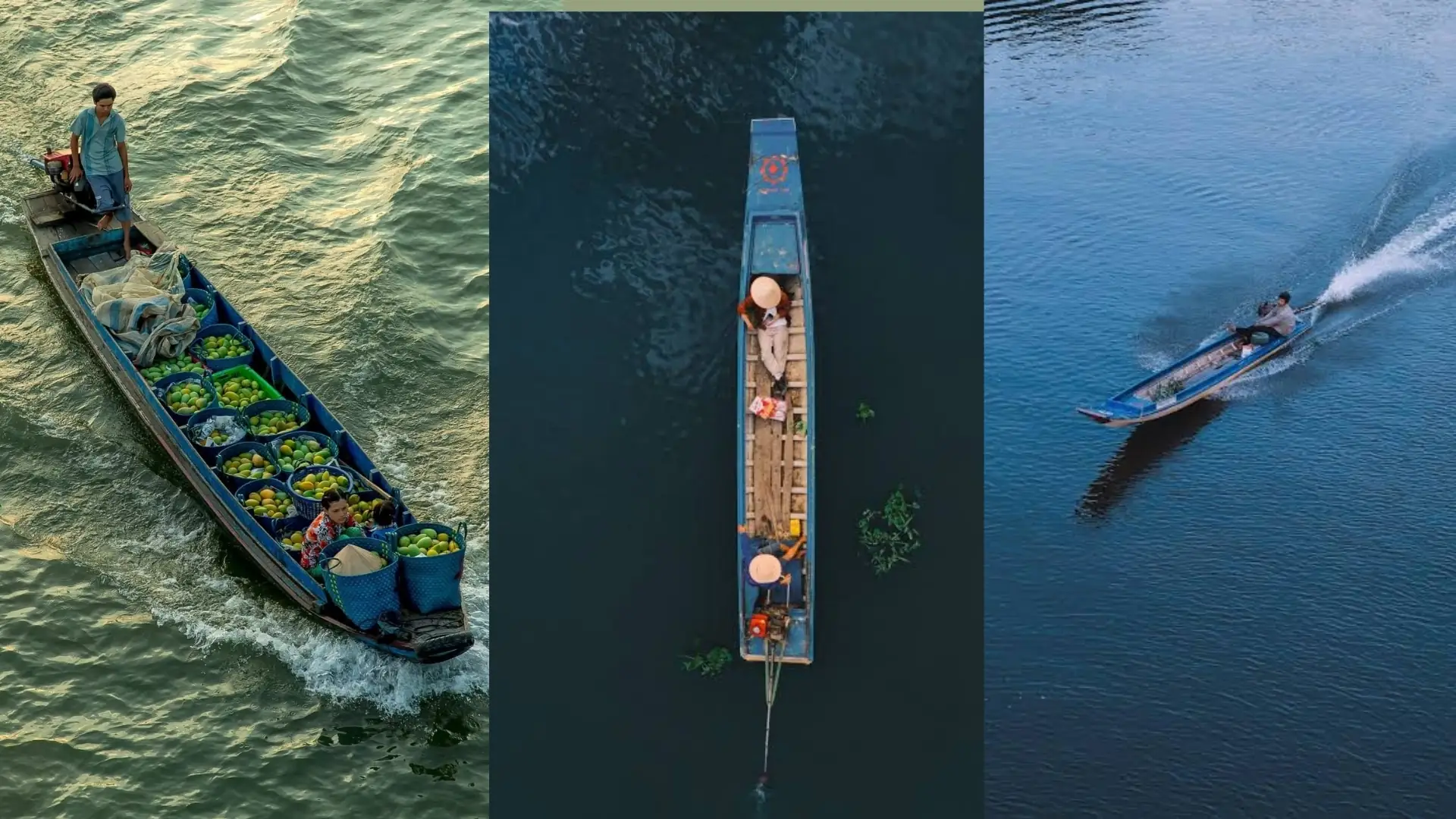
A vỏ lãi is generally a long, narrow motorized boat used on rivers and canals in southern Vietnam.
Its relatively slender hull helps distinguish it from larger passenger or cargo vessels.
Depending on the design, it may be made from wood or newer materials.
Vỏ lãi boats have been used for local transport in areas where water routes remain practical connections between communities.
Is a tắc ráng the same as a vỏ lãi?
The names are closely related, but their meanings are not completely uniform.
In his research on southern Vietnamese watercraft, Nguyễn Thanh Lợi describes a traditional distinction: vỏ lãi boats had relatively flat bows, while tắc ráng boats were often longer and had pointed bows.
The name tắc ráng is also associated with a locality in the Rach Gia area.
However, some local accounts use vỏ lãi and vỏ tắc ráng interchangeably.
These differences are worth acknowledging rather than insisting that the two names always describe identical vessels or completely separate types.
Together, they show how engines and changing construction methods became part of the region’s river transport history.
Trading boats and life on the river
Larger boats were essential to commercial activity.
They carried agricultural products and other merchandise between markets, sometimes over journeys lasting several days.
Some provided shelter and resting space for the people who worked aboard them.
Ghe tam bản: covered boats for carrying goods
The term ghe tam bản includes larger boat designs that differ from small, open xuồng.
Traditional descriptions identify covered variations such as ghe tam bản mui ngắn and ghe tam bản mui dài.
A short-roofed tam bản had a covered section occupying part of the boat, leaving other areas available for cargo.
A long-roofed tam bản had shelter extending over much more of its length.
Accounts of some short-roofed designs describe hulls assembled from nine or more wooden planks.
These examples demonstrate why the word tam bản should not be interpreted as proof that every boat with the name contains exactly three boards.
Ghe chài: a large trading vessel
The ghe chài was associated with long-distance trading and transporting substantial loads of goods.
Historical descriptions refer to large wooden hulls, strong covered structures and space for storing merchandise.
A section toward the stern could accommodate rest, cooking and other activities during the journey.
For some traders, the boat served as both transportation and a temporary living space.
The design reflected the practical needs of people whose livelihoods depended on river commerce.
Ghe hàng and the floating markets
The term ghe hàng emphasizes the boat’s function of carrying or selling goods rather than a single hull design.
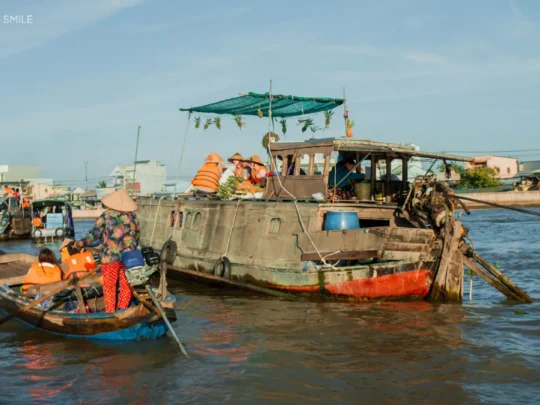
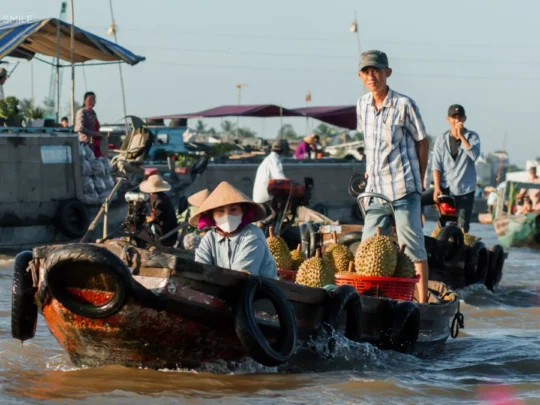
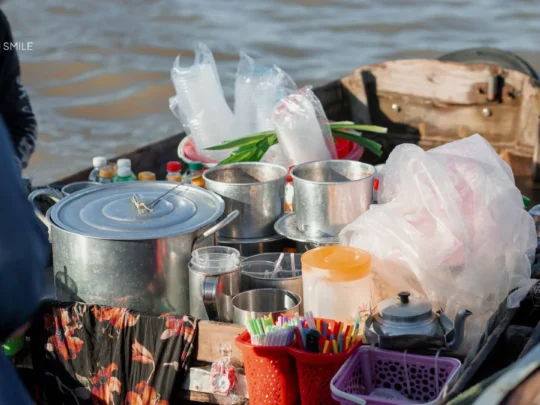
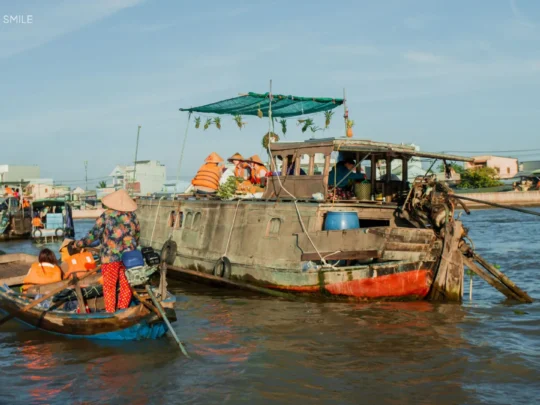
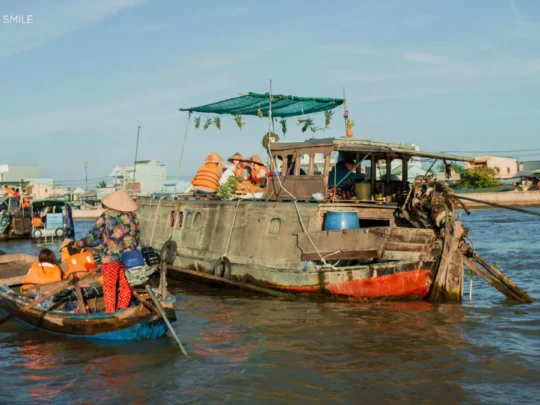
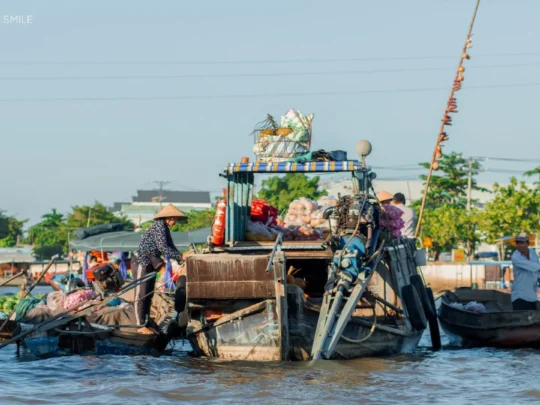
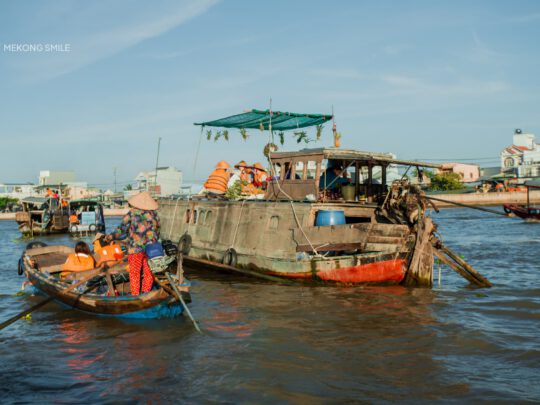
At floating markets, trading boats could function as transport, storage and places of business.
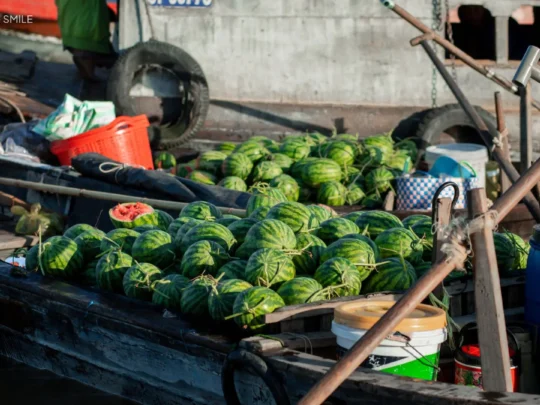
One distinctive tradition is the cây bẹo, a long pole used by merchants to display examples of the products they sell.
From a distance, buyers could recognize what was available on a particular boat.
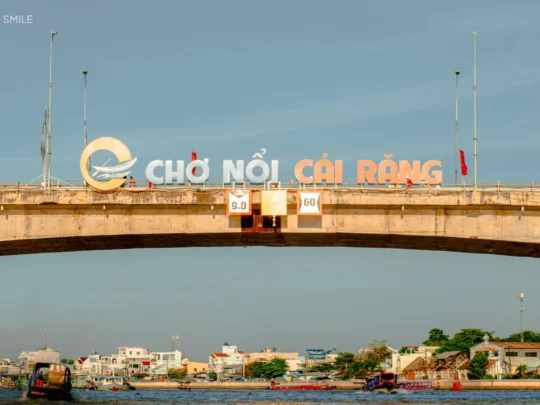
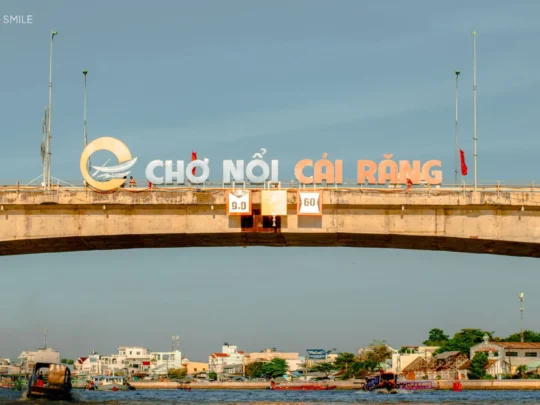
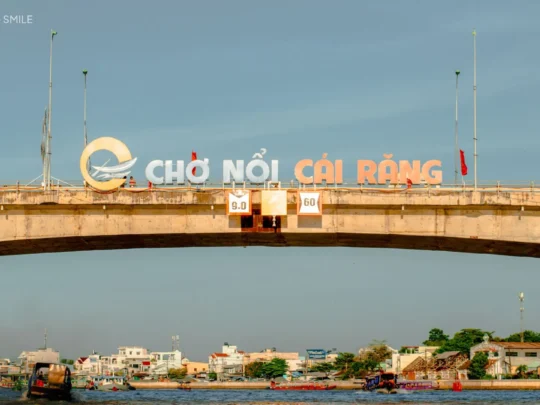
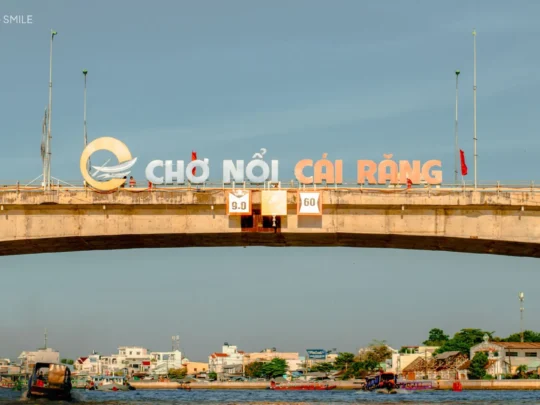
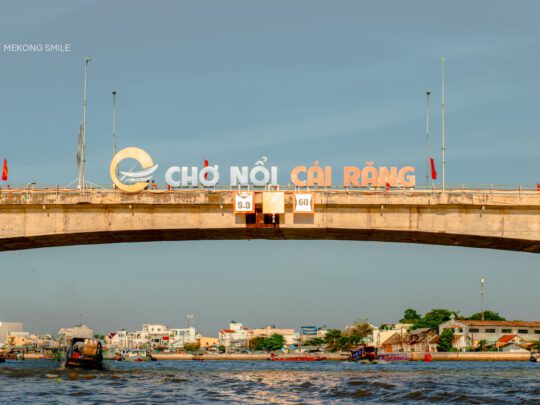
This practice is part of the history of Cai Rang Floating Market in Can Tho.
The market has changed over time as road transport and modern distribution systems have expanded. Its current activities should not be assumed to match those of earlier decades.
Even so, Cai Rang provides a useful connection between the region’s river-trading traditions and the boats that supported them.
Đò ngang and đò dọc: boats that connected communities
In addition to personal and trading boats, river communities depended on passenger transport services.
Two traditional terms are particularly important: đò ngang and đò dọc.
These describe transport functions rather than fixed hull designs.
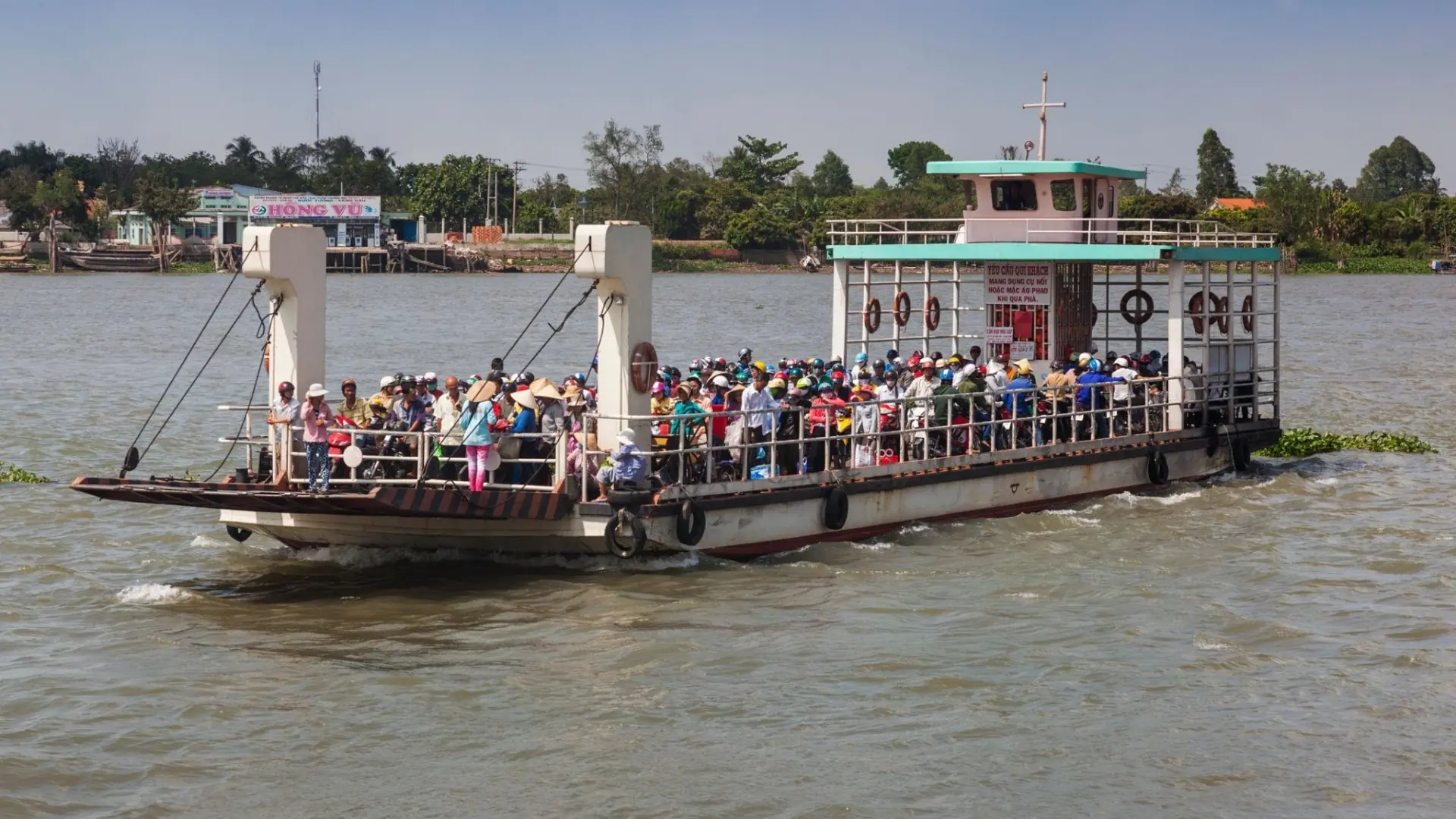
Đò ngang: crossing from one riverbank to another
A đò ngang carried passengers across a river or canal, often between two established landing points.
Before bridges became widespread, such crossings connected people with schools, markets and neighboring communities.
A small crossing might use a simple wooden boat or even a xuồng ba lá. Wider waterways required larger vessels and, eventually, motorized ferries.
The defining feature was the crossing service, not one particular method of boat construction.
Đò dọc: traveling along a waterway
A đò dọc traveled along a river or canal route, connecting several settlements.
These boats transported passengers and sometimes goods over longer distances.
They were also called đò chợ in certain local contexts because of their connection with market travel.
Some traditional routes involved journeys lasting many hours, with boats stopping at different river landings.
The growth of roads and bridges has transformed this system, but the image of the river ferry and its operator remains deeply connected with memories of life in the Mekong Delta.
Ghe Ngo: the ceremonial racing boat of Khmer communities
The ghe Ngo occupies a distinctive place among southern Vietnam’s traditional watercraft.
Unlike boats primarily used for travel, fishing or trade, it is closely associated with the cultural, spiritual and communal traditions of the Khmer people.
For a closer look at the boat’s construction, sacred symbols and role in Khmer community life, read our detailed guide to the Ghe Ngo, the traditional Khmer racing boat.
How is a ghe Ngo built?
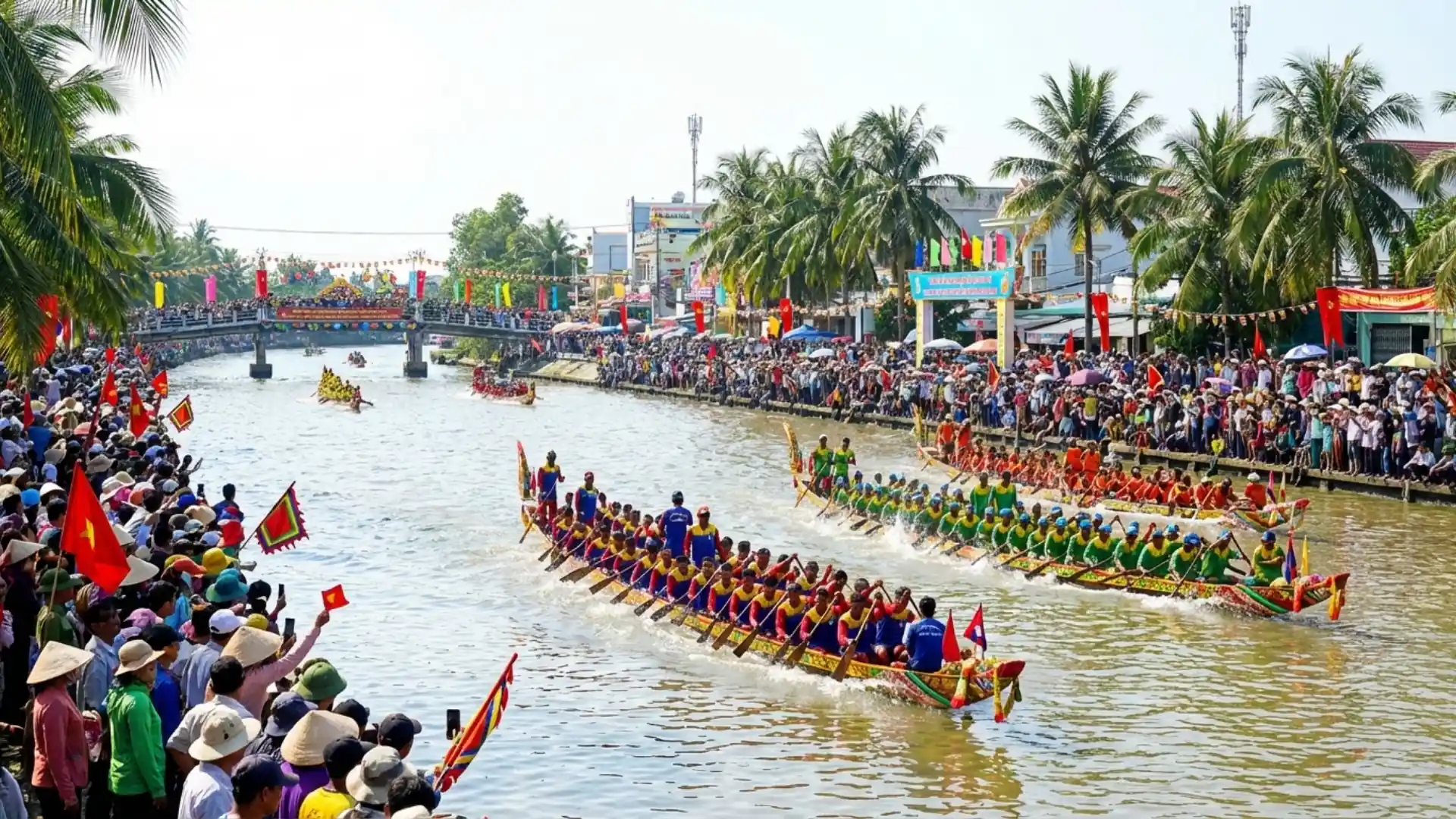
A ghe Ngo is a long, narrow racing boat propelled by a coordinated team of paddlers.
Early designs are associated with dugout construction, while later vessels were also built from joined wooden planks.
The boats can be decorated with colorful patterns and symbols associated with Khmer beliefs and the identity of particular communities or pagodas.
A documented example is the ghe Ngo of Pesey Vararam Pagoda, also known as Ba Si Pagoda, preserved by the Khmer Ethnic Culture Museum in Vinh Long.
Built in 1997 by craftsman Kim Crụp, this particular boat measures 28 meters in length and was assembled from 27 wooden planks. Its interior contains 25 seating sections for pairs of paddlers.
These are the specifications of one preserved vessel, not standard measurements for all ghe Ngo boats.
Why is the ghe Ngo culturally important?
For Khmer communities, the ghe Ngo is more than racing equipment.
Traditionally, its construction, care and use have been associated with pagodas, communal contributions and ceremonies.
The boat can represent a community’s identity, solidarity and shared spiritual life.
Ghe Ngo races are especially associated with the Khmer Ok Om Bok Festival.
Teams paddle in coordinated rhythms while local residents gather to support their communities.
The tradition of ghe Ngo racing during Ok Om Bok was added to Vietnam’s national intangible cultural heritage list in January 2022.
The former Soc Trang area, now within Can Tho City, is particularly associated with major ghe Ngo racing events.
For festival information, see Mekong Smile’s Ooc Om Boc Festival 2026 guide.
The spiritual traditions associated with Khmer ghe Ngo should not be treated as identical to the boat-related beliefs practiced by every other river community in southern Vietnam.
Boatbuilding, painted eyes and river traditions
Traditional watercraft also preserve knowledge about materials, craftsmanship and the beliefs associated with working on the water.
The craft of building wooden boats
Traditional boatbuilders needed to understand timber, hull proportions and the conditions in which a boat would operate.
A vessel intended for a narrow canal required different characteristics from one designed to transport heavy merchandise along larger rivers.
The work involved shaping wood, assembling structural parts and sealing joints to make the vessel suitable for its purpose.
As suitable timber became harder to obtain and new materials became available, construction methods changed.
Some traditional boatbuilding communities adapted their work, while demand for certain wooden designs declined.
The history of boatbuilding is therefore also a story of changing livelihoods.
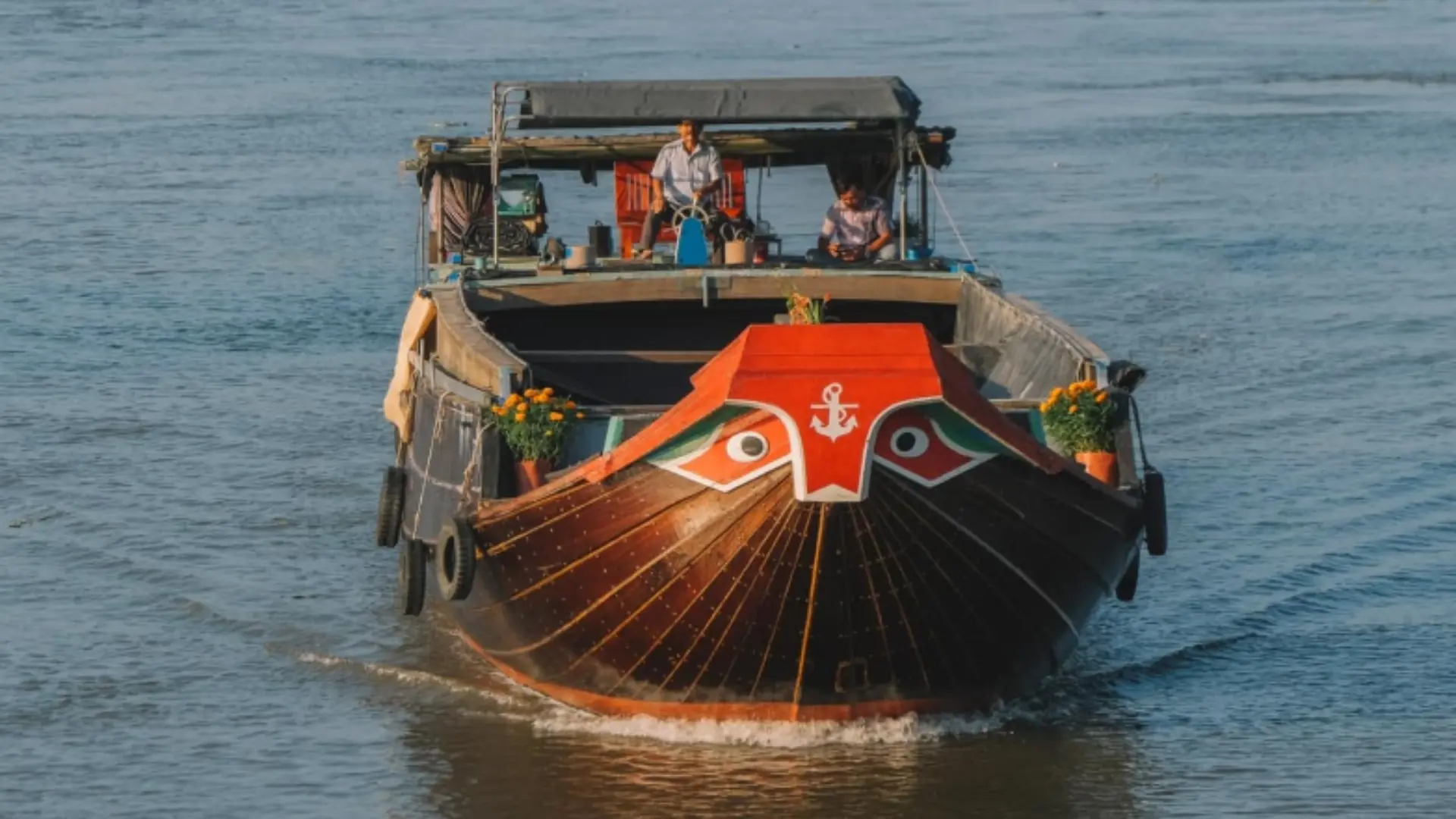
Why do some Vietnamese boats have painted eyes?
Some traditional boats have eyes painted near the bow.
In southern Vietnamese folk beliefs, these eyes have been associated with protection and safe travel on waterways.
For people who depended on rivers for their livelihoods, journeys could involve uncertain weather, currents and other risks.
The painted eyes became one visible expression of beliefs connected with river travel.
However, their meanings vary between communities, and not every traditional boat carries them.
They should be understood as cultural symbols, not as a technical safety feature or a characteristic exclusive to one type of vessel.
The custom of honoring Bà Cậu
Historical accounts of southern Vietnamese river traders also document rituals honoring Bà Cậu, protective figures associated with waterways.
These customs were connected with hopes for safe journeys, successful trading and the wellbeing of people working aboard boats.
Other documented traditions include ceremonies associated with the first plank of a new boat, launching a vessel or bringing it ashore for repairs.
The practices varied between communities and are not necessarily followed by every boat owner today.
They reveal how practical work and spiritual beliefs could become intertwined in the lives of people who traveled and traded on the water.
How traditional river transport has changed
Roads, bridges, engines and modern construction materials have transformed life across the Mekong Delta.
Many journeys once made by small wooden xuồng can now be completed by road.
Powered vessels have reduced the need for manual rowing on longer routes, while newer materials offer alternatives to large wooden planks.
River commerce has changed too. Some floating markets are smaller than they once were, and commercial transport now operates alongside passenger boats and tourism activities.
Yet water transport remains part of the region’s working landscape.
Boats continue to serve fishing, commercial and local transport needs. Certain traditional designs remain in use, while others are remembered through craftsmanship, museum collections and cultural festivals.
The Mekong Delta’s river culture is not an unchanged picture of the past. It continues to evolve alongside the people who live there.
Where can visitors see the Mekong Delta’s boat culture today?
Different destinations offer different opportunities to observe the region’s relationship with water.
Can Tho: working boats and rural canals
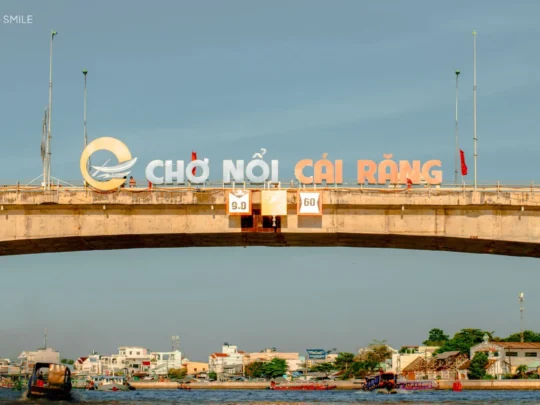
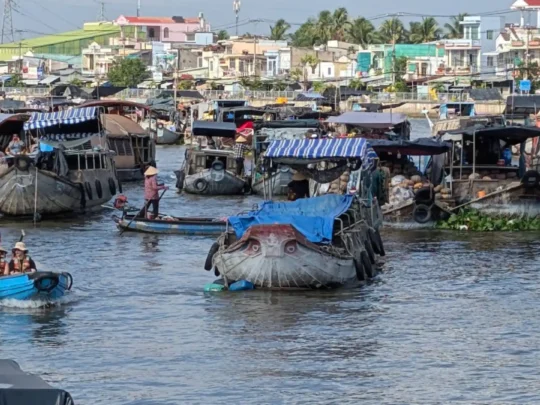
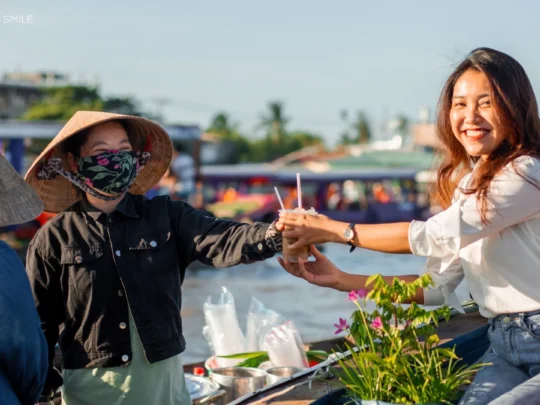
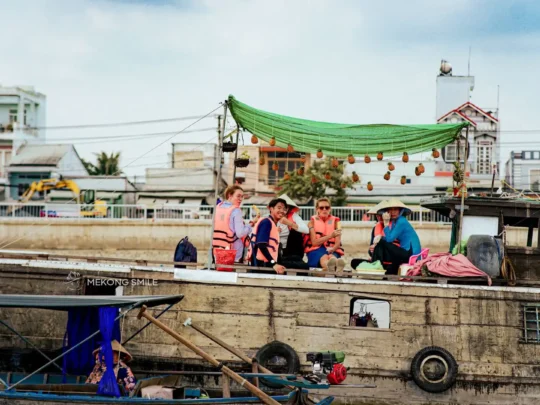
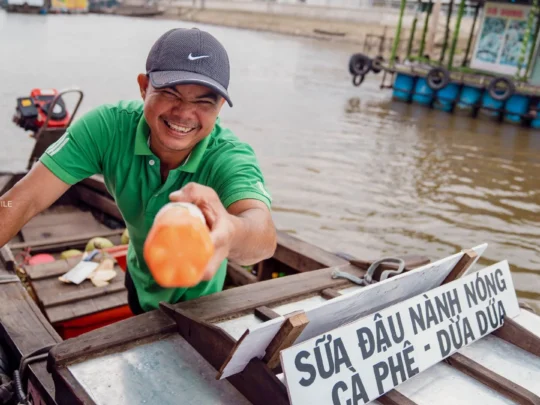
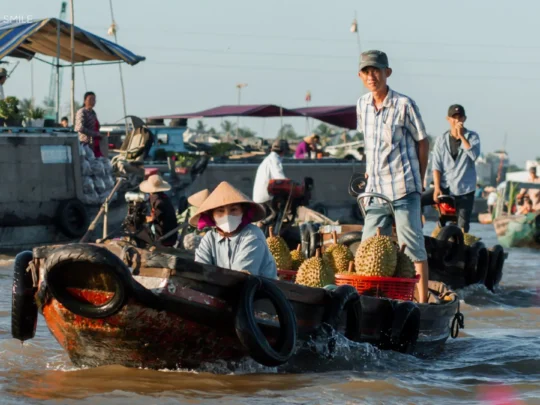
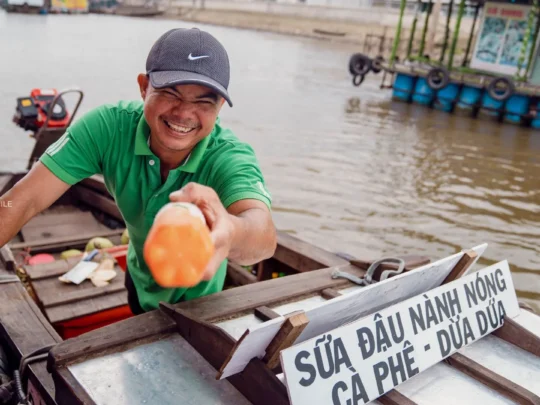
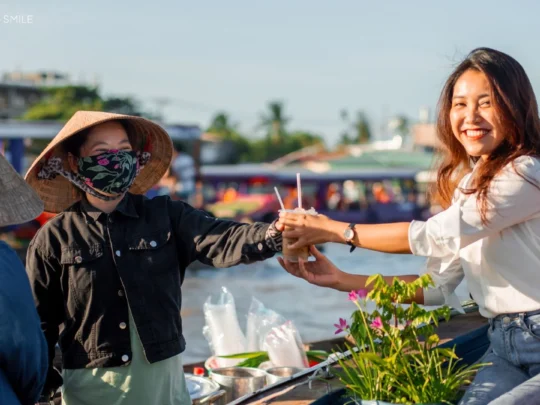
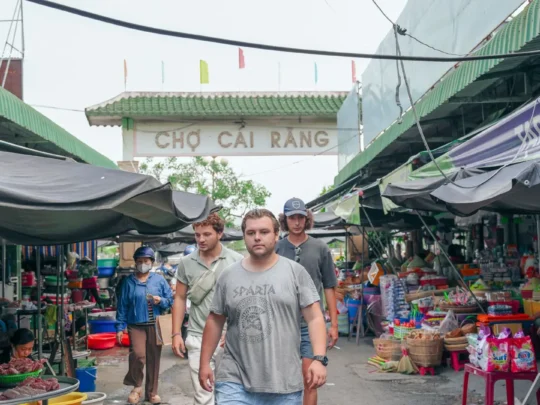
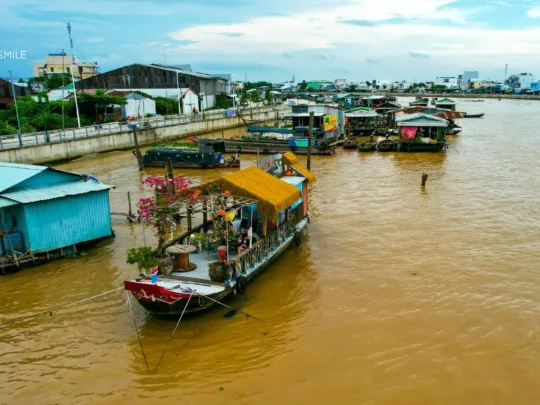
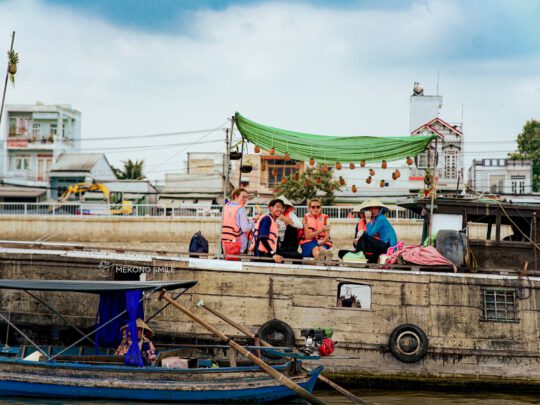
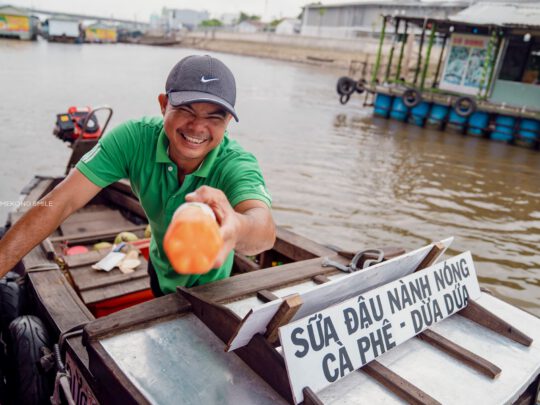
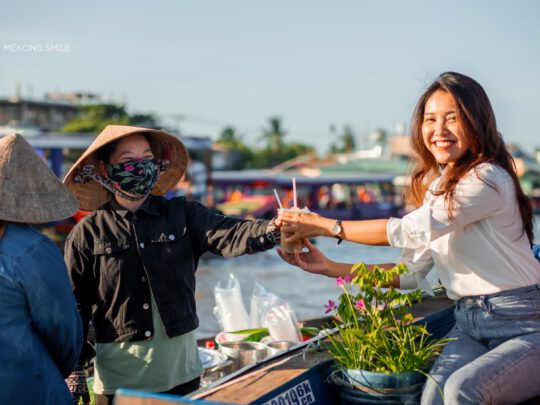
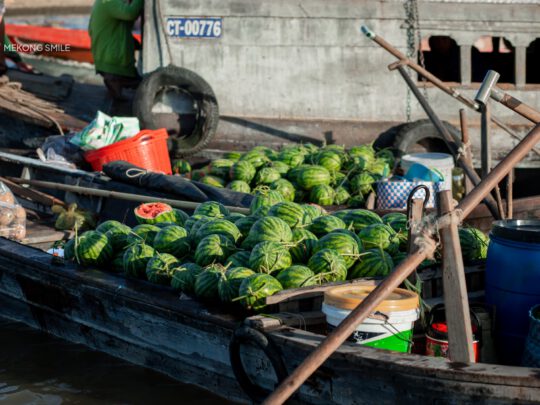
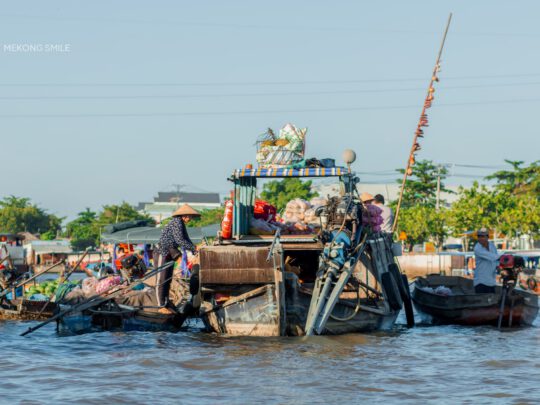
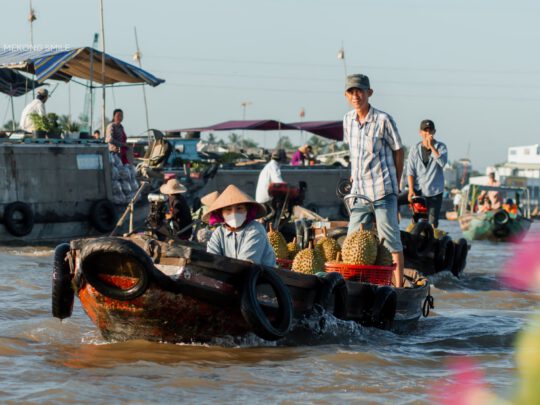
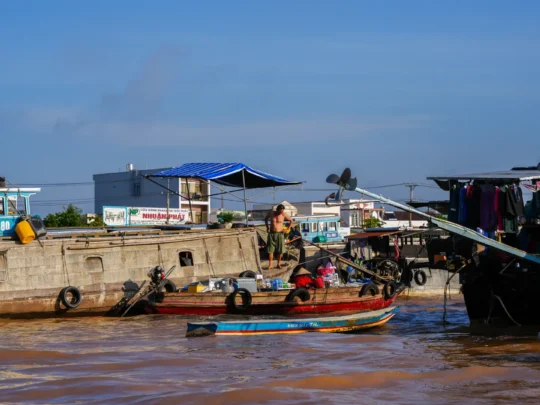
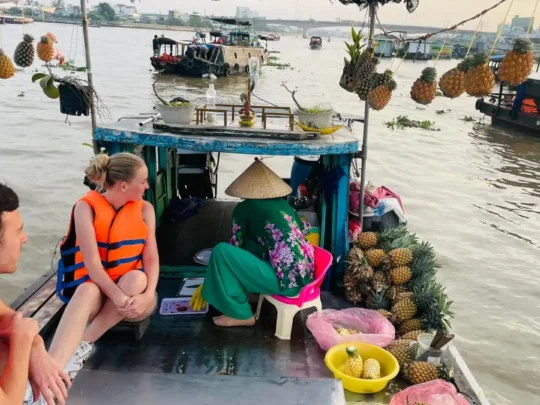
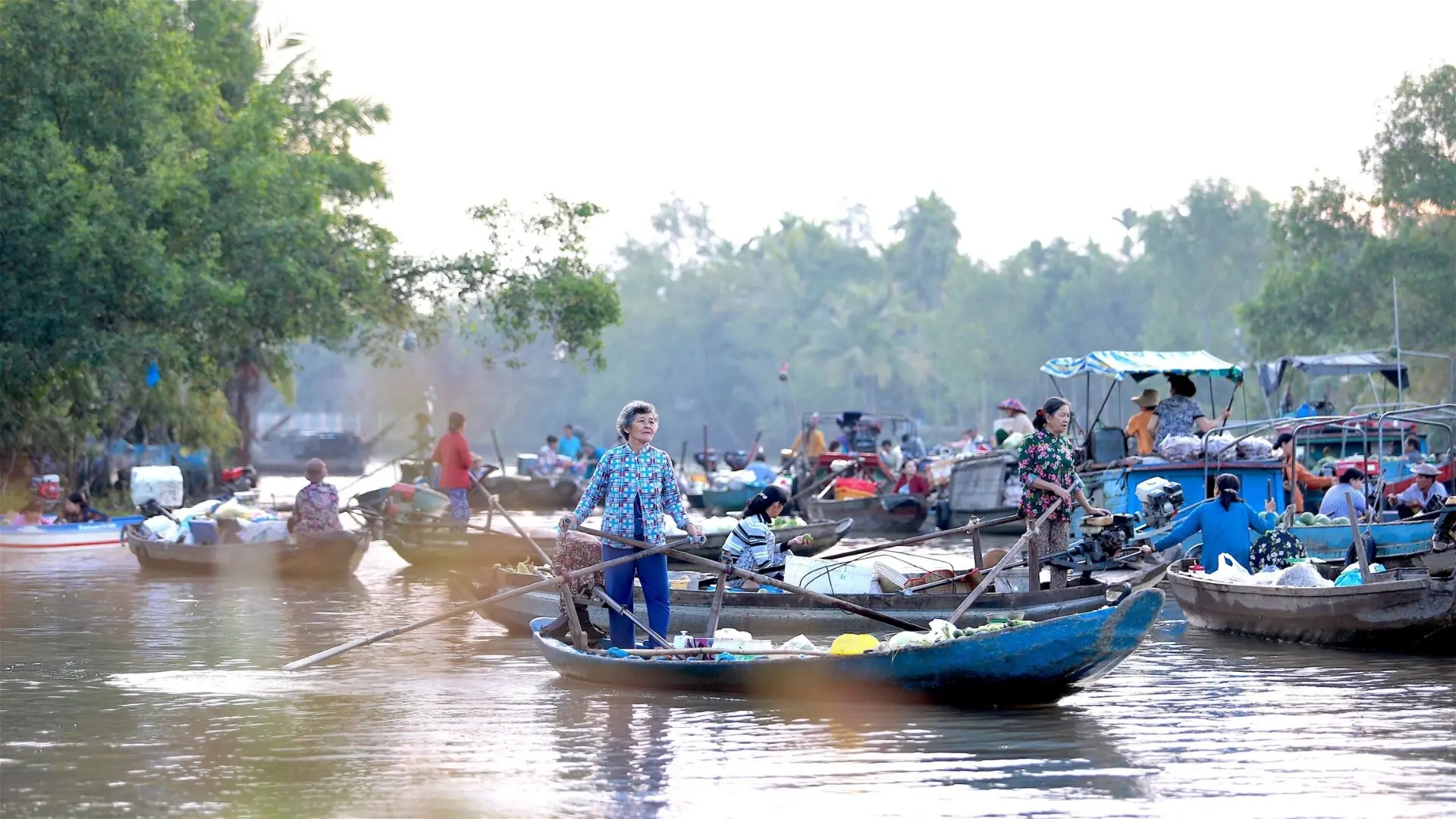
At Cai Rang Floating Market, visitors may see boats carrying produce, smaller vendors and passenger vessels sharing the river.
The number and types of boats depend on current trading activity.
For travelers interested in this side of river life, Mekong Smile offers tours that include Cai Rang Floating Market and other attractions around Can Tho.
Explore Can Tho Tours & Cai Rang Floating Market Experiences
Planning to explore Can Tho? Browse our selection of tours, including options that feature a visit to Cai Rang Floating Market. Each tour offers a different itinerary, so you can choose the experiences that best match your interests and travel plans.

Attractions in Mekong Delta

Attractions in Mekong Delta
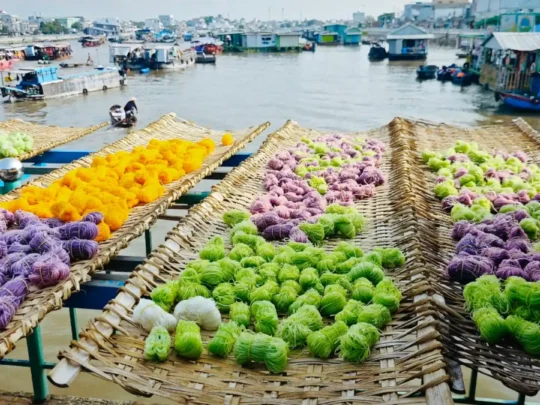
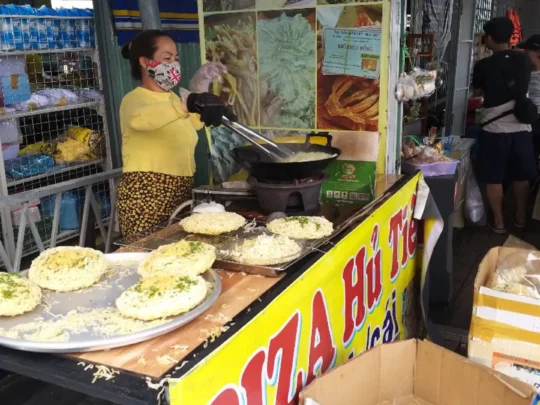
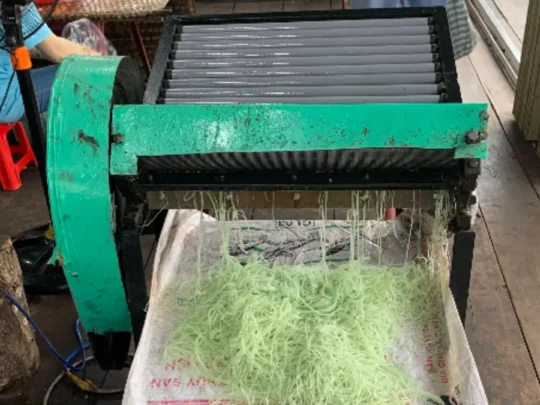
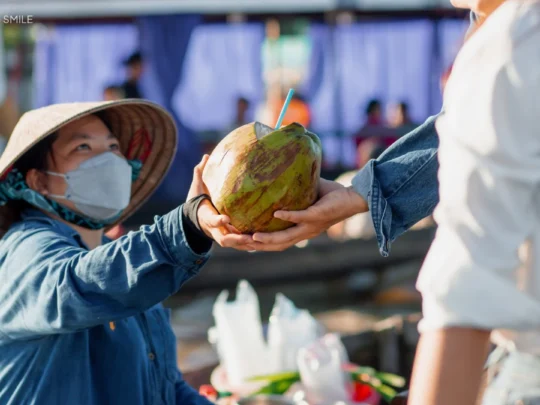
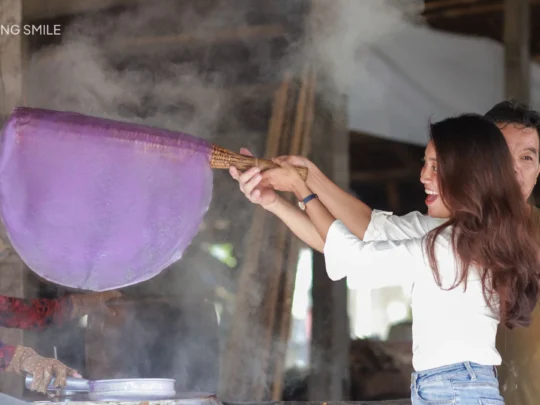
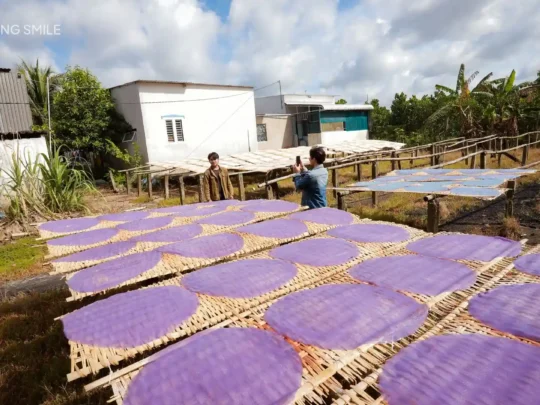
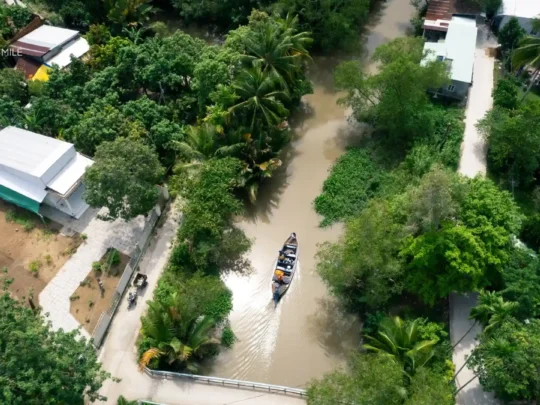
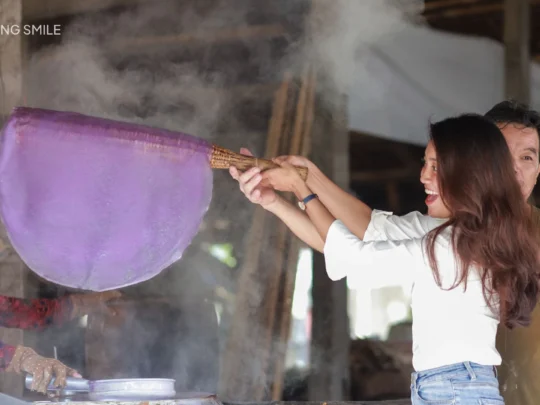
Can Tho river tour: floating market and rice noodle workshop in 3 hours

Attractions in Mekong Delta
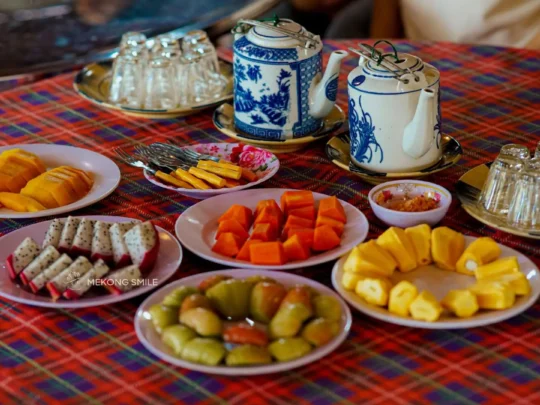
Can Tho Floating Market & Fruit Garden Tour: Mekong Tropical Sense

Attractions in Mekong Delta
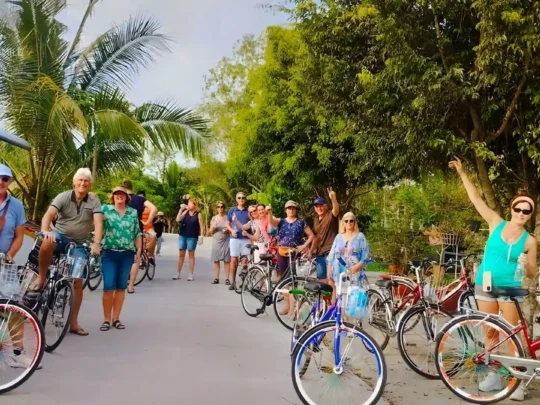
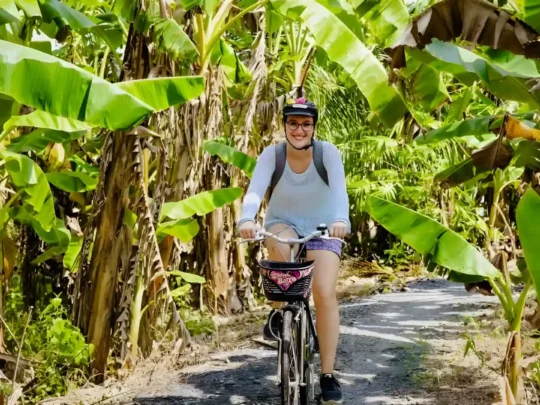
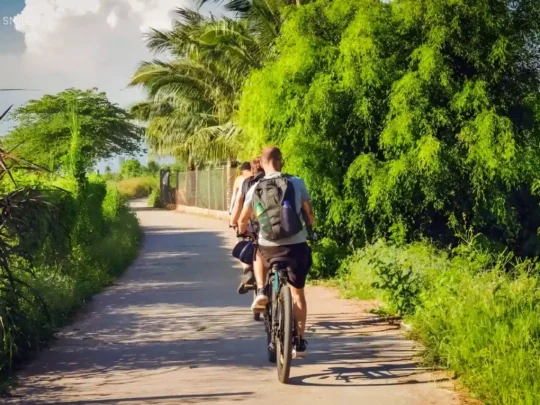
Can Tho Rural Tour: Cai Rang Floating Market and Rural Cycling
Attractions in Mekong Delta
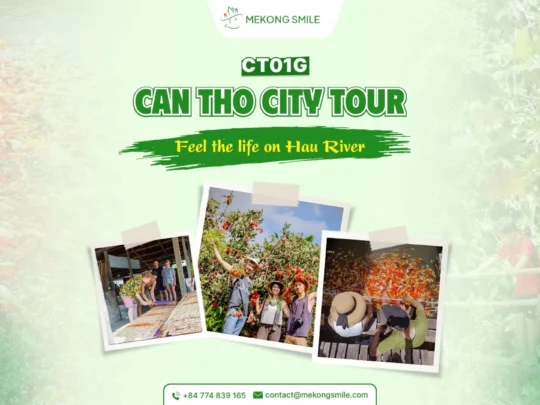
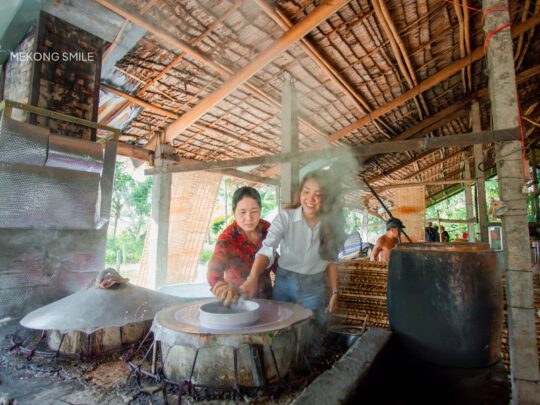
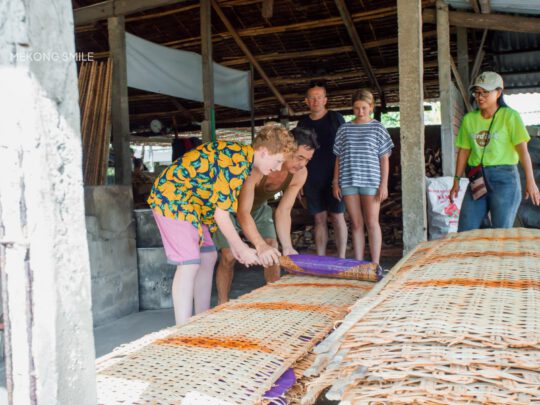
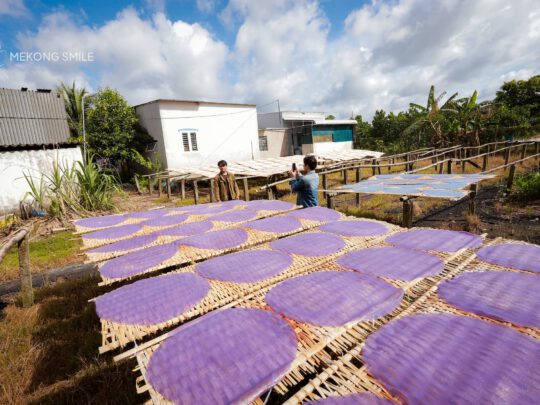
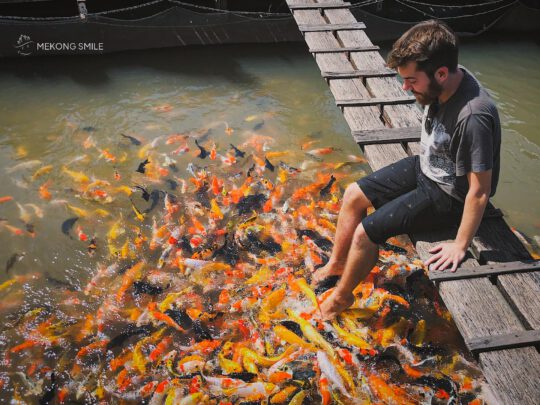
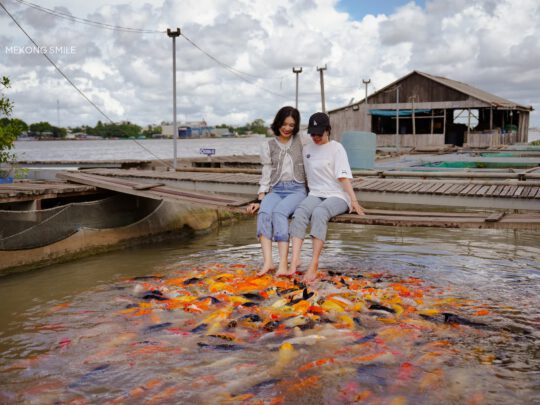
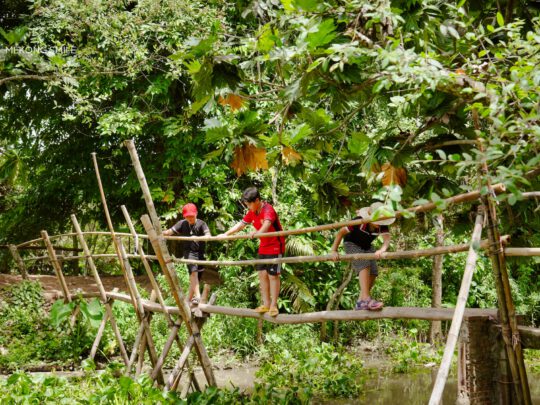
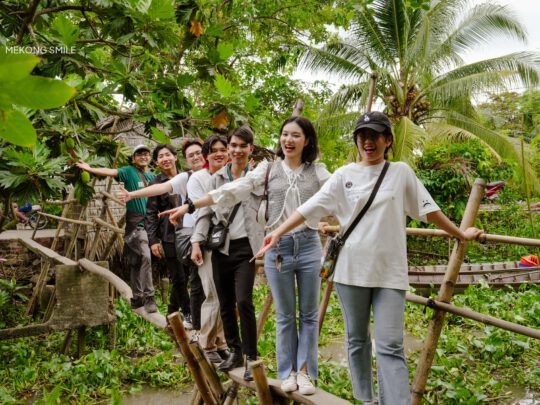


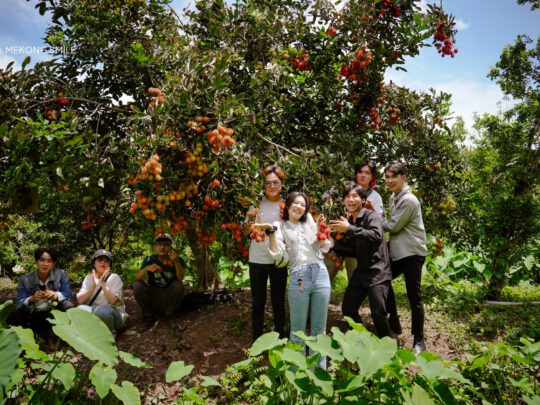
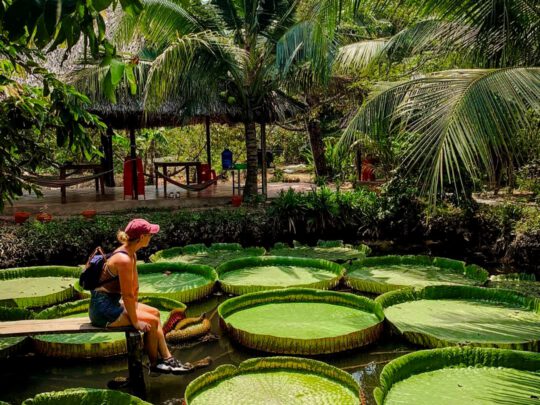
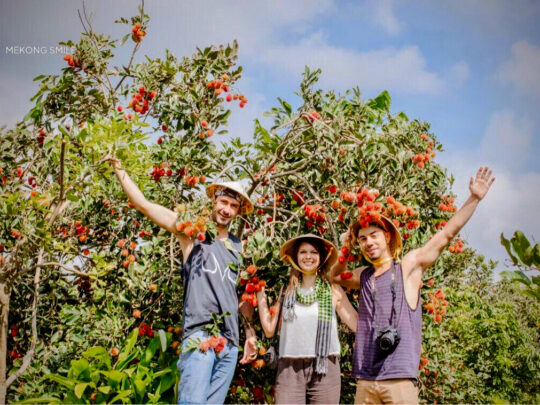
Attractions in Mekong Delta


Attractions in Mekong Delta
Antique Mekong Delta Cruise: Premium Cai Rang Floating Market


Attractions in Mekong Delta
Bassac Cruise Cai Be Can Tho Tour: Authentic Mekong River Journey


Attractions in Mekong Delta
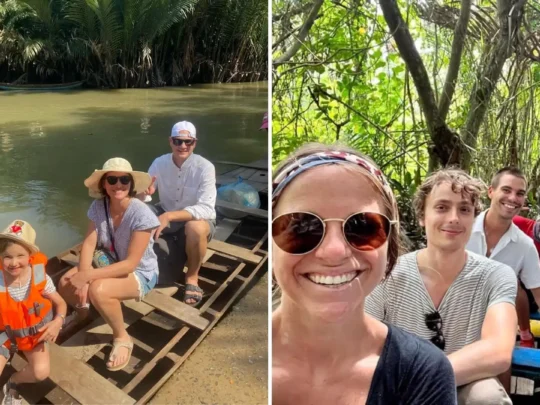
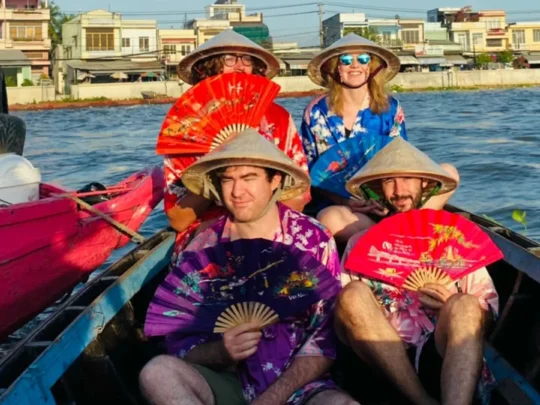
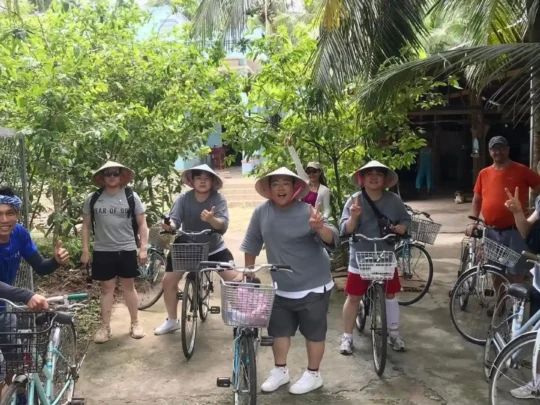
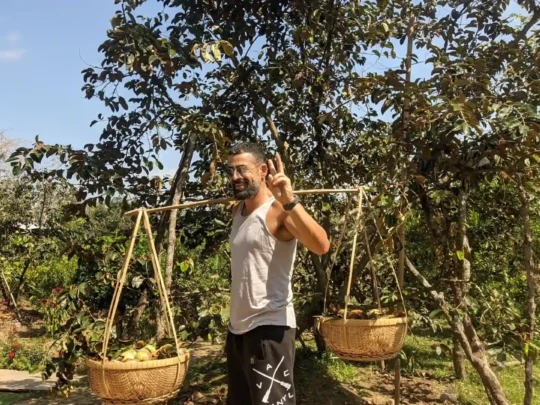
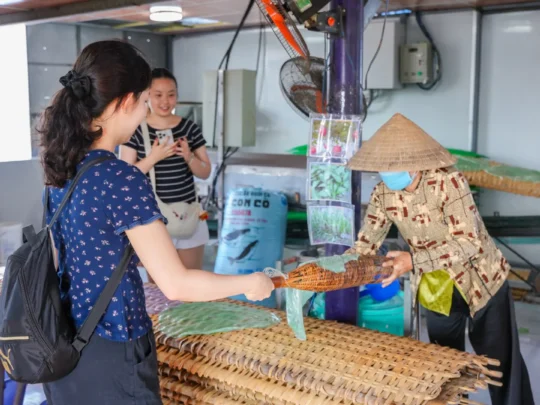
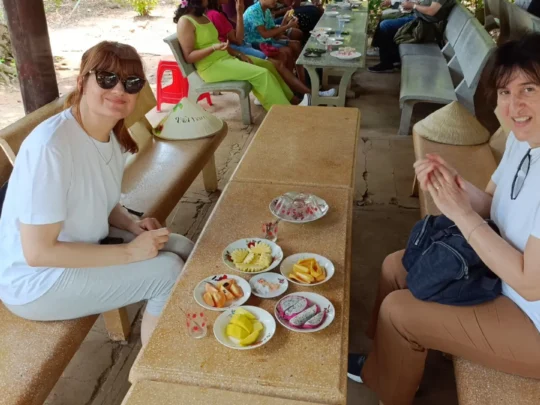
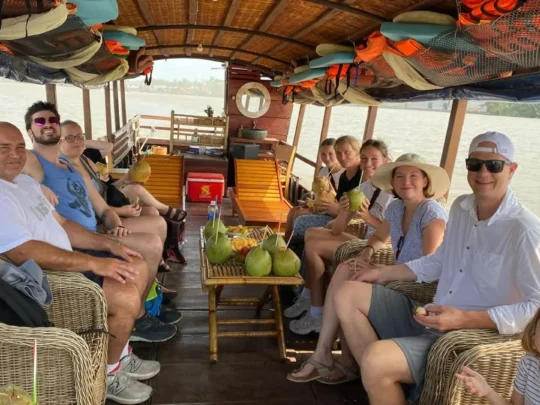
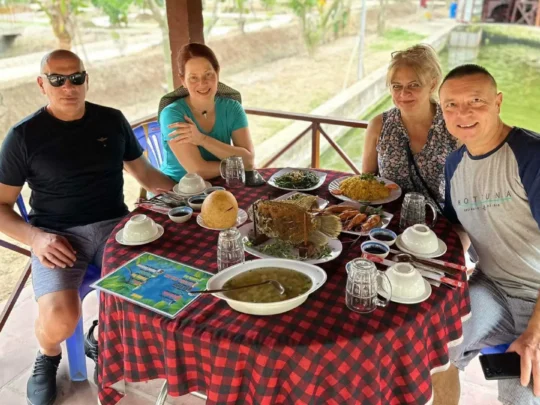
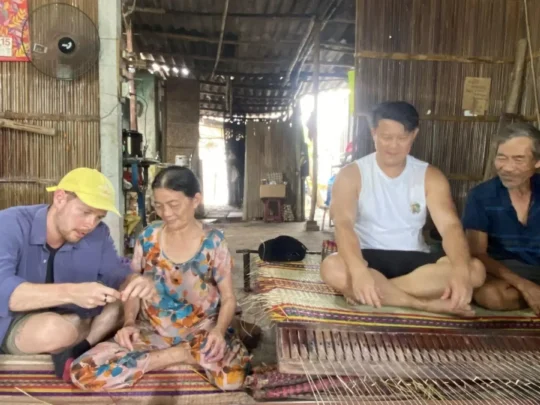
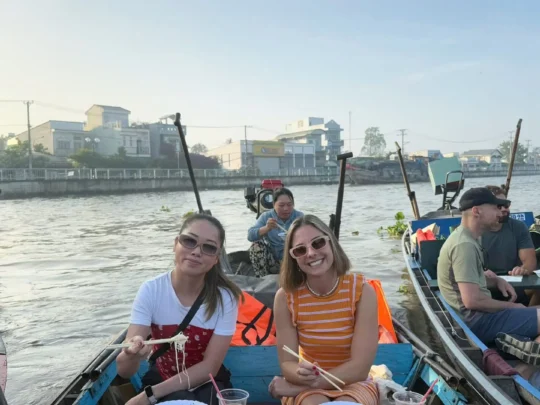
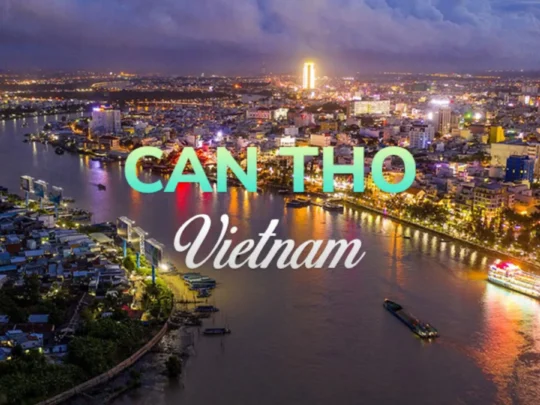
Attractions in Mekong Delta
Mekong Delta 2 Day Tour from Ho Chi Minh City: My Tho – Ben Tre – Can Tho


Attractions in Mekong Delta
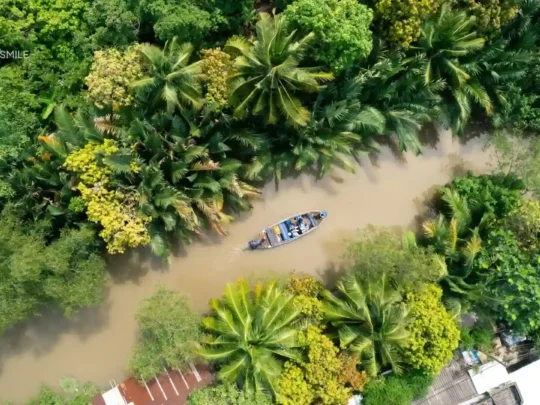
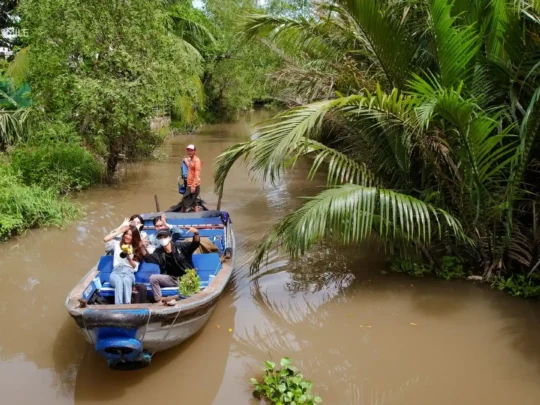
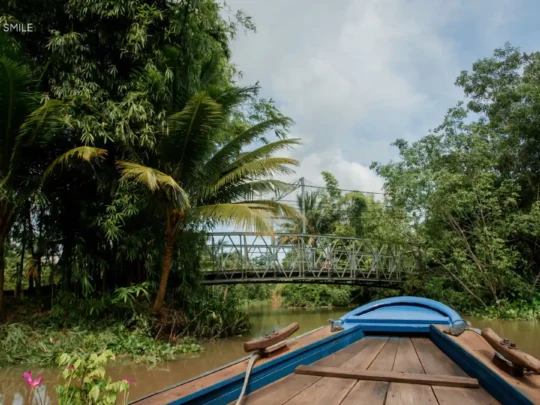
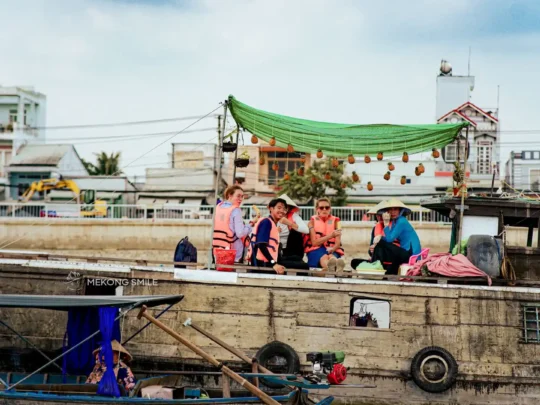
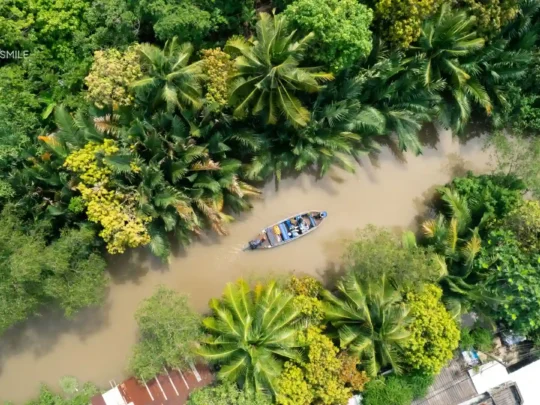
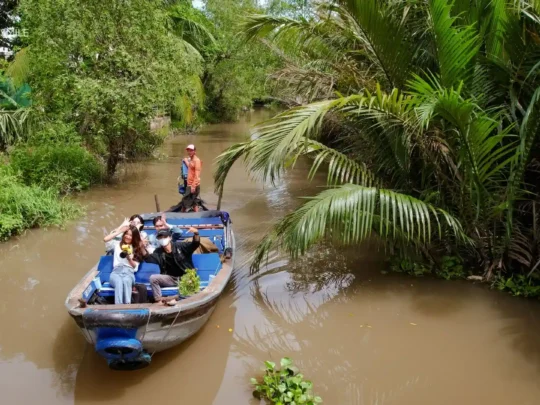
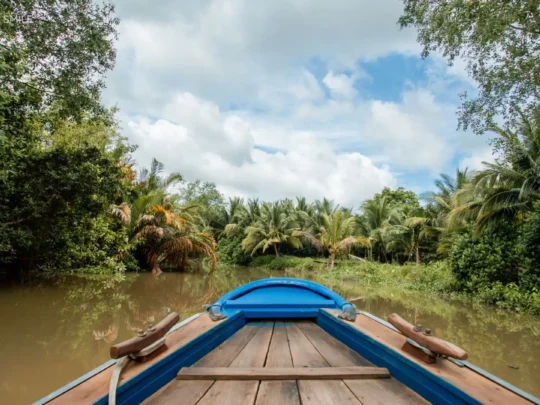
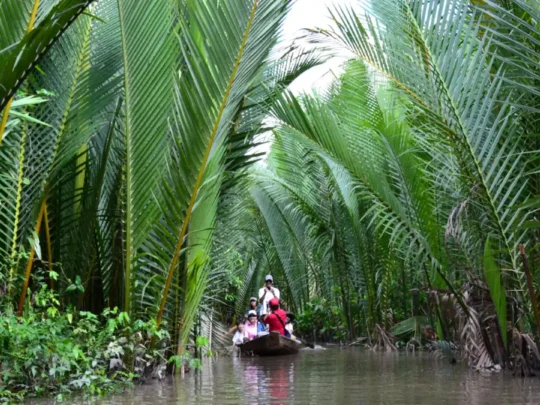
Beyond the floating market, the Can Tho small canal tour takes travelers through quieter rural waterways aboard a wooden boat.
The tour focuses on the canal landscape and everyday life along the riverbanks. The vessel should not be identified as an original three-plank xuồng ba lá without checking its actual construction.
My Tho and Thoi Son Island: hand-rowed sampans
Around My Tho and Thoi Son Island, visitors can experience short canal rides aboard small hand-rowed boats.
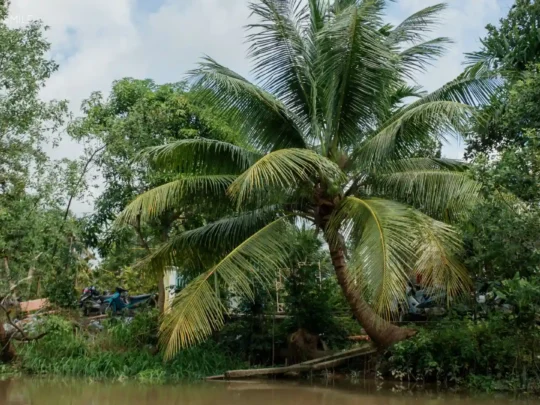
These waterways are often bordered by water coconut palms, giving travelers a closer view of the vegetation and surroundings.
Mekong Smile’s My Tho Mekong Delta Tour includes a hand-rowed sampan ride as part of its island itinerary.
The experience demonstrates the continued use of small boats in tourism, although the modern vessel may differ from the historical designs described in this guide.
Khmer cultural areas: ghe Ngo racing
Ghe Ngo racing offers a different perspective on watercraft traditions.
These long ceremonial racing boats are associated with cultural festivals and the Khmer communities that maintain them.
They are not ordinary passenger excursion boats.
Travelers hoping to observe a race should check the announced festival program and current access arrangements.
For broader destination planning, see the Mekong Delta travel guide.
Why these boats remain part of the Mekong Delta’s identity
The variety of traditional boats tells a story about the region’s geography and the people who adapted to it.
The xuồng ba lá reflects the need for practical movement through smaller waterways. Larger trading boats reveal the history of commerce along the rivers. Đò ngang and đò dọc recall the importance of river crossings and passenger routes, while ghe Ngo expresses the cultural identity and communal traditions of the Khmer people.
Their designs, names and uses preserve knowledge that developed over generations.
Learning about these vessels offers a way to understand the Mekong Delta beyond its scenery: as a place where waterways shaped work, language, craftsmanship and everyday life.
Frequently asked questions about
What are the main traditional boats of the Mekong Delta?
They include xuồng ba lá, xuồng năm lá, xuồng tam bản, ghe tam bản, ghe chài and dugout boats such as ghe lườn. Motorized vỏ lãi, passenger ferries and Khmer ghe Ngo racing boats are also important parts of the region’s waterway culture.
Is a sampan the same as a xuồng ba lá?
Not necessarily. Sampan is a broad English term for different types of small boats, while xuồng ba lá refers to a traditional Vietnamese design originally made with three main wooden hull planks.
Are xuồng ba lá and xuồng tam bản different?
Traditional descriptions distinguish their construction, but local names sometimes overlap. Xuồng tam bản includes several designs with different arrangements of wooden planks, while xuồng ba lá originally referred to a three-plank hull.
What do xuồng be bảy, be tám and be chín mean?
These are regional names associated with different sizes of traditional xuồng. The numbers should not automatically be interpreted as the exact number of wooden planks.
Why do some traditional boats have eyes painted on them?
Painted eyes are associated with folk beliefs about protection and safe journeys. Their meanings vary between communities, and not every boat carries them.
Are traditional wooden boats still used in the Mekong Delta?
Yes, although their roles have changed. Some remain in local use, while others are preserved through boatbuilding traditions, museum collections, cultural events and tourism experiences.
Further reading and cultural sources
This guide was prepared using published research and cultural documentation:
- Ghe xuồng ở Nam Bộ – Nguyễn Thanh Lợi
- Ghe, xuồng trong đời sống cư dân ĐBSCL – Báo Cần Thơ
- Xuồng tam bản – Gợi nhớ một thời – Báo Cà Mau
- Ghe Ngo – Biểu tượng văn hóa truyền thống của đồng bào Khmer – Bảo tàng Vĩnh Long
- Lễ hội đua ghe Ngo của người Khmer – Cục Di sản văn hóa
- Tục lệ cúng xuồng, ghe Nam Bộ – Ủy ban Nhà nước về người Việt Nam ở nước ngoài
Explore the Mekong Delta’s waterways with Mekong Smile
Interested in seeing river life beyond photographs and stories?
A floating market visit, a rural canal journey and a hand-rowed sampan ride reveal different aspects of the Mekong Delta’s waterways.
Share your travel plans with Mekong Smile, and our local team can help you explore suitable experiences.
Planning Your Mekong Trip?
Get a free, personalized itinerary from our local experts in under 120 minutes.
Get a Free Consultation Leave your contact, we handle the rest.
Traditional boats of the Mekong Delta at a glance
| Vietnamese name | English description | Traditional role |
| Xuồng ba lá | Three-plank boat | Everyday travel through small canals and flooded areas |
| Xuồng năm lá | Five-plank boat | Local travel and small-scale transport |
| Xuồng tam bản | Traditional sampan-type boat | Fishing, carrying passengers and light goods |
| Ghe tam bản | Traditional boat with several covered designs | Transporting passengers and merchandise |
| Ghe lườn / ghe độc mộc | Dugout boat | Travel in a vessel carved from a tree trunk |
| Ghe chài | Large trading boat | Long-distance river commerce and cargo transport |
| Vỏ lãi and tắc ráng | Narrow motorized boats | Powered travel through rivers and canals |
| Đò ngang / đò dọc | River-crossing / route-based passenger services | Connecting riverside communities |
| Ghe Ngo | Khmer ceremonial racing boat | Boat races, festivals and community traditions |
Why boats shaped life in the Mekong Delta
Understanding ghe, xuồng and sampan
What is the difference between ghe and xuồng?
What does sampan mean?
Small wooden boats for everyday travel
Xuồng ba lá: the traditional three-plank boat
Xuồng be bảy, be tám and be chín: local names for boat sizes
Xuồng năm lá: a five-plank design
Xuồng tam bản: similar appearance, different construction
Ghe lườn and the dugout boat tradition
Vỏ lãi and tắc ráng: the rise of motorized river transport
What is a vỏ lãi?
Is a tắc ráng the same as a vỏ lãi?
Trading boats and life on the river
Ghe tam bản: covered boats for carrying goods
Ghe chài: a large trading vessel
Ghe hàng and the floating markets
Đò ngang and đò dọc: boats that connected communities
Đò ngang: crossing from one riverbank to another
Đò dọc: traveling along a waterway
Ghe Ngo: the ceremonial racing boat of Khmer communities
How is a ghe Ngo built?
Why is the ghe Ngo culturally important?
Boatbuilding, painted eyes and river traditions
The craft of building wooden boats
Why do some Vietnamese boats have painted eyes?
The custom of honoring Bà Cậu
How traditional river transport has changed
Where can visitors see the Mekong Delta’s boat culture today?
Can Tho: working boats and rural canals
Explore Can Tho Tours & Cai Rang Floating Market Experiences
Planning to explore Can Tho? Browse our selection of tours, including options that feature a visit to Cai Rang Floating Market. Each tour offers a different itinerary, so you can choose the experiences that best match your interests and travel plans.
Attractions in Mekong Delta
Attractions in Mekong Delta
Can Tho river tour: floating market and rice noodle workshop in 3 hours
Attractions in Mekong Delta
Can Tho Floating Market & Fruit Garden Tour: Mekong Tropical Sense
Attractions in Mekong Delta
Can Tho Rural Tour: Cai Rang Floating Market and Rural Cycling
Attractions in Mekong Delta
Attractions in Mekong Delta
Attractions in Mekong Delta
Antique Mekong Delta Cruise: Premium Cai Rang Floating Market
Attractions in Mekong Delta
Bassac Cruise Cai Be Can Tho Tour: Authentic Mekong River Journey
Attractions in Mekong Delta
Attractions in Mekong Delta
Mekong Delta 2 Day Tour from Ho Chi Minh City: My Tho – Ben Tre – Can Tho
Attractions in Mekong Delta
My Tho and Thoi Son Island: hand-rowed sampans
Khmer cultural areas: ghe Ngo racing
Why these boats remain part of the Mekong Delta’s identity
Frequently asked questions about
Further reading and cultural sources
-
Lễ hội đua ghe Ngo của người Khmer – Cục Di sản văn hóa
Explore the Mekong Delta’s waterways with Mekong Smile
Planning Your Mekong Trip?
Get a free, personalized itinerary from our local experts in under 120 minutes.
Get a Free Consultation Leave your contact, we handle the rest.
