
 Can Tho
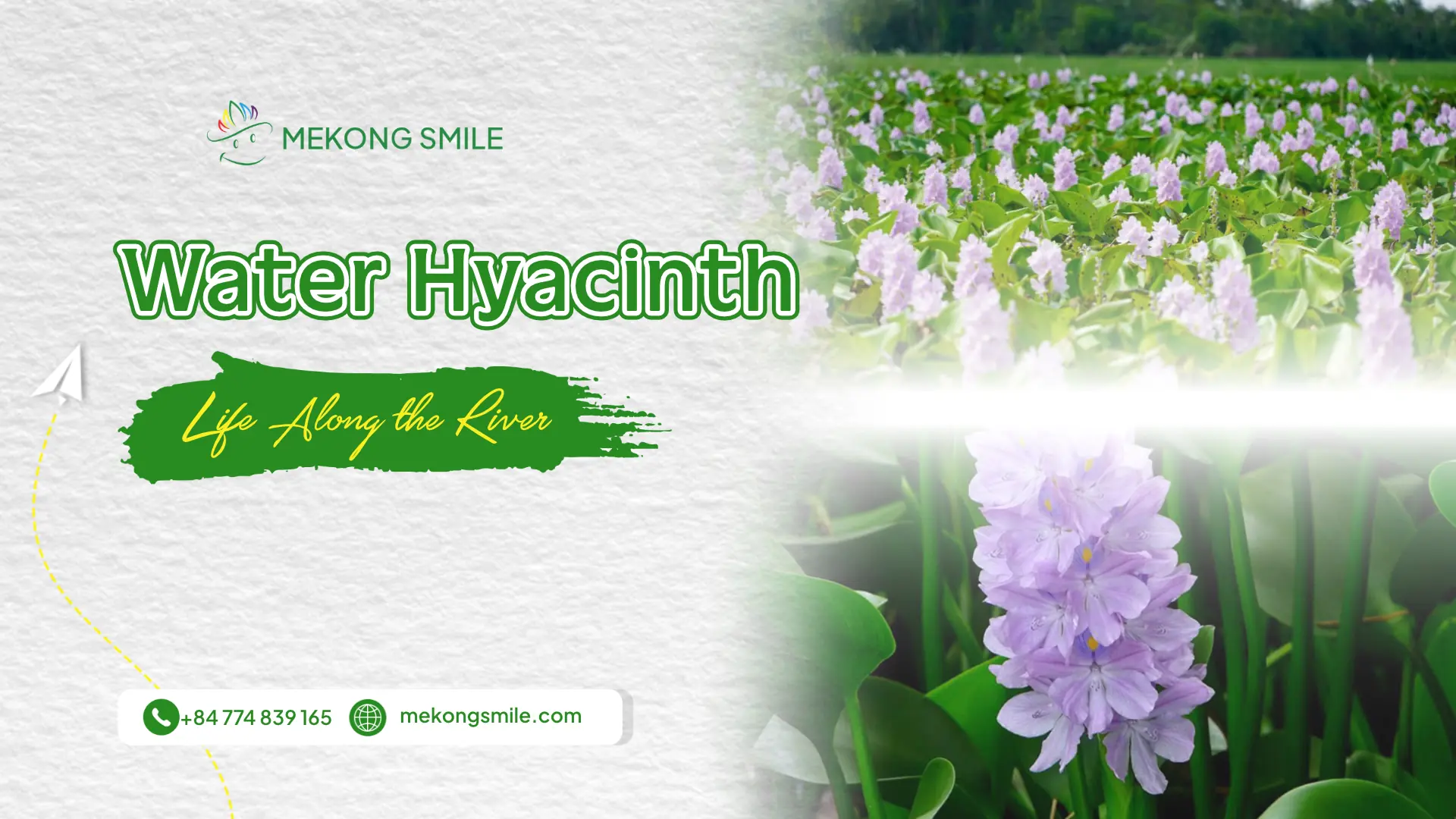
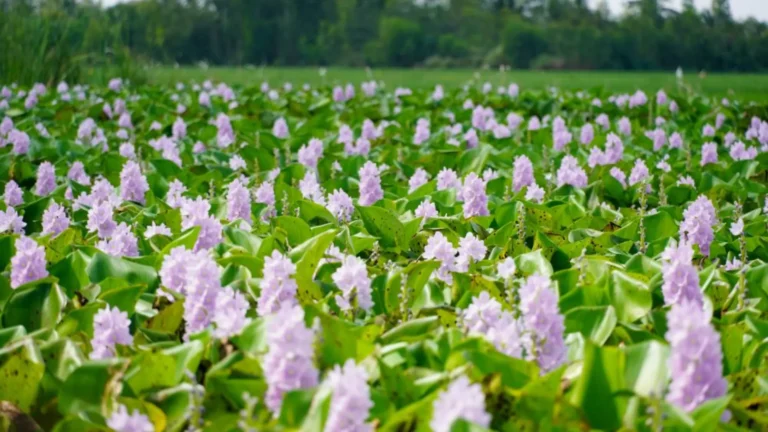

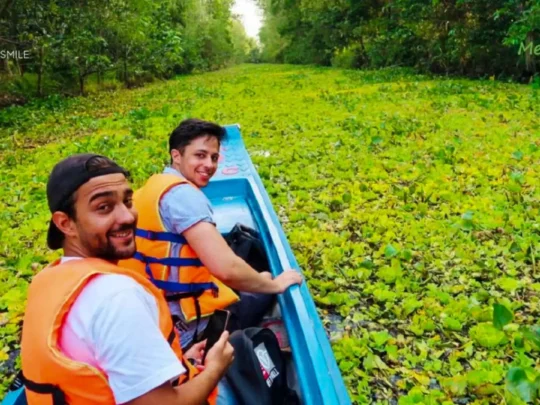
If you take a boat along the rivers and canals of Vietnam’s Mekong Delta, you may notice clusters of rounded green leaves floating on the water. Some drift slowly with the current, while others gather near riverbanks, wooden boats, and houses built beside the canals. Occasionally, delicate purple flowers rise above the leaves.
This is water hyacinth in the Mekong Delta, locally known as lục bình.
Water hyacinth is a familiar part of the Mekong Delta’s river landscape. Its flowers add color to the waterways, but its rapid growth can also make boat travel and water management difficult. At the same time, local people have found ways to turn its stalks into baskets, handbags, mats, and other handmade products.
The story of water hyacinth is closely connected to life in the Delta: how people travel, work, adapt to their surroundings, and make use of the plants growing around them.
What is water hyacinth?
Water hyacinth is a freshwater plant that floats freely rather than growing from roots fixed in the riverbed. It has glossy green leaves, thick and sometimes swollen stalks that help it stay afloat, and long, feathery roots hanging beneath the water.
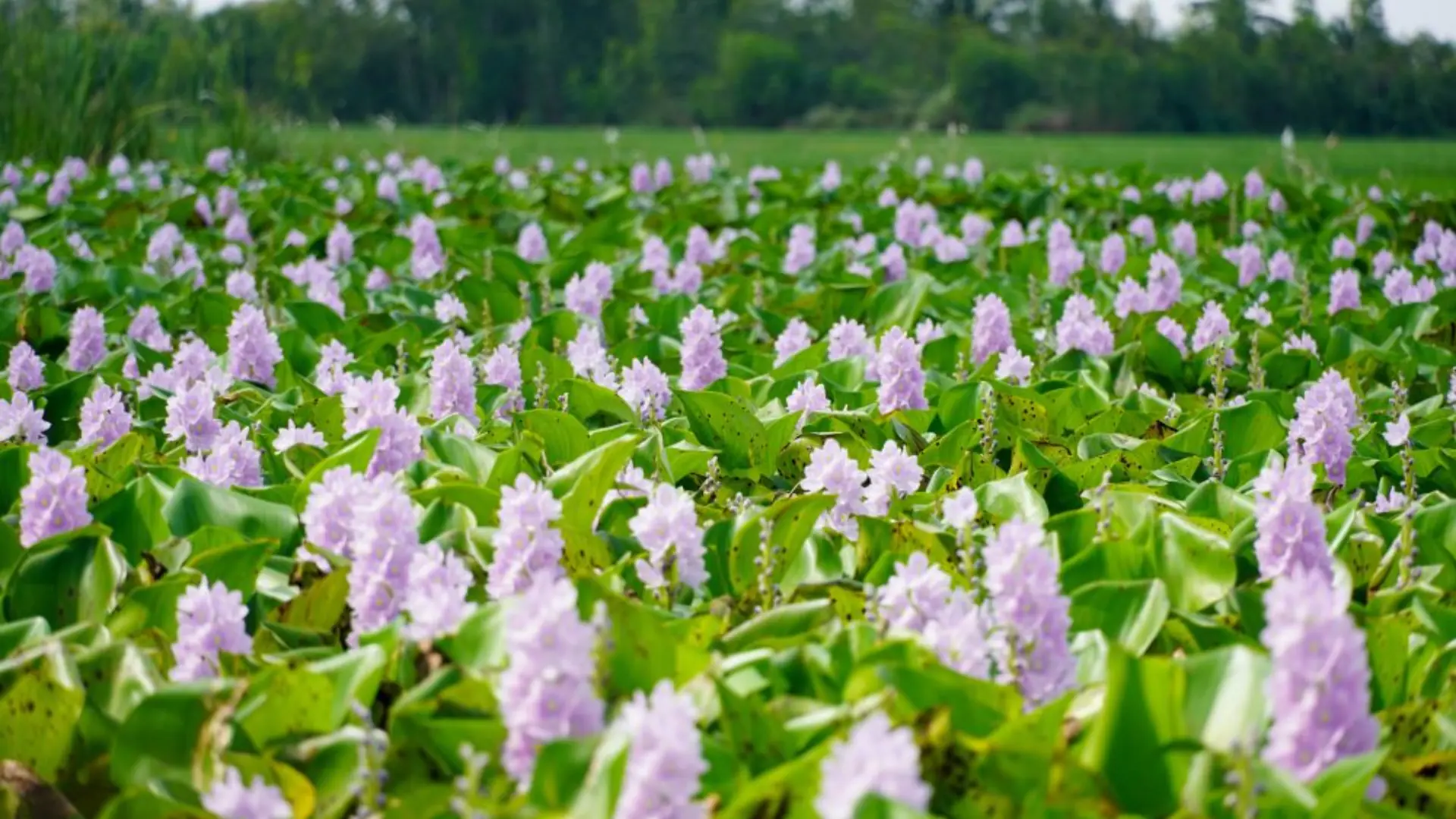
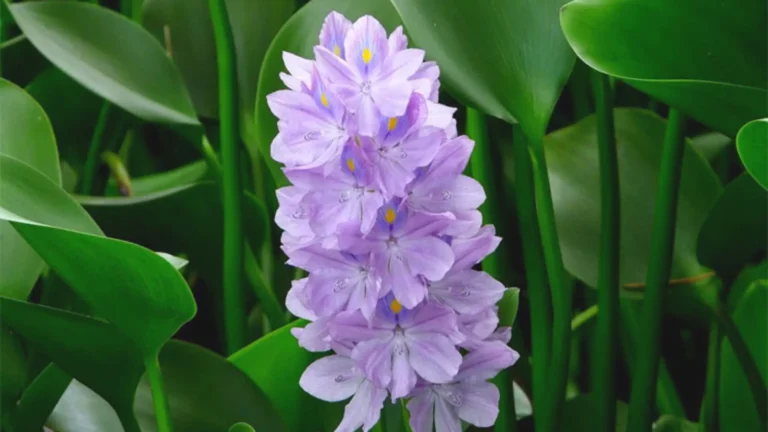
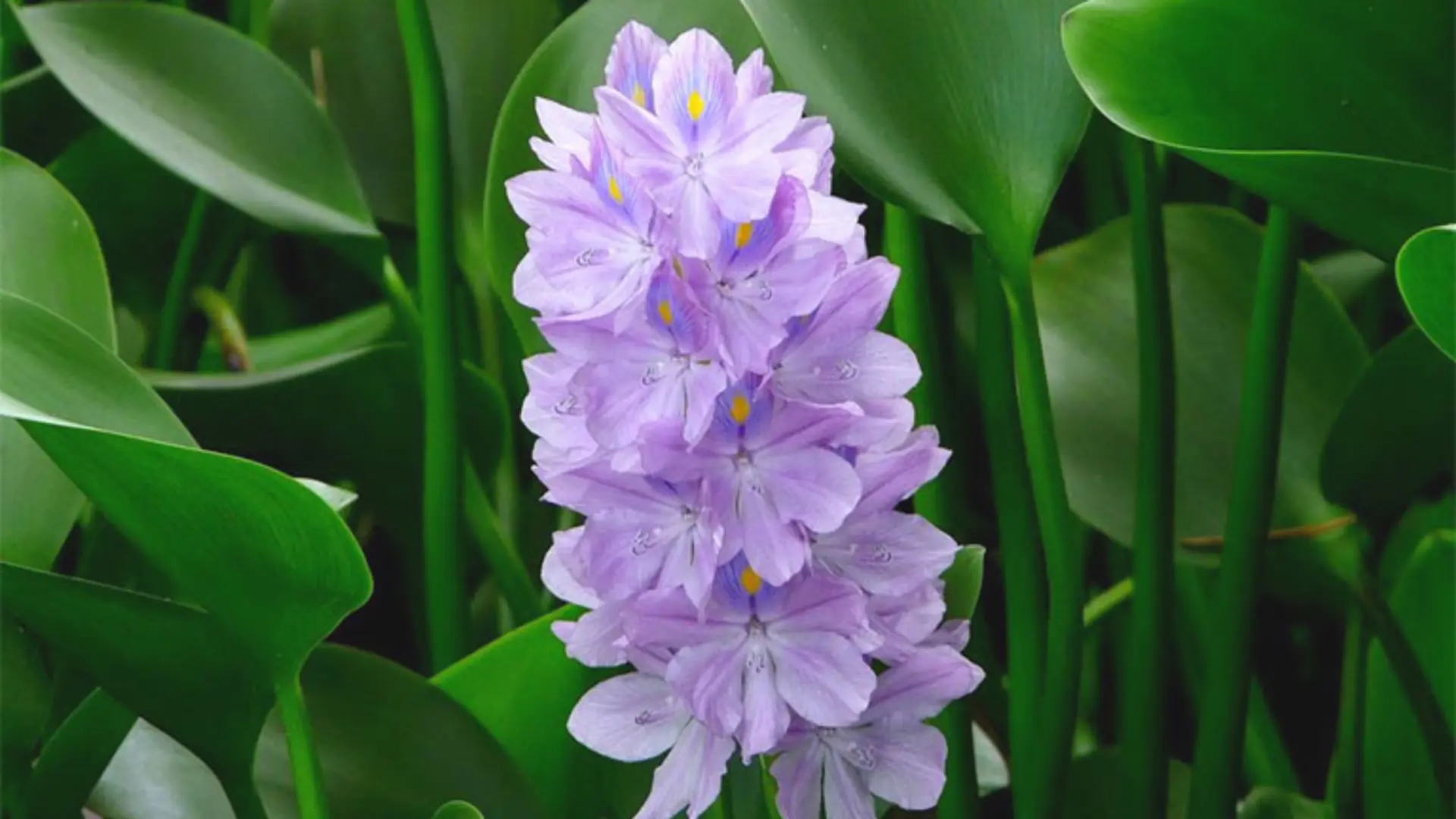
Its most recognizable feature is the flower. Water hyacinth produces clusters of pale purple or lavender blooms, often with a yellow marking surrounded by deeper blue or violet on one of the upper petals.
Although it looks like a natural part of the Vietnamese countryside, water hyacinth originally came from tropical South America. It was introduced to Vietnam and gradually became widespread in the country’s freshwater environments.
Its scientific name is Pontederia crassipes, although the older name Eichhornia crassipes is still commonly found in Vietnamese references.
Local people usually call it lục bình, while bèo tây is another familiar Vietnamese name.
Is water hyacinth the same as a water lily?
No. Both plants can have attractive flowers, but they are quite different.
Water lilies (hoa súng in Vietnamese) generally have roots anchored in the mud beneath the water, with floating leaves and flowers appearing at the surface. Water hyacinth floats freely and can move from place to place with the current.
Once you recognize its rounded leaves, hanging roots, and clusters of purple flowers, it becomes easier to spot along the waterways.
Why is water hyacinth so common in the Mekong Delta?
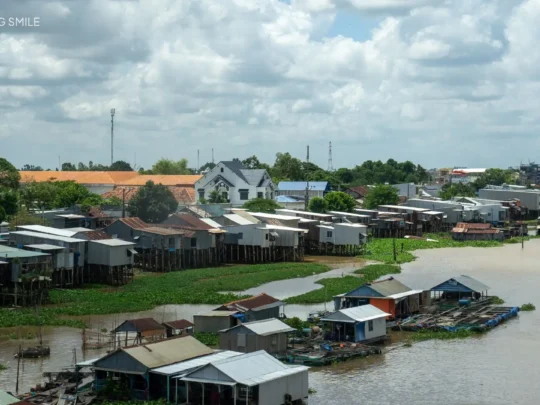
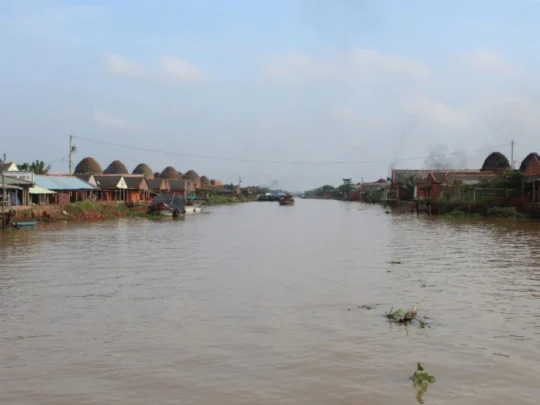
The Mekong Delta is crossed by major rivers, small natural channels, and an extensive network of canals. Water is part of the region’s landscape and everyday activities, from agriculture and fishing to transportation and trade.
These conditions also provide many suitable places for water hyacinth to grow.
The plant thrives in warm freshwater, especially in sheltered areas where the current is relatively slow. Nutrients in the water can encourage its growth, while its ability to produce new plants from connecting runners allows it to spread quickly.
Unlike plants fixed to the riverbed, water hyacinth moves with the water. Small clusters can drift downstream, collect along riverbanks, or become trapped near bridges and boat landings.
That is why the amount of water hyacinth can change noticeably from one canal to another.
A wide section of river may have only a few scattered plants, while a quieter canal nearby may contain a thick green covering.
In places where water hyacinth grows too densely, local residents and authorities must find ways to keep waterways accessible.
The purple flowers along the waterways
Water hyacinth flowers bring soft shades of purple to the green river landscape. Several flowers grow together on an upright stalk, rising above the floating leaves.
Unlike flowers arranged in a garden, these blooms may appear beside a wooden boat, near a riverside house, or along a quiet canal.
A single cluster can be easy to overlook. When many plants bloom together, however, their purple flowers create patches of color across the water.
For travelers exploring the Delta, these small details can be part of what makes the scenery memorable.
When do water hyacinth flowers bloom?
Water hyacinth can flower at different times of the year in southern Vietnam. Purple blooms are often particularly noticeable around the turn of the year and into spring, although flowering is not limited to those months.
You may come across a canal with scattered purple flowers or see mainly green leaves along another stretch of water. Both are familiar sights in the Delta.
Rather than planning a journey around a fixed flowering date, it is better to appreciate water hyacinth as part of the changing riverside landscape.
Water hyacinth and everyday river life
For visitors, a patch of floating water hyacinth may simply be part of the scenery. For people who live and work beside the river, it can have a much more practical meaning.
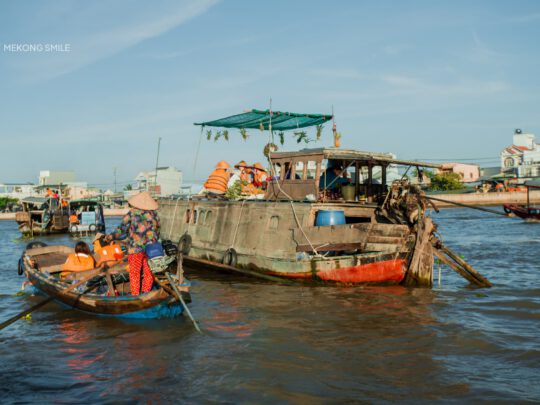
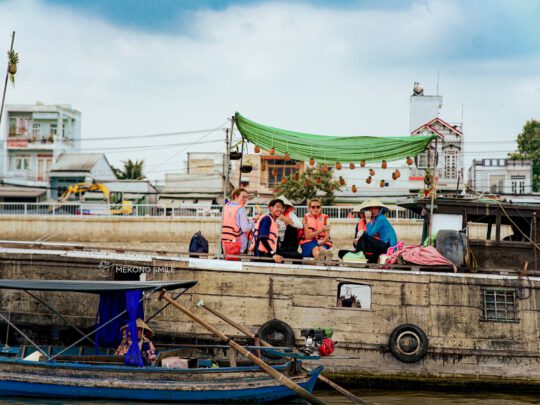
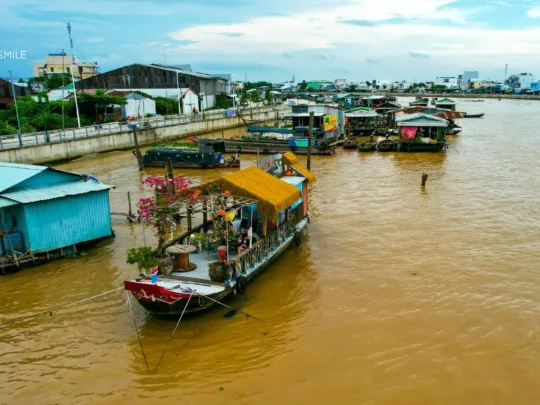
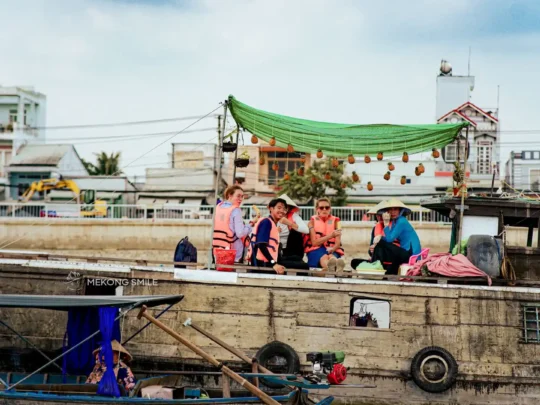
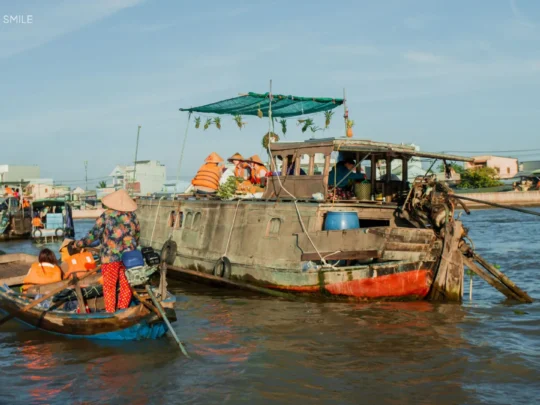
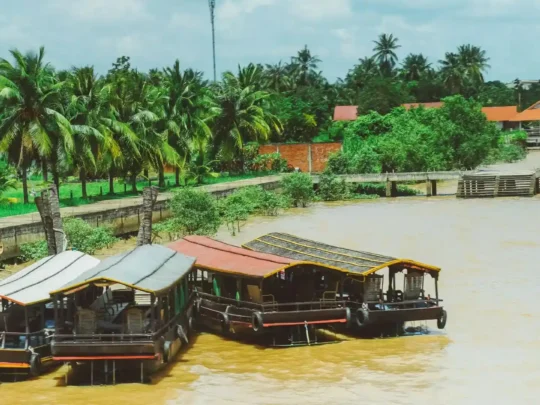
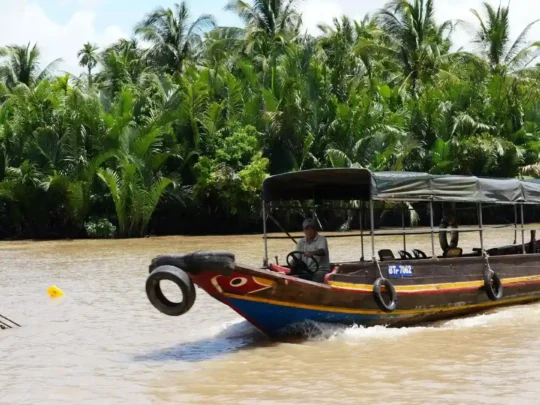
Boats have long played an important role in the Mekong Delta. People use them to transport agricultural products, reach places across waterways, carry passengers, and travel through areas where water remains an important connection between communities.
You can explore this relationship further in our guide to the traditional boats of the Mekong Delta.
Living with a plant that never stays still
Because water hyacinth floats, it does not remain in the same place.
Plants may drift past riverside houses, gather near small docks, or collect in corners of canals where the water moves more slowly.
When clusters become too thick, residents sometimes need to move or remove them to keep access to boats and waterways open.
This is one of the everyday realities of living close to rivers and canals. The surrounding environment changes with the movement of water, and people adapt their activities accordingly.
The relationship is not always difficult, however. In some communities, the same plant that creates extra work has also become a source of usable material.
When floating plants become a problem
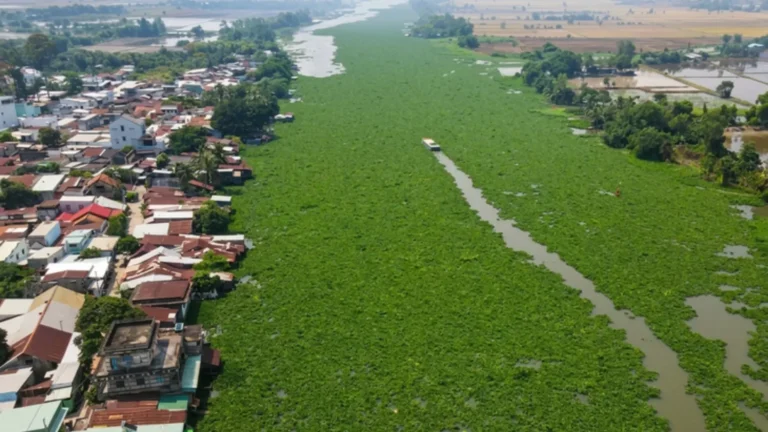
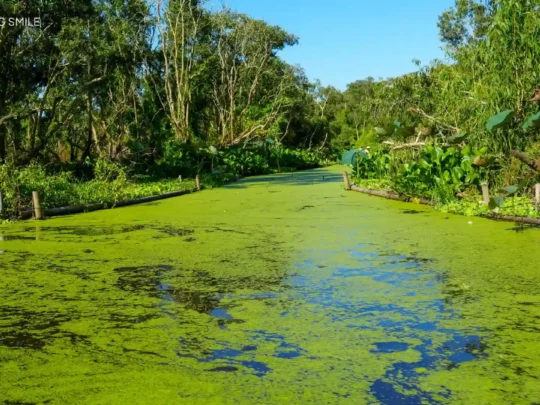
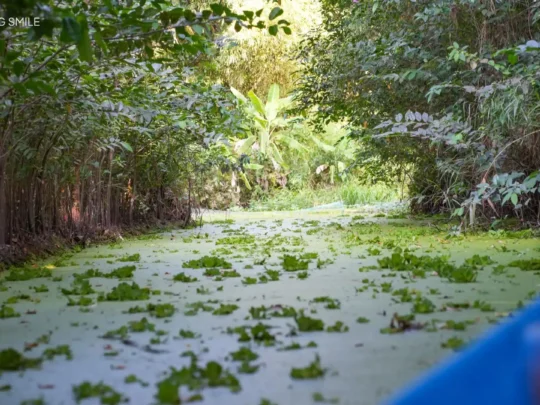
Water hyacinth grows rapidly under favorable conditions. If left uncontrolled, it can form dense floating mats that cover large sections of a canal.
These accumulations can make it difficult for small boats to pass, particularly when the plants become entangled around propellers or collect in narrow passages.
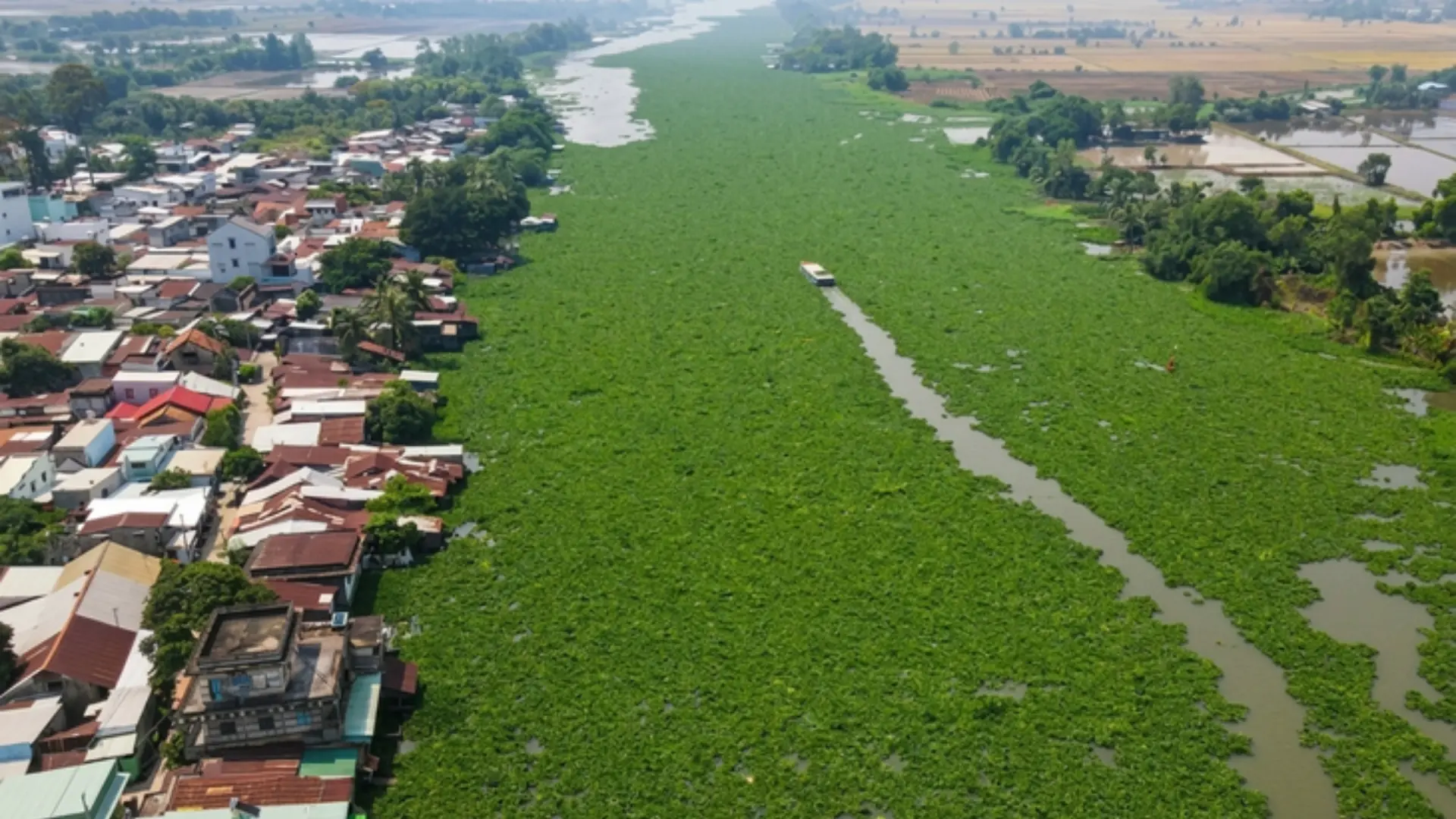
For farming communities, blocked waterways can complicate the movement of produce and access to irrigation or drainage channels.
Dense growth can also affect aquatic life by blocking sunlight from reaching underwater plants and contributing to reduced oxygen levels.
Water hyacinth is therefore recognized as an invasive plant in Vietnam.
Its purple flowers may be attractive, but allowing it to spread without control can have serious consequences for waterways and nearby communities.
From floating plants to handmade crafts
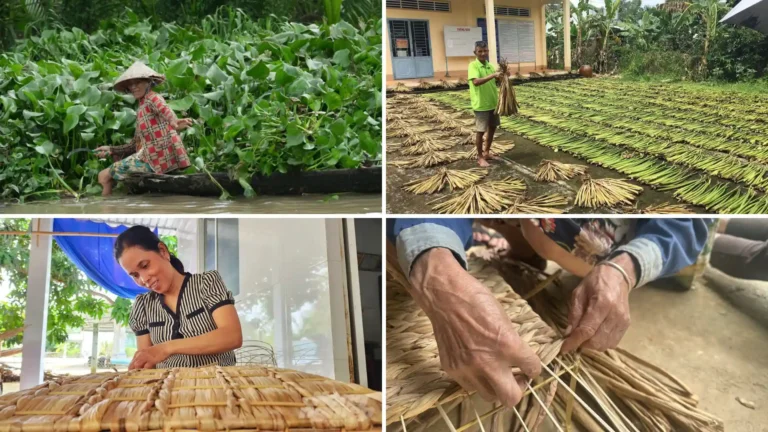
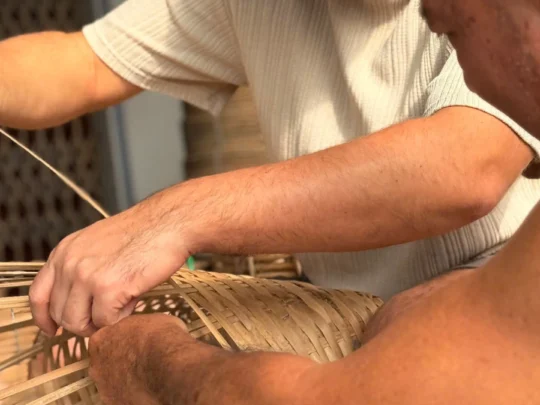
One of the most interesting ways people in the Mekong Delta use water hyacinth is by turning its stalks into woven handicrafts.
The finished products may look very different from the fresh green plants floating in a canal.
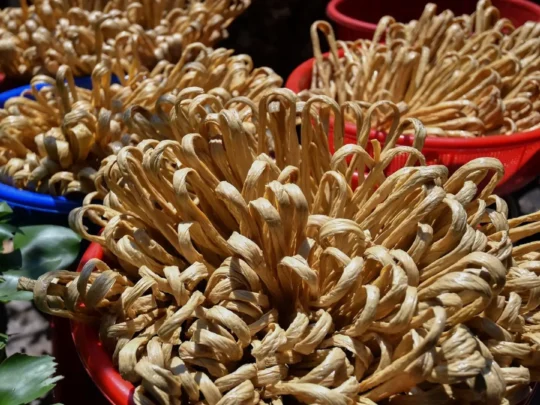
Dried water hyacinth has a natural brown color and a texture that can be worked into baskets, bags, trays, mats, storage containers, and decorative household items.
These products are made through several stages of preparation and skilled handwork.
How do people turn water hyacinth into handicrafts?
The process starts with collecting or harvesting suitable mature plants.
Workers remove the leaves and roots, keeping the long stalks that can be used for weaving. The stalks are then prepared and laid out to dry in the sun.
As the moisture leaves the plant, the green material gradually becomes brown and much lighter.
Depending on the product and production method, the dried stalks may be sorted, split, or prepared further before weaving.
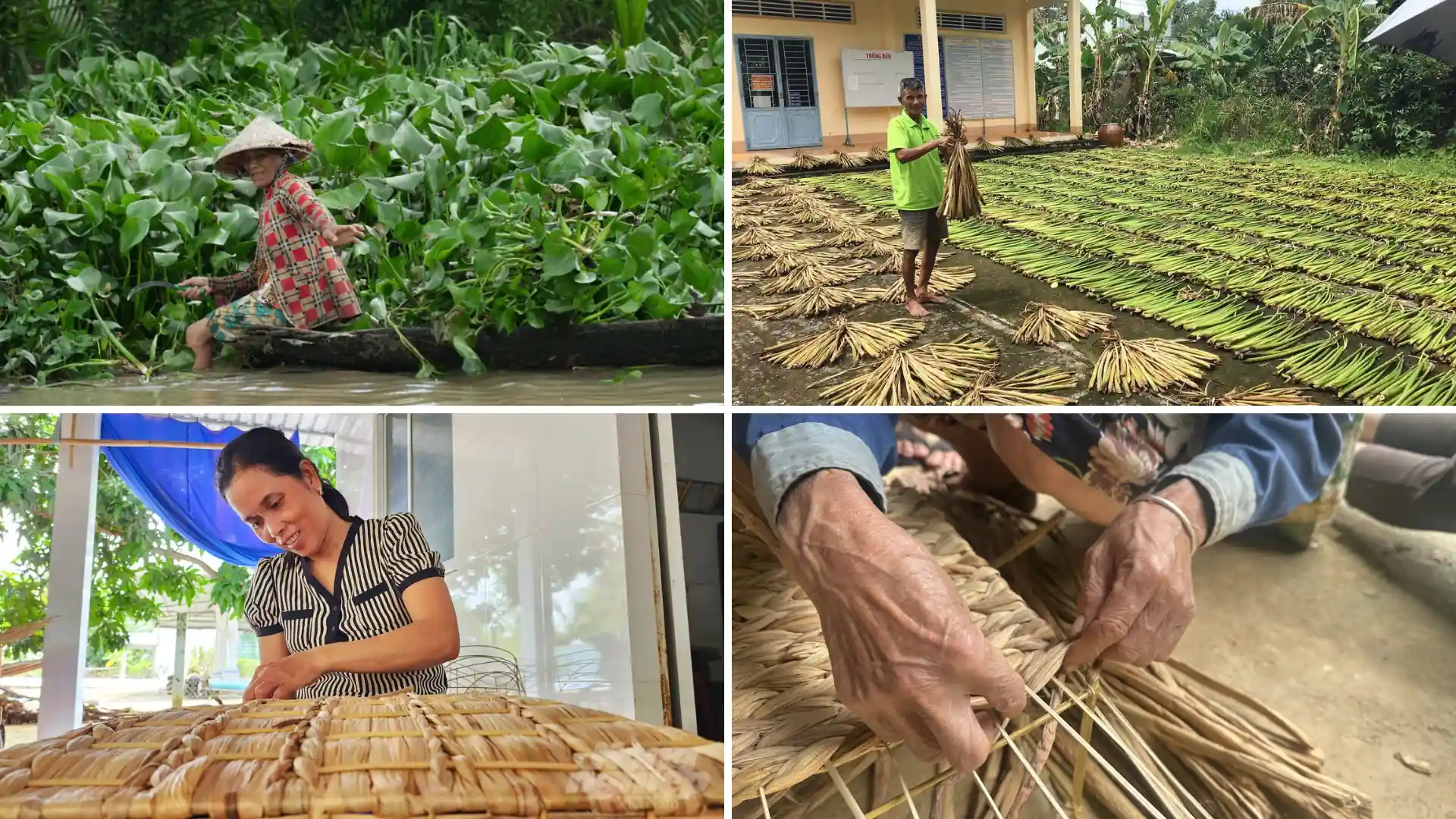
Artisans use different weaving techniques to form the required shapes. Some products are woven around frames, while others combine water hyacinth with additional materials.
A finished handbag or basket may pass through several hands, from the person harvesting the plant to those drying, preparing, weaving, and completing the product.
This process shows how an everyday plant can become useful through local skills and craftsmanship.
A source of work for riverside communities
In parts of the Mekong Delta, water hyacinth is more than a material collected from the wild.
Some households grow it in managed areas to produce stalks for handicraft businesses. Others collect naturally growing plants, dry the stalks, and sell them to traders or workshops.
The craft also creates work for people who weave products at home or through cooperatives.
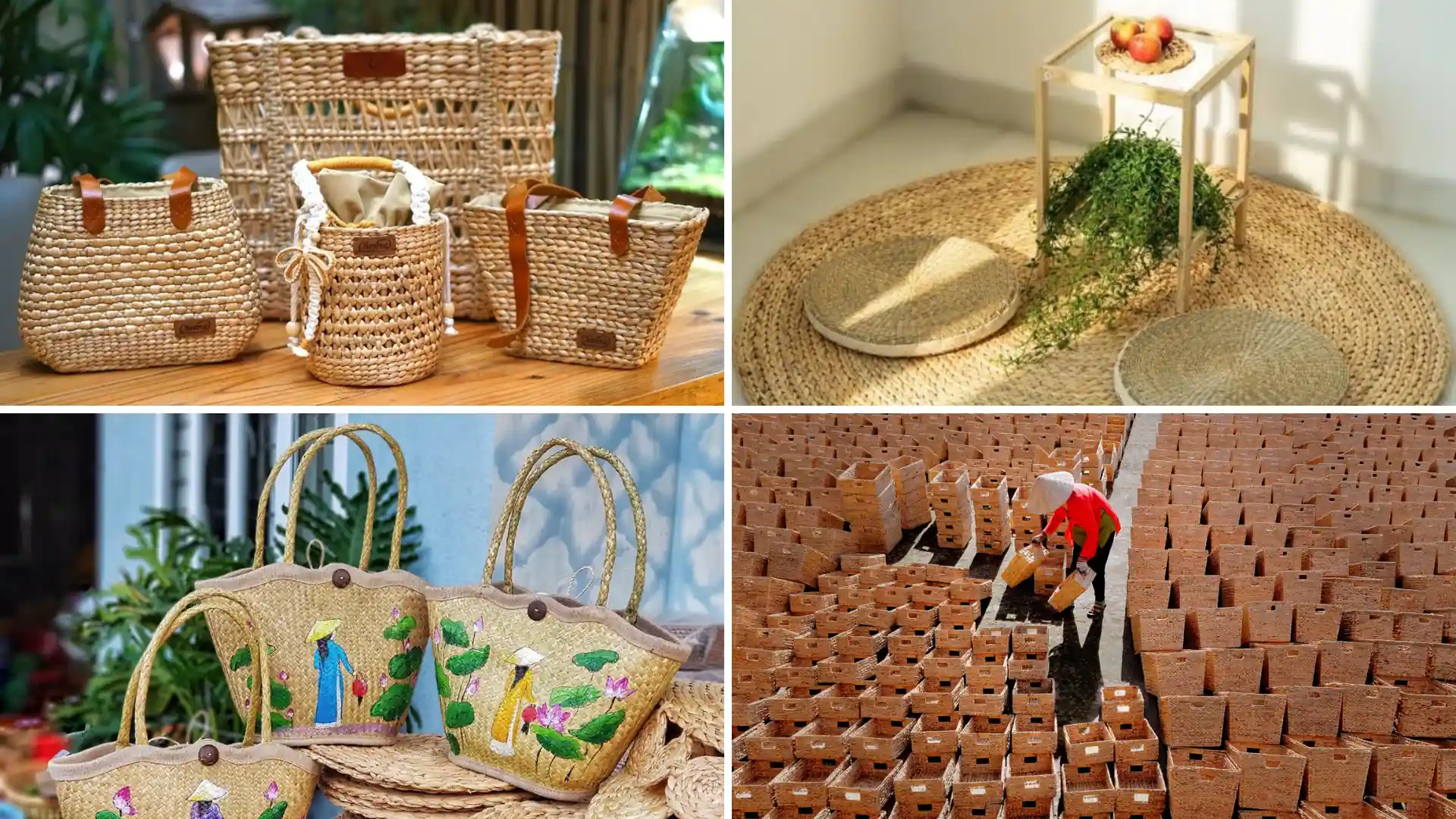
Around Can Tho and other parts of the Delta, local weaving businesses have developed products for both Vietnamese customers and overseas markets.
For some rural households, this provides additional income alongside farming. For others, harvesting, drying, or weaving water hyacinth has become an important part of their work.
A plant that causes problems in some waterways can therefore become valuable raw material elsewhere.
However, growing more water hyacinth is not always beneficial. Because the plant spreads readily, cultivation and harvesting need to be carefully managed to avoid creating additional environmental problems.
A connection between handicrafts and travel
Traditional crafts offer visitors another way to learn about daily life in the Mekong Delta.
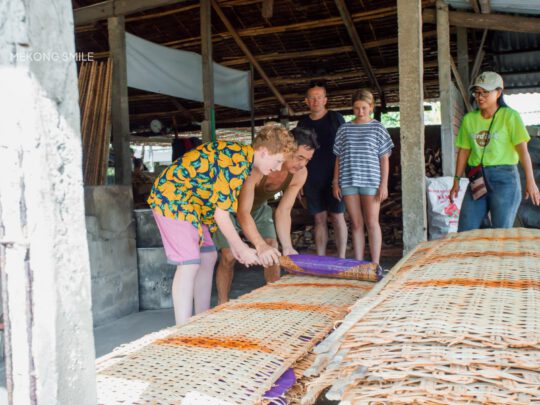
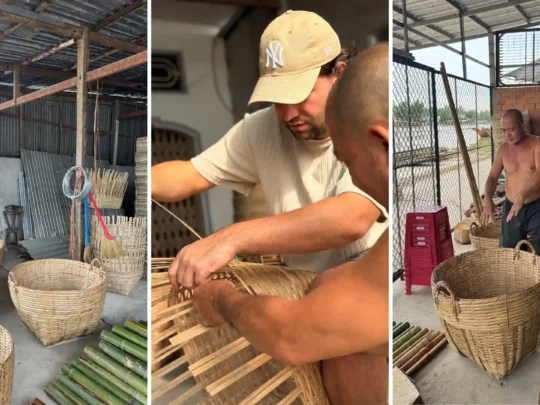
Some local tourism businesses have introduced weaving activities that allow guests to see how natural materials are prepared and turned into handmade products.
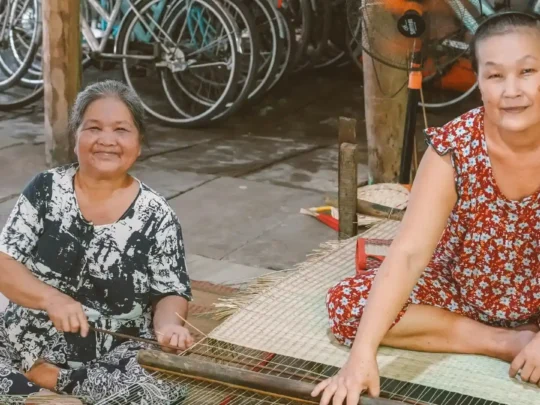
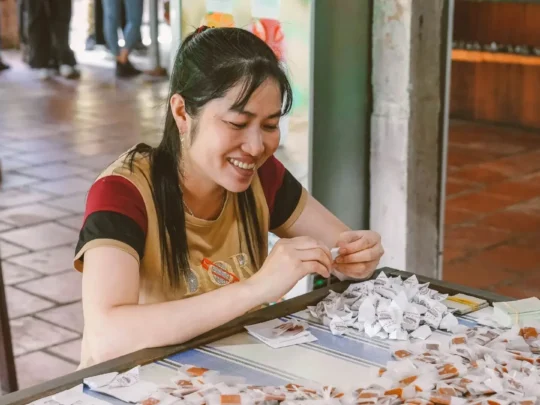
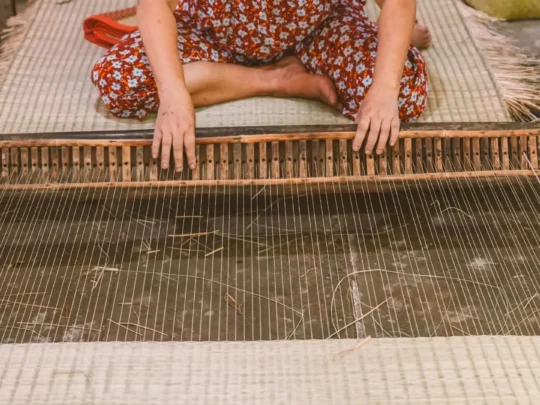
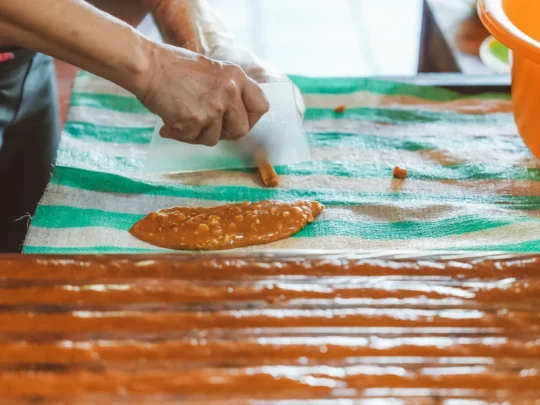
In the Can Tho area, water hyacinth weaving has been featured alongside other cultural activities such as traditional cake-making and mat weaving.
These experiences show that local craftsmanship is not just something found in souvenir shops. It is connected to materials, skills, and livelihoods throughout the countryside.
Visitors interested in handicrafts can check whether a particular workshop or craft demonstration is available. Such activities should not be assumed to be included in every Mekong Delta tour.
Other ways local people use water hyacinth
Handicrafts are among the best-known uses of water hyacinth, but the plant also has a place in other aspects of local life.
Water hyacinth in Mekong Delta cooking
One of the more surprising uses is in traditional food.
In some parts of southern Vietnam, tender water hyacinth shoots and stalks, known as ngó lục bình, are prepared as vegetables.
They can appear in local dishes such as sour soup (canh chua), salads (gỏi), and hotpots (lẩu). The tender parts provide a different texture from more familiar vegetables.
Some local recipes also use water hyacinth flowers.
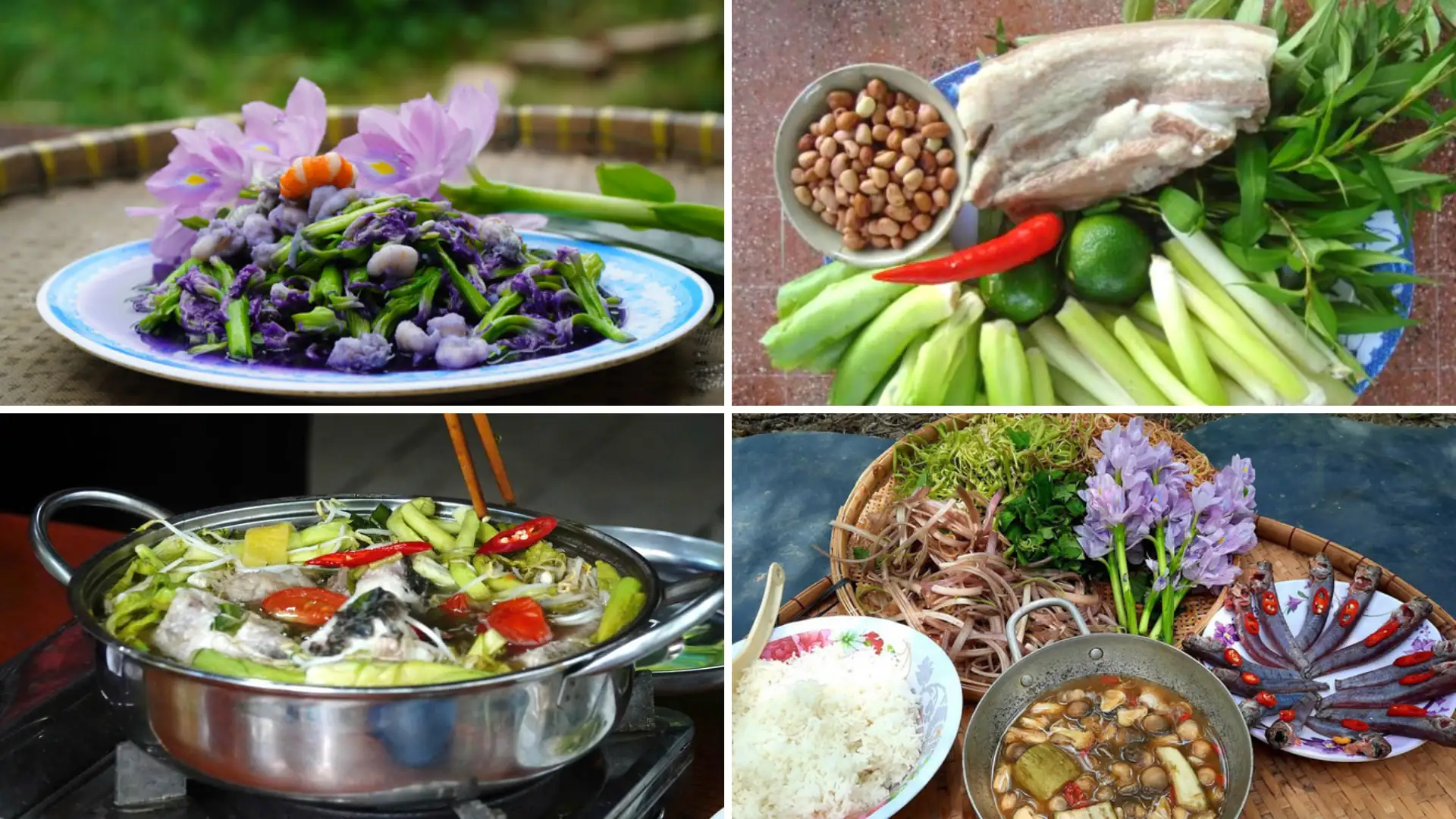
For travelers interested in regional cuisine, this is an example of how people have incorporated locally available ingredients into everyday meals.
However, water hyacinth can absorb pollutants from the water where it grows. Plants collected from unknown or polluted waterways should not be considered safe to eat.
Visitors should only try dishes prepared with appropriately sourced ingredients by reliable food providers. Collecting wild water hyacinth for cooking is not recommended.
Farming and other practical uses
Water hyacinth has also been explored or used in applications such as composting, animal feed, and biogas production.
Its ability to absorb certain substances from water has attracted attention in research into wastewater treatment.
These uses depend on proper handling and processing. For example, a plant that has accumulated pollutants should not automatically be reused as fertilizer or animal feed.
The useful qualities of water hyacinth do not remove the need to manage its growth and consider where the material came from.
A beautiful flower with both benefits and problems
Water hyacinth is an interesting example of how the same plant can bring both opportunities and difficulties.
Its flowers add color to the landscape. Its stalks can become handicrafts, and the work involved in preparing and weaving them can support rural livelihoods.
At the same time, uncontrolled growth can obstruct boats, affect aquatic habitats, and require considerable effort to manage.
Removing plants from waterways and finding uses for the harvested material can be helpful in certain situations. But turning water hyacinth into products is not, by itself, a complete solution to its invasive spread.
For communities in the Mekong Delta, living with water hyacinth involves finding practical uses for it while keeping rivers and canals functional.
Where can travelers see water hyacinth in the Mekong Delta?
Water hyacinth is widespread in freshwater areas of the Mekong Delta, including parts of Can Tho, Vinh Long, Dong Thap, An Giang, and surrounding regions.
There is no need to visit a special flower garden to encounter it.
Travelers may notice the plant along quieter canals, beside riverbanks, near small boat landings, and in sheltered sections of waterways.
Along rivers and canals
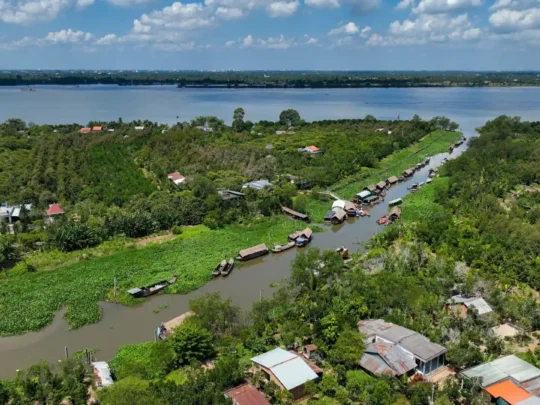
The Mekong Delta’s waterways vary considerably.
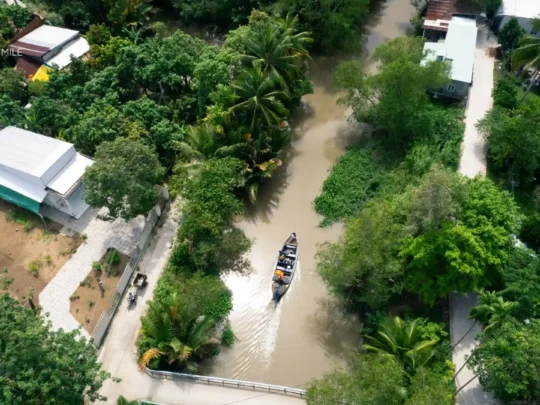
Some are wide rivers used by large vessels, while others are narrow canals passing through farmland, villages, and residential areas.
Water hyacinth may drift along these routes or collect where currents are slower.
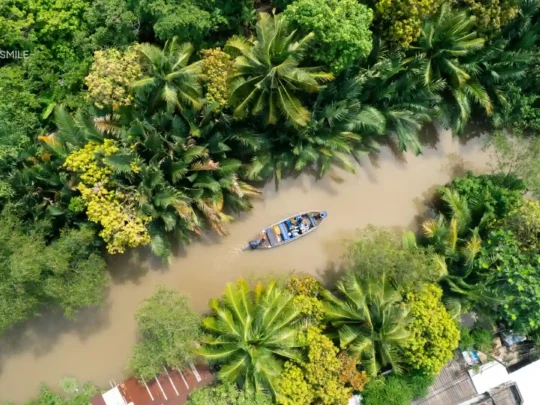
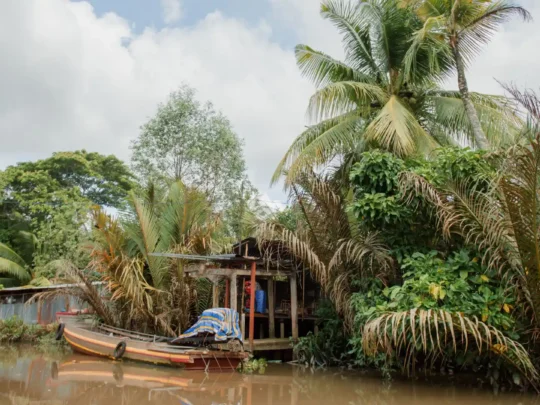
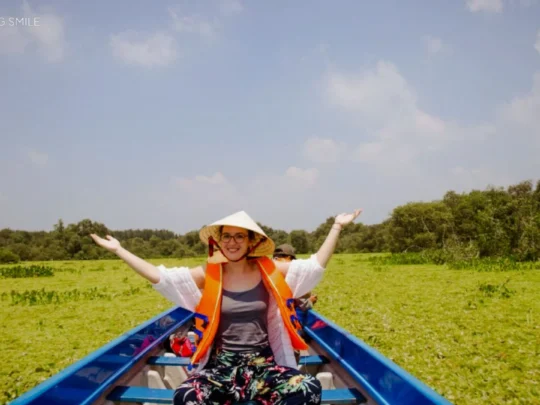
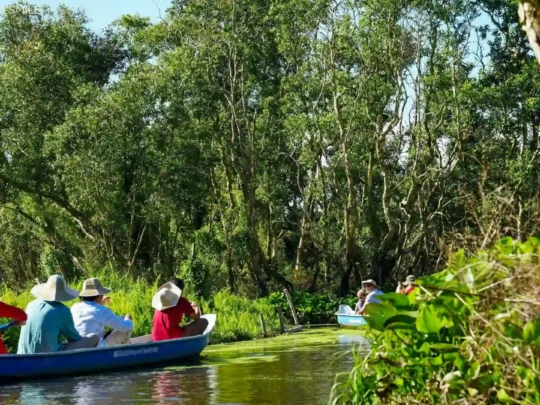
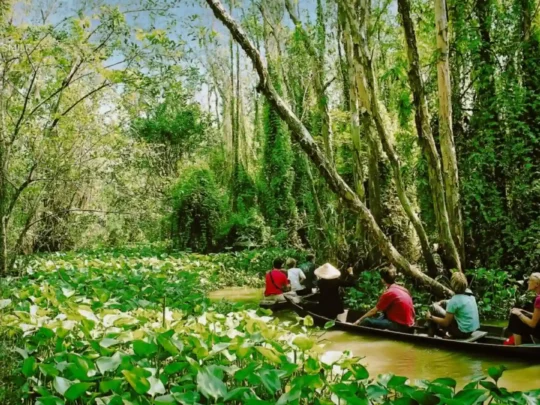
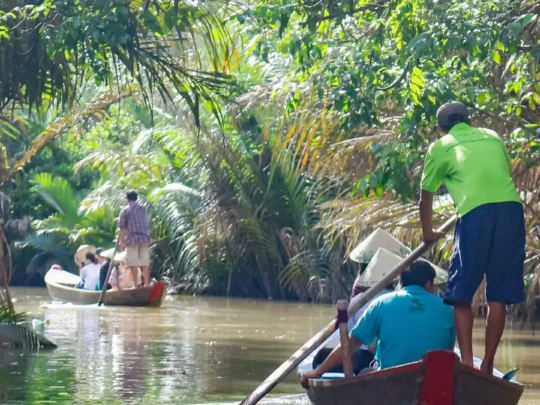
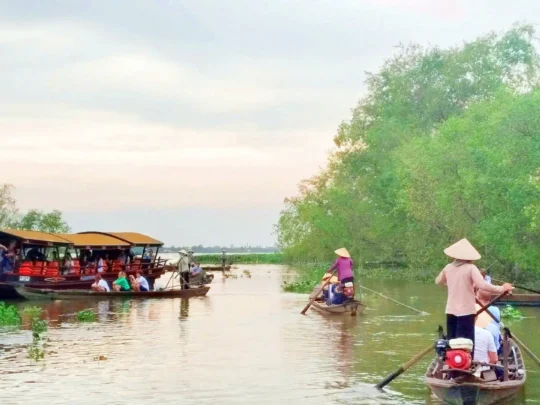
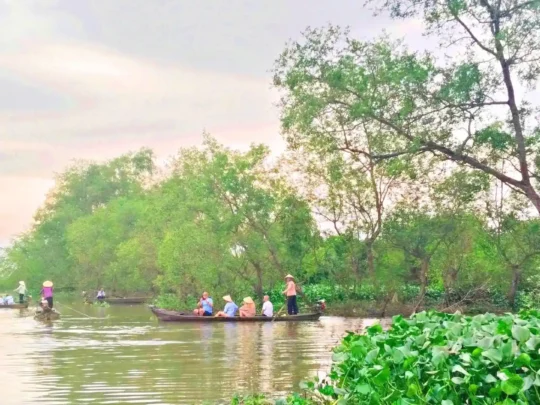
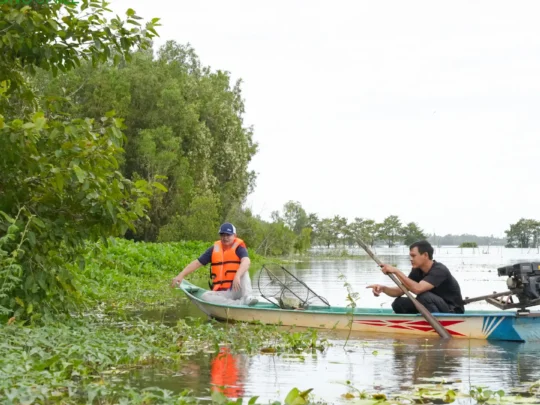
During a boat journey, you can observe how floating vegetation interacts with the surroundings: gathering beside riverbanks, moving with the current, or collecting in sheltered corners.
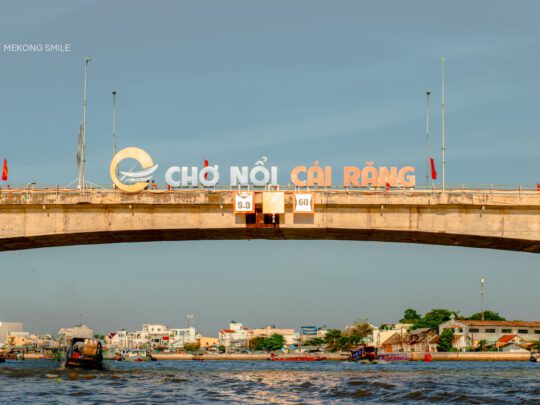
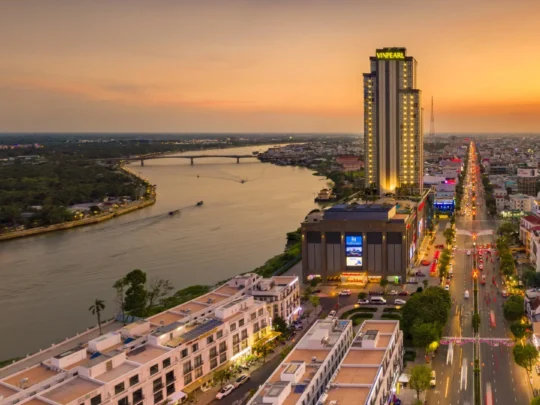
The larger waterways, including the Hau River (Bassac River), are also closely connected to transportation, agriculture, and everyday life across the Delta.
During a boat experience
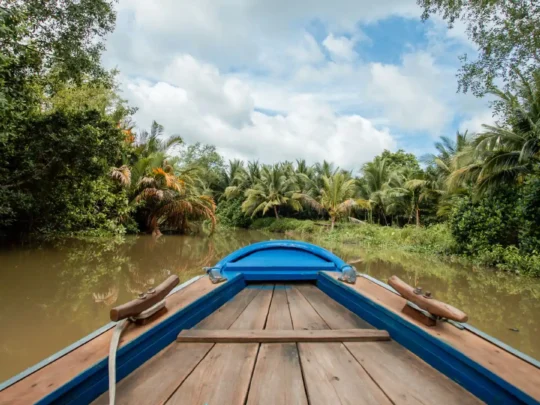
Exploring the waterways by boat offers a different perspective from traveling by road.
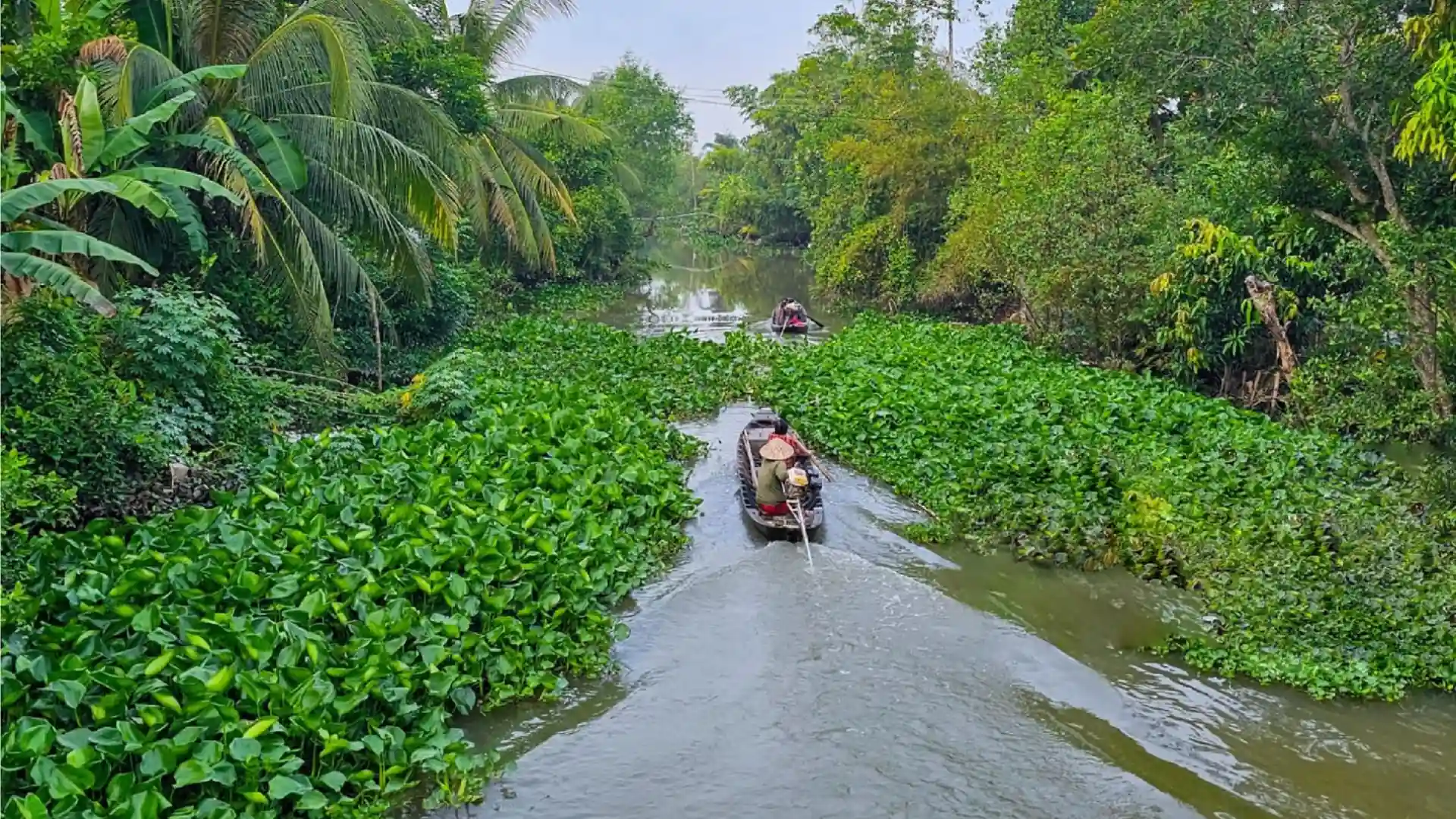
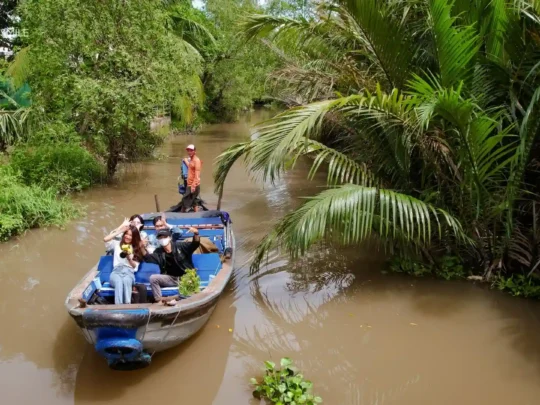
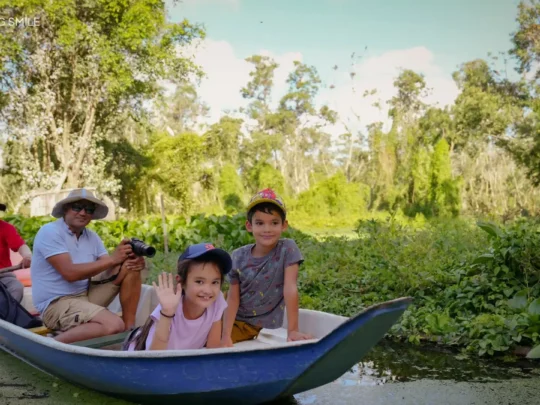
Smaller canals can bring you closer to riverside vegetation, agricultural areas, and local communities, while wider river journeys reveal other aspects of life on the water.
Water hyacinth may be part of the scenery, but its presence and flowering conditions vary with the route, currents, and local vegetation management.
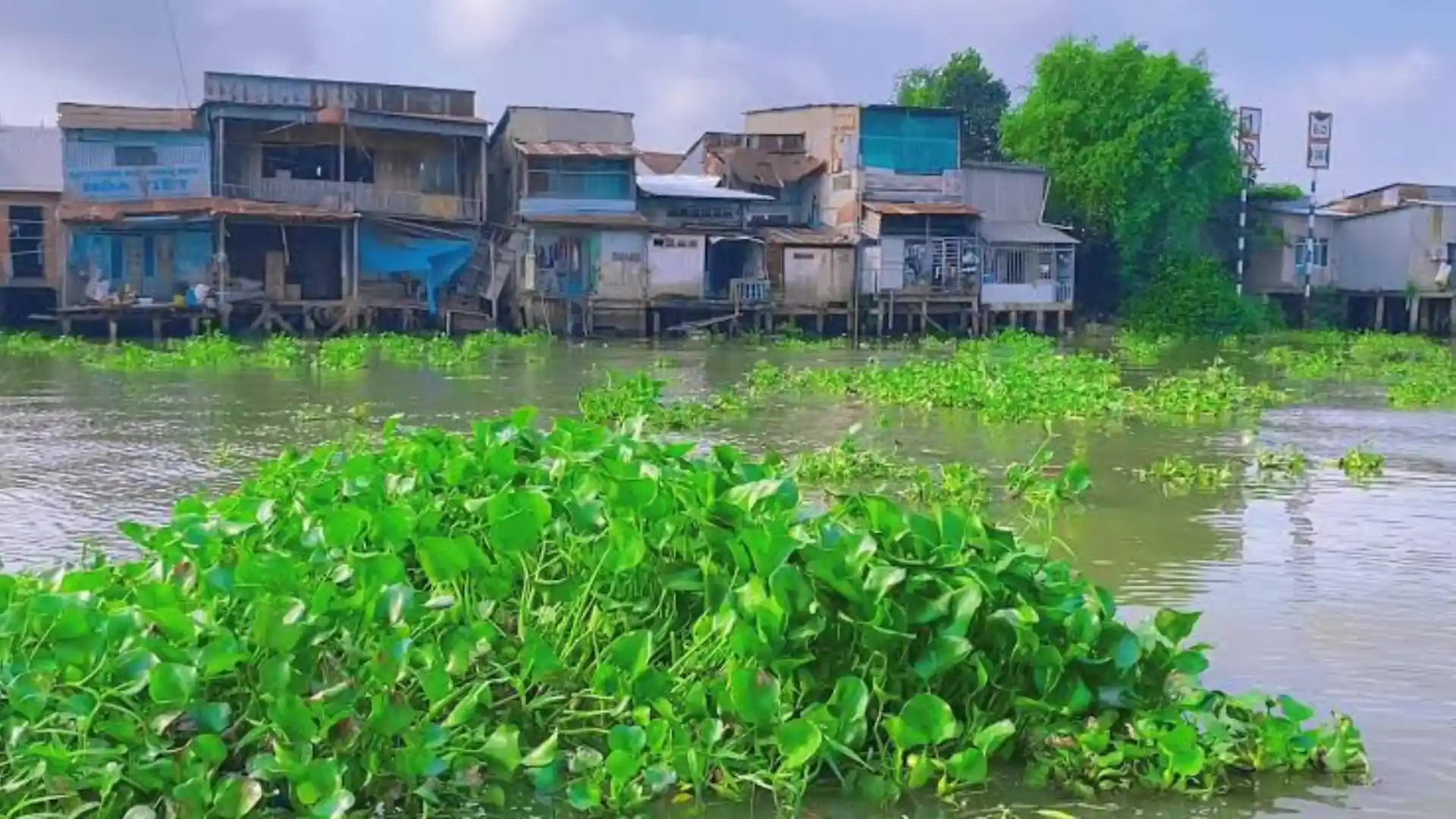
A boat journey is not a dedicated water hyacinth viewing activity. Instead, it provides an opportunity to observe the natural surroundings and everyday life of the Mekong Delta.
Explore the Mekong Delta’s waterways by boat
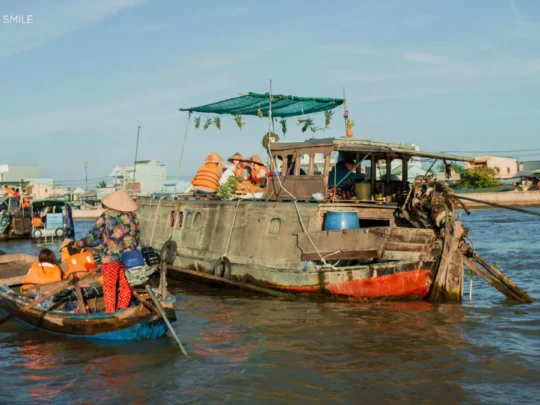
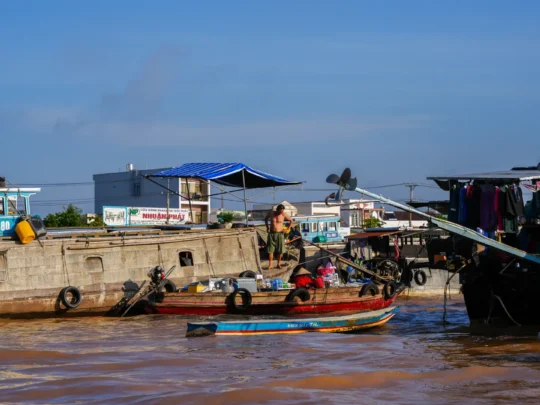
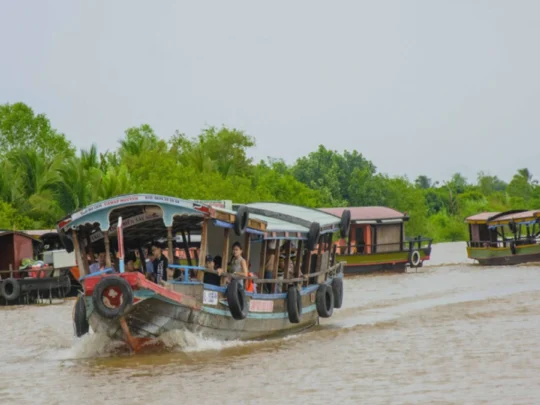
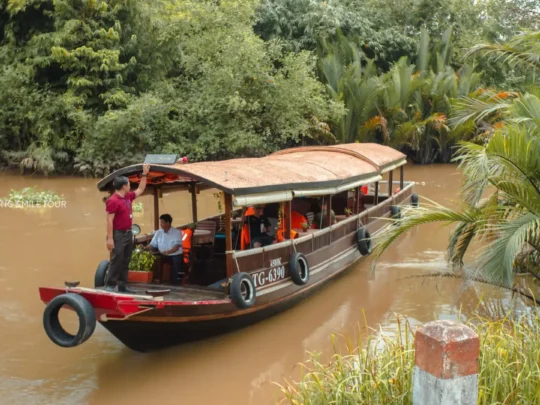
Rivers and canals are central to everyday life in the Mekong Delta. Traveling by boat offers a closer look at the region’s floating markets, villages, forests, and riverside landscapes.
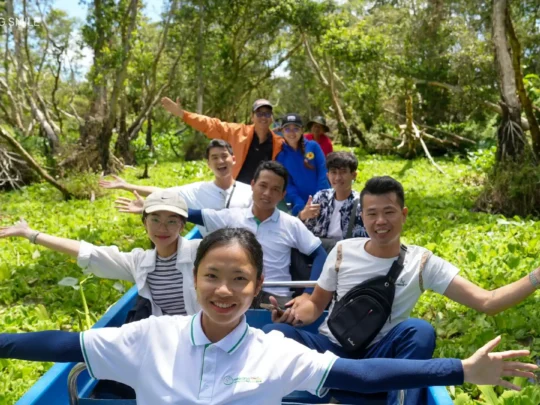
Mekong Smile offers different experiences by traditional wooden boat, rowing sampan, motorboat, and overnight cruise.
Here are 10 tours that include travel on the water:
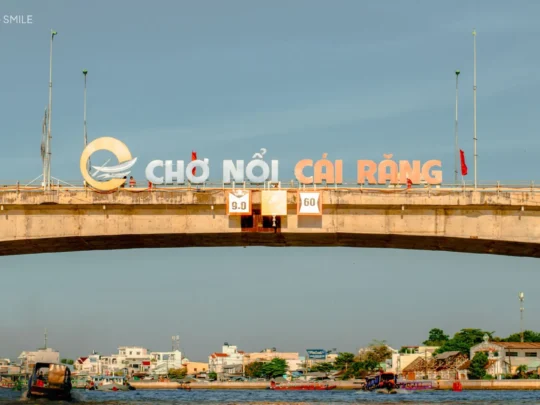
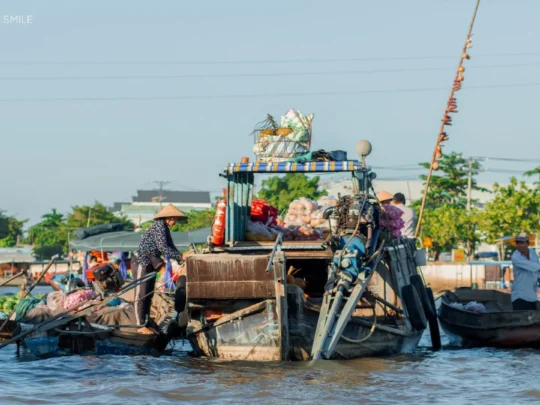
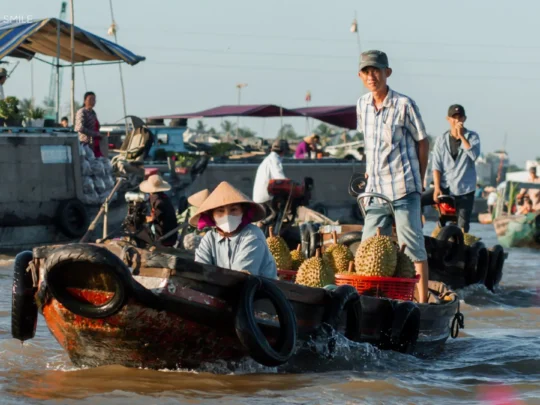
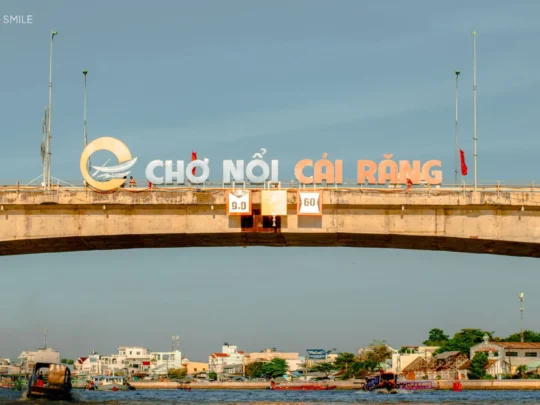
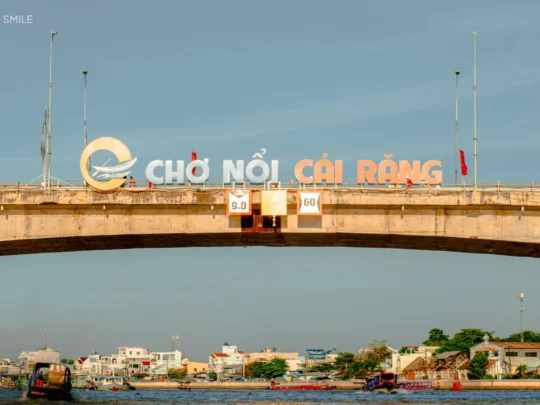
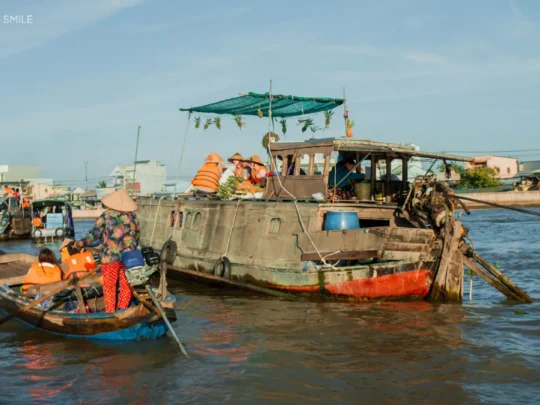
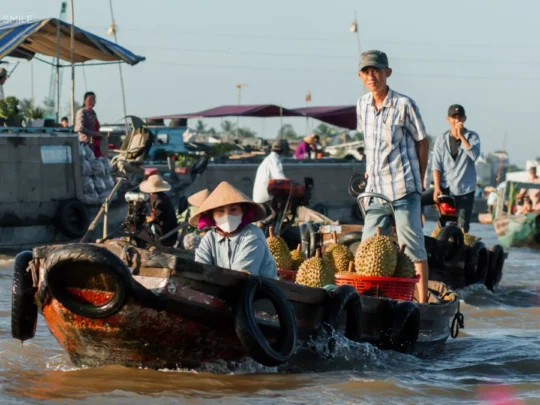
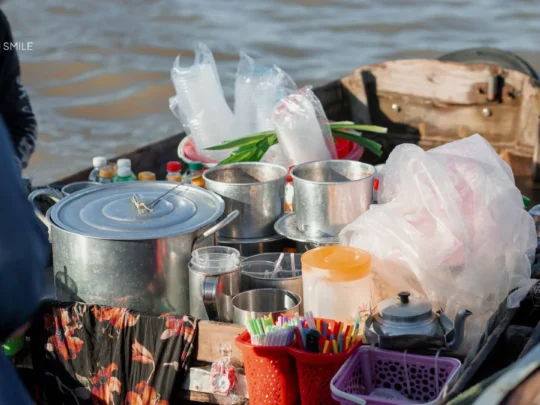
- Cai Rang Floating Market Tour – Visit the floating market by wooden boat, enjoy breakfast on the river, and cruise through a smaller canal.
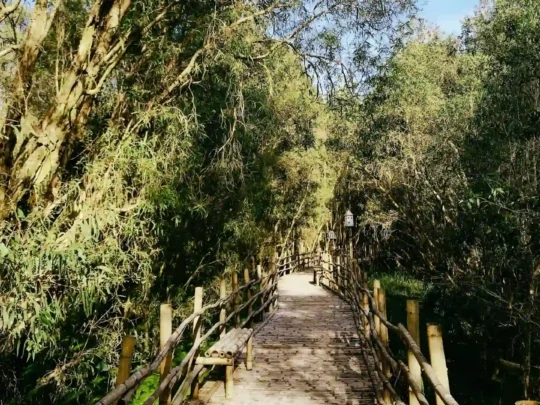
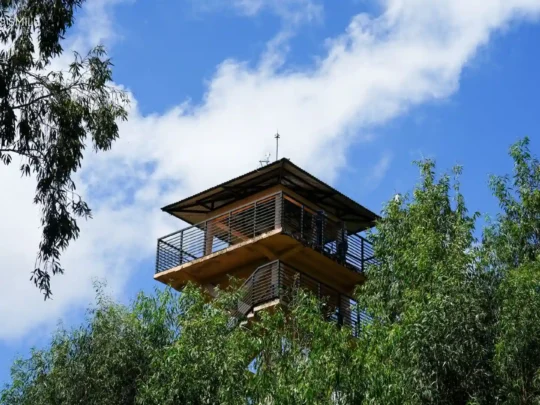
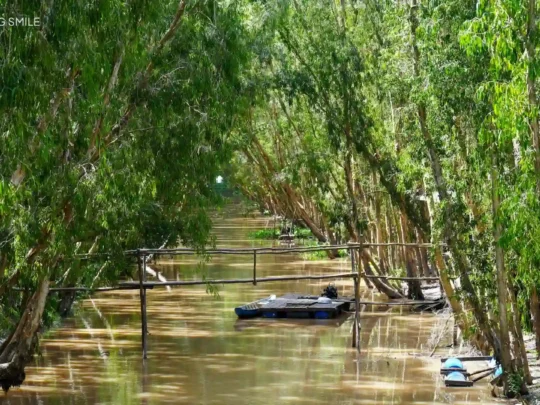
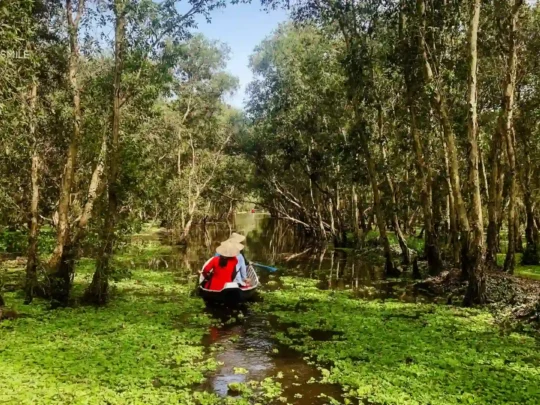
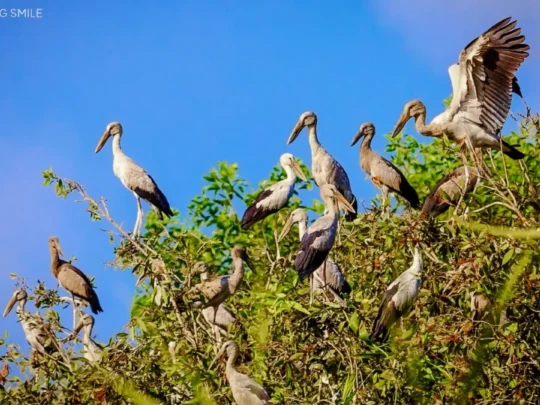
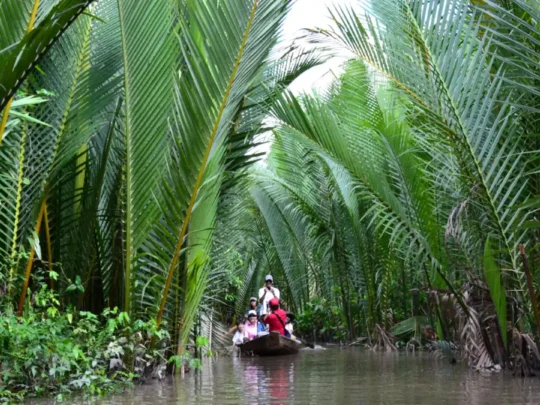
- Tra Su Forest Tour – Explore flooded cajuput forest waterways by motorboat and rowing boat, with opportunities to observe the surrounding wetland scenery.
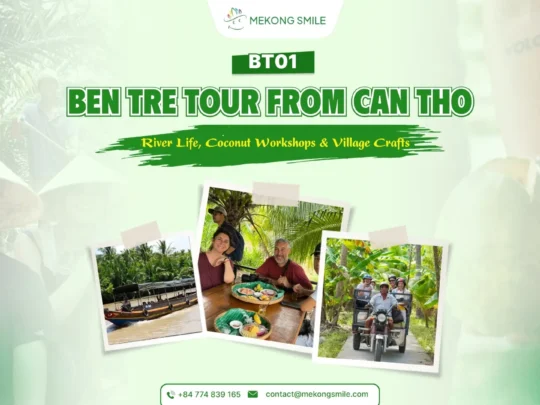
- Ben Tre Tour – Cruise along the Chet Say River by wooden motorboat and take a rowing sampan through coconut-lined canals, alongside visits to local craft workshops.
- Bassac Cruise Can Tho-Cai Be Tour – Spend two days cruising through the Mekong Delta, watch the sunset from the deck, and enjoy a rowing boat experience in Cai Be.
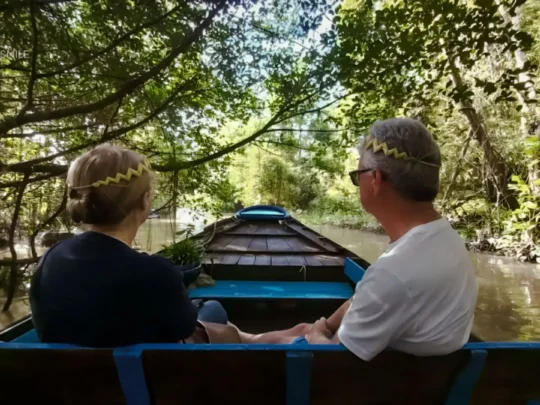
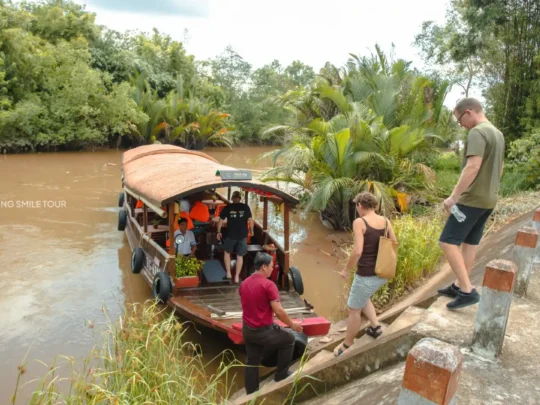
- Can Tho Small Canal Tour – Travel by traditional wooden boat through narrow canals and observe the quieter side of riverside life.
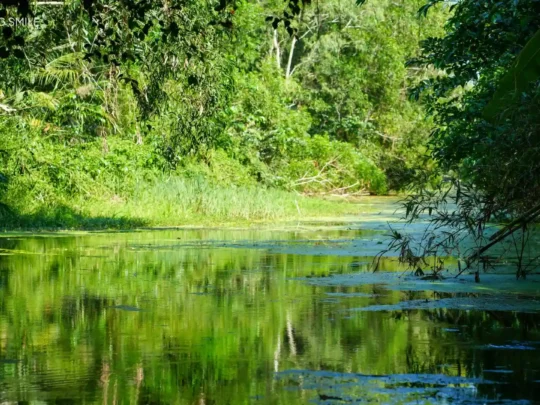
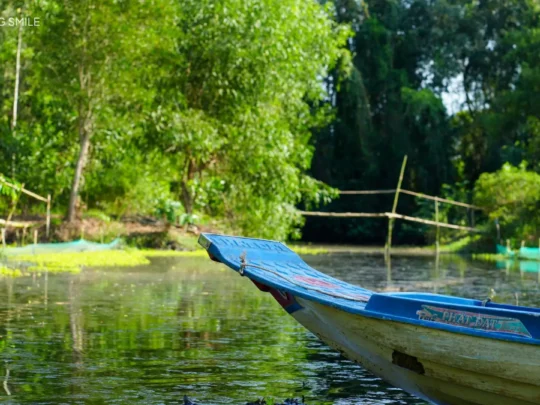
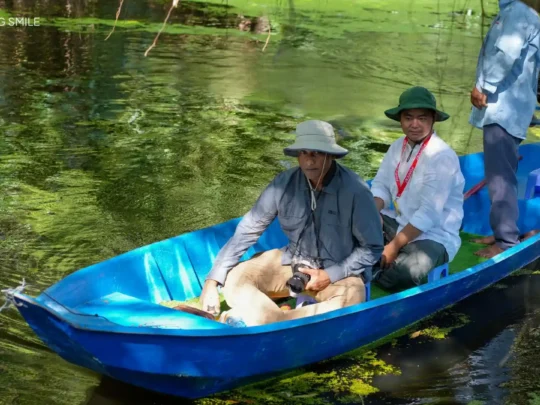
- Southern Forest Tour – Explore forest waterways near Nga Bay aboard a traditional long-tail boat, surrounded by tropical vegetation.
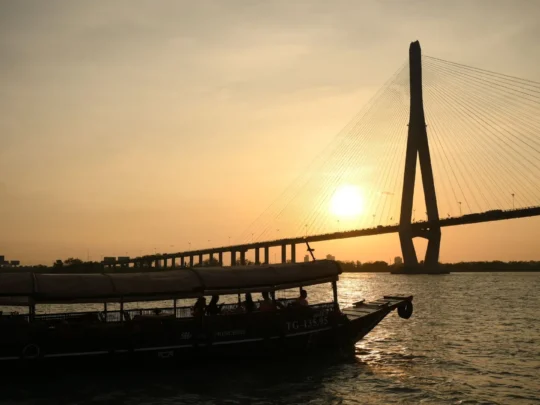
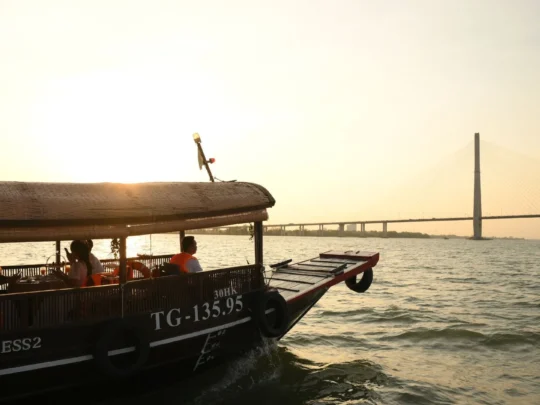
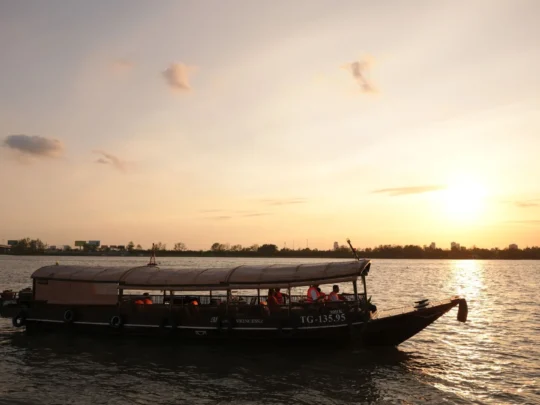
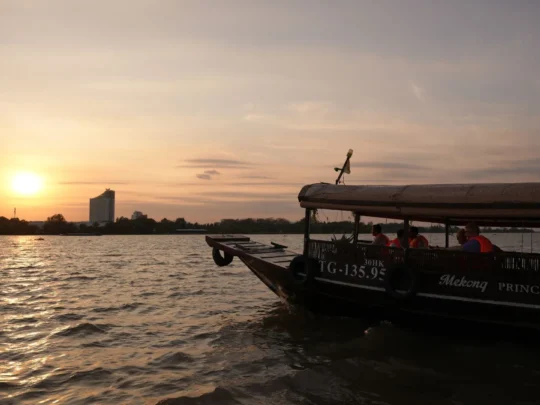
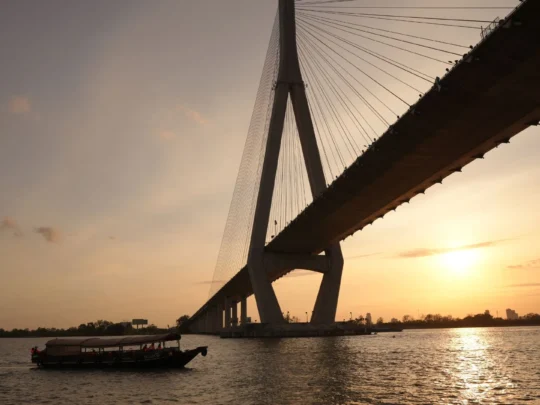
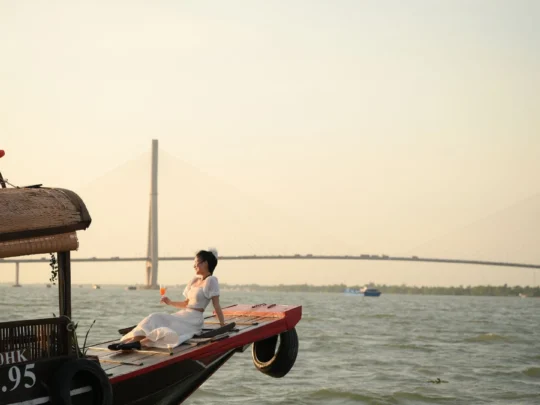
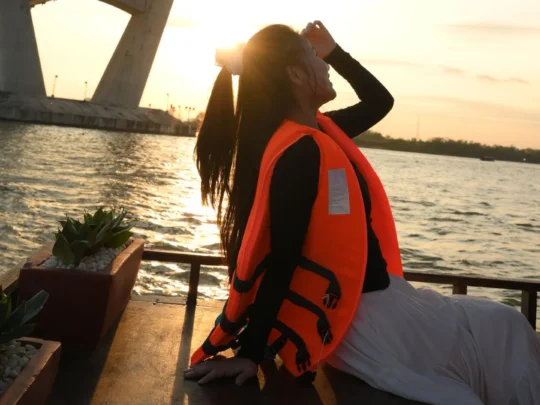
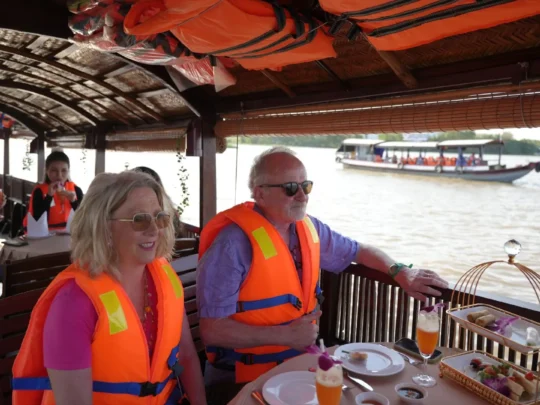
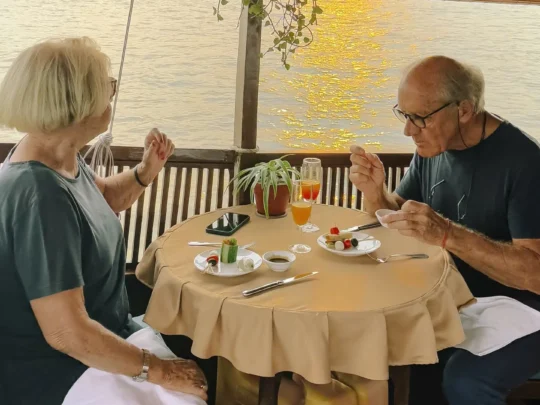
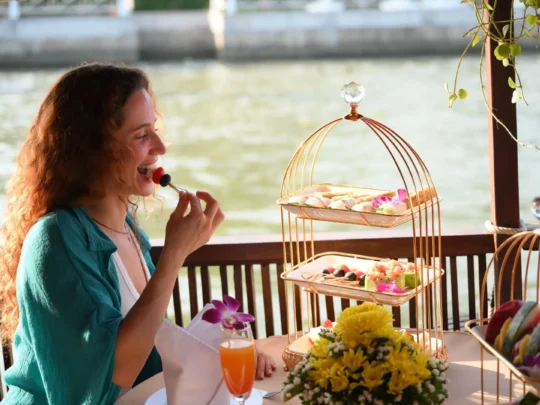
- Can Tho Sunset Tour – Cruise along the Hau River and smaller canals, enjoy light refreshments on board, and watch the evening sky over the water.
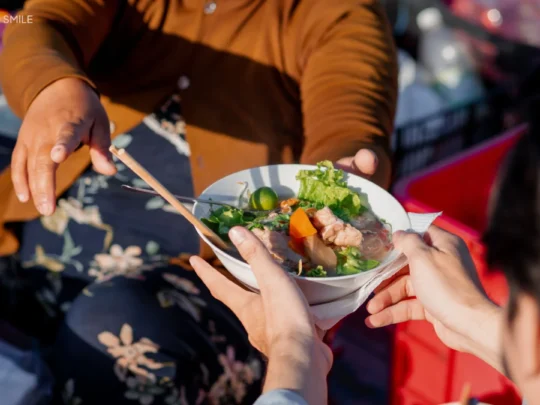
- Floating Market & Cooking Class Tour – Visit Cai Rang Floating Market by boat before joining a hands-on Vietnamese cooking experience.
- Mekong Delta Tour Cai Be – Cruise along the Tien River and take a rowing sampan through smaller canals around Cai Be and Tan Phong Island.
- Vinh Long Tour – Discover river and canal scenery by wooden boat, combined with traditional village life and Khmer cultural heritage.
Discover more river experiences
Whether you prefer a short journey through small canals, a morning at the floating market, or a longer cruise, these experiences offer different ways to discover life along the Mekong Delta’s waterways.
Attractions in Mekong Delta
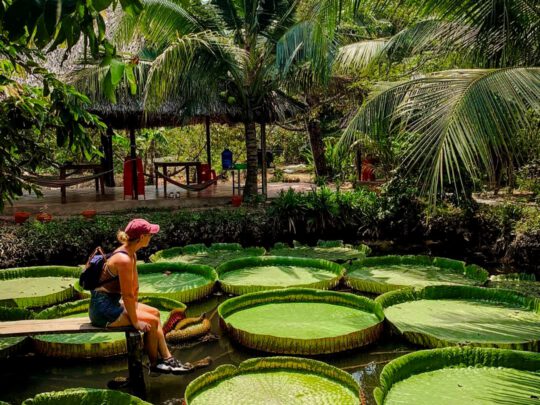
Attractions in Mekong Delta
Attractions in Mekong Delta

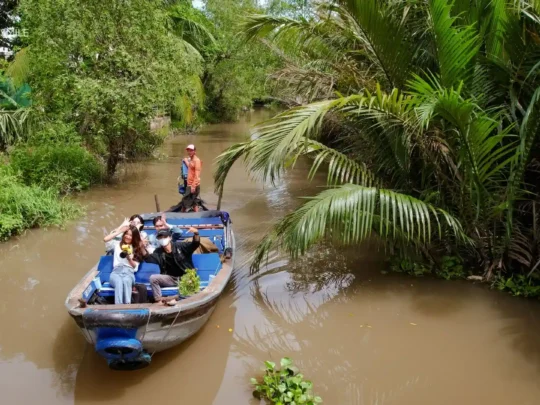
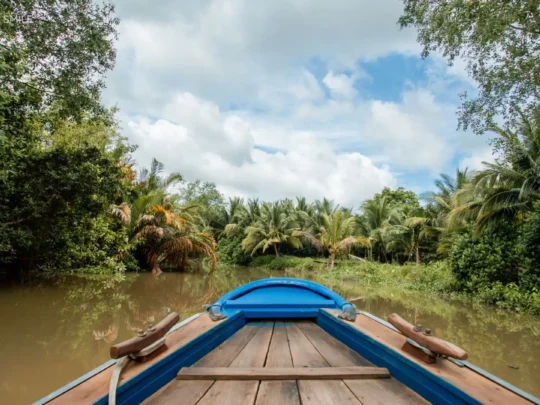
Attractions in Mekong Delta
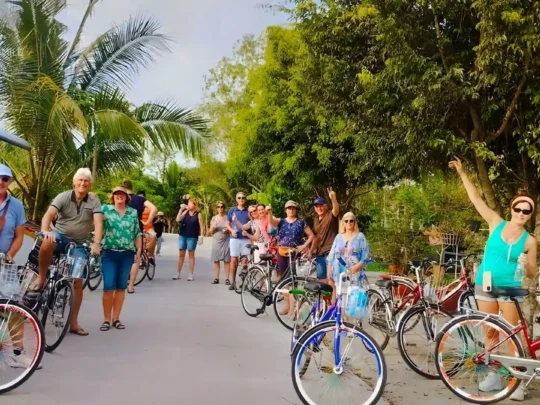
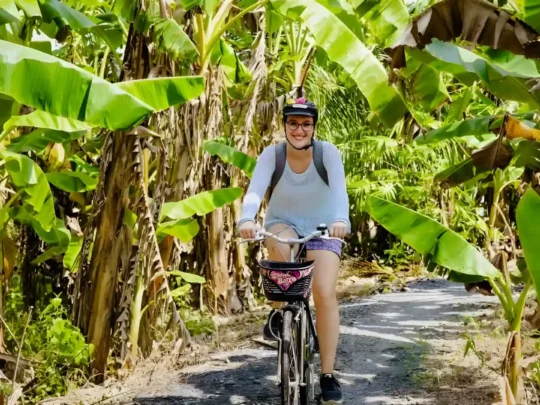
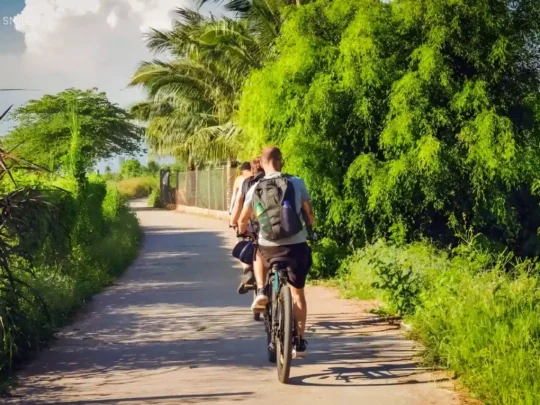
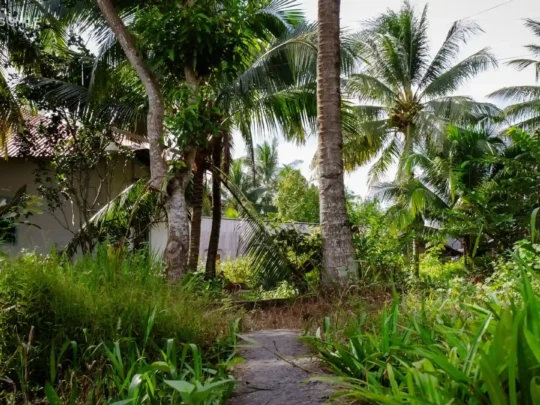
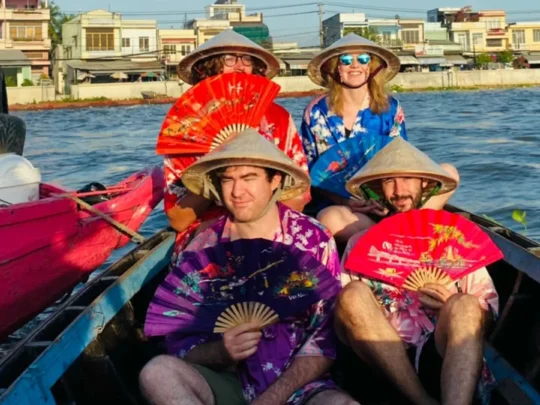
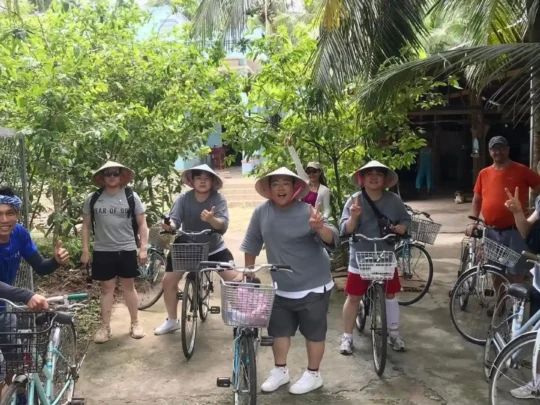
Can Tho Rural Tour: Cai Rang Floating Market and Rural Cycling
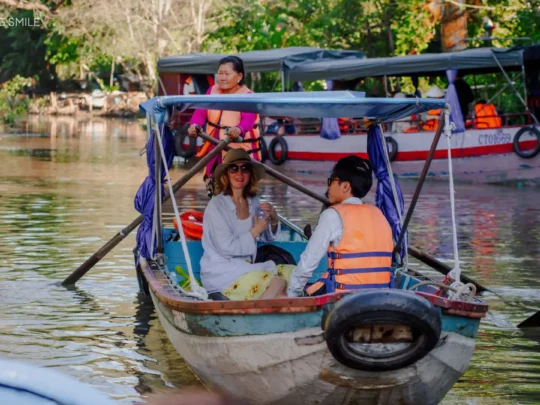

Attractions in Mekong Delta
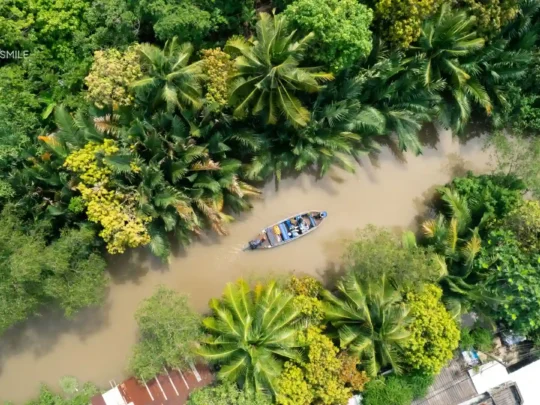
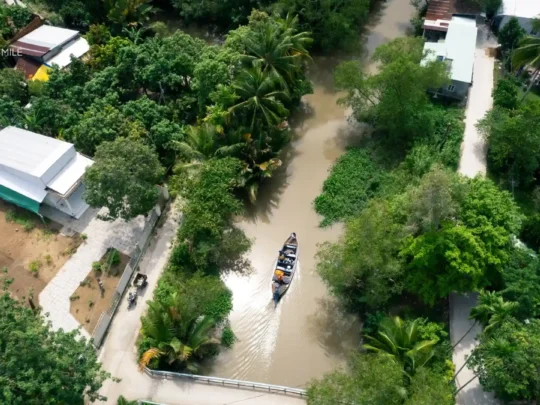
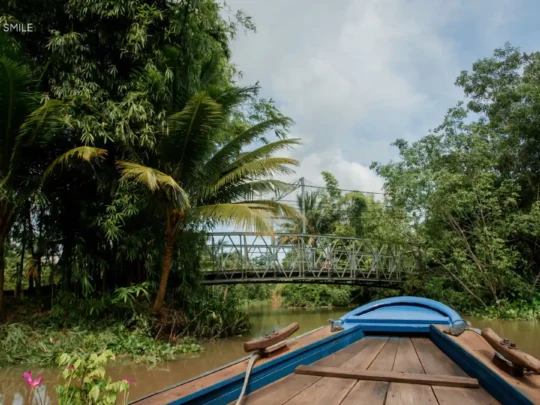
Can Tho small canal tour: rural waterways and local life in 3 hours

Attractions in Mekong Delta
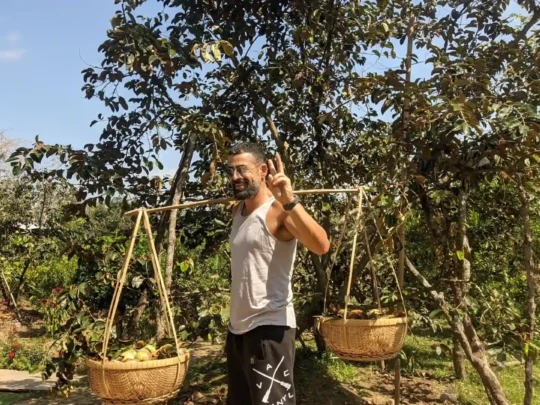
Can Tho Floating Market & Fruit Garden Tour: Mekong Tropical Sense

Attractions in Mekong Delta
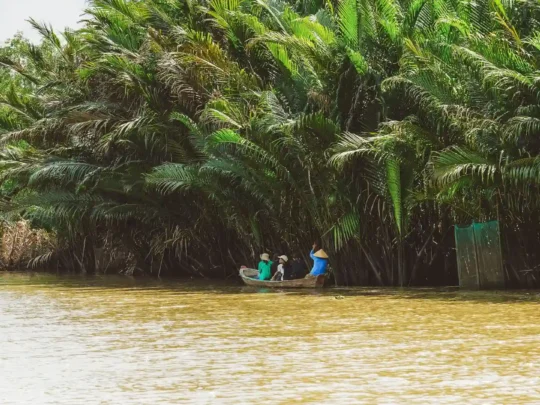
Tra Su Forest Tour – Chau Doc: Culture and Wildlife Discovery
Attractions in Mekong Delta
Ben Tre Tour from Can Tho: River Life, Coconut Workshops & Village Crafts


Attractions in Mekong Delta
Antique Mekong Delta Cruise: Premium Cai Rang Floating Market
Attractions in Mekong Delta

Attractions in Mekong Delta
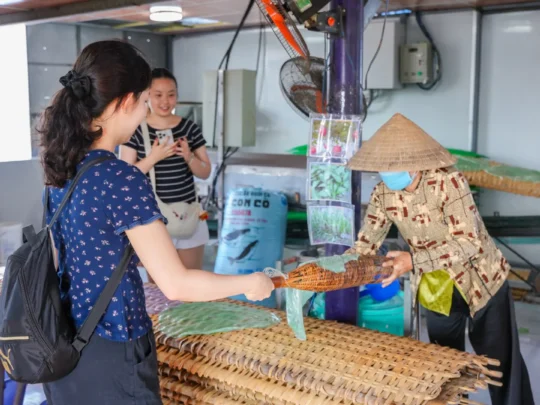
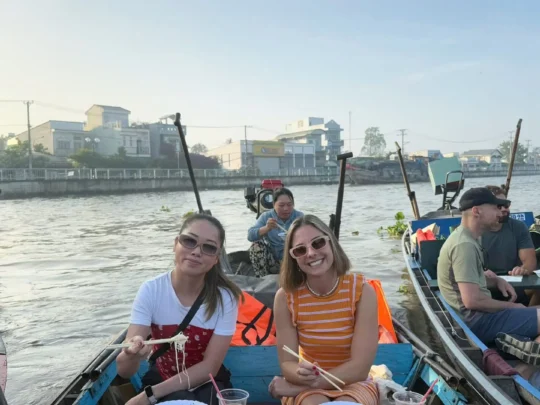
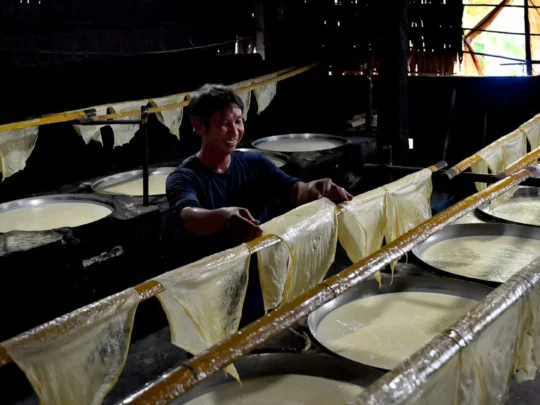
Can Tho river tour: floating market and rice noodle workshop in 3 hours

Attractions in Mekong Delta
Mekong Delta 2 Day Tour from Ho Chi Minh City: My Tho – Ben Tre – Can Tho


Attractions in Mekong Delta
Attractions in Mekong Delta

Attractions in Mekong Delta
Attractions in Mekong Delta
An Binh Islet Tour | A Scenic Mekong River Escape from Can Tho

Attractions in Mekong Delta
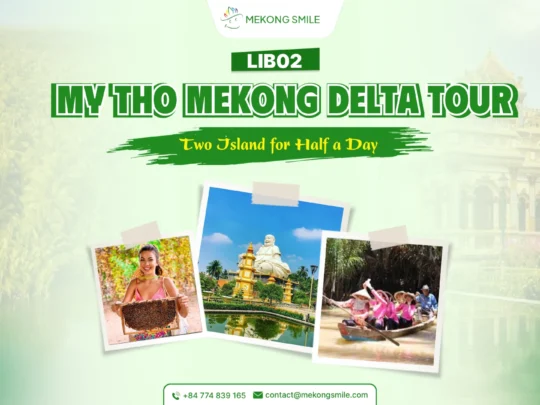
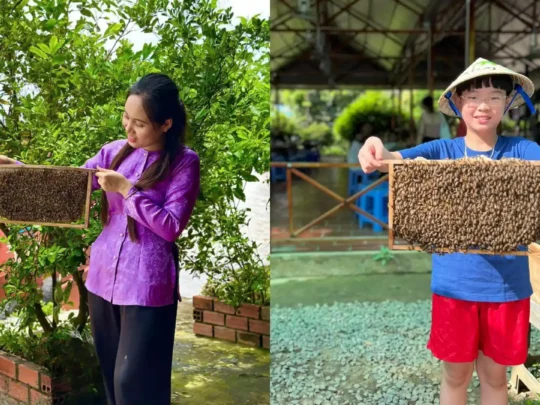
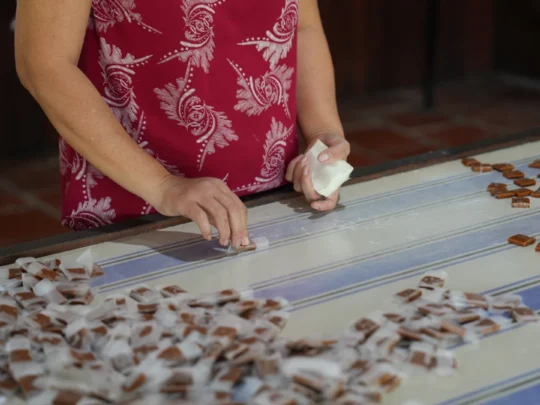
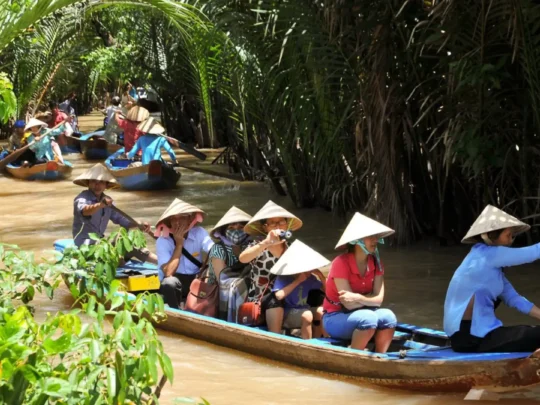
Authentic My Tho Mekong Delta Tour: Two Islands for Half a Day
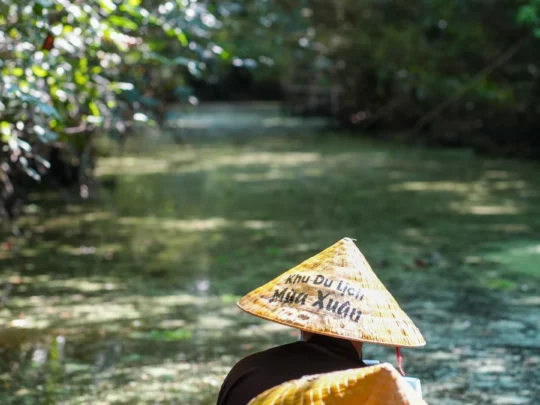
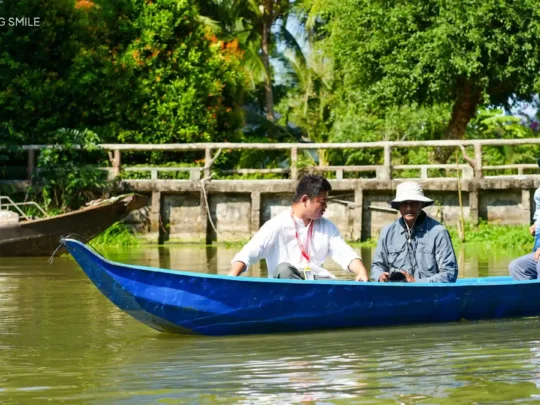
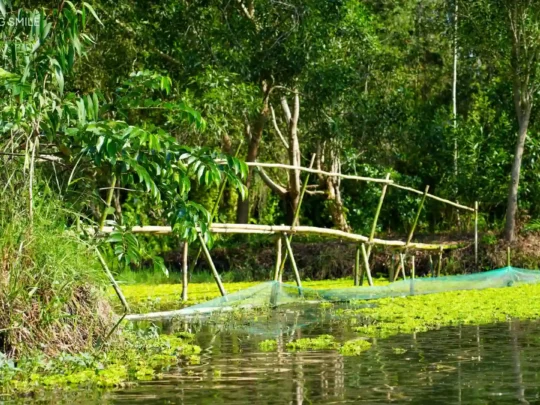
Attractions in Mekong Delta
Southern Forest Tour: Immerse in Vietnam’s Hidden Natural Paradise
Attractions in Mekong Delta
Water Lily Harvesting Tour in Chau Doc – 2 Days 1 Night Floating Season Experience
Attractions in Mekong Delta
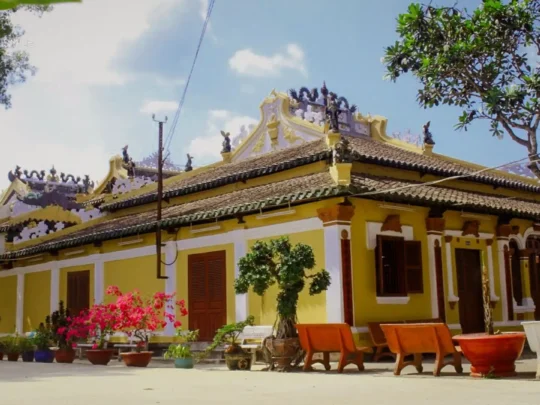
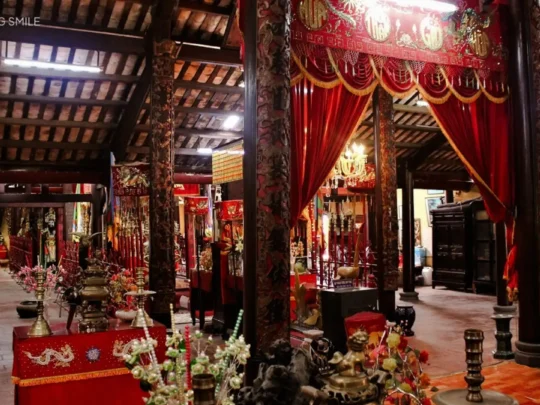
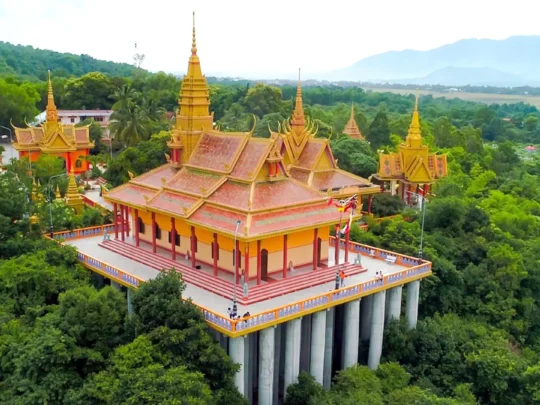
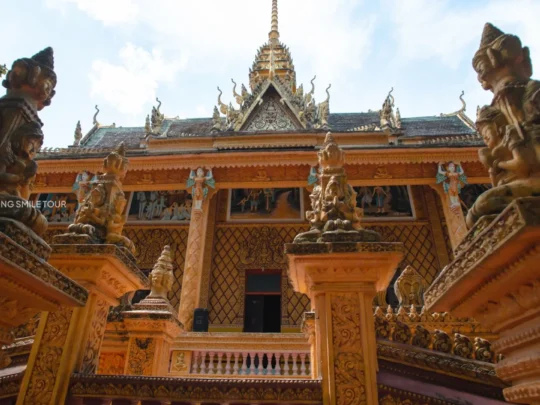
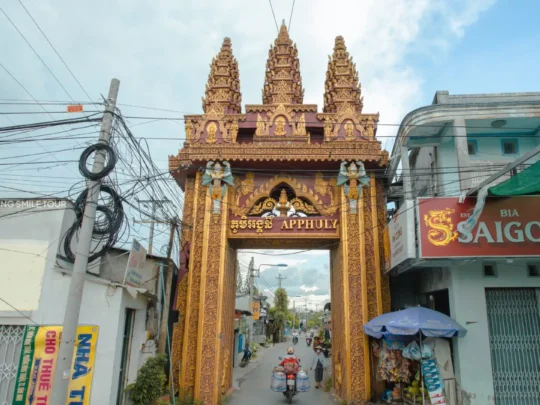
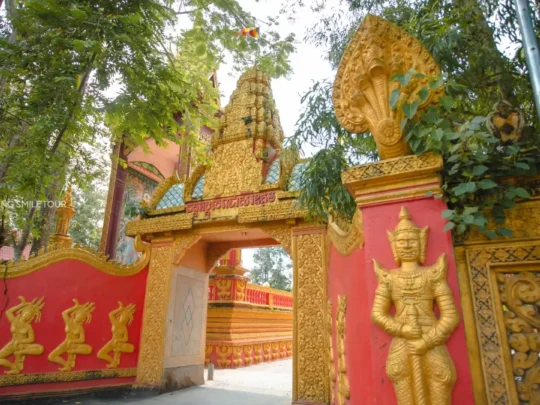
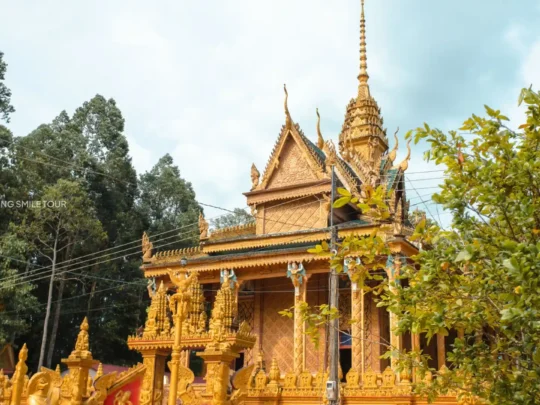
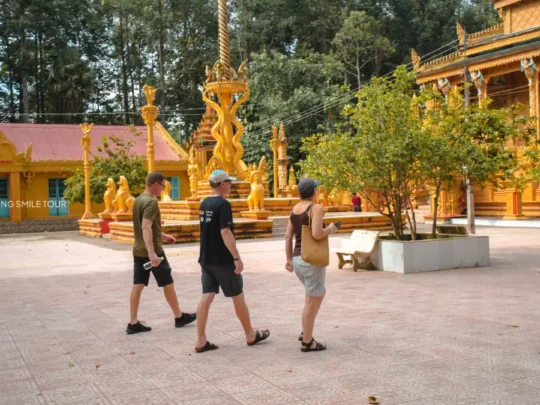
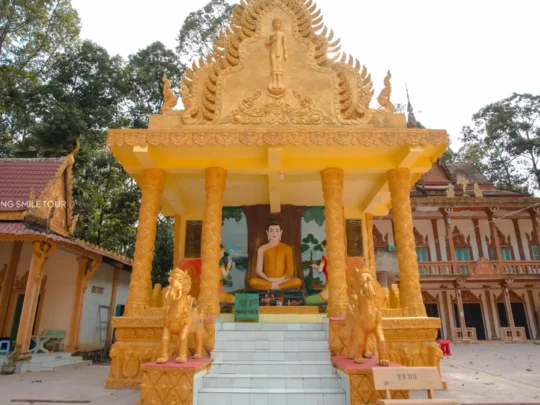
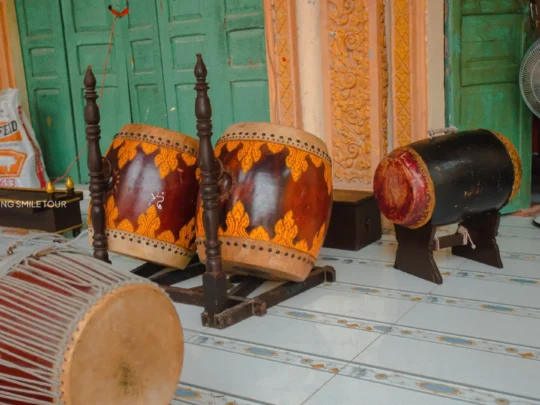
Vinh Long tour from Can Tho: Khmer culture and Phu Ly Pagoda
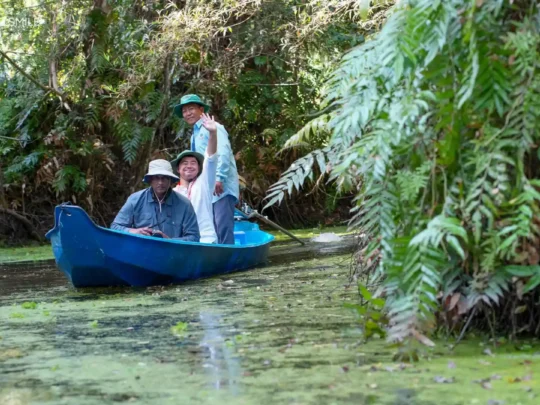
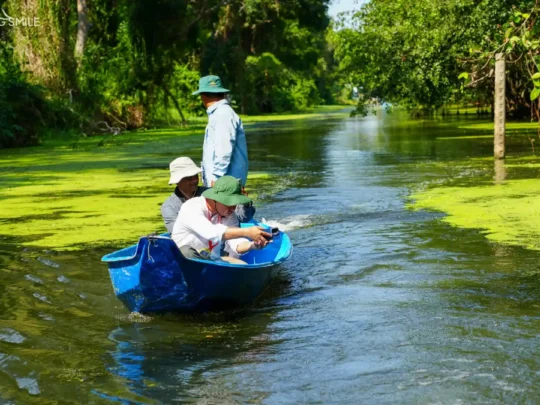
Water hyacinth may be visible along some waterways, but sightings and flowering conditions are not guaranteed. These tours are not specifically designed around water hyacinth viewing.
Enjoying water hyacinth responsibly
If you encounter water hyacinth during your travels, you can appreciate it without disturbing the local environment.
Take photographs from a safe position and avoid leaning over the side of a moving boat to reach the flowers.
Do not collect plants to release in another waterway. Because water hyacinth spreads rapidly, moving living plants can contribute to its expansion into new areas.
If you are interested in handicrafts, learning about the people who make them and the materials they use can be just as rewarding as seeing the finished products.
And if a local dish includes water hyacinth, remember that the safety of the ingredients depends on their source.
These simple considerations help visitors enjoy the plant while respecting the people and waterways connected to it.
Common Questions About Water Hyacinth in the Mekong Delta
What is water hyacinth called in Vietnamese?
It is commonly known as lục bình or bèo tây. Both names refer to the floating freshwater plant with rounded leaves and purple flowers.
Is water hyacinth native to the Mekong Delta?
No. Water hyacinth originally comes from tropical South America. It was introduced to Vietnam and is now widely established in freshwater waterways.
Can visitors see purple water hyacinth flowers on a boat tour?
It is possible, particularly around smaller canals and sheltered waterways. However, flowering and plant distribution vary, so sightings cannot be guaranteed.
What products are made from water hyacinth in Vietnam?
Dried stalks are used to weave baskets, bags, mats, trays, storage containers, and decorative household items. Water hyacinth handicrafts provide work for artisans and other people involved in preparing the material.
Is water hyacinth harmful to rivers?
When it grows too densely, it can restrict boat movement, block sunlight, and affect aquatic ecosystems. Its flowers and practical uses do not remove the need to control excessive growth.
A familiar flower, a story of river life
A few purple flowers floating beside a canal might seem like a small detail in the vast landscape of the Mekong Delta.
Yet water hyacinth reflects several sides of life here.
It moves with the rivers, sometimes creates challenges for boats and farming communities, and provides material that skilled hands can transform into useful products.
For visitors, learning about water hyacinth adds another layer to the experience of traveling through southern Vietnam. It is a reminder that the Delta’s waterways are not only places to admire, but also environments where people work, create, and adapt to nature every day.
