
 Can Tho
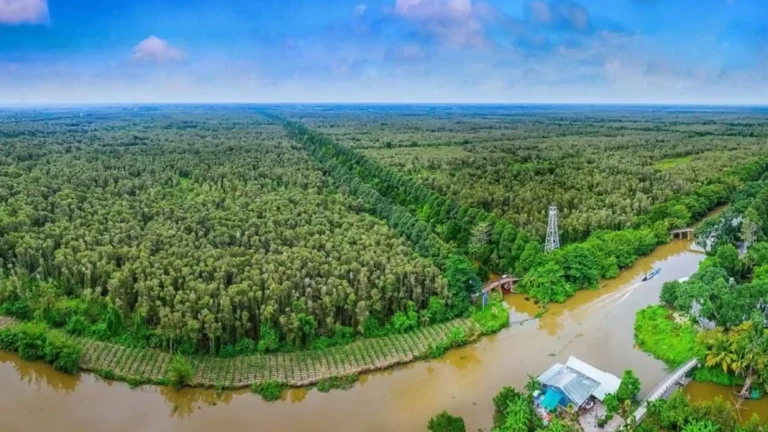
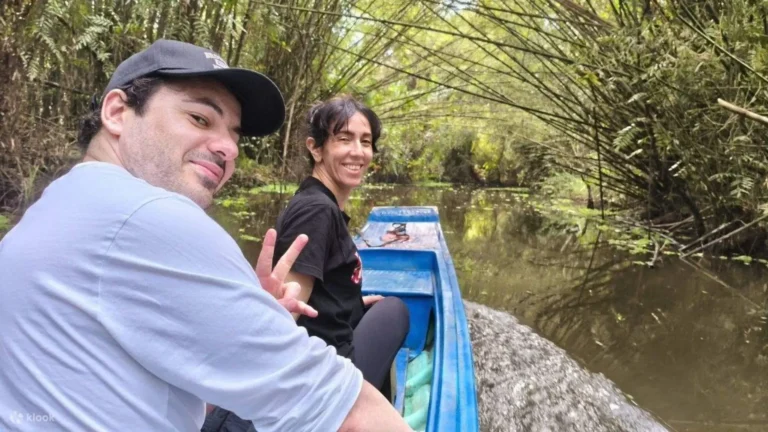

Lung Ngoc Hoang Nature Reserve is a protected freshwater wetland in Can Tho, Vietnam, approximately 40 km from the city center. Its melaleuca forests, narrow waterways, and diverse wildlife habitats reveal a quieter side of the Mekong Delta, away from the floating markets and fruit orchards that many travelers know.
Covering 2,805.37 hectares, Lung Ngoc Hoang is an important conservation area where seasonal water conditions shape the landscape. Visitors can discover the scenery of flooded forests, learn about wetland biodiversity, and explore the waterways through authorized visitor activities.
Unlike a conventional tourist village, the reserve is managed primarily for conservation. If you are considering a visit, it is worth understanding both what makes the area special and how its visitor arrangements work.
Lung Ngoc Hoang Nature Reserve at a glance
| Detail | Information |
| Vietnamese name | Khu bảo tồn thiên nhiên Lung Ngọc Hoàng |
| Location | Phuong Binh Commune, Can Tho City, Vietnam |
| Former administrative location | Phung Hiep District, Hau Giang Province |
| Location on Google Maps | https://s.mekongsmile.com/lungngochoang |
| Distance from central Can Tho | Approximately 40 km |
| Protected area | 2,805.37 hectares |
| Landscape | Freshwater wetlands, melaleuca forests, grasslands, and waterways |
| Main interests | Nature observation, wetland scenery, biodiversity, and conservation |
| Known visitor experiences | Forest boat trips, nature observation, and panoramic viewpoints have been described in tourism publications |
| Opening hours | Current public visiting hours require confirmation |
| Entrance and boat fees | Current official charges require confirmation |
| Suitable for | Nature enthusiasts, photographers, and travelers interested in wetland ecosystems |
Location details last checked: November 7, 2026. Current visitor hours, admission fees, and individual activity arrangements have not been independently verified.
Where is Lung Ngoc Hoang Nature Reserve?
Lung Ngoc Hoang is located in Phuong Binh Commune, Can Tho City, in the western part of Vietnam’s Mekong Delta.
Before the administrative reorganization in July 2025, this area belonged to Phung Hiep District, Hau Giang Province. You may still encounter the former address in older travel guides, map listings, and tourism publications.
Although Lung Ngoc Hoang is now part of Can Tho administratively, it is not within the city’s central sightseeing area. Visitors staying near Ninh Kieu Wharf or the main hotels should plan a separate countryside journey.
The surrounding landscape reflects the transition between agricultural land and low-lying freshwater wetlands. Canals, seasonal flooding, and vegetation adapted to wet conditions have shaped the area’s natural environment.
For a broader introduction to the city and its surrounding countryside, see our Can Tho travel guide.
What makes Lung Ngoc Hoang special?
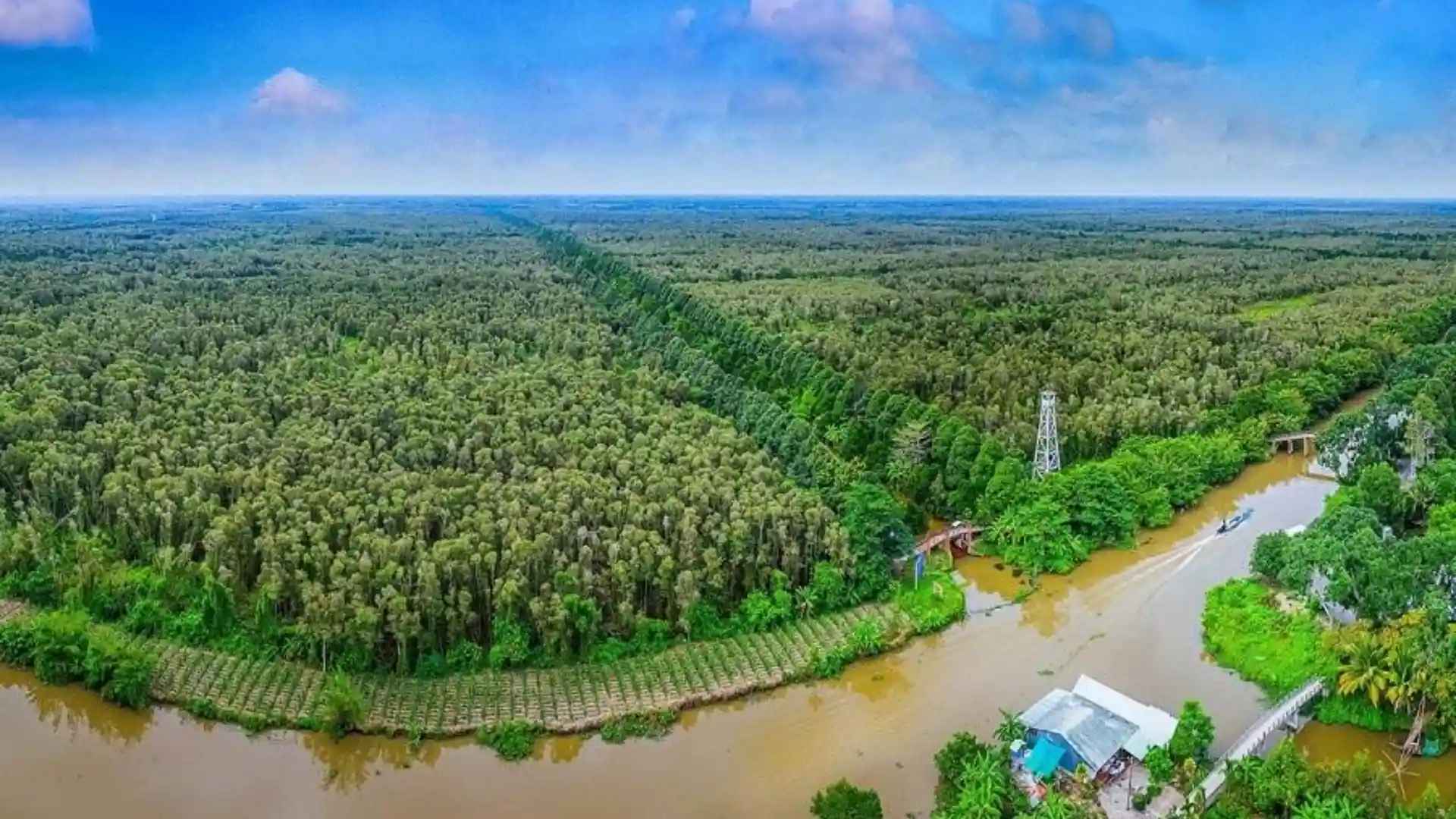
A rare freshwater wetland landscape
Much of the Mekong Delta is familiar to travelers as a region of rivers, rice fields, fruit gardens, and waterside settlements. Lung Ngoc Hoang represents another part of its natural heritage: low-lying wetlands that provide habitats for native plants and animals.
The Vietnamese word lung refers to a low, marshy area. The name Lung Ngoc Hoang is commonly associated with the idea of a wild, waterlogged landscape.
Water is essential to the reserve’s ecology. Seasonal changes influence the growth of vegetation, the condition of aquatic habitats, and the movements of animals that depend on them.
This relationship between land and water is what makes the area ecologically important. The scenery is only one part of the story.
Melaleuca forests and green waterways
Melaleuca, also known as cajuput, is one of the characteristic trees of southern Vietnam’s freshwater wetland forests.
At Lung Ngoc Hoang, melaleuca stands grow alongside canals and low-lying areas, creating wooded corridors through parts of the reserve.
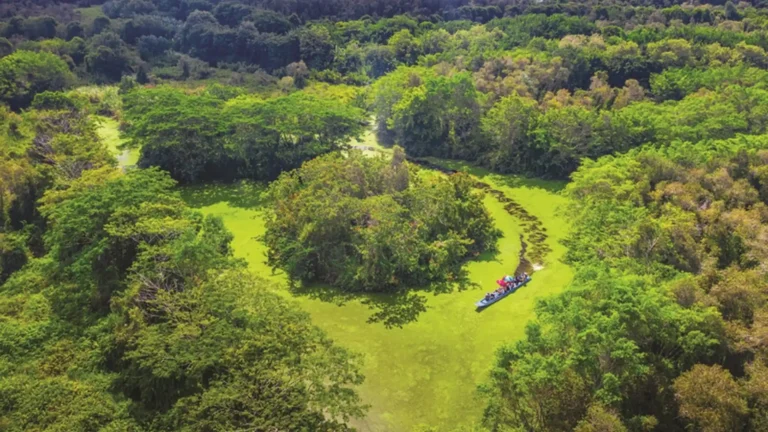
Floating aquatic plants may cover sections of the water, while other channels remain open. The combination of trees, water, and changing light gives the landscape its distinctive appearance.
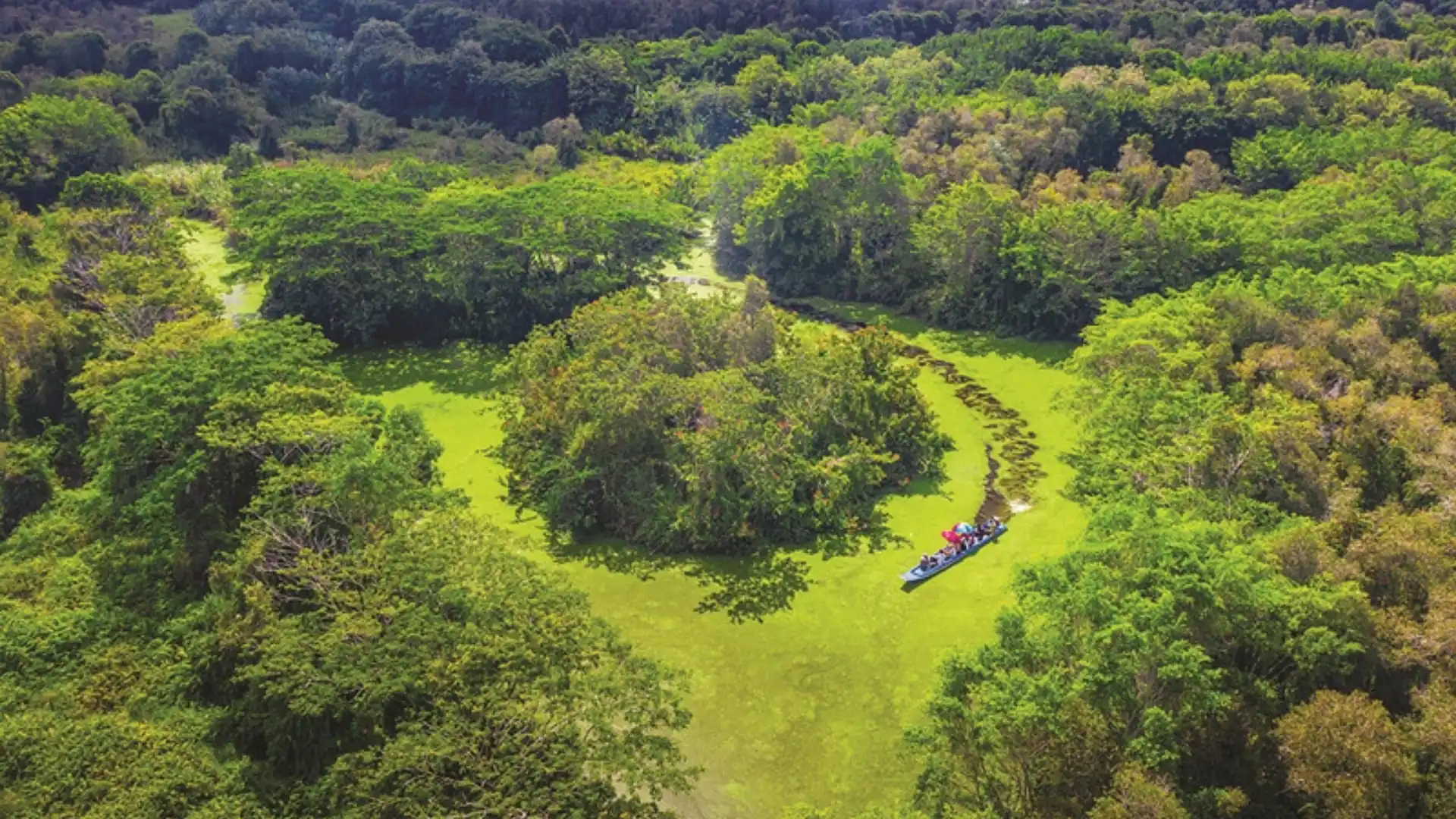
These environments differ from the small coconut-lined canals around farming villages. Both are part of the Mekong Delta, but they support different activities and ecological systems.
The scenery can also change significantly between seasons, so visitors should not expect every waterway to look identical throughout the year.
Why the reserve matters for conservation
Lung Ngoc Hoang’s protected status is closely connected to its role in preserving freshwater wetland habitats.
A national conservation decision in 2002 forms part of the reserve’s administrative history, followed by subsequent decisions concerning its organization and management.
The 2026 decision reported by Can Tho Newspaper confirms its area of 2,805.37 hectares and three functional zones:
- Strict protection.
- Ecological restoration.
- Administration and services.
These zones have different purposes. Some areas prioritize the protection of sensitive habitats, while others support management activities and compatible uses.
Lung Ngoc Hoang should therefore be understood first as a nature reserve, rather than a recreational park where every forest path and waterway is open to visitors.
Things to see and do at Lung Ngoc Hoang
The main attractions of Lung Ngoc Hoang are its wetland scenery, waterways, and natural habitats.
Tourism publications have described several ways of experiencing the forest. Actual access depends on the routes and facilities authorized to operate when you visit.
Explore the forest waterways by boat
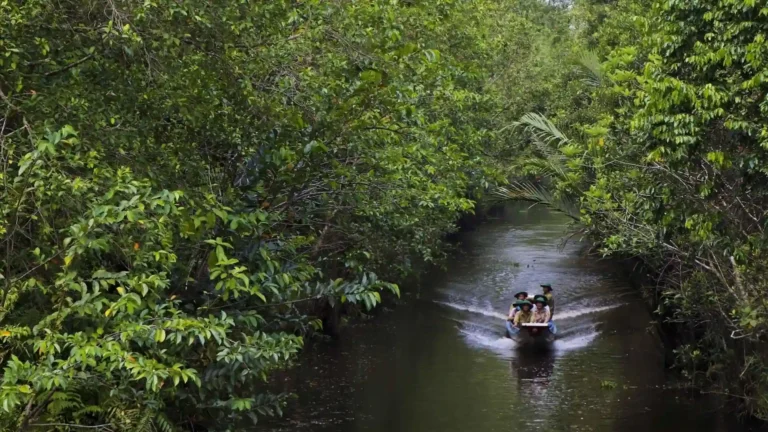
Traveling through the wetland by boat is one of the experiences most closely associated with Lung Ngoc Hoang.
Official tourism descriptions feature small boats moving along canals surrounded by melaleuca trees and floating vegetation.
The experience offers a different perspective from a typical Mekong Delta river tour. Instead of observing riverside trade, agricultural activities, or busy waterways, the focus is on the forest environment.
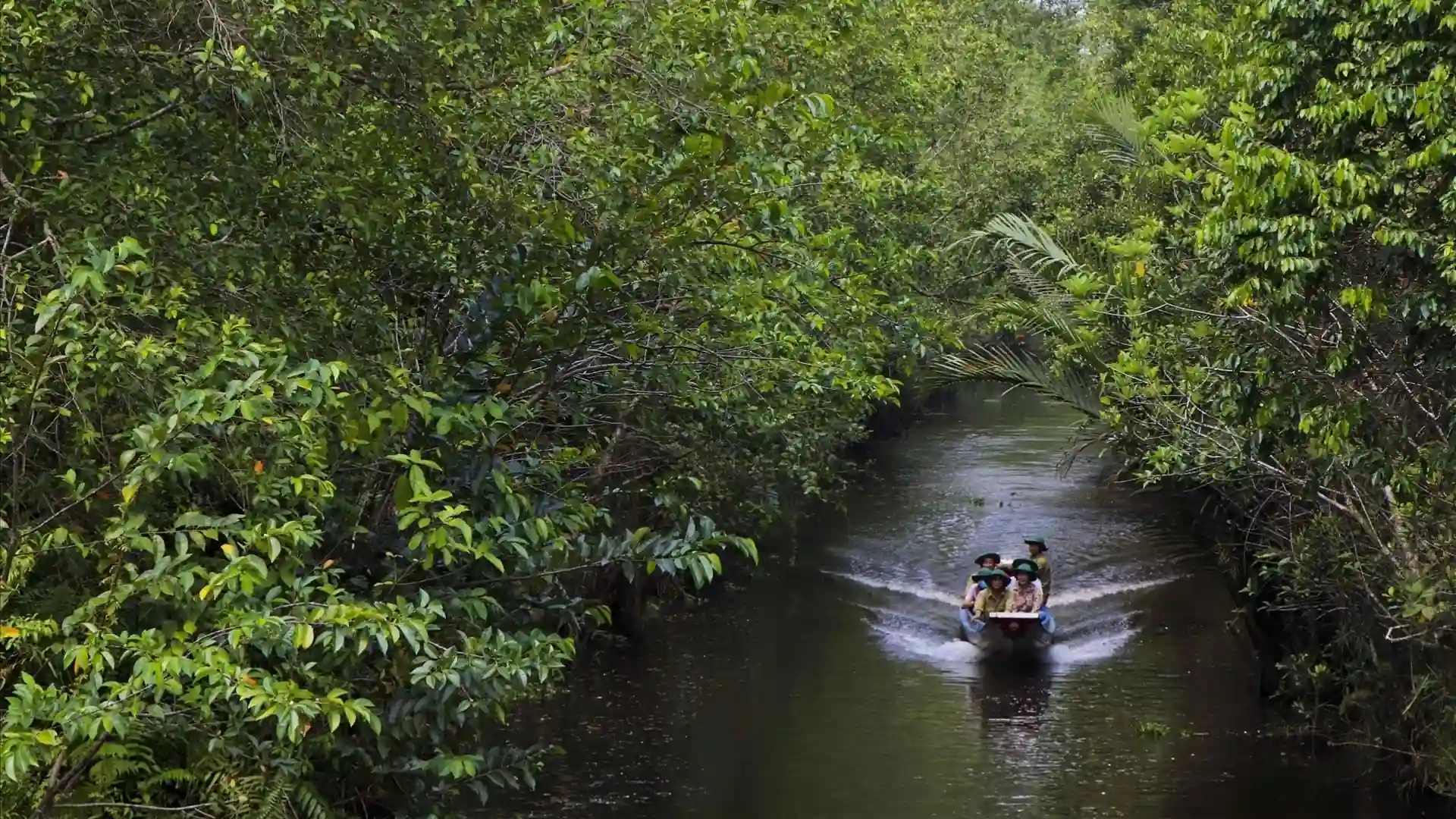
Some channels pass through dense vegetation, while others open toward wider wetland scenery.
From the water, visitors can appreciate the relationship between the trees, aquatic plants, and natural channels that connect parts of the landscape.
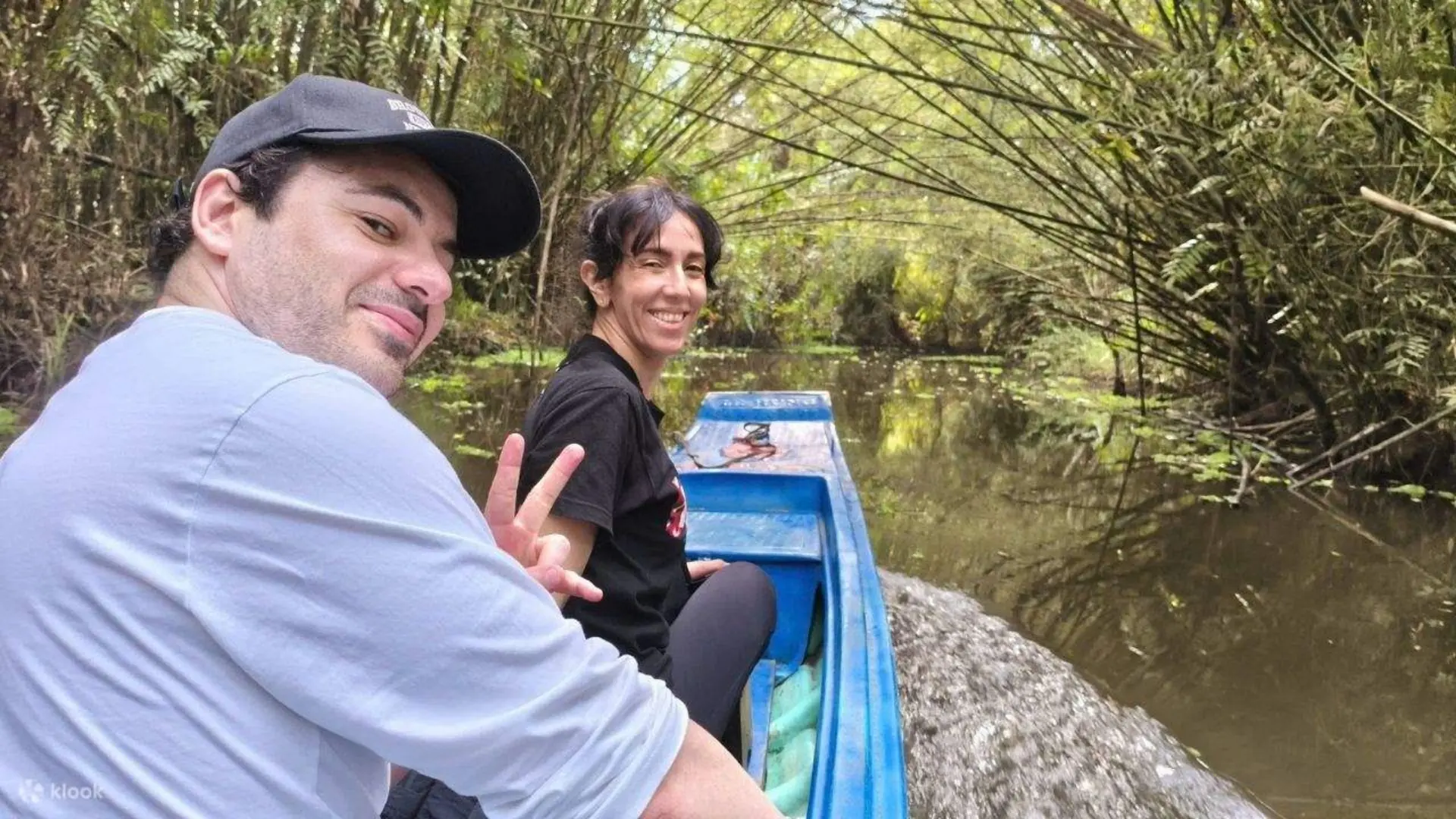
The available routes may depend on water levels, conservation restrictions, and operating arrangements. Confirm the current boat service before making travel plans.
Observe birds and wetland wildlife
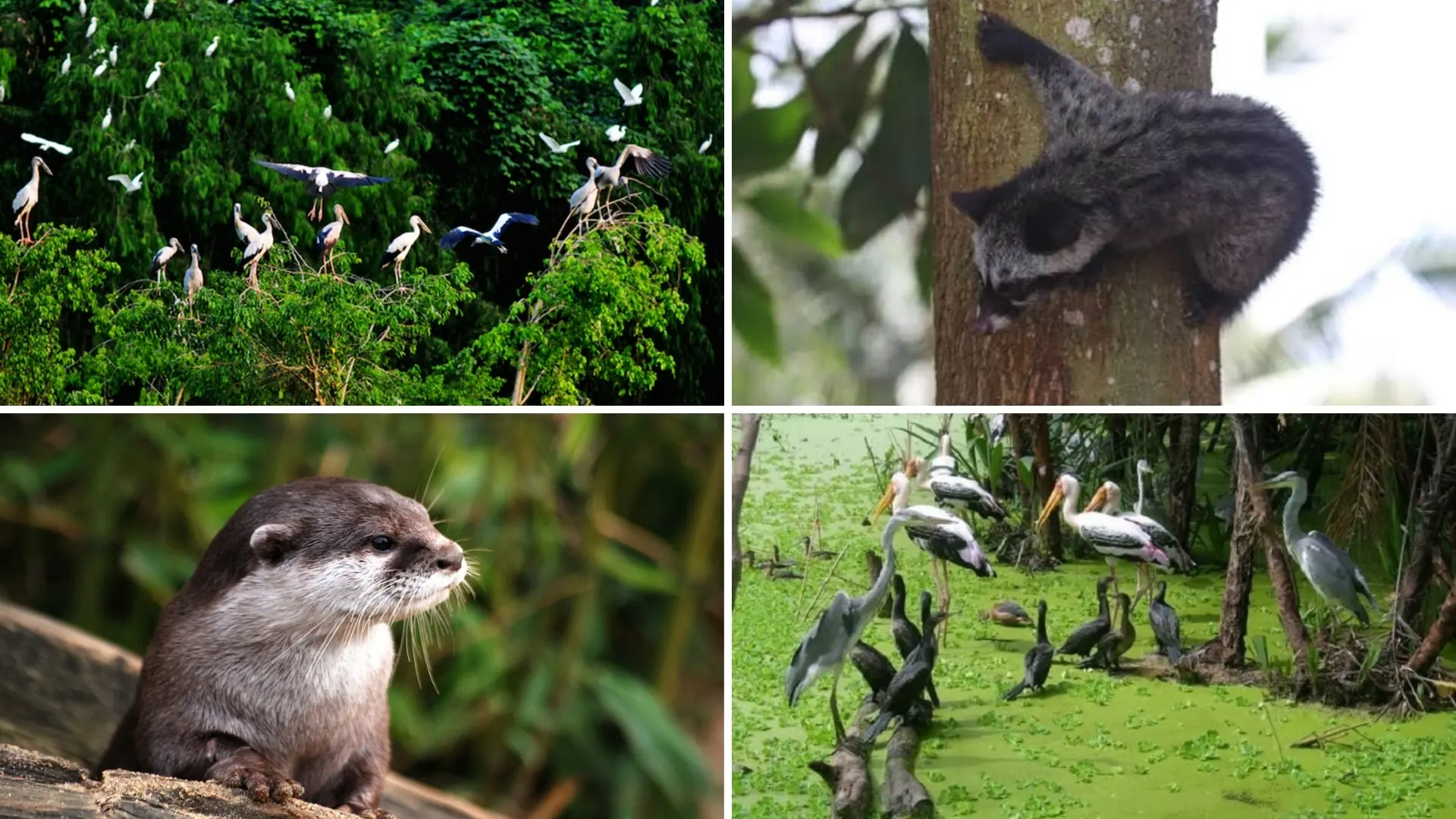
Lung Ngoc Hoang supports a variety of birds and other animals associated with freshwater wetlands.
Waterbirds, including herons and egrets, are among the species associated with its habitats. The vegetation and waterways provide places for animals to feed, shelter, and breed.
Nature observation here is not a scheduled wildlife show. It requires patience, quiet surroundings, and realistic expectations.
Bird activity can vary with the time of day, season, and environmental conditions. Some animals may be visible around open wetlands, while others remain hidden within the forest.
If you enjoy birdwatching, binoculars can help you observe wildlife from a respectful distance.
Photography should never involve chasing animals, approaching nesting areas, or leaving designated visitor routes.
Appreciate the wetland scenery
You do not need to encounter rare wildlife to appreciate Lung Ngoc Hoang.
The natural scenery itself offers opportunities to observe different habitats, from shaded forest corridors to open waterways and areas of aquatic vegetation.
Look for how the landscape changes between wetter and drier sections. The density of trees, appearance of the water, and variety of plants can differ even within a relatively small area.
For travelers interested in ecosystems rather than conventional sightseeing, these details are often the most rewarding part of a visit.
See the forest from an elevated viewpoint
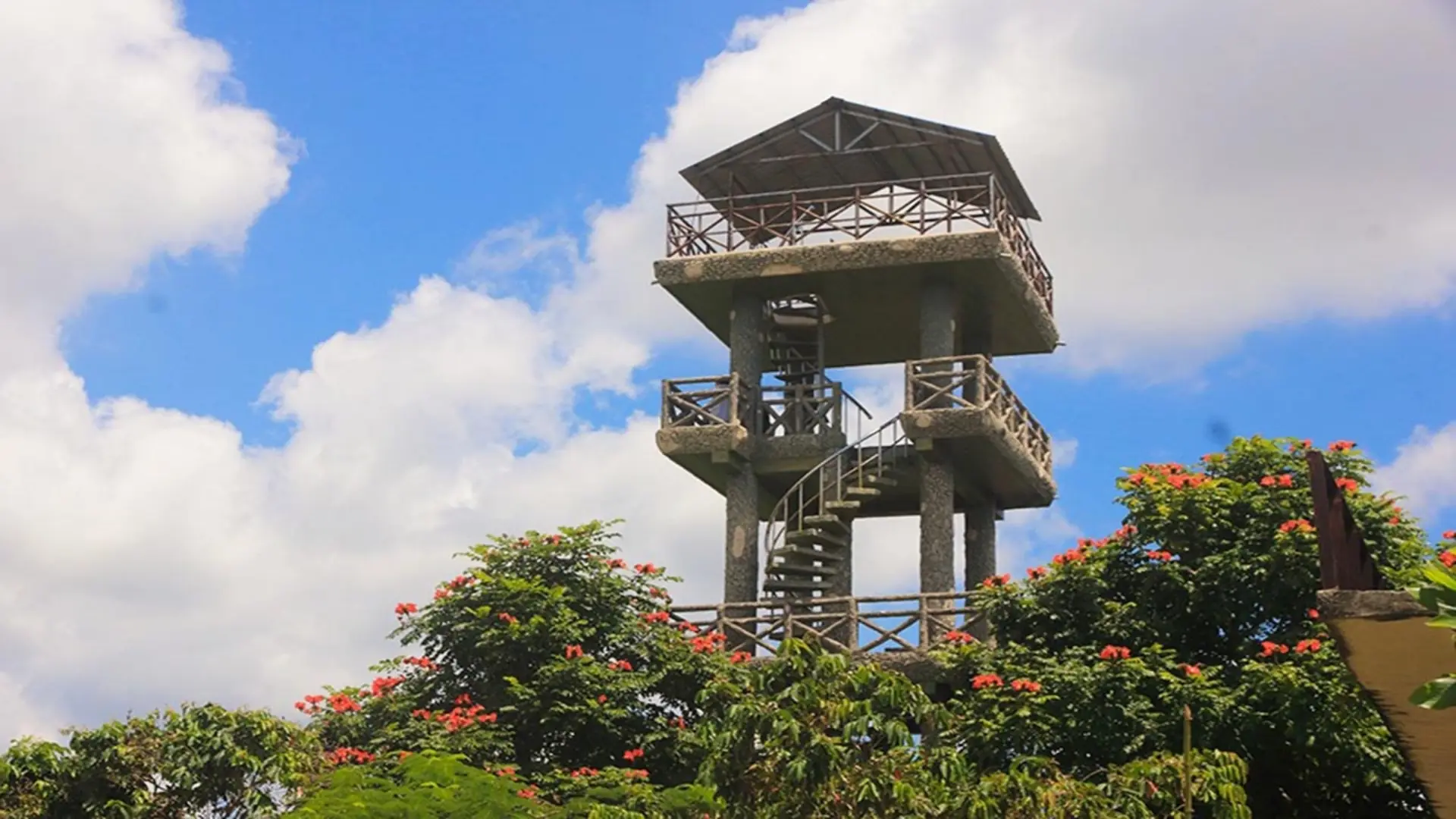
Older official tourism records describe an observation tower overlooking the reserve, with views across the forest canopy and surrounding waterways.
An elevated viewpoint can help visitors understand the scale of the wetland landscape, which is not always apparent from a boat or ground-level route.
However, the tower’s current condition and public accessibility have not been independently confirmed.
Ask the reserve management which viewpoints are available before planning to use one.
How to get to Lung Ngoc Hoang from Can Tho
Lung Ngoc Hoang is approximately 40 km from central Can Tho, although the actual road distance depends on your departure point and the entrance used.
By private car or taxi
A pre-arranged car or taxi is a practical option for international visitors.
It allows you to travel from your accommodation to the appropriate arrival point and arrange transportation back to the city.
Because the reserve covers a large area, confirm the visitor reception point before setting your destination in a navigation app.
Do not assume that a map marker identifying the reserve’s geographic area is also its public entrance.
If you are traveling independently, arranging a return pickup can help avoid difficulties finding transportation in a rural location.
By motorbike
Traveling by motorbike may suit experienced riders who are familiar with Vietnam’s roads.
Check the weather and route conditions before leaving. Heavy rain can affect visibility and make smaller rural roads more difficult to navigate.
International visitors should also ensure they have the appropriate driving documents and insurance.
By public transportation
Public transportation serves towns in the wider Phung Hiep area, but a convenient direct route to the reserve’s visitor reception point has not been confirmed.
A journey using public transport may require an additional local transfer.
If you do not have private transportation, it is better to establish the full route, including the return journey, before traveling.
Entrance fees, opening hours and visitor access
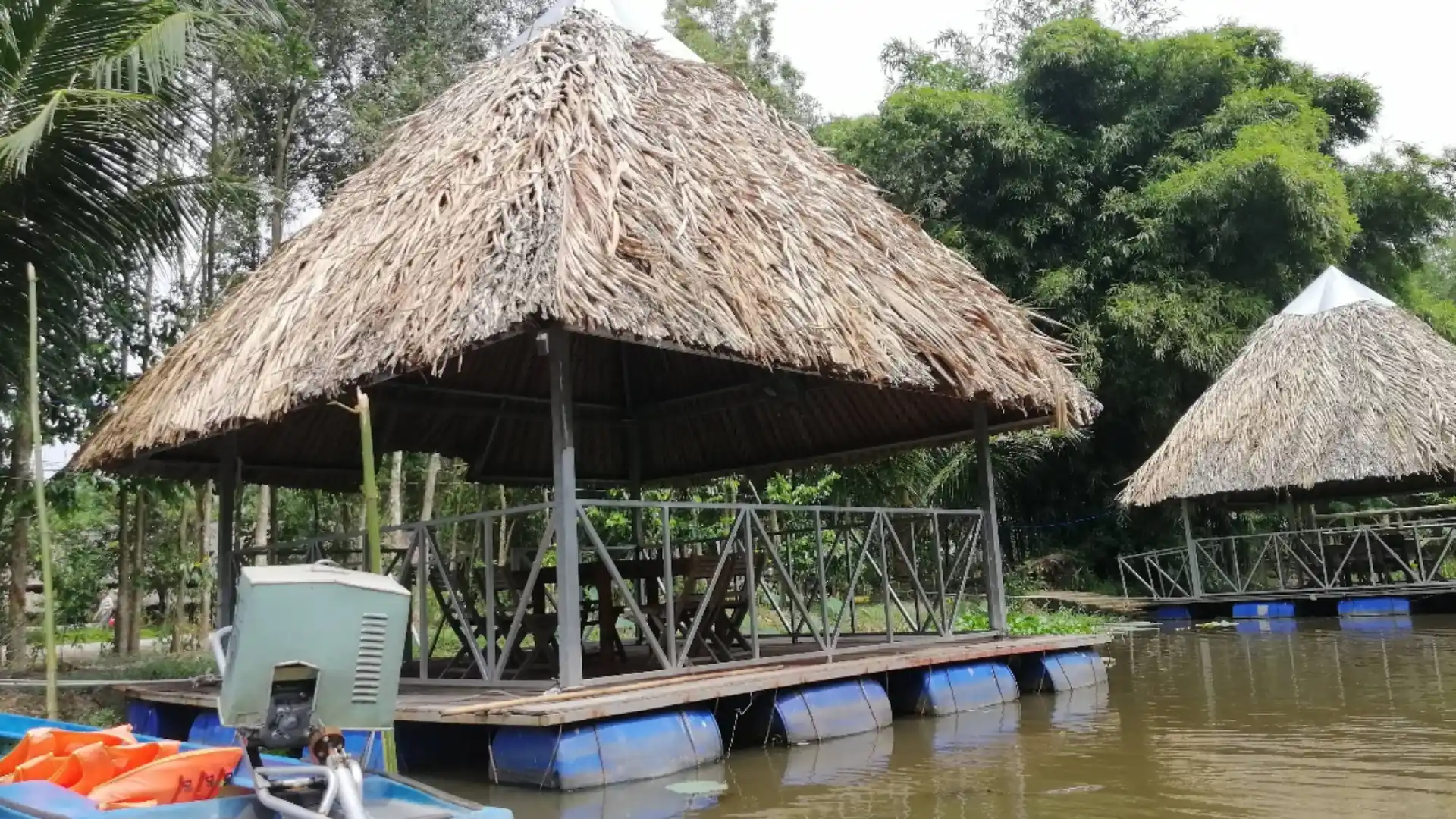
Lung Ngoc Hoang Nature Reserve has previously published admission and boat excursion rates, making it relatively affordable for visitors interested in exploring its wetland forest.
Entrance fees
| Service | Reference price |
| Adult admission | 60,000 VND/person |
| Child admission | 30,000 VND/person |
| Children under 5 | Free |
| Motorboat excursion | 50,000 VND/adult |
Note: These are previously published reference rates, last dated June 2024. Prices, age conditions, and service availability may change depending on the operator and visiting conditions.
Opening hours
Published travel guides commonly list 7:00 AM–5:00 PM for visits to Lung Ngoc Hoang. However, the reserve’s current public visiting hours have not been independently confirmed.
Visitors are advised to check admission arrangements, boat availability, and operating hours before departure, especially during unfavorable weather conditions.
Need help planning your visit?
Planning to explore Lung Ngoc Hoang or other destinations in Can Tho? Mekong Smile can help you plan a suitable itinerary and provide travel advice based on your interests and available services.
Fill out the contact form below, and our team will get in touch to assist you.
Planning Your Mekong Trip?
Get a free, personalized itinerary from our local experts in under 120 minutes.

Get a Free Consultation Leave your contact, we handle the rest.
Best time to visit Lung Ngoc Hoang
The Can Tho region generally has a drier period from November to April and a wetter period from May to October.
Both can offer different conditions for exploring the wetlands.
Dry season: November to April
The dry season generally brings less rainfall and can make overland travel more convenient.
However, lower water levels may affect access to some canals. During particularly dry periods, fire-prevention measures can also influence forest access.
A sunny day does not necessarily mean all visitor routes are operating.
Rainy season: May to October
Rainfall supports the wetland environment and can produce lush vegetation and changing water landscapes.
Some waterways may have higher water levels, but heavy rain, lightning, and strong winds can disrupt outdoor activities.
Travelers visiting during this period should allow flexibility for weather changes.
Choosing the right time of day
Morning can be a comfortable choice for nature observation, particularly before the strongest midday heat.
Bird activity and lighting conditions may also make certain periods more interesting for photography.
However, the most suitable time is ultimately determined by weather conditions and the reserve’s confirmed visitor schedule.
Wildlife and biodiversity at Lung Ngoc Hoang
Lung Ngoc Hoang plays an important role in protecting the biological diversity of the Mekong Delta’s freshwater wetlands.
Published conservation records identify more than 330 plant species and approximately 206 animal species within the reserve.
These figures reflect documented biodiversity, not the number of species a traveler can expect to encounter during one visit.
Plants and natural habitats
The reserve’s vegetation includes melaleuca, reeds, and other plants adapted to wetland environments.
Different species occupy different habitats depending on soil, moisture, and seasonal water conditions.
These plant communities provide food, shelter, and breeding habitats for a range of animals.
Preserving them is important because disturbances to vegetation and water conditions can affect the wider ecosystem.
Birds, mammals, and aquatic species
The reserve supports birds, mammals, reptiles, fish, and other organisms associated with wetland environments.
Some species use open water and grassy areas, while others depend on forest cover or more secluded habitats.
The diversity of these environments contributes to Lung Ngoc Hoang’s ecological significance.
Rare animals recorded by camera traps
Scientific monitoring provides information about wildlife that visitors may never see directly.
During the third quarter of 2025, camera traps recorded 10 wildlife species at Lung Ngoc Hoang, including animals of conservation interest such as fishing cats, otters, and civets.
The findings were published in an October 2025 environmental monitoring report.
Camera traps are useful because they can monitor animals in places and at times when people are not present.
The recordings demonstrate the conservation value of the reserve. They do not mean that rare wildlife sightings are a normal part of a tourist visit.
Is Lung Ngoc Hoang worth visiting?
Lung Ngoc Hoang is worth considering if you want to experience a natural environment that differs from the agricultural and recreational attractions commonly found around Can Tho.
Its main value lies in its freshwater wetland habitats, forest landscape, and conservation significance.
It may be particularly suitable for travelers who enjoy nature observation, photography, and learning about ecosystems.
However, it may be less suitable for visitors who have limited time or expect a destination with extensive entertainment facilities.
Lung Ngoc Hoang compared with other countryside attractions
Not every attraction described as ecotourism offers the same type of experience.
Ong De Ecotourism Village focuses on outdoor recreation, folk games, and group activities. It is a recreational attraction rather than a protected wetland forest.
Lung Cot Cau Ecotourism Area is known for fruit orchards, countryside games, and local food.
Lung Ngoc Hoang has a different purpose. Its primary role is the protection of natural habitats, with visitor activities taking place within that conservation context.
If you want games, orchards, and food experiences, a countryside attraction may be a more straightforward choice.
If you are interested in wetlands, forest scenery, and conservation, Lung Ngoc Hoang offers a different perspective on the region.
Practical tips for visiting the reserve
A little preparation can make a nature-focused visit more comfortable.
- Wear lightweight long sleeves and comfortable shoes. These can help protect against sunlight, insects, and vegetation.
- Bring drinking water and insect repellent. Do not assume supplies are available throughout the visitor area.
- Protect electronics from rain and splashes. A waterproof pouch is useful for boat excursions.
- Use binoculars for wildlife observation. They help you watch birds without approaching them.
- Follow reserve regulations. Stay in authorized areas and respect instructions from staff.
- Avoid disturbing wildlife. Do not feed animals, collect plants, or play loud music in natural habitats.
If you travel during periods of heavy rain or heightened fire risk, check whether any additional access restrictions apply.
Exploring more of Can Tho and the Mekong Delta
Lung Ngoc Hoang highlights a side of the Mekong Delta that is sometimes overlooked: its freshwater wetland forests and the ecosystems that depend on them.
It is not necessary to see rare wildlife or participate in every advertised activity to appreciate the importance of this landscape. Understanding the forest, its waterways, and its conservation role is valuable in itself.
For other destinations, cultural experiences, and trip-planning information, explore our Mekong Delta travel guide.
If you are planning more activities around Can Tho, contact Mekong Smile for information about our available tours and local experiences. Visiting Lung Ngoc Hoang itself should be arranged in accordance with the reserve’s current visitor requirements.
Frequently asked questions about Lung Ngoc Hoang
Can I visit Lung Ngoc Hoang without booking a packaged tour?
Independent travel may be possible, but arriving without a reservation does not guarantee access to every area or activity. Confirm the visitor reception arrangements before traveling.
Does the entrance fee include a boat ride?
A current official ticket structure has not been verified. Ask whether admission, boat rental, and guiding are charged separately, particularly when traveling alone or in a small group.
Are English-speaking guides available at the reserve?
English-language guiding availability has not been independently confirmed. Travelers who need interpretation should arrange this in advance rather than relying on a walk-in service.
Are there restaurants and restrooms at Lung Ngoc Hoang?
Older tourism descriptions mention food and visitor facilities, but their current operating status has not been confirmed. Check facilities at the reception area and carry drinking water.
Is Lung Ngoc Hoang suitable for children or older travelers?
It depends on the available activities, walking conditions, and individual mobility needs. Families should ask about life jackets, boarding arrangements, rest areas, and accessibility before choosing an excursion.
Can visitors use drones for photography?
Drone use should not be assumed to be permitted inside a protected area. Obtain the necessary authorizations and follow the reserve’s rules before attempting aerial photography.
