
 Can Tho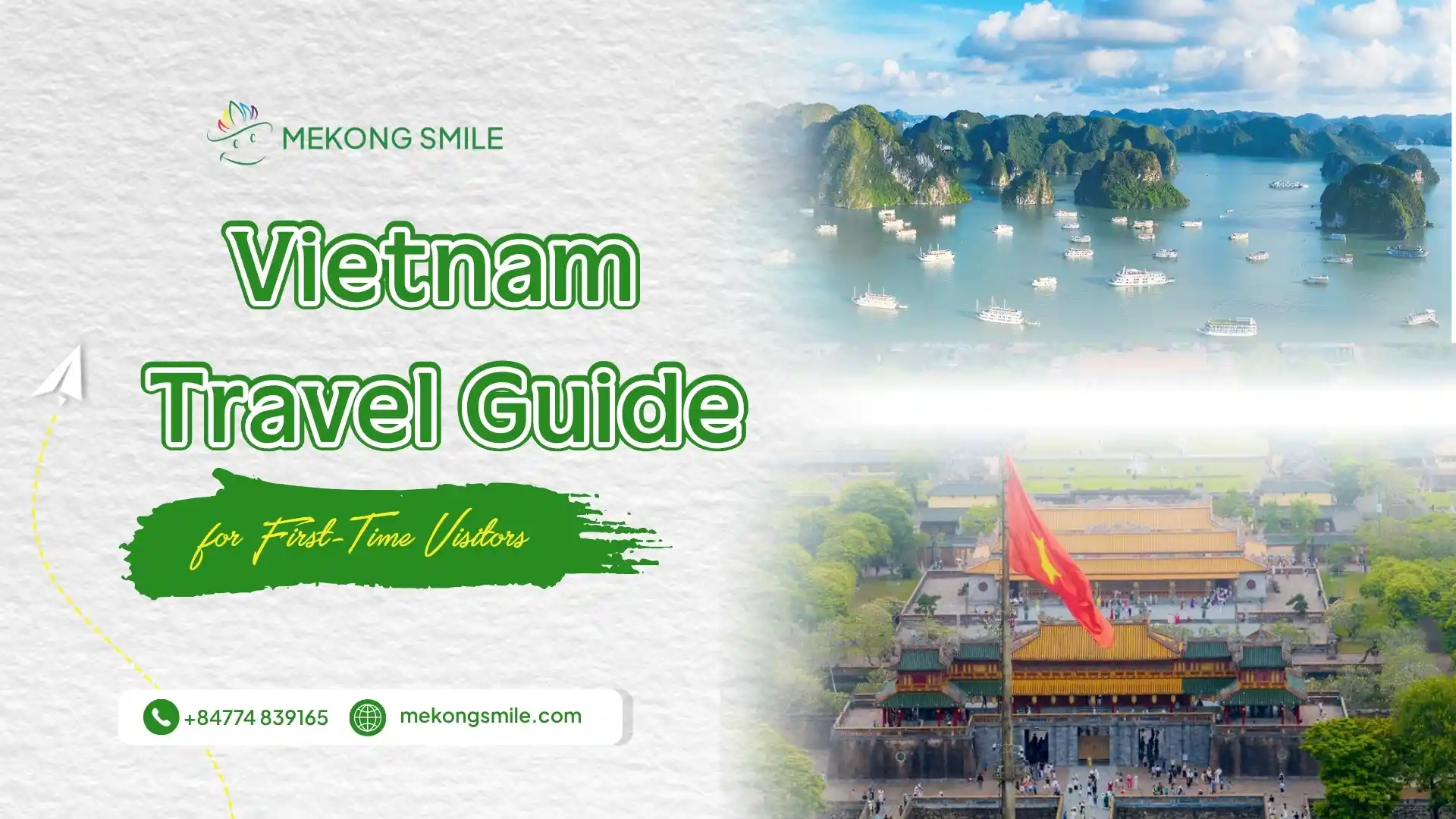


Planning your first trip to Vietnam? With mountain landscapes in the north, historic towns and beaches in the center, and lively cities and river communities in the south, deciding where to go can be harder than expected.
Vietnam is also a country where travel distances matter. A destination that looks close on your screen may require several hours of driving, a domestic flight, or an overnight journey. The weather can be sunny in one region and rainy in another.
This Vietnam travel guide helps you make the decisions that matter: how long to stay, where to go, when to visit, how much to budget, and what to know about visas, transportation, and safety.
Whether you have one week or two, the goal is not to see everything. It is to plan a journey that fits your interests, time, and budget.
Vietnam Travel Essentials at a Glance
| Travel detail | What to know |
| Capital | Hanoi |
| Currency | Vietnamese dong (VND) |
| Local time | UTC+7 |
| Language | Vietnamese; English is commonly used in tourism services |
| Main international gateways | Hanoi, Da Nang, and Ho Chi Minh City |
| Suggested first trip | 10-14 days if visiting multiple regions |
| Visa | Depends on nationality and entry conditions |
| E-visa | Up to 90 days, with single- or multiple-entry options |
| Getting around | Domestic flights, trains, buses, taxis, and private transfers |
| Payments | Cash is useful for smaller purchases; cards are accepted at many larger businesses |
| Drinking water | Choose properly treated drinking water |
| Weather | Varies considerably between northern, central, and southern Vietnam |
A useful starting point: Decide how many days you have before choosing your destinations. Then check the weather for those places and the entry requirements for your passport.
How Many Days Do You Need in Vietnam?
Ten to fourteen days is a practical starting point for a first trip across more than one region. With seven days, staying in one part of Vietnam usually gives you more time to enjoy the places you visit.
| Trip length | Suggested approach | Good for |
| 5-7 days | Explore one region | Short holidays and slower travel |
| 10 days | Combine two regions | A mix of culture, landscapes, and food |
| 14 days | Visit selected destinations across three regions | A broader first introduction to Vietnam |
| 3 weeks or longer | Explore several regions at a relaxed pace | Countryside stays and additional destinations |
Seven Days: Focus on One Region
For northern Vietnam, consider Hanoi, Ninh Binh, and Ha Long Bay.
You could spend two days exploring Hanoi, two days around Ninh Binh’s countryside and limestone landscapes, and one or two days visiting Ha Long Bay before returning to Hanoi.
Alternatively, a southern itinerary could combine Ho Chi Minh City with My Tho, Ben Tre, or Can Tho.
The main advantage of a regional trip is spending less time checking in and out of hotels or traveling between distant cities.
Ten Days: Combine Two Regions
Ten days give you more flexibility.
One option is to visit Hanoi and Ninh Binh before flying to Da Nang and spending several days around Hoi An.
Another is to explore central Vietnam before continuing to Ho Chi Minh City and the Mekong Delta.
Choose combinations that make geographical sense. Avoid adding a distant destination simply because it appears on a popular travel checklist.
Fourteen Days: Explore More of Vietnam
A two-week trip can include northern, central, and southern Vietnam, but you will still need to make choices.
For example:
| Days | Destination | Experience |
| 1-2 | Hanoi | Food, history, and neighborhoods |
| 3-4 | Ninh Binh | Countryside and limestone scenery |
| 5-7 | Da Nang and Hoi An | Historic streets, beaches, and local food |
| 8-10 | Ho Chi Minh City | Urban life, history, and museums |
| 11-12 | Can Tho | Mekong Delta waterways and local culture |
| 13 | Return to Ho Chi Minh City | Flexible time before departure |
| 14 | Departure | International flight |
This is a relatively active itinerary with several transfers. Domestic flights may be the most practical way to connect distant regions.
If you prefer a slower trip, remove one destination and spend additional nights elsewhere. Travelers interested in mountains, beaches, or history may choose a different route altogether.
Travel planning tip: Count transfer days separately from full sightseeing days. A two-hour flight does not necessarily mean the entire journey takes only two hours.
Where to Go in Vietnam: 10 Places to Consider
Vietnam has far more than ten destinations worth visiting. These are ten useful starting points for a first trip, each offering something different.
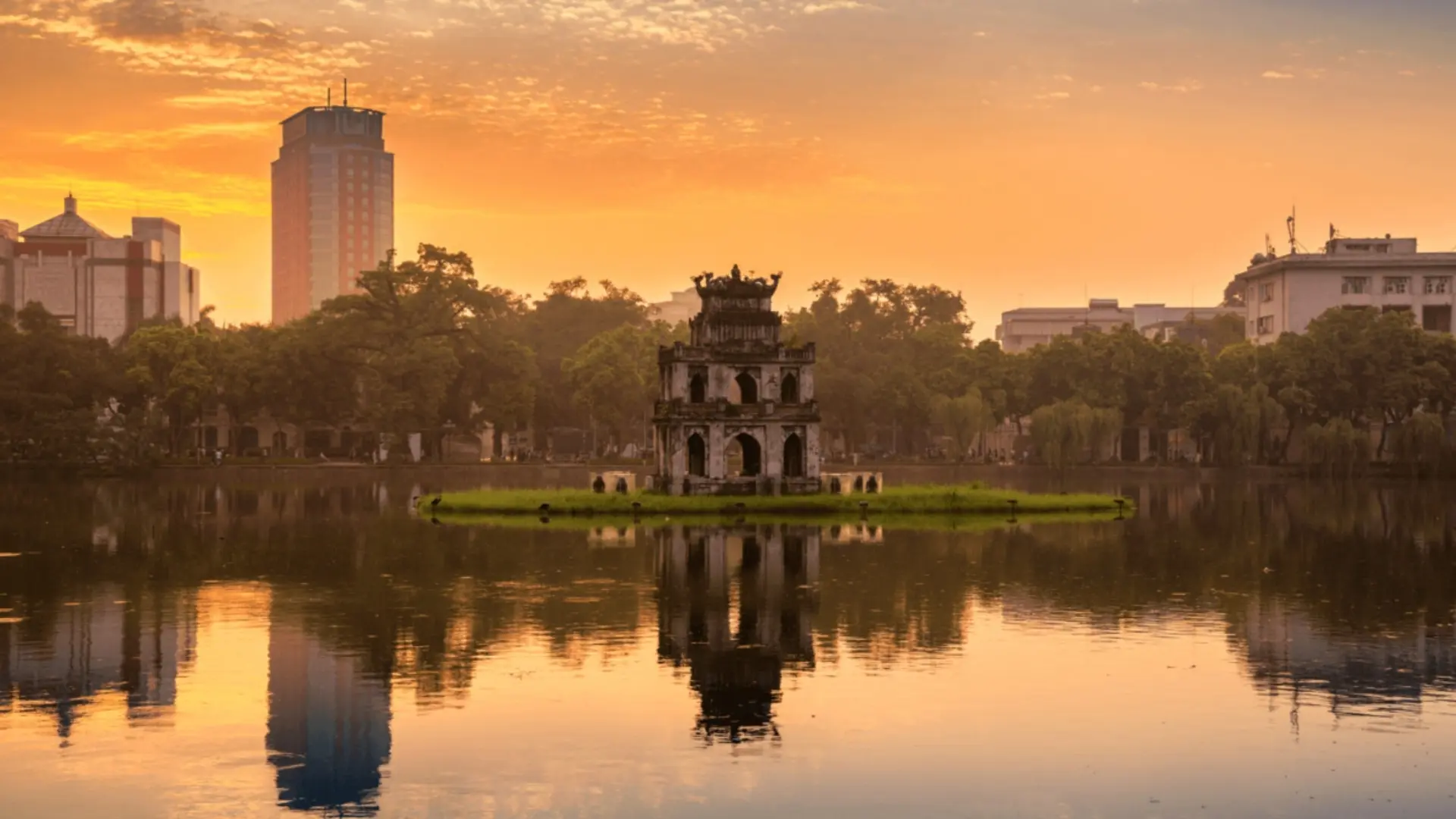
1. Hanoi – History, Neighborhoods, and Northern Cuisine
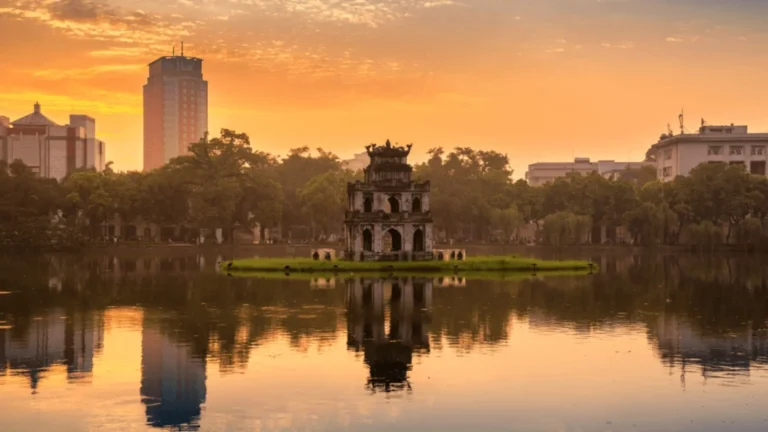
Vietnam’s capital combines older neighborhoods, lakes, museums, temples, and a lively food culture.
Walk through the Old Quarter, visit the Temple of Literature, spend time around Hoan Kiem Lake, and try bun cha or egg coffee.
Allow: 2-3 days for a first visit.
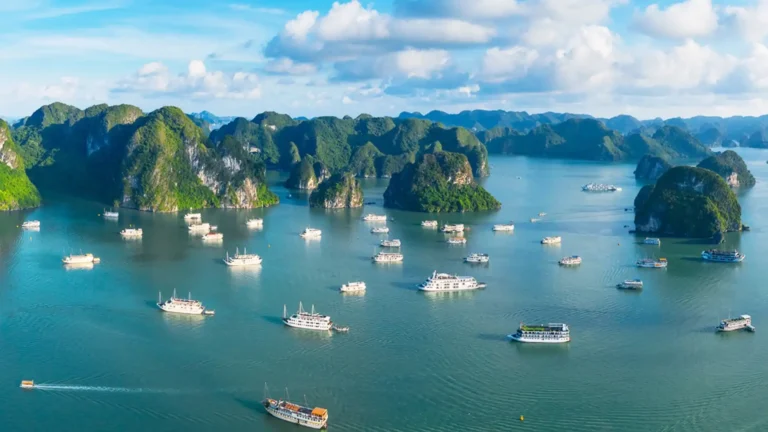
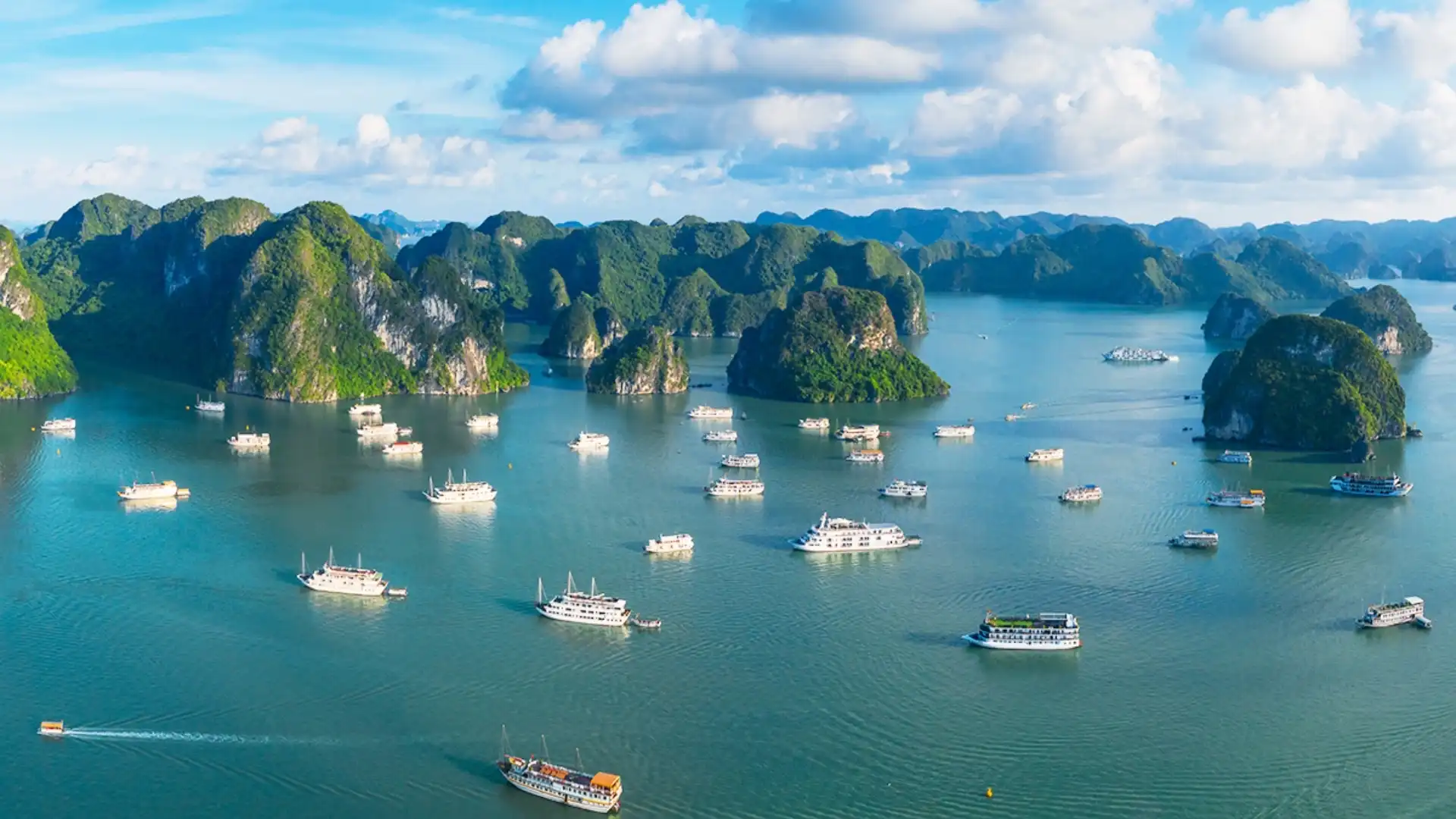
2. Ha Long Bay and Lan Ha Bay – Limestone Islands
These neighboring bay areas are known for limestone islands rising from the water. Cruises commonly include sightseeing and activities such as kayaking, depending on the route and conditions.
An overnight cruise can offer more time on the water than a short day trip. However, bad weather may affect departures, particularly during storm periods.
Allow: 1-2 days, excluding some onward travel.
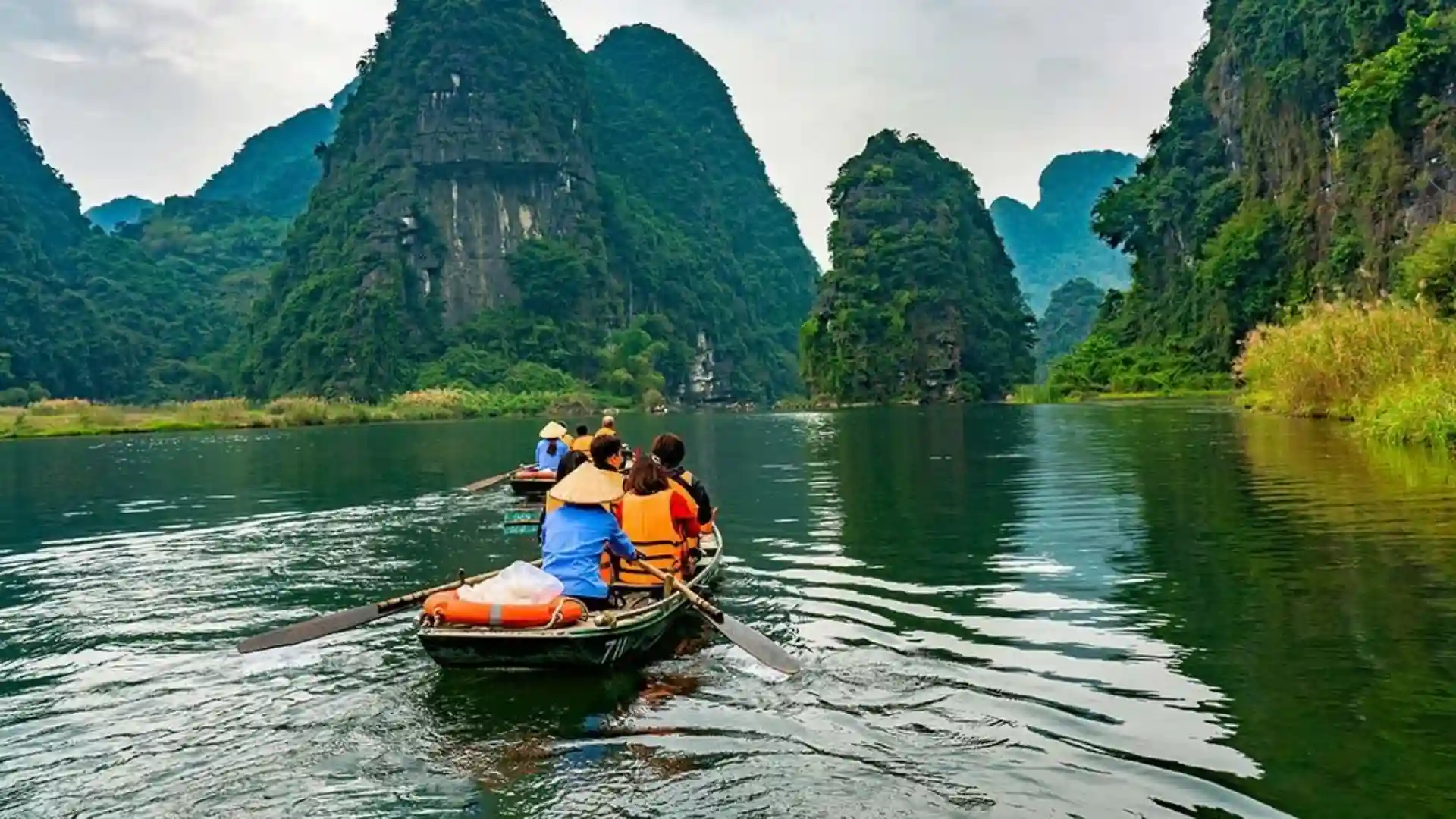
3. Ninh Binh – Rivers and Countryside
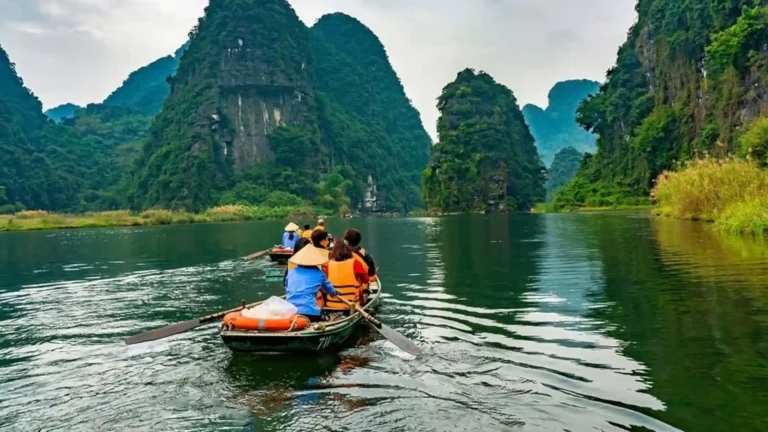
Ninh Binh is a useful alternative for travelers who want limestone scenery without spending all their time on a boat cruise.
Trang An and Tam Coc offer river routes through dramatic landscapes. The surrounding countryside is also suitable for cycling and short excursions.
Allow: 1-2 days.
4. Sapa and Northern Mountain Areas – Trekking and Rural Landscapes
Sapa is known for mountain scenery, terraced fields, and communities with distinct cultural traditions.
Weather changes significantly by season, and mountain roads or trails can become difficult during heavy rain.
Choose a guide or community-based experience that respects local residents, and ask permission before photographing people.
Allow: 2-3 days, plus travel time from Hanoi.

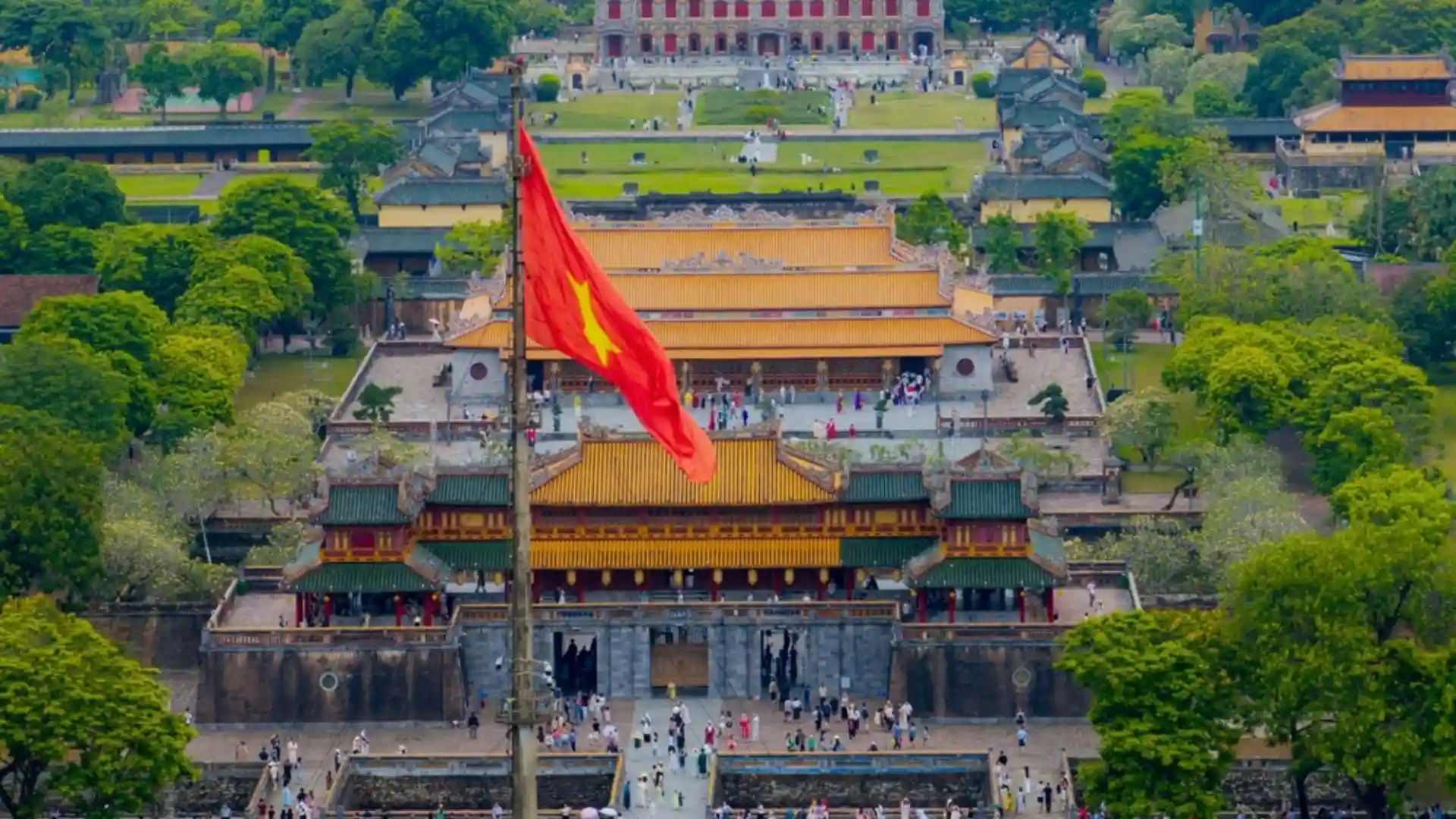
5. Hue – Imperial History
Hue is a strong choice for travelers interested in Vietnamese history, architecture, and regional cuisine.
The Imperial City, royal tombs, and cultural sites along the Perfume River are the main reasons to visit.
Allow: 1-2 days.
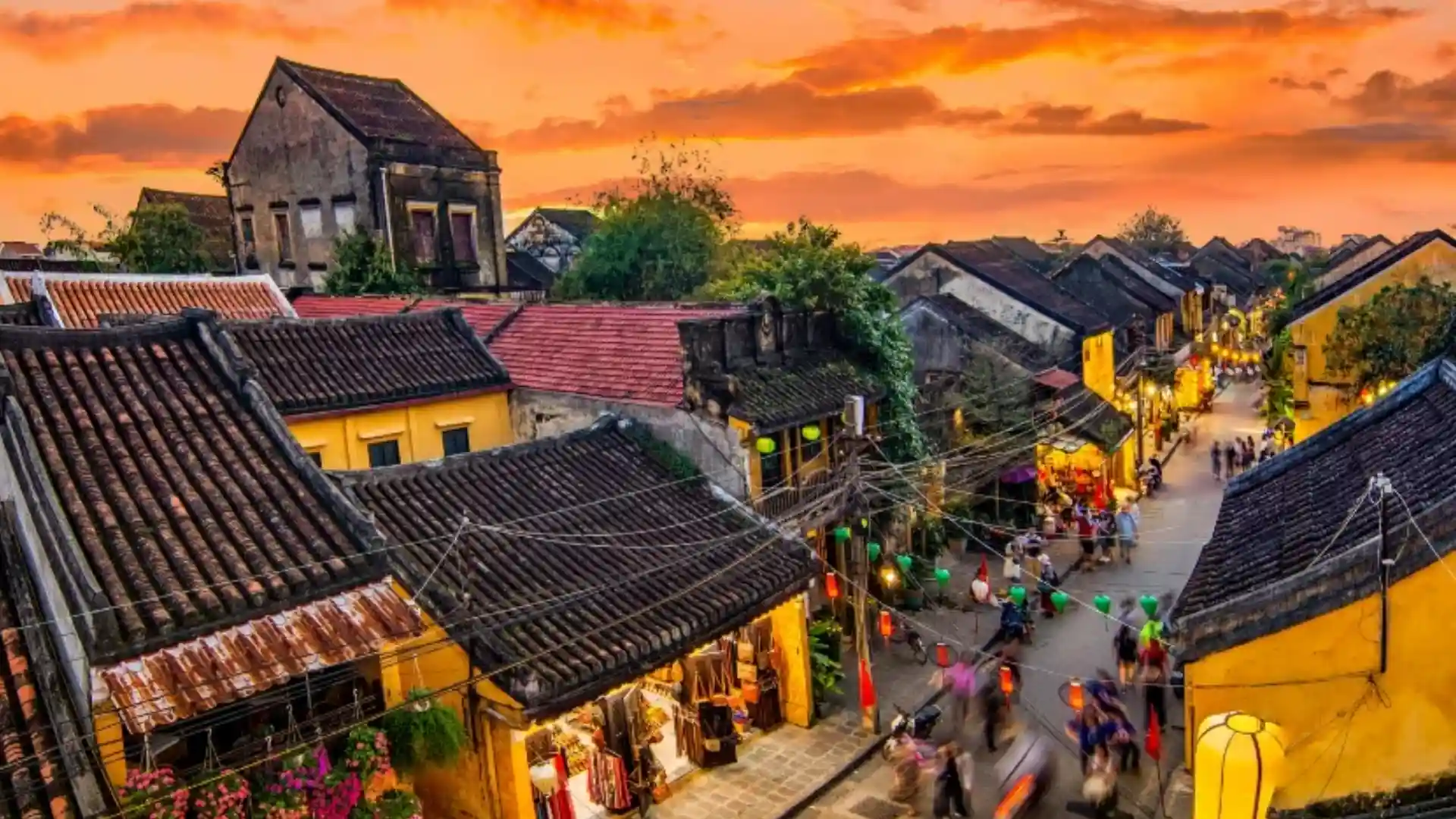
6. Hoi An – Historic Streets and Local Crafts
Hoi An is known for its historic trading-town architecture, lantern-lit streets, food, and tailoring businesses.
It is attractive for walking, although the old town can become crowded during popular visiting hours. Nearby countryside and beaches provide a change of pace.
Allow: 2-3 days.
7. Da Nang – Beaches and a Convenient Central Base
Da Nang combines an international airport, beaches, modern accommodation, and access to central Vietnam’s attractions.
It works particularly well for travelers who want beach time without giving up convenient transport connections.
Allow: 2-3 days, depending on whether you also visit Hoi An and Hue.

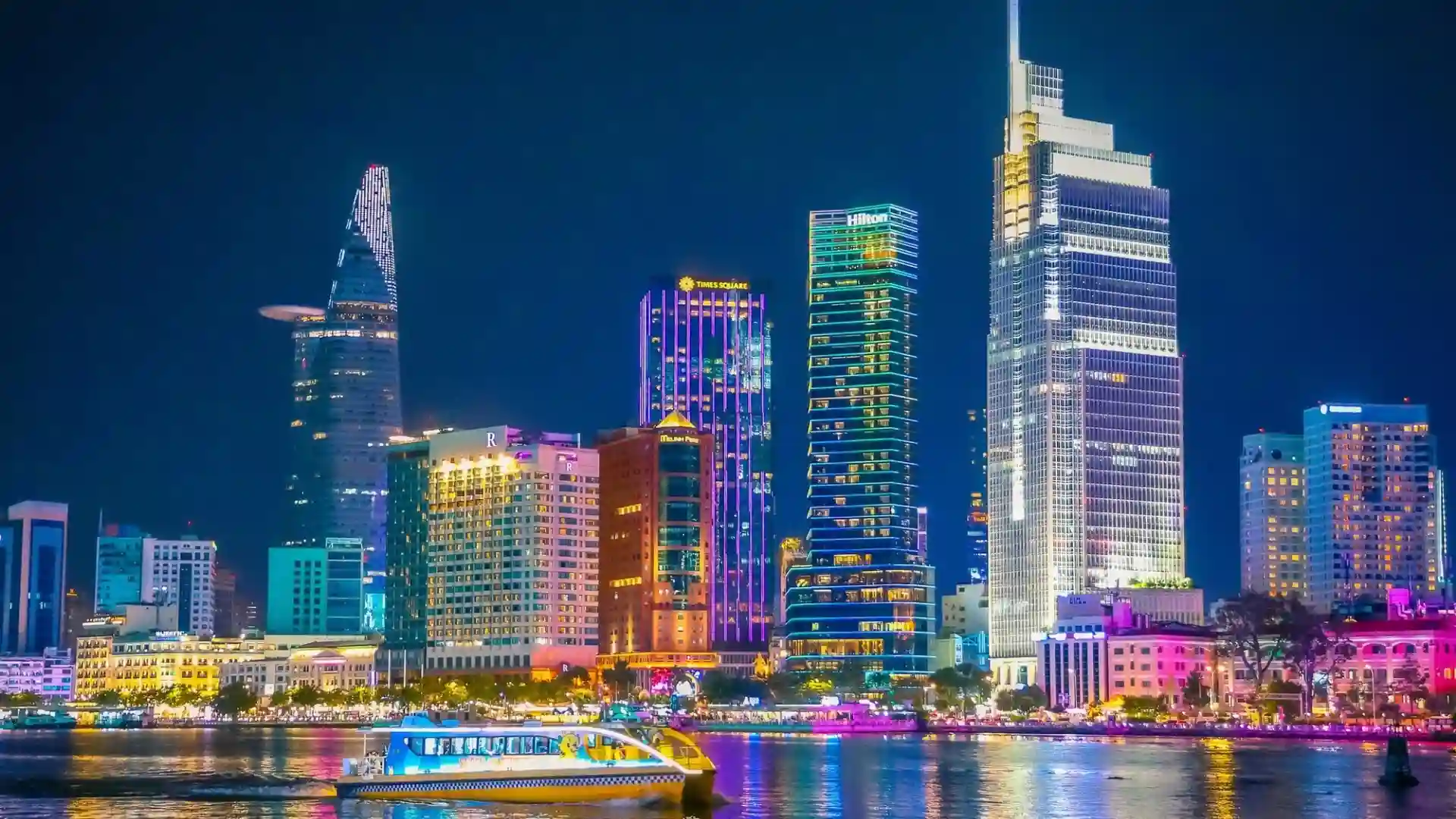
8. Ho Chi Minh City – Urban Life and Modern History
Ho Chi Minh City, still commonly called Saigon, is a practical gateway to southern Vietnam.
Visit museums, markets, historic landmarks, and neighborhoods beyond the main tourist streets. Allow time for food stops rather than trying to fit every attraction into one day.
The city also provides convenient access to the Cu Chi Tunnels and the eastern Mekong Delta.
Allow: 2-3 days.
For more detail, read our Ho Chi Minh City Travel Guide. If wartime history interests you, the Cu Chi Tunnels Guide explains the differences between the main visitor sites.
9. The Mekong Delta – River Communities and Countryside
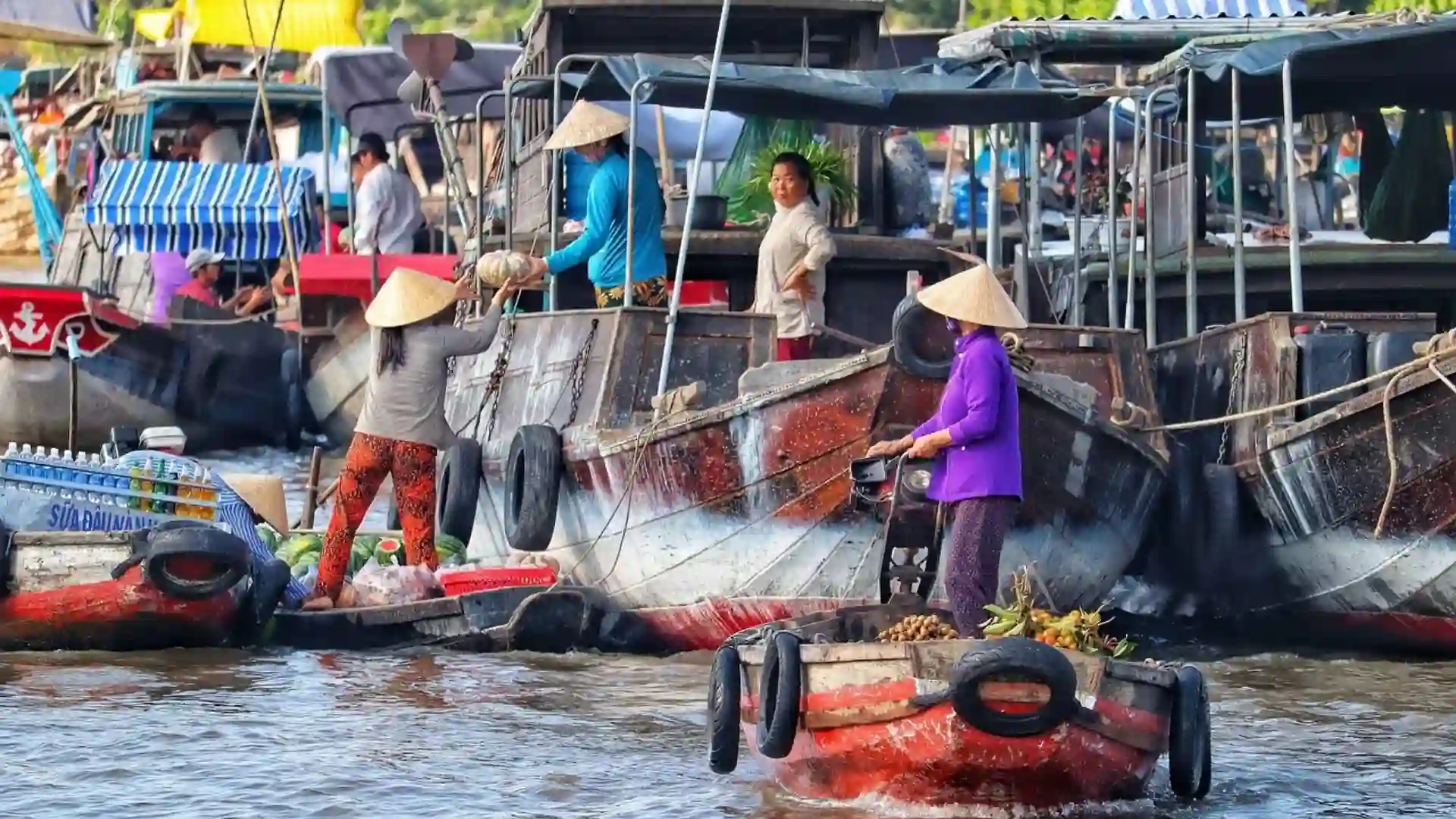
The Mekong Delta is not one destination. It includes different cities, waterways, orchards, agricultural areas, and wetlands.
My Tho and Ben Tre are practical for shorter trips from Ho Chi Minh City. Can Tho is more suitable if Cai Rang Floating Market is a priority.
Allow: 1 day for a short introduction, or 2-3 days to explore farther.
See our Mekong Delta Travel Guide to compare destinations.
10. Phu Quoc – Island and Beach Time
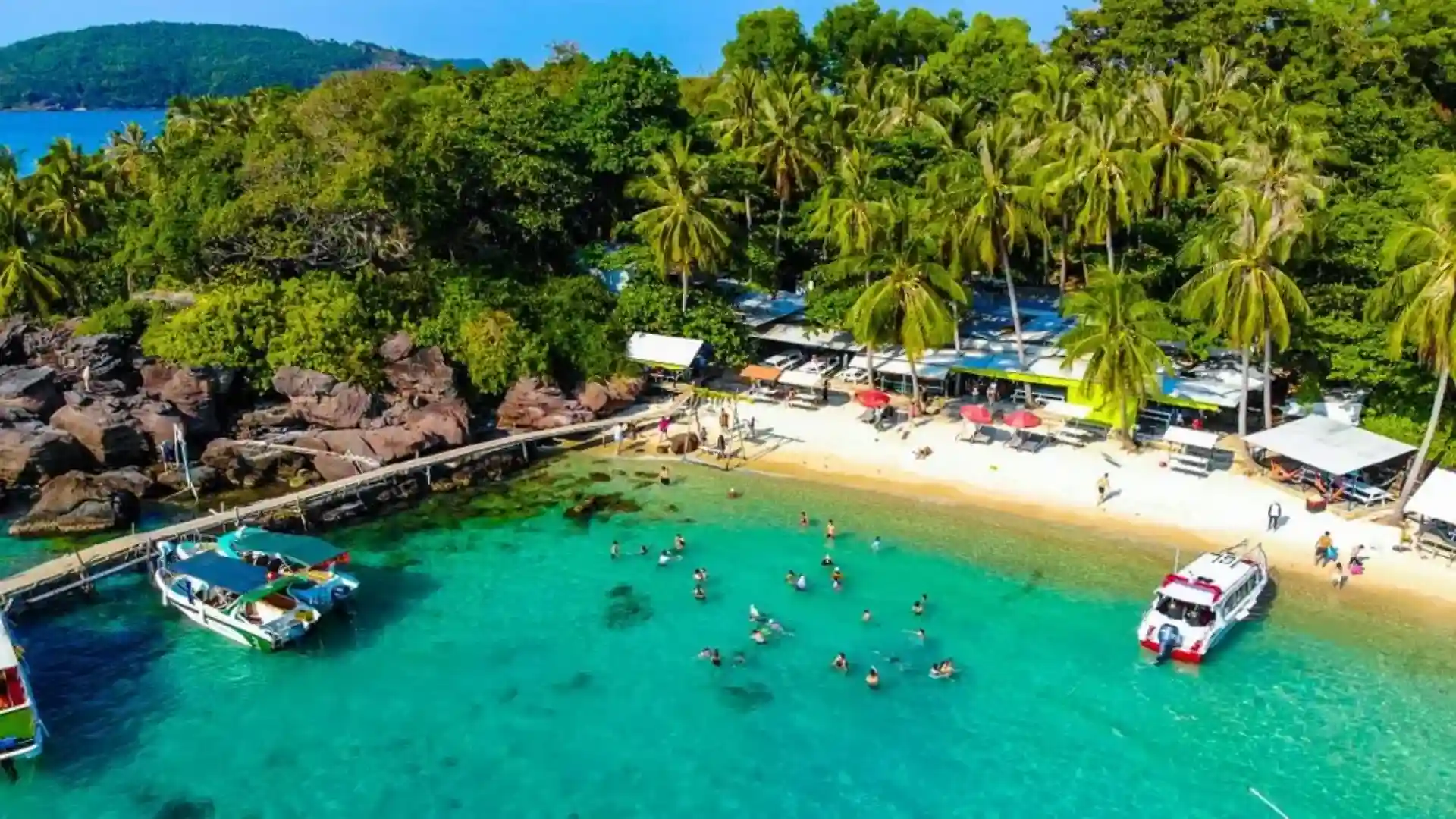
Phu Quoc offers beaches, resorts, coastal activities, and accommodation for different budgets.
It is a convenient option for travelers seeking a beach-focused break, although sea conditions and rainfall vary throughout the year.
Allow: 3-4 days if beaches and relaxation are a main part of your trip.
Which Part of Vietnam Should You Visit First?
The answer depends on what you enjoy most.
| Your interests | Destinations to consider |
| History and architecture | Hanoi, Hue, Hoi An |
| Mountains and trekking | Sapa and northern mountain areas |
| Limestone landscapes | Ninh Binh, Ha Long Bay, Lan Ha Bay |
| Beaches and relaxation | Da Nang, Phu Quoc |
| Cities and food | Hanoi, Ho Chi Minh City, Hue |
| Rivers and countryside | Mekong Delta |
| A mixture of urban life and day trips | Ho Chi Minh City |
If you have limited time, choose two or three destinations that suit your interests rather than trying to visit every well-known attraction.
Planning Your Mekong Trip?
Get a free, personalized itinerary from our local experts in under 120 minutes.

Get a Free Consultation Leave your contact, we handle the rest.
When to Visit Vietnam: Weather and Seasons
There is no single month that guarantees good weather everywhere in Vietnam.
Northern Vietnam experiences cooler winters and hot summers. Central Vietnam has a different rainfall pattern, with some areas experiencing prolonged heavy rain and flooding later in the year. Southern Vietnam stays warm for much of the year, with broadly wetter and drier seasons.
Vietnam Weather by Region
| Region | Generally favorable periods | Important considerations |
| Northern Vietnam | Spring and autumn | Cooler winters, hot summers, and variable mountain weather |
| Central Vietnam | Often February-May for sightseeing | Heavy rain and possible storms later in the year |
| Southern Vietnam | Generally December-April | Higher rainfall during approximately May-November |
| Phu Quoc | Often November-April | Wetter conditions and rougher seas during parts of the rainy season |
These periods are general planning guidance, not weather forecasts.
Can You Visit Vietnam During the Rainy Season?
Yes. Rainy season does not necessarily mean rain throughout every day or across the entire country.
In southern Vietnam, showers may be relatively short, allowing time for sightseeing between rainy periods. In parts of central Vietnam, prolonged rainfall and flooding can create more substantial disruption.
If your dates are fixed, focus on adapting your activities rather than assuming the trip will be unsuccessful.
Keep flexibility for boat trips, trekking, beach activities, and long-distance travel.
When Should You Visit the Mekong Delta?
For general outdoor activities, roughly December to April is often easier to plan around because conditions are broadly drier.
However, rainfall is only one consideration. Higher seasonal water levels, agricultural activities, and different wetland conditions can also influence what visitors experience.
For example, visiting Cai Rang Floating Market early in the morning is generally more important than choosing one particular month.
Our When to Visit the Mekong Delta guide explains how weather, water levels, and seasonal experiences differ across the region.
Vietnam Visa and Entry Requirements
Vietnam’s entry rules depend on your nationality, passport, purpose of travel, and intended length of stay.
Always verify your eligibility before purchasing non-refundable travel arrangements.
Do You Need a Visa to Visit Vietnam?
Vietnam has visa exemption arrangements for citizens of certain countries.
Under Resolution 44/NQ-CP, citizens of twelve countries, including the United Kingdom, France, Germany, Italy, Spain, Japan, and South Korea, may enter visa-free for up to 45 days if they meet the applicable entry conditions.
This policy is scheduled to apply from March 15, 2025, through March 14, 2028.
A separate tourism visa exemption under Resolution 229/NQ-CP covers twelve additional European countries, including Belgium, the Netherlands, Poland, Switzerland, and the Czech Republic. This arrangement provides visa-free stays of up to 45 days for eligible tourism visits from August 15, 2025, through August 14, 2028.
Other nationalities may qualify for different exemption periods. Do not assume the same visa rules apply to every European or ASEAN passport.
U.S. passport holders generally need a visa for a standard tourist visit to mainland Vietnam.
For exact eligibility, refer to the Vietnam Government’s visa exemption policy and the tourism visa exemption resolution.
How Does Vietnam’s E-Visa Work?
Vietnam offers electronic visas valid for up to 90 days.
| Visa type | Official application fee |
| Single-entry e-visa | 25 |
| Multiple-entry e-visa | 50 |
Apply through the official Vietnam e-Visa portal.
Before submitting the application, check your passport number, name, travel dates, and other required details carefully.
Do not assume every e-visa will automatically be issued for the maximum 90-day period. Your permitted entry and exit dates are determined by the visa granted.
Apply well before departure, especially if your trip involves several flights or non-refundable reservations.
Passport Validity and Entry Documents
As a practical precaution, check that your passport has at least six months of remaining validity from your planned arrival date. Confirm the precise conditions applying to your visa or exemption category.
Keep your approved visa, if required, accessible during check-in and arrival. It is also useful to have your accommodation information and travel itinerary available.
Vietnam’s Pre-Arrival Information System
Vietnam has introduced a Pre-arrival Information (PAI) system for foreign visitors.
According to a Vietnamese diplomatic notice dated September 30, 2026, the system was being piloted on a voluntary basis at five international airports:
- Tan Son Nhat
- Noi Bai
- Da Nang
- Cam Ranh
- Phu Quoc
Travelers using the system can submit information in advance and save a QR code for arrival procedures.
The PAI declaration does not replace a required visa or e-visa.
During the pilot, travelers should check current instructions through the official Vietnam pre-arrival portal. Be cautious of unofficial websites that request unnecessary payments.
Entry-policy note: Requirements can change. The information above was checked against published official sources on October 12, 2026.
How Much Does a Trip to Vietnam Cost?
Vietnam offers accommodation, food, and transportation across a wide range of budgets.
However, a cheap meal or hotel room does not mean every trip will be inexpensive. Domestic flights, overnight cruises, private tours, and frequent transfers can substantially increase your total spending.
The figures below are illustrative planning allowances for one traveler, excluding international airfare. They are not live hotel rates or quotations from travel providers.
Vietnam Daily Travel Budget
| Travel style | Illustrative daily budget | Typical approach |
| Budget | $30-50 | Hostels or simple rooms, local meals, public transport |
| Mid-range | $60-110 | Comfortable accommodation, varied dining, selected activities |
| Higher-end | $160+ | Premium accommodation, private transport, more paid experiences |
The appropriate budget depends on whether you travel alone or share a room, the destinations you choose, and how many activities you book.
Always check actual accommodation and transport prices for your travel dates.
Is 1,000 USD Enough for Two Weeks in Vietnam?
1,000 USD can be enough for a carefully planned two-week trip for one budget-conscious traveler, excluding international airfare. You will have less flexibility for luxury hotels, private tours, and several domestic flights.
Here is one illustrative budget for 14 travel days with 13 hotel nights:
| Expense | Example allocation |
| Accommodation: 13 nights × $26 | $338 |
| Food and drinks: 14 days × $16 | $224 |
| Local transportation: 14 days × $7 | $98 |
| Intercity transportation | $135 |
| Attractions and activities | $95 |
| Contingency for incidental expenses | $110 |
| Total | 1000 |
This budget excludes international airfare, visa fees, and travel insurance.
It is not a recommended spending limit for everyone. A traveler staying mainly in one region may find it easier to manage than someone following a fast-paced route across northern, central, and southern Vietnam.
How Far Does $100 Go in Vietnam?
For one person, $100 can cover a comfortable day in many parts of Vietnam, potentially including a hotel room, meals, local transport, and sightseeing.
It may go further in smaller destinations or when accommodation is shared. It may cover considerably less during an overnight cruise, a premium resort stay, or a private guided excursion.
Instead of assuming a fixed purchasing power, estimate your hotel, transport, meals, and activities separately.
Currency, Cards, ATMs, and Tipping
Vietnam uses the Vietnamese dong (VND).
Cards are accepted at many hotels, established restaurants, and larger businesses, while cash remains useful for local markets, small shops, and street food.
Bring access to more than one payment method if possible. Check ATM fees and card conversion charges, and avoid relying on a fixed exchange rate from an older travel guide.
Tipping is discretionary. It may be appreciated for helpful service, particularly in tourism settings, but it should not be presented as a universal requirement.
Budgeting tip: A realistic itinerary is one of the easiest ways to control spending. Repeated long-distance transfers can cost more than staying an additional night in a destination you already enjoy.
Getting Around Vietnam
Traveling in Vietnam is relatively straightforward along established tourist routes, but the most convenient option depends on the distance, destination, and number of people traveling.
Domestic Flights
Flying is often the most practical way to travel between northern, central, and southern Vietnam when time is limited.
Remember to account for airport transfers, check-in, baggage collection, and possible schedule changes.
A short domestic flight can still use much of a travel day.
Trains
Vietnam’s railway network connects many destinations along the country’s north-south corridor.
Train travel can be a good choice if you enjoy scenery, want to avoid another flight, or prefer an overnight sleeper on a suitable route.
However, trains are not always faster or cheaper than flying.
Compare departure times, station locations, ticket classes, and the total journey.
For schedules and tickets, use the Vietnam Railways booking website.
Intercity Buses and Private Transfers
Buses connect major cities and many smaller destinations. Service quality, pickup locations, and onboard comfort vary between operators.
When purchasing a ticket, confirm where the vehicle departs and where it will drop you off.
Private transfers may be useful for families, travelers carrying significant luggage, or routes involving several stops. Confirm the vehicle type, pickup location, price, and included services before booking.
Taxis and Ride-Hailing
Taxis and ride-hailing services are available in many urban destinations, although coverage differs between cities.
Use established operators, verify driver and vehicle details where available, and confirm how fares are calculated.
Renting a Motorbike in Vietnam
Motorbike rental is common, but travelers should not assume that renting a vehicle makes it legal or safe for them to ride.
Check the driving-license requirements for your nationality, the type of vehicle, and whether your travel insurance provides coverage.
Vietnam recognizes qualifying international driving permits under the 1968 Vienna Convention together with the appropriate national license, subject to applicable conditions.
If you have limited riding experience, busy city traffic may not be a sensible place to learn.
Getting Around the Mekong Delta
Road transport connects major destinations such as Ho Chi Minh City, My Tho, Can Tho, and Vinh Long. Smaller waterways and some countryside attractions require boat arrangements.
If you are flying directly to Can Tho, our Can Tho International Airport Guide provides local airport and onward-transport information.
For a wider itinerary, consider where you will stay overnight before deciding how many river or countryside stops to include.
Is Vietnam Safe for Tourists?
Vietnam is generally a manageable destination for international travelers who take normal precautions.
As of October 12, 2026, the U.S. Department of State lists Vietnam at Level 1: Exercise Normal Precautions, under its advisory issued June 24, 2026.
This does not mean that travel is free of risk.
Road traffic, petty theft, scams, and weather-related disruptions are practical concerns worth preparing for.
Check the latest U.S. State Department Vietnam Travel Advisory or the travel advice issued by your own government before departure.
What Should You Avoid When Traveling in Vietnam?
- Rushing across roads: Traffic can be challenging, particularly in major cities. Use designated crossings where available and pay attention to turning vehicles.
- Leaving valuables exposed: Keep phones, bags, and wallets secure in crowded areas and near passing traffic.
- Unverified transport arrangements: Check the vehicle, operator, pickup point, and price before traveling.
- Overly tight connections: Allow additional time between airports, stations, hotels, and international flights.
- Ignoring seasonal weather: Check local conditions before booking cruises, boat trips, hikes, and long road journeys.
- Riding without appropriate documents: Confirm licensing and insurance before renting a motorbike.
- Assuming every attraction is open or operates as advertised: Hours, services, and local conditions can change.
One of the most avoidable mistakes is making an itinerary too ambitious.
You may enjoy a country more by spending an extra afternoon in one destination than by using that time for another lengthy transfer.
Health, Drinking Water, and Food Safety
Can You Drink Tap Water in Vietnam?
Travelers should avoid drinking untreated tap water unless its safety has been confirmed.
Choose sealed bottled water or water that has been appropriately treated. Take care with drinks and ice when their preparation or water source is uncertain.
Is Vietnamese Street Food Safe?
Street food is a central part of Vietnamese food culture, but hygiene standards differ between establishments.
Choose food that is thoroughly cooked and served hot. Be more cautious with raw or undercooked ingredients and food that has been left at unsafe temperatures.
Busy stalls may be worth considering, but popularity alone does not guarantee food safety.
If you have allergies or dietary restrictions, prepare a clear Vietnamese-language explanation of what you need to avoid.
Vaccinations, Mosquitoes, and Medical Preparation
Review your routine vaccinations and discuss any destination-specific health recommendations with a qualified healthcare professional before traveling.
Mosquito-borne illnesses, including dengue, are relevant concerns. Protect yourself against mosquito bites throughout the day.
Travel insurance is worth considering, especially if your plans include remote areas, trekking, boat travel, or activities involving higher risks.
For current medical guidance, consult CDC Travelers’ Health – Vietnam.
Vietnamese Food, Culture, and Everyday Etiquette
Food is one of the most accessible ways to explore Vietnam’s regional differences.
In northern Vietnam, dishes such as Phở and Bún Chả are popular. Hue is associated with specialties including Bún Bò Huế. Hoi An is known for Cao Lầu, while Ho Chi Minh City offers a broad mix of southern and regional Vietnamese cooking.
The Mekong Delta adds dishes associated with its rivers, rice noodles, herbs, fruit, and agricultural landscapes.
You do not need to visit expensive restaurants to explore Vietnamese cuisine. Local eateries, markets, and small family-run businesses can offer worthwhile experiences.
Can Women Wear Shorts in Vietnam?
Yes. Shorts and other casual clothing are common in cities and tourist areas.
For pagodas, temples, and certain religious or cultural sites, more modest clothing is appropriate. Follow any specific dress requirements displayed at the entrance.
A lightweight layer covering your shoulders and knees can be useful.
There is no general rule prohibiting visitors from wearing red in Vietnam. Choose clothing based on the weather, setting, and local expectations rather than generalizations about color.
What Is Vietnam Famous for Buying?
Coffee, ceramics, lacquerware, textiles, and regional food products are popular souvenirs.
If you are buying locally made handicrafts, ask about the materials and origin. Not every item sold in a tourist market is necessarily produced in the surrounding community.
Check customs requirements before carrying food, plants, or animal-derived products home.
Respectful Travel and Photography
Ask permission before taking close-up photographs of people, particularly in homes, workshops, and religious spaces.
Respect areas closed to visitors and avoid treating ceremonies or everyday working environments as performances.
Drone use is subject to Vietnamese aviation and security regulations. Travelers should verify applicable permissions, registration requirements, and restricted areas before operating a drone.
Responsible travel is not about finding a destination untouched by tourism. It is about understanding the place you are visiting and behaving respectfully toward the people who live and work there.
Visiting the Mekong Delta: What First-Time Travelers Should Know
The Mekong Delta offers a different experience from Vietnam’s major cities and mountain regions.
River transport, agriculture, markets, villages, orchards, and wetlands have shaped local life. But the experiences available to travelers differ greatly between destinations.
A short visit around My Tho and Ben Tre is not the same as spending several days in Can Tho, Vinh Long, or farther west.
My Tho and Ben Tre: A Practical Day Trip
If you have only one free day in Ho Chi Minh City, My Tho and Ben Tre are usually more practical choices than traveling farther to Can Tho.
My Tho offers access to the Tien River, nearby islands, and cultural landmarks. Ben Tre is associated with coconut-growing landscapes, smaller canals, workshops, and village roads.
The two areas can be combined into a day trip, although the precise activities depend on the itinerary and local conditions.
For details beyond a typical river excursion, see the My Tho Travel Guide and Ben Tre Travel Guide.
Can Tho: A Base for Exploring River Life
Can Tho is a practical base for visitors who want to spend more time in the Mekong Delta.
It offers accommodation, restaurants, riverfront areas, and access to countryside activities.
Cai Rang Floating Market is among its most recognizable attractions, but there is more to explore around the city than an early-morning boat ride.
Read our Can Tho Travel Guide for suggestions on where to stay, what to do, and how long to spend in the area.
Is Cai Rang Floating Market Still Worth Visiting?
Cai Rang Floating Market is still operating, but it is smaller and different from the crowded wholesale market shown in many older photographs.
Some trading boats continue to use tall bamboo poles known as cây bẹo to display the products they carry. Boat activity varies from day to day, and tourism is now a more visible part of the market.
The morning is the important part of the experience.
Visitors generally benefit from arriving around 5:00-8:00 AM, when there is a better opportunity to observe trading activity.
Do not expect a permanently crowded spectacle. Cai Rang is a changing working market, and understanding that makes the visit more meaningful.
Our Cai Rang Floating Market Guide explains current market conditions, recommended visiting hours, and what travelers can realistically expect.
Vinh Long: A Slower Countryside Experience
Travelers who enjoy smaller waterways, orchards, cycling, and local crafts may also consider Vinh Long.
Areas around An Binh Islet and Mang Thit provide alternatives to an itinerary focused mainly on major attractions.
Fruit availability and the exact nature of local activities vary with the season.
See the Vinh Long Travel Guide for a closer look at river islands, traditional pottery, and countryside experiences.
Do You Need a Guided Mekong Delta Tour?
Not necessarily.
Independent travel works for visitors who are comfortable arranging transport, accommodation, and activities separately.
Guided tours can be convenient when an itinerary includes several boat transfers, early-morning departures, or countryside stops that are difficult to coordinate independently.
Before choosing a tour, confirm the departure point, destination, group size, included services, and cancellation conditions.
If you are deciding how to connect several destinations, our Mekong Delta Itinerary Guide compares practical routes for one to four days.
Planning Your Mekong Delta Experience with Mekong Smile
Mekong Smile is a travel operator based in Can Tho, offering guided experiences across the Mekong Delta.
The team can help travelers compare destinations, travel times, and itinerary options based on the number of days available.
If you have only one day from Ho Chi Minh City, a Mekong Delta day trip through My Tho and Ben Tre is one option to consider.
For longer stays, begin with the destination and itinerary guides before deciding which activities to book.
Planning Your Mekong Trip?
Get a free, personalized itinerary from our local experts in under 120 minutes.
Get a Free Consultation Leave your contact, we handle the rest.
Vietnam Travel Checklist Before You Go
Before departure, check the essentials:
- Confirm your passport validity and visa requirements.
- Verify your visa approval, if required.
- Check the latest pre-arrival declaration instructions.
- Compare weather conditions across your destinations.
- Allow sufficient time between cities and flights.
- Confirm hotel locations and transport meeting points.
- Review travel health advice and insurance coverage.
- Prepare payment methods and access to local currency.
- Arrange mobile connectivity or roaming.
- Save essential reservations and contact information offline.
It is also sensible to keep important documents accessible without relying entirely on an internet connection.
Frequently Asked Questions About Traveling to Vietnam
Is $1,000 enough for two weeks in Vietnam?
It can be enough for one budget-conscious traveler, excluding international airfare, visa costs, and insurance. Choose affordable accommodation, limit expensive excursions, and plan long-distance transport carefully. The total depends on where you travel and what you book.
What are the must-see places in Vietnam?
Hanoi, Ha Long Bay, Ninh Binh, Sapa, Hue, Hoi An, Da Nang, Ho Chi Minh City, the Mekong Delta, and Phu Quoc offer different experiences for first-time visitors. You do not need to visit all ten. Choose the ones that fit your interests and travel time.
Is Vietnam safe for American tourists?
Vietnam is generally a welcoming destination for international travelers, offering vibrant cities, peaceful countryside, and a well-established tourism network.
For added peace of mind, the U.S. Department of State currently places Vietnam at Level 1 – Exercise Normal Precautions, its lowest travel advisory level. This means visitors are advised to take the same everyday precautions they would when traveling to other destinations.
With a little preparation, such as choosing reliable transportation, keeping personal belongings secure, and planning ahead, travelers can explore Vietnam with greater confidence.
Do Americans need a visa for Vietnam?
U.S. passport holders generally need a visa for mainland Vietnam tourism. Eligible travelers may apply for an e-visa through the official immigration website. Special visa exemption rules may apply to qualifying Phu Quoc-only visits, subject to specific conditions.
Can women wear shorts in Vietnam?
Yes. Shorts are common in casual settings and tourist areas. More modest clothing is appropriate at pagodas, temples, and certain cultural sites. Follow posted dress requirements.
Why shouldn’t travelers drink untreated tap water in Vietnam?
Untreated water may contain microorganisms that cause illness. Choose bottled water from a reliable source or properly treated drinking water, and use caution with food and beverages prepared using water of uncertain quality.
What is a common mistake first-time visitors make in Vietnam?
Trying to cover too many destinations in too little time. Long transfers, multiple hotel changes, and tightly scheduled activities can make the trip tiring. A focused itinerary usually gives you more time to enjoy each place.
Can you travel around Vietnam without speaking Vietnamese?
Yes, especially along established tourism routes. English is used in many hotels, attractions, and travel businesses. In smaller towns and rural areas, an offline translation app and clearly written addresses can be helpful.
Final Advice: Make Time to Experience Vietnam
A successful Vietnam trip is not measured by how many destinations you manage to visit.
Choose the places that genuinely interest you, allow enough time to travel between them, and leave some flexibility for weather, local discoveries, and unexpected changes.
If you have one week, enjoy one region without rushing. If you have two weeks, choose a route that balances variety with time to explore.
And if the Mekong Delta is part of your journey, give yourself enough time to experience more than a quick stop along the river.
Vietnam has plenty to discover. You do not need to see everything on your first visit.
Official Travel Information and References
The following official resources can help travelers verify requirements and recommendations:
- Vietnam Immigration Department – E-Visa Portal
- Vietnam Immigration Department – Pre-arrival Information
- Vietnam Government – Resolution 44/NQ-CP on Visa Exemptions
- Vietnam Government – Resolution 229/NQ-CP on Tourism Visa Exemptions
- U.S. Department of State – Vietnam Travel Advisory
- CDC – Vietnam Travel Health
- Vietnam Railways – Official Booking Portal
Editorial note: Entry-policy and travel-health sources were reviewed on October 12, 2026. Costs and itineraries are planning examples, not confirmed quotations or fixed schedules. Travelers should verify current conditions before booking.
