
 Can Tho

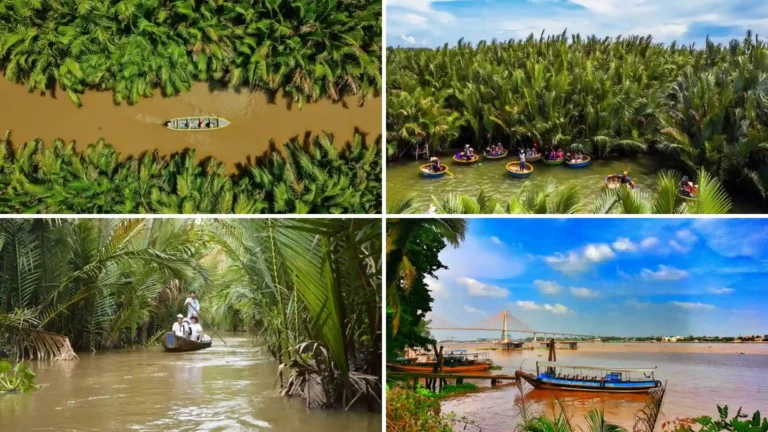

Ben Tre is one of the Mekong Delta’s best-known coconut-growing areas, with small waterways, coconut gardens, village roads and traditional local workshops.
It works well for travelers who want to experience a quieter, more rural side of southern Vietnam. You can visit Ben Tre on a day trip from Ho Chi Minh City or Can Tho, stay overnight in the countryside, or include it in a longer Mekong Delta trip.
Administrative note: Ben Tre was a separate province until Vietnam’s 2025 administrative reorganization. Since July 1, 2025, the former Ben Tre Province has been part of the current Vinh Long Province. There is also now an administrative unit called Ben Tre Ward, but it covers only part of the wider Ben Tre area. In this guide, Ben Tre refers to the wider travel destination across the former Ben Tre area, not only Ben Tre Ward.
Ben Tre at a Glance
| Planning point | What to know |
| Current province | Vinh Long Province |
| Area covered in this guide | The wider Ben Tre destination area |
| Known for | Coconut countryside, waterways, orchards, local crafts and village life |
| Good for | Boat trips, cycling, countryside stays, food and local culture |
| Recommended time | 1 day for the main river and countryside experience; 2 days or more for wider exploration |
| Common starting points | Ho Chi Minh City, Can Tho or central Ben Tre |
| Easy to combine with | My Tho, Can Tho and other Mekong Delta destinations |
| Floating market | Not a main Ben Tre experience; Can Tho is more suitable if this is your priority |
Why Visit Ben Tre?
Ben Tre is not a destination built around one major landmark. Its appeal comes from the combination of rivers, smaller canals, coconut-growing countryside and local communities.
A typical visit may include a motorboat ride along a larger river, a smaller rowing boat through narrow waterways, stops at local workshops, a countryside lunch and time walking or cycling along village roads.
This makes Ben Tre particularly suitable for travelers who enjoy slower travel and want to see how everyday life, agriculture and waterways connect in the Mekong Delta.
Ben Tre is also different from nearby My Tho and Can Tho.
My Tho is a convenient choice for travelers looking for an accessible Mekong Delta trip from Ho Chi Minh City and is closely associated with the Tien River and Thoi Son Island.
Can Tho is the stronger choice if Cai Rang Floating Market and an urban Mekong Delta base are priorities.
Ben Tre is more focused on coconut landscapes, smaller waterways, village roads and countryside experiences.
How Long Should You Spend in Ben Tre?
For most first-time visitors, one full day is enough to experience the main river-and-countryside side of Ben Tre.
A typical day can include:
-
a river journey;
-
smaller coconut-lined waterways;
-
one or two local workshops;
-
a local lunch;
-
cycling, walking or village transport.
If you have two days and one night, you can travel more slowly and explore beyond the main river route.
The second day can focus on a particular interest, such as fruit orchards around Cai Mon, history in Ba Tri, nature around Vam Ho or the coastal landscape of the former Thanh Phu area.
Staying longer than two days makes the most sense if Ben Tre itself is one of the main destinations of your Mekong Delta journey.
Things to Do in Ben Tre
Explore the Waterways and Coconut Countryside
For a first visit, this is the experience to prioritize.
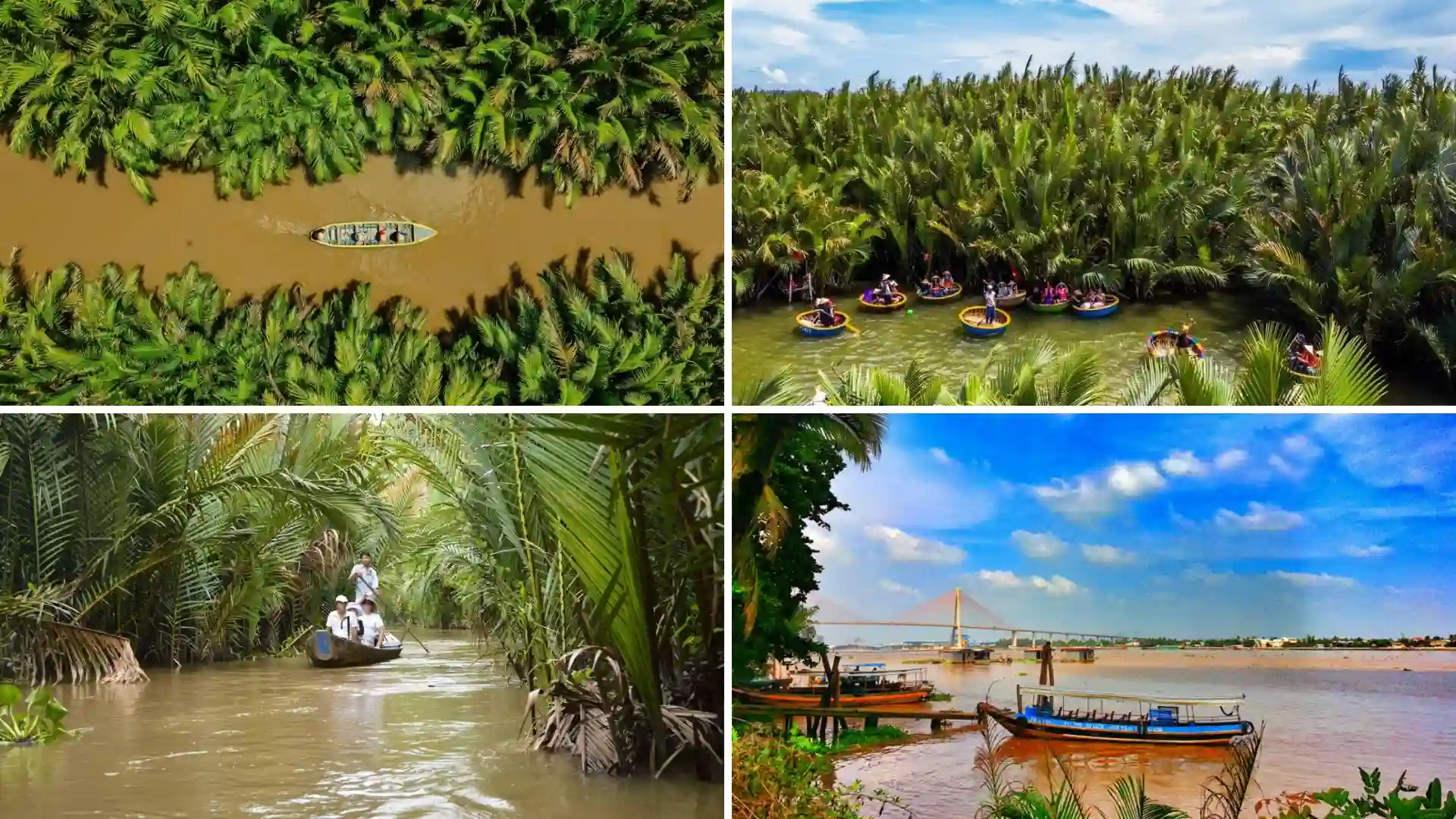
Ben Tre’s landscape is shaped by rivers, smaller canals and extensive coconut-growing areas. Many local routes combine larger waterways with narrow canals passing through villages and coconut gardens.
A motorboat and a hand-rowed sampan offer different experiences. Motorboats cover longer distances, while smaller boats can move through narrower waterways where vegetation grows closer to the riverbanks.
Cycling also works well in rural Ben Tre. Many village roads pass through coconut gardens, small settlements and agricultural areas rather than busy urban streets.
Travelers starting from Can Tho can experience this side of the destination on the Ben Tre Tour from Can Tho.
Visit Coconut and Local Craft Workshops
Coconut is closely connected with agriculture, food production and small-scale manufacturing across the Ben Tre area.
Depending on the route, visitors may see how coconut flesh, milk, shells, fiber and other parts of the fruit are used.
Coconut candy is one of the most familiar products, but the more interesting part of a workshop visit is understanding how local production fits into the surrounding agricultural landscape.
Other traditional crafts may also appear along rural routes, including mat weaving, rice-paper making and food processing.
Not every workshop is a formal tourist attraction with fixed opening hours, so some are easier to visit as part of a local route or guided trip.
Explore Central Ben Tre
Central Ben Tre works well as a practical base if you prefer easy access to restaurants, transport and accommodation.
The former Ben Tre city area is now divided among several current wards within Vinh Long Province, including Ben Tre, An Hoi, Phu Khuong, Son Dong and Phu Tan.
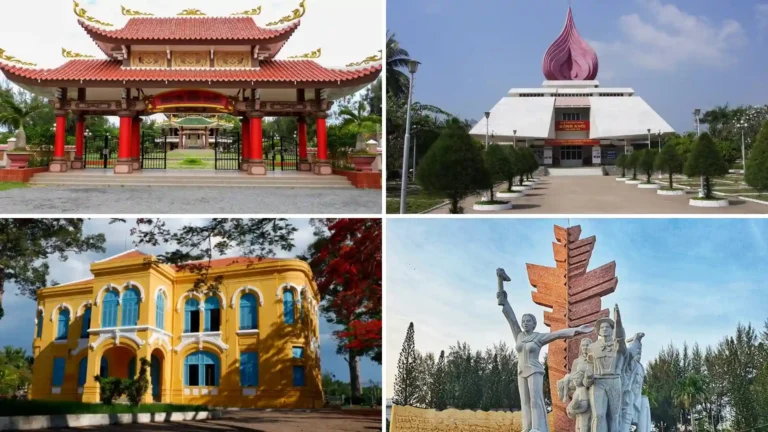
One cultural stop worth considering is the Vinh Long Museum – Ben Tre Branch, which travelers may still find on maps and older references as Ben Tre Museum.
The museum is in An Hoi Ward, Vinh Long Province and provides useful context on the history, culture and development of the Ben Tre area.
Travelers may notice similar naming differences elsewhere. A hotel, market or attraction can still use “Ben Tre” in its name even though its current administrative address ends with “Vinh Long Province.”
Visit Cai Mon and the Fruit-Growing Area
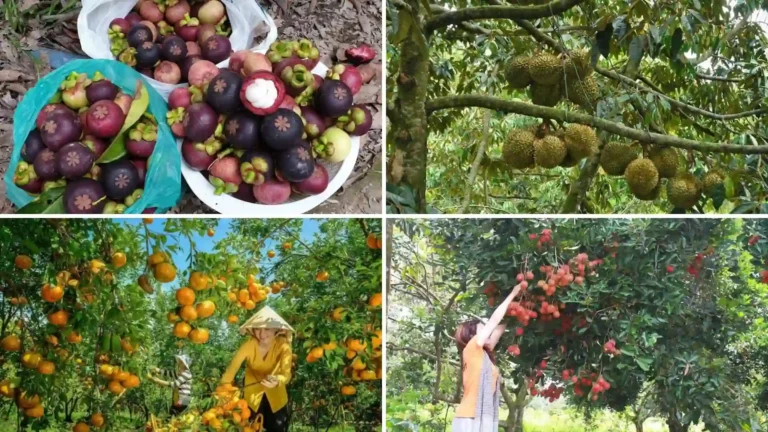
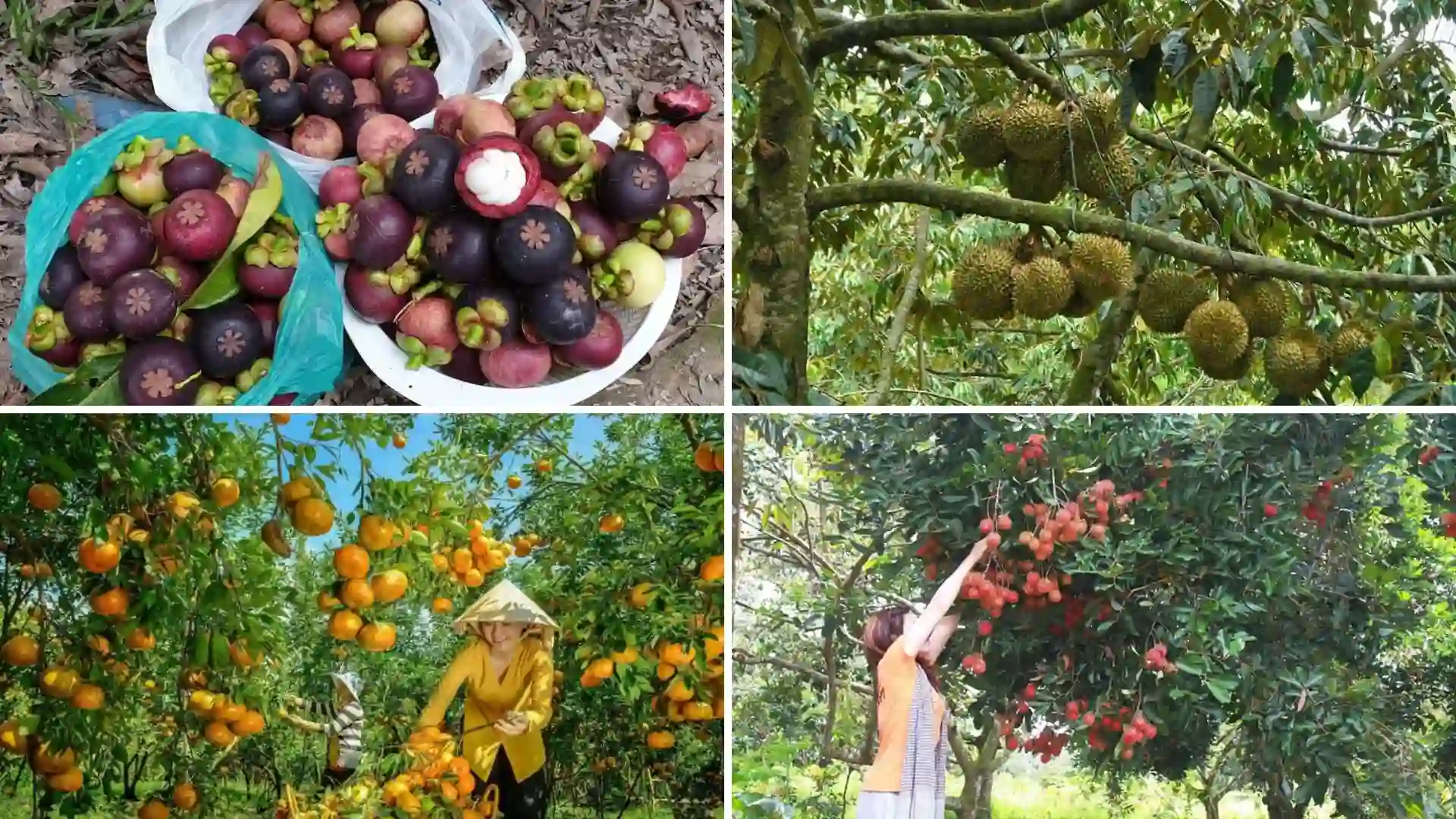
Cai Mon is one of the more interesting areas to visit if tropical fruit, orchards, seedlings and flower cultivation are part of your trip.
Today, the Cai Mon area is associated with Vinh Thanh Commune, Vinh Long Province, while the traditional Cho Lach name remains widely used to describe the surrounding fruit-growing region.
Fruit availability changes throughout the year. Durian, rambutan, mangosteen and other tropical fruits have different harvest periods, so travelers should not expect every orchard to offer the same experience in every season.
If visiting an orchard is a priority, check what is currently in season before you go.
Discover the History of Nguyen Dinh Chieu in Ba Tri
Travelers interested in Vietnamese literature and history can continue toward the Ba Tri area.
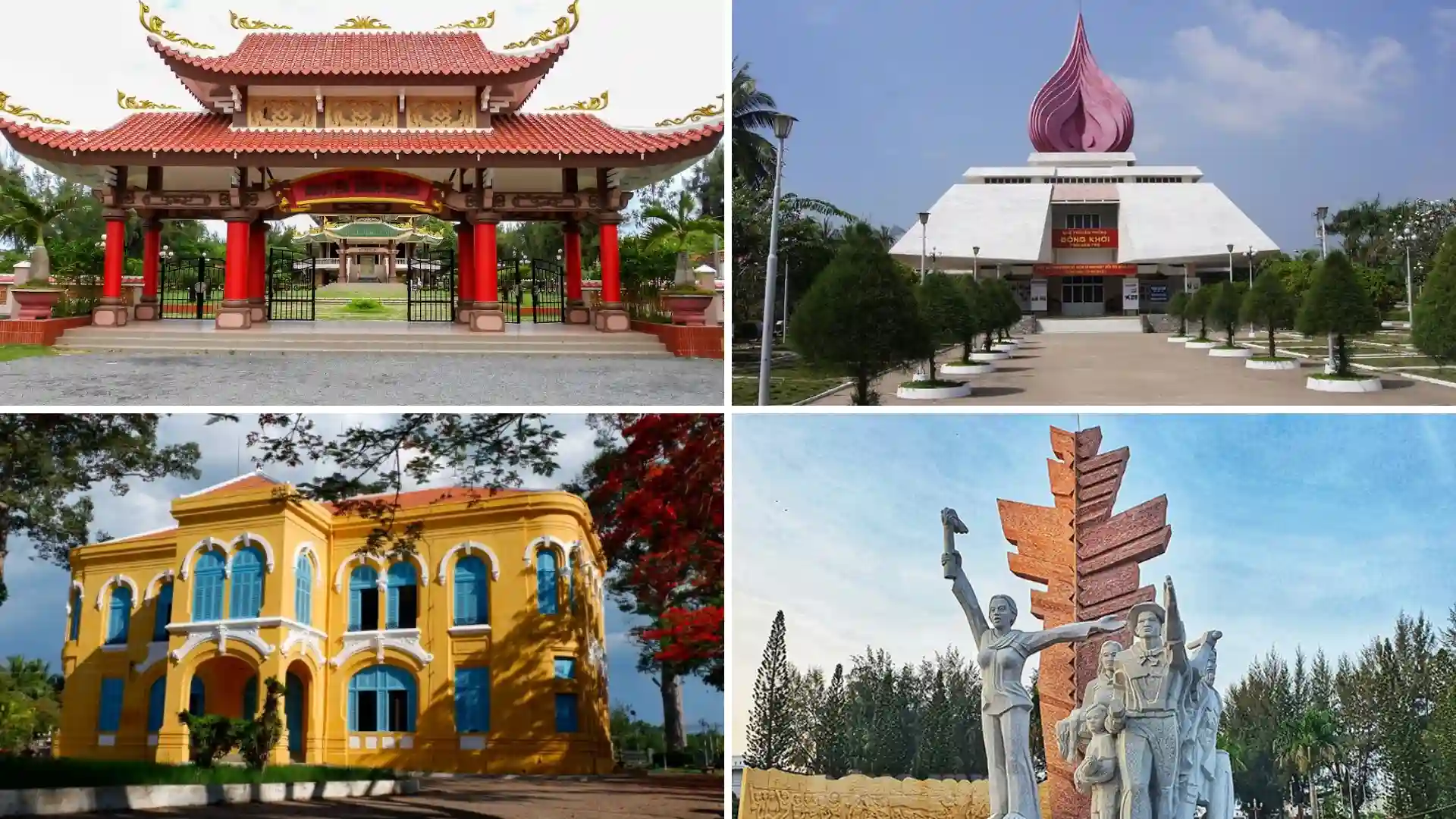
The Nguyen Dinh Chieu Tomb and Memorial Area is dedicated to the poet, teacher and historical figure Nguyen Dinh Chieu.
It is currently located in Ba Tri Commune, Vinh Long Province.
Ba Tri lies away from the standard central Ben Tre river route, so it is better suited to a longer visit than to a tightly scheduled one-day trip.
Visit the Dong Khoi Historical Site
Another option for travelers interested in Vietnamese history is the Dong Khoi Ben Tre Special National Historical Site.
The site is now located in Dong Khoi Commune, Vinh Long Province.
It is associated with the Dong Khoi movement and offers a different perspective on Ben Tre beyond the coconut and river landscapes that dominate most tourism itineraries.
This should be treated as a dedicated cultural or historical stop rather than another attraction to squeeze into a standard boat tour.
Go to Vam Ho for Nature and Birdlife
Vam Ho offers another side of Ben Tre for travelers interested in nature.
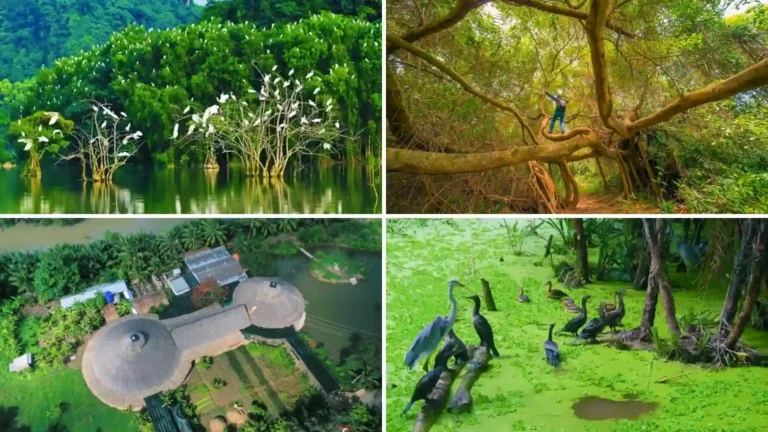
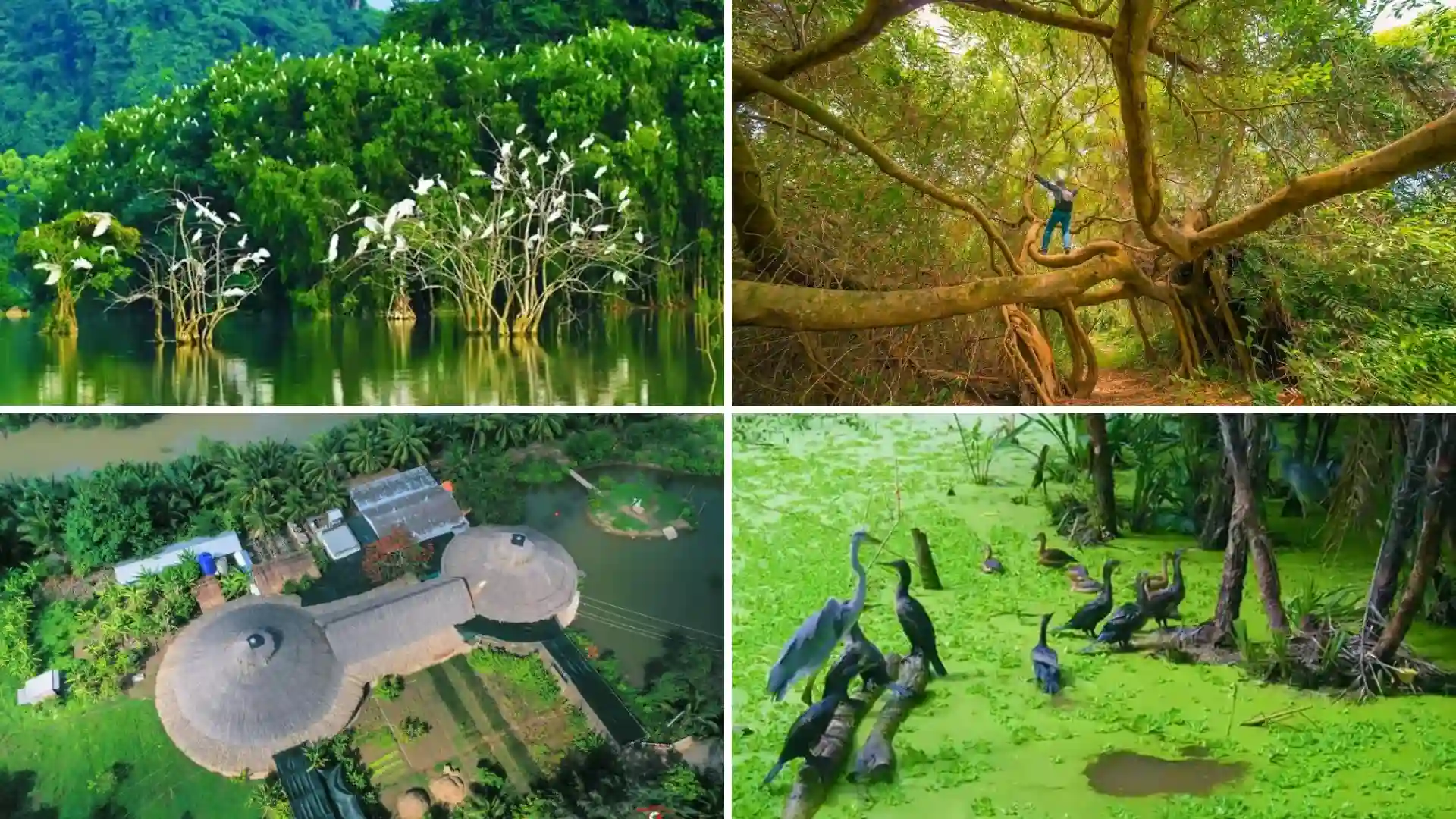
The area is known for riverside vegetation, wetlands and birdlife and is currently associated with My Chanh Hoa Commune, Vinh Long Province.
Because wildlife activity varies by time of day, season and natural conditions, visitors should avoid planning a trip around guarantees of seeing particular species.
Vam Ho is better suited to travelers with extra time than to a short first visit to Ben Tre.
Explore the Coastal Side of Ben Tre
The Ben Tre area also extends toward the coast.
The former Thanh Phu area offers a landscape that differs noticeably from the coconut waterways closer to central Ben Tre.
Con Bung, now in Thanh Hai Commune, Vinh Long Province, is one of the better-known coastal destinations in this part of Ben Tre.
The surrounding area also has links to the historic Ho Chi Minh Sea Trail.
For most first-time visitors, the coast should be considered an additional route rather than a replacement for Ben Tre’s classic river-and-countryside experience.
Suggested Ben Tre Itineraries
One Day in Ben Tre
For a one-day visit, concentrate on one river-and-countryside route.
Start with a boat journey along the larger waterways before moving into smaller canals. Visit one or two local workshops and spend some time learning about coconut processing or another traditional activity.
After lunch, continue by bicycle, on foot or by local transport through the countryside before returning to your accommodation or departure point.
Trying to include Cai Mon, Ba Tri, Vam Ho and the coast in the same day would involve too much road travel and leave very little time to experience each place properly.
Two Days and One Night in Ben Tre
On the first day, focus on waterways, coconut countryside, workshops and village routes.
Stay overnight either in central Ben Tre for convenience or in a countryside property if you prefer a quieter environment.
On the second day, choose one direction based on your interests:
-
Cai Mon for orchards, fruit and horticulture;
-
Ba Tri for history and culture;
-
Vam Ho for nature;
-
the coastal area for a different landscape.
If Ben Tre is part of a wider Mekong Delta trip rather than your only destination, a route such as the Mekong Delta 2 Day Tour can combine Ben Tre with Can Tho and other regional experiences.
When to Visit Ben Tre
Ben Tre can be visited throughout the year, but weather and agricultural seasons can change the experience.
The generally drier months are more convenient if you want to cycle, walk through villages or spend a large part of the day outdoors.
During wetter months, the landscape remains green but short periods of heavy rain are more likely. Boat trips can still operate, although plans should remain flexible when weather conditions change.
Fruit seasons are also important if you want to visit orchards around Cai Mon. Different fruits become available at different times, so this experience varies more than a typical sightseeing attraction.
For a broader explanation of weather, water levels, fruit seasons and trip planning across the region, read When to Visit the Mekong Delta.
How to Get to Ben Tre
Ben Tre is easily reached by road from Ho Chi Minh City, Can Tho and My Tho. For route planning, you can use Ben Tre Market – East Gate, An Hoi Ward, Vinh Long Province as a central reference point on Google Maps.
-
From Tan Son Nhat International Airport: about 85-95 km, usually around 2-2.5 hours by car.
-
From Landmark 81 / central Ho Chi Minh City: usually around 2-2.5 hours by car, depending on traffic.
-
From Ninh Kieu Wharf, Can Tho: about 120-130 km, usually around 2.5-3 hours by car.
-
From My Tho: about 15-20 km, usually around 30-40 minutes by car via Rach Mieu Bridge.
If travelling by intercity bus from Ho Chi Minh City, a common route is Mien Tay Bus Station → Ben Tre Bus Station. From the bus station, continue by taxi or local transfer to your accommodation.
Once you have booked a hotel or homestay, use its exact address instead of the central Ben Tre reference point.
Travelers starting in Can Tho can also consider the Ben Tre Tour from Can Tho, while those combining Ben Tre with nearby My Tho can check the My Tho Travel Guide.
Getting Around Ben Tre
For longer distances, taxis, private cars and motorbikes are the most practical options.
Bicycles work particularly well inside rural areas where distances are shorter and the purpose of the trip is to experience village roads rather than move quickly between attractions.
Boats are an important part of many Ben Tre experiences, but they do not replace road transport. Different waterways also require different boat types and routes.
If you are travelling independently, save the exact current map location of your hotel and planned stops.
Old district or province names still appear on some websites and older travel content, while Google Maps and current businesses may already show the new administrative address.
Where to Stay in Ben Tre
The best area to stay depends on the type of trip you want.
Central Ben Tre is the most convenient choice if you prefer restaurants, transport services and easier connections to other parts of the destination.
A countryside homestay or resort is more suitable if you want quiet surroundings, cycling, gardens and waterways to be part of the stay itself.
The Cai Mon and wider fruit-growing area can make sense for travelers particularly interested in orchards and horticulture, although it is less convenient if most of your activities are near central Ben Tre.
Hotel prices change frequently, so it is better to compare current rates for your travel dates rather than rely on fixed price ranges in a travel guide.
What to Eat in Ben Tre
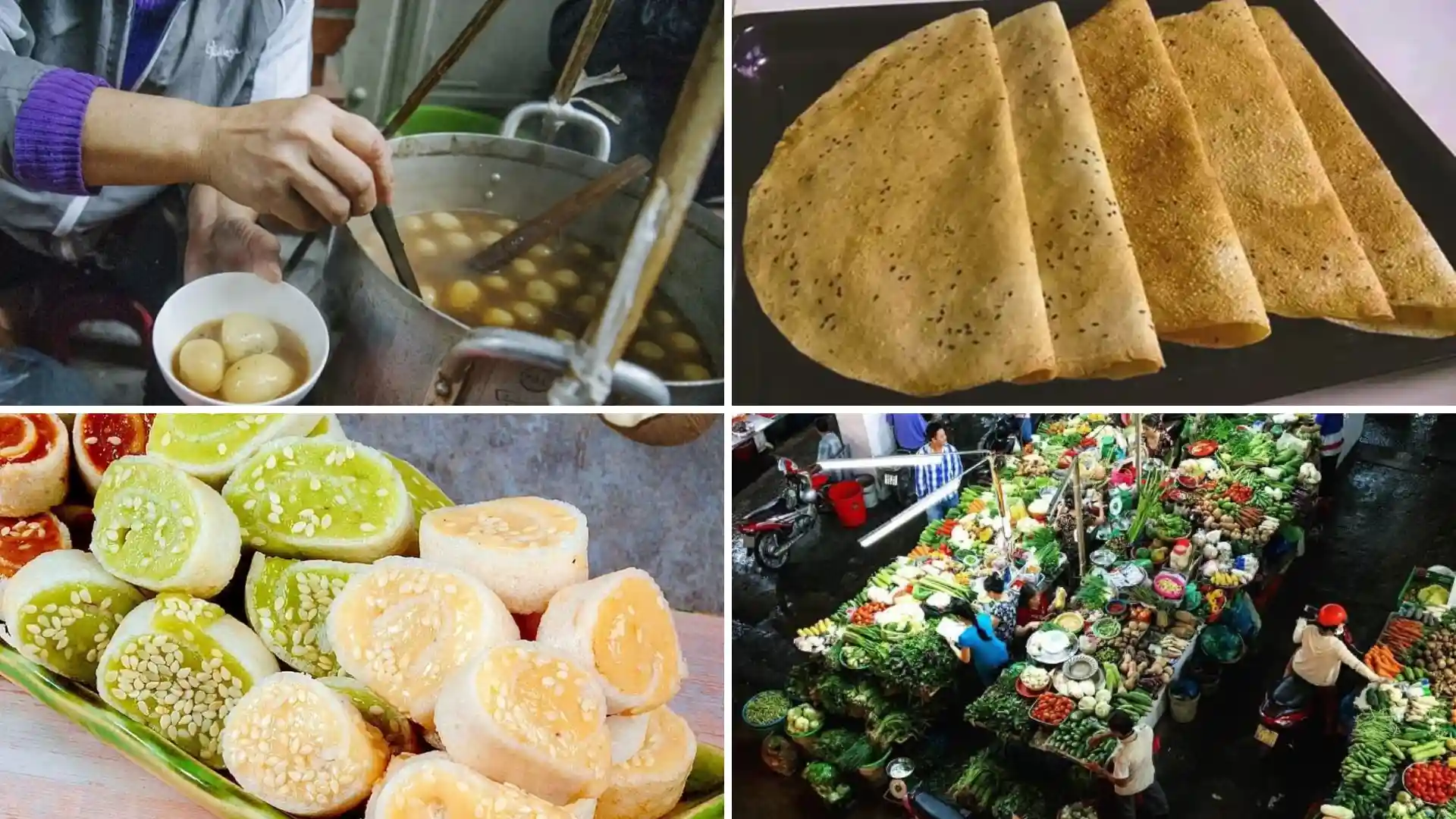
Coconut appears in many forms in Ben Tre, from drinks and sweets to ingredients used in both savory and sweet dishes.
Coconut candy is probably the most familiar local product and is easy to find along tourism routes.
My Long rice paper and Son Doc puffed rice crackers are two other traditional products associated with the Ben Tre area.
Seasonal tropical fruit is also worth trying, particularly if you travel through the Cai Mon fruit-growing region.
You may also encounter dishes using coconut water, coconut milk or young coconut stem as ingredients.
One product that should not be treated as a signature Ben Tre specialty is macapuno coconut, or dừa sáp. It is more strongly associated with the former Tra Vinh area, particularly Cau Ke.
Practical Tips for International Travelers
Cash is still useful for small workshops, markets, local food stops and rural businesses. Larger hotels and established tourism businesses are more likely to accept cards, but this should not be assumed everywhere.
Wear light, comfortable clothing and shoes that make it easy to get on and off boats. Sun protection is useful throughout the year, while a lightweight rain layer is helpful during wetter months.
English support varies. Established hotels and tour operators are more likely to have English-speaking staff than small rural businesses.
If you travel independently, check the current map location of each attraction before leaving. Administrative addresses changed significantly in 2025, so older articles may still show former districts or Ben Tre Province.
Most importantly, do not plan Ben Tre as a checklist.
Central Ben Tre, Cai Mon, Ba Tri, Vam Ho and the coastal area can involve substantial travel between them. Choosing one main area or travel theme each day usually results in a better experience.
Where to Go After Ben Tre
Ben Tre fits naturally into a longer Mekong Delta route.
Continue to Can Tho if you want an overnight city base and Cai Rang Floating Market.
Choose My Tho if you want to explore the Tien River and Thoi Son Island.
The traditional Vinh Long area offers river islands, orchards and the Mang Thit pottery landscape. You can plan that part of your journey separately with the Vinh Long Travel Guide.
Although Ben Tre, Tra Vinh and the traditional Vinh Long area are now within the same administrative province, they remain distinct travel destinations with different landscapes, cultural identities and reasons to visit.
Frequently Asked Questions About Ben Tre
Is Ben Tre still a province?
No. The former Ben Tre Province became part of the current Vinh Long Province on July 1, 2025. Ben Tre is still widely used as the name of a travel destination, while Ben Tre Ward is only one current administrative unit within the wider area.
Is Ben Tre worth visiting for one day?
Yes. One full day is enough to experience a focused river-and-countryside route with waterways, coconut-related workshops, local food and a village or cycling experience.
Should I stay overnight in Ben Tre?
An overnight stay is useful if you prefer slower travel or want to explore beyond the main river route. It also makes places such as Cai Mon, Ba Tri, Vam Ho or the coastal area easier to include.
Is Ben Tre the same as My Tho?
No. They are separate destinations. They are often combined in Mekong Delta tours because they are relatively close, which can make the distinction confusing for first-time visitors.
Does Ben Tre have a floating market?
A floating market is not one of the main reasons to visit Ben Tre. If an active early-morning floating market is a priority, Can Tho and Cai Rang Floating Market are more suitable.
What is Ben Tre known for?
Ben Tre is particularly associated with coconut-growing landscapes, rivers and smaller canals, local workshops, village roads and rural life. Other parts of the wider destination also offer orchards, historical sites, nature and coastal scenery.
Can I visit Ben Tre from Can Tho?
Yes. Ben Tre can be reached by road from Can Tho. A day trip works best when you focus on the main river-and-countryside experience rather than trying to cover several distant areas.
