
 Can Tho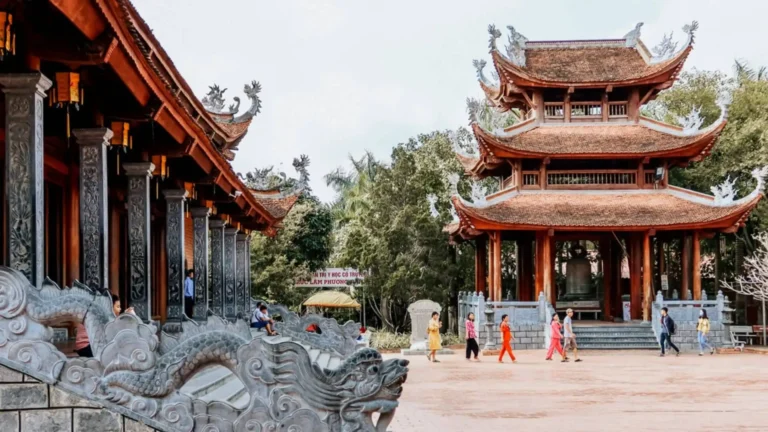
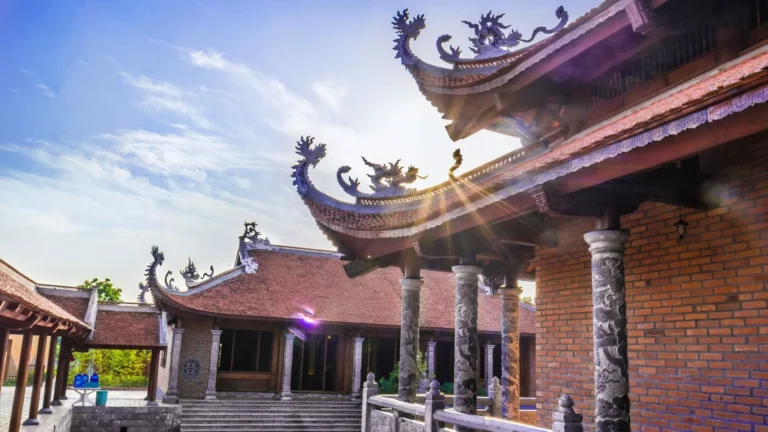

Truc Lam Phuong Nam Zen Monastery stands as a majestic symbol of serenity and ancestral architectural elegance in the “green lung” of Phong Dien, Can Tho. As the largest Zen monastery in the Mekong Delta, it serves as a sacred repository for the Truc Lam Yen Tử Zen lineage, founded by the King-Monk Tran Nhan Tong. This comprehensive guide explores the monastery’s ironwood grandeur, the intricate artistry of its Arhat statues, and the “mindful stillness” unique to Vietnamese Zen philosophy.
Lastest update by Mr Jimmy at Mekong Smile | Official Can Tho Travel Guide
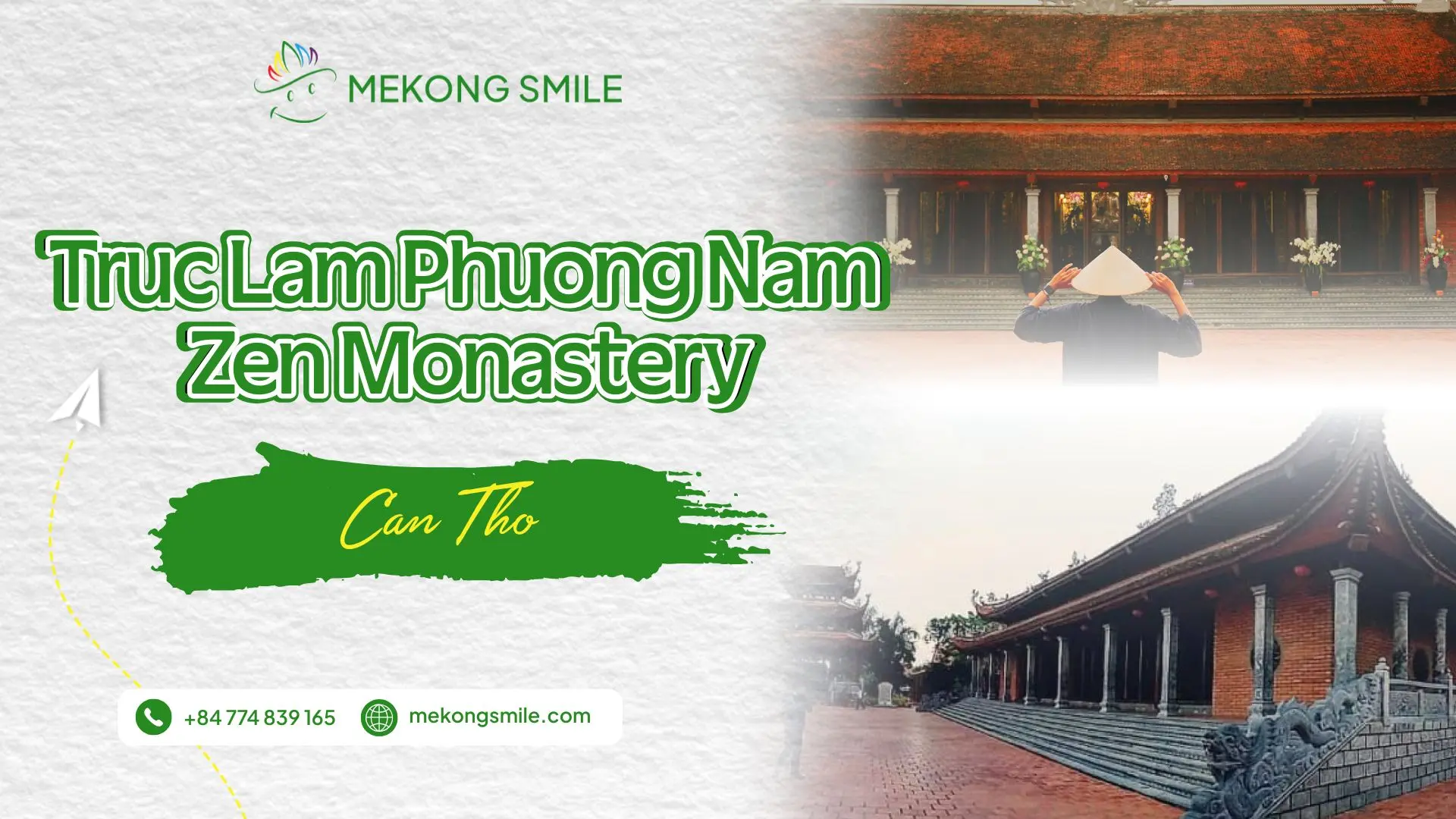
Overview of Truc Lam Phuong Nam Zen Monastery
A glance at Truc Lam Phuong Nam Zen Monastery
- Location: Nhon Loc 1 Hamlet, My Khanh Commune, Phong Dien District, Can Tho City.
- Site Type: Buddhist Architectural Complex and Zen Meditation Center.
- Significance: The largest Zen monastery in the Mekong Delta, honoring the Ly-Tran dynasty’s cultural values.
- Atmosphere: Expansive and peaceful, covering 4 hectares of lotus ponds, ironwood structures, and lush gardens.
- Key Highlights: Eight-roofed Main Hall, bronze Shakyamuni Buddha statue, and a corridor of 18 blue-stone Arhat statues.
- Average Visit Duration: 1 – 1.5 hours (best enjoyed at sunrise or sunset).
Understanding Truc Lam Phuong Nam Zen Monastery: A Legacy of Stillness
The story of Truc Lam Phuong Nam Zen Monastery is rooted in the desire to bring the purely Vietnamese Zen tradition to the prosperous Southern land. Inaugurated in 2014, this sanctuary is a “vibrant living heritage” that connects the heroic past of the Ly-Tran dynasties with the present.
The architecture avoids mass-market concrete, prioritizing precious ironwood (gỗ lim) and traditional tiles, reflecting a “resilient spirit” in preserving national identity. It is the ideal place for travelers to decode the “Cu Tran Lac Dao” philosophy—finding joy and peace within the rhythms of daily life.
Video about Truc Lam Phuong Nam Zen Monastery
To feel the resonance of the temple bell and the ethereal beauty of the lotus ponds, watch a short cinematic tour:
What Makes Truc Lam Phuong Nam Special?
Truc Lam Phuong Nam Zen Monastery is the soul of spiritual tourism in Can Tho. It is not just a temple; it is a structural masterpiece replicating the aesthetic values of the 11th to 14th centuries.
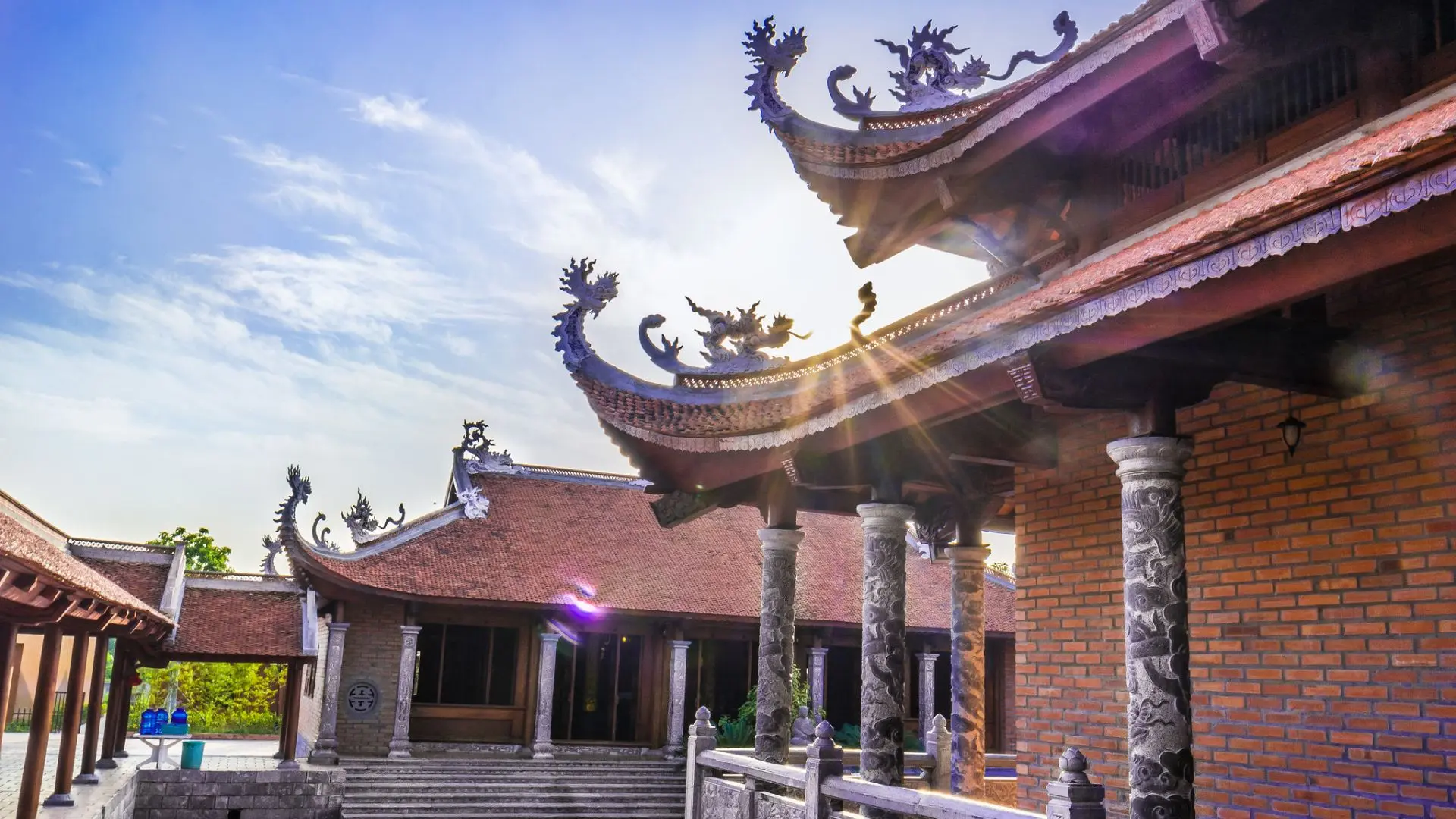
Today, it stands as a symbol of cultural harmony. Visitors can observe the meticulous arrangement of the shrines following the traditional “Noi Cong Ngoai Quoc” (internal work, external enclosure) layout. The use of ethically sourced ironwood and hand-carved details highlights the deep connection between human craftsmanship and the spiritual spirit of the Southern land.
“With Mekong Smile experts, you will discover that the curved roof corners and Bat Trang floor tiles here are more than just decoration. We decode for you the difference between standard Mekong temples and the Truc Lam Yen Tu style.” – Mr Jimmy, Expert Guide at Mekong Smile
Planning Your Visit to Truc Lam Phuong Nam Zen Monastery
Location & Address
Truc Lam Phuong Nam Zen Monastery is situated in a serene suburban area, approximately 15 km from Can Tho city center.
- Address: TL 923, My Khanh Commune, Phong Dien District, Can Tho City.
- Landmark: It is located very close to the famous My Khanh Tourist Village. If you are looking at a map, it lies roughly halfway between the city center and the Phong Dien Floating Market.
How to Get There
- By Motorbike/Car: Travel via the extended Nguyen Van Cu Street toward Phong Dien. The road is wide, scenic, and shaded by trees.
- By Boat: For a truly “transformative” arrival, take a boat from the Cai Rang Floating Market through the small canals of Phong Dien to reach the pier near the monastery.
- The Mekong Smile Way: We can integrate the monastery into our Can Tho Rural Tour. We select the quietest hours to ensure you experience the full “mindful stillness” of the Zen garden without the crowds.
Best Time to Visit
- Operating Hours: 07:00 AM – 06:00 PM (Daily).
- The Golden Hour: 07:30 – 09:00 AM when the morning sun pierces through the leaves and a thin mist still lingers over the lotus ponds.
- Festive Seasons: The Full Moon of the first lunar month and major Buddhist holidays are when the monastery is most vibrant and solemn with traditional rituals.
Product & Service Pricing
| Item / Service | Estimated Price (VND) | Estimated Price (USD) |
|---|---|---|
| Entrance Fee | Free (Donations Welcome) | Free |
| Parking Fee (Motorbike/Car) | 5,000 - 20,000 VND | $0.20 - $0.80 |
| Sutras & Souvenirs | 20,000 - 150,000 VND | $0.80 - $6.00 |
Note: The monastery does not charge an entrance fee so that everyone can access peace. Mekong Smile encourages visitors to maintain general hygiene and respect temple regulations.
The Experience at Truc Lam Phuong Nam Zen Monastery
The Ironwood Main Hall
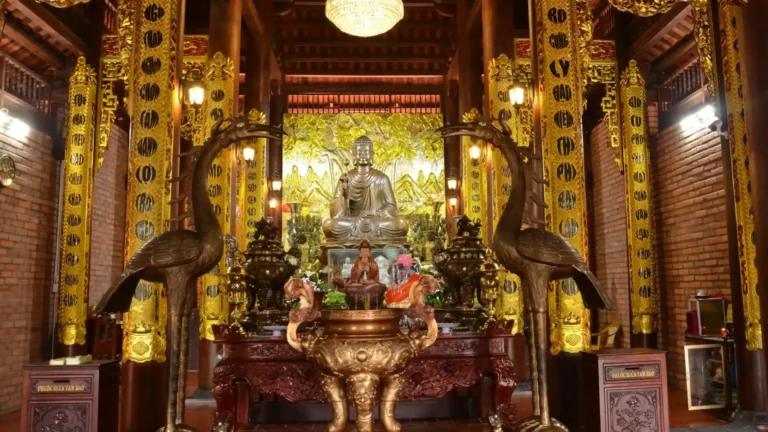
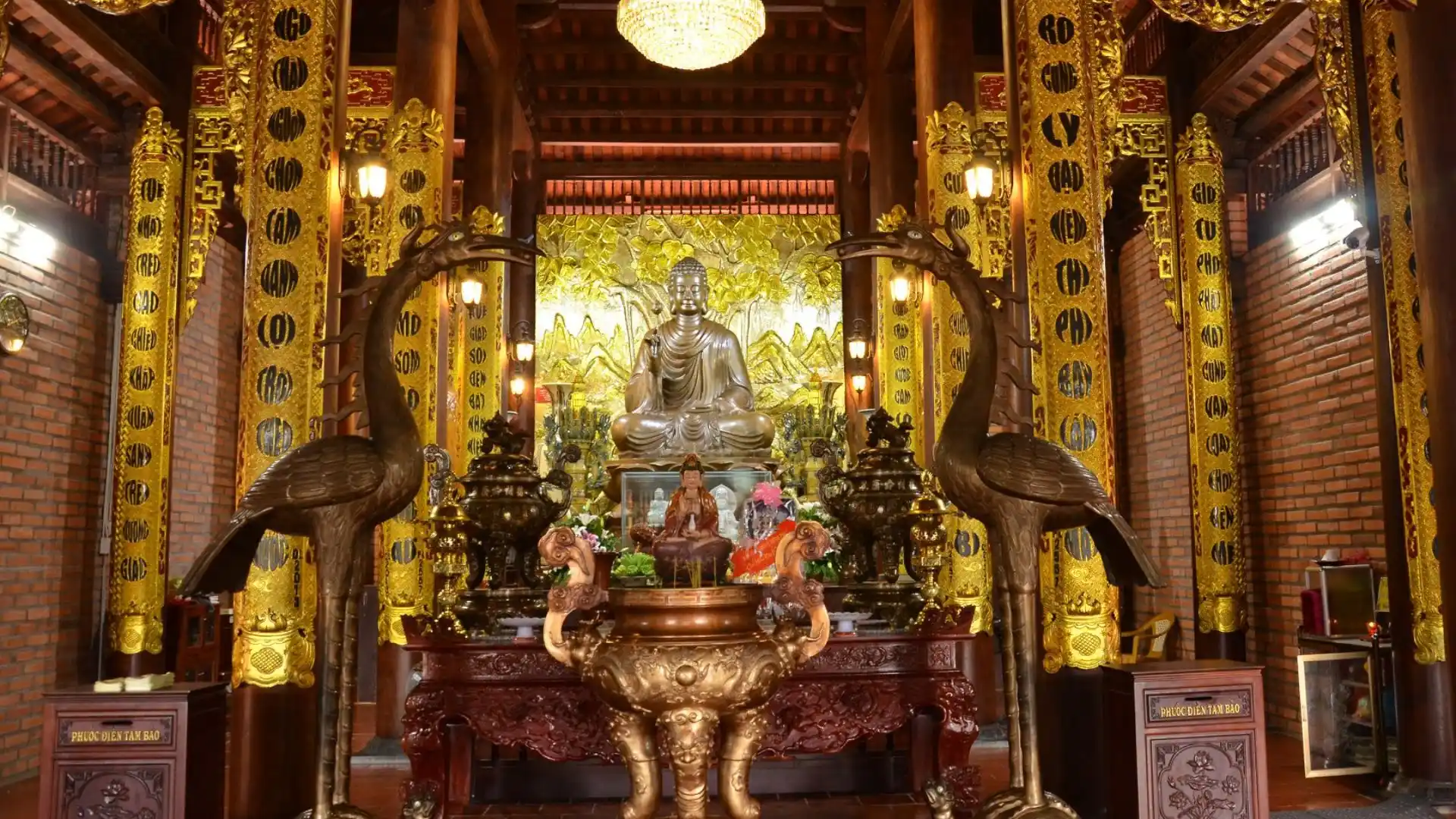
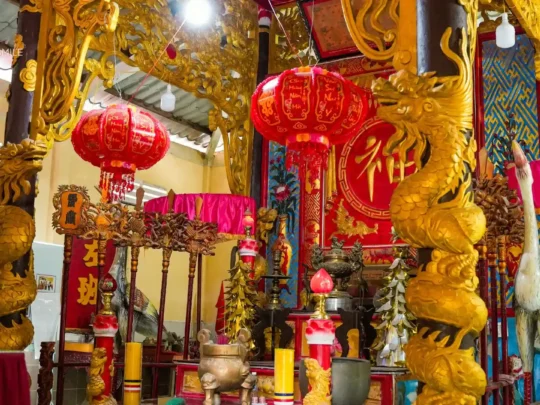
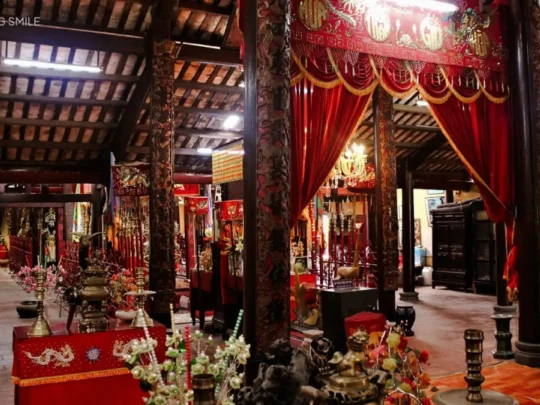
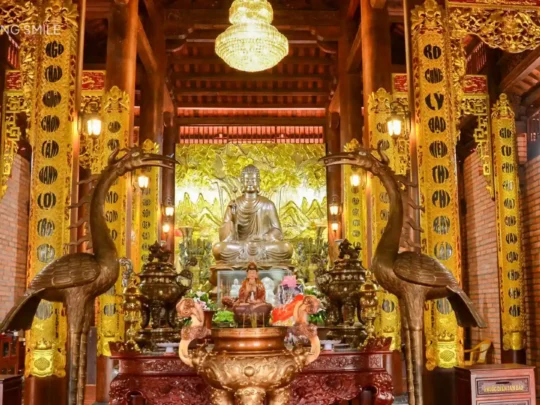
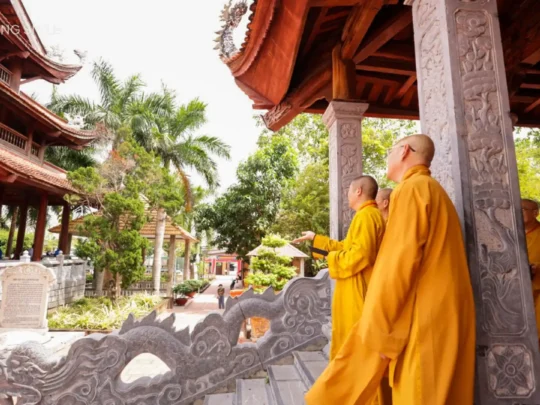
Experience the awe of the Dai Hung Tuyen Phat Dien (Main Hall). The entire frame and columns are made of rare ironwood, offering a faint scent of incense and a sense of immense stability. This is where you feel the “rhythmic life of heritage” through every carved line.
The Corridor of 18 Arhats
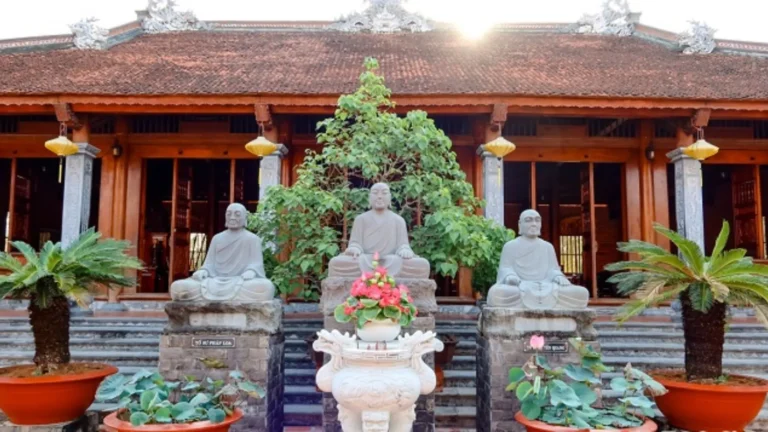
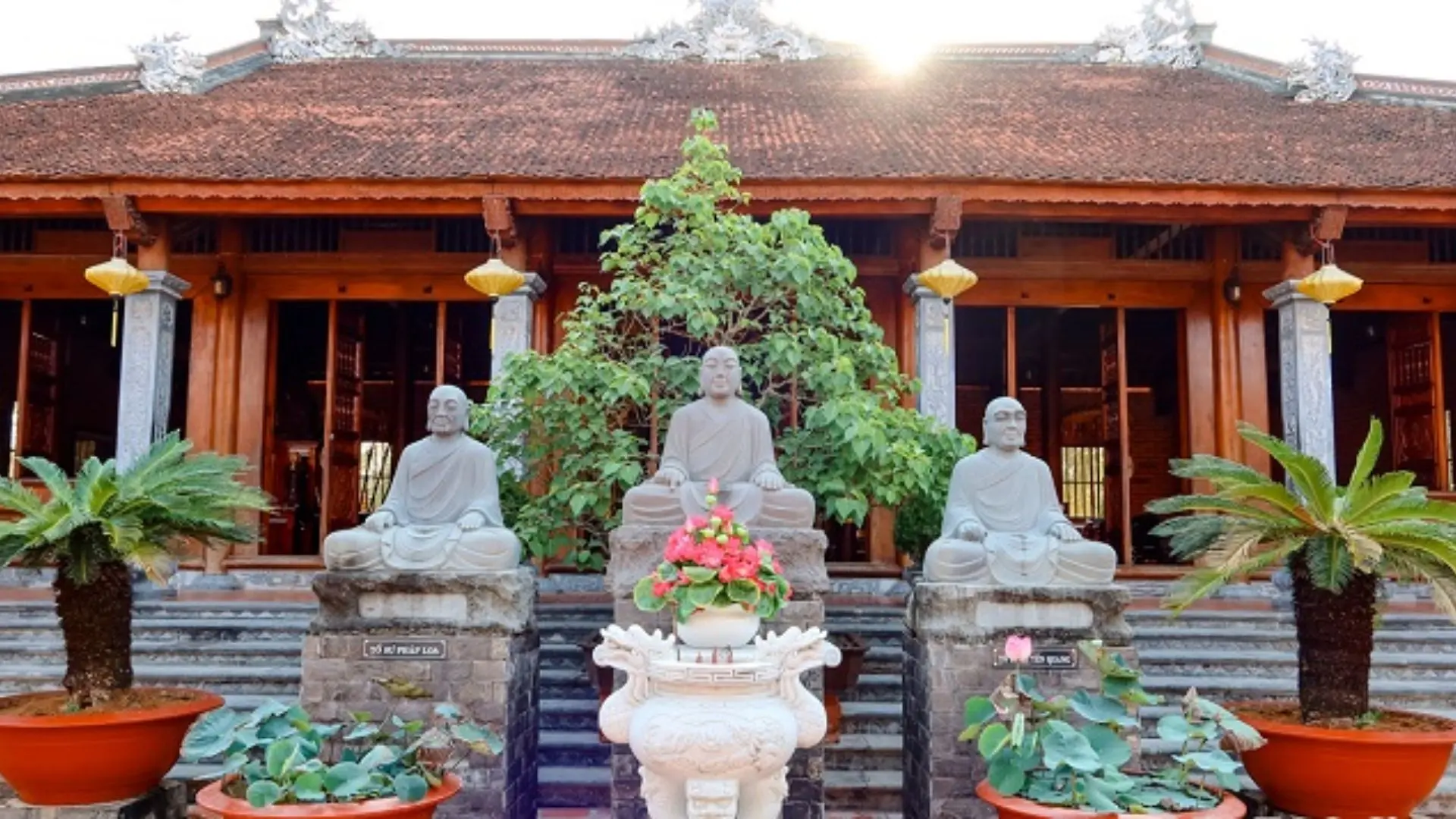
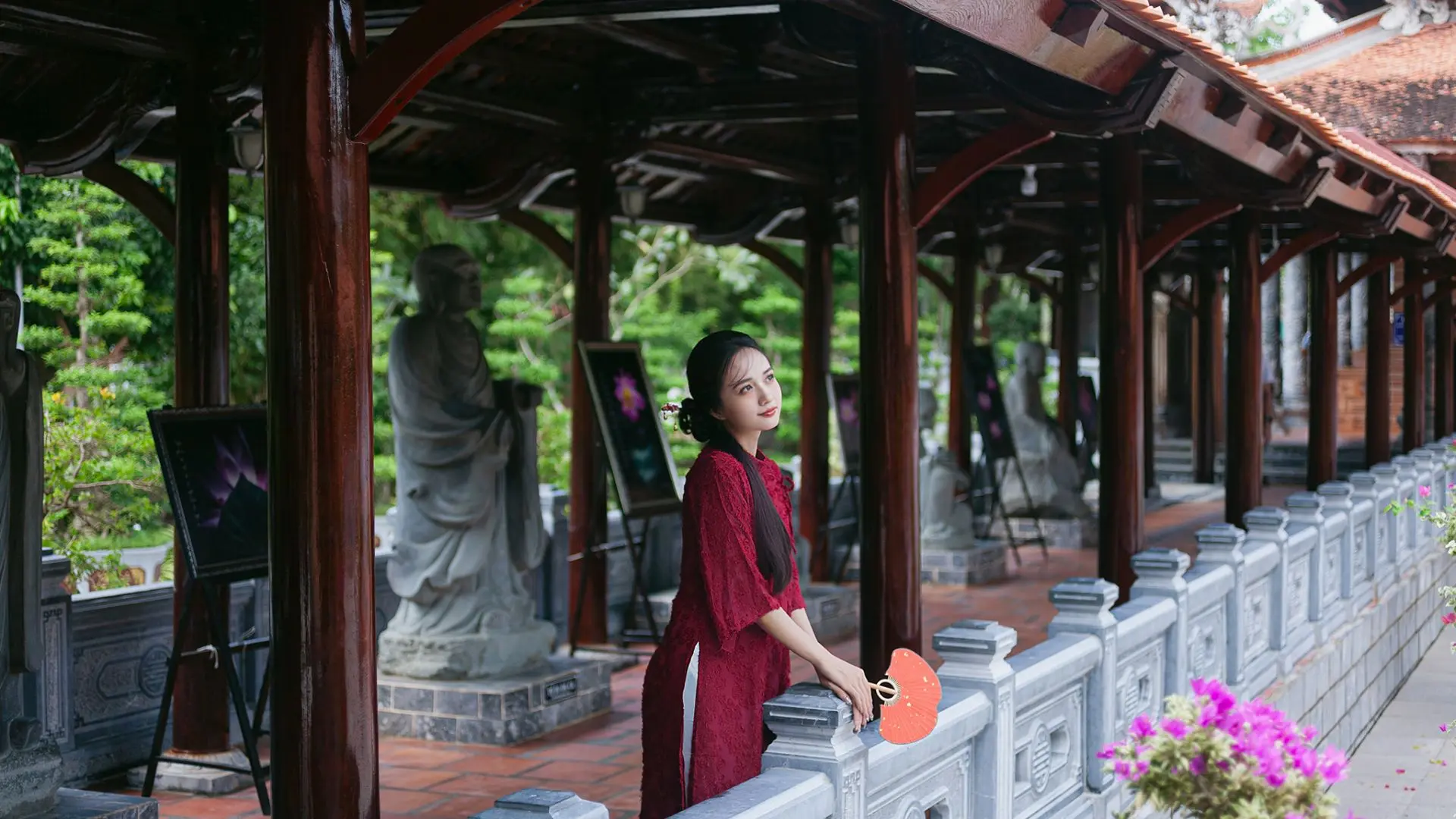
Walk along the flanks of the main hall to admire 18 blue-stone Arhat statues, each with a unique, vivid expression. Each Arhat represents a state of mind, helping visitors reflect on their own journey toward “mindful stillness.”
The Bell and Drum Towers
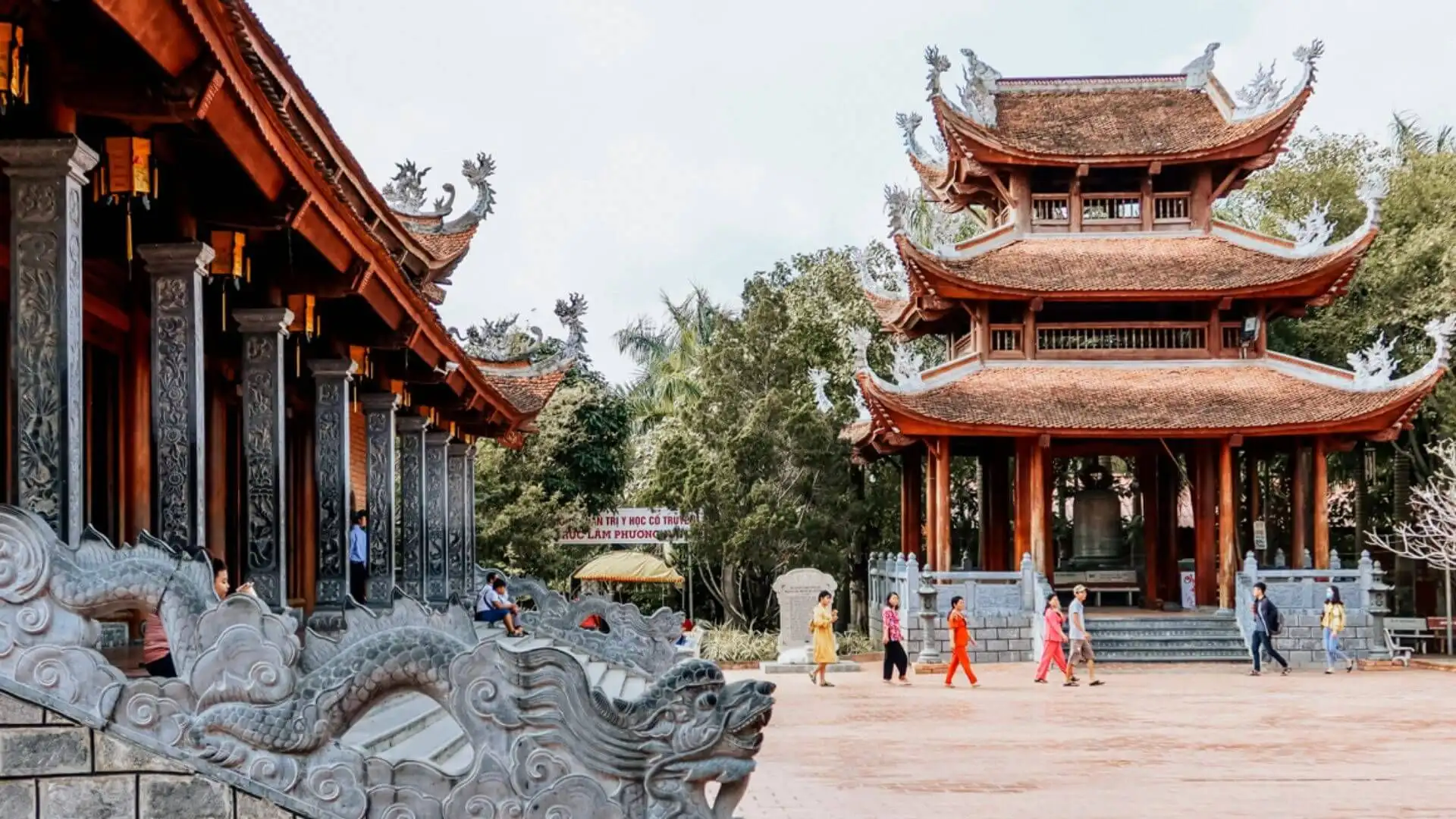
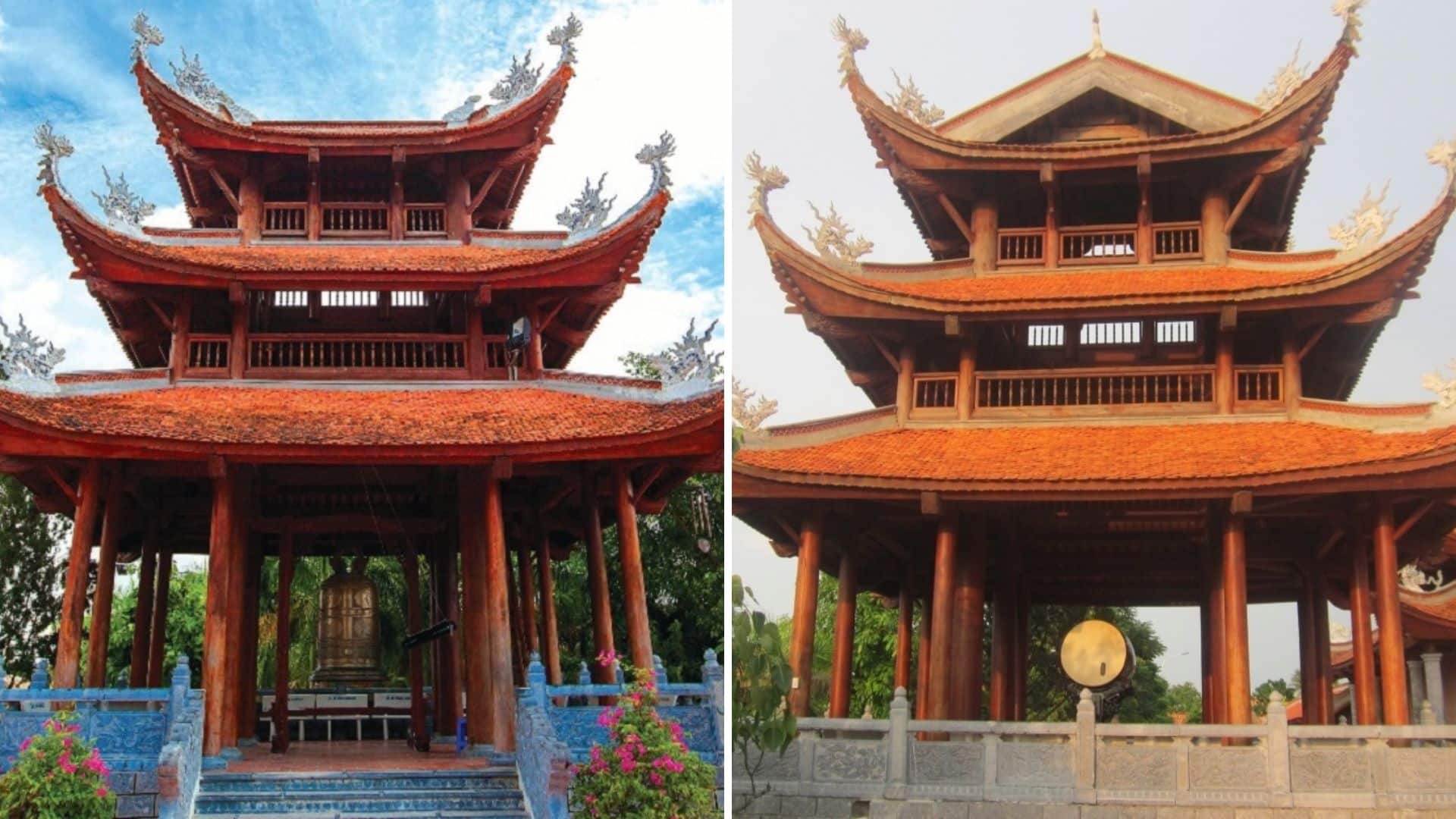
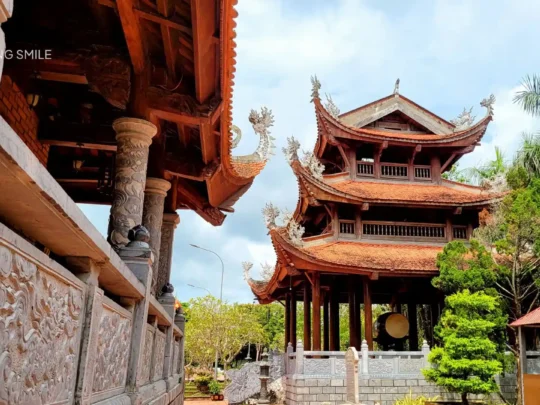
Inspired by the Bell Tower of Keo Pagoda (Thai Binh), these structures are architectural highlights. The sound of the great bronze bell echoing in the early morning and late afternoon creates a “stork symphony” of spiritual resonance in the heart of the countryside.
Zen Walking in the Gardens
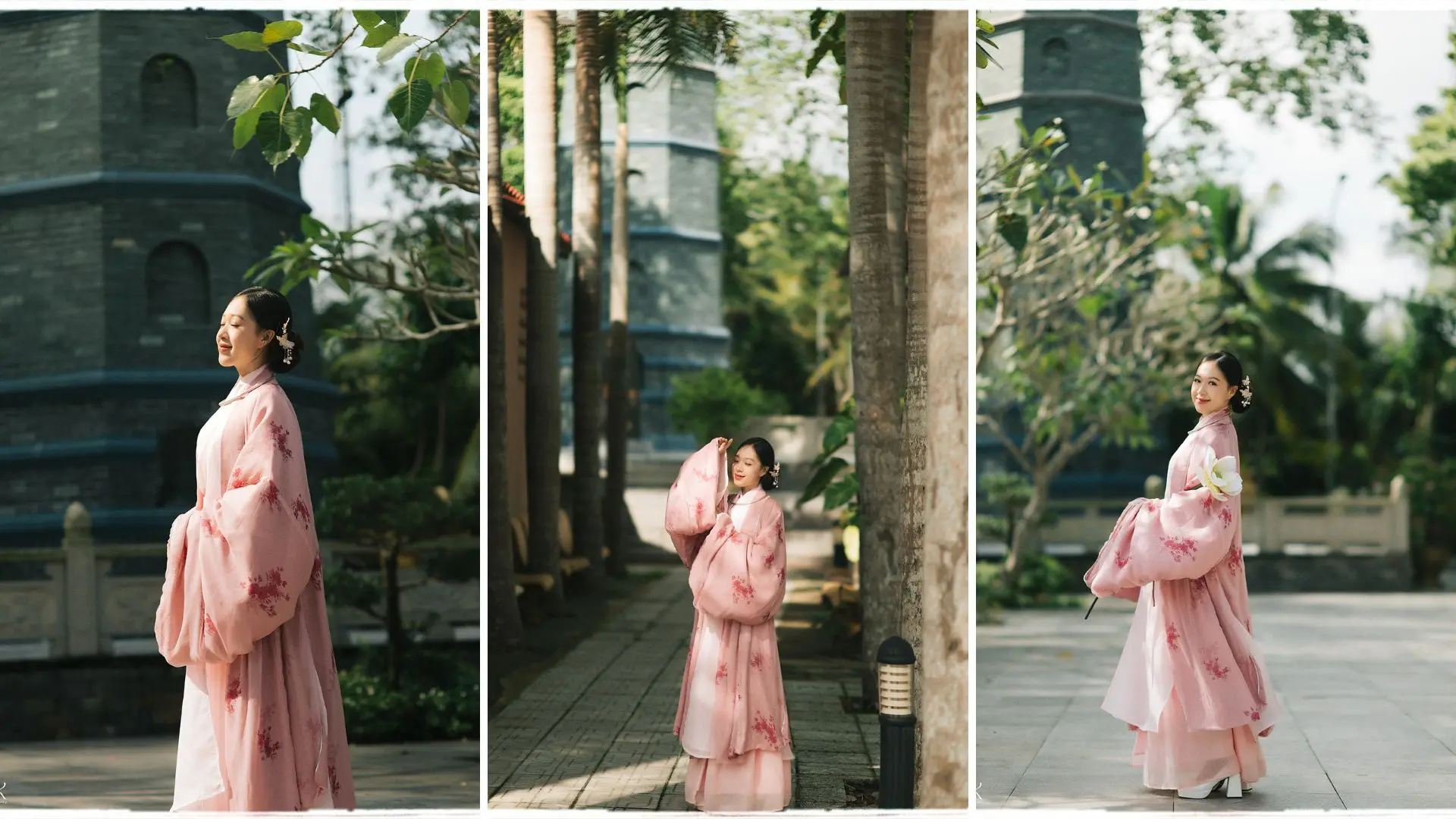
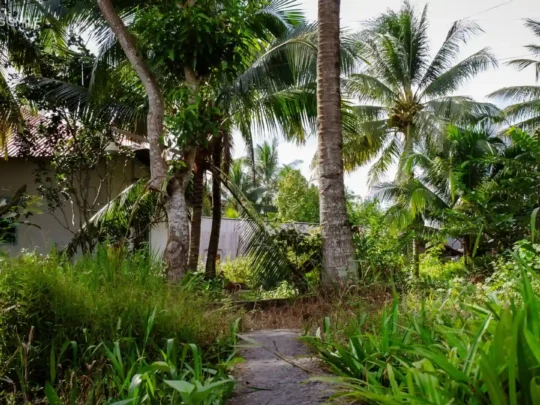
Wander through stone-paved paths, under Bodhi trees, and around the lotus ponds. This is a perfect space for those wishing to practice “Mindful Stillness,” inhaling the scent of lotus flowers and listening to the rustle of the wind.
The One-Pillar Pagoda & Quan Am Shrine
Discover the miniature version of the One-Pillar Pagoda rising from a pond, offering a sense of ethereal elegance. Don’t miss the Quan Am Shrine to witness the statue of Avalokiteshvara made of gold-leafed jackfruit wood—a masterpiece by Northern Vietnamese artisans.
Combining Truc Lam Phuong Nam Zen Monastery with Nearby Attractions
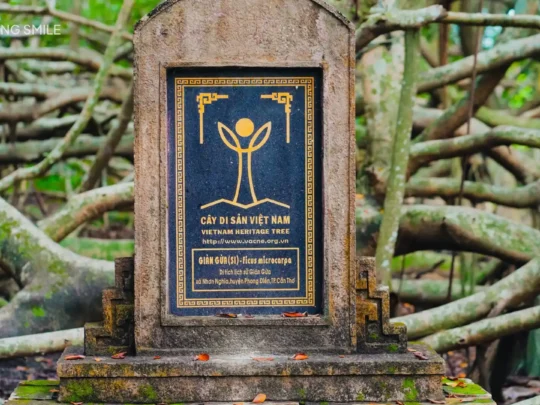
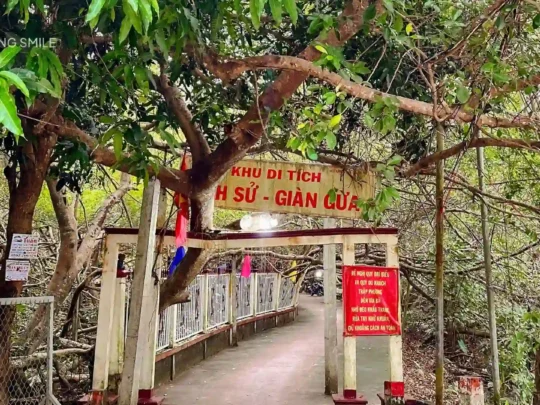
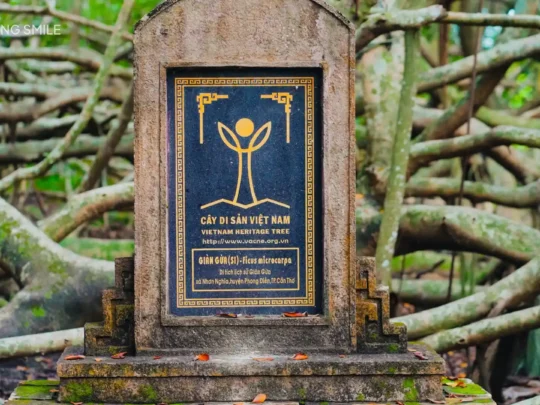
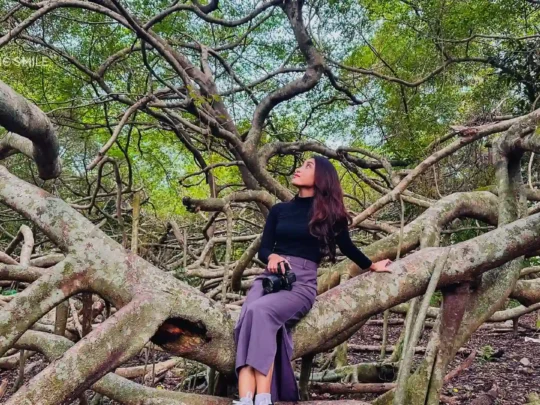
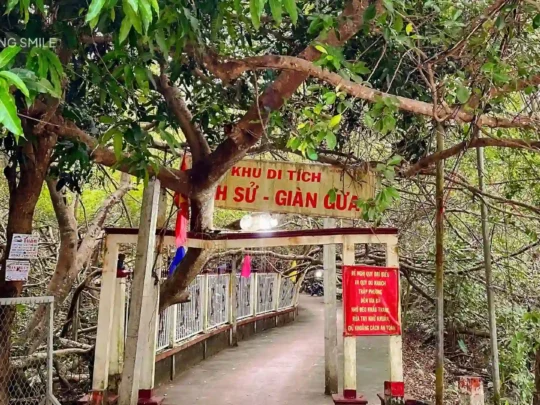
After your visit Truc Lam Phuong Nam Zen Monastery, a short walk takes you to My Khanh Tourist Village to experience Southern folk culture, or a quick drive leads to the Muoi Cuong Cacao Garden for an artisan bean-to-bar experience. Nature lovers should not miss the mysterious Gian Gua Relic, or the tranquil Lu Gia Xeo Nhum Ecological Garden.
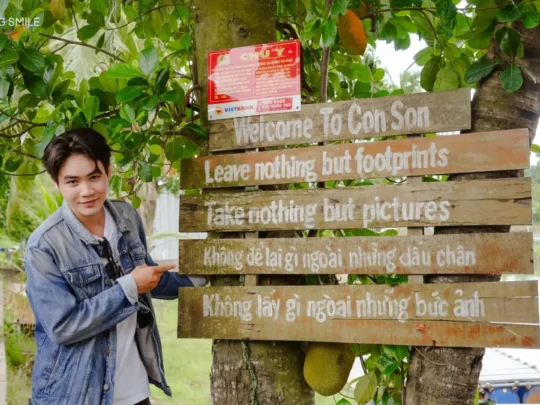
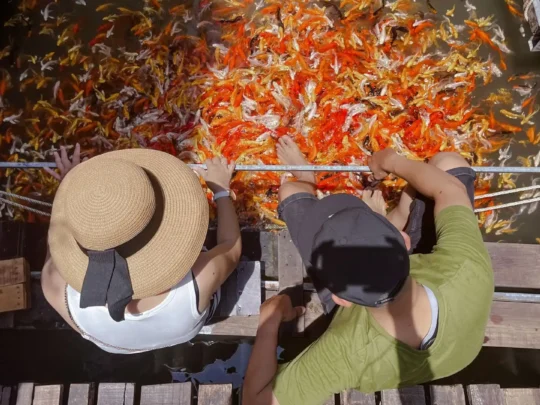
To fully capture the Mekong soul, head back toward the city to visit the Binh Thuy Ancient House, the majestic Hung King Temple, or witness the “flying fish” at Son Islet (Con Son). For urban cultural immersion, wander through Ninh Kieu Wharf, cross the Pedestrian Bridge, and visit the Can Tho Museum, the Can Tho Prison, or the mystical Can Tho Tarot Museum.
Our Signature Can Tho Tour
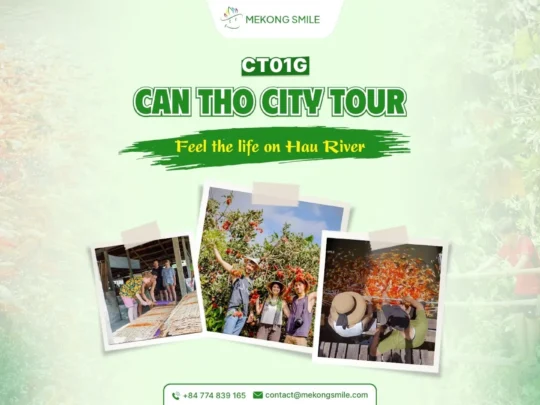
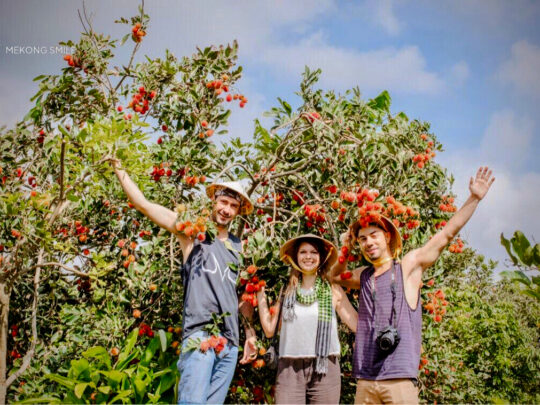
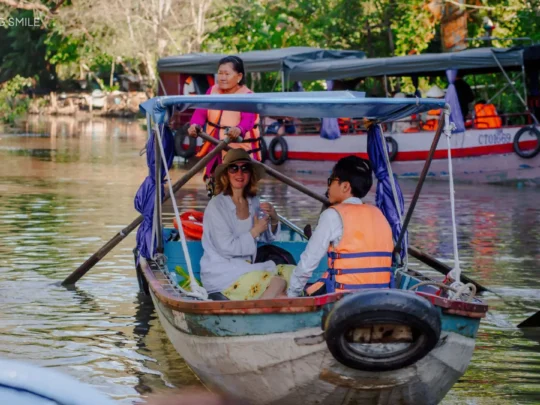
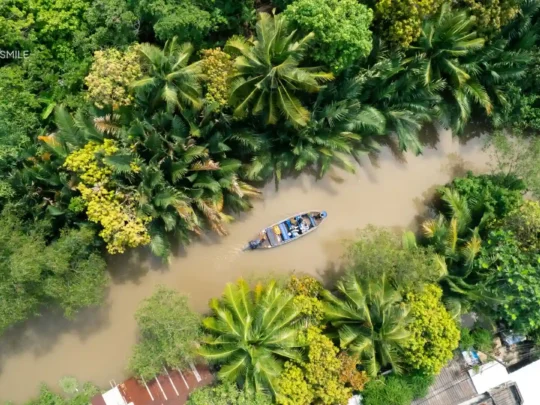
Experience the fusion of spirituality and local life through our curated journeys:



Attractions in Mekong Delta

Attractions in Mekong Delta



Attractions in Mekong Delta



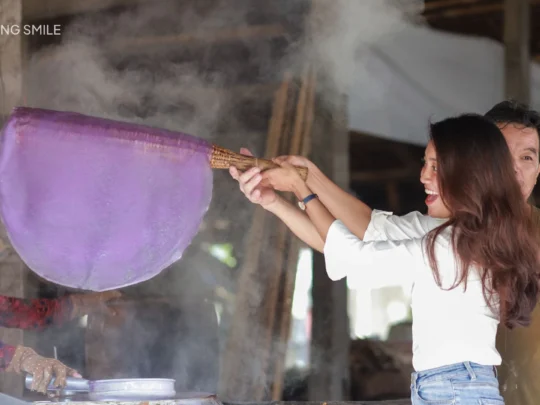
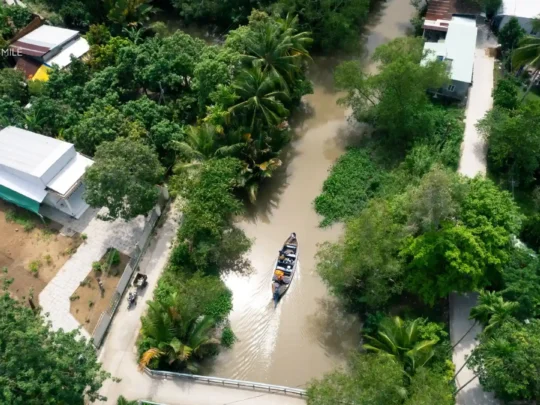
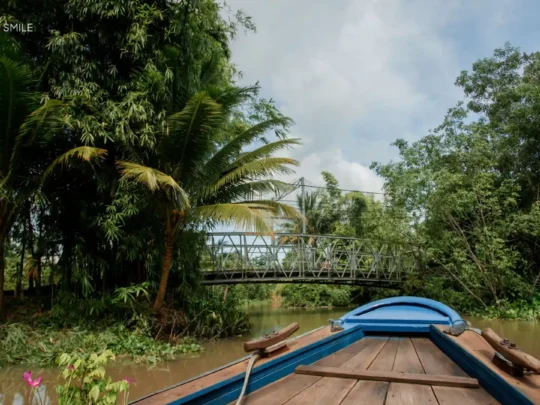

Attractions in Mekong Delta
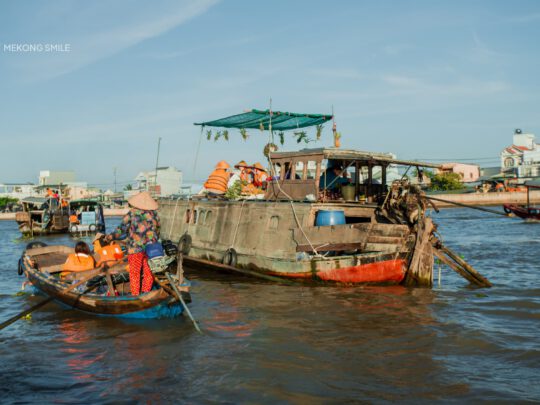
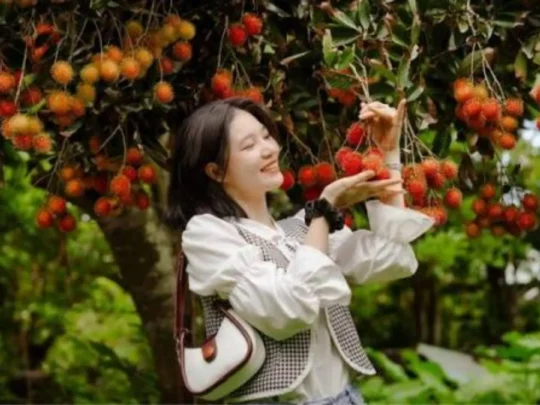
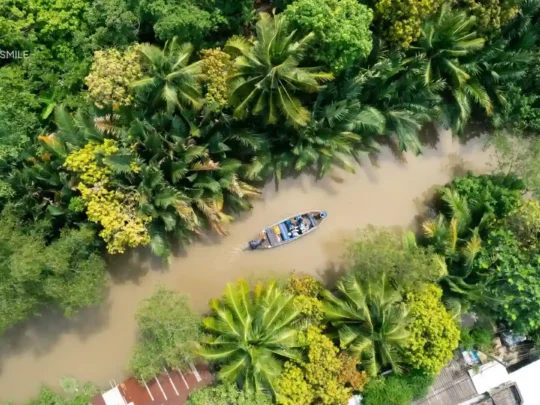
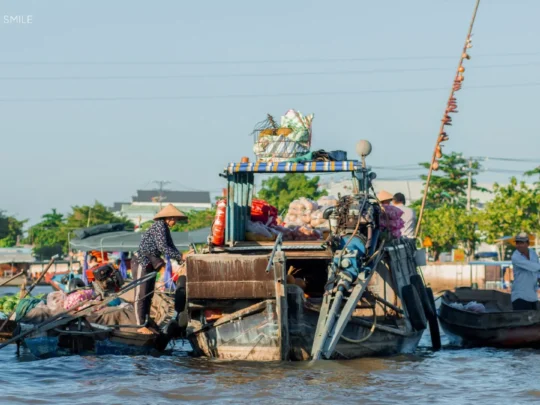
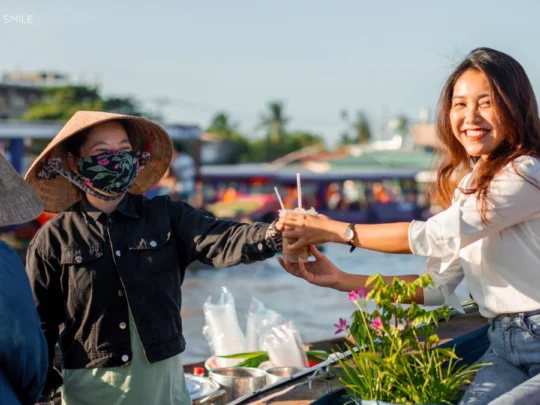
Can Tho Floating Market & Fruit Garden Tour: Mekong Tropical Sense
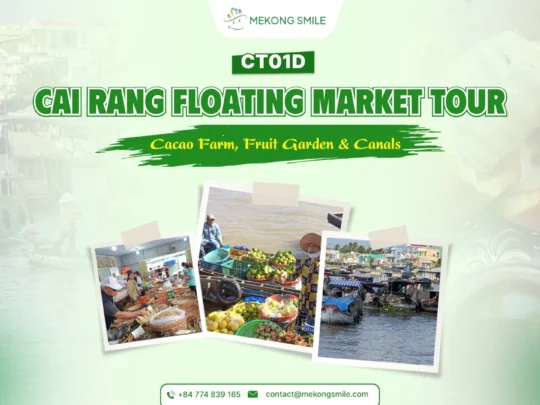



Attractions in Mekong Delta
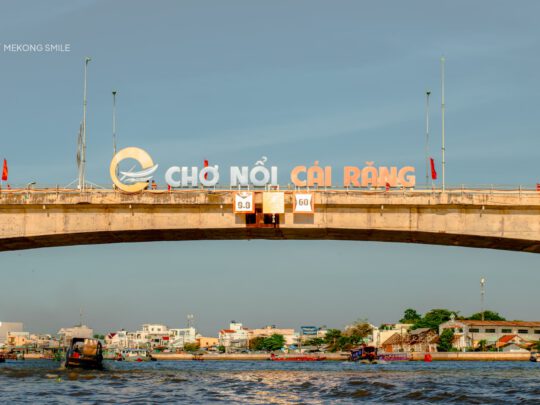
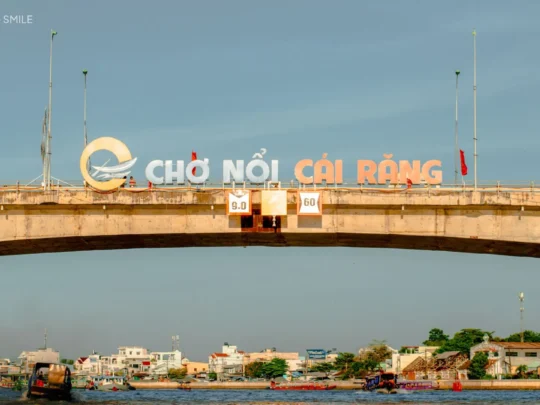
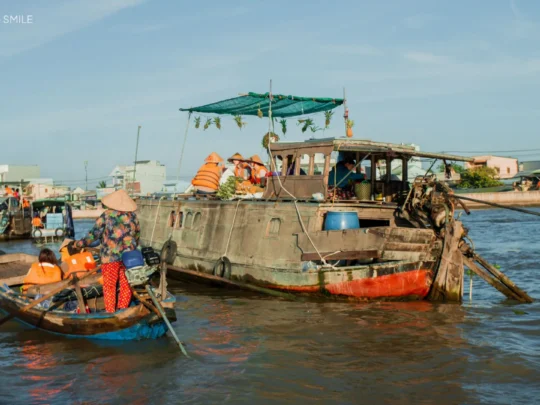
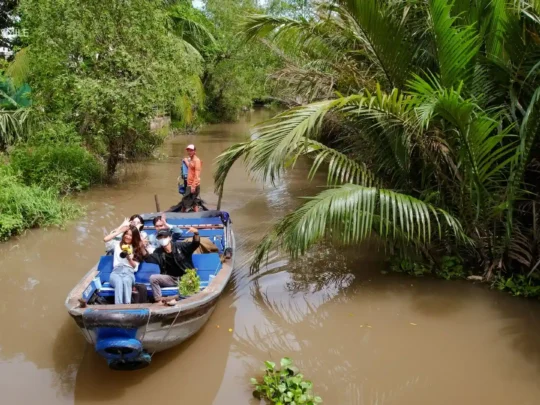
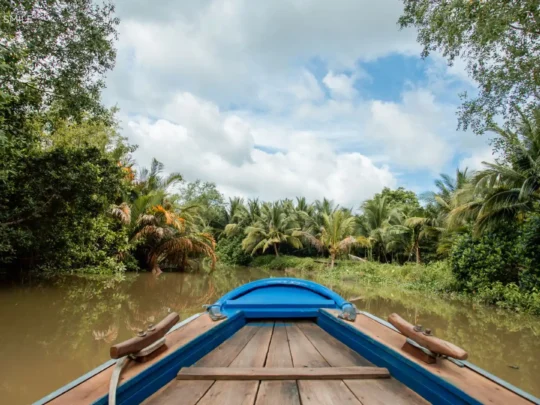
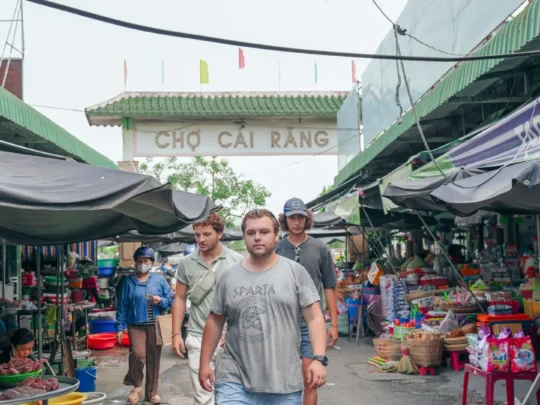
Cai Rang Floating Market Tour: Cacao Farm, Fruit Garden & Canals





Attractions in Mekong Delta
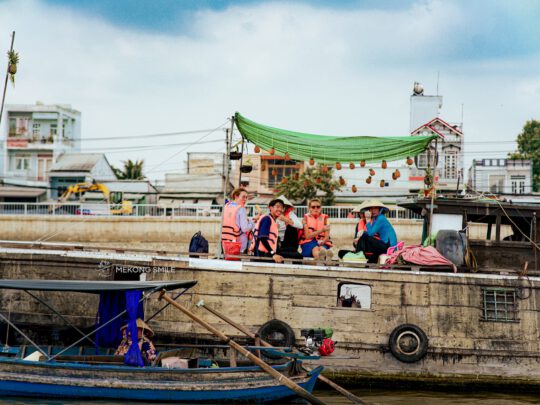
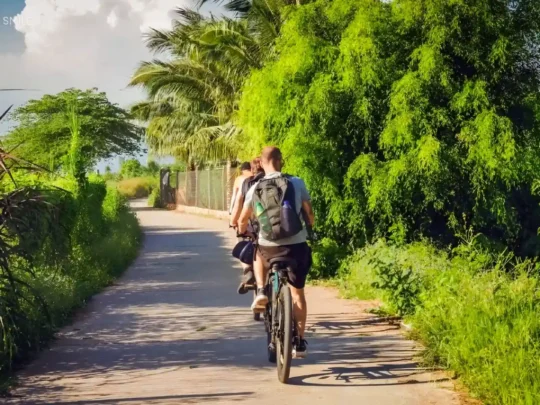
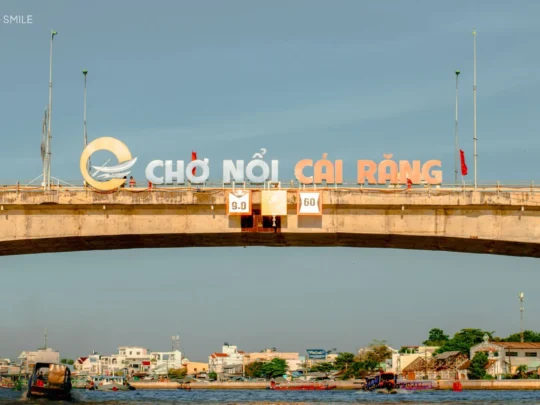
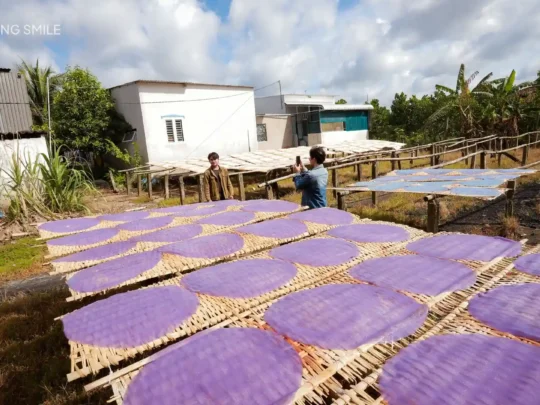
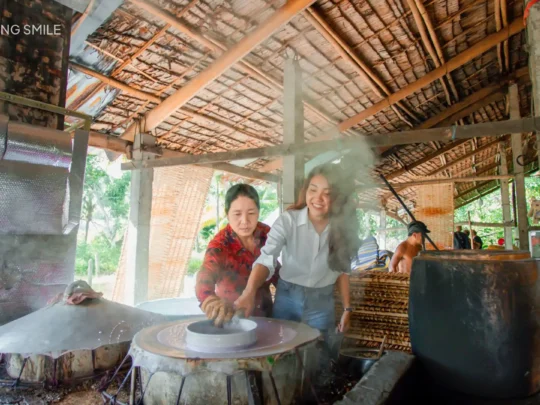
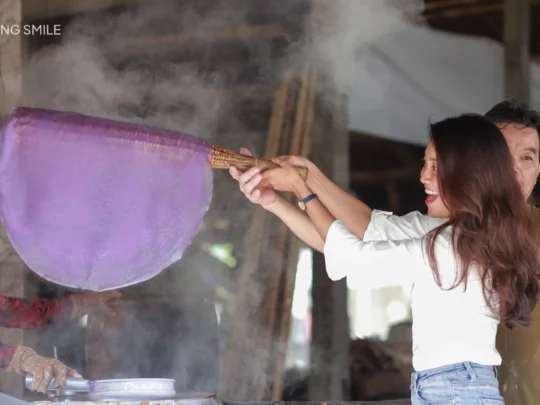
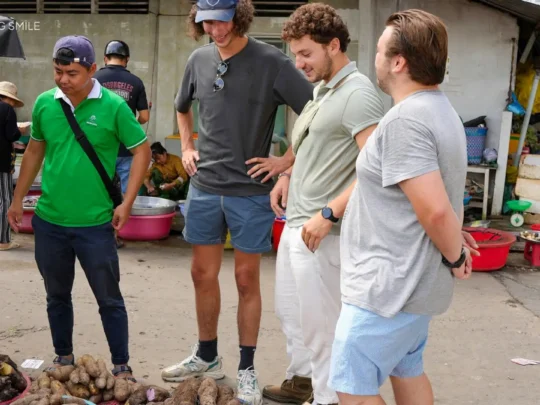
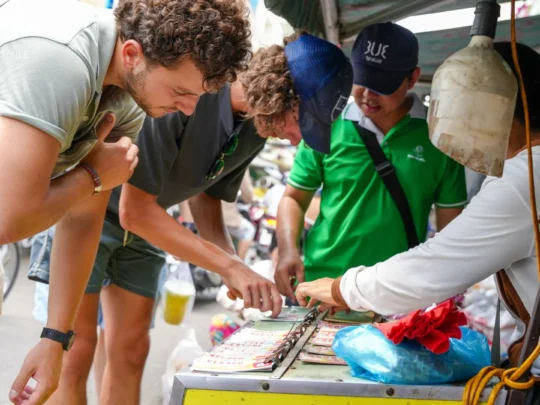
Can Tho Rural Tour: Cai Rang Floating Market and Rural Cycling





Attractions in Mekong Delta



Attractions in Mekong Delta

Attractions in Mekong Delta

Attractions in Mekong Delta

Attractions in Mekong Delta



Attractions in Mekong Delta
Ready for the Real Mekong? Book Your Authentic Tour Today
Planning Your Mekong Trip?
Get a free, personalized itinerary from our local experts in under 120 minutes.

Get a Free Consultation Leave your contact, we handle the rest.
Frequently Asked Questions about Truc Lam Phuong Nam Zen Monastery
Is there an entrance fee to visit Truc Lam Phuong Nam Zen Monastery?
No, admission to the monastery is completely free for all visitors, including international tourists. However, there are donation boxes (hòm công đức) placed in the main halls if you wish to contribute to the maintenance of the monastery.
What is the dress code for visiting Truc Lam Phuong Nam Zen Monastery?
Since this is a sacred religious site, visitors are required to dress modestly. You should wear clothes that cover your shoulders and knees. Avoid wearing tank tops, short skirts, or revealing shorts. If you are not dressed appropriately, you may be denied entry to the Main Hall (Dai Hung Buu Dien).
Can I take photos inside the Truc Lam Phuong Nam Zen Monastery?
Photography is allowed in the outdoor grounds, gardens, and courtyards. However, you should limit photography inside the main worship halls to respect those who are praying. Using flash is generally discouraged inside the halls.
How far is the monastery from Cai Rang Floating Market?
The monastery is approximately 6 to 7 km from Cai Rang Floating Market. It takes about 15-20 minutes to travel between the two spots by car or motorbike, making them perfect to combine in a single morning trip.
Is there parking available at the Truc Lam Phuong Nam Zen Monastery?
Yes, there is a very spacious parking lot located right in front of the entrance gate. It can accommodate both motorbikes and large tour buses. Parking is generally free, though small tips for the security guards are appreciated.
Can I eat at the Truc Lam Phuong Nam Zen Monastery?
The monastery does not have a public restaurant for tourists. However, on special lunar calendar days (like the 1st and 15th), they sometimes offer free vegetarian meals to pilgrims. For regular tourists, there are plenty of local restaurants and food stalls in the neighboring My Khanh Tourist Village just a few minutes’ walk away.
Is the Truc Lam Phuong Nam Zen Monastery accessible for wheelchair users?
Most of the outdoor courtyard and pathways are flat and paved, making them accessible. However, accessing the Main Hall and Ancestral Hall requires climbing stairs, which may be difficult for wheelchair users or those with limited mobility.
