
 Can Tho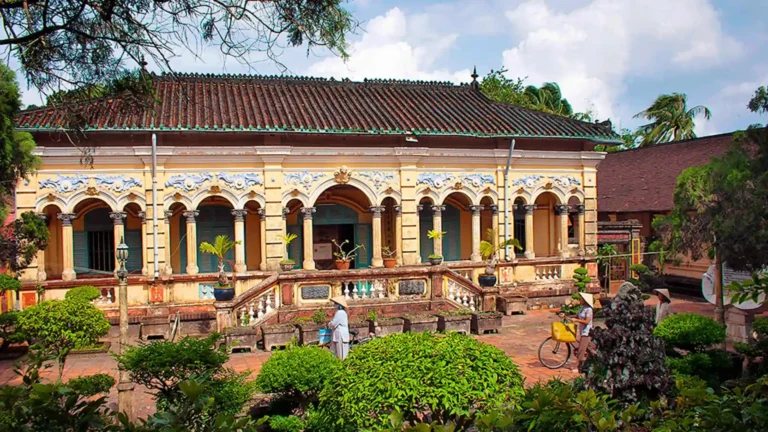

Step back in time at Nam Nha Pagoda, one of Can Tho’s most intriguing historical and spiritual landmarks. Located on the peaceful banks of the Binh Thuy River, this site offers travelers a rare blend of revolutionary heritage and unique architectural beauty. This comprehensive Nam Nha Pagoda travel guide takes you through the pagoda’s fascinating transformation, essential travel tips—from opening hours to dress codes—and show you how to perfectly combine your visit with nearby gems for an unmissable stop on your Mekong Delta journey.
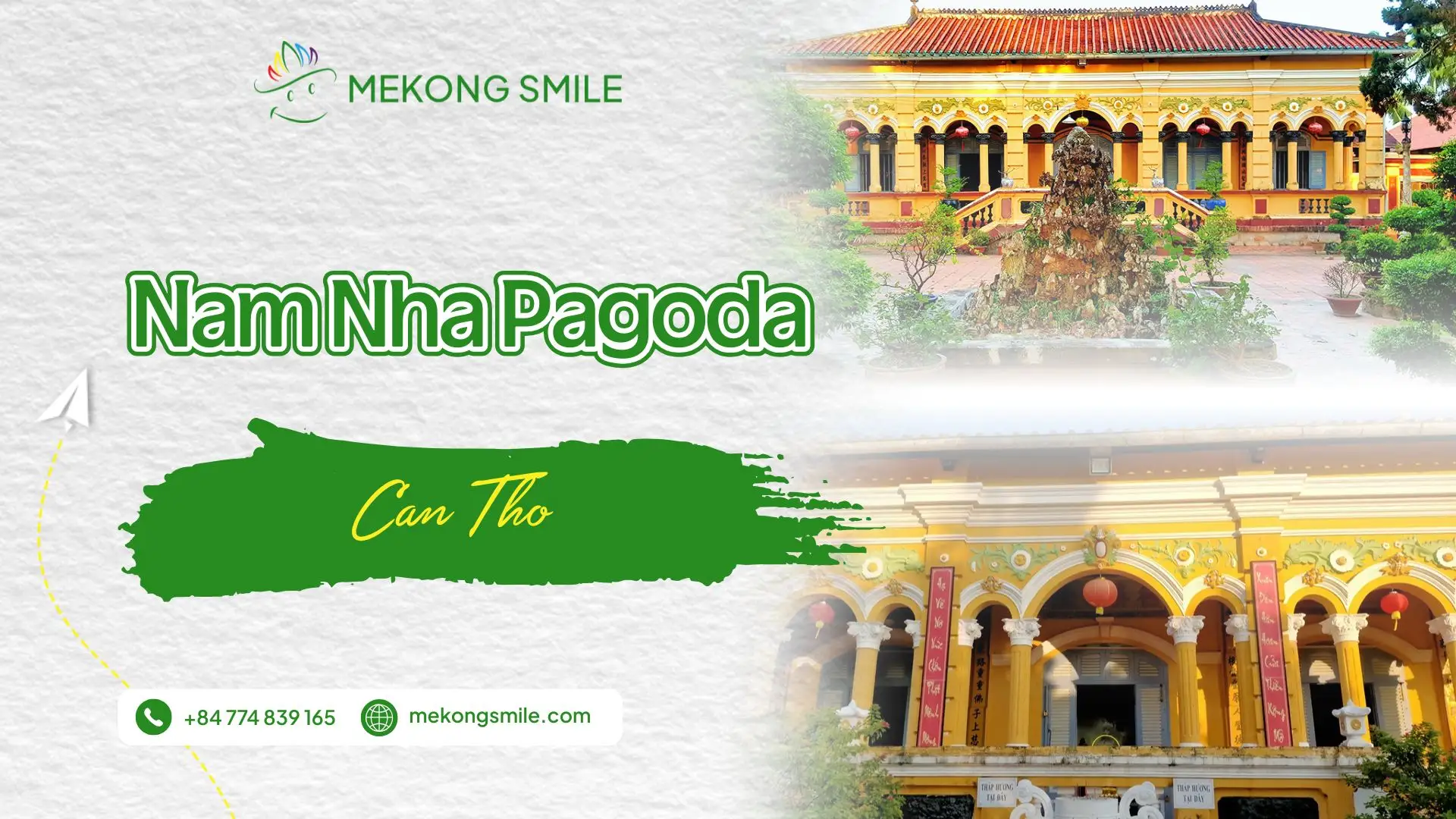
An Overview of Nam Nha Pagoda
A glance of Nam Nha Pagoda
- Built: 1895 (Rebuilt in 1917)
- Location: 612 Cach Mang Thang Tam Street, Bui Huu Nghia Ward, Binh Thuy District, Can Tho
- Opening Hours: 7:00 AM – 5:00 PM daily
- Entrance Fee: Free
- Time Needed: 30 – 45 minutes
- Famous For: Revolutionary history (Dong Du Movement), unique yellow French-Asian architecture, peaceful riverfront location
History & Significance
While many pagodas in the Mekong Delta are known purely for their religious practices, Nam Nha Pagoda holds a special place in the nation’s heart as a “revolutionary fortress” disguised as a place of worship.
- Origins as a Pharmacy: The pagoda was originally founded in 1895 by Mr. Nguyen Giac Nguyen. Initially, it was not a grand temple but a traditional herbal medicine pharmacy named Nam Nha Duong. It served as a place to treat the poor for free while quietly spreading patriotic ideas against French colonial rule.
- A Hub for the Patriotic Movement: During the early 20th century, Nam Nha Pagoda became a secret headquarters for the Dong Du Movement (an anti-French movement led by scholar Phan Boi Chau that sent Vietnamese students to Japan to study). It was here that patriots gathered to discuss strategies, raise funds, and encourage students to join the cause. The pagoda’s secluded location by the river made it an ideal cover for these revolutionary activities.
- Architectural & Religious Value: In 1917, the pagoda was rebuilt on a larger scale, resulting in the structure we see today. It follows the Minh Su sect, which blends Buddhism, Taoism, and Confucianism. This is why the architecture is a unique fusion: the facade features French colonial details (yellow walls, arched gates) while the roof and interior maintain traditional Chinese and Vietnamese styles with “Yin-Yang” tiles and intricate wood carvings.
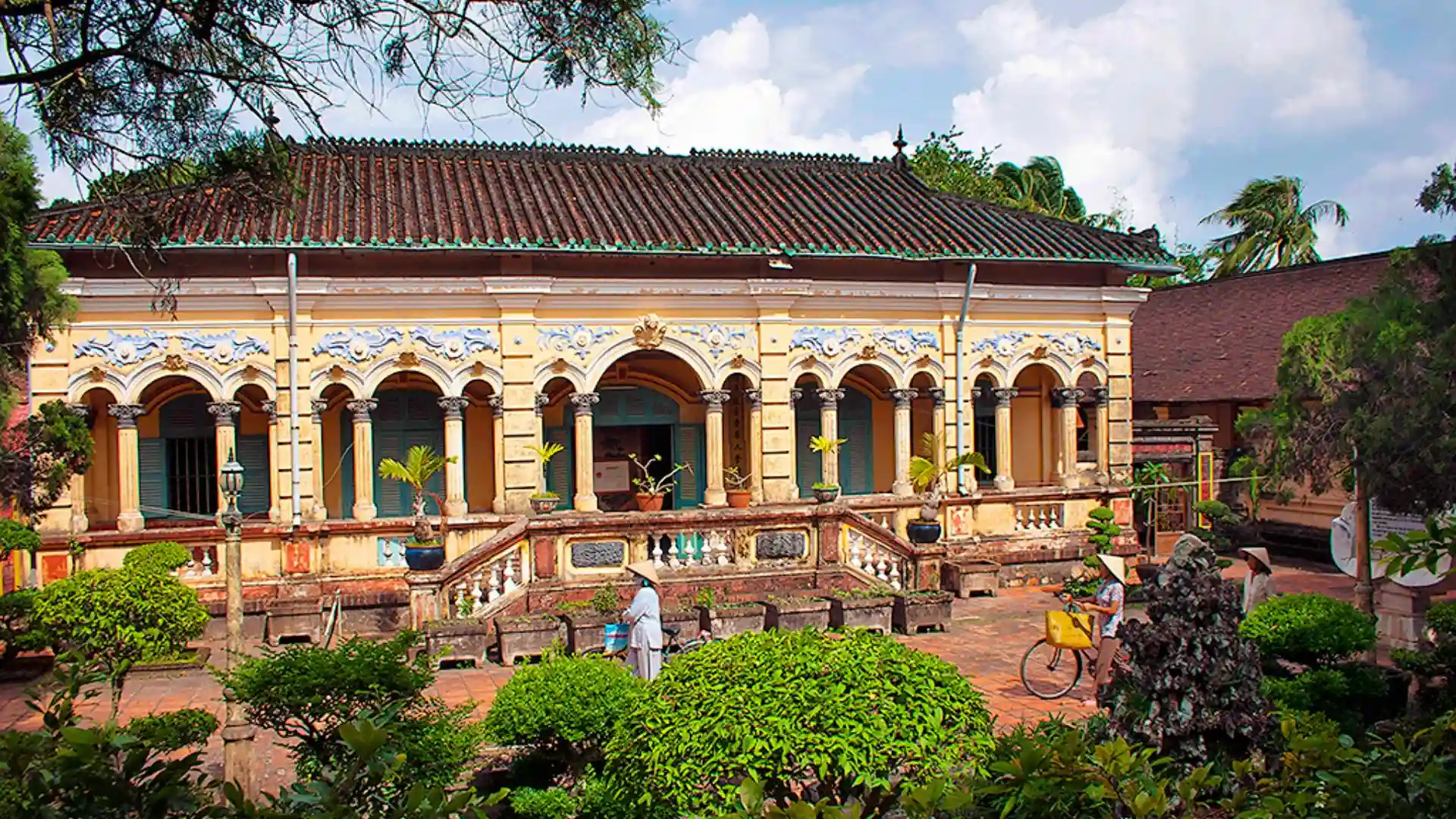
Video about Nam Nha Pagoda
Planning Your Visit to Nam Nha Pagoda
Location & Address
Nam Nha Pagoda is located in the Binh Thuy District, offering a scenic view right on the bank of the Binh Thuy River. It is situated very close to another famous landmark, the Binh Thuy Ancient House, making it easy to visit both in one trip.
- Address: 612 Cach Mang Thang Tam Street, Bui Huu Nghia Ward, Binh Thuy District, Can Tho City.
- Distance: It is approximately 6 km from the city center (Ninh Kieu Wharf). You can easily reach it by driving along Cach Mang Thang Tam Street or by taking a boat trip along the river.
Operating Hours & Schedule
The pagoda is open daily to visitors and worshippers.
- Opening Hours: 7:00 AM – 5:00 PM (Daily).
- Best Time to Visit: The morning hours (8:00 AM – 10:00 AM) are ideal. During this time, the sunlight hits the pagoda’s signature yellow walls and the riverfront garden beautifully, making it perfect for photography.
- Note: Unlike bustling tourist temples, Nam Nha is known for its quiet, contemplative atmosphere. It is rarely crowded, allowing for a peaceful visit at almost any time of day.
Admission & Duration
- Entrance Fee: Free. There is no charge to explore the pagoda grounds or the main hall.
- Parking: Visitors can usually park motorbikes inside the pagoda gates or in the designated area in front for free or a small donation.
- Duration: A visit here typically takes about 30 to 45 minutes. This gives you enough time to admire the architecture, pay respects in the main hall, and enjoy a relaxing walk in the garden facing the river.
How to Get there
Since the pagoda is located on a main road and also faces the river, you have two scenic options to reach it.
- By Motorbike or Taxi (Road Route):
- The Route: From Can Tho city center (Ninh Kieu area), drive straight along Cach Mang Thang Tam Street for about 5-6 km.
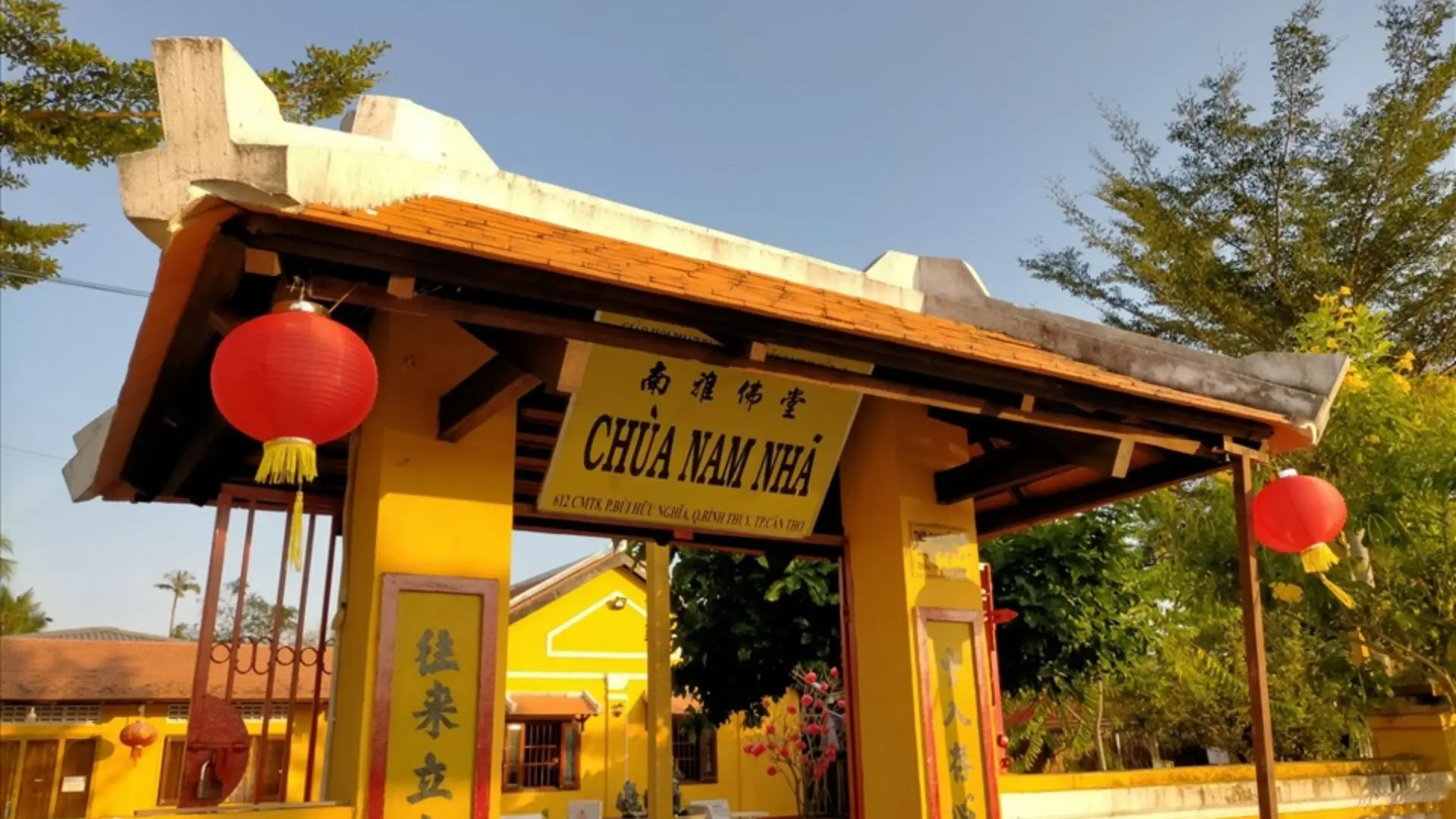
- Landmark: Once you cross the Binh Thuy Bridge, look to your right. You will see the distinctive yellow arched gate of the pagoda facing the street. It is located just a short distance before the famous Binh Thuy Ancient House.
- Taxi Cost: A taxi ride from the city center typically costs between 80,000 – 120,000 VND.
- By Boat (River Route):
- The Experience: For a more authentic Mekong experience, you can rent a boat from Ninh Kieu Wharf. The boat will travel up the Hau River and turn into the Binh Thuy River.
- The Landing: Nam Nha Pagoda has a beautiful riverfront gate and a dock where boats can stop. This is a fantastic way to see the pagoda as it was originally approached in the past—from the water.
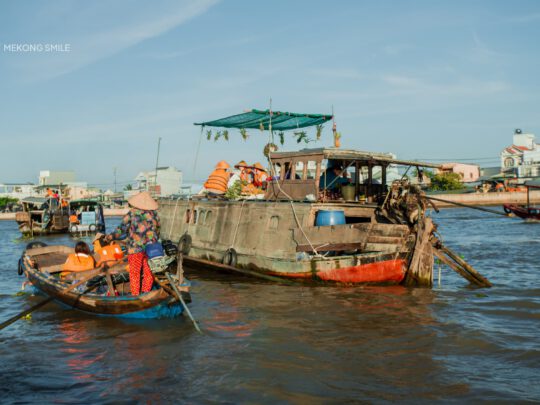
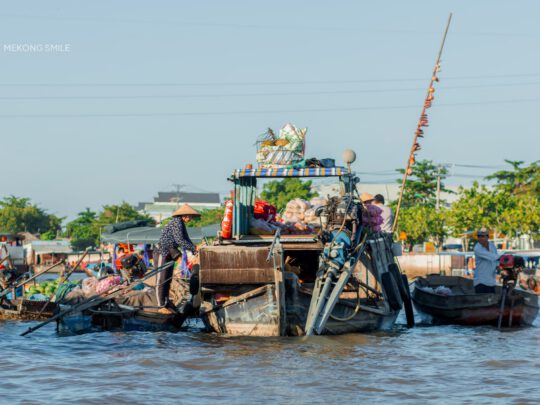
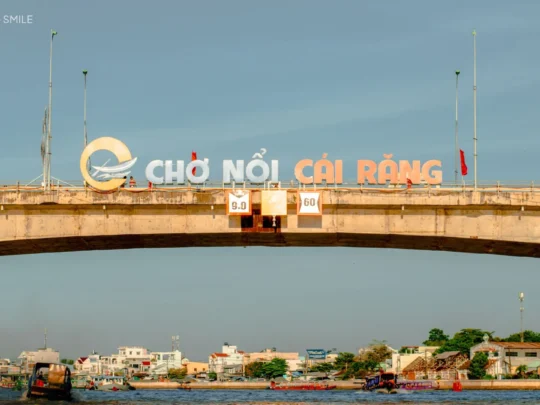
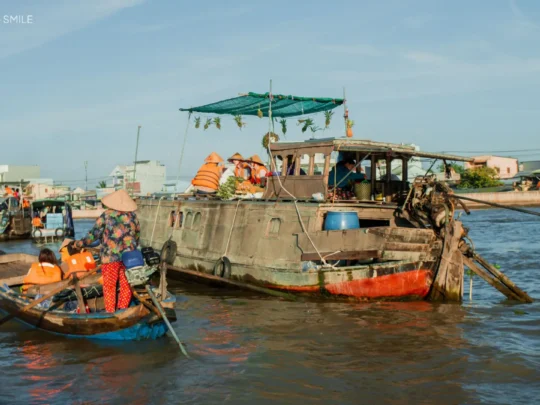
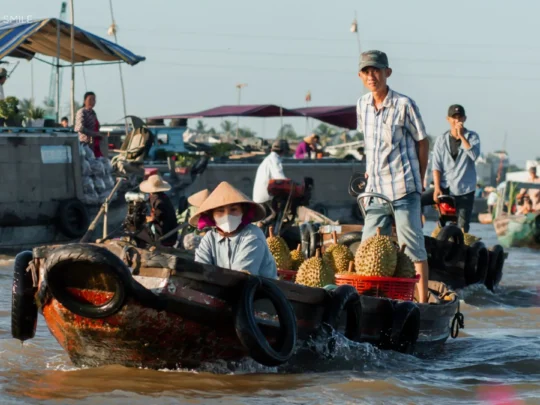
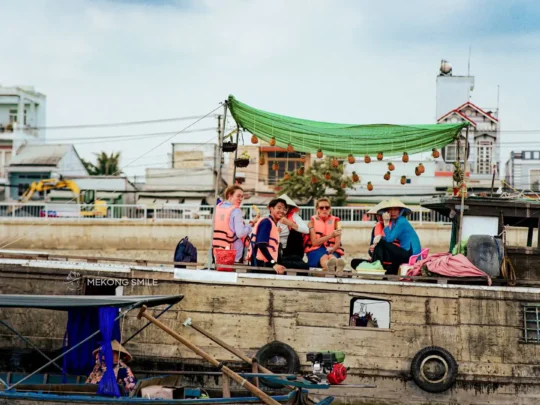
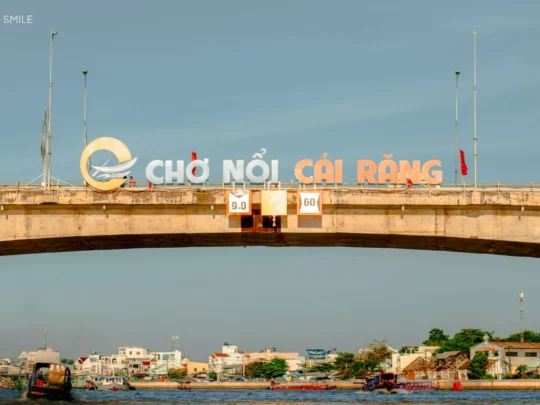
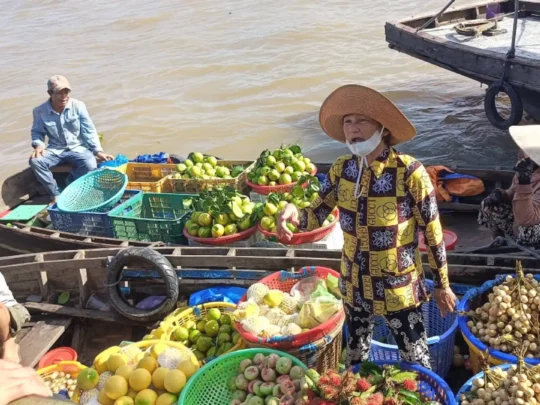
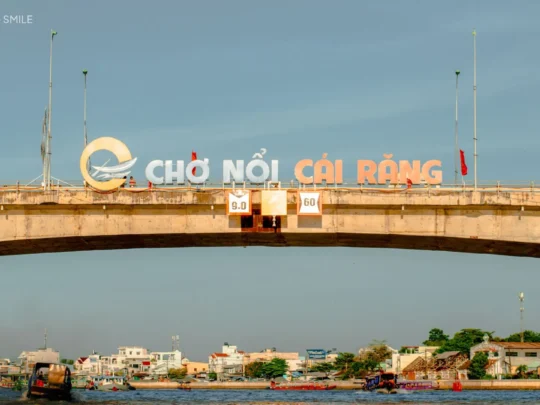
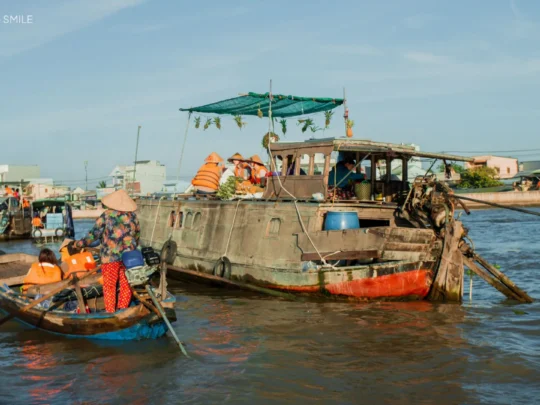
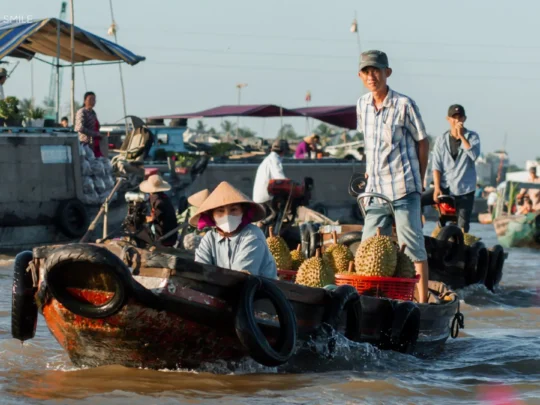
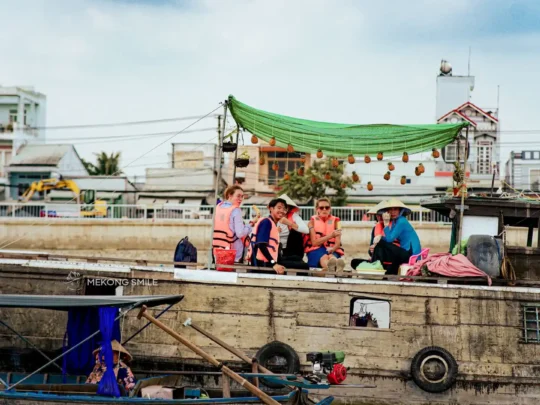
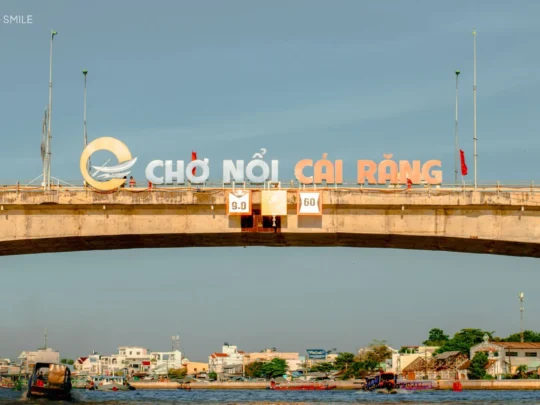
- Tour Tip: Many boat tours combine the Cai Rang Floating Market, a local fruit garden, and a stop at Nam Nha Pagoda/Binh Thuy Ancient House in a single half-day trip.
Architecture Highlights of Nam Nha Pagoda
Nam Nha Pagoda is architecturally unique because it does not look like a traditional Vietnamese Buddhist temple at first glance. Instead, it stands as a fascinating example of East-West fusion, blending the sturdy, elegant structure of a French colonial villa with the spiritual layout of a traditional Oriental place of worship.
The French Colonial Facade
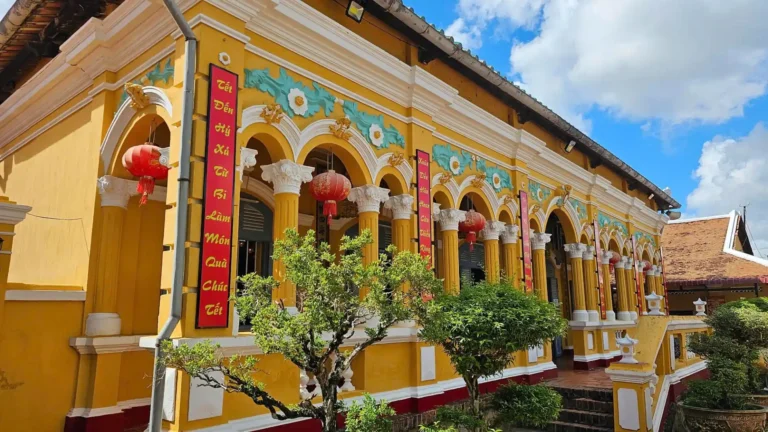
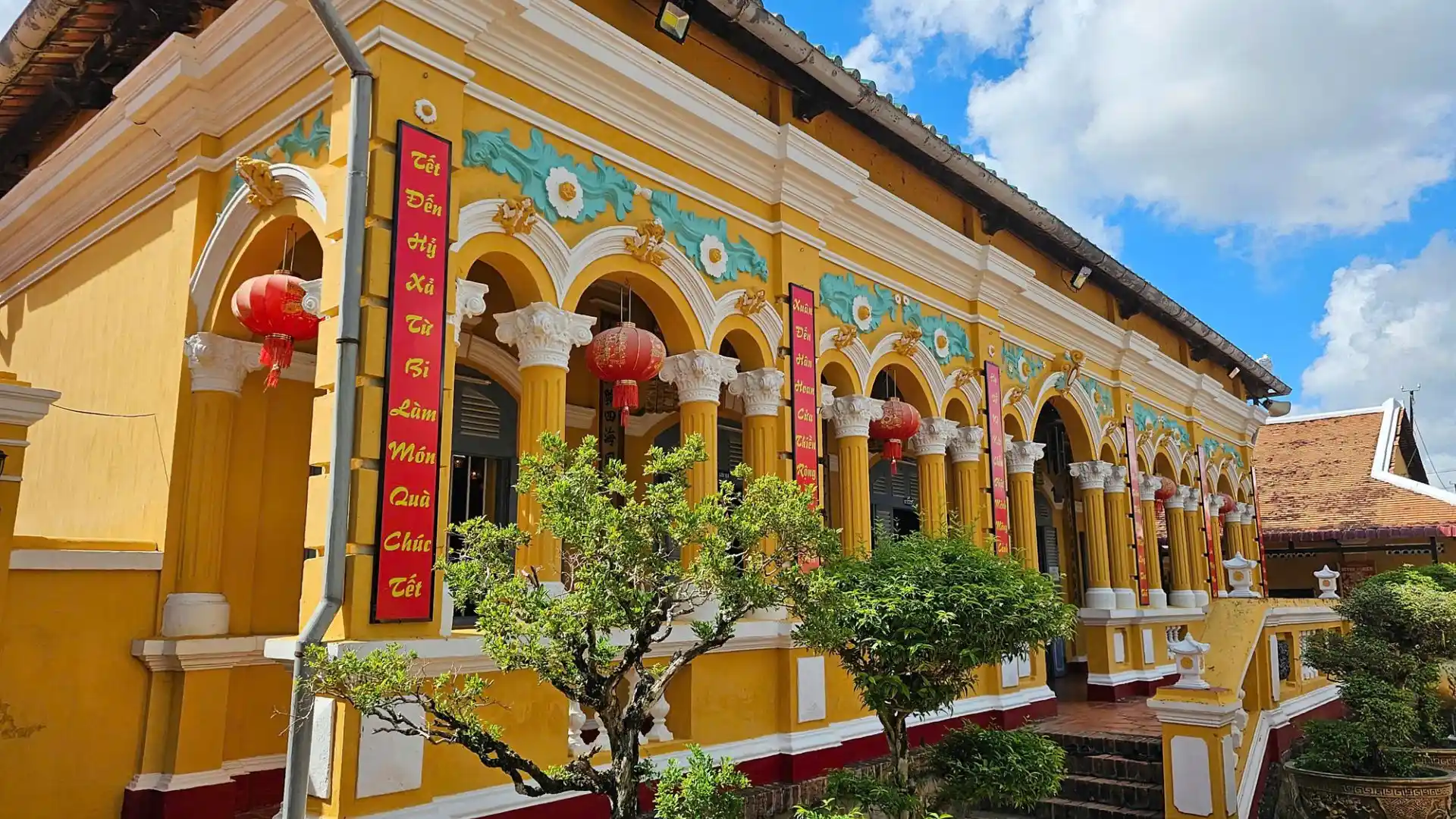
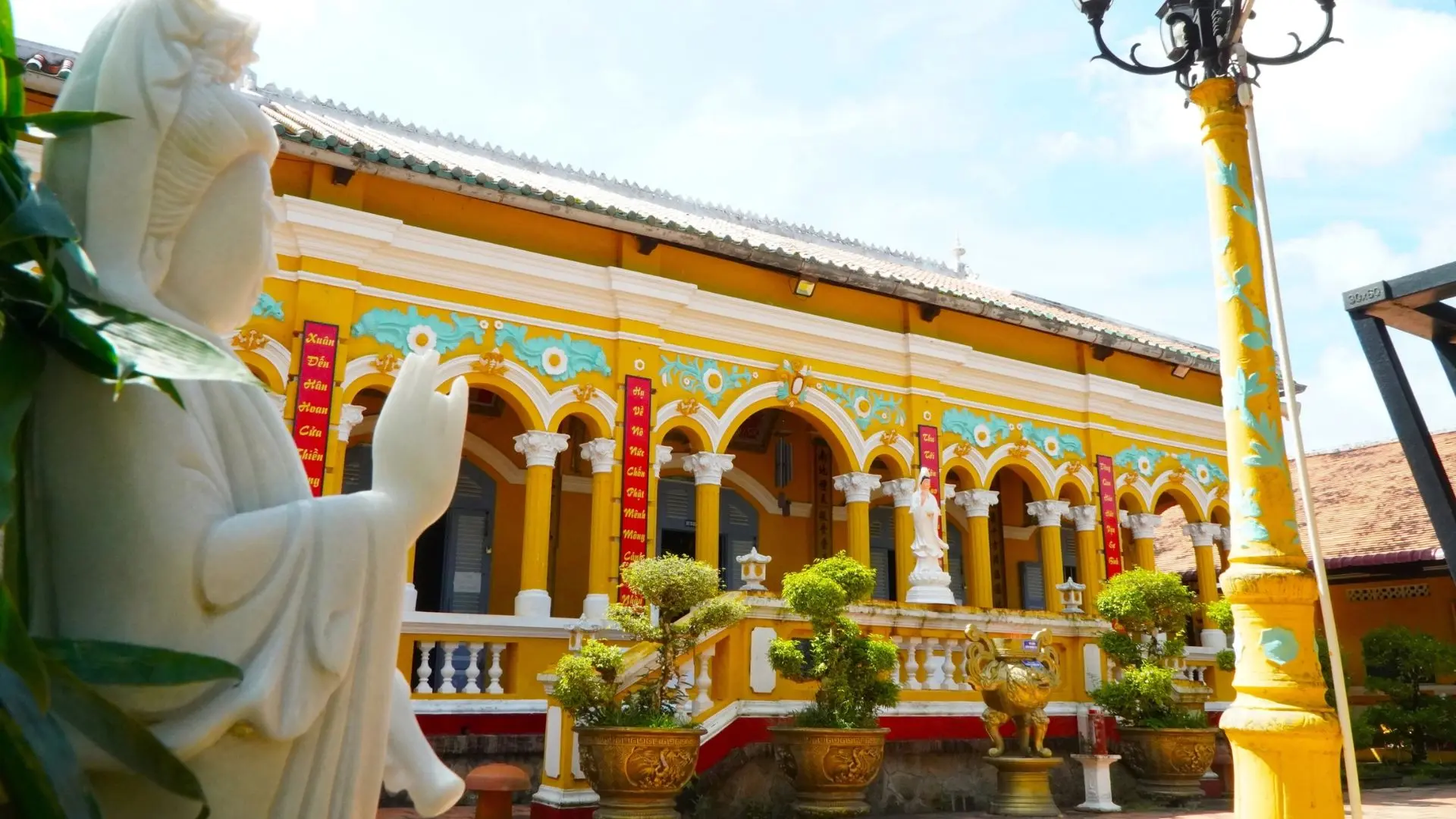
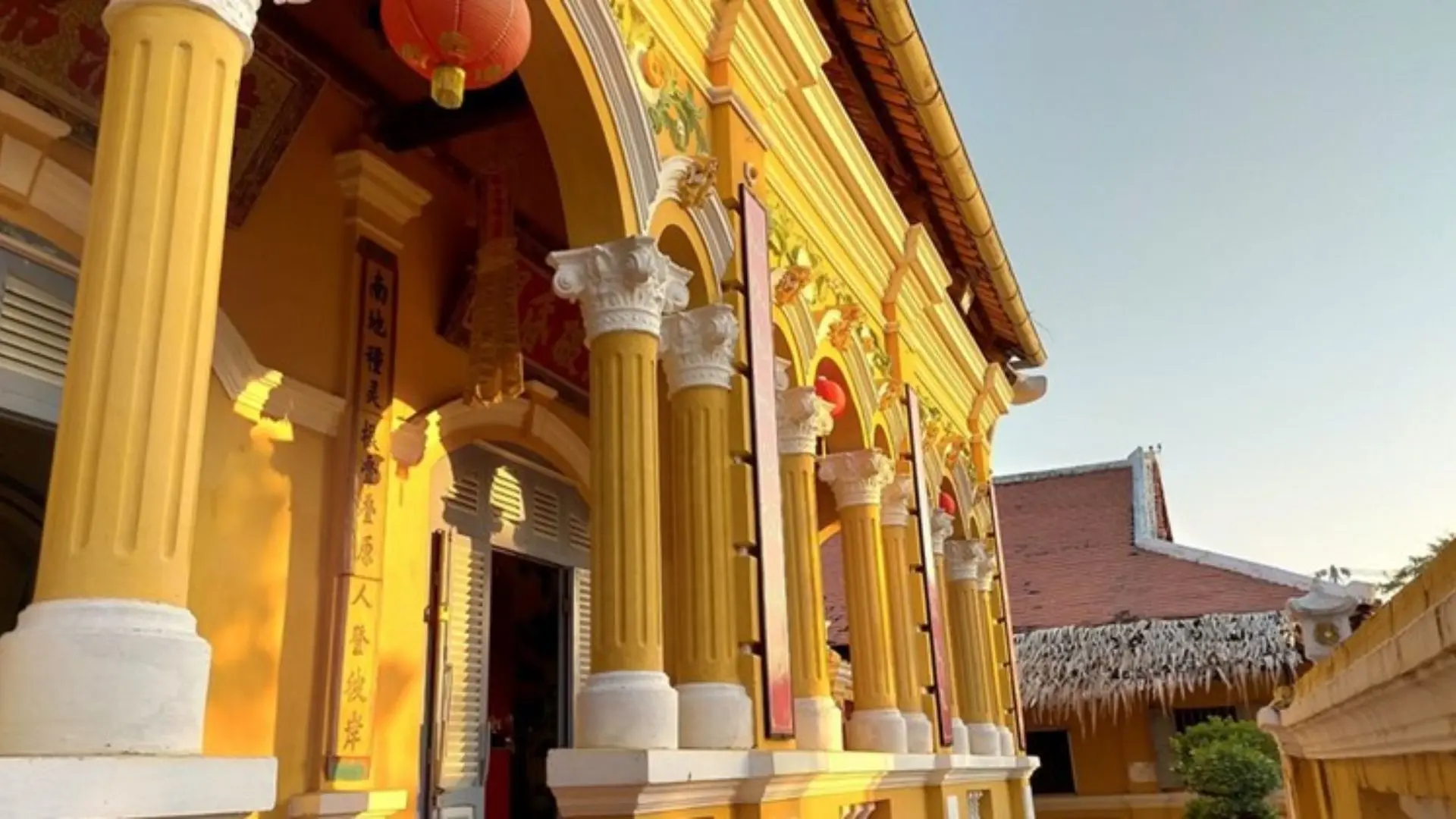
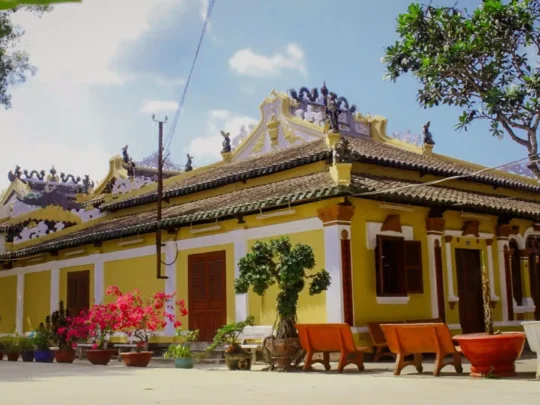
The first thing visitors notice is the pagoda’s striking exterior, which closely resembles an ancient French mansion rather than a religious shrine.
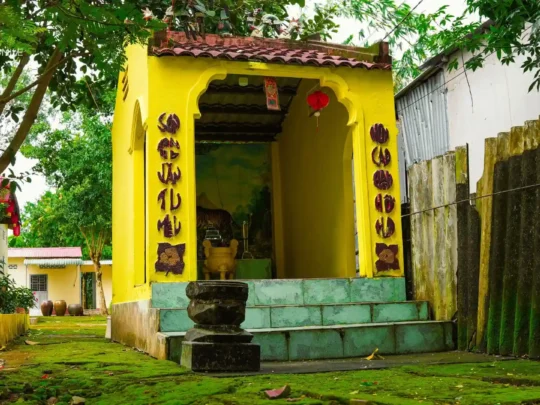
- The Colors: The entire building is painted in a warm, characteristic colonial yellow, accented by white trim and green window shutters.
- The Structure: The facade features a grand corridor with vaulted ceilings and arched doorways, a hallmark of Western architecture from the early 20th century.
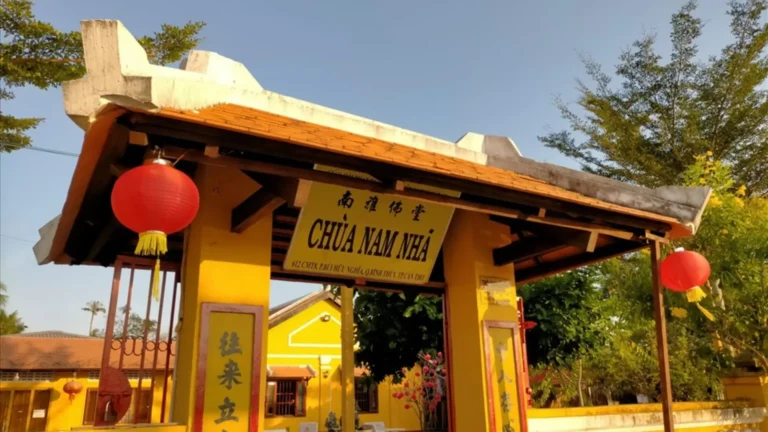
- The Gate: The entrance gate is built with brick and topped with a tiled roof, featuring three openings (Tam Quan) but styled with European-influenced ironwork, creating a distinct “Old Cần Thơ” vibe.
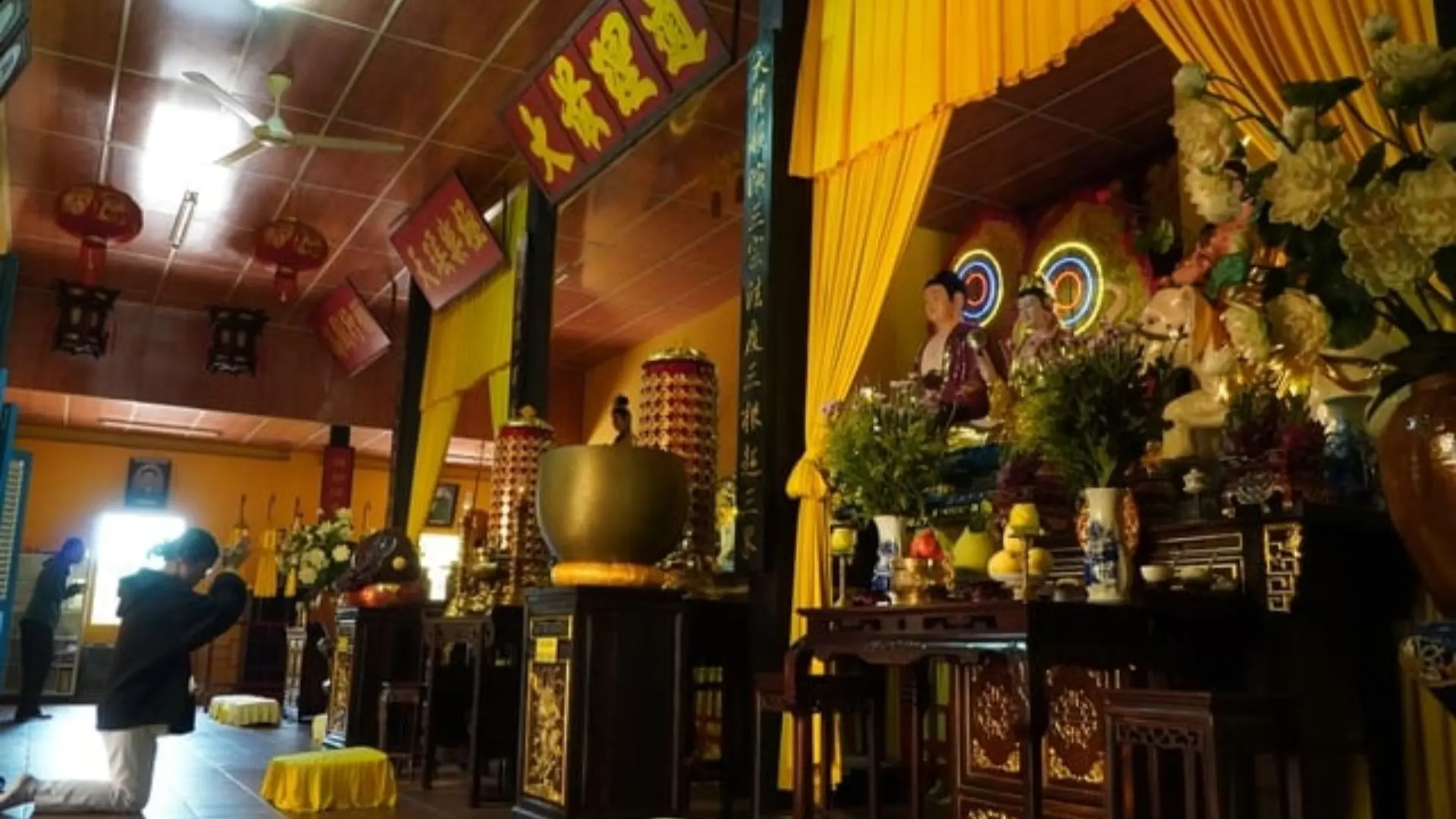
The Traditional Interior (The Main Hall)
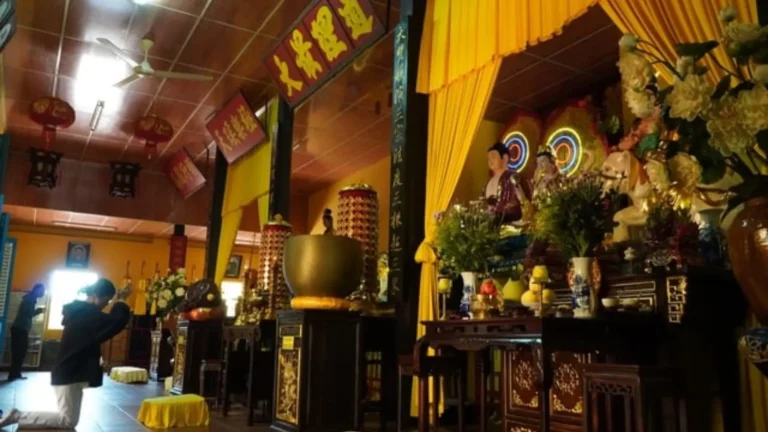
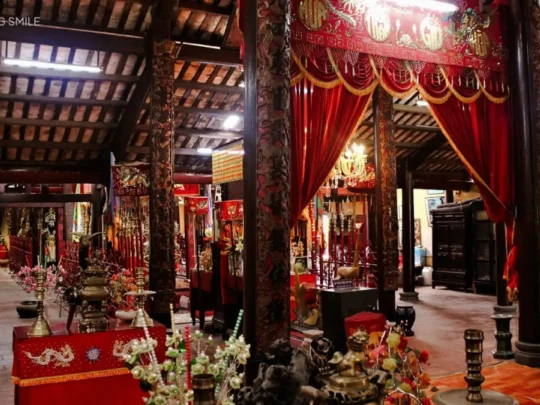
While the outside is Western, the inside is deeply traditional. The Main Hall (Chánh Điện) follows the “five-compartment, two-wing” (năm gian, hai chái) architectural style found in ancient Vietnamese houses.
- Roofing: The roof is covered with traditional Yin-Yang tiles (ngói âm dương) and adorned with intricate dragon and phoenix motifs at the ridge, symbolizing distinct Vietnamese culture.
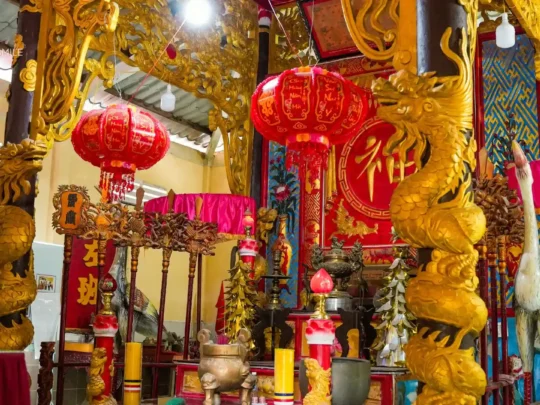
- Wooden Craftsmanship: Inside, the structure is supported by sturdy, dark round wooden pillars. The interior is decorated with exquisite wood carvings and horizontal lacquered boards (hoành phi) inscribed with Chinese characters, showcasing the skill of local artisans from over a century ago.
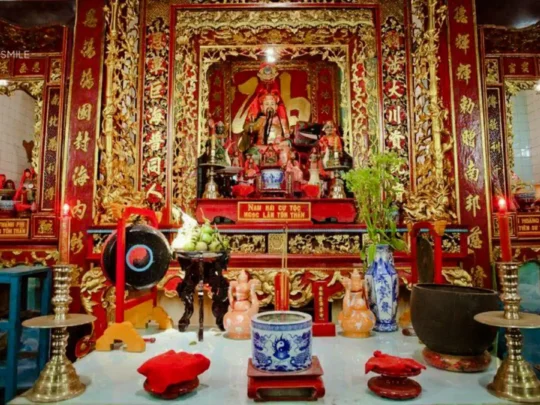
- The Altar: As a temple of the Minh Su sect, the altar arrangement is unique. It worships the philosophy of “Three Religions, One Source” (Tam Giáo Đồng Nguyên), featuring statues of Shakyamuni Buddha, Lao Tzu (Taoism), and Confucius (Confucianism) together, rather than just Buddhist figures.
The Riverfront Garden & Landscape
The architecture of Nam Nha Pagoda extends beyond the building itself to harmonize with its natural surroundings.
- River Harmony: The pagoda faces the serene Binh Thuy River, creating a perfect Feng Shui layout. In the past, this allowed revolutionaries to arrive and escape by boat easily.
- The Courtyard: The spacious front courtyard is paved with Chinese bricks and shaded by ancient trees, including starfruit and bodhi trees, some of which are over 100 years old.
- Hon Non Bo: In the middle of the yard stands a large Hon Non Bo (traditional Vietnamese rockery) rising from a lotus pond, standing over 2 meters tall. It adds a rugged, natural element to the peaceful, manicured grounds.
Insider Tips for an Enhanced Visit
To make the most of your trip to this historic site, keep these local insights in mind:
- Combine with Binh Thuy Ancient House: This is the most important tip. The famous Binh Thuy Ancient House (the setting for the movie “The Lover”) is less than 1 km away. Read more about Binh Thuy Ancient House.
- Dress Respectfully: Even though it looks like a villa from the outside, Nam Nha is a solemn place of worship. Ensure your shoulders and knees are covered. If you are wearing shorts, bring a sarong or scarf to wrap around your waist before entering the main sanctuary.
- Best Photo Spots: The distinctive yellow walls and green shutters offer a stunning vintage background. For the best lighting, visit in the early morning (8:00 AM – 9:30 AM) when the sun casts a soft glow on the facade, or late afternoon during the “golden hour” near the riverfront gate.
- Enjoy the River Breeze: Don’t just stay inside the main building. Walk through the garden to the stone benches facing the Binh Thuy River. It is one of the most peaceful spots in the city to sit, enjoy the cool breeze, and watch local boats pass by.
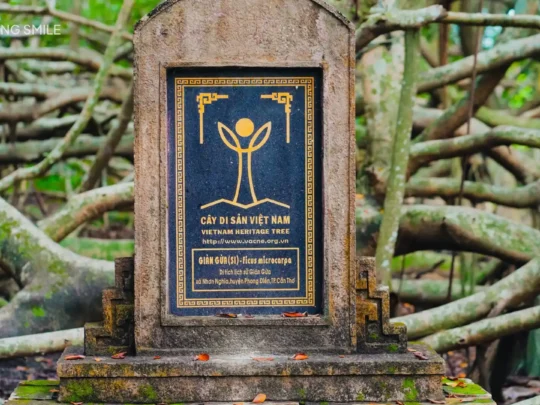
- Look for the Historical Plaque: Before leaving, look for the stone stele in the courtyard that recognizes the pagoda as a National Historical Relic. It marks the spot’s significance in the anti-French resistance, adding a layer of depth to your visit beyond just the architecture.
Combining Nam Nha Pagoda with Nearby Attractions
Since Nam Nha Pagoda is located in the historic Binh Thuy district, it serves as a perfect stop on a heritage tour outside the main city center. Here are the best spots to visit in the immediate area:
- Binh Thuy Ancient House: An iconic 19th-century French-style mansion and famous film setting located nearby.
- Binh Thuy Communal House: A culturally significant temple known for its exquisite wood carvings and local worship.
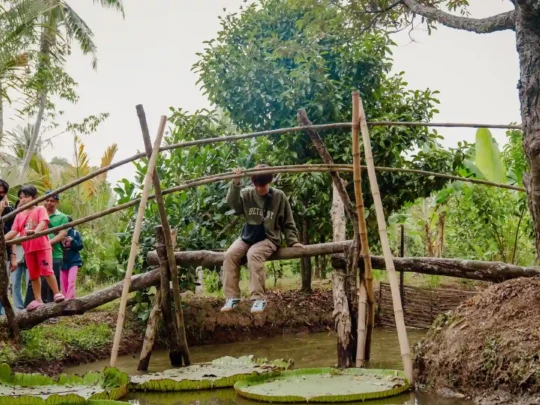
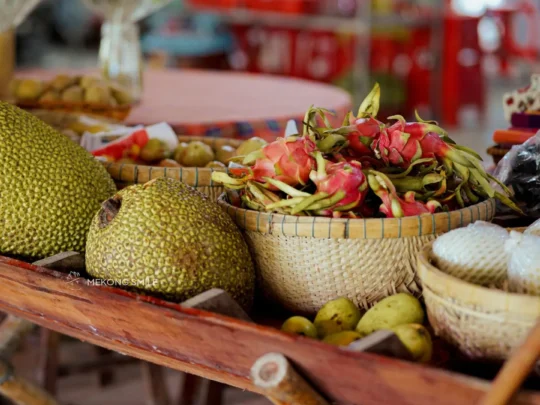
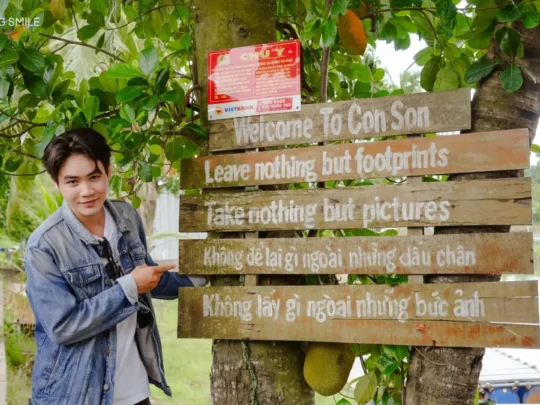
- Son Islet (Con Son): A nearby peaceful islet offering fruit picking and community-based eco-tourism.
- Bang Lang Stork Sanctuary: A nature stop further north to watch thousands of storks return at sunset.
- Can Tho Grand Prison: A colonial prison museum connecting to the pagoda’s anti-French resistance history
Our Signature Can Tho Tour with Local Tour Guide
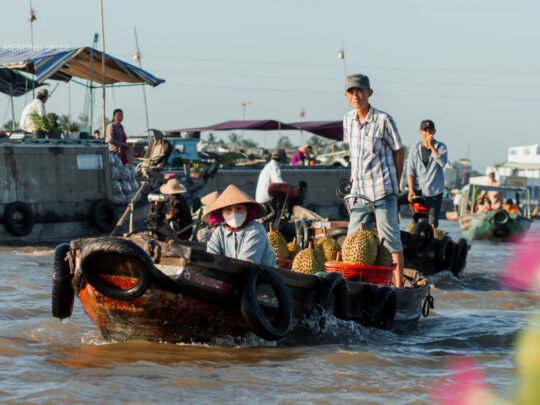
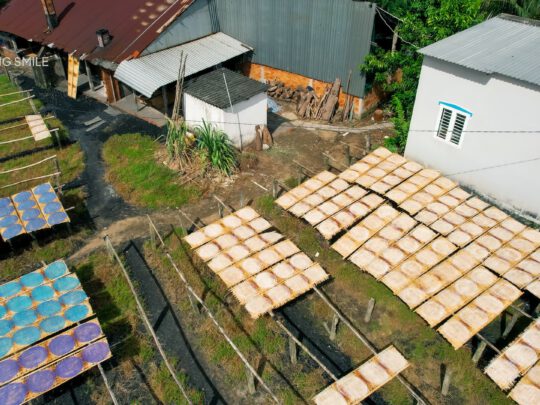
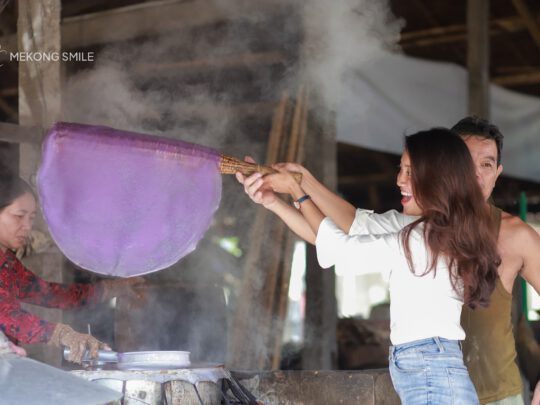
We design authentic cultural tours throughout the Mekong Delta, from floating markets and traditional villages to multi-day expeditions showcasing Southern Vietnam’s heritage, sustainable communities, and vibrant river life.



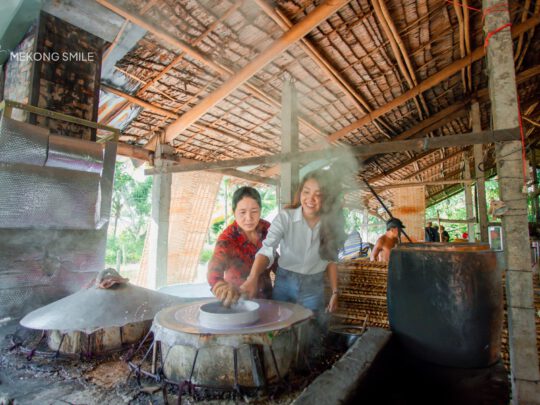
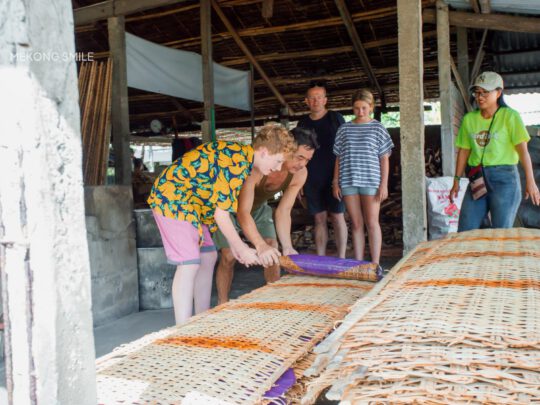
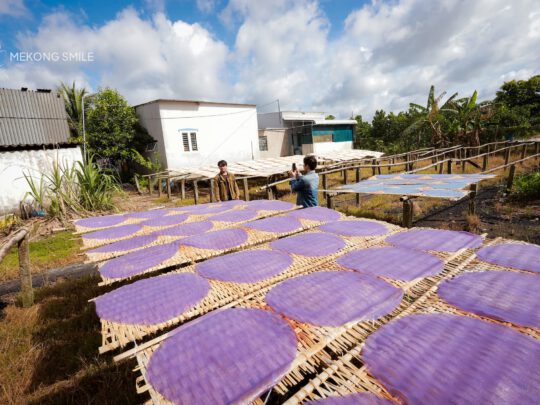

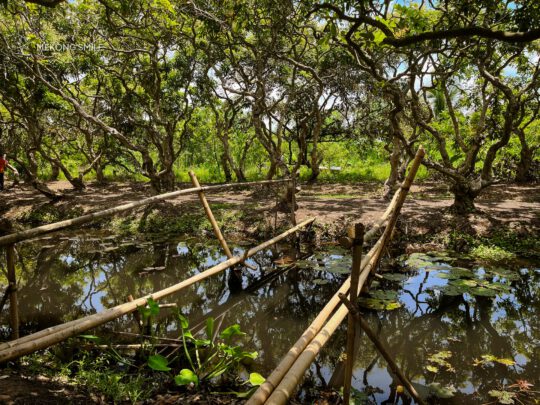





Attractions in Mekong Delta



Attractions in Mekong Delta




Attractions in Mekong Delta





Attractions in Mekong Delta
Can Tho Floating Market & Fruit Garden Tour: Mekong Tropical Sense







Attractions in Mekong Delta
Cai Rang Floating Market Tour: Cacao Farm, Fruit Garden & Canals






Attractions in Mekong Delta
Can Tho Rural Tour: Cai Rang Floating Market and Rural Cycling











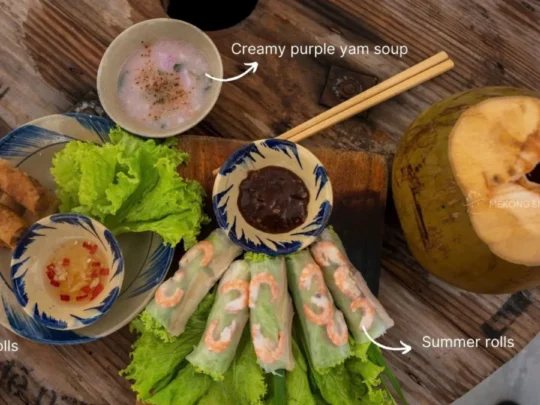
Attractions in Mekong Delta


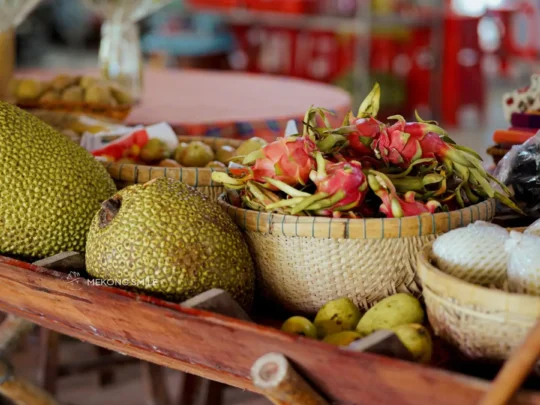

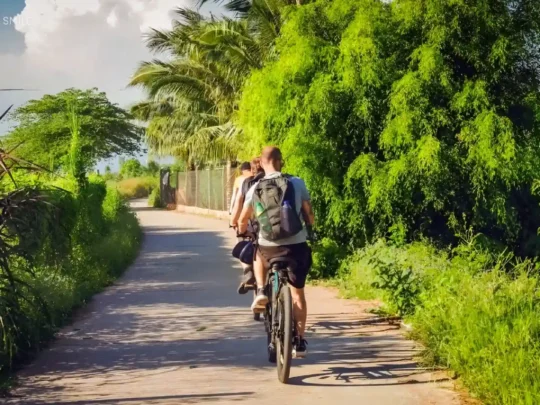

Attractions in Mekong Delta




Attractions in Mekong Delta








Attractions in Mekong Delta



Attractions in Mekong Delta



Attractions in Mekong Delta
Get an Advisor and Book Your Authentic Mekong Delta Tour
Planning Your Mekong Trip?
Get a free, personalized itinerary from our local experts in under 120 minutes.

Get a Free Consultation Leave your contact, we handle the rest.
Frequently Asked Questions about Nam Nha Pagoda
Is there an entrance fee to visit Nam Nha Pagoda?
No, admission to Nam Nha Pagoda is completely free. Unlike the nearby Binh Thuy Ancient House which requires a ticket, this historical site welcomes all visitors without charge.
How far is Nam Nha Pagoda from Binh Thuy Ancient House?
They are very close to each other, approximately 500 meters to 1 km apart. You can easily walk between the two sites in about 10-15 minutes, or take a quick 2-minute motorbike ride. It is highly recommended to visit both on the same trip.
What is the dress code for visiting Nam Nha Pagoda?
Although the architecture resembles a French villa, this is a functioning place of worship. Visitors should dress modestly, ensuring their shoulders and knees are covered. If you are wearing shorts or a tank top, please bring a scarf or sarong to cover up before entering the Main Hall.
Can I reach Nam Nha Pagoda by boat?
Yes, you can. The pagoda is located right on the bank of the Binh Thuy River and has its own river gate. Many boat tours from Ninh Kieu Wharf that head to the fruit gardens or Con Son Islet can make a stop here if you request it in advance.
Is photography allowed inside Nam Nha Pagoda?
Yes, photography is generally allowed in the courtyard, the gardens, and the exterior corridors. You can also take photos inside the Main Hall, but please be respectful: avoid using flash, do not disturb anyone who is praying, and do not pose with your back directly facing the altar.
How much time should I spend in Nam Nha Pagoda?
Nam Nha Pagoda is not a massive complex like Truc Lam Phuong Nam. A visit here is usually short and sweet, typically lasting between 30 to 45 minutes, which is enough time to explore the history, admire the architecture, and enjoy the river view.
