
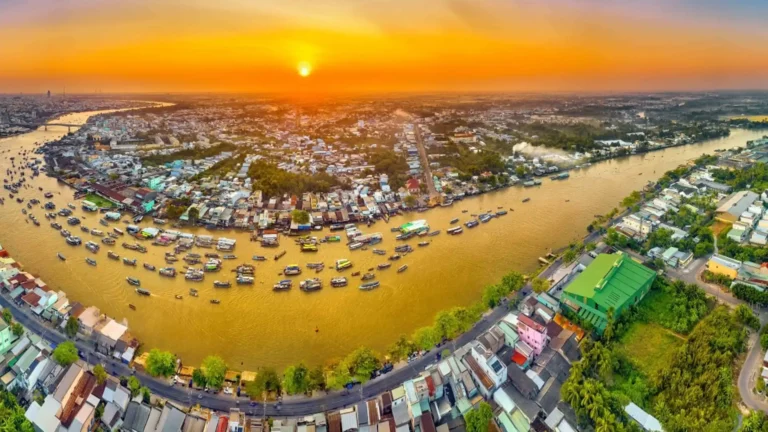

Nestled in the heart of Vietnam’s fertile Mekong Delta, Can Tho Travel Guide is your essential companion to discovering the region’s vibrant river life, timeless culture, and irresistible cuisine. Often called the “capital of the Mekong Delta,” Can Tho enchants visitors with its floating markets, lush canals, and easygoing pace that feels worlds apart from Vietnam’s bustling cities. In this complete handbook of Mekong Smile, you’ll find everything you need to plan your trip — from the best time to visit, how to get there, and where to stay, to must-try local dishes and authentic experiences that reveal the soul of southern Vietnam.
This is a comprehensive handbook. To quickly find the section you need, see the outline at the left screen.
Can Tho at a Glance
- Location: Mekong Delta, Southern Vietnam (approximately 169 km southwest of Ho Chi Minh City)
- Population: Approximately 1.2 million residents
- Distance from major cities:
- Ho Chi Minh City: 169 km (3-4 hours by road)
- Hanoi: 1,720 km (2.5 hours by flight)
- Da Nang: 940 km (1.5 hours by flight)
- Language: Vietnamese (English increasingly spoken in tourist areas, hotels, and restaurants)
- Currency: Vietnamese Dong (VND) – approximately 24,000 VND = 1 USD
- Time zone: Indochina Time (ICT, UTC+7)
- Best known for: Cai Rang Floating Market, Mekong Delta river culture, authentic Vietnamese cuisine, and gateway to the delta region
Why I Should Travel to Can Tho
Authentic Mekong Delta Experience – Cai Rang Floating Market
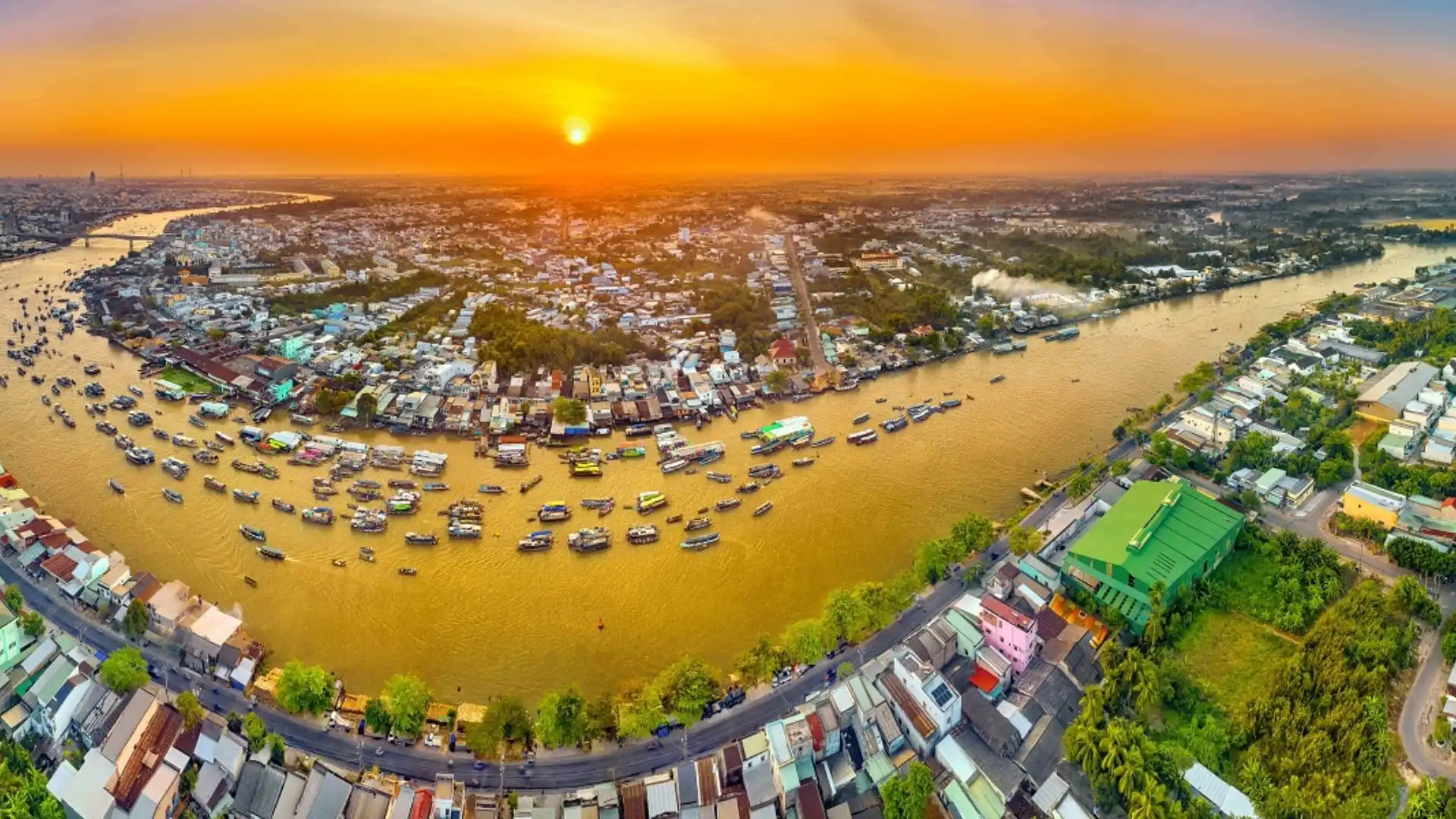
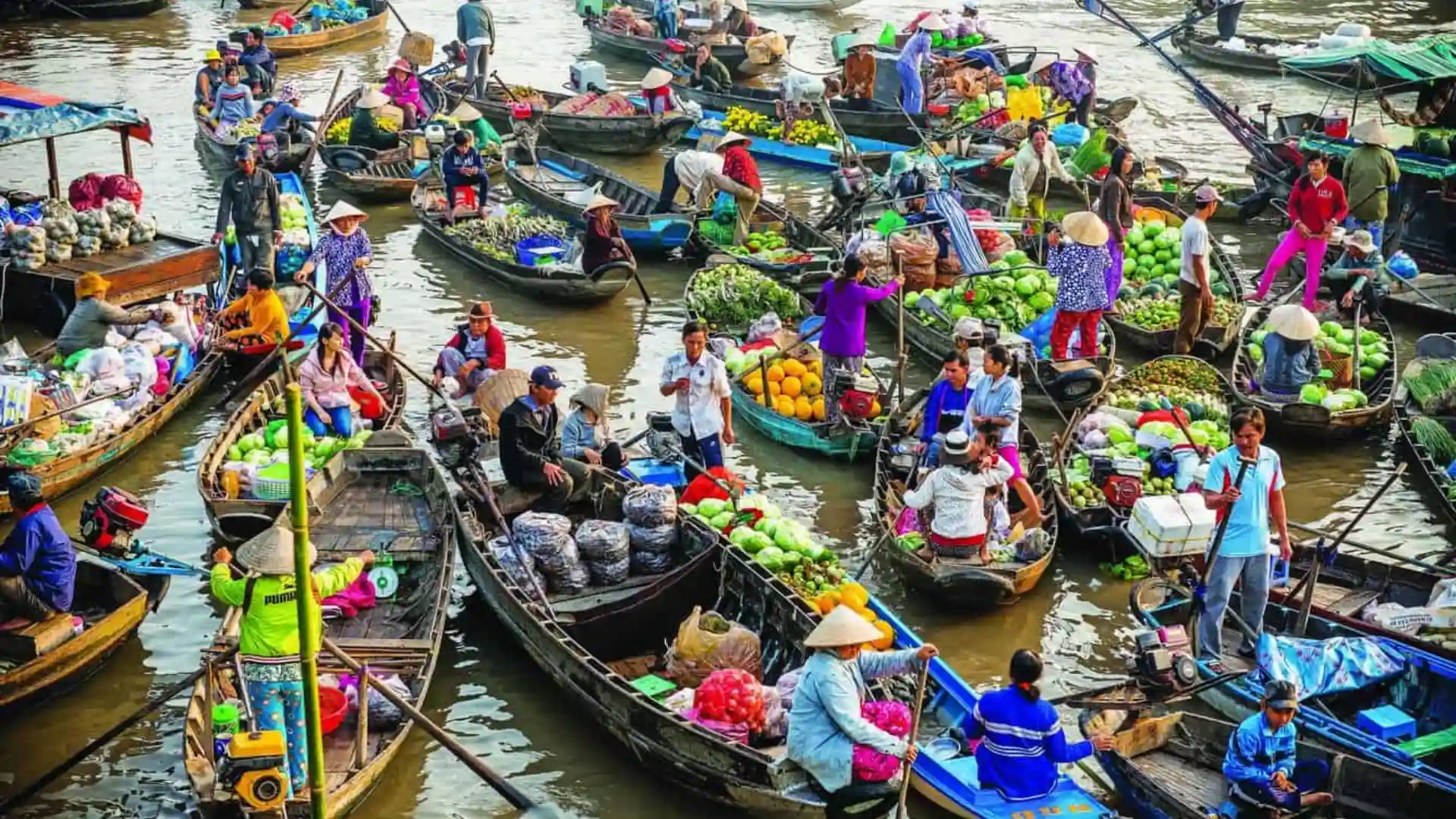
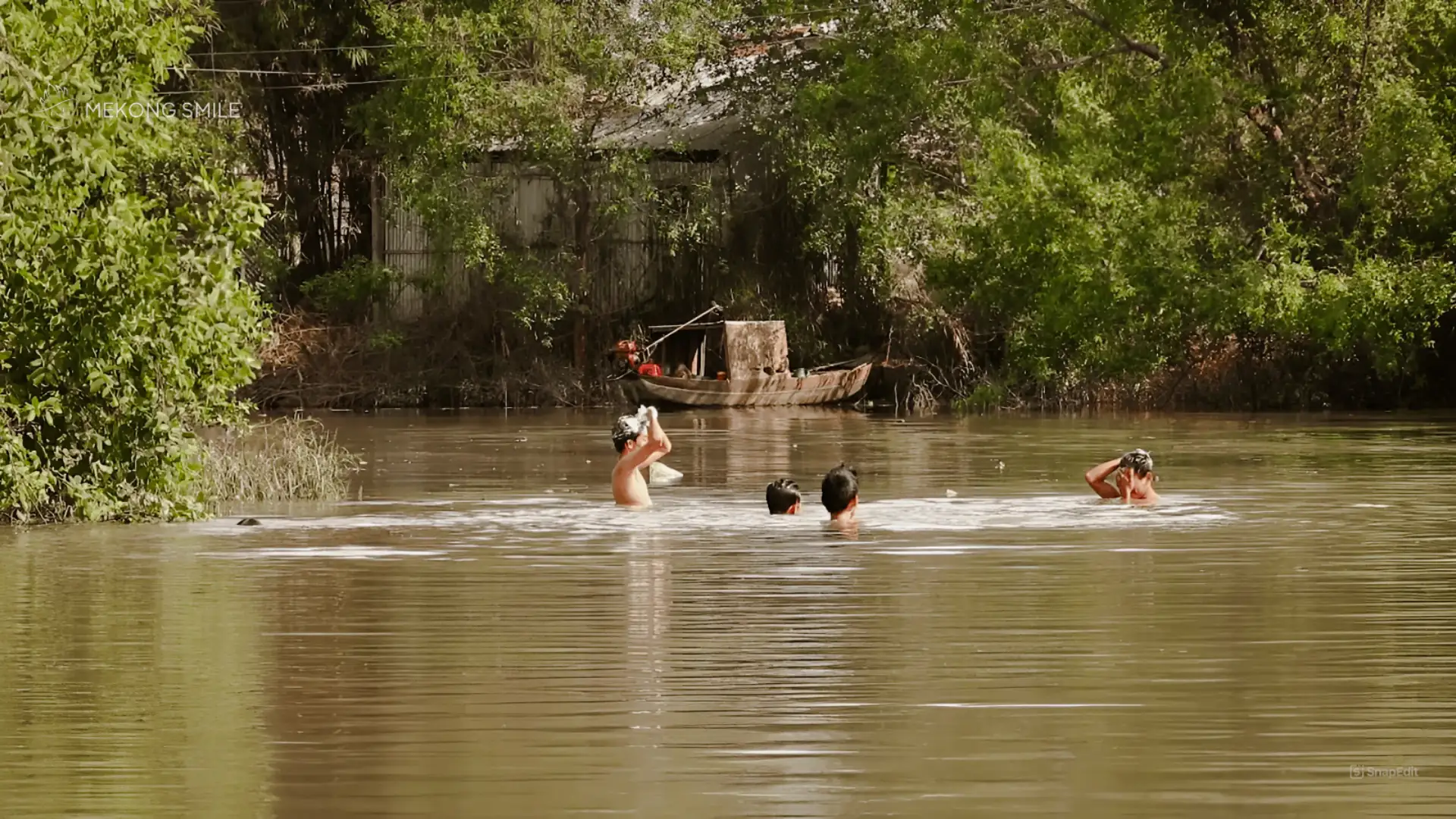
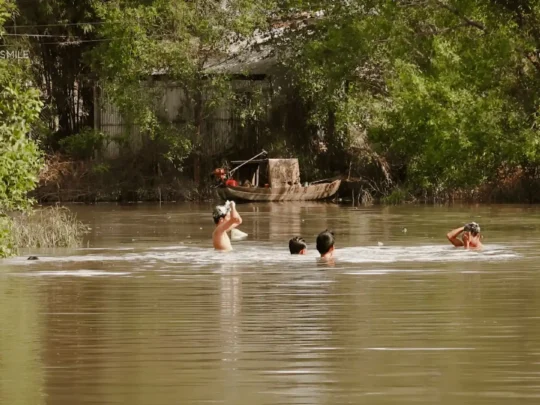
Can Tho stands apart from Vietnam’s more commercialized destinations by offering travelers an unfiltered view of delta life: fishermen cast their nets at dawn, families tend floating gardens, etc.
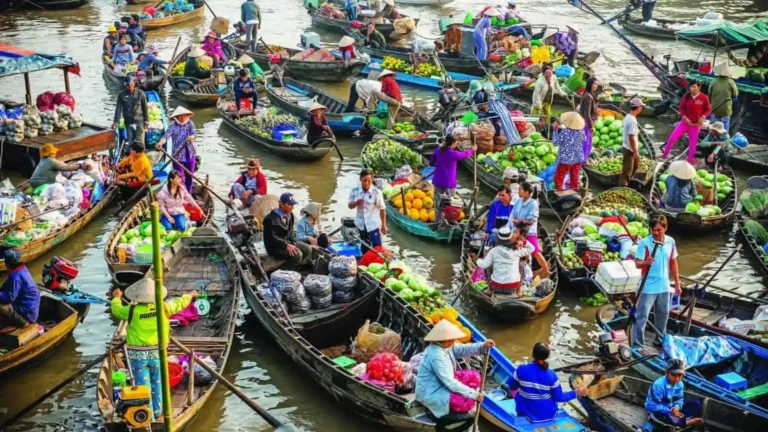
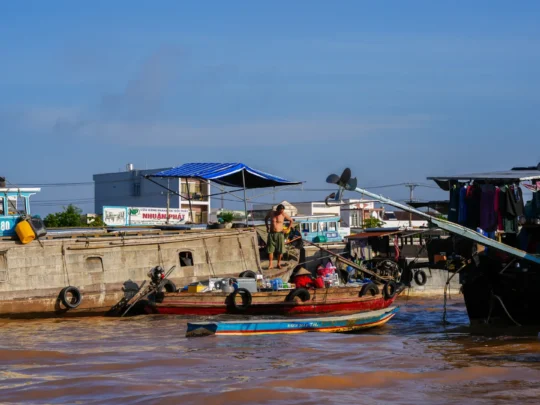
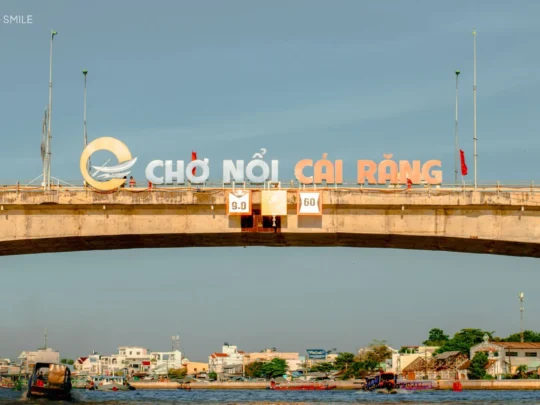
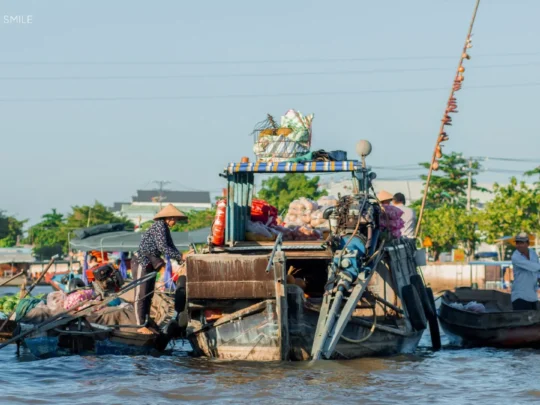
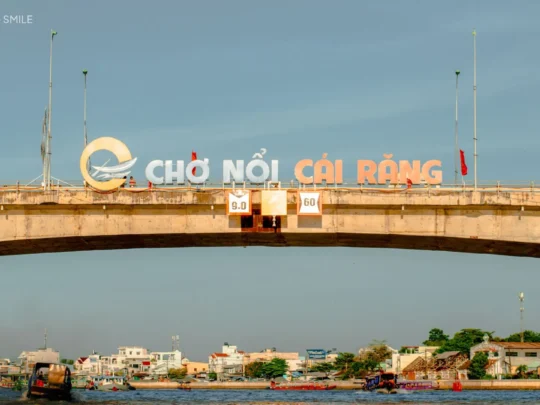
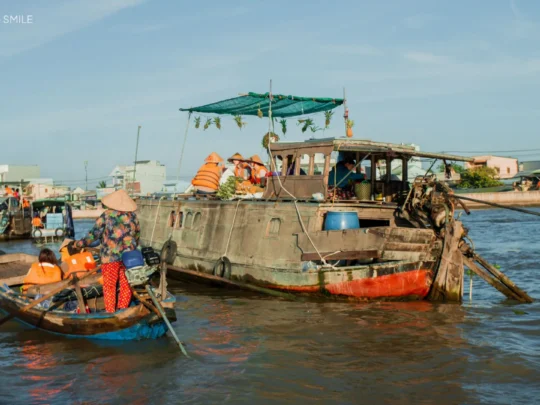
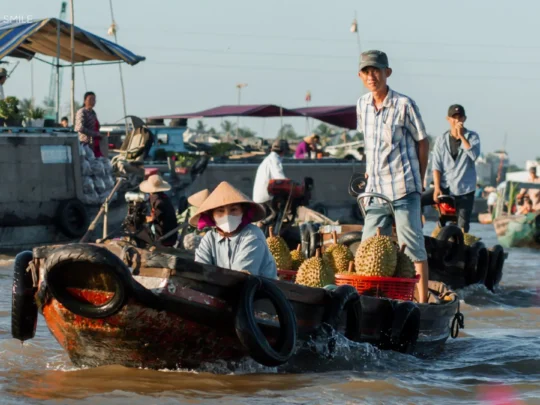
The city’s floating markets aren’t staged for tourists; they’re actual wholesale trading centers where delta farmers have conducted business for over a century: arrive as early as 3 AM to secure prime spots, hanging their produce on tall bamboo poles as advertisement.
Gateway to the Mekong Delta by Small Canals
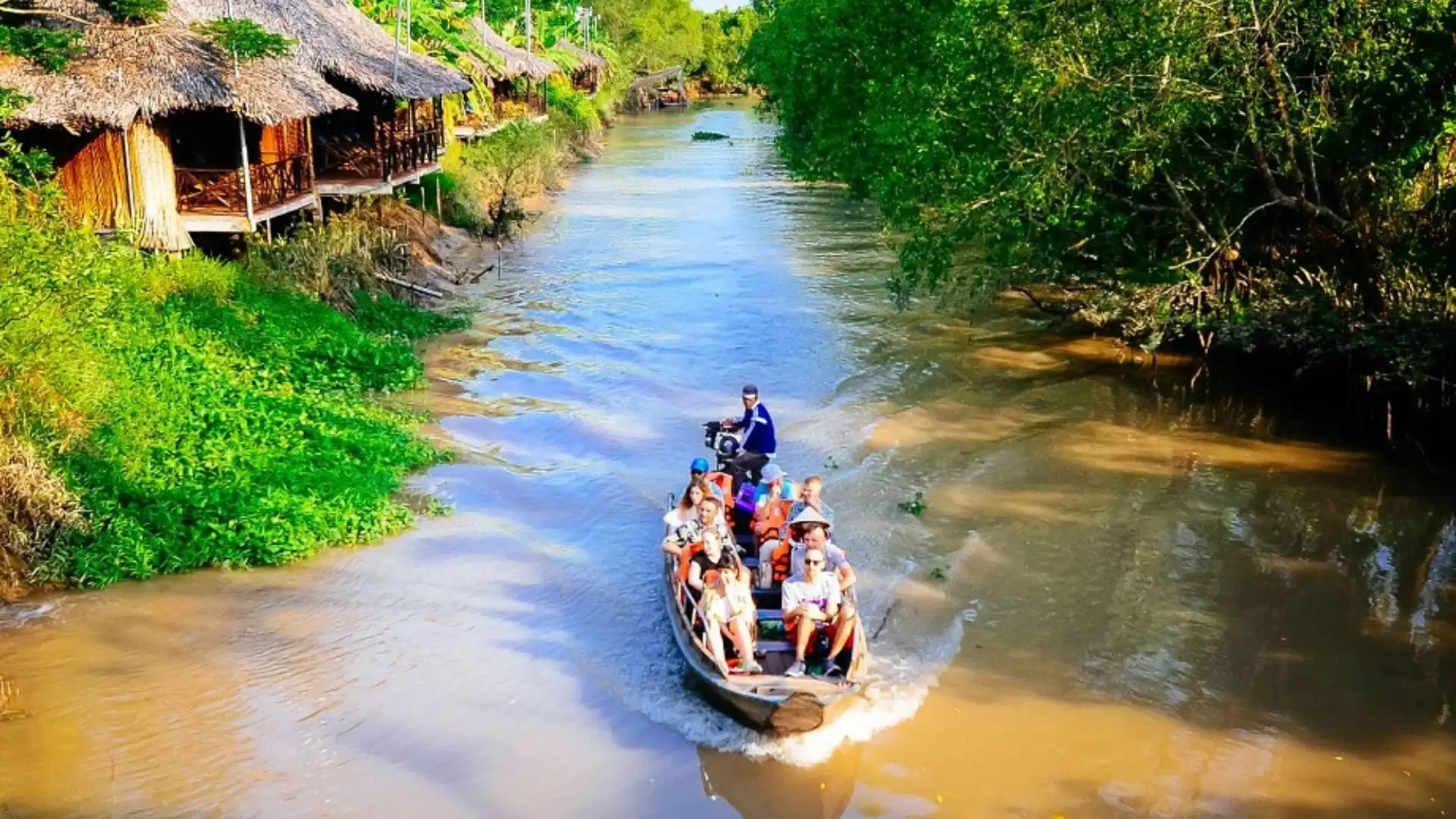
Can Tho’s central location makes it the perfect base camp for exploring the broader Mekong Delta region. The city sits at the confluence of the Hau River (a major Mekong tributary) and numerous smaller canals, providing easy access to the surrounding areas: Tra Su Cajuput Forest (2 hours), Sa Dec, ancient Khmer temples in Soc Trang, fruit orchards in Vinh Long.
Culinary Paradise
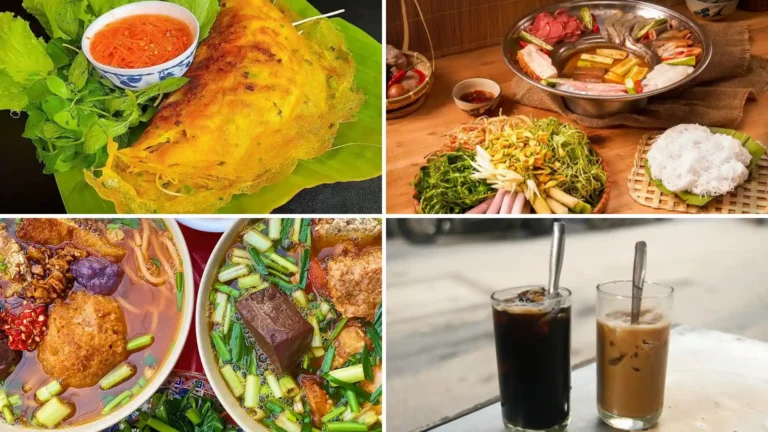
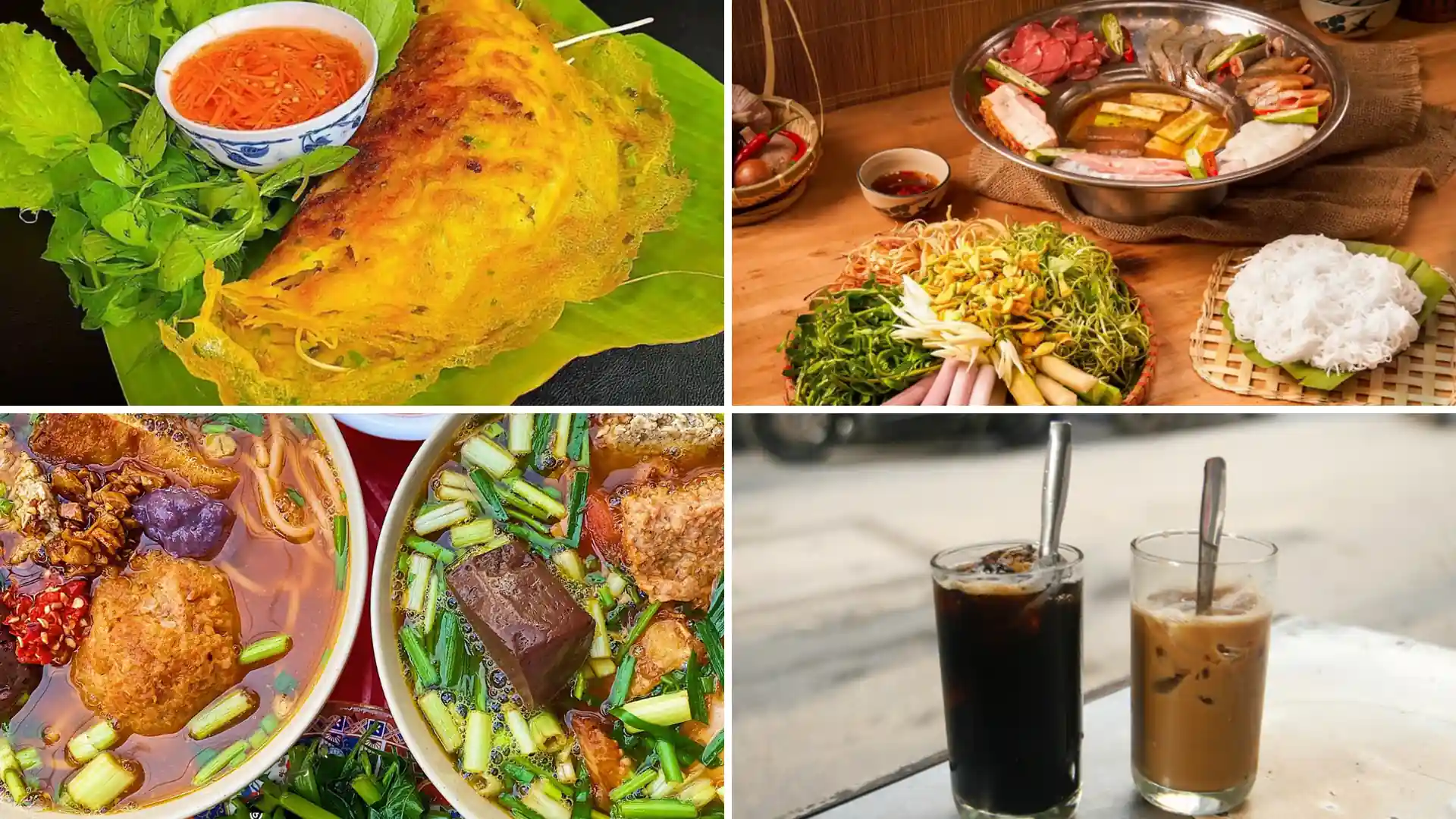
For food enthusiasts, Can Tho is nothing short of revelatory. The city’s cuisine represents the Mekong Delta at its finest: crispy banh xeo pancakes, tangy bun rieu cua, and the polarizing lau mam hot pot.
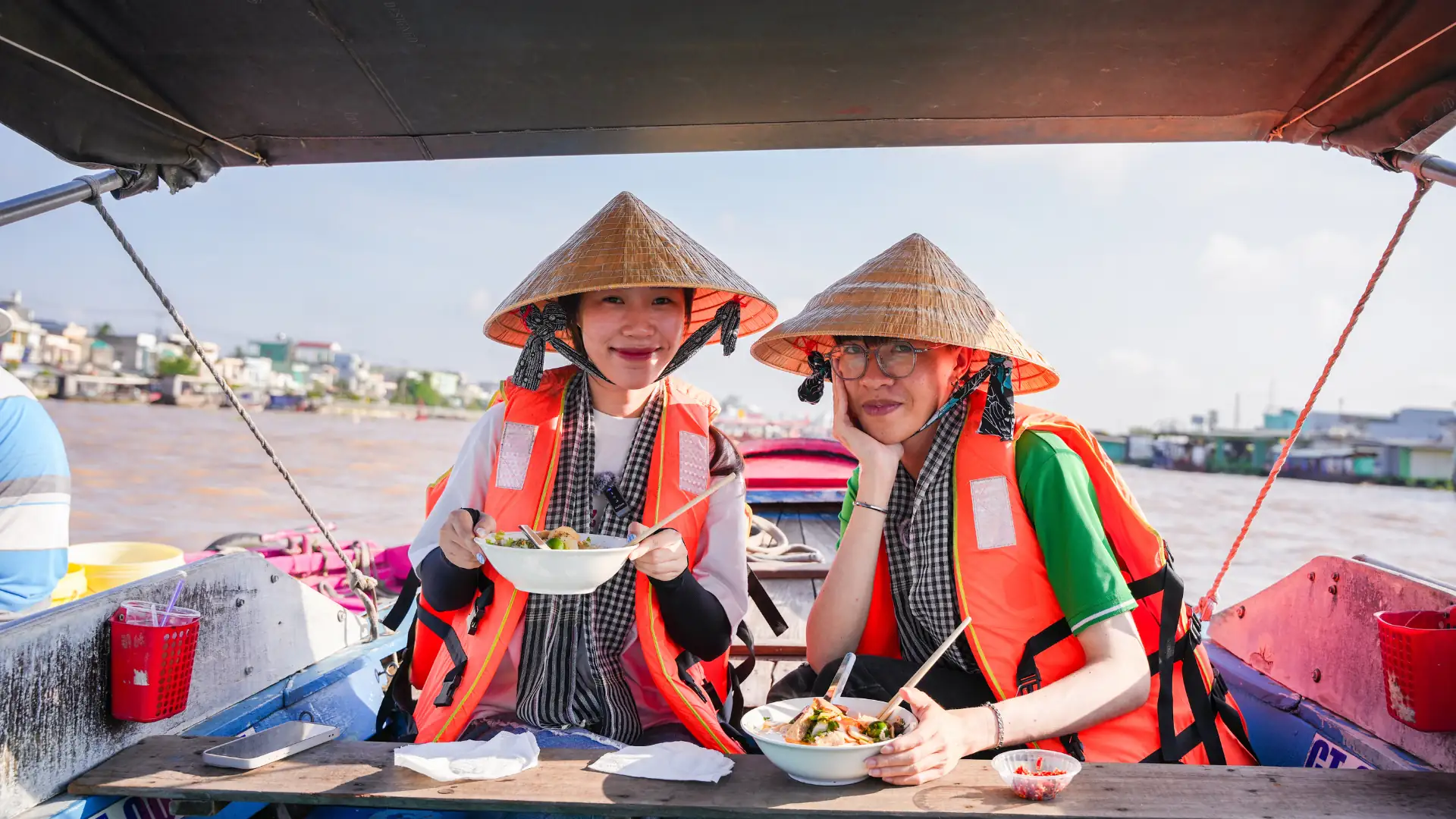
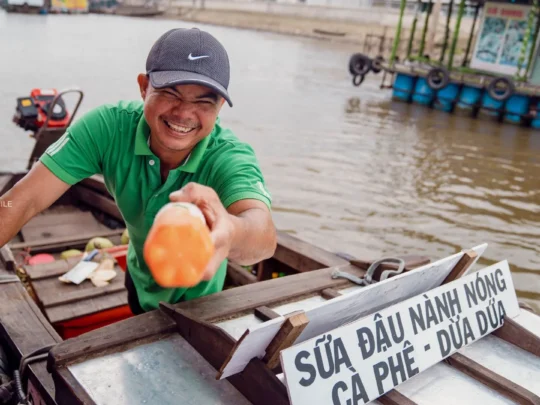
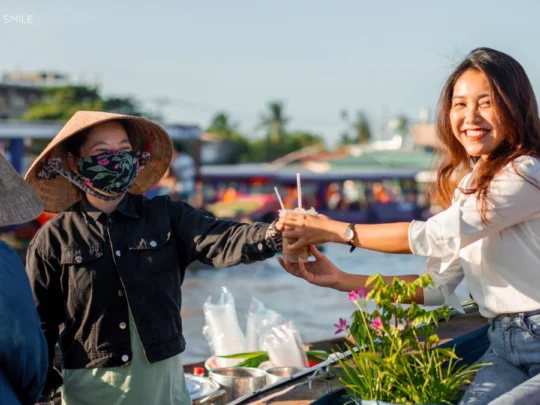
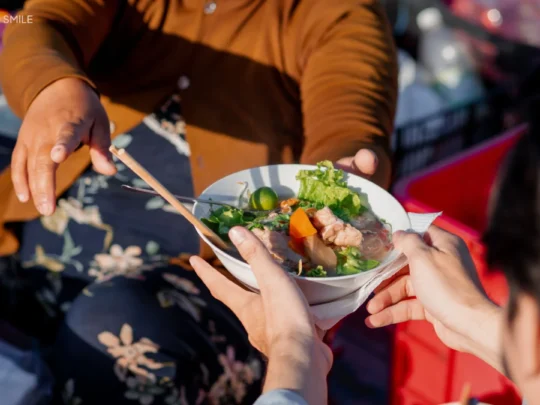
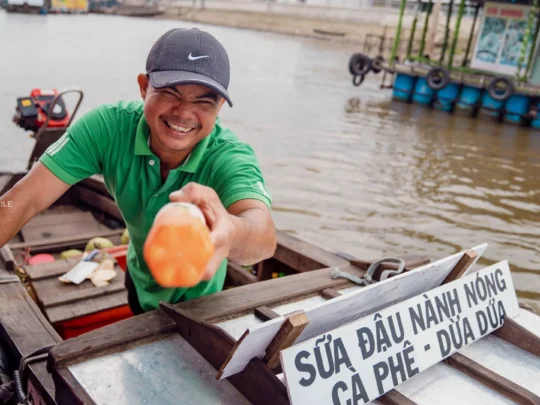
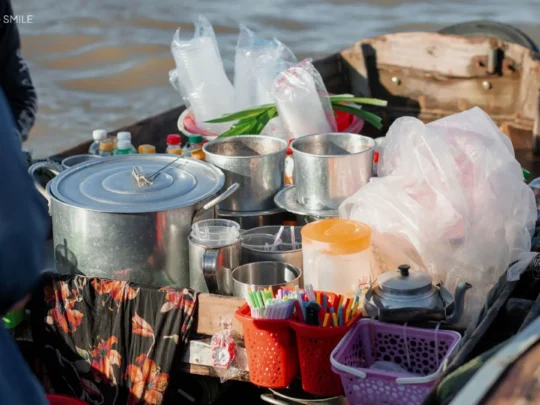
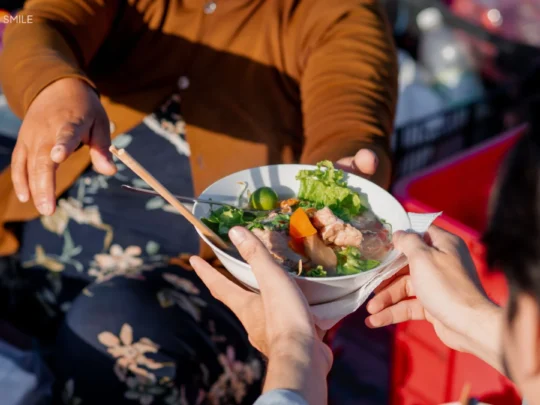
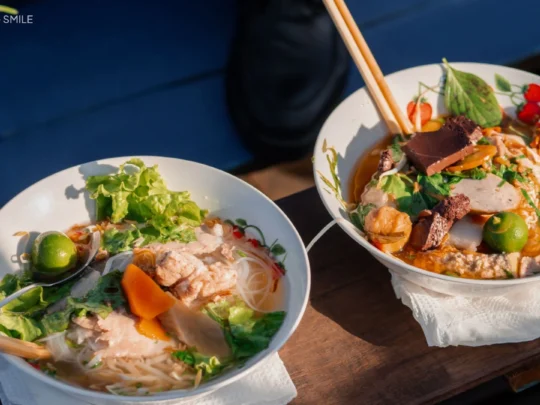
Beyond restaurants, Can Tho’s food scene thrives in its markets and street stalls. The night market along Ninh Kieu Wharf transforms into a open-air food court each evening. Morning brings breakfast boats to the Cai Rang floating market, serving steaming bowls of hu tieu noodles and Vietnamese coffee so strong it could wake the dead.
Read more and find your beloved food at Can Tho Restaurant
Relaxed Pace Compared to Major Cities
After the motorbike mayhem of Hanoi or the ceaseless energy of Ho Chi Minh City, Can Tho feels like exhaling after holding your breath. The city maintains a distinctly unhurried atmosphere where life follows the river’s natural rhythm rather than the frantic pulse of urban Vietnam, and where you can immerse yourself in a place rather than just pass through it.
When to Visit Can Tho
Best Time to Visit Can Tho
Can Tho’s tropical climate means the city is visitable year-round, but timing your visit can significantly impact your experience:
- The dry season (December to April) represents peak travel conditions, offering sunny skies, comfortable temperatures, and optimal conditions for exploring floating markets and taking river cruises.
- The shoulder months (November and May) provide an excellent compromise— fewer tourists, lower accommodation prices, and generally good weather.
- The rainy season (June to October) brings daily afternoon downpours and higher humidity. Rain typically arrives predictably in the late afternoon, leaving mornings clear for activities.
Weather in Can Tho
Dry Season: December – April (The Peak Season): With sunny skies and temperatures between 25°C – 32°C, this is the most popular time for outdoor exploration.
- Highlights: Perfect for sunrise tours of the Cai Rang Floating Market and cycling through countryside villages.
- Keep in Mind: Expect higher prices and larger crowds, especially during major holidays like Christmas and Tet. Early booking is recommended.
Rainy Season: May – November (The Lush & Budget Season): Rain usually comes in brief, heavy afternoon bursts, leaving the rest of the day fresh and the landscape incredibly vibrant.
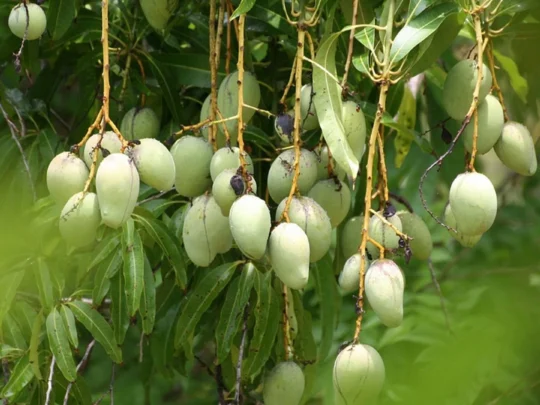
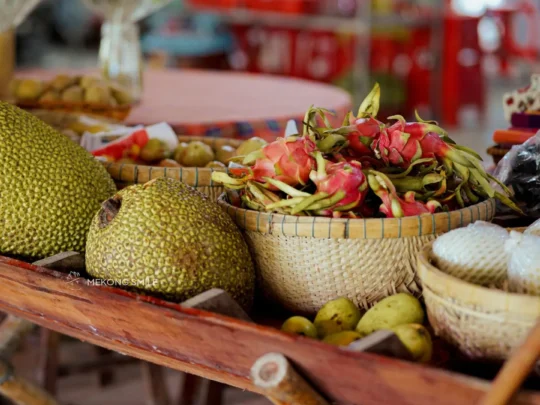
- Highlights: This is peak fruit harvest season (durian, mangosteen, rambutan). Landscapes turn emerald green, and you’ll experience a more authentic atmosphere with fewer tourists.
- Budget Advantage: Accommodation prices often drop by 30-50%, making it ideal for budget-conscious travelers.
Summary: Visit during the Dry Season for the best weather and festivals, or choose the Rainy Season for lush scenery, fresh fruits, and significant savings.
Festival Times
- Tet (Vietnamese Lunar New Year), typically falling in late January or early February, transforms the city with flower markets, family celebrations, and special festival foods.
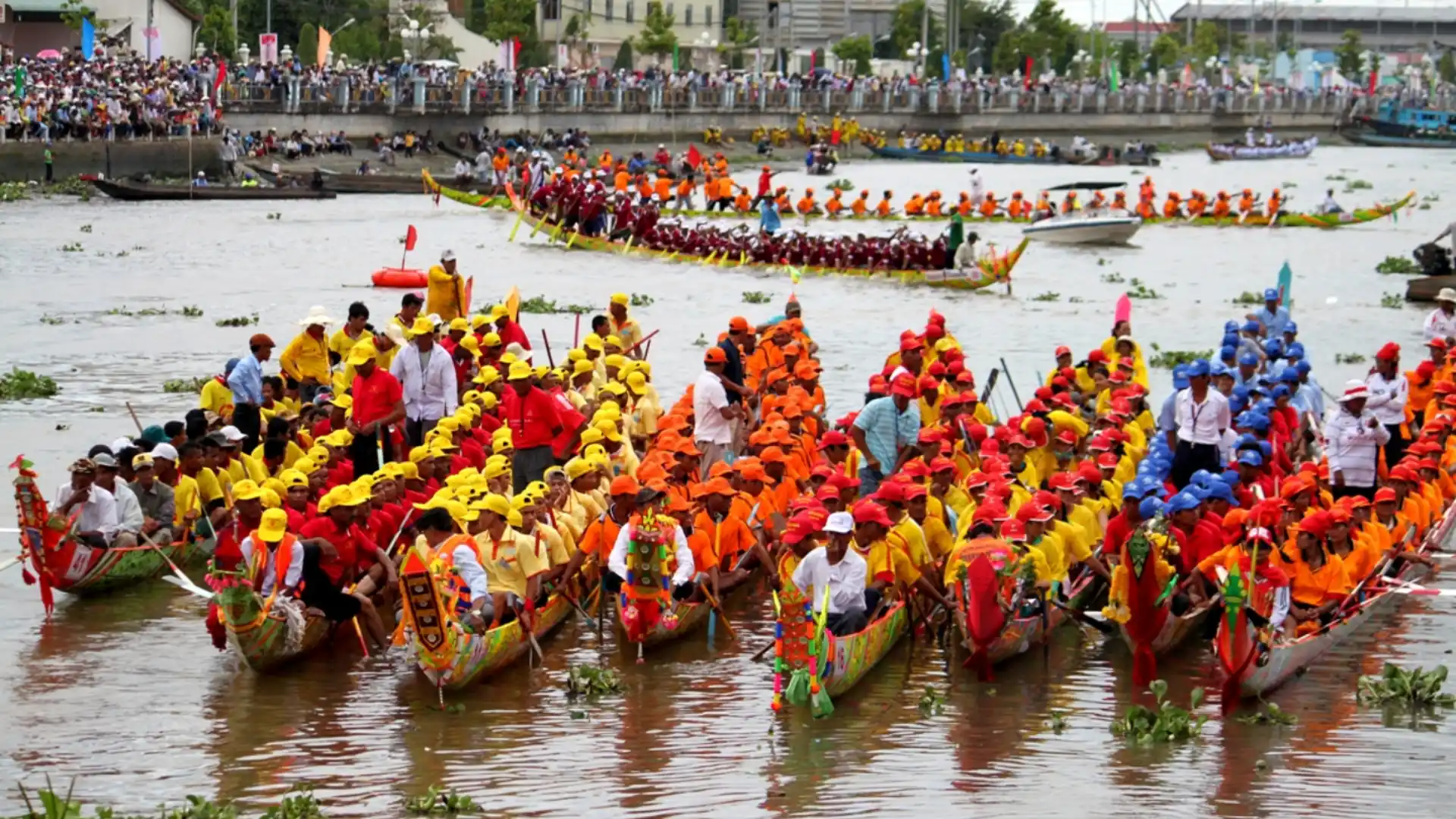
- The Ok Om Bok Festival (Khmer Water and Moon Festival), celebrated in October or November, honors the moon and river gods with boat races on the Hau River, traditional music performances, and offerings of rice and fruit.
- For floating market enthusiasts, dry season months (December-April) offer the most consistent market operations with the widest variety of produce. During these months, markets buzz with activity from 5 AM to 9 AM daily.
Getting to and Around Can Tho
How to Get to Can Tho
From Ho Chi Minh City (HCMC)
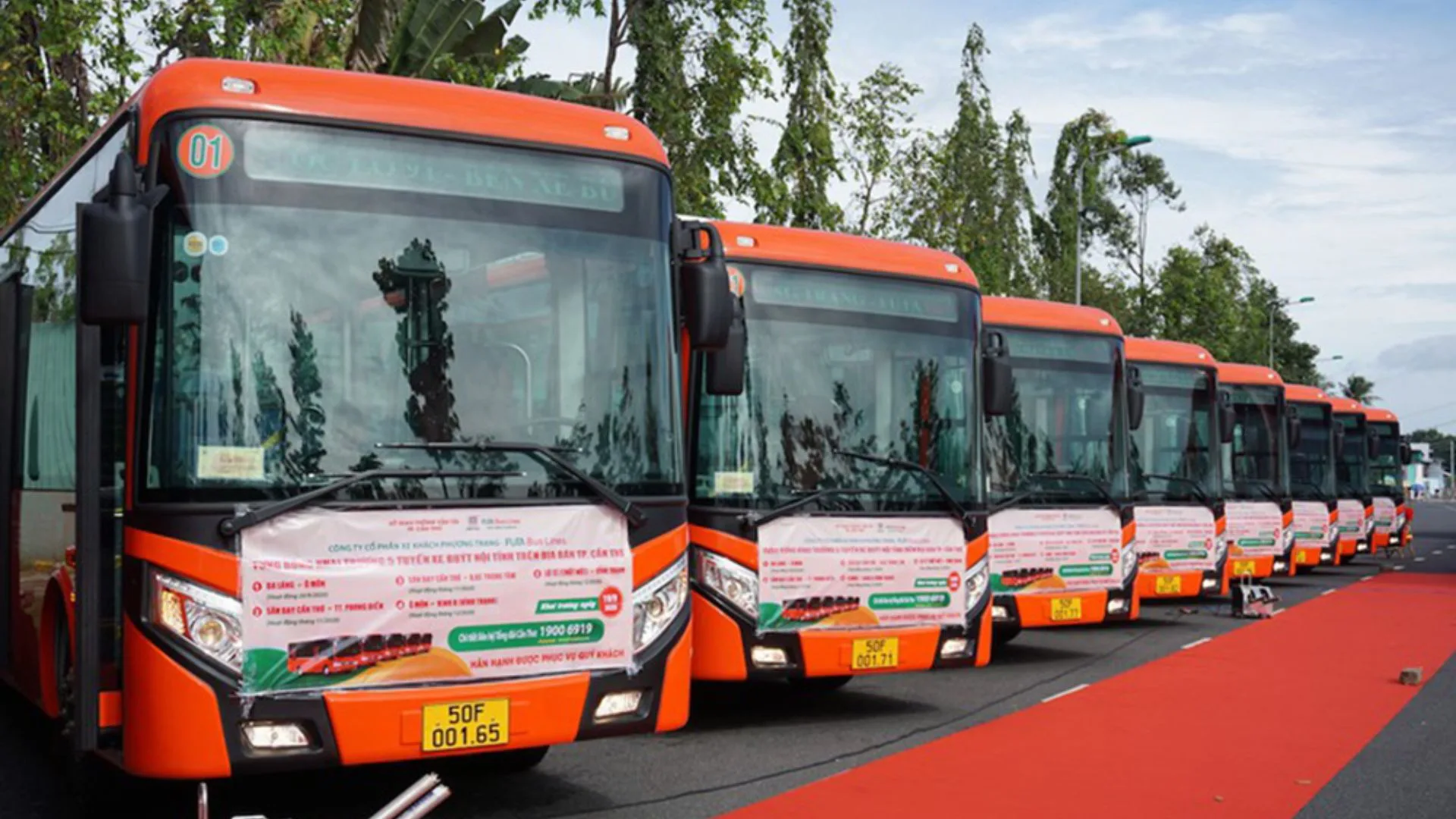
- Bus (Recommended): Most reliable and popular. Operators like FUTA (Phuong Trang) or Thanh Buoi depart from Mien Tay Terminal, taking 3.5 – 4 hours via expressway. Tickets cost $7 – $8 and often include a free city-center shuttle.
- Private Car: Private transfers cost $60 – $100 for door-to-door comfort and flexibility, ideal for families or small groups.
- Flight: A quick 45-minute flight from SGN (Tan Son Nhat) costs between $25 – $50, landing at Can Tho International Airport (VCA).
From Other Regions
- Domestic Flights: Direct flights available from Hanoi (2h), Da Nang (1.5h), and Phu Quoc (45m) via Vietnam Airlines or Vietjet.
- International (Cambodia): A combined bus/boat journey from Phnom Penh via Chau Doc takes approximately 8 hours including border crossing.
Getting Around Can Tho
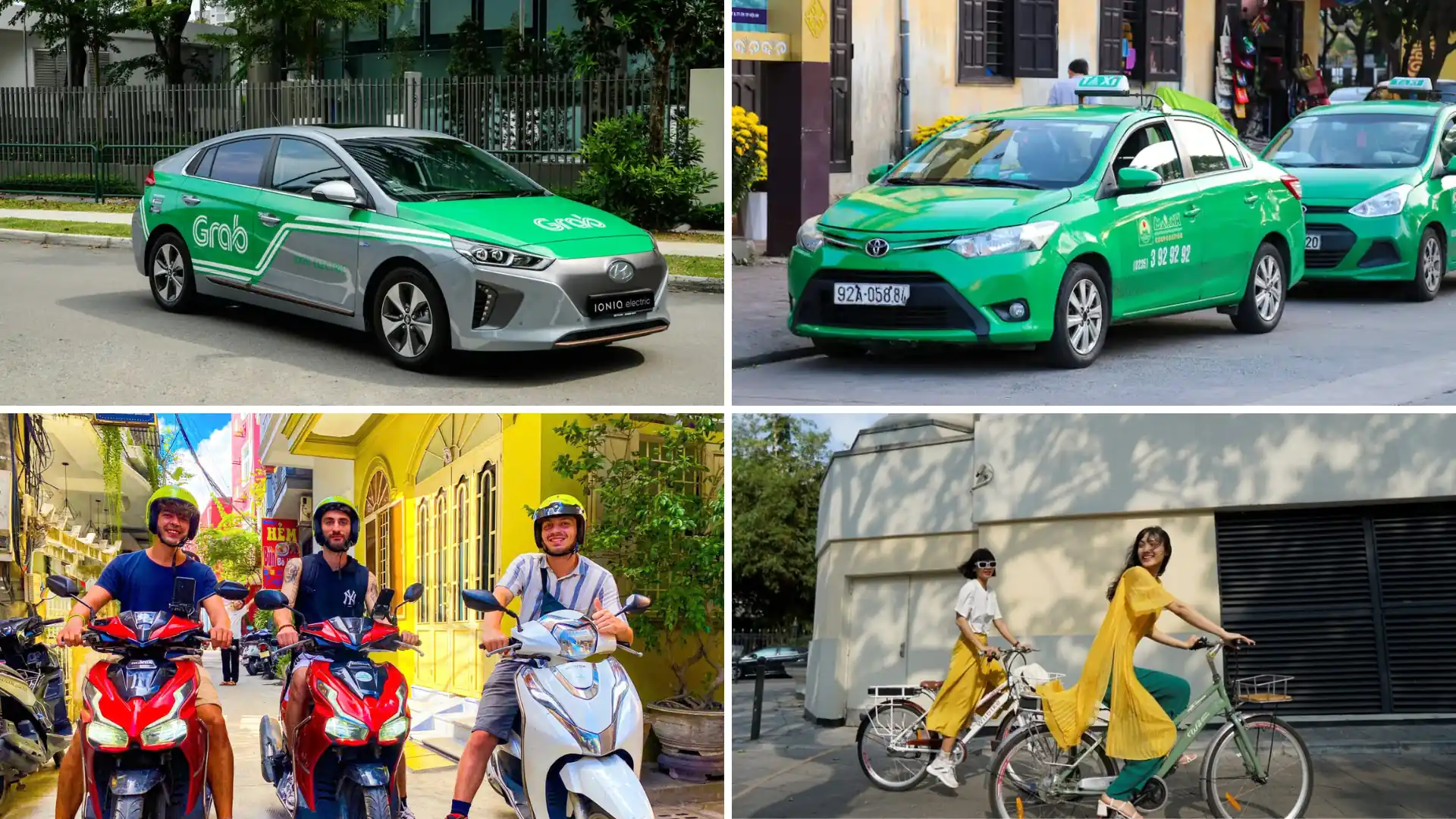
- Grab & Taxis: Grab is the most convenient option to avoid language barriers and fare negotiations. Use GrabBike for navigating traffic quickly or GrabCar/Metered Taxis (Mai Linh, Vinasun) for air-conditioned comfort. Trips within the city center typically cost between $1 – $3.
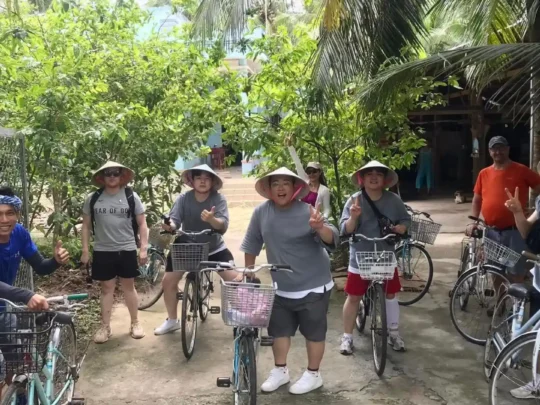
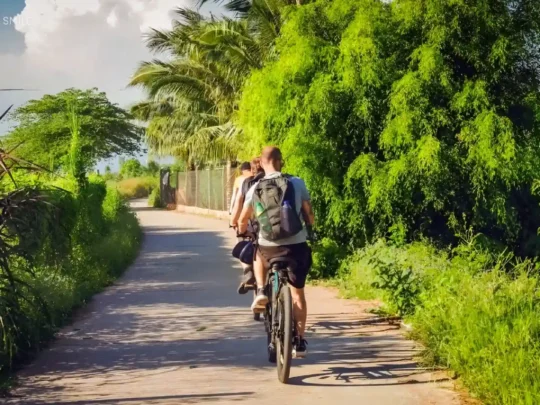
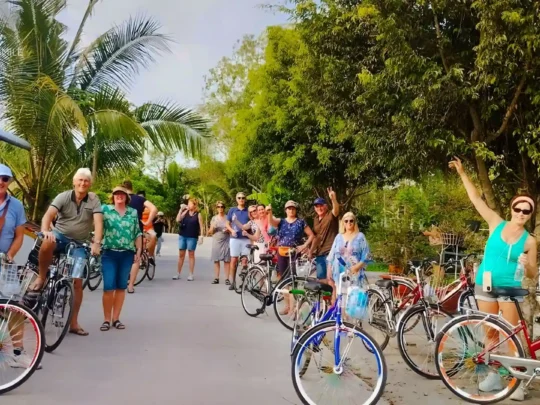
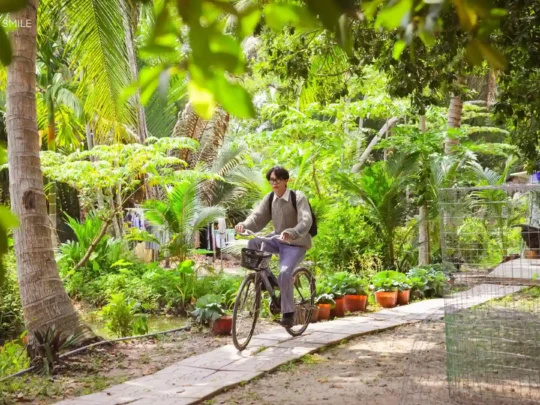
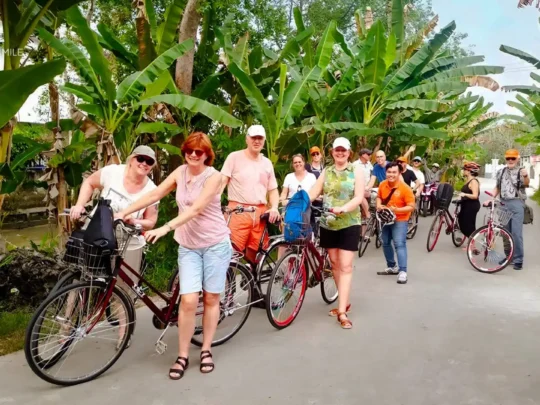
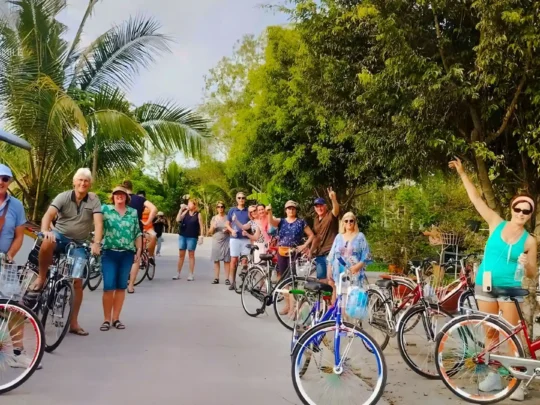
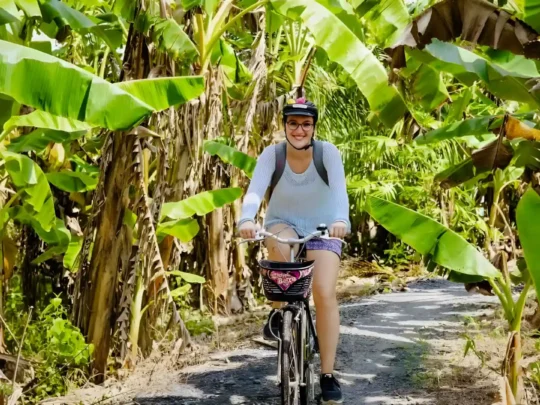
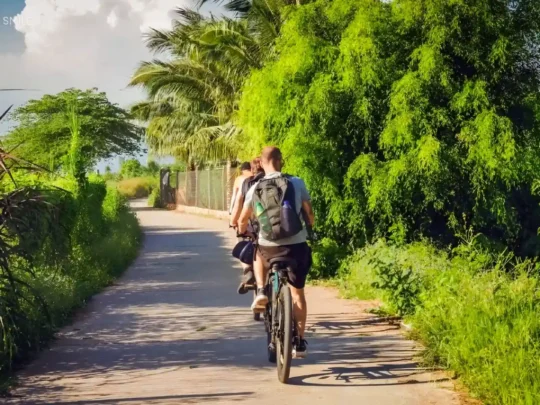
- Rentals: Motorbikes ($4 – $7/day) offer the most freedom to explore outlying sites like the Binh Thuy Ancient House. Bicycles ($1 – $2/day) are ideal for the flat, scenic paths of islets like Con Son; many local homestays offer these for free to guests.
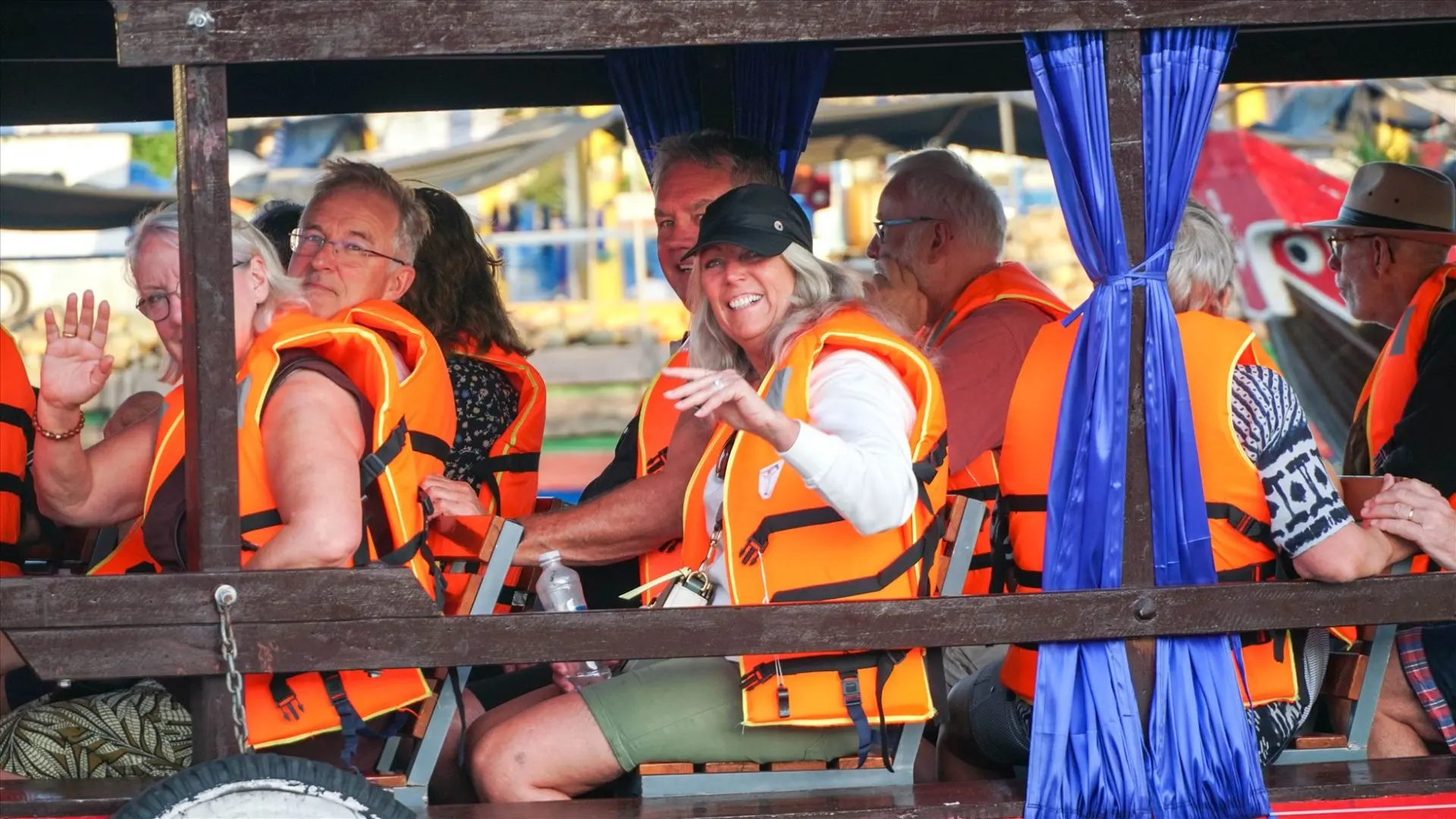
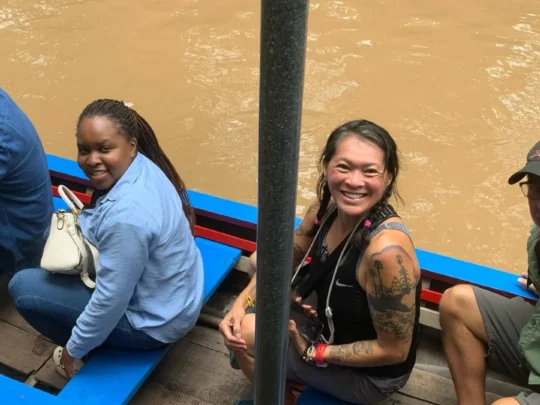
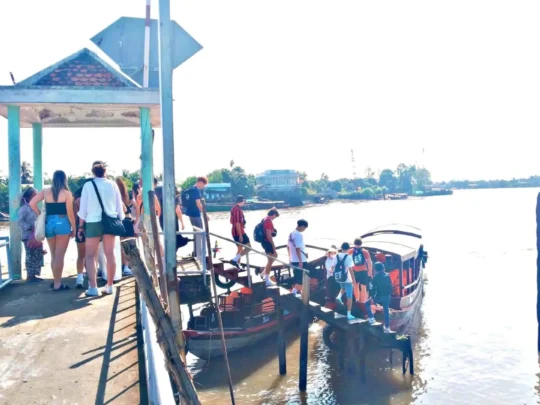
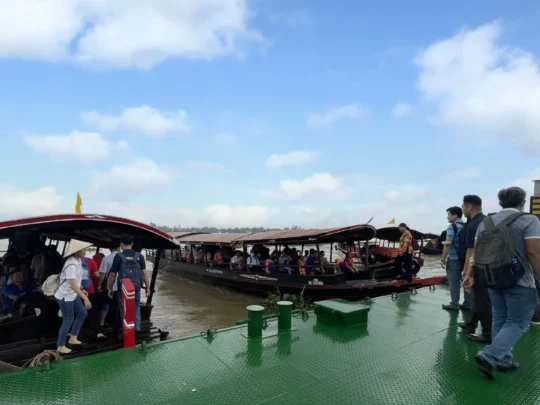
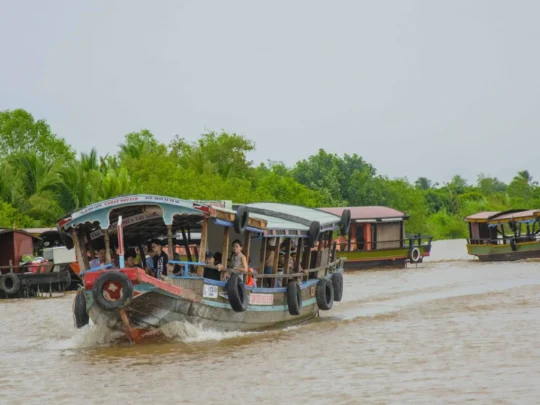
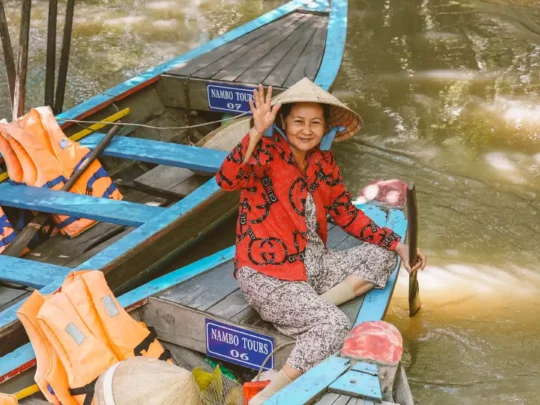
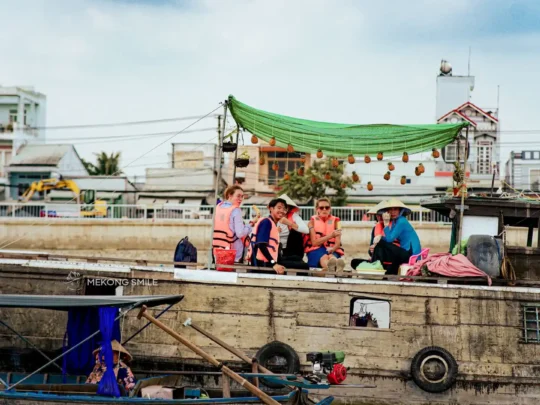
- River Travel: Hiring a boat is essential. You can rent Private Boats at Ninh Kieu Wharf ($15 – $25) for a customizable 3-hour journey, or join Cai Rang Floating Market Tours ($5 – $10 per person) for a more social experience that often includes a local guide and light snacks.
Top Things to Do in Can Tho
Cai Rang Floating Market
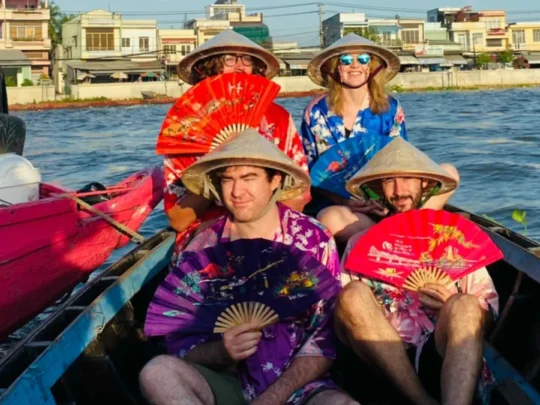
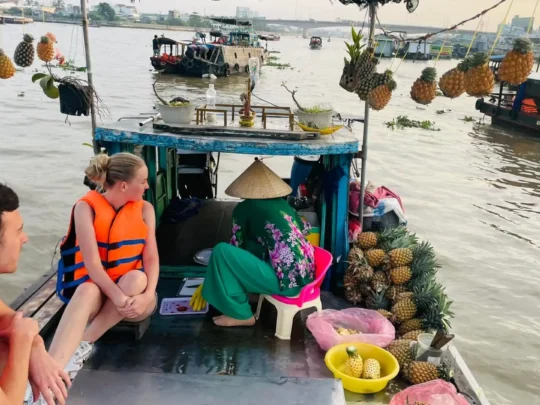
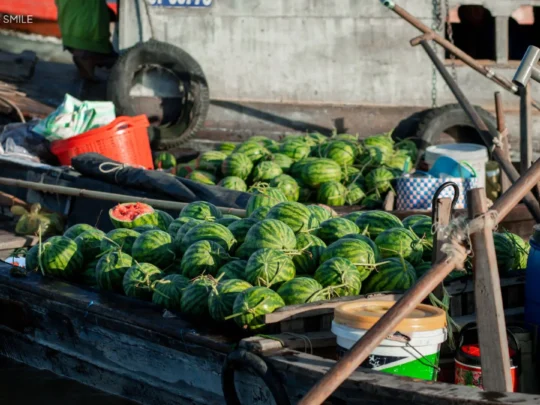
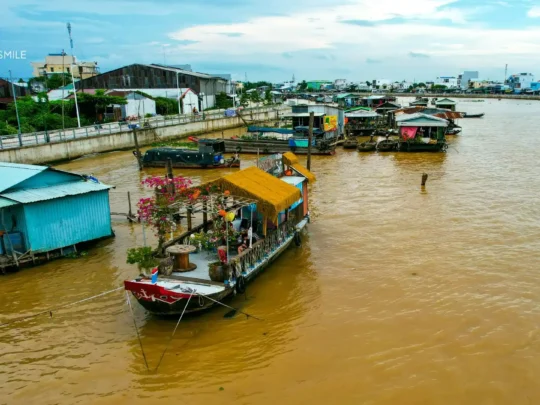
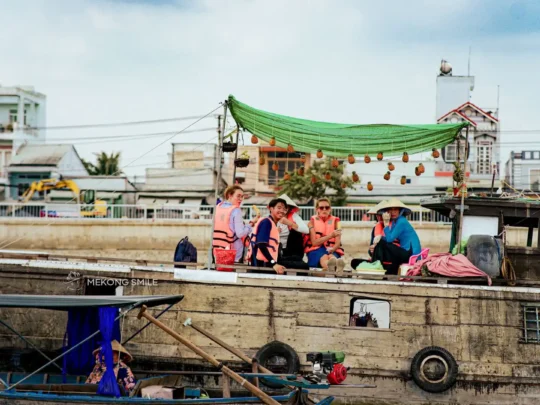
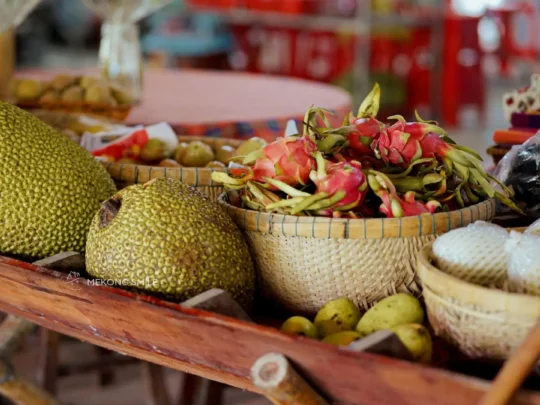
As the largest and most iconic floating market in the region, Cai Rang Floating Market is an essential experience. This watery marketplace comes alive in the early hours with hundreds of boats trading everything from fresh pineapples to local handicrafts.
- What to See: Look for the “Cay Beo” (bamboo poles) attached to boats—vendors hang their products on these poles to signal what they are selling.
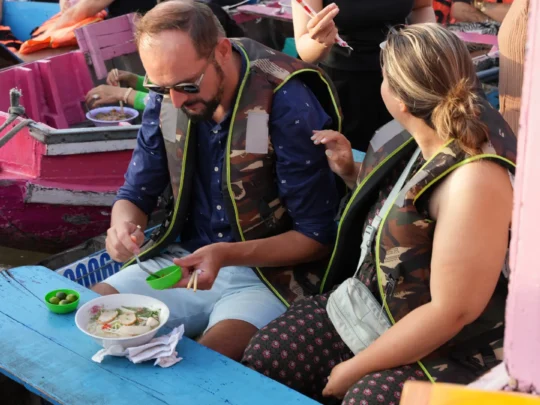
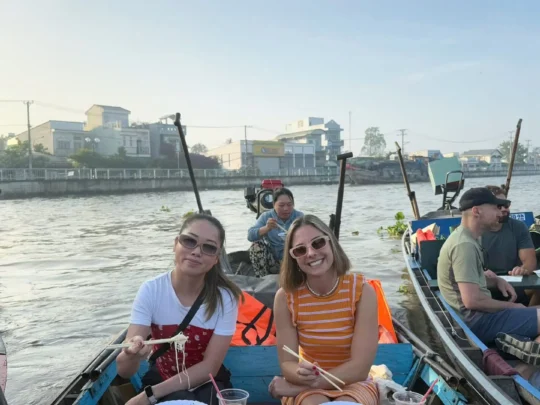
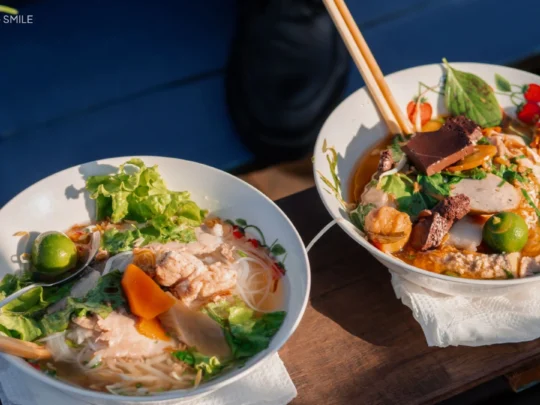
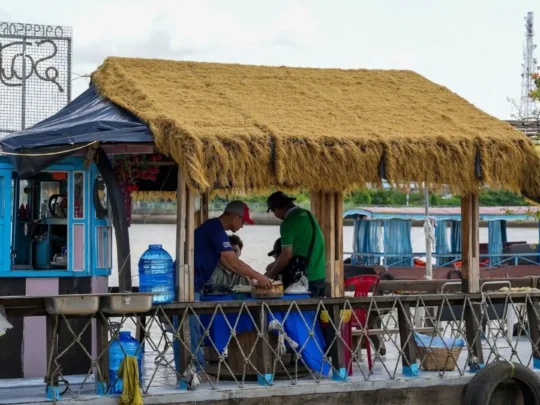
- The Experience: Don’t miss the “floating breakfast.” Savoring a steaming bowl of Bun Rieu or Hu Tieu prepared on a small sampan while bobbing on the river is a memory you won’t forget.
- Best Time: Aim to arrive between 5:30 AM and 6:30 AM to witness the market at its most energetic before the heat of the day sets in.
Mekong Delta Hidden Waterways
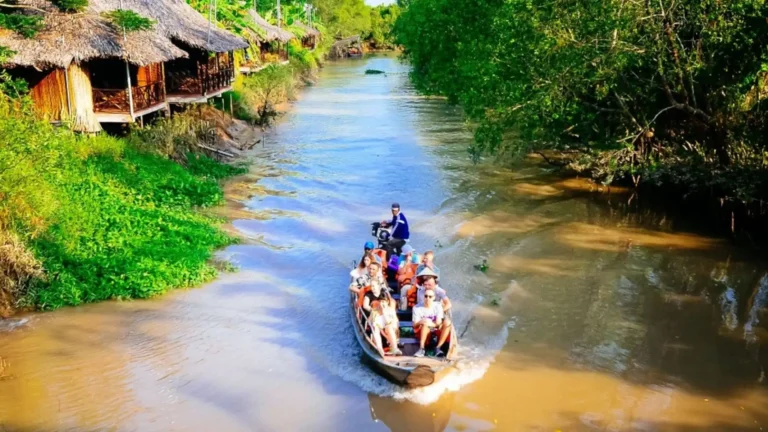
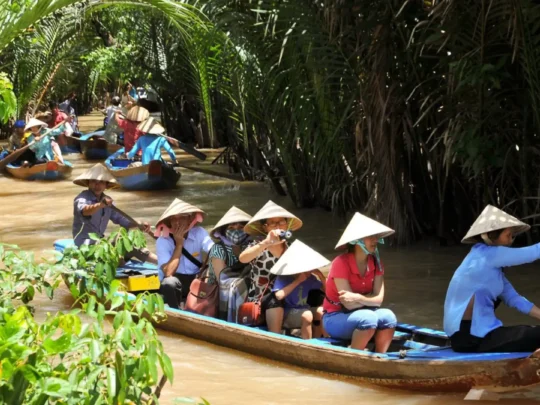
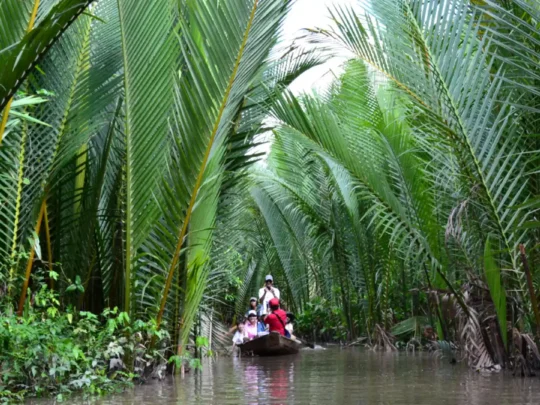
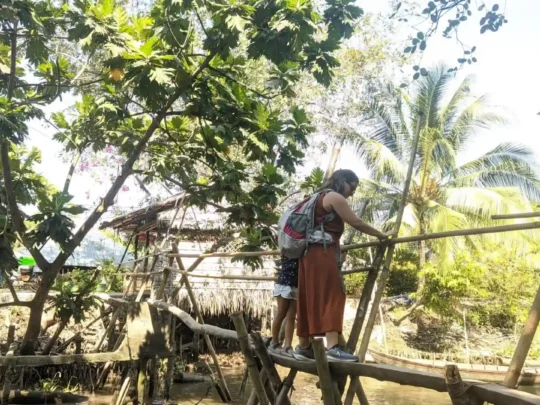
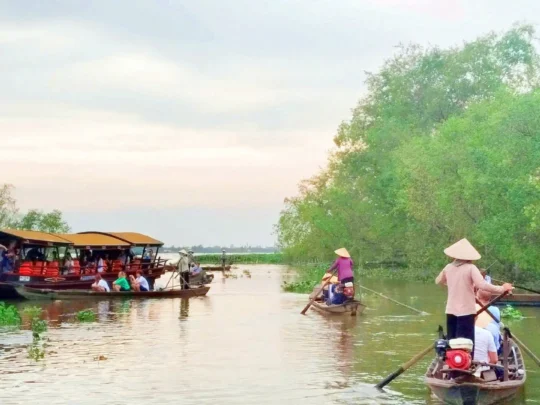
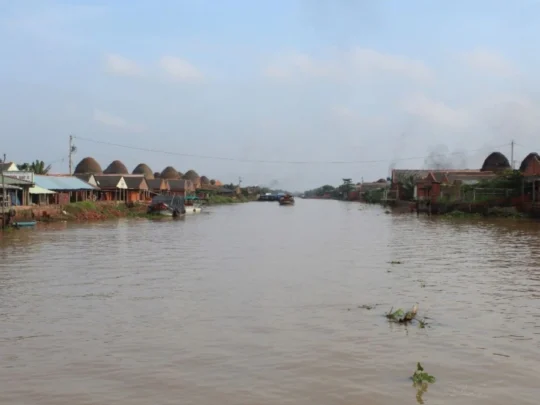
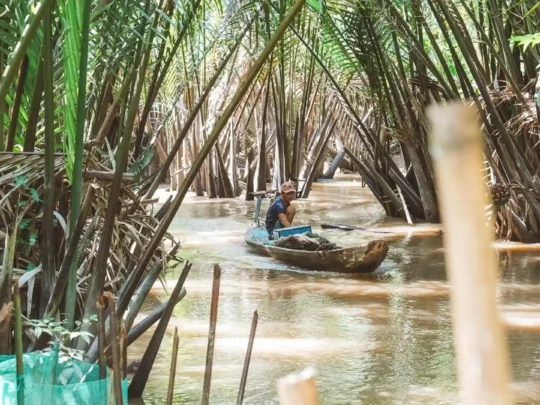
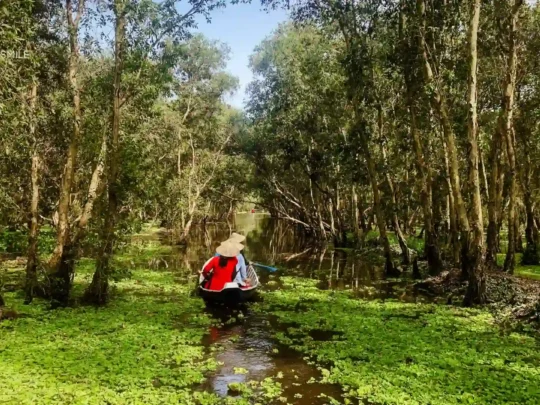
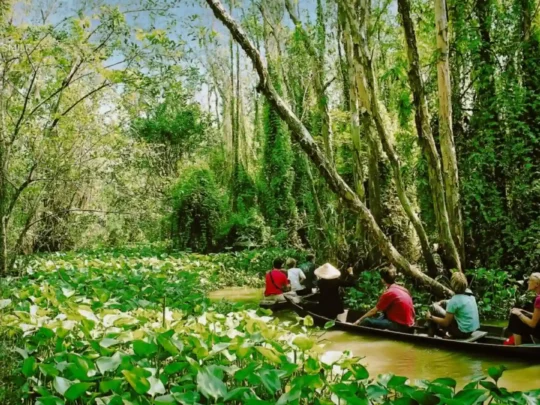
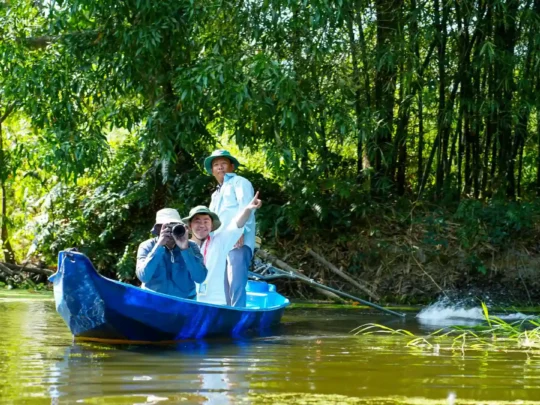
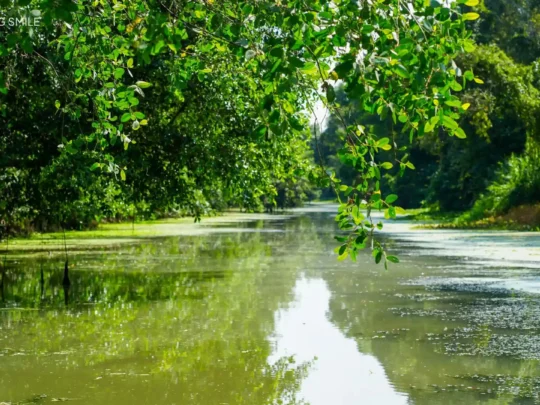
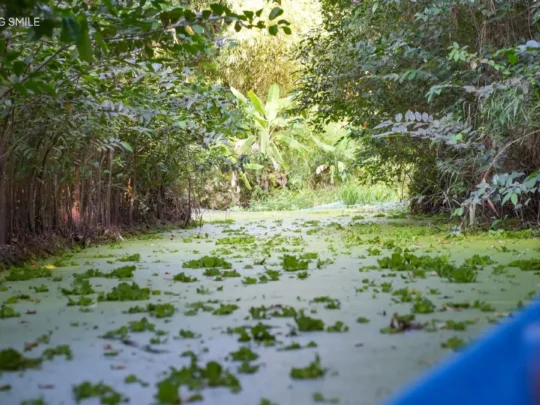
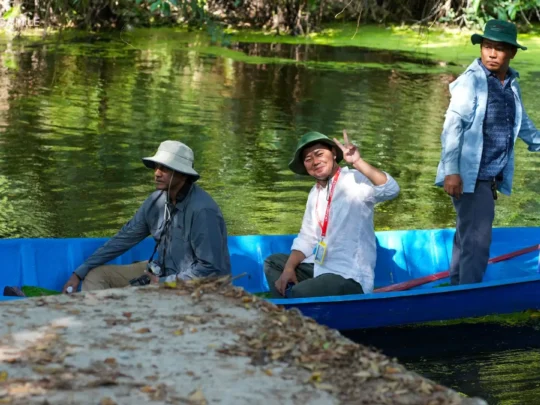
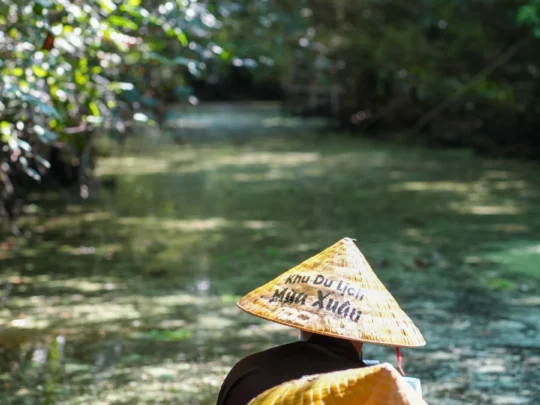
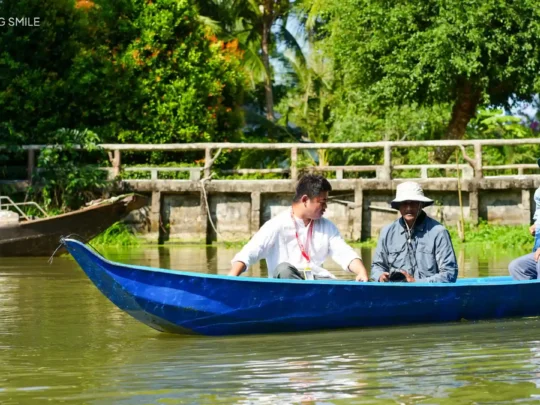
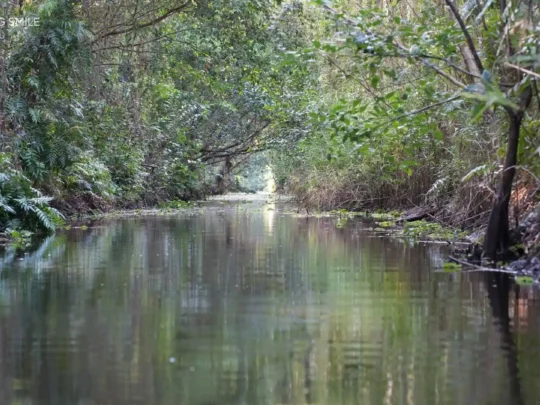
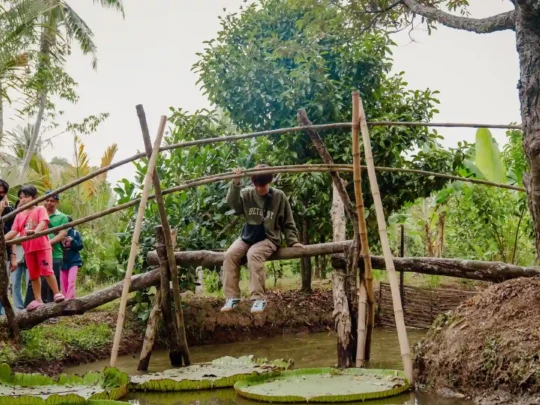
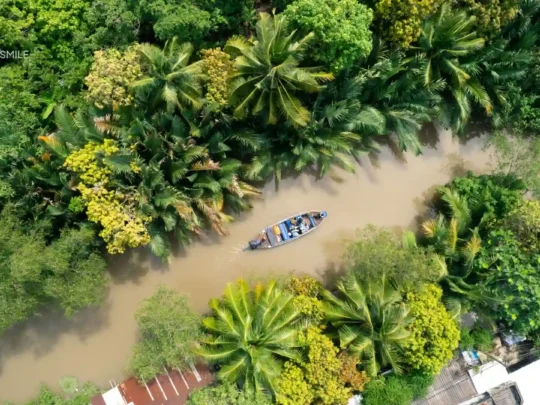
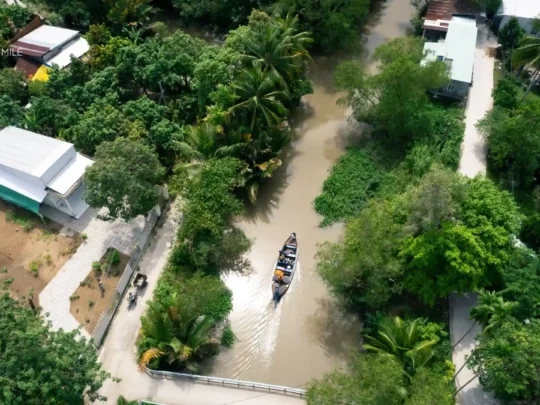
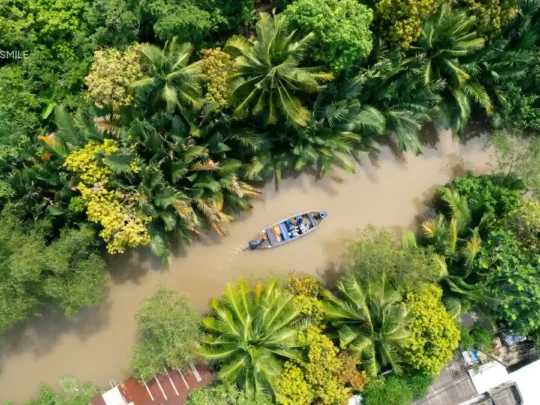
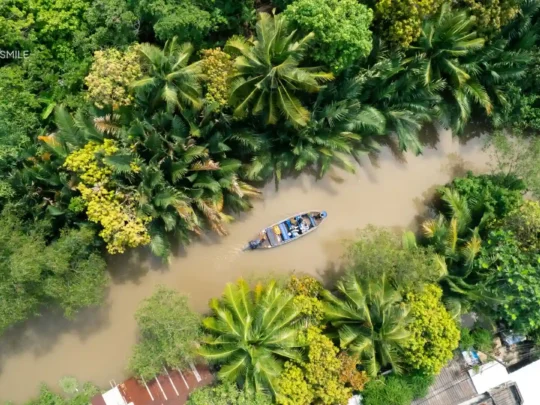
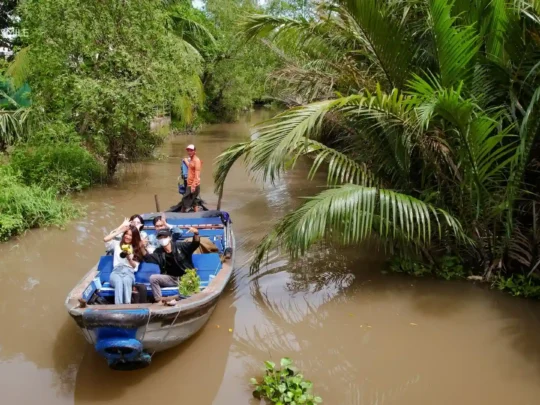
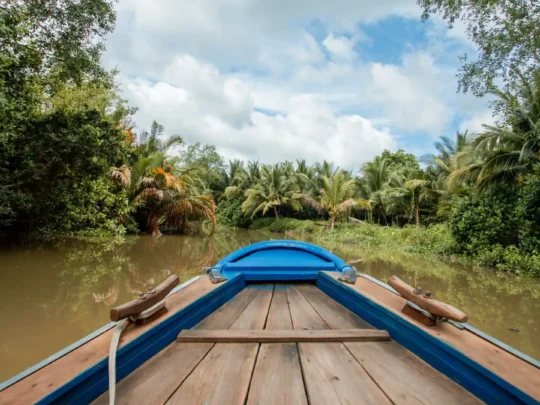
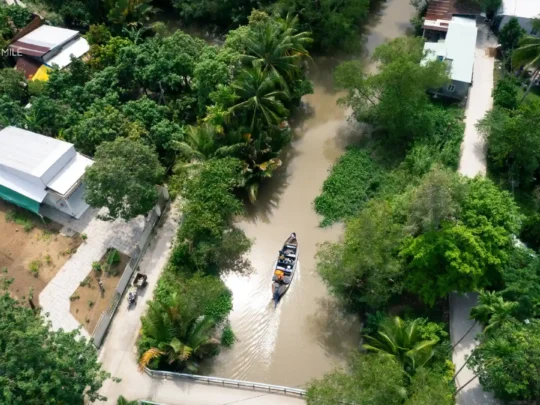
To truly feel the rhythm of the Mekong Delta, you must venture into the narrow, winding canals that branch off the main river. These “hidden waterways” offer a tranquil escape into the authentic rural life of Southern Vietnam.
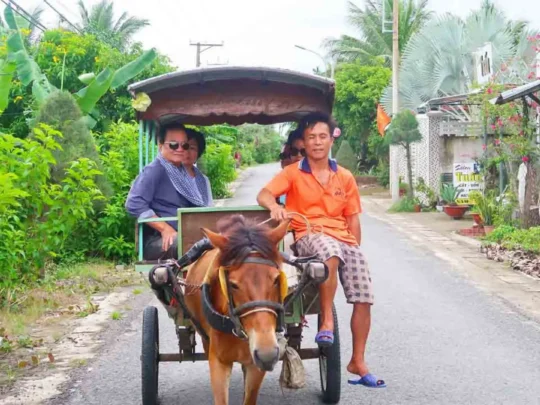
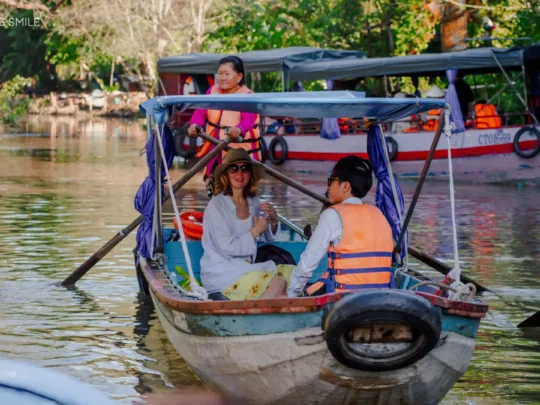
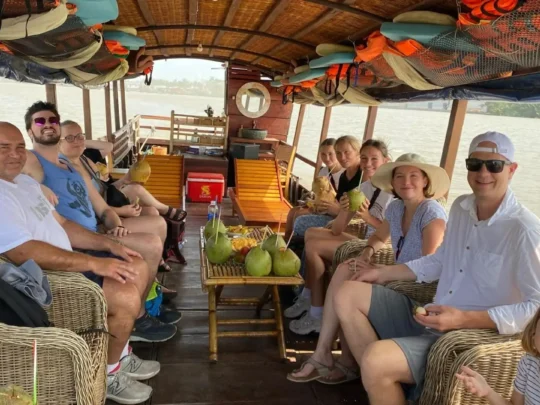
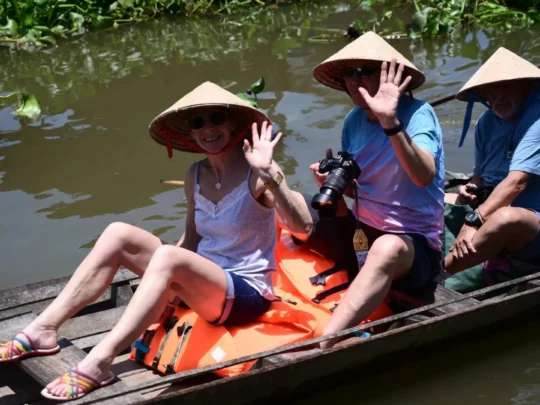
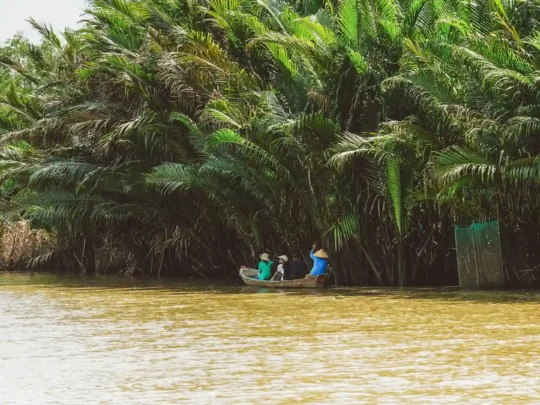
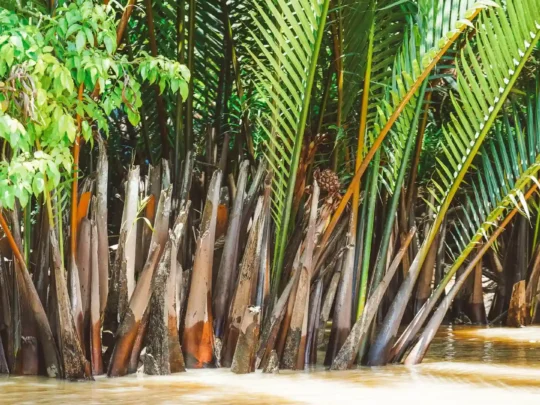
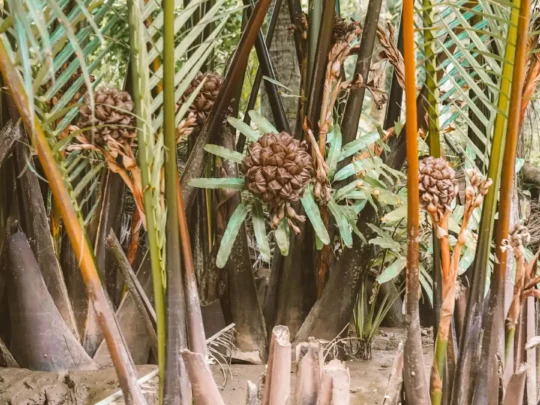
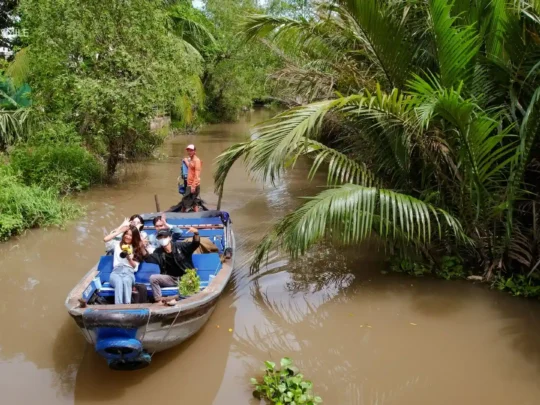
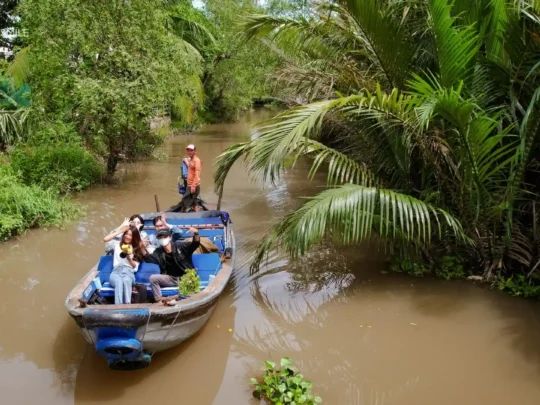
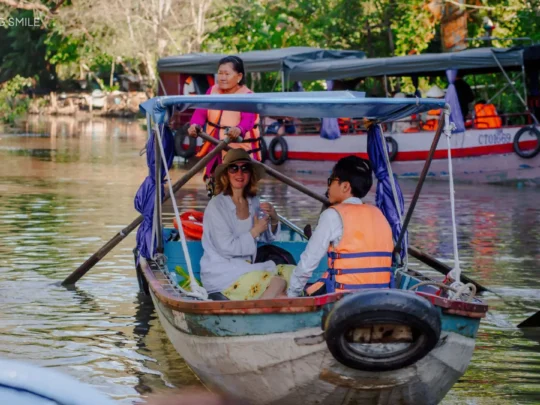
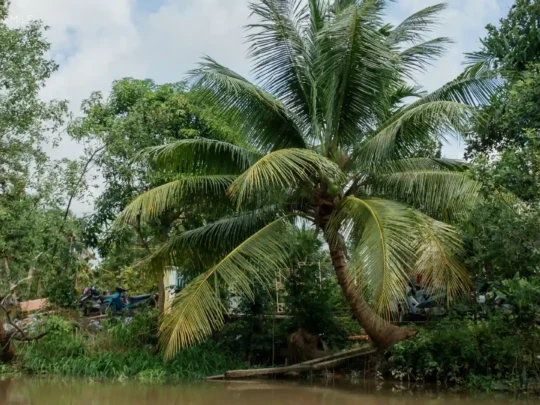
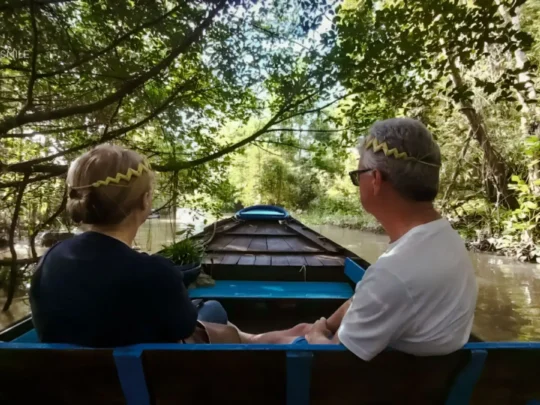
- The Experience: Switch from a motorboat to a traditional hand-rowed sampan. Drift slowly under the shade of water coconut trees and listen to the sounds of nature.
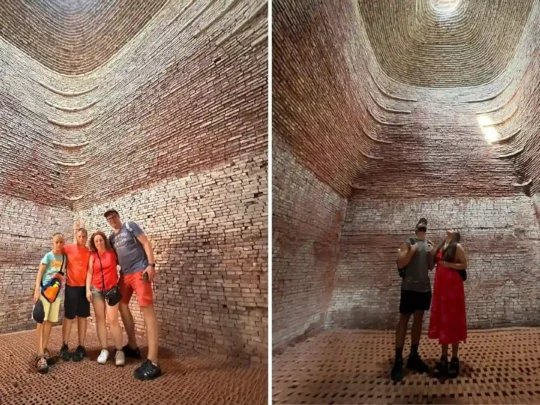
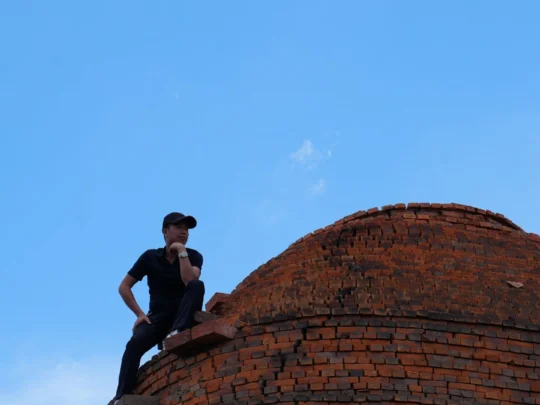
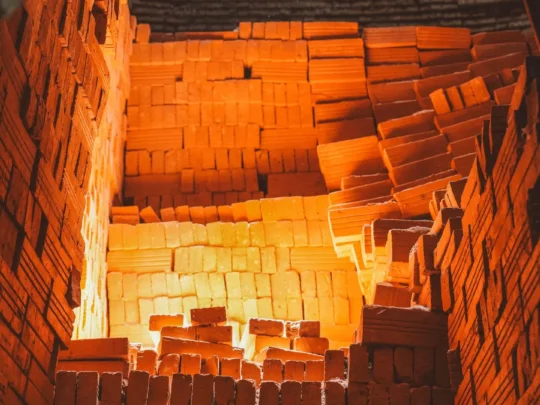
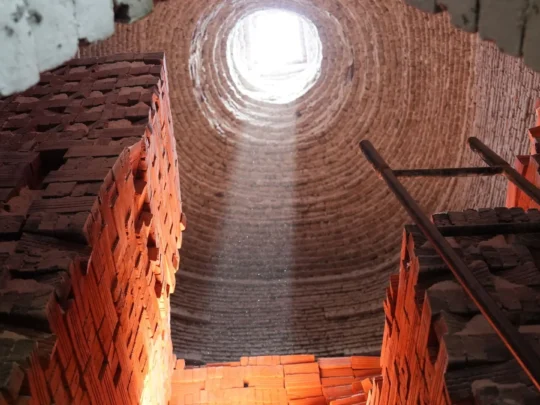
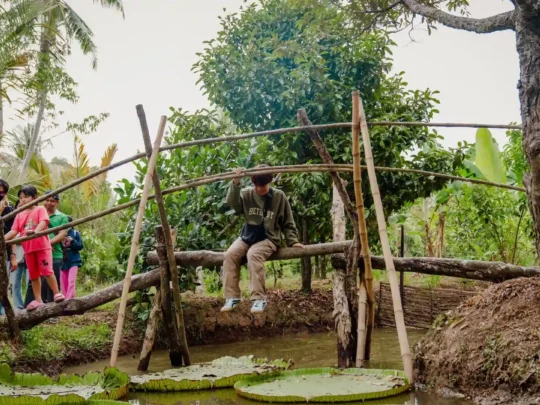
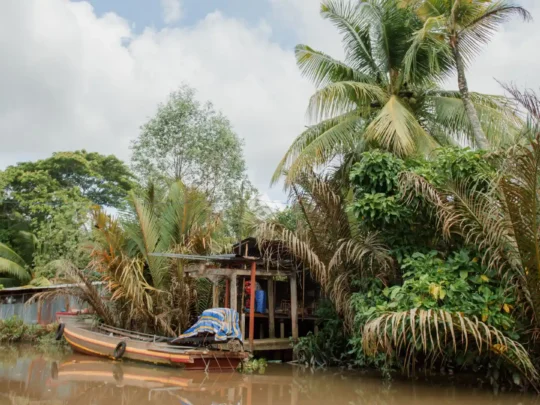
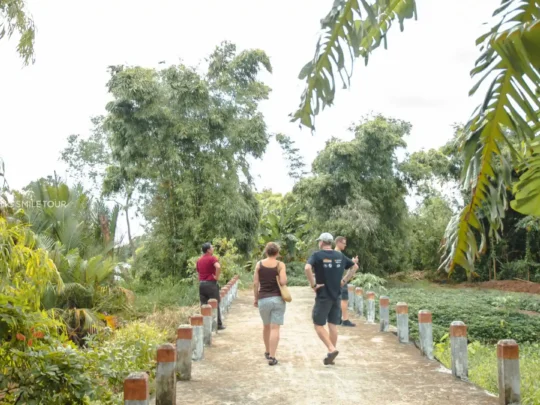
- Highlights: Pass by modest riverside stilt houses, vibrant fruit orchards, and local brick kilns. It is the perfect way to see the “backyard” of Can Tho that most tourists miss.
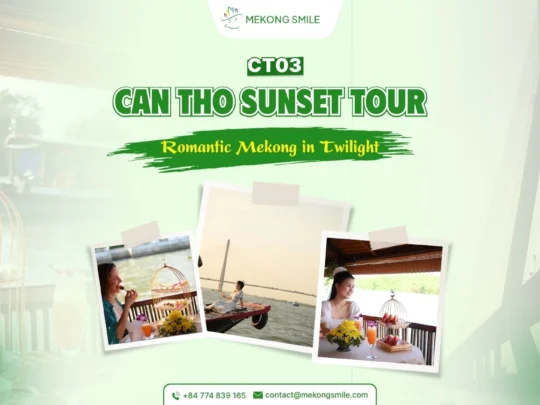
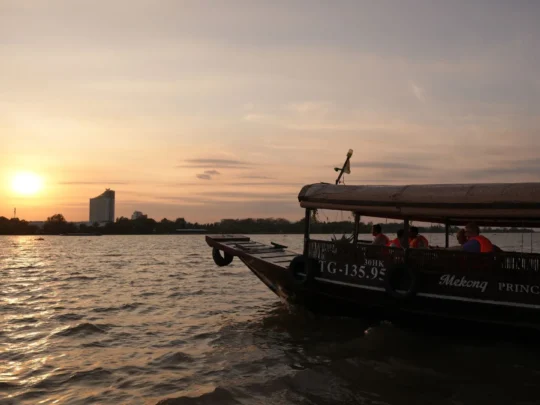
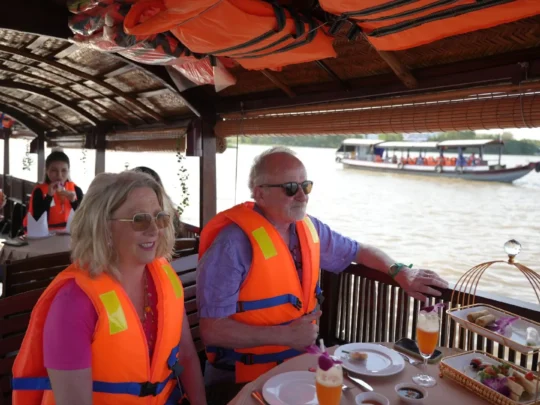
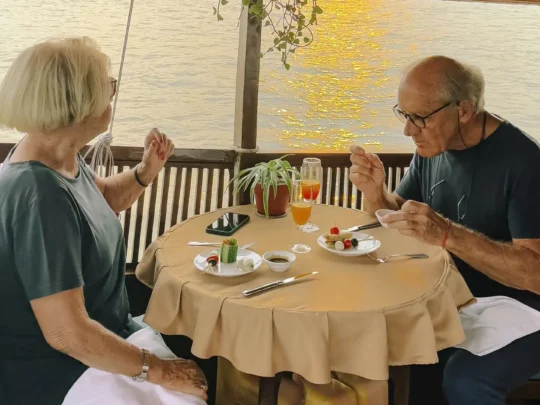
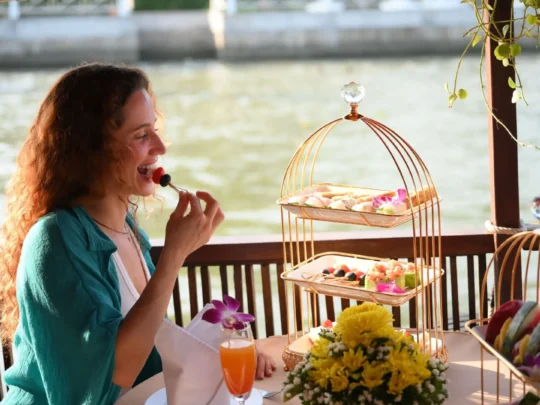
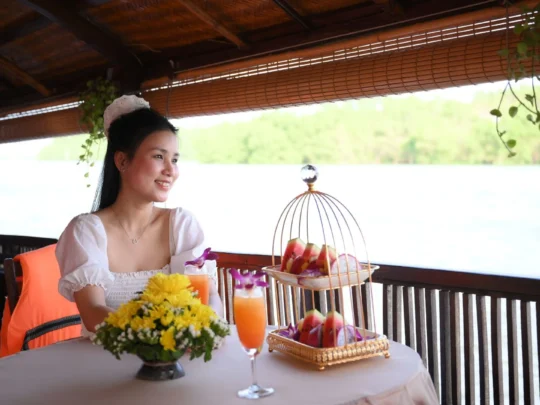
- Top tours: Cai Rang Floating Market Tour, Can Tho River Tour, Can Tho Small Canal Tour, Can Tho Sunset Tour
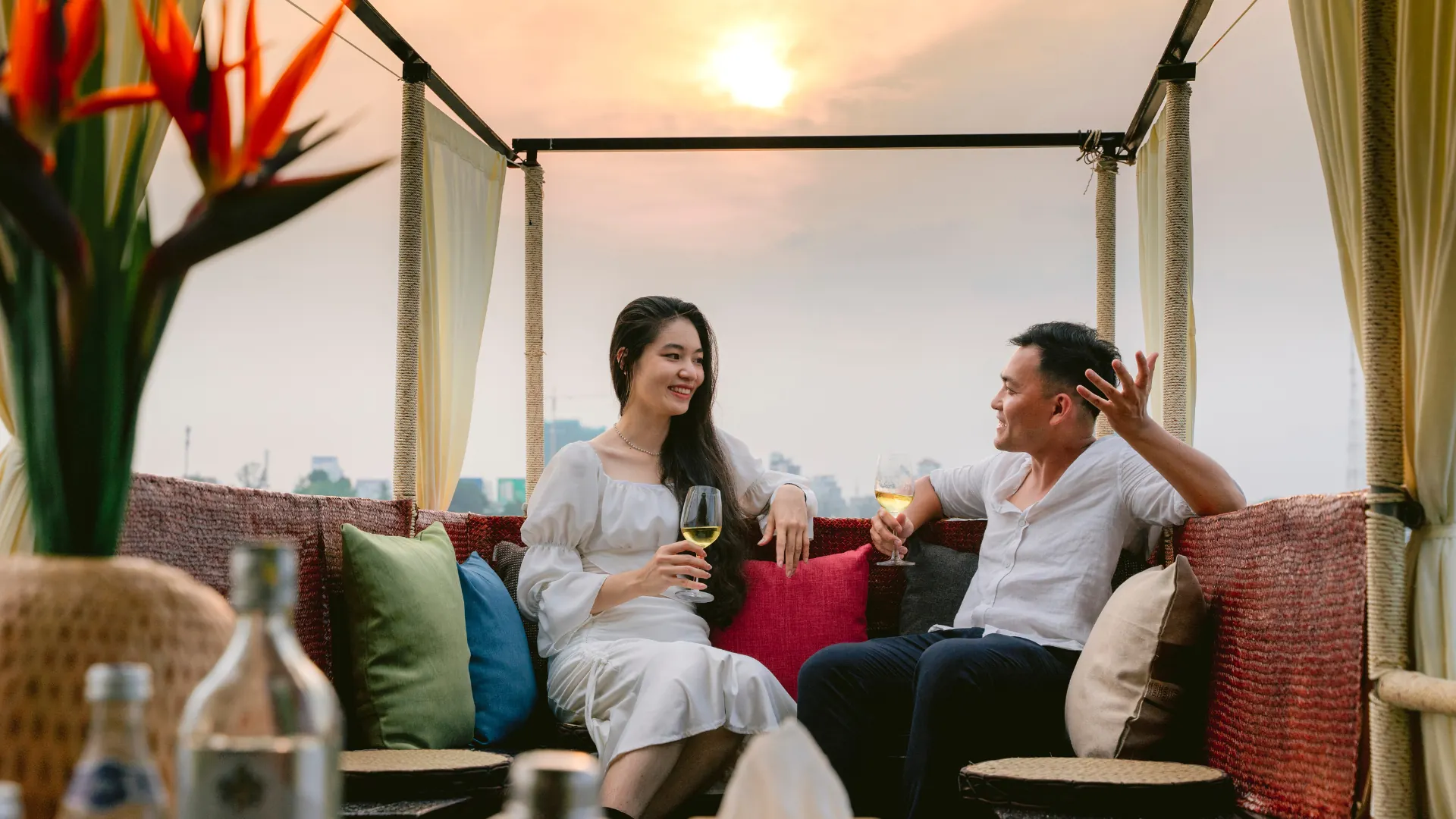
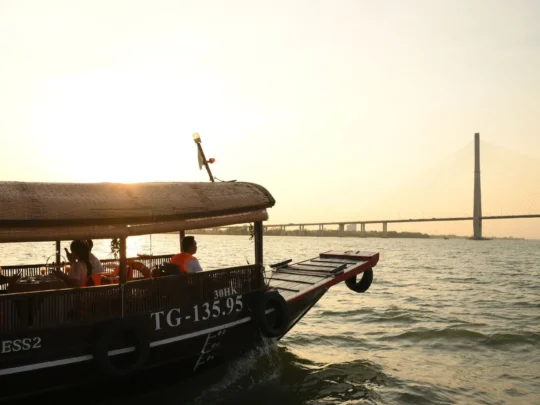
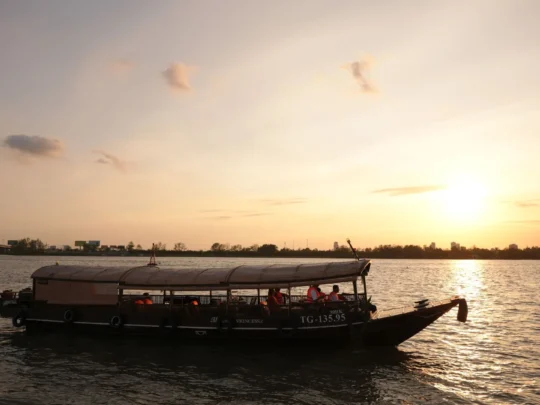
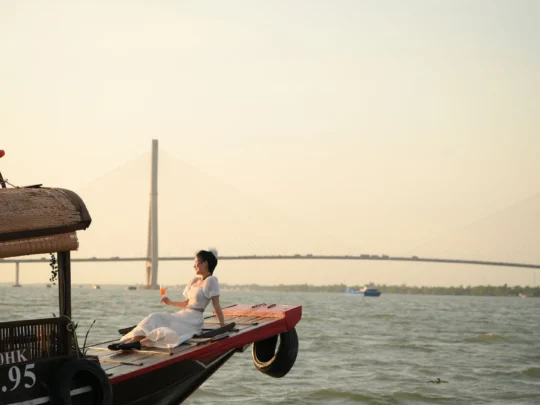
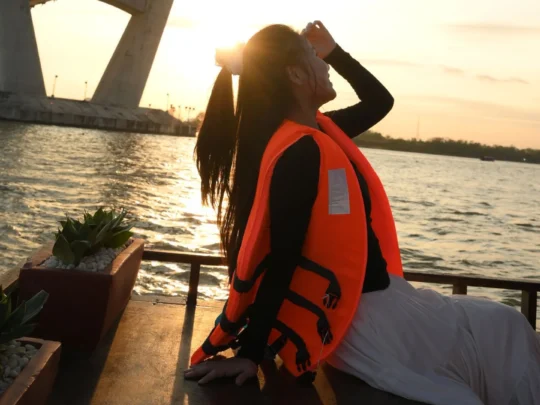
End your day with a sunset cruise in Can Tho
Ninh Kieu Wharf
- Location: Hai Ba Trung Street, city center
- Hours: 24/7, most active dawn and 5-10 PM
- Entry: Free
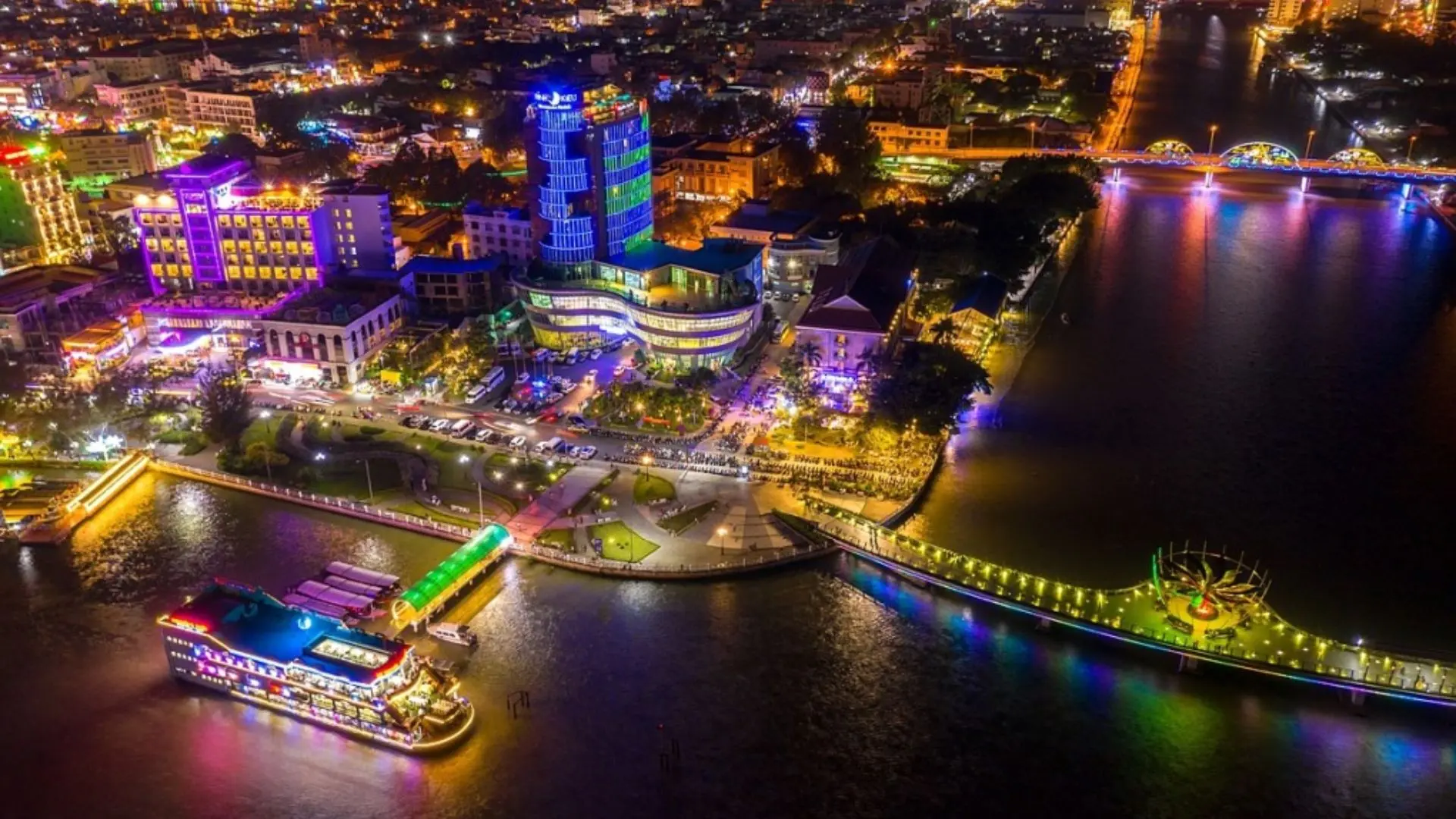
Ninh Kieu Wharf stretches along the Hau River’s bank, forming Can Tho’s most iconic public space. This isn’t a functioning commercial wharf but rather a beautifully landscaped riverside promenade where locals and visitors alike gather to walk, exercise, eat, and watch the river flow.
Can Tho Bridge
- Location: Spans Hau River, visible from Ninh Kieu Wharf
- Best viewing: Sunset (5:30-6:30 PM) and after dark
- Entry: Free (viewing from shore/boats)
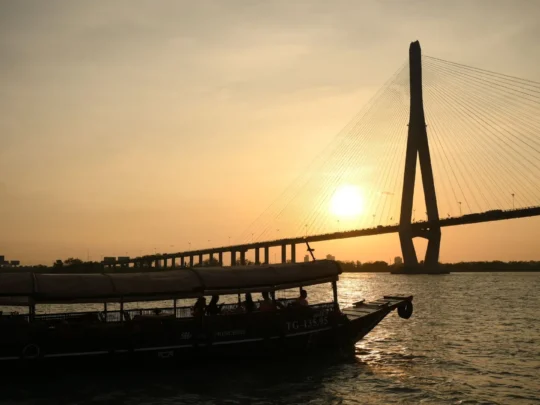
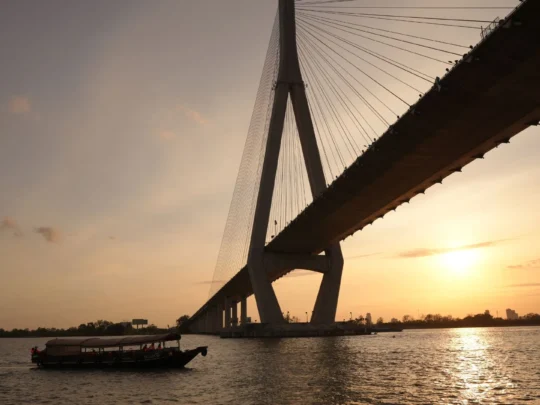
The Cable-Stayed Can Tho Bridge spans the Hau River, connecting Can Tho to Vinh Long Province. As Vietnam’s longest cable-stayed bridge, it represents a significant engineering achievement and transformed regional connectivity.
You can join our Can Tho Sunset Tour to enjoy the best view of Can Tho Bridge under the golden sunset
Binh Thuy Ancient House
- Location: 144 Bui Huu Nghia Street, Binh Thuy Ward (7 km from center)
- Hours: 8:00 AM – 5:00 PM daily
- Entry: 20,000-30,000 VND (~$1)
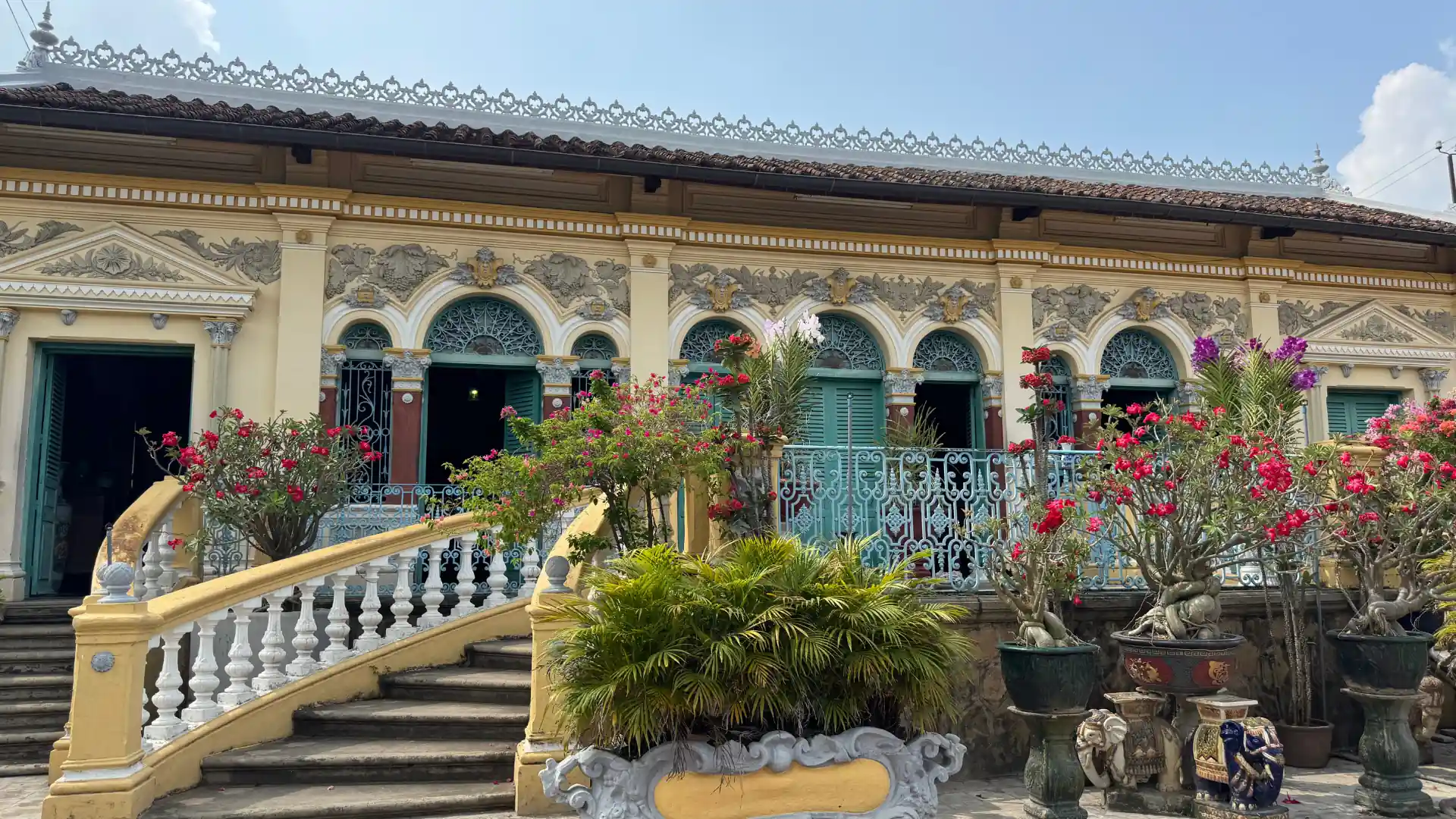
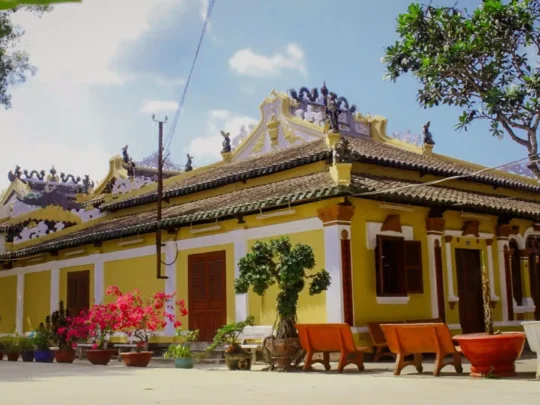
The Binh Thuy Ancient House blends European elements (ornate tile floors, carved wooden doors, French furniture) with traditional Vietnamese design (wooden beams, courtyard layout, ancestor altar). Original furnishings remain in place—antique clocks, porcelain collections, family photographs, and decorative objects that collectively tell stories of Can Tho’s prosperous trading families.
Bang Lang Stork Garden
- Location: Thot Not District, 60 km from Can Tho (1.5 hours)
- Best time: 4:30-6:30 PM (storks return at sunset)
- Cost: 300,000-500,000 VND ($12-21) half-day tour
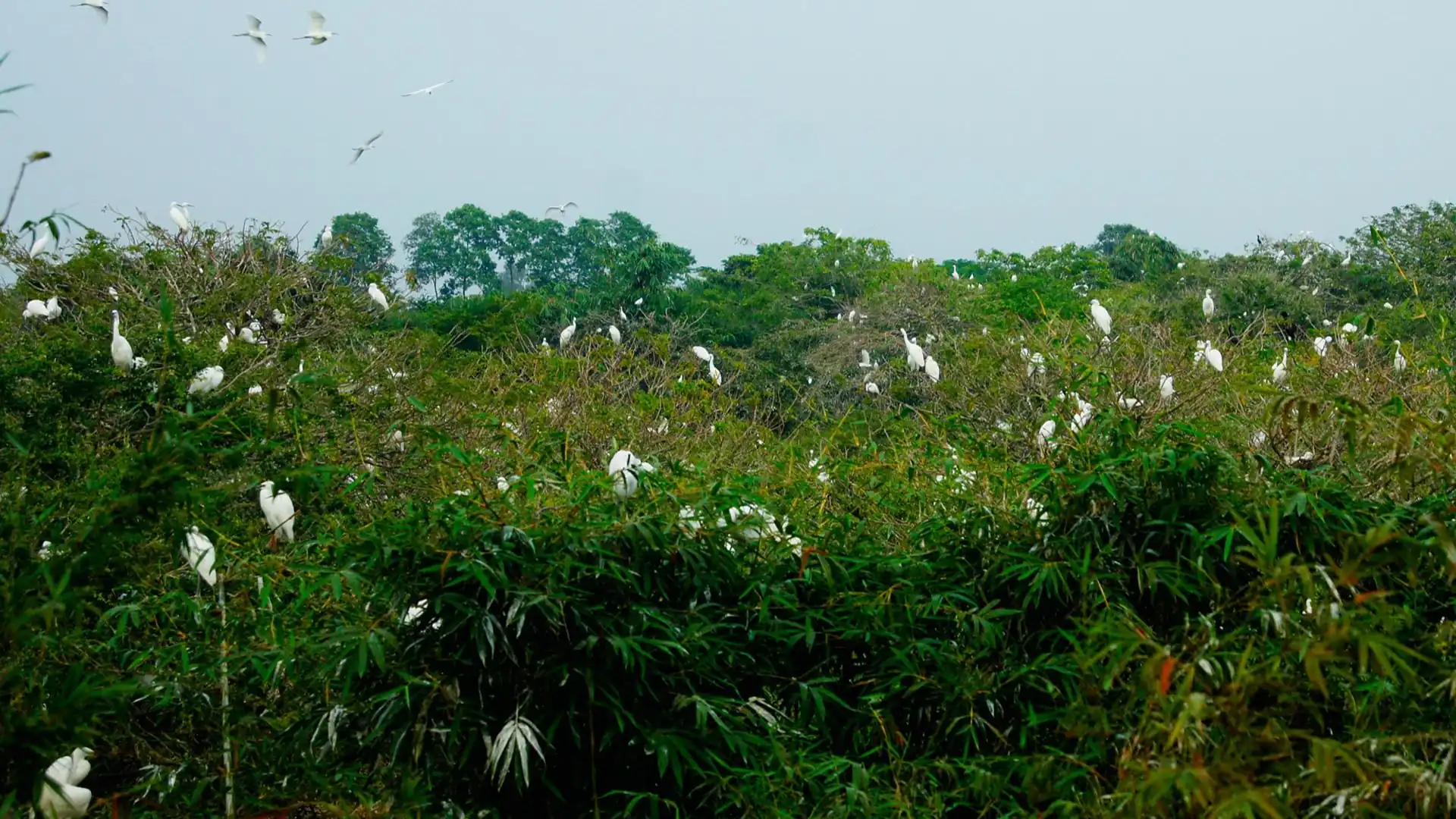
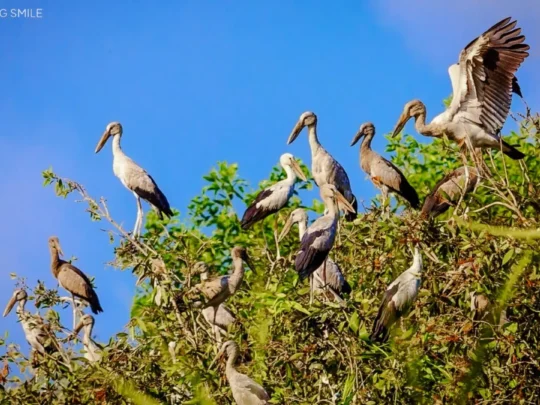
Every evening at sunset, thousands of white storks return to Bang Lang Stork Garden, creating one of nature’s most spectacular displays. Located approximately 60 kilometers from Can Tho in the Thot Not District, this ecotourism site protects the ancient cajuput forest where storks have nested for generations.
Ong Temple
- Location: 32 Hai Ba Trung Street, city center
- Hours: 7:00 AM – 5:00 PM daily
- Entry: Free (donations welcome)
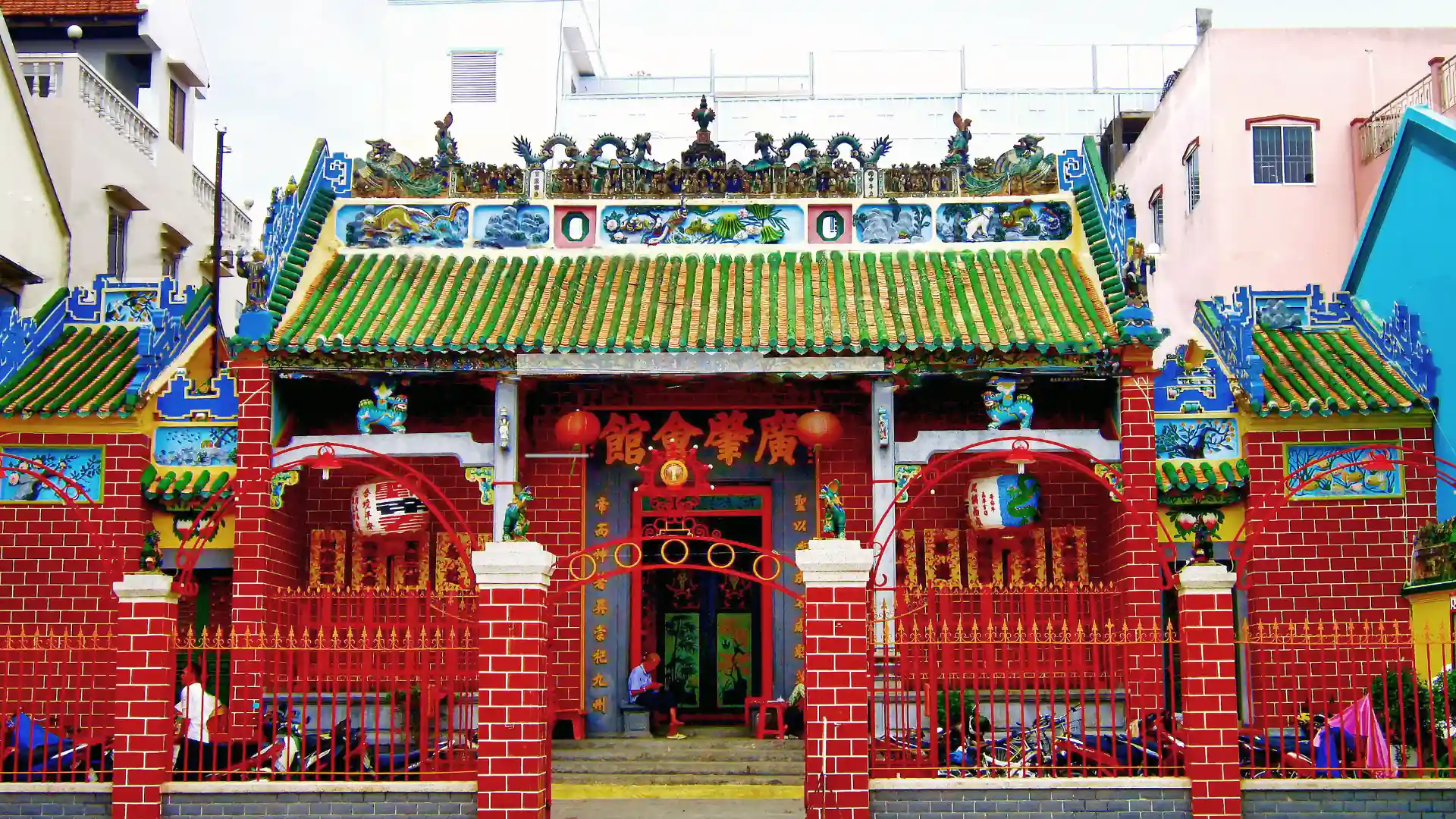
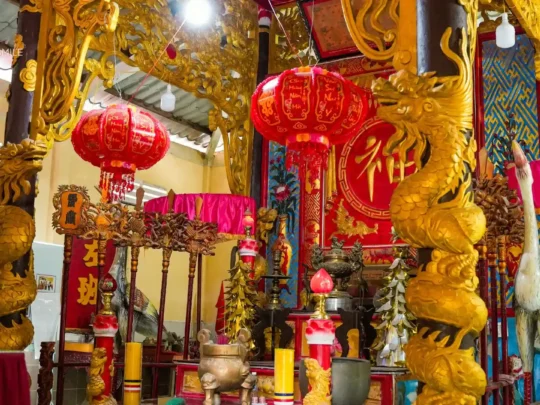
Ong Temple showcases ornate Chinese architecture with guardian dragons, elaborate wood carvings, and incense-filled halls. Built by the Chinese-Vietnamese community in the late 19th century, the pagoda serves as both a place of worship and cultural center.
Can Tho Museum
- Location: 1 Hoa Binh Boulevard, city center
- Hours: Tuesday-Sunday, 8:00 AM – 11:00 AM, 2:00 PM – 5:00 PM (closed Mondays)
- Entry: 20,000 VND (~$1)
Can Tho Museum provides context for understanding the Mekong Delta’s history, ecology, and cultural diversity. Housed in a French colonial building, the museum’s collection covers the region’s natural history, ethnic minority cultures (Khmer, Chinese, Cham), agricultural development, and revolutionary history.
My Khanh Tourist Village
- Location: Phong Dien District, 25 km from Can Tho
- Hours: 8:00 AM – 5:00 PM daily
- Entry: Usually part of tour packages (400,000-600,000 VND)
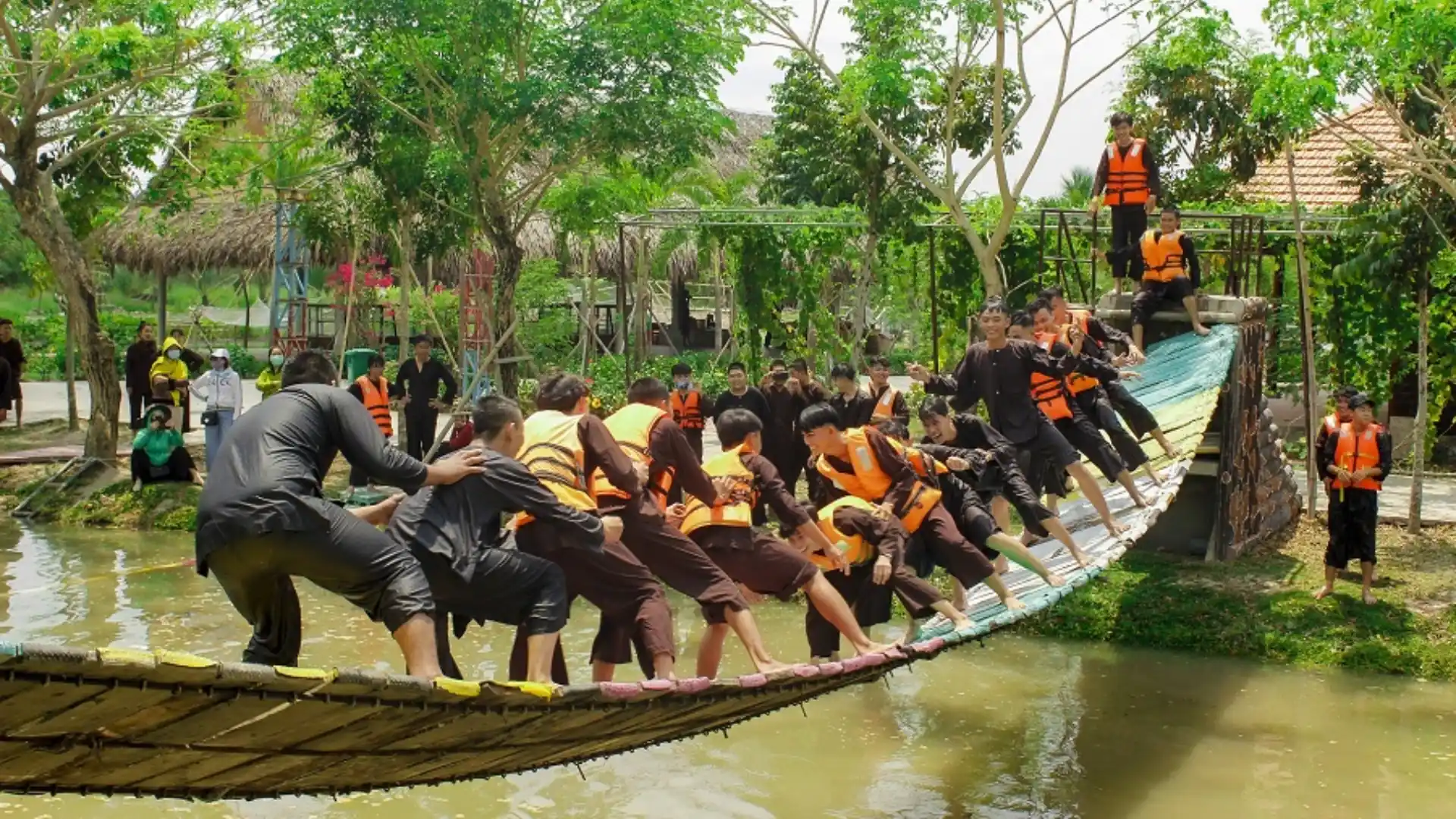
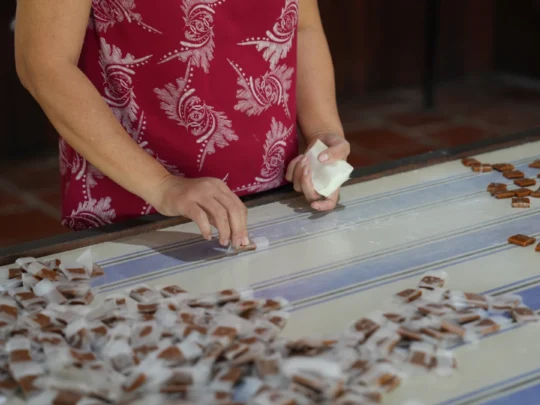
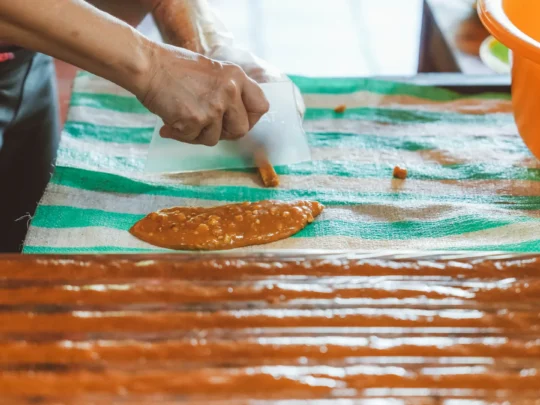
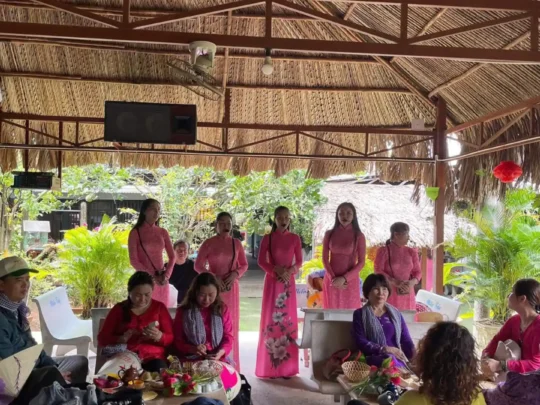
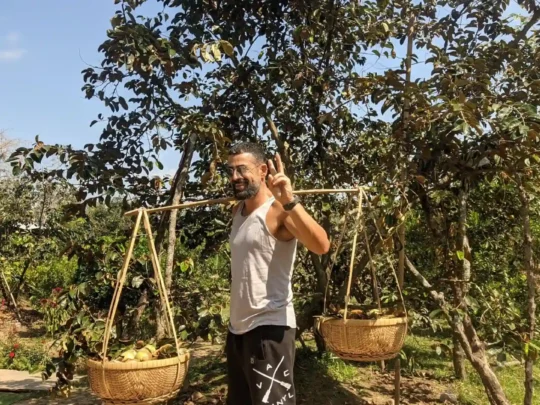
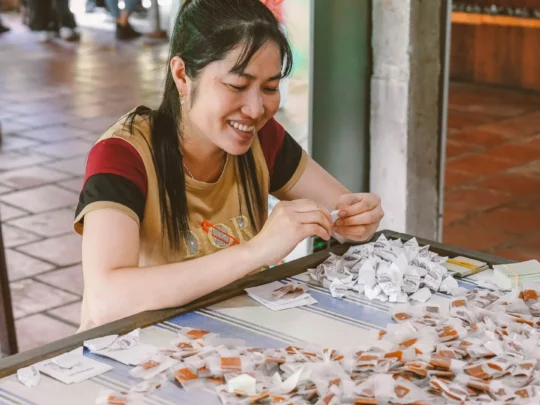
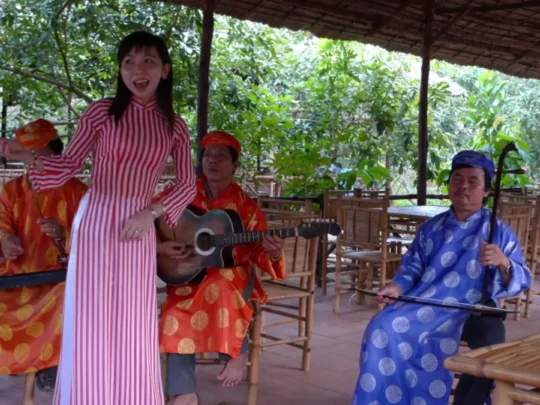
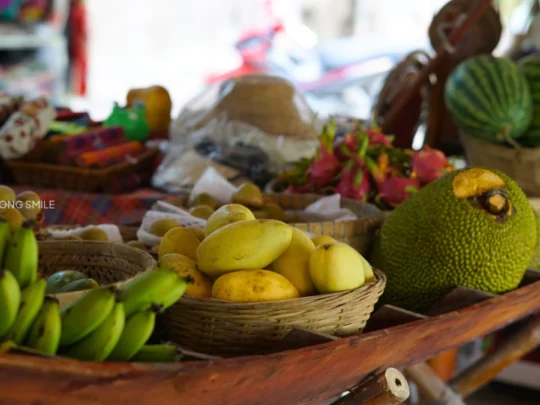
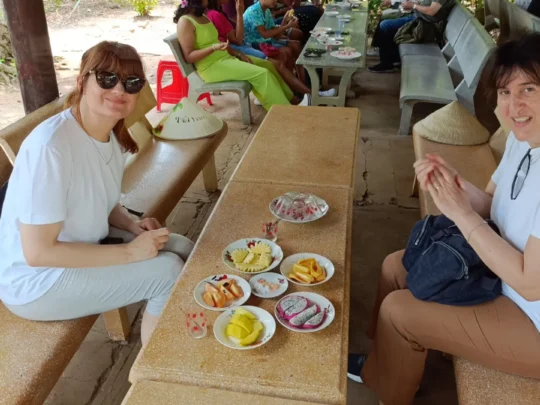
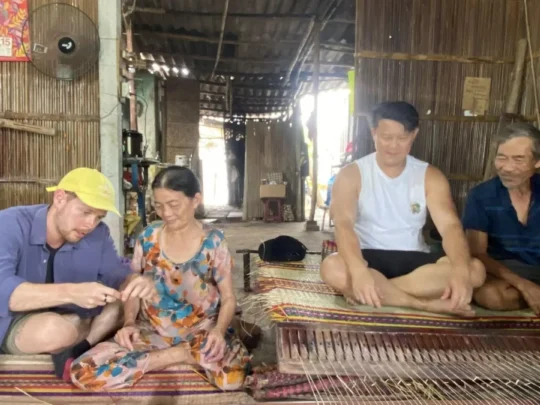
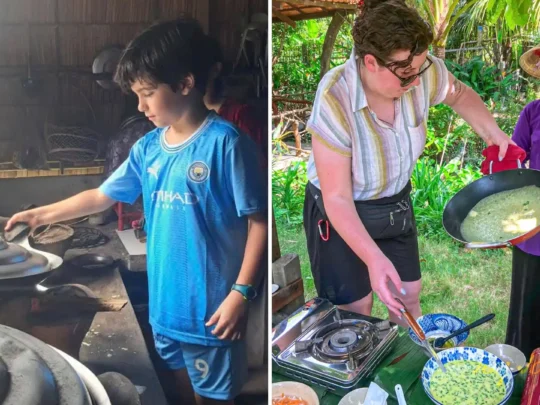
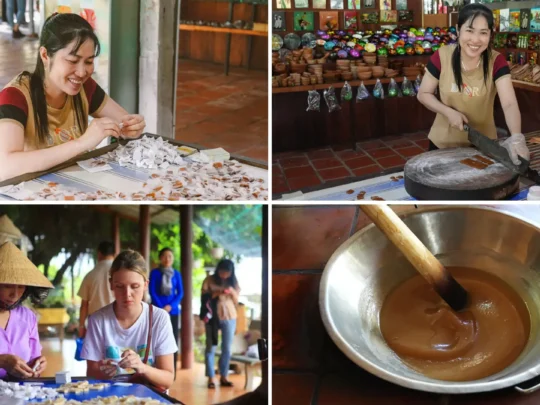
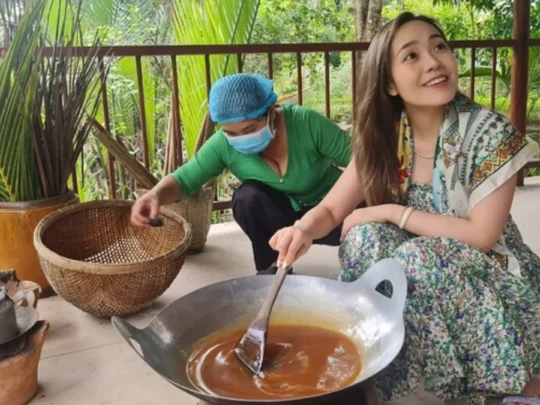
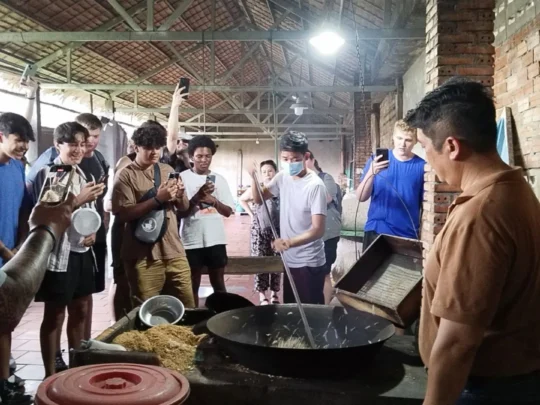
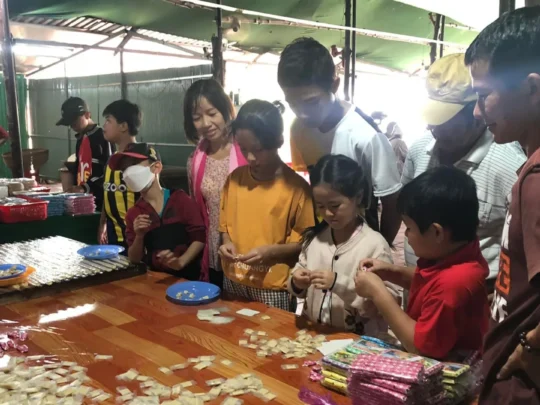
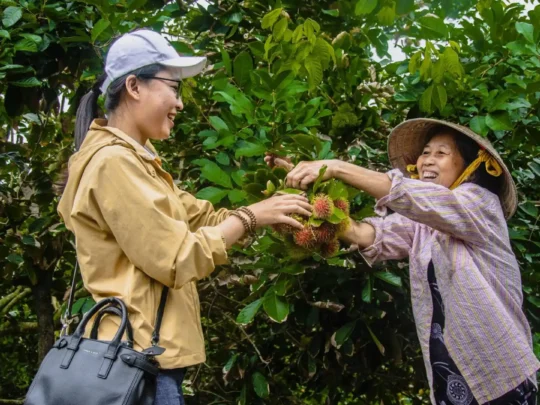
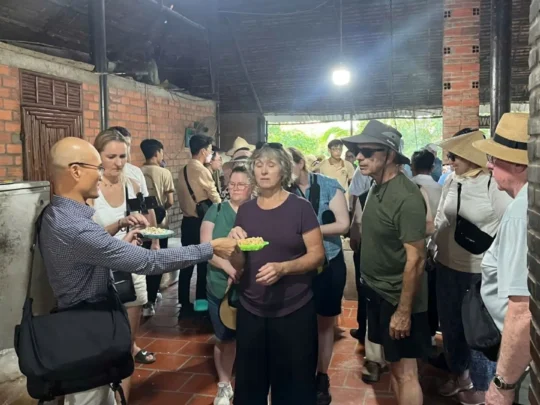
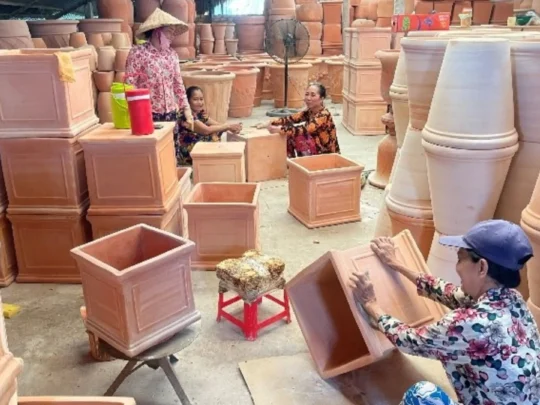
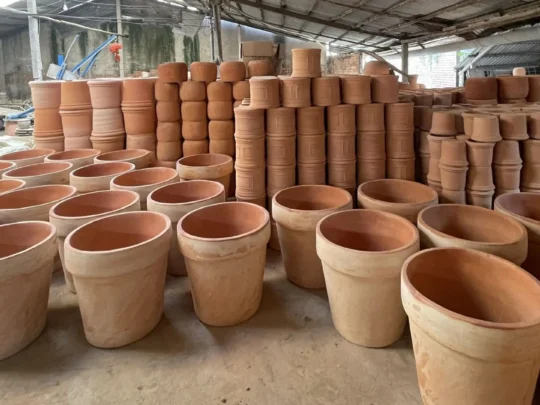
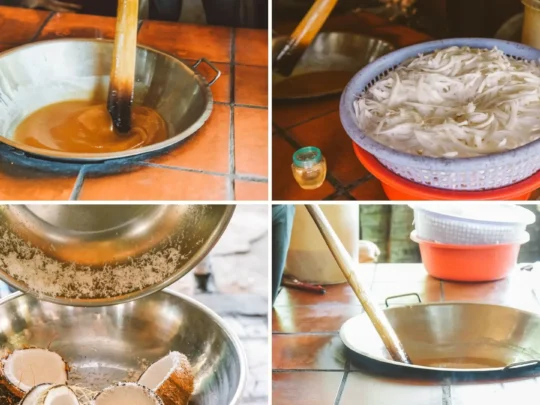
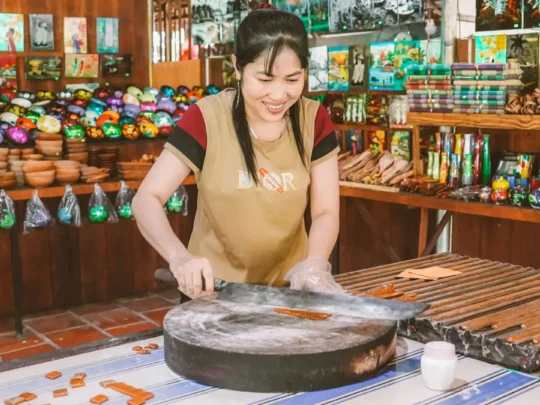
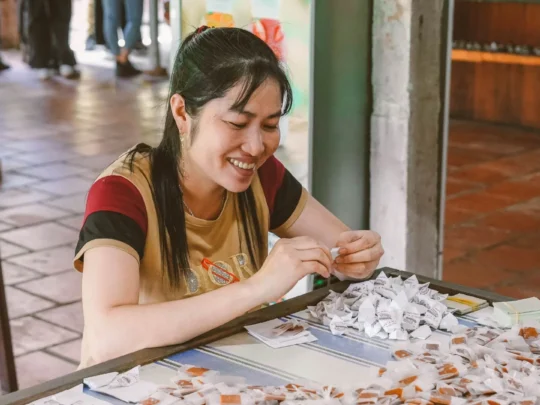
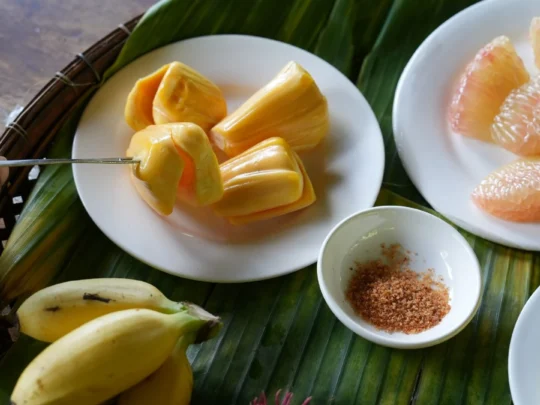
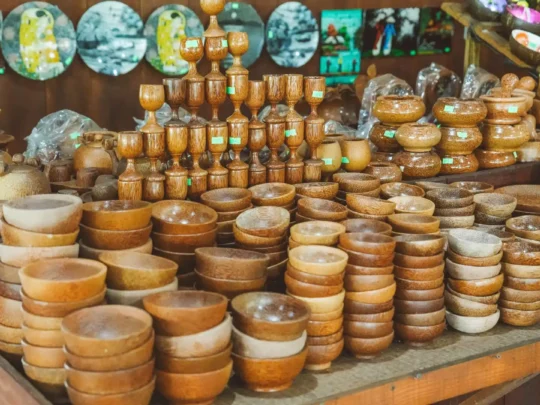
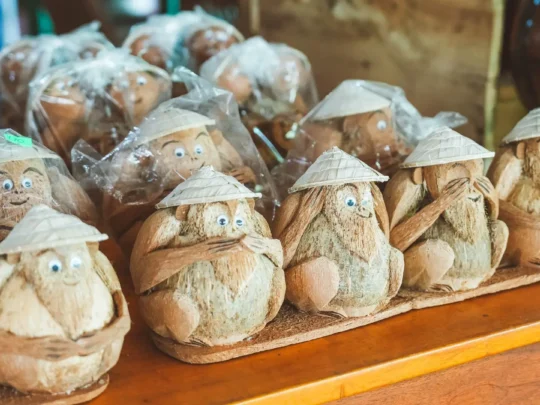
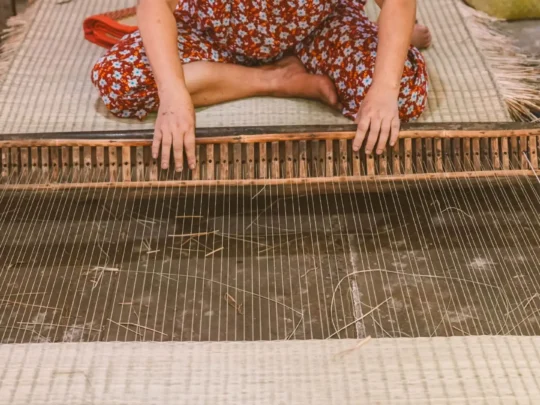
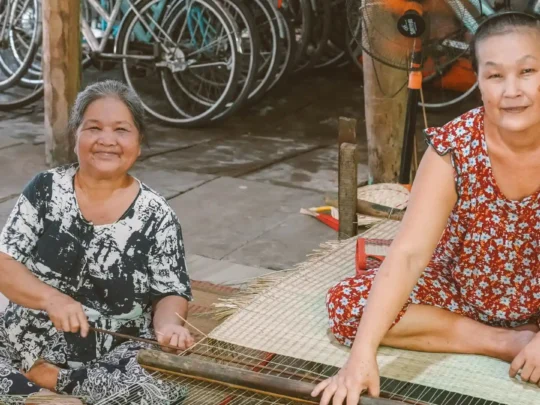
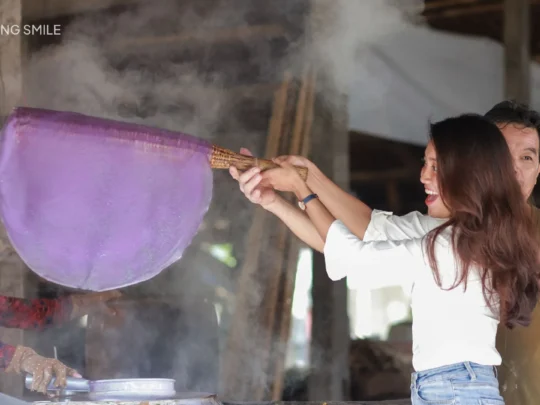
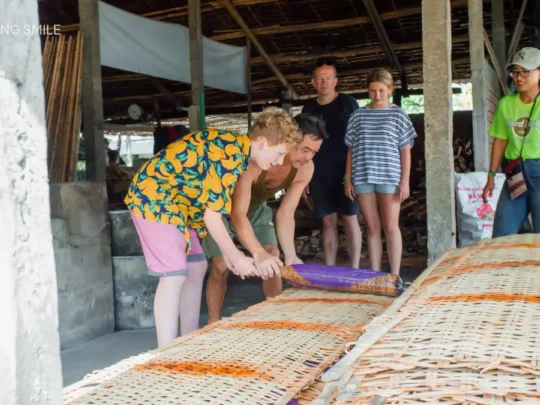
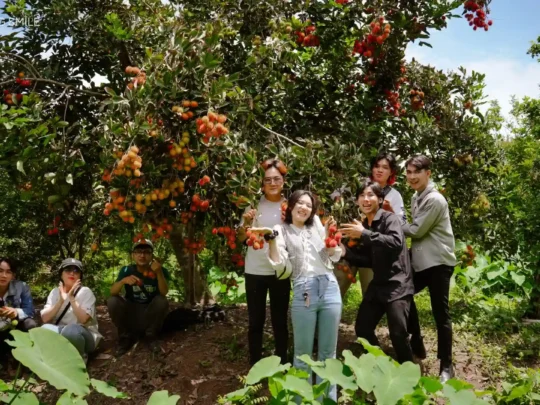
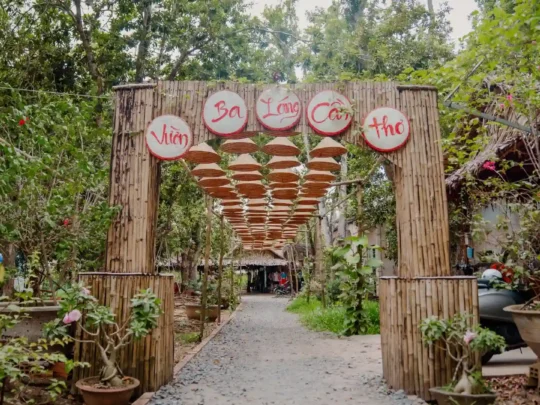
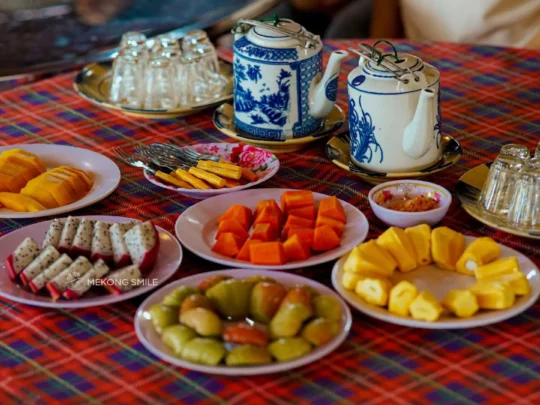
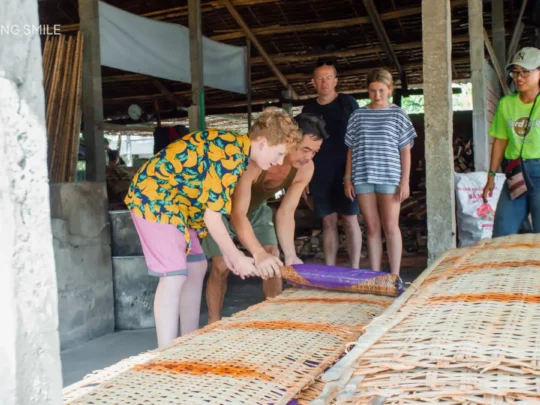
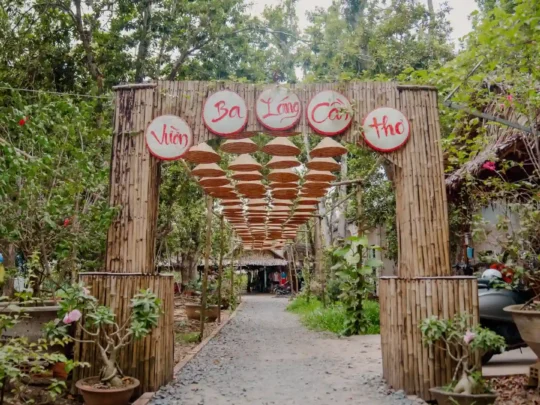
The My Khanhh Tourist Village concept combines several elements—fruit orchards where you can pick and taste tropical fruits, handicraft workshops demonstrating rice paper making, coconut candy production, and mat weaving, traditional music performances, and meals at local homestays.
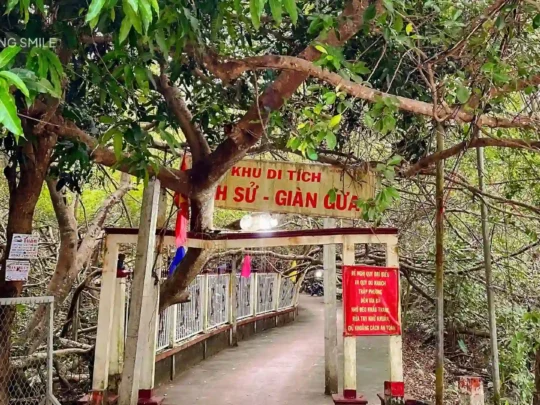
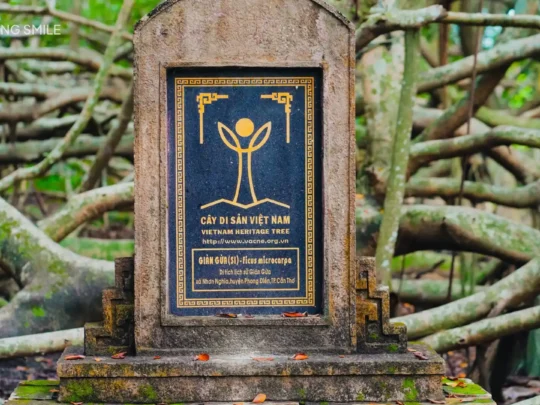
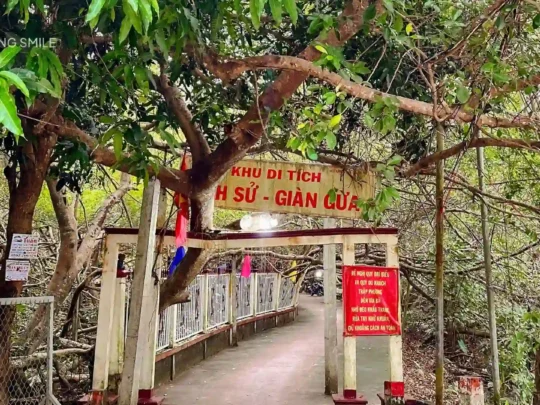
Gian Gua Relic
- Location: Thot Not District, ~30 km from city center
- Hours: 7:00 AM – 5:00 PM daily
- Entry: 20,000-30,000 VND (~$1)
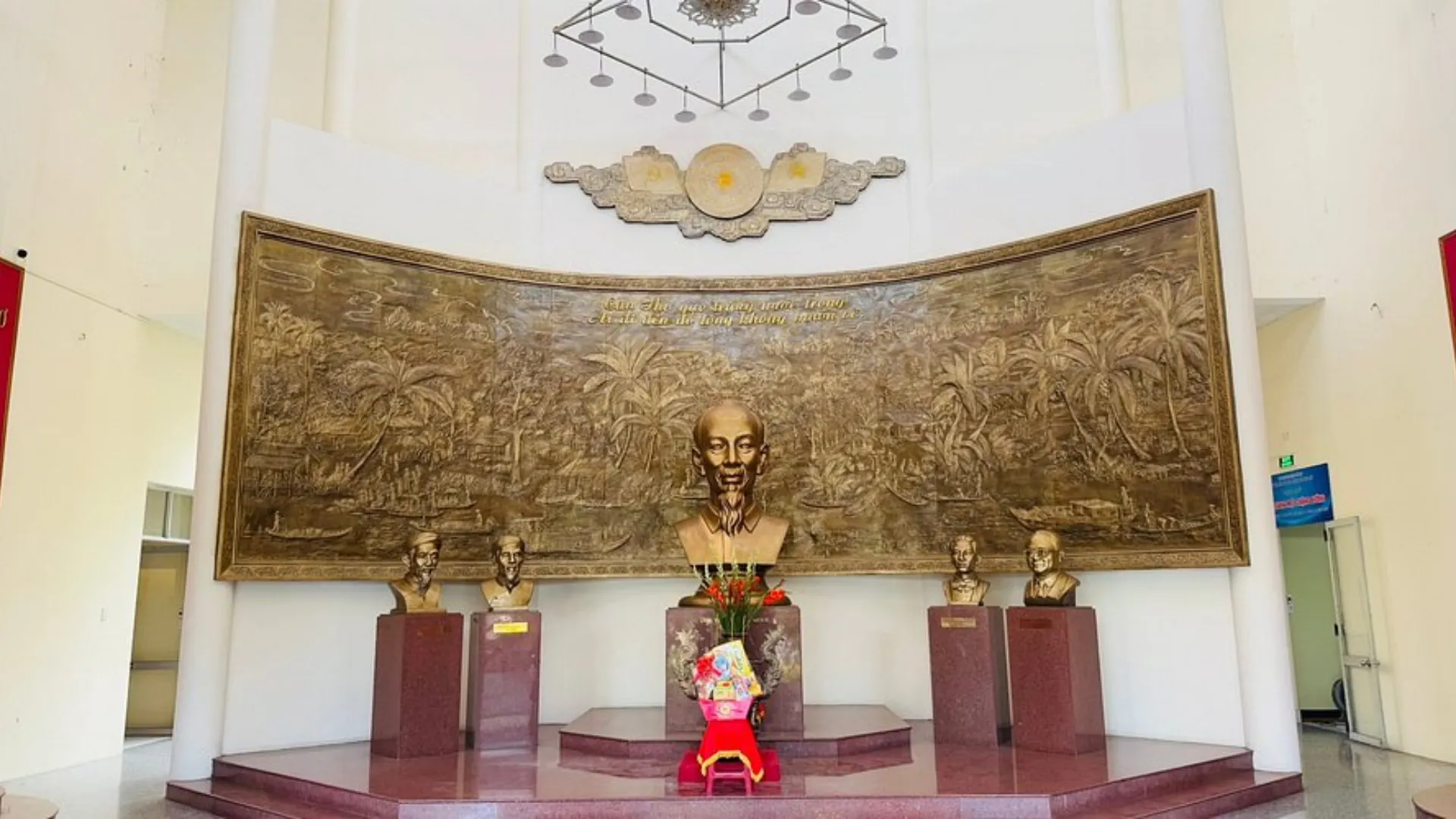
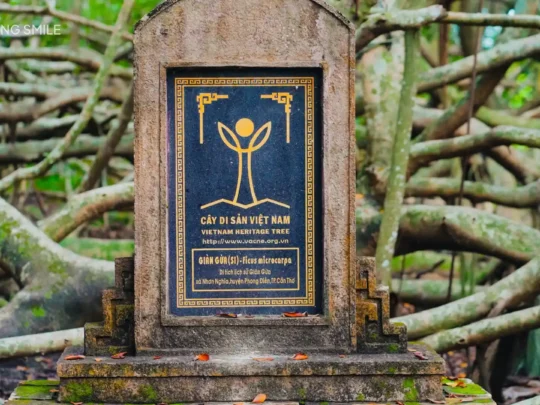
Gian Gua Relic holds deep significance in Vietnam’s resistance history, serving as a crucial base for revolutionary forces during both the French colonial period and the American War.
Con Son Islet
- Location: Binh Thuy District, accessible by boat from Ninh Kieu Wharf
- Hours: 8:00 AM – 5:00 PM daily
- Cost: 200,000-400,000 VND including boat, activities, and lunch
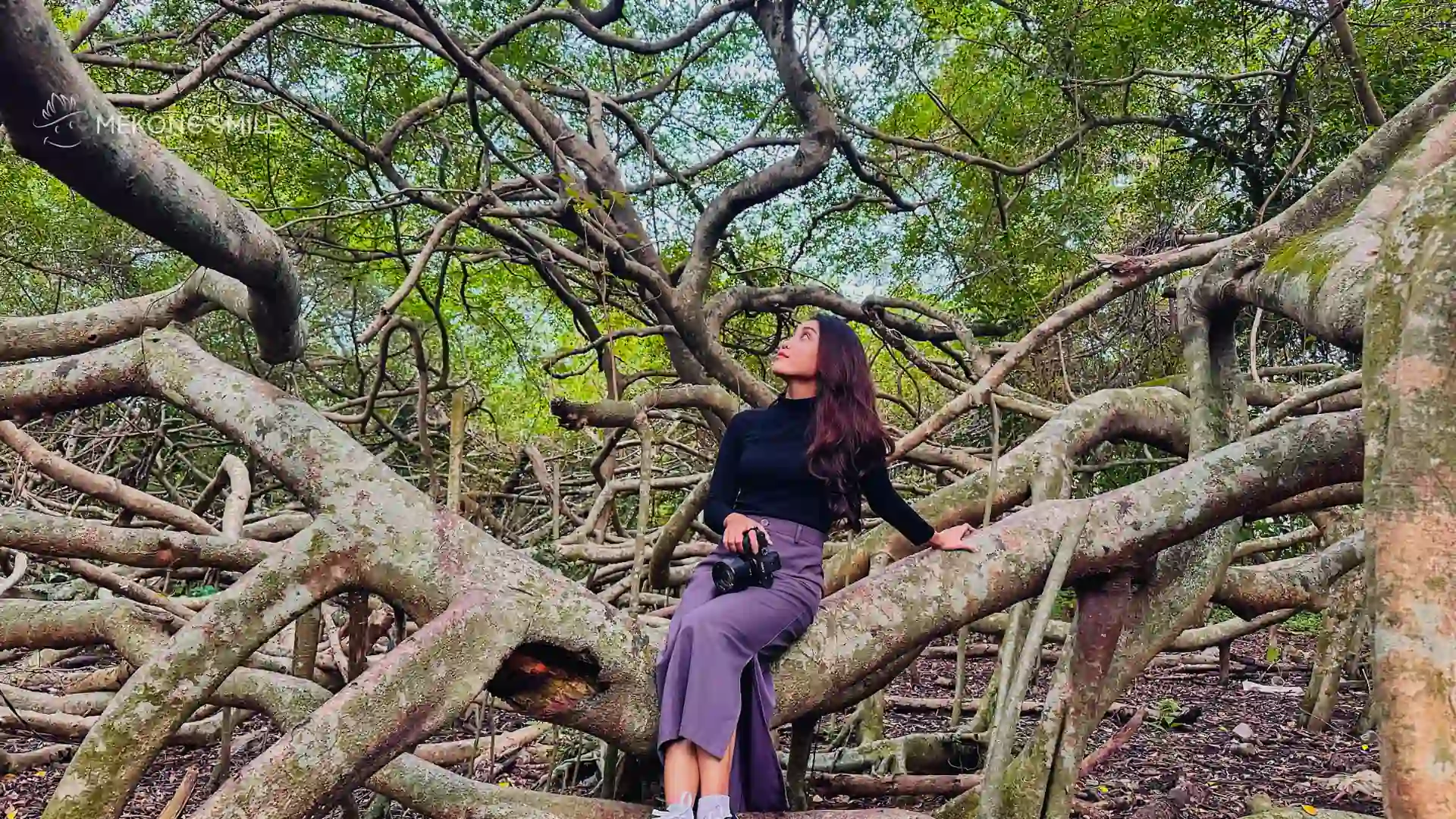
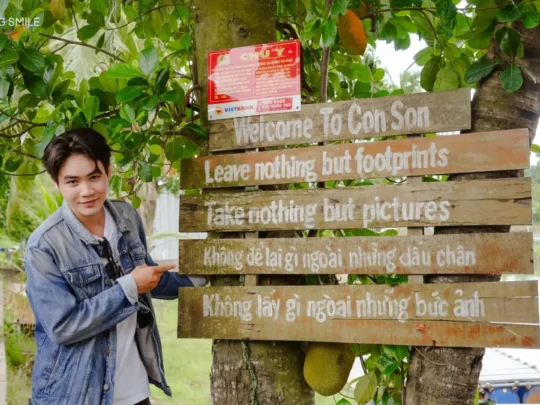
Con Son Islet represents community-based tourism at its best—a collection of local families who have organized to share their island lifestyle with visitors while maintaining authentic daily routines.
Rice Noodle Factory
- Location: Near Cai Rang Floating Market, ~10 km from city center
- Hours: 6:00 AM – 10:00 AM (best time to see production)
- Entry: Free (purchases optional)
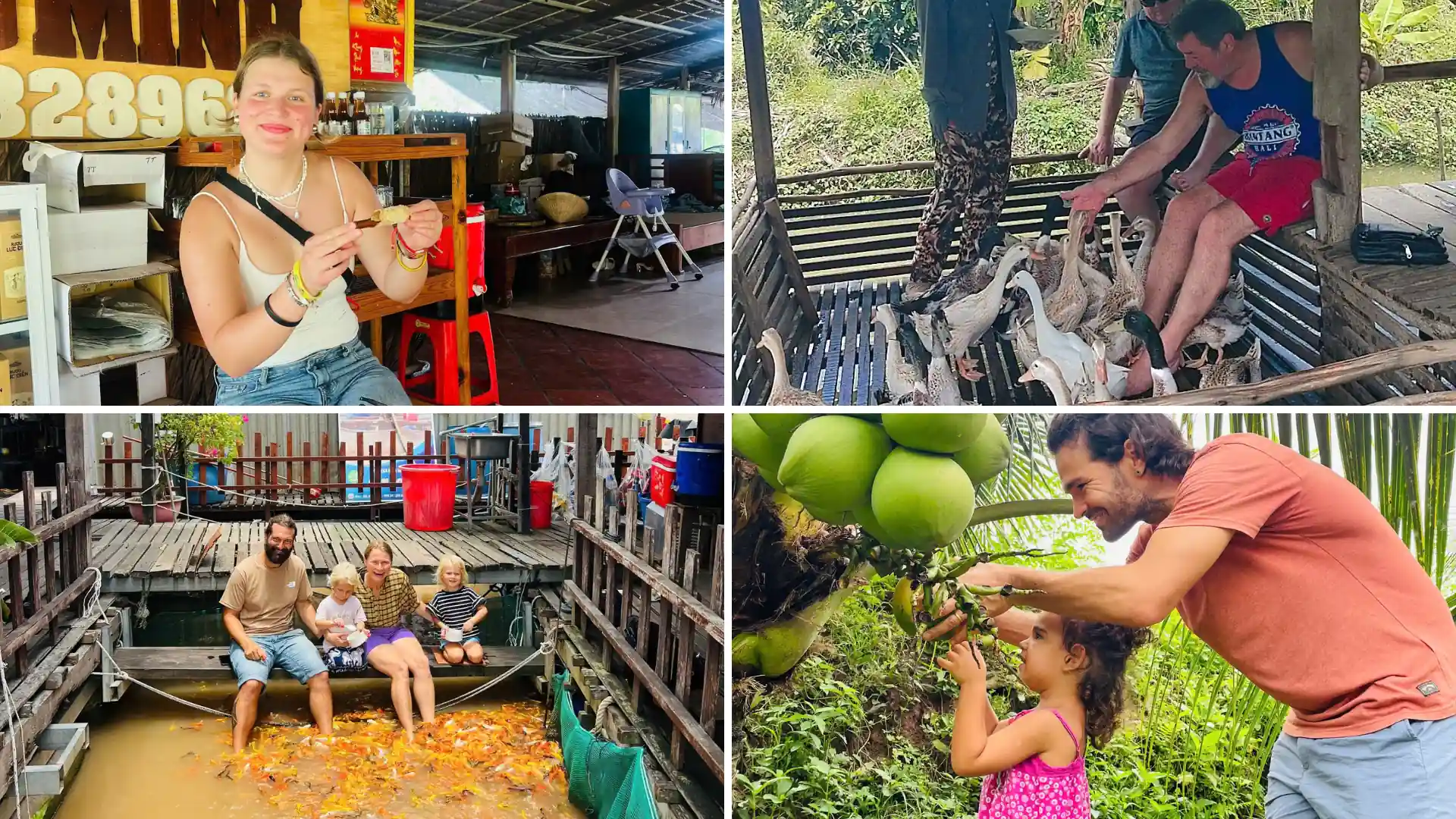
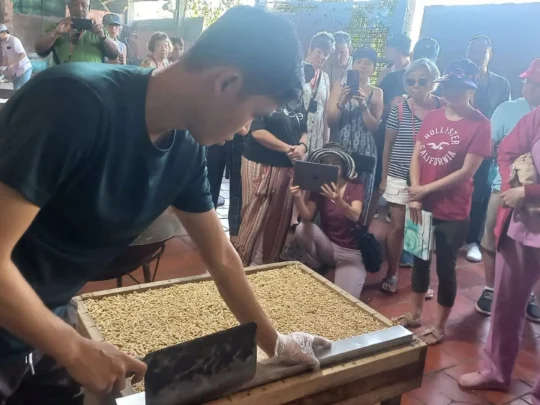
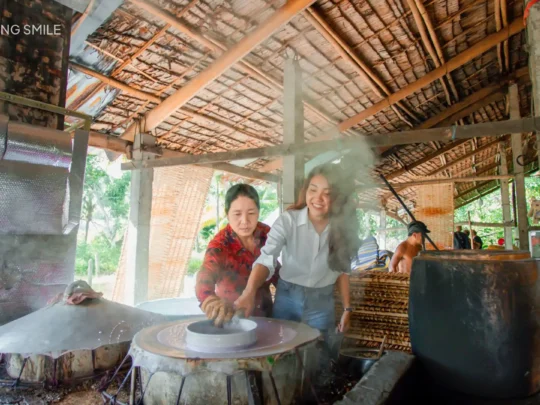
Can Tho’s Sau Hoai Rice Noodle Factory maintains Hu Tiu traditional production methods, offering visitors a behind-the-scenes look at a culinary staple most people enjoy without understanding its creation.
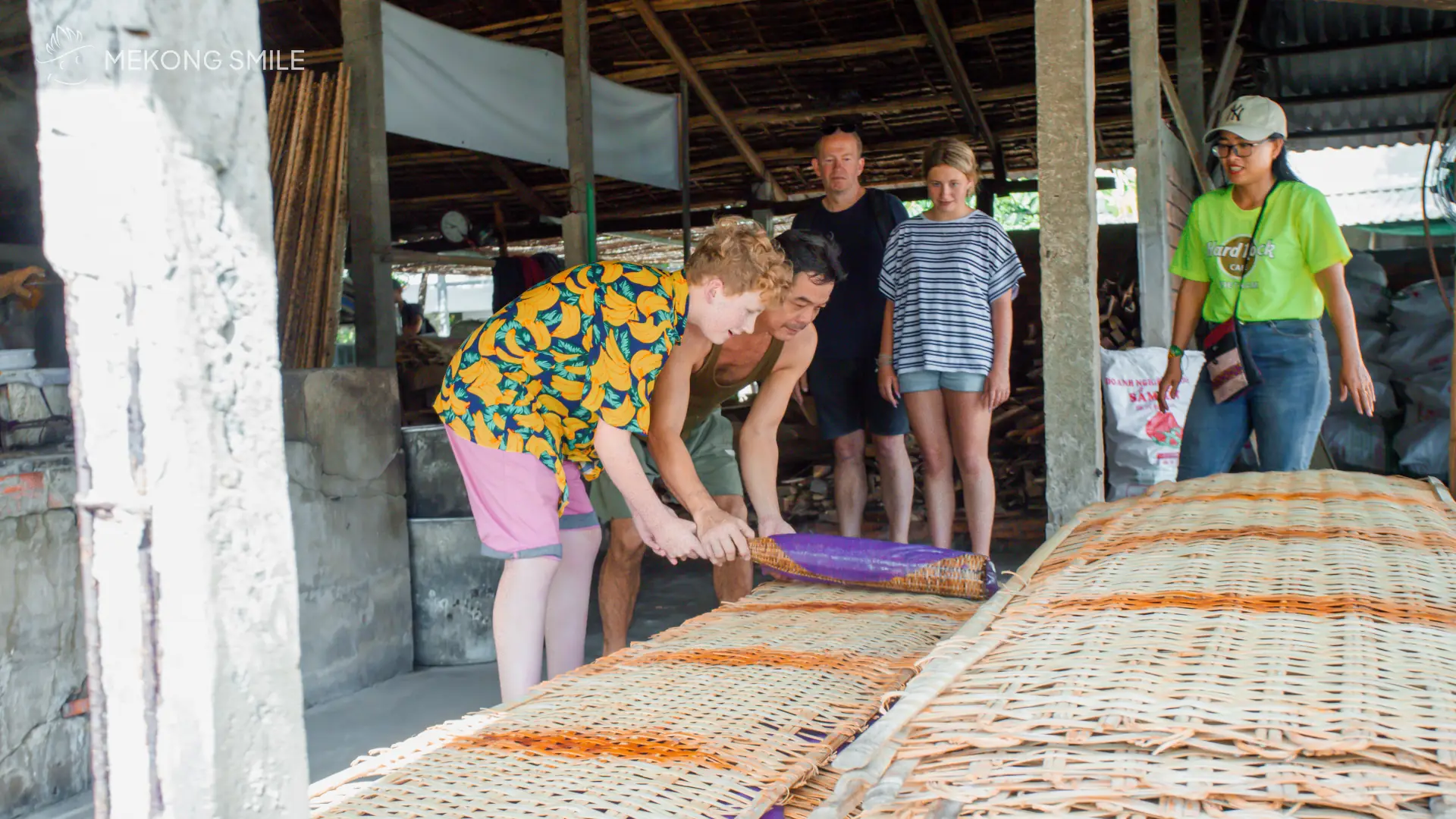
Thuan Hung Rice Paper Villages
- Location: Countryside around Can Tho, various villages
- Hours: 7:00 AM – 11:00 AM (production time)
- Entry: Free (purchases optional)
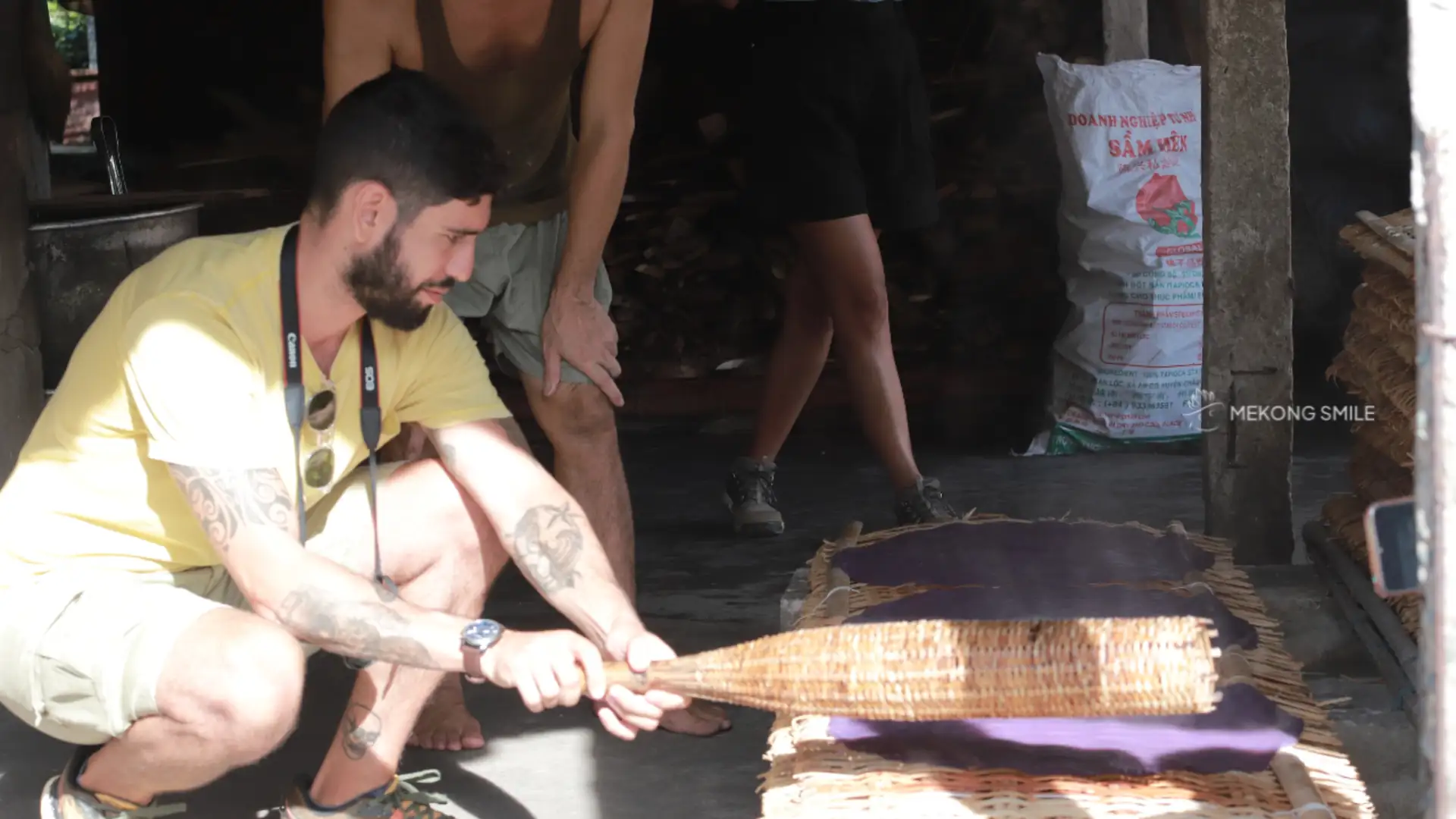
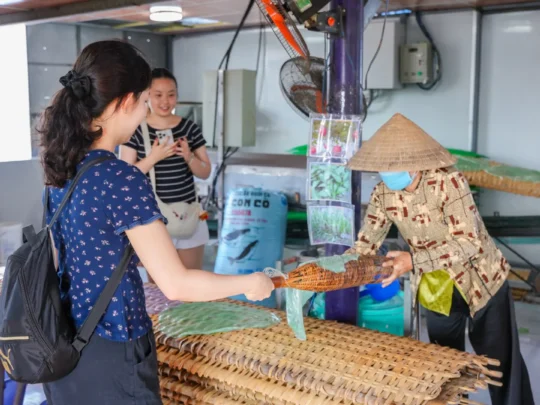
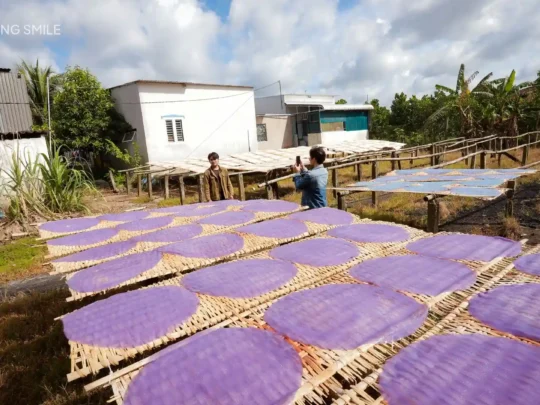
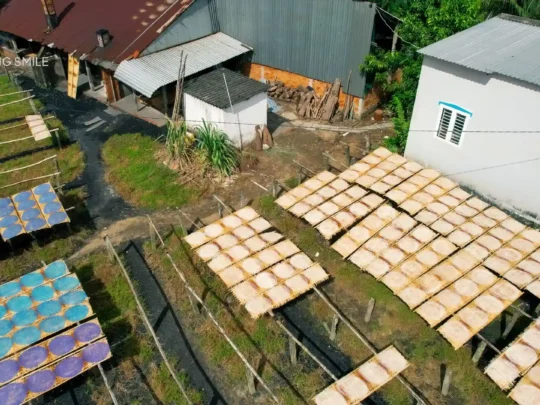
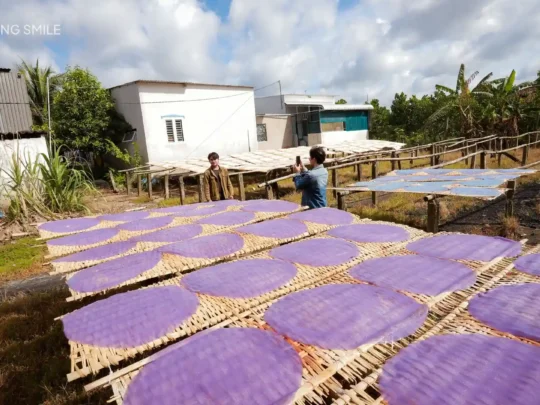
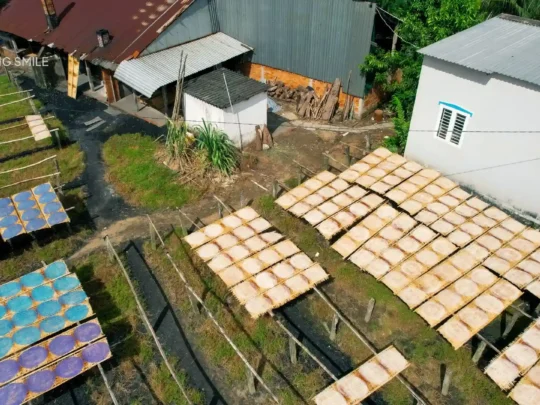
Rice paper (bánh tráng) forms the foundation of countless Vietnamese dishes. The Mekong Delta produces most of Vietnam’s rice paper, with Thuan Hung Rice Paper Village specializing in this labor-intensive craft.
Truc Lam Phuong Nam Zen Monastery
- Location: Phong Dien District, 12 km from city center
- Hours: 6:00 AM – 6:00 PM daily
- Entry: Free (donations welcome)
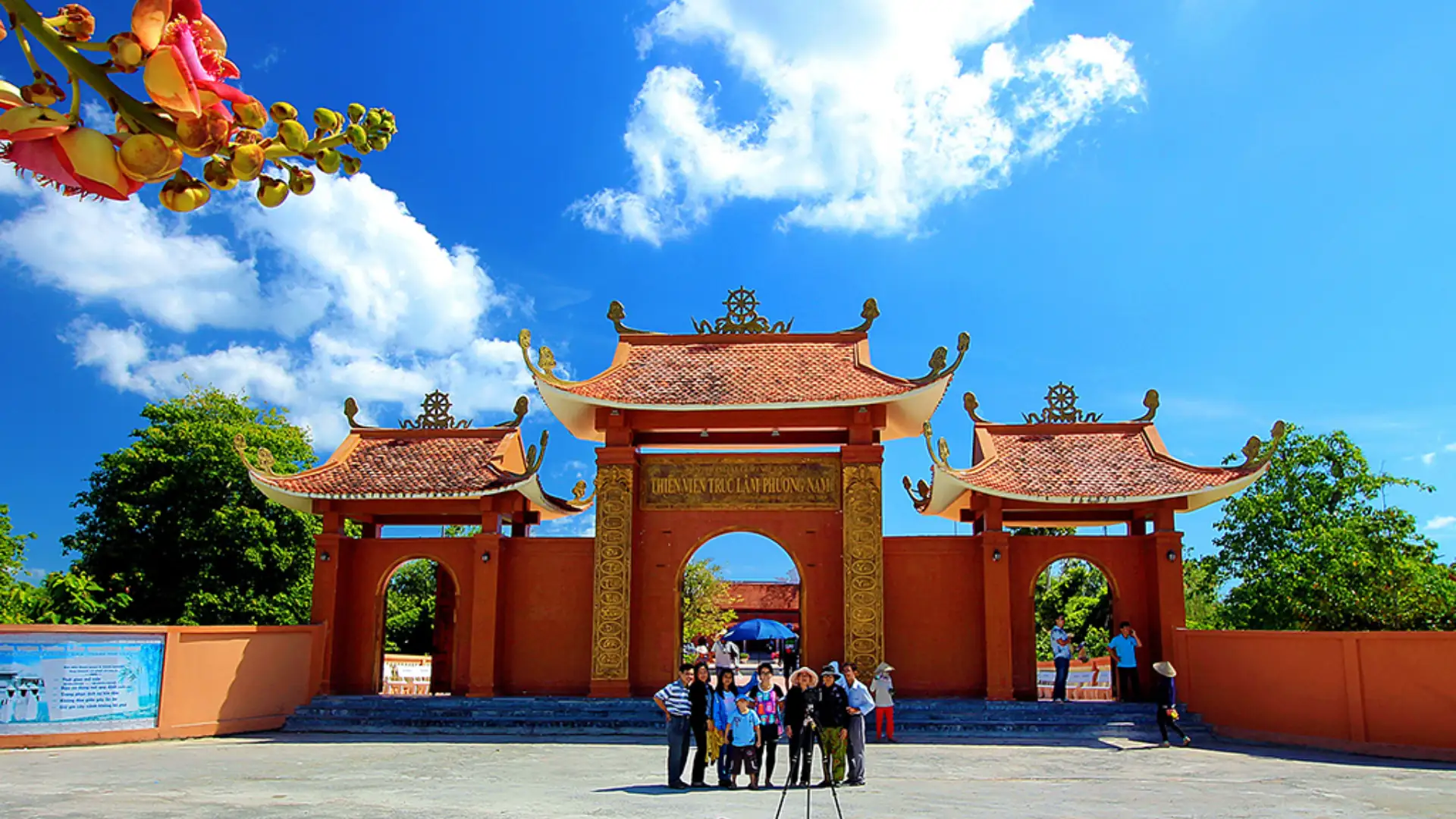
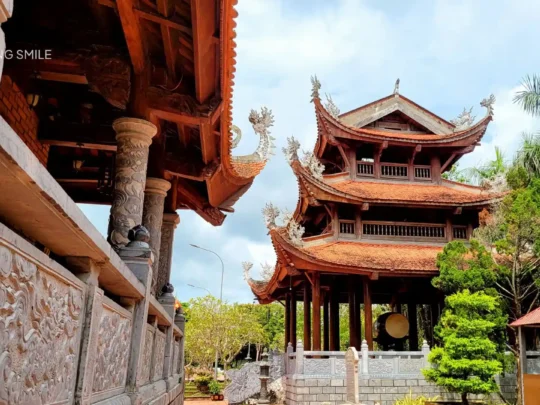
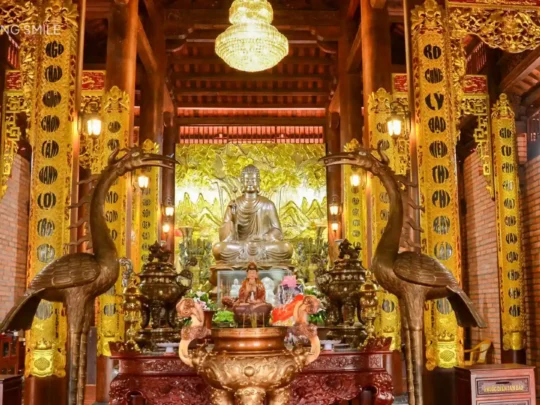
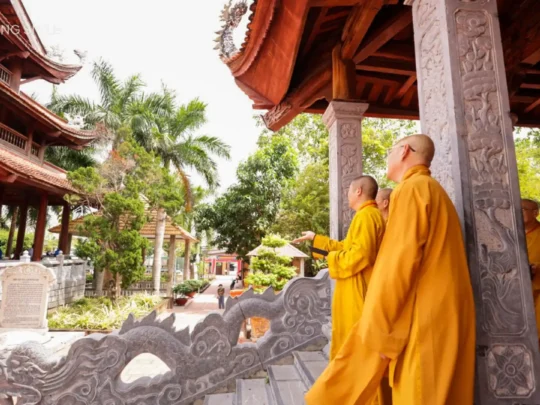
Truc Lam Phuong Nam Zen Monastery ranks among southern Vietnam’s most impressive Buddhist complexes, sprawling across more than 8 hectares of meticulously landscaped grounds.
Phat Hoc Pagoda
- Location: Near city center, Tan An Ward
- Hours: 6:00 AM – 6:00 PM daily
- Entry: Free (donations welcome)
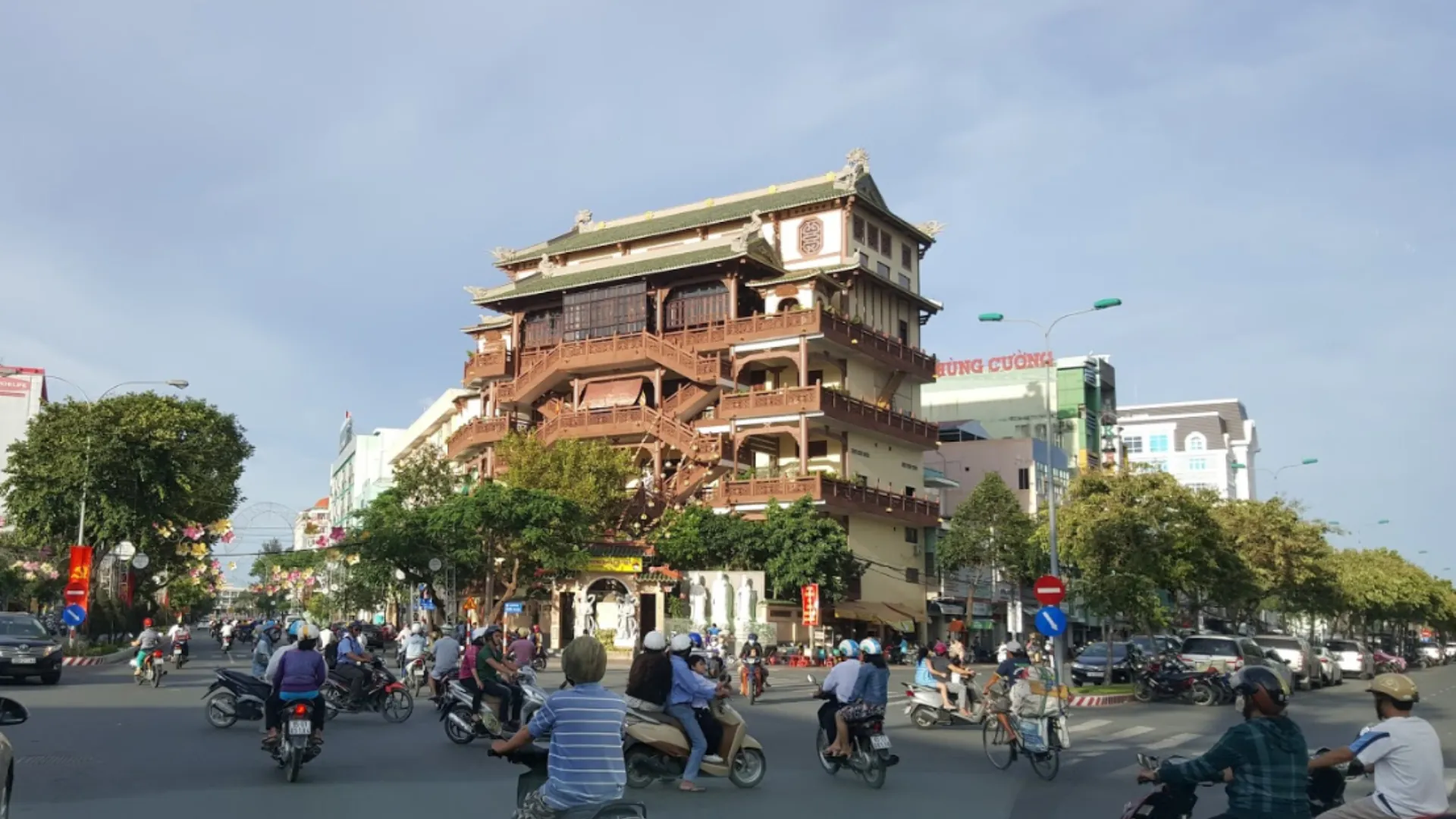
Phat Hoc Pagoda offers an authentic neighborhood temple experience outside the tourist circuit.
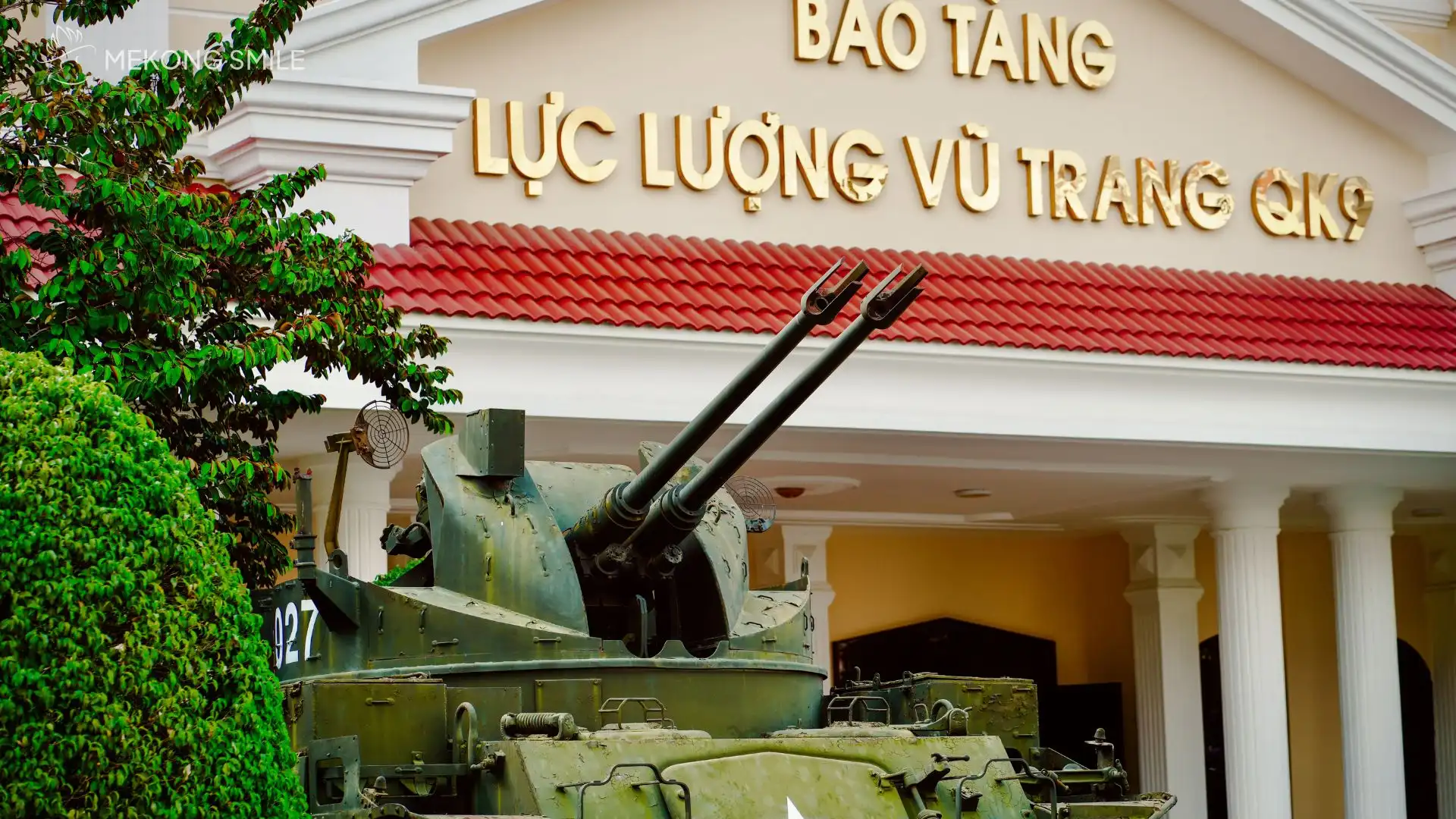
Military Zone 9 Museum
- Location: 6 Hoa Binh Avenue, Ninh Kieu Ward.
- Hours: Mon – Fri: 7:30 AM – 11:00 AM | 1:30 PM – 4:30 PM (Closed weekends).
- Entry Fee: Free.
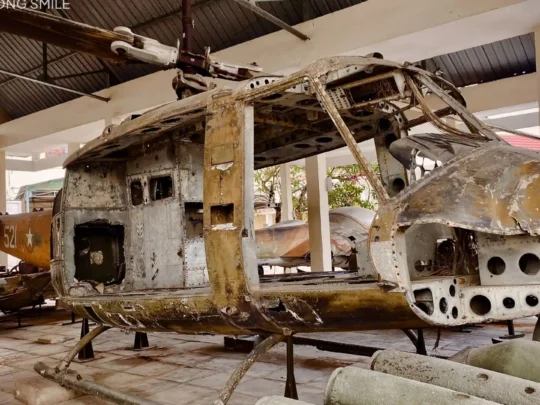
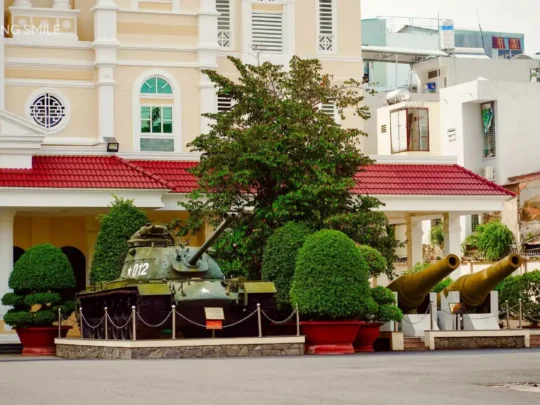
A significant site for history enthusiasts, this Military Zone 9 Museum showcases the heroic resistance of the Mekong people with an impressive collection of captured planes, tanks, and heavy weaponry.
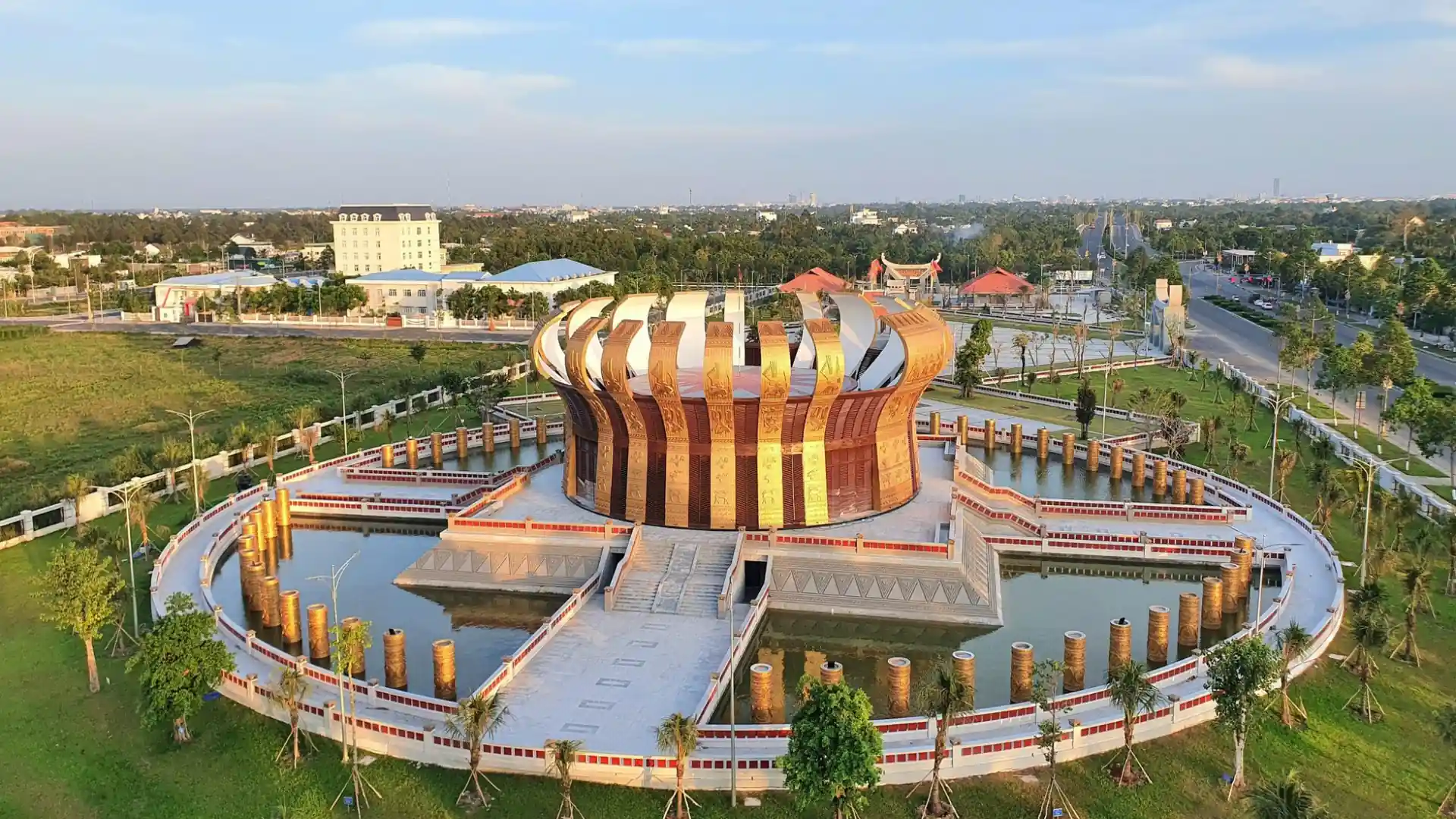
Hung King Temple
- Location: Vo Van Kiet Street, Binh Thuy District (near the airport).
- Hours: Tue – Sun: 7:30 AM – 11:00 AM | 1:30 PM – 5:00 PM (Closed Mondays).
- Entry Fee: Free.
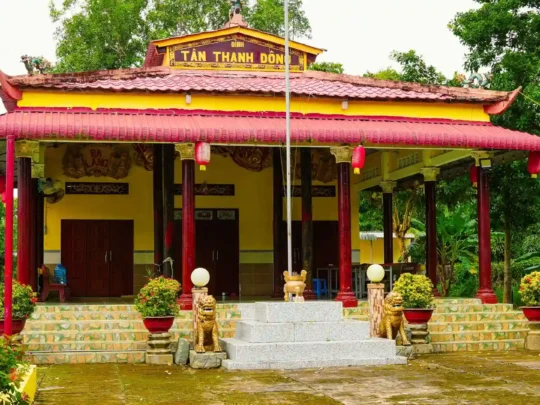
Hung King Temple is a grand architectural masterpiece dedicated to Vietnam’s legendary founders. Its unique design masterfully blends traditional Vietnamese motifs with contemporary architecture.
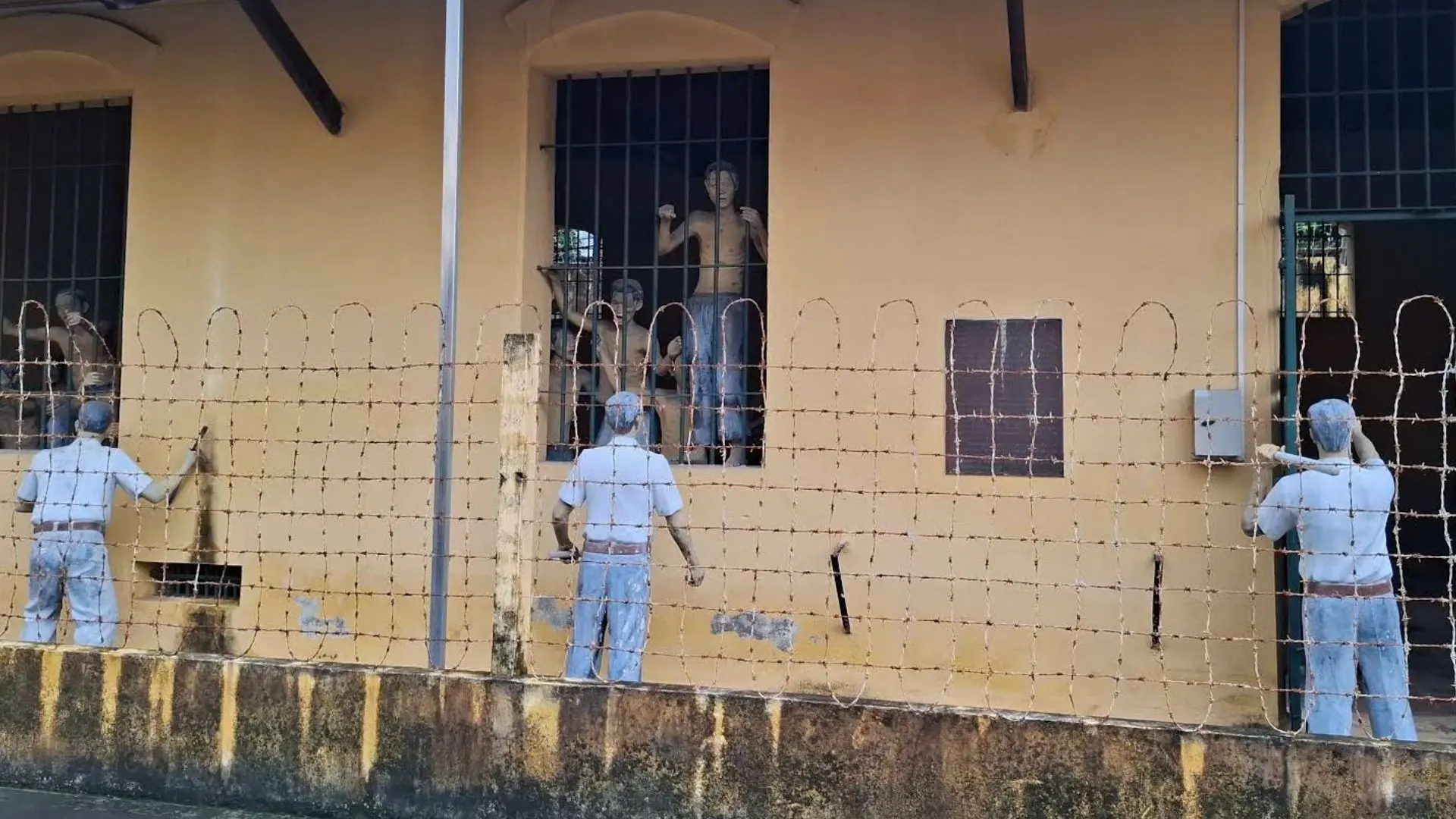
Can Tho Prison
- Location: 8 Ngo Gia Tu Street, Ninh Kieu District.
- Hours: Mon – Fri: 8:00 AM – 11:00 AM | 2:00 PM – 5:00 PM (Closed weekends).
- Entry Fee: Free.
Originally built by the French, this Can Tho Prison site details the harsh conditions and the resilience of political prisoners during the anti-colonial and war eras through vivid displays.
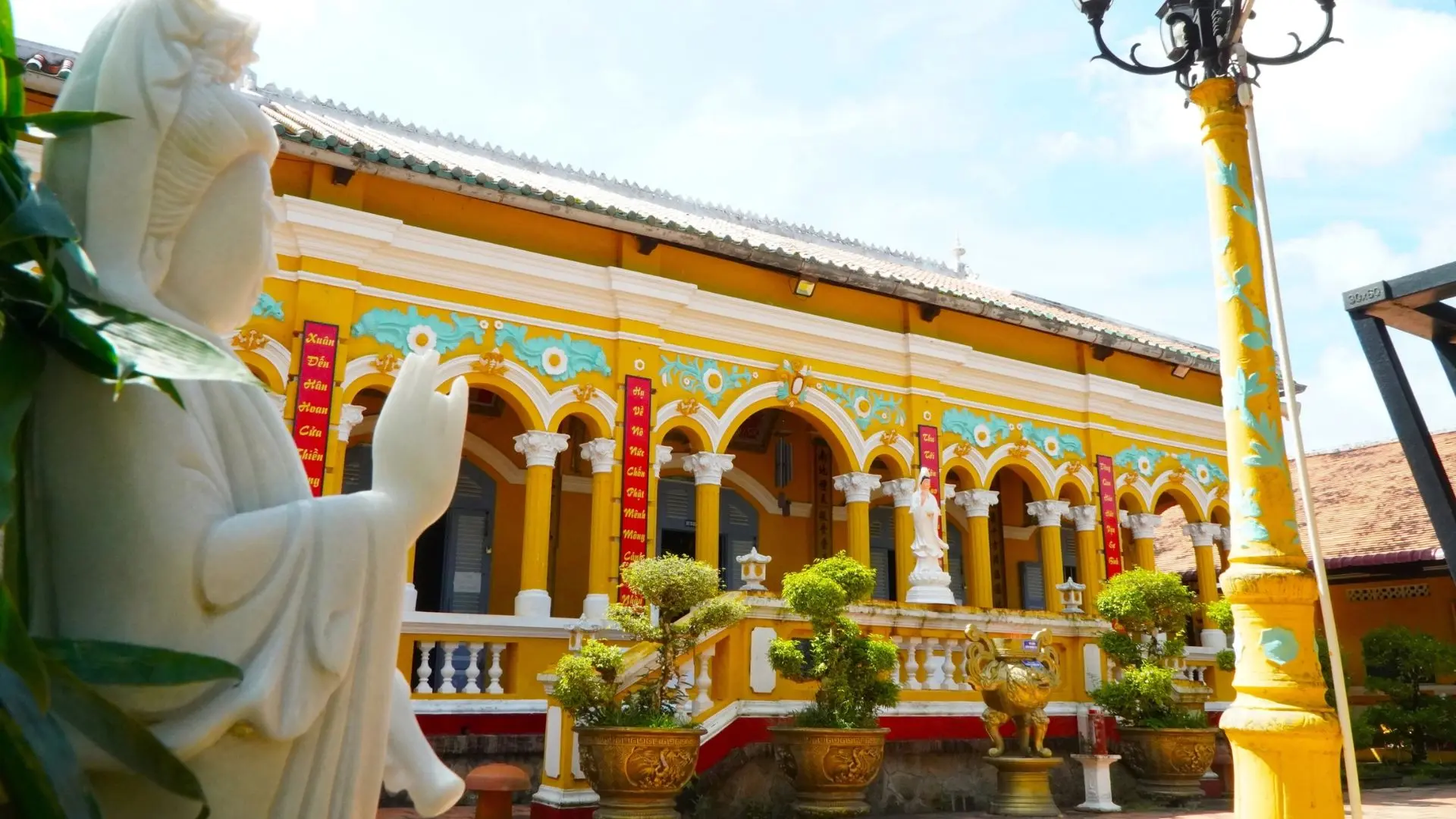
Nam Nha Pagoda
- Location: 612 Cach Mang Thang Tam Street, Binh Thuy District.
- Hours: Daily: 7:00 AM – 11:00 AM | 2:00 PM – 5:00 PM.
- Entry Fee: Free.
Built in 1895, this beautiful Nam Nha Pagoda was once a revolutionary hub. It is famous for its elegant mix of Vietnamese and Chinese architecture and its serene lakeside garden.
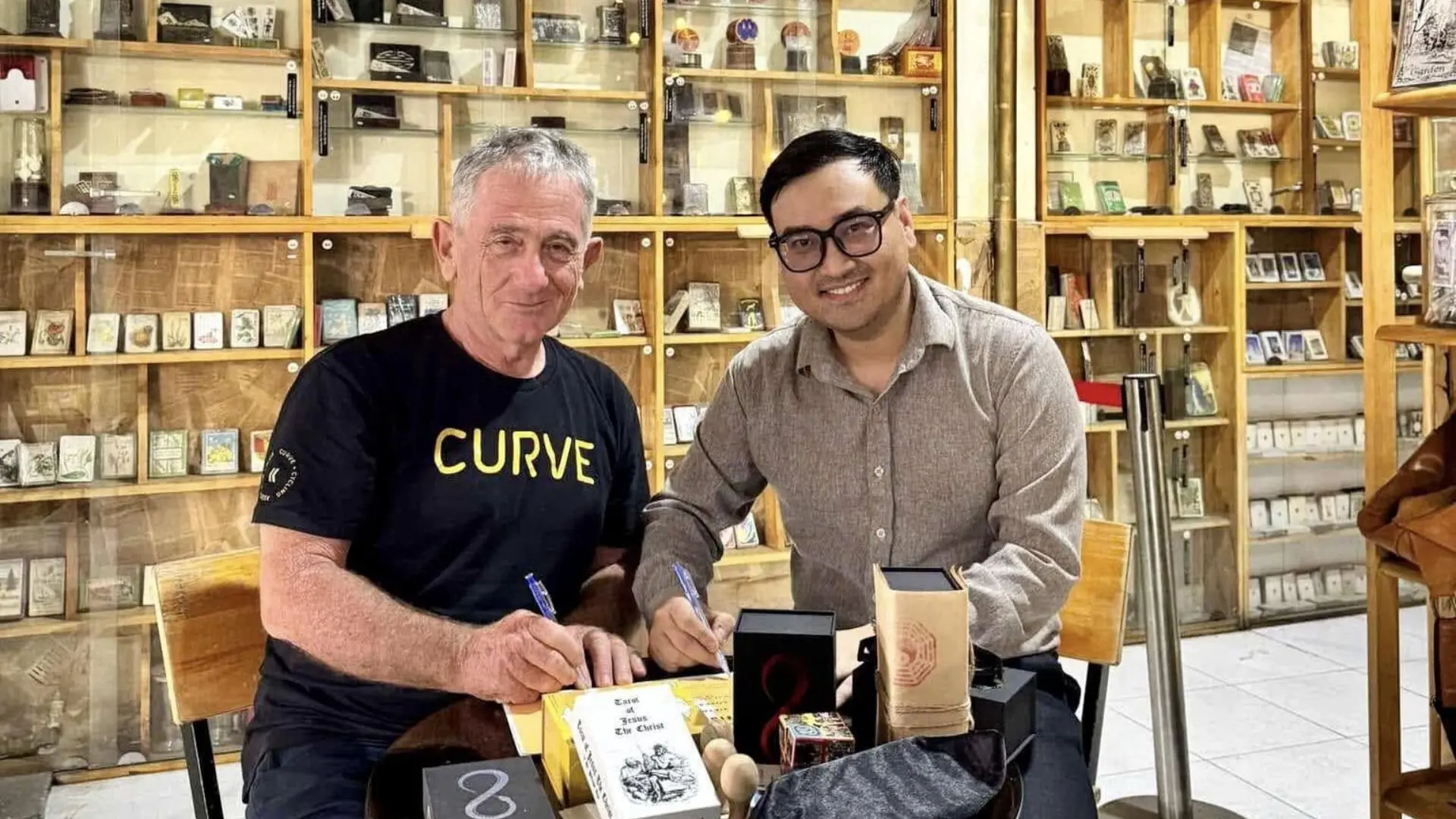
Can Tho Tarot Museum
- Location: 44 Nguyen Khuyen Street, Tan An Ward, Ninh Kieu District.
- Hours: Mon – Fri: 9:00 AM – 5:00 PM (Requires advance booking).
- Entry Fee: Approx. 90,000 VND (~$3.50).
The first and only of its kind in Vietnam, this Can Tho Tarot Museum houses a massive collection of tarot decks from around the world in an intimate, beautifully decorated space.
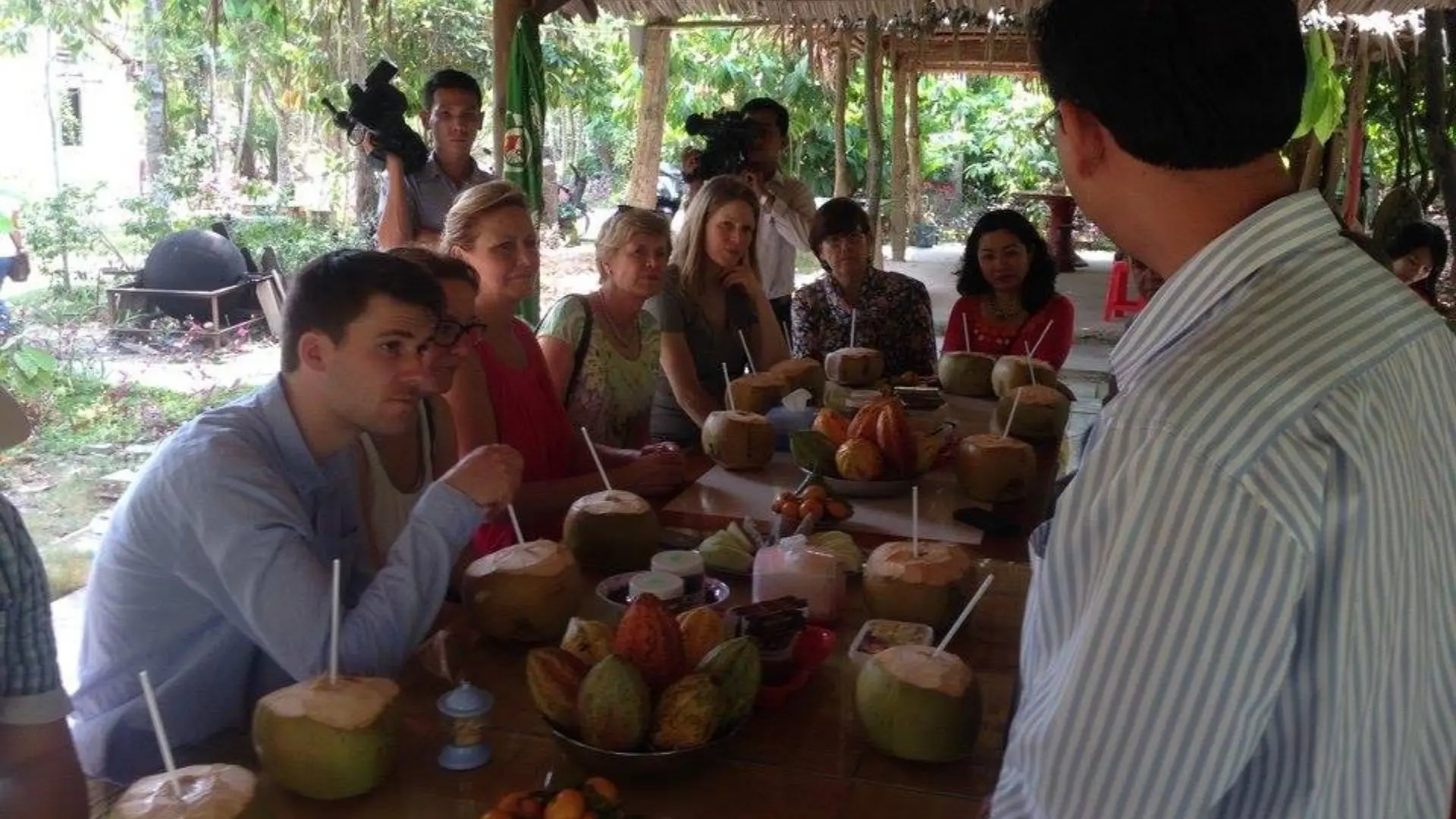
Muoi Cuong Cacao Garden
- Location: My Khanh, Phong Dien District (approx. 10km from city center).
- Hours: Daily: 7:00 AM – 12:00 PM (Afternoon by appointment).
- Entry Fee: 50,000 – 100,000 VND (Includes garden tour and tasting).
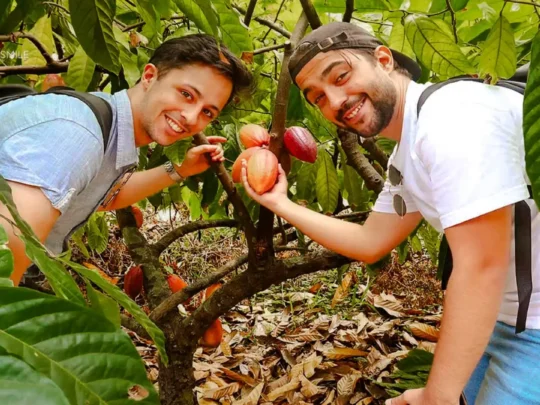
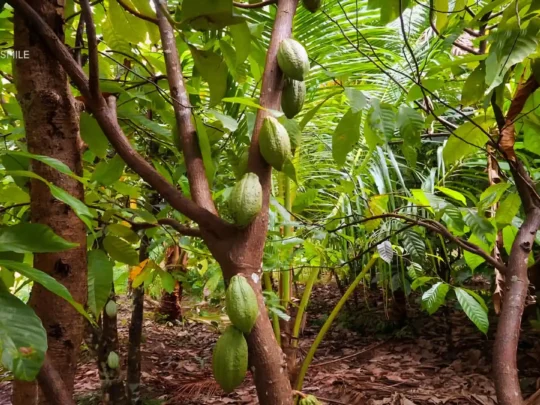
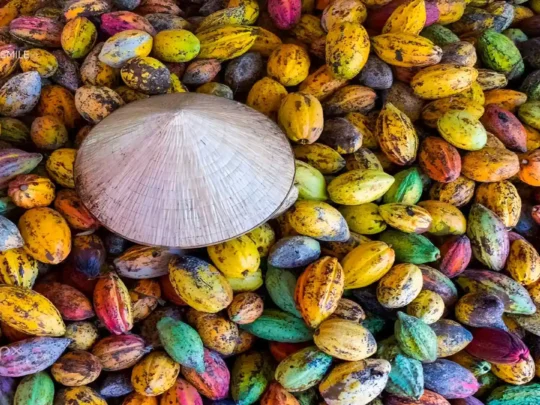
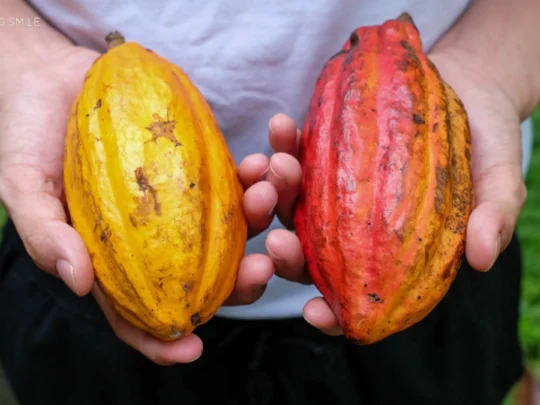
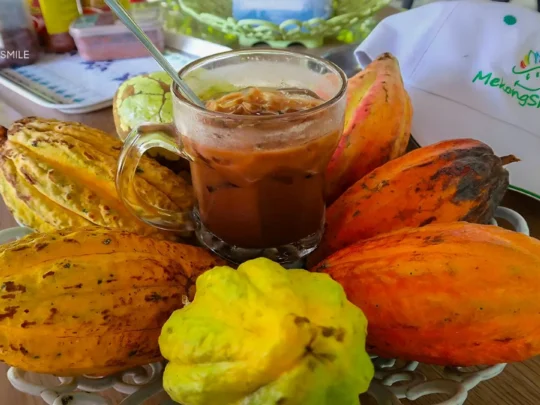
Learn the secrets of chocolate making at this family-run farm. Witness the traditional process of fermenting cacao beans and enjoy a cup of organic hot cocoa under the trees at Muoi Cuong Cacao Garden.
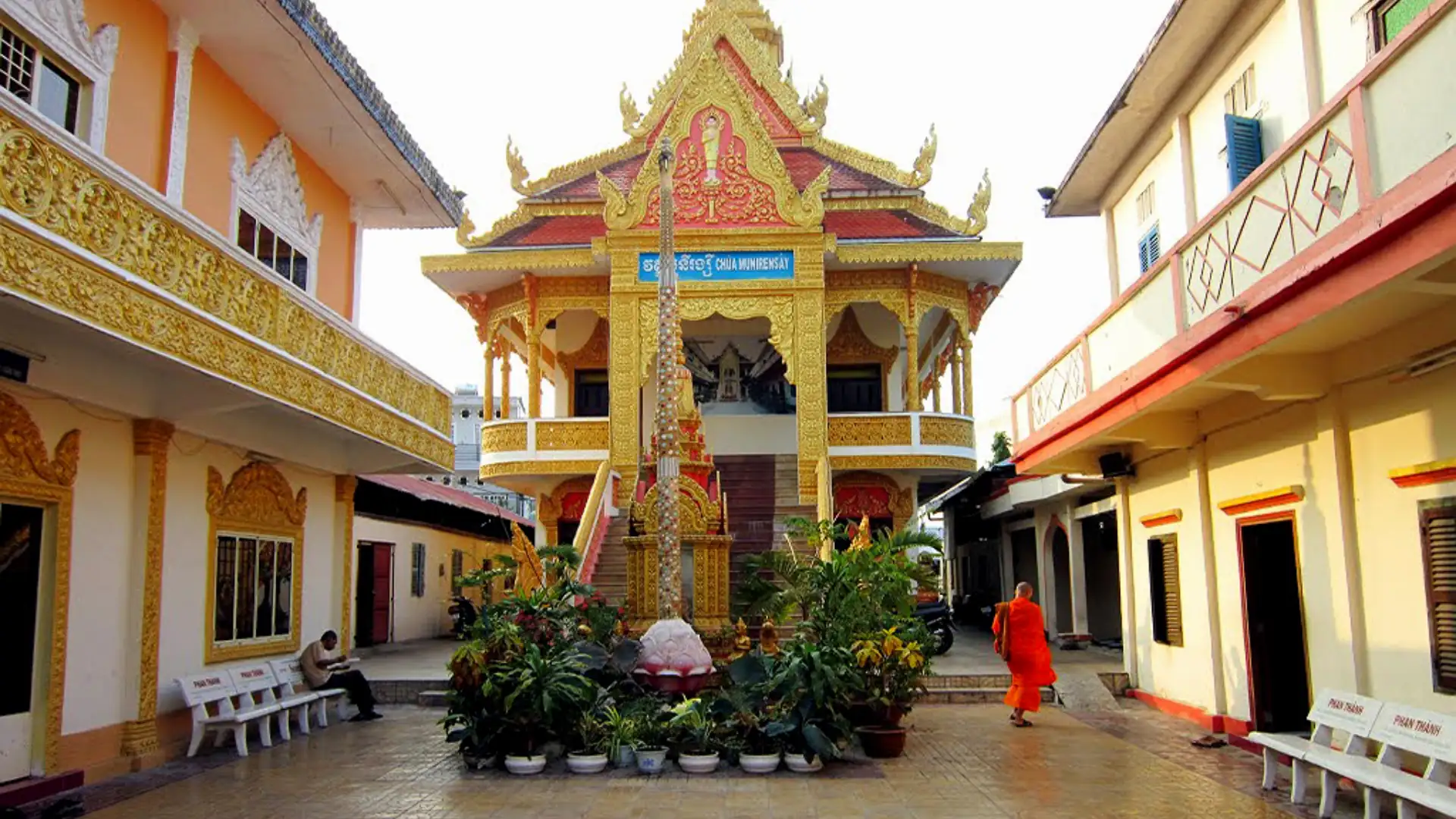
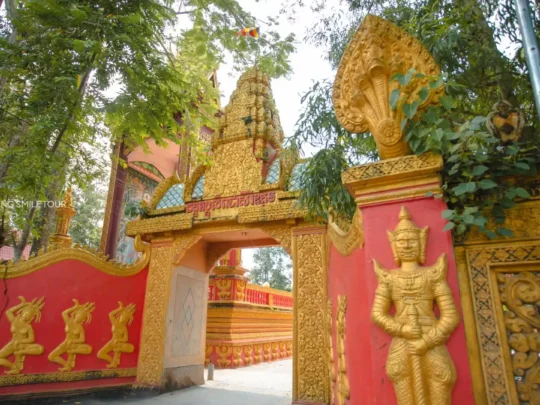
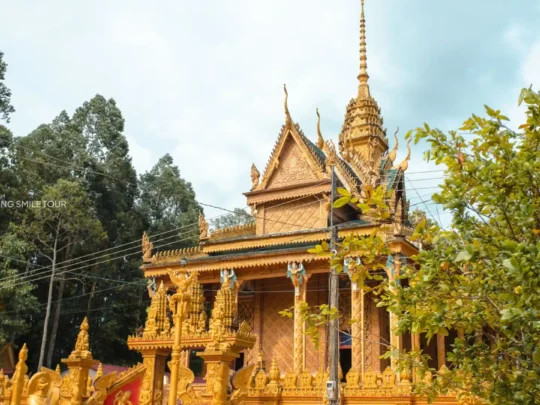
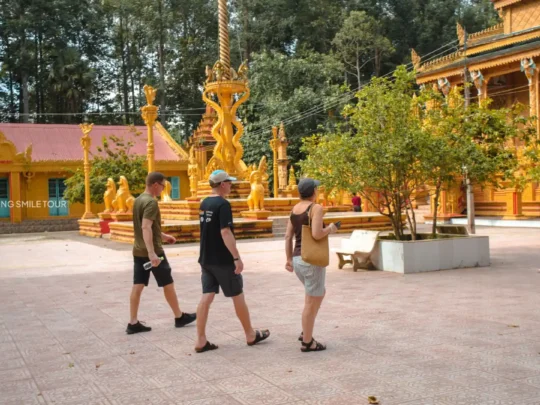
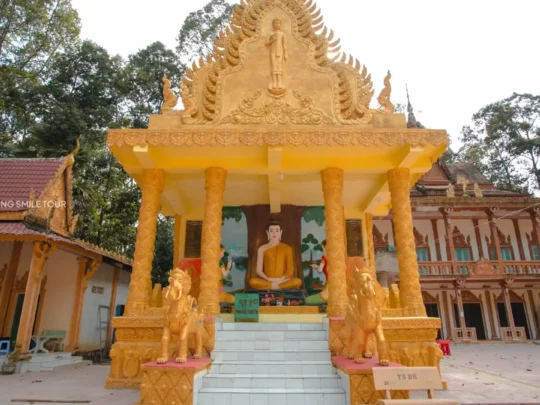
Munir Ansay Pagoda (Khmer Temple)
- Location: Ninh Kieu District, near city center
- Hours: 6:00 AM – 6:00 PM daily
- Entry: Free (donations welcome)
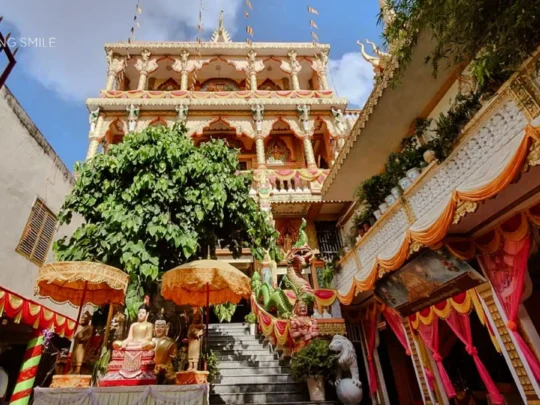
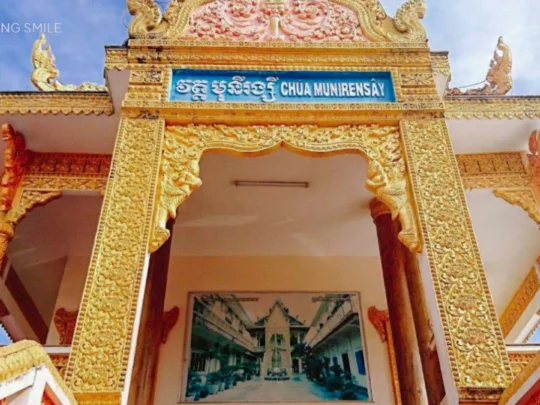
Munir Ansay Pagoda showcases the Mekong Delta’s ethnic diversity, specifically the region’s significant Khmer (ethnic Cambodian) population.
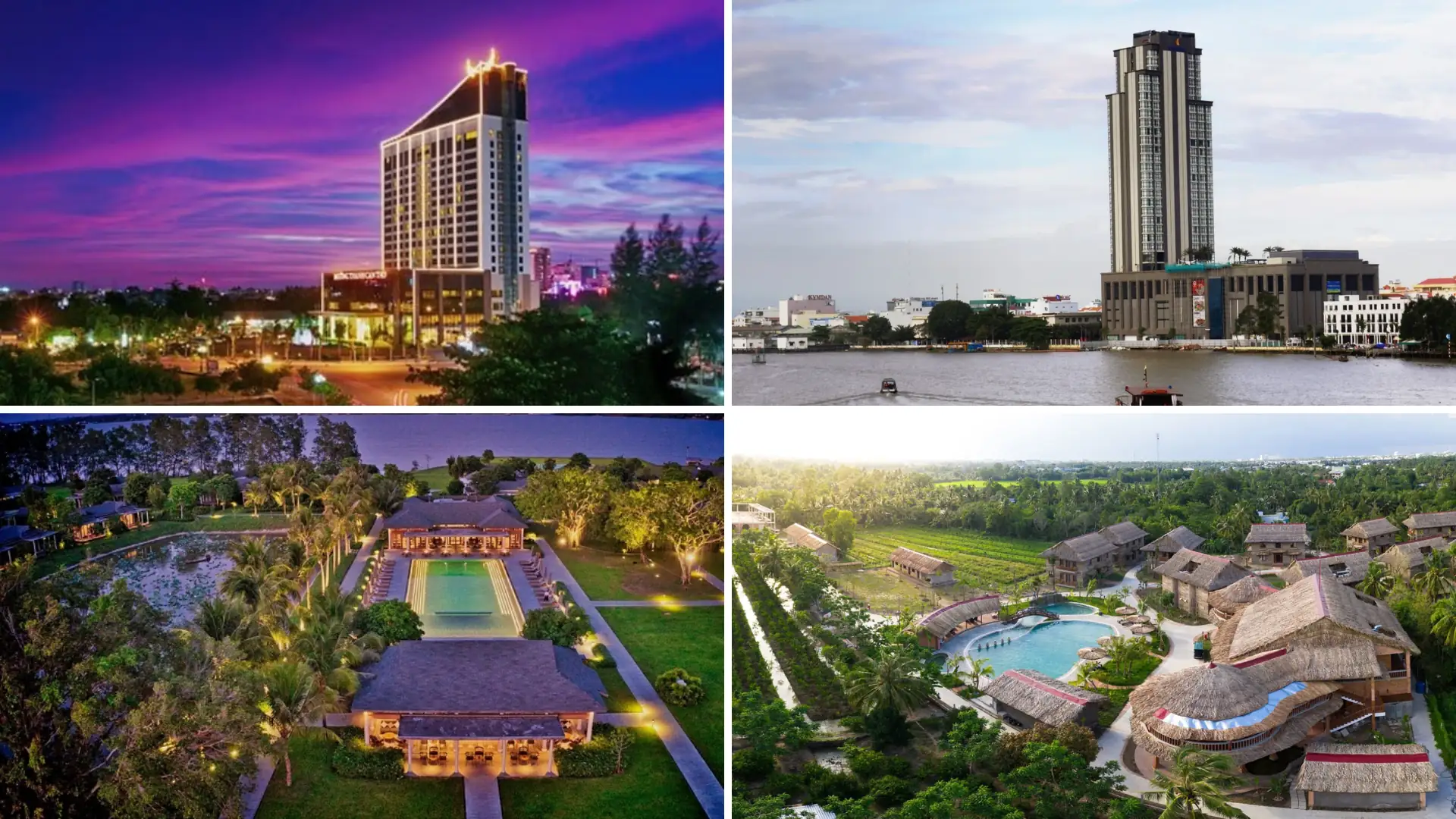
Where to Stay in Can Tho
Luxury Hotels
- Vinpearl Hotel Can Tho – Can Tho’s premier luxury on Ninh Kieu Wharf | 3,500,000-6,000,000 VND ($145-250)
- Azerai Can Tho – Boutique luxury property with contemporary design | 3,000,000-5,500,000 VND ($125-230)
- Victoria Can Tho Resort – Colonial-style resort set in lush tropical gardens | 2,500,000-4,500,000 VND ($105-190)
- Sheraton Can Tho – International 5-star chain offering reliable luxury standards, modern rooms | 2,800,000-5,000,000 VND ($117-210)
- Muong Thanh Luxury Can Tho Hotel – Massive property, panoramic city views from upper floors | 2,000,000-3,800,000 VND ($83-160)
- Iris The Royal Hotel Can Tho – Upscale hotel with elegantly appointed rooms and popular for weddings/events | 2,200,000-4,000,000 VND ($92-167)
- Can Tho Ecolodge – Eco-luxury property located 5 km from city center in peaceful countryside | 2,500,000-4,200,000 VND ($105-175)
- West Hotel Can Tho – Contemporary luxury hotel with spacious rooms featuring modern Vietnamese design | 2,000,000-3,500,000 VND ($83-145)
Mid-range Hotels (500,000-1,500,000 VND / $21-63 USD per night)
- TTC Hotel Can Tho – Reliable Vietnamese chain hotel | 800,000-1,400,000 VND ($33-58)
- Mekong Boutique Hotel – Modern 3-star property with 36 clean contemporary rooms | 600,000-1,100,000 VND ($25-46)
- Iris Can Tho Hotel – Modern building where higher floors offer genuine river views | 650,000-1,100,000 VND ($27-46)
- Holiday One Hotel – No-frills but excellent value hotel with genuinely comfortable beds (rare in budget category) | 500,000-900,000 VND ($21-38)
- Tay Ho Hotel – Family-run 25-room hotel, located 10 minutes from the center | 550,000-950,000 VND ($23-40)
- Victoria Can Tho Hotel (not the Resort) – Mid-range hotel borrowing colonial-inspired aesthetic from luxury sister property | 700,000-1,200,000 VND ($29-50)
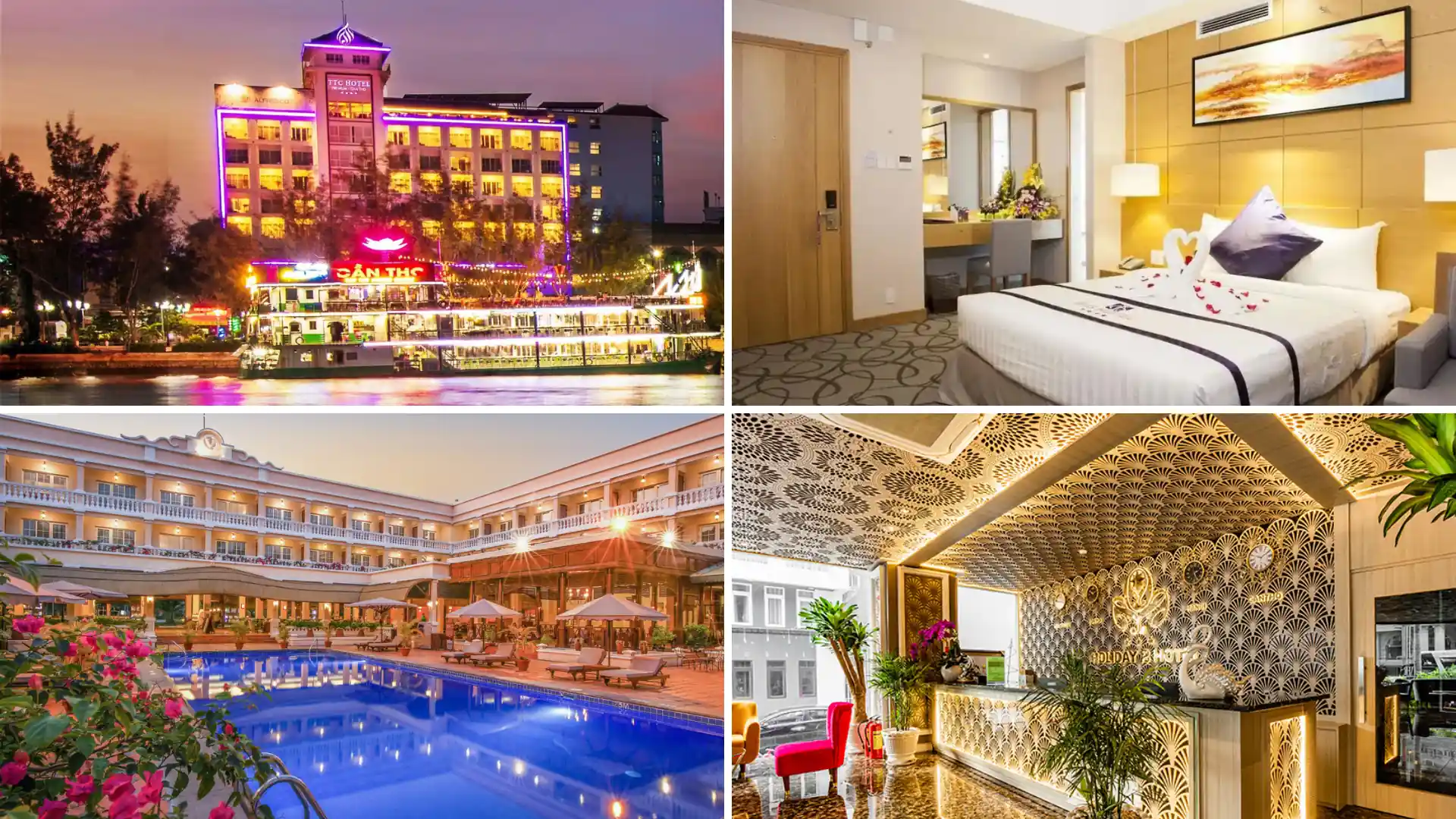
Stay smart and cozy with Can Tho’s mid-range hotels
Budget Hostels & Guesthouses (150,000-500,000 VND / $6-21 USD per night)
- Xoai Hostel – Can Tho’s most popular backpacker hostel | Dorms: 150,000-180,000 VND ($6-8) | Privates: 350,000-450,000 VND ($15-19)
- Coconut Tree Homestay – Authentic family homestay where Mrs. Lan treats guests like her own children | 250,000-350,000 VND ($10-15)
- An’s Backpackers Hostel – Newer hostel emphasizing cleanliness and comfort over party atmosphere | Dorms: 180,000-200,000 VND ($8-9) | Privates: 400,000-500,000 VND ($17-21)
- Mekong Rustic Can Tho – Rural homestay located 11 km from city center requiring taxi/motorbike but worth journey for authentic countryside experience | 300,000-450,000 VND ($12-19)
- Green Garden Homestay – Family homestay offering free bicycle rentals (major perk), home-cooked meals showcasing Mekong Delta cuisine | 250,000-400,000 VND ($10-17)
What to eat in Can Tho
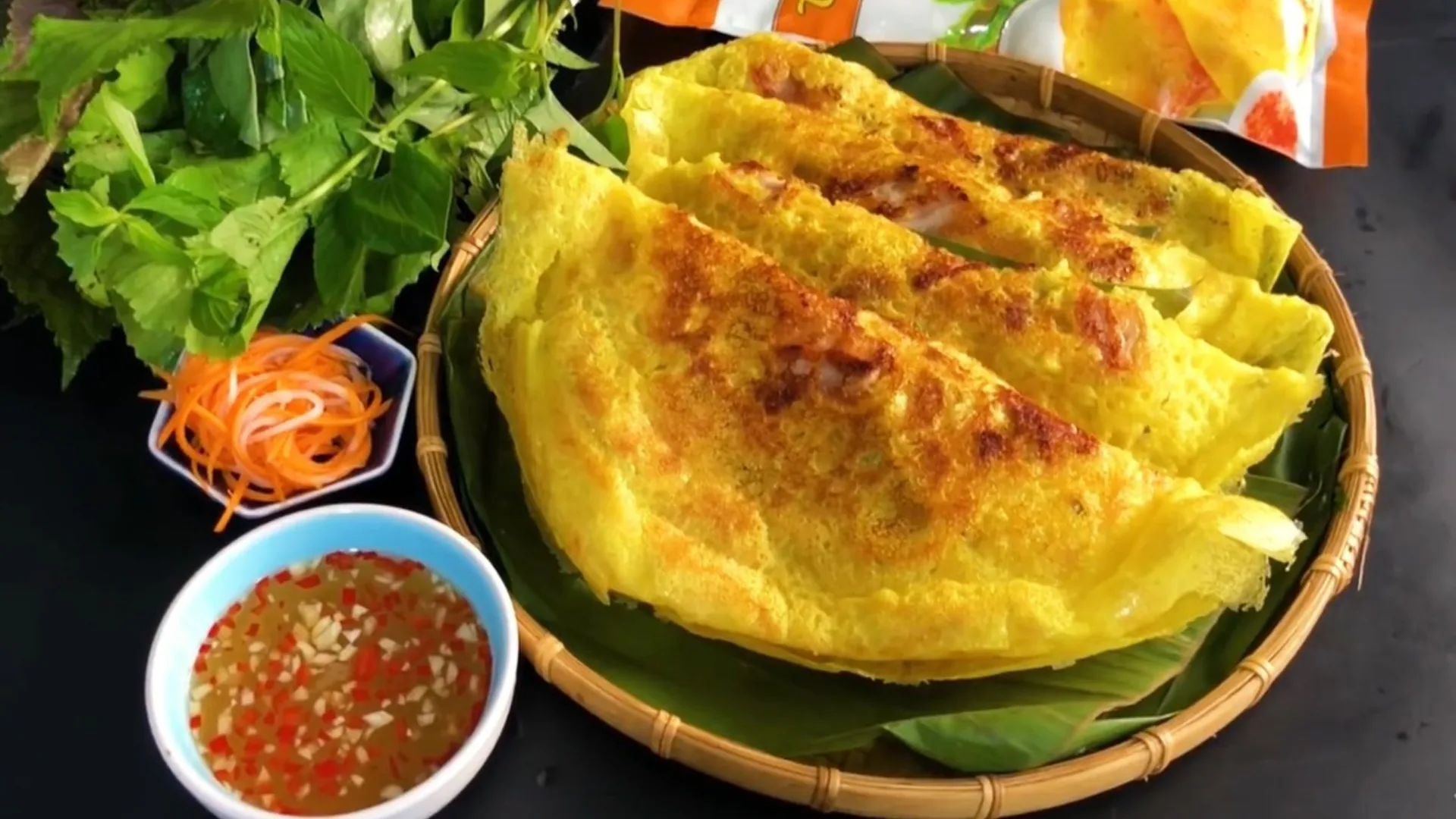
Banh Xeo (Crispy Vietnamese Pancakes)
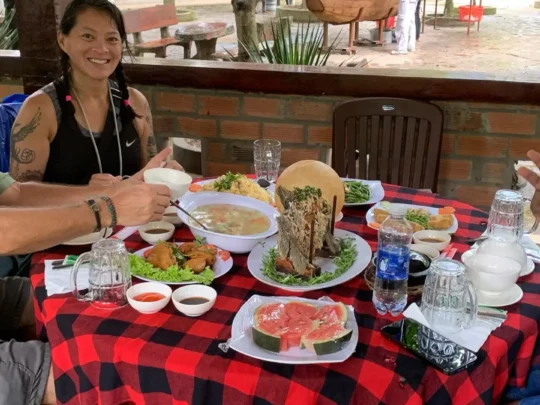
Can Tho’s signature dish – crispy turmeric rice flour pancakes filled with shrimp, pork, and bean sprouts, served with fresh herbs and fish sauce. Tear off pieces, wrap in lettuce with herbs, and dunk in sauce for the perfect bite.
Where: Banh Xeo 7 Toi (Dinh Tien Hoang Street) – most famous, 40,000-60,000 VND | Banh Xeo Muoi Xiem (Ba Trieu Street) – less touristy, 35,000-50,000 VND
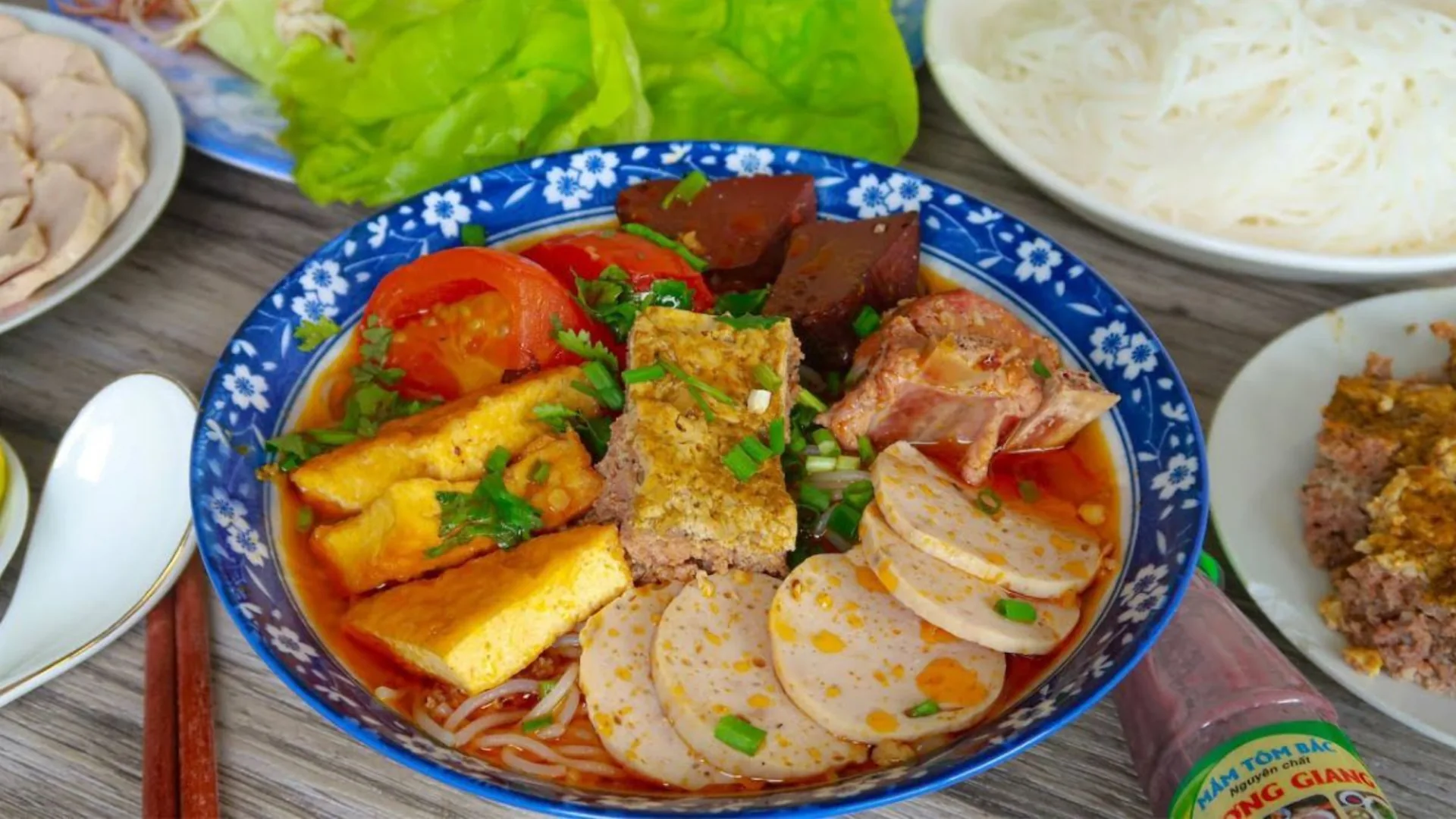
Bun Rieu Cua (Crab Noodle Soup)
Complex rice noodle soup with tomato-based broth enriched by pounded river crab paste, topped with fried tofu, blood pudding (optional), and fresh herbs. Tangy, savory, and uniquely Mekong Delta.
Where: Ninh Kieu Market breakfast stalls, 30,000-45,000 VND | Bun Rieu Cua Co Ba (Ngo Gia Tu Street) – morning only, 35,000-50,000 VND
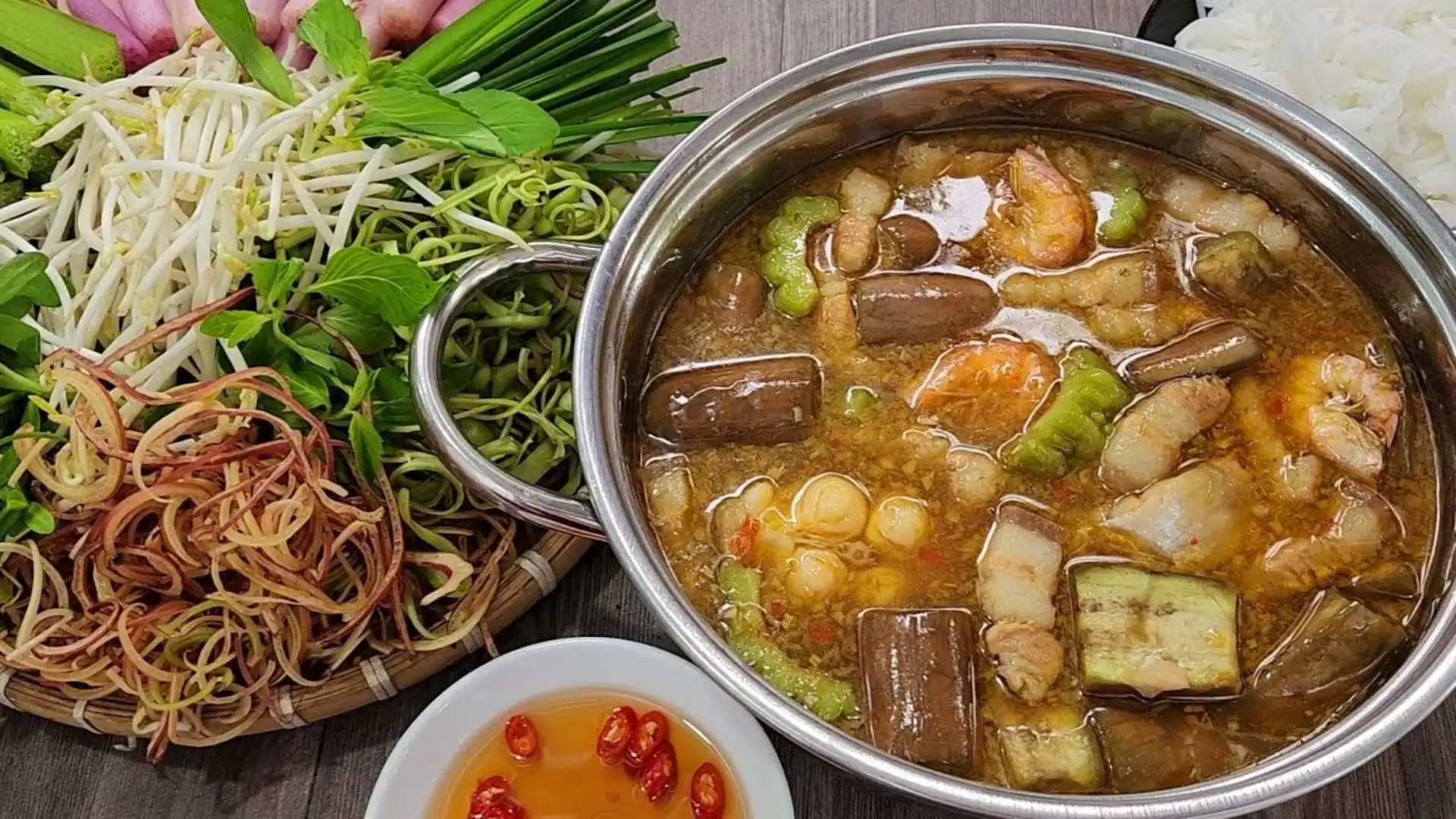
Lau Mam (Fermented Fish Hot Pot)
The delta’s most infamous dish – hot pot with pungent fermented fish base, coconut water, and pineapple. Cook river fish, shrimp, beef, pork, and vegetables at your table. Intensely flavorful and polarizing – locals call it “the taste of the Mekong.”
Where: Lau Mam De Thi (Hai Ba Trung Street) – family recipes, 150,000-200,000 VND/person | Lau Mam Muoi Cuong (Tran Quoc Tuan Street) – slightly milder, 120,000-180,000 VND/person
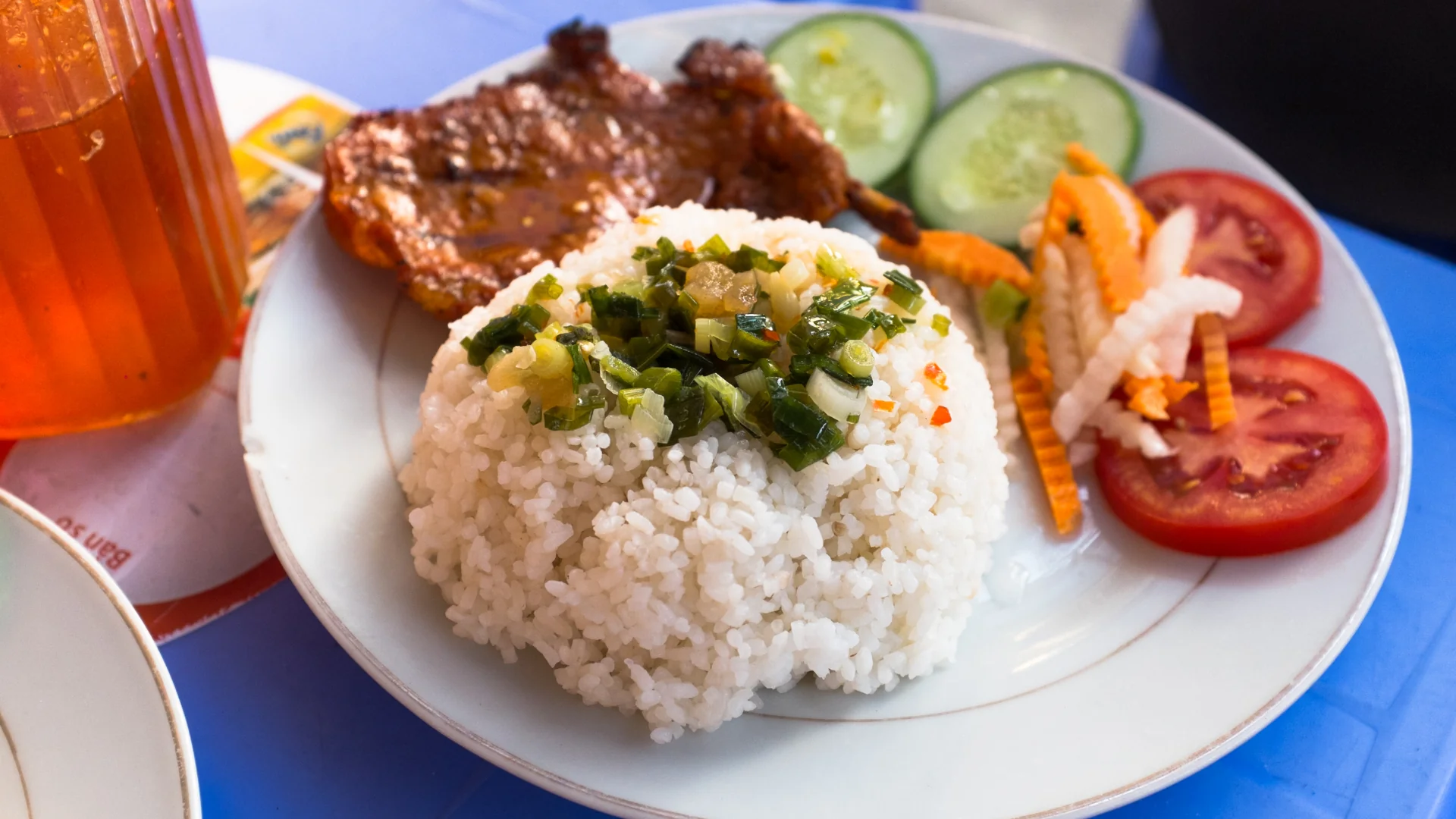
Com Tam (Broken Rice)
Broken rice topped with grilled pork chop, shredded pork skin, fried egg, pickled vegetables, and fish sauce. Southern Vietnam’s comfort food at its finest.
Where: Com Tam Hai Lu (Ngo Duc Ke Street) – famous grilled pork, 35,000-50,000 VND | Evening street vendors citywide, 25,000-40,000 VND | Night market stalls, 30,000-45,000 VND
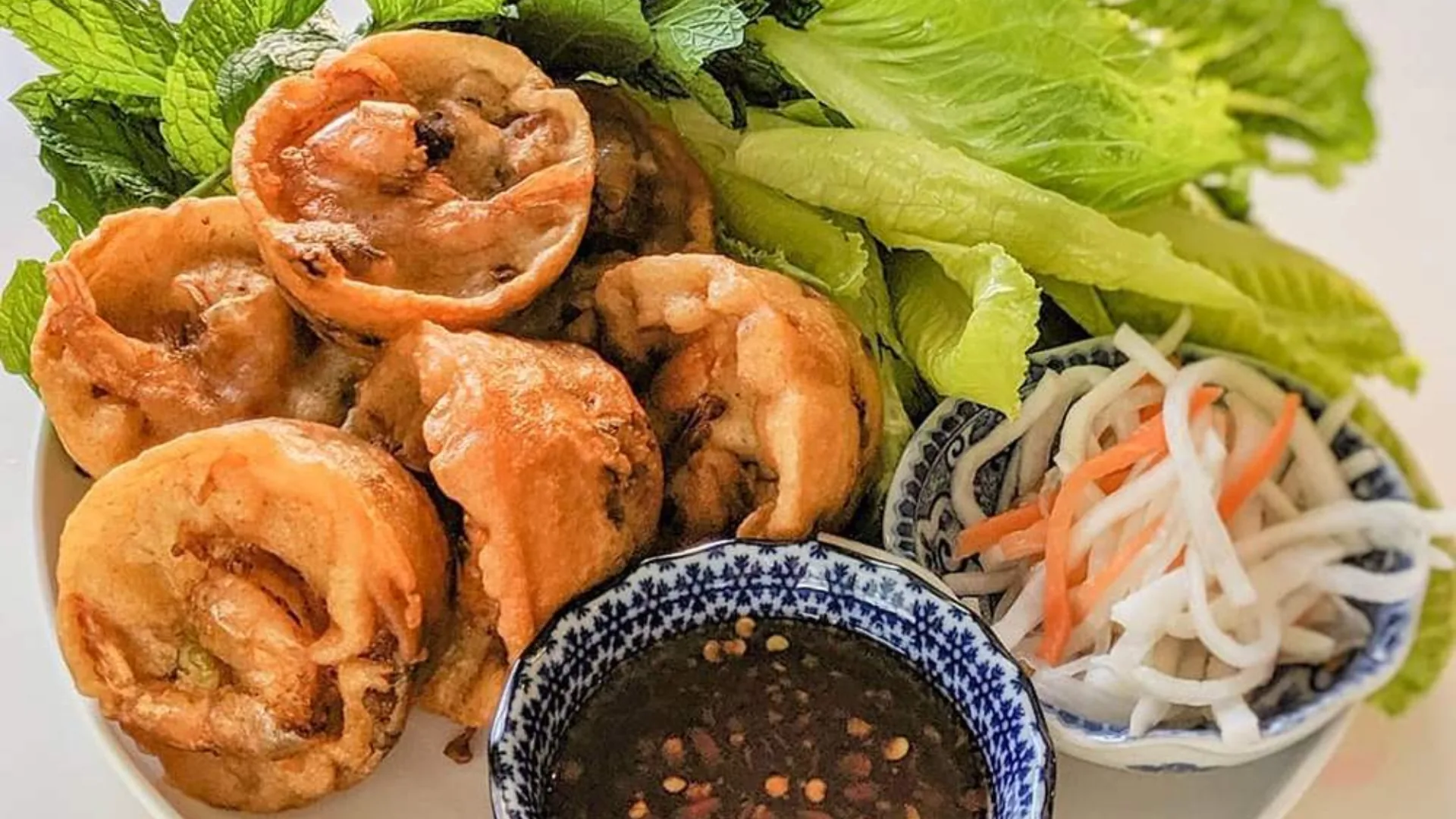
Banh Cong (Crispy Shrimp Cakes)
Small round fritters combining shrimp, mung beans, and rice flour, fried until crispy outside and soft inside. Addictively delicious with sweet chili-fish sauce.
Where: Night market vendors, 15,000-25,000 VND for 3-4 pieces | Banh Cong Co Ut (Mau Than Street) – afternoon snack spot, 20,000-30,000 VND
Other Notable Dishes
- Hu Tieu – Light noodle soup with pork, shrimp, translucent noodles | Market stalls, 30,000-40,000 VND
- Ca Kho To – Caramelized fish in clay pot | Sao Hom Restaurant, 80,000-120,000 VND
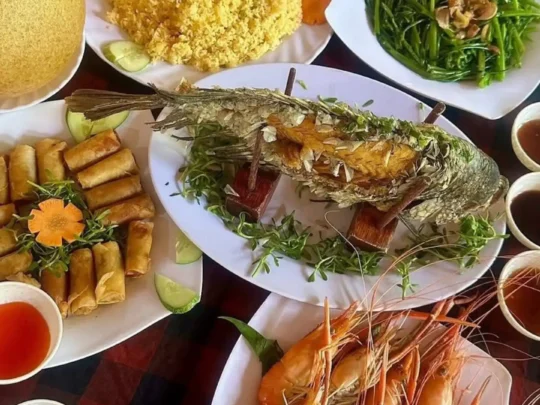
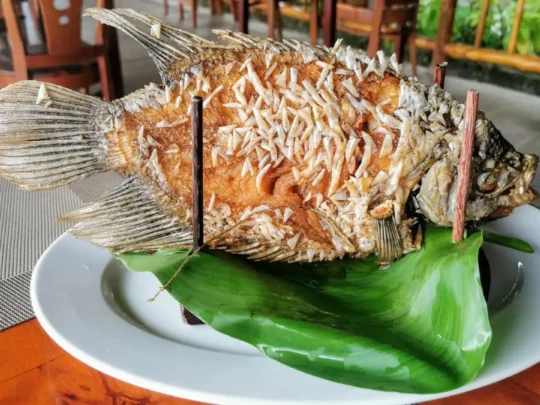
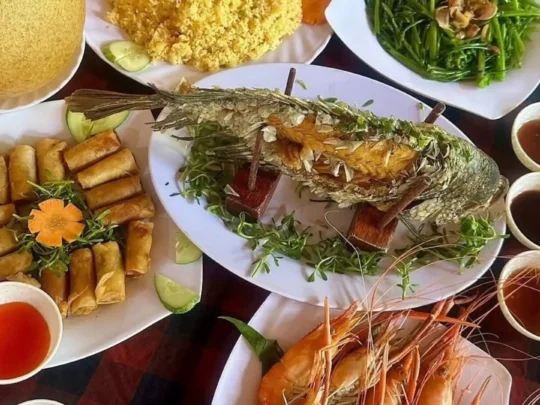
- Ca Loc Nuong Trui – Grilled snakehead fish | Con Son Islet, 150,000-250,000 VND
Practical Tips for Travel to Can Tho
Money Matters
- Currency: Vietnamese Dong (VND). $1 USD approx 25,000 VND.
- Cash & Small Bills: While upscale hotels and restaurants accept cards, most street vendors and local markets are cash-only. Always carry small denominations (20k, 50k, 100k VND) as vendors often cannot break 500k notes.
- Where to Exchange: Banks on Phan Dinh Phung Street (Vietcombank, BIDV) offer the best rates (2-3% lower). Avoid exchanging at small hotels.
- ATMs: Look for Vietcombank or Agribank near Ninh Kieu Wharf. Withdrawal limits are usually 2-3 million VND per transaction with a fee of 20k-50k VND.
- Tipping: Not required but appreciated. Consider 50k – 100k VND for excellent tour guides and rounding up the fare for Grab drivers.
Communication & Connectivity
- SIM Cards: We highly recommend Viettel for its superior coverage in rural areas. You can buy one at Can Tho Airport or official stores for ~$6 (includes a 30-day data pack). Note: You will need your passport for registration.
- Offline Tools: Download Google Translate (Vietnamese offline) and use the camera feature to translate menus. Grab is essential for transport as it has a built-in translator for chat.
- Useful Phrases:
- Xin chào (sin chow) (Hello) | Cảm ơn (gahm uhn) (Thank you) | Xin lỗi (sin loy) (Sorry).
- Bao nhiêu tiền? (bow nyew tee-en) (How much?) | Đắt quá (daht gwah) (Too expensive!).
- Ngon (ngon) (Delicious) | Không cay (khome kai) (Not spicy).
- Toilet ở đâu? (toy-let uh dow) (Where is the bathroom?).
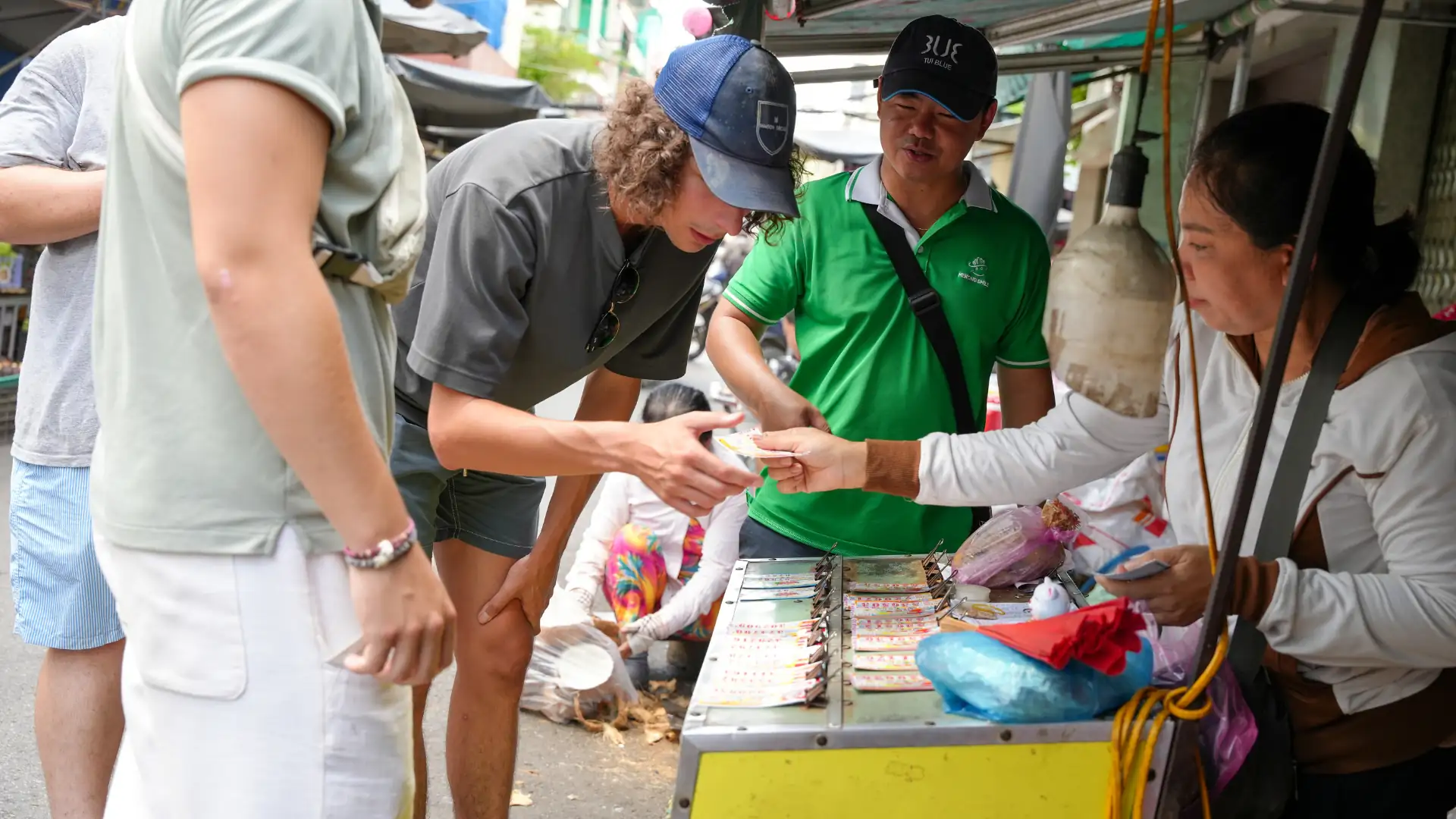
Top Can Tho Tour for you
Explore the top Can Tho tours curated just for you to ensure an authentic and memorable journey


Attractions in Mekong Delta
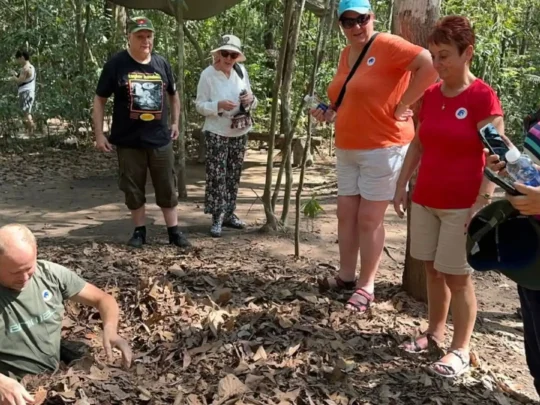
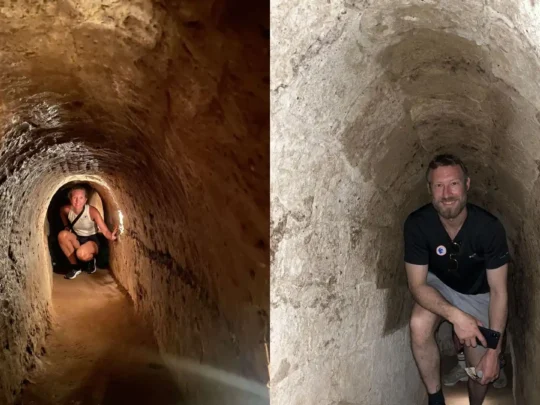
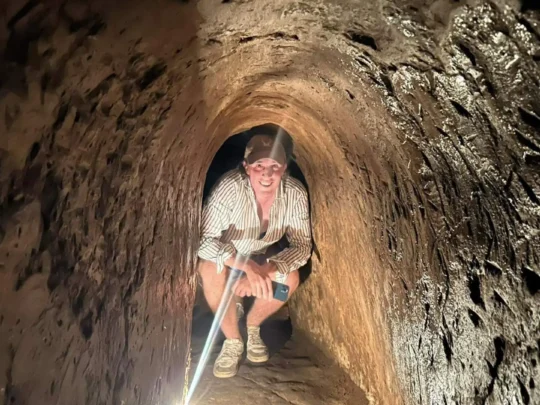
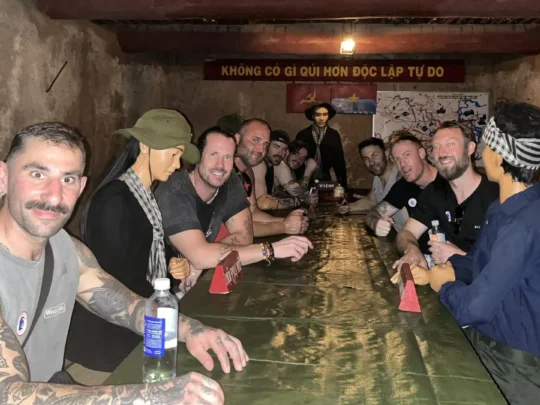
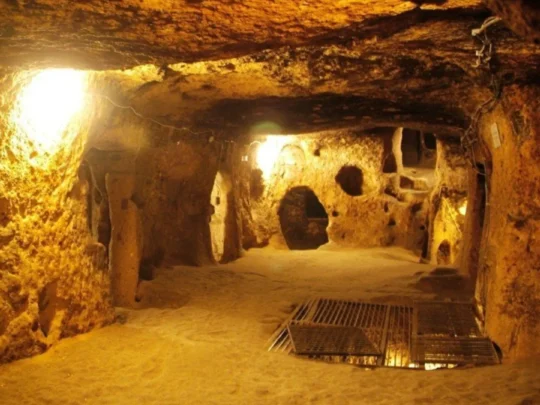
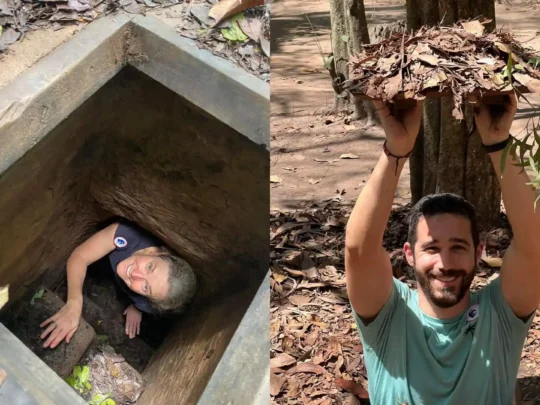
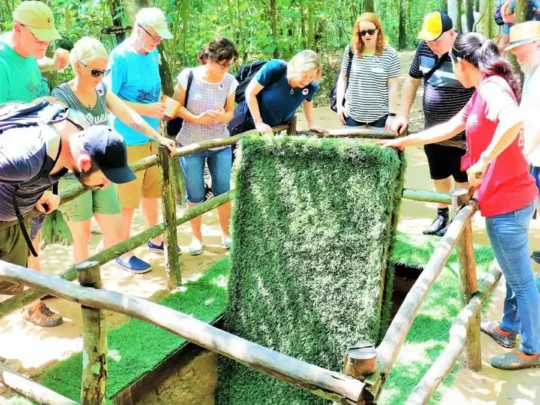
Half-day Cu Chi Tunnels Tour | Vietnam Underground History Expedition
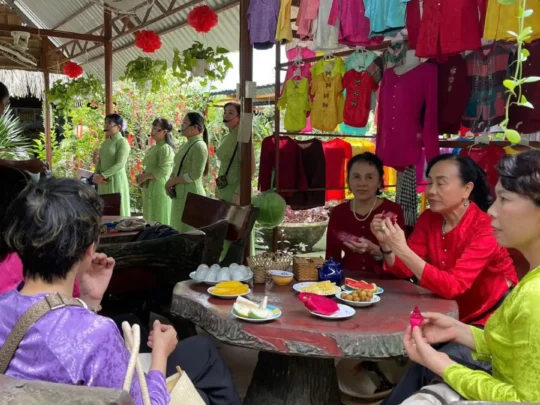
Attractions in Mekong Delta
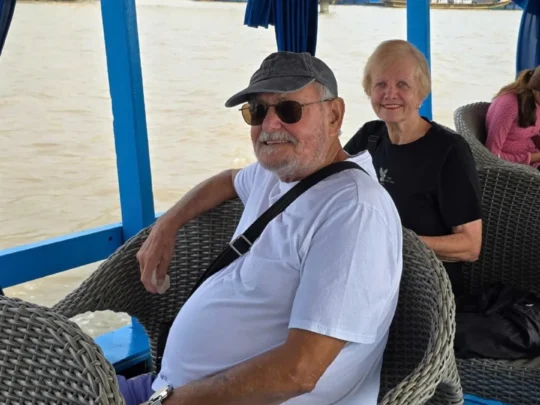
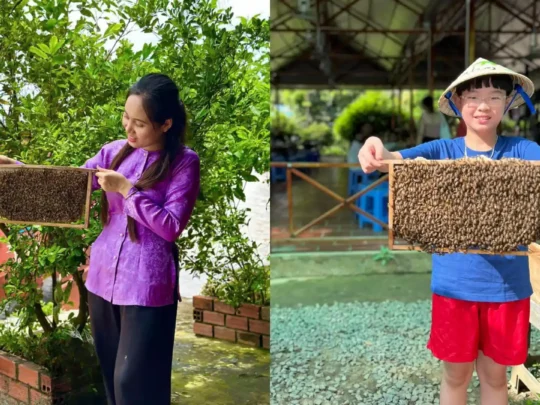
Authentic My Tho Mekong Delta Tour: Two Islands for Half a Day
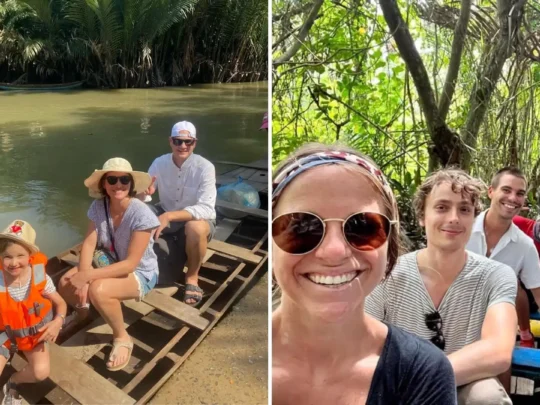
Attractions in Mekong Delta
Mekong Delta 2 Day Tour from Ho Chi Minh City: My Tho – Ben Tre – Can Tho

Attractions in Mekong Delta

Attractions in Mekong Delta
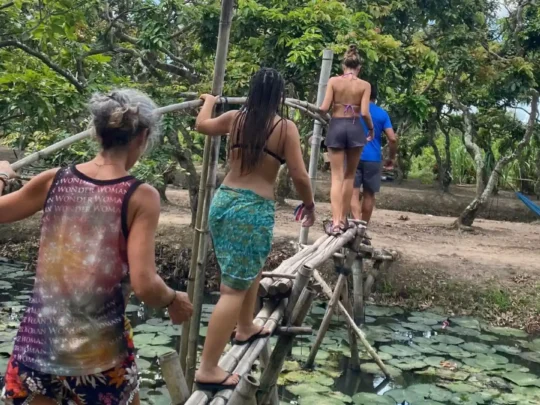
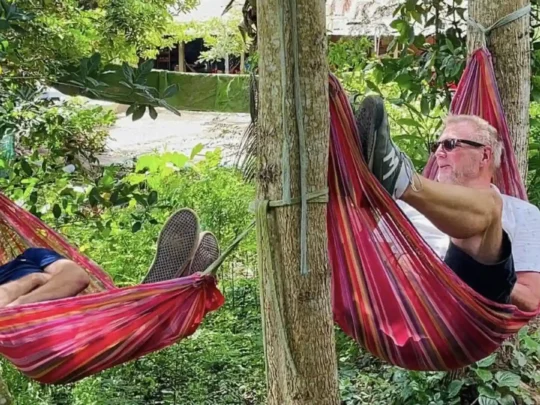
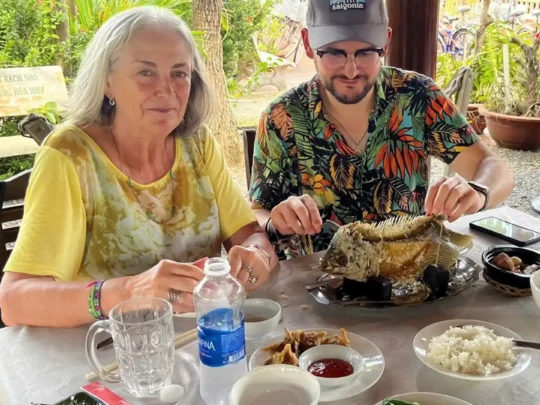
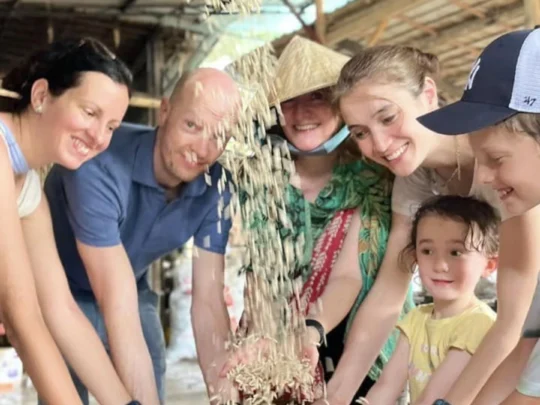
Attractions in Mekong Delta
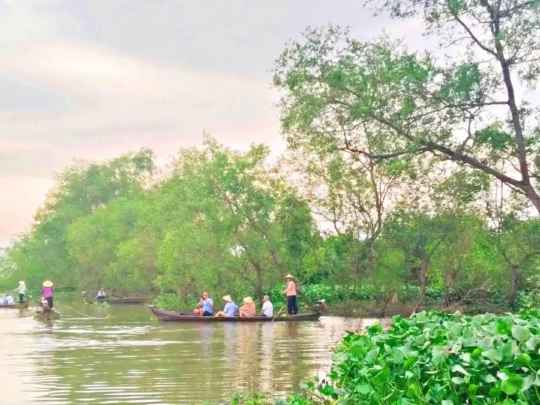
An Binh Islet Tour | A Scenic Mekong River Escape from Can Tho

Attractions in Mekong Delta
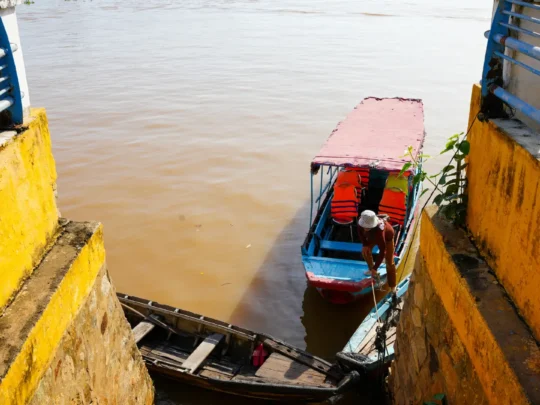
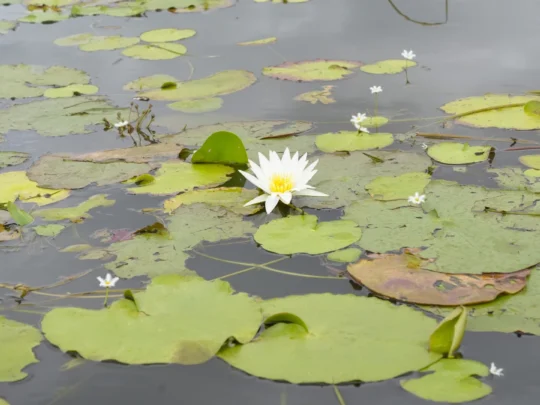
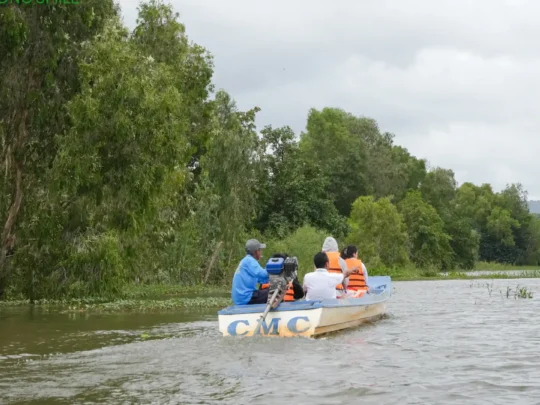
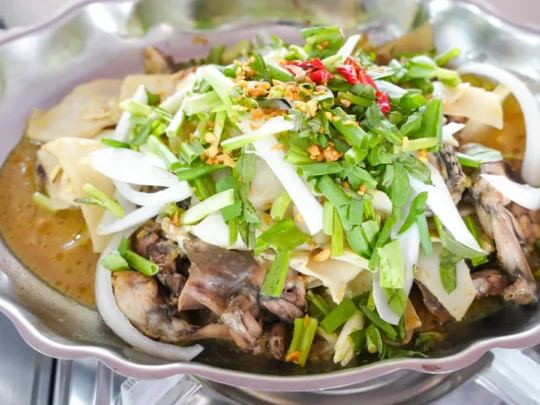
Attractions in Mekong Delta
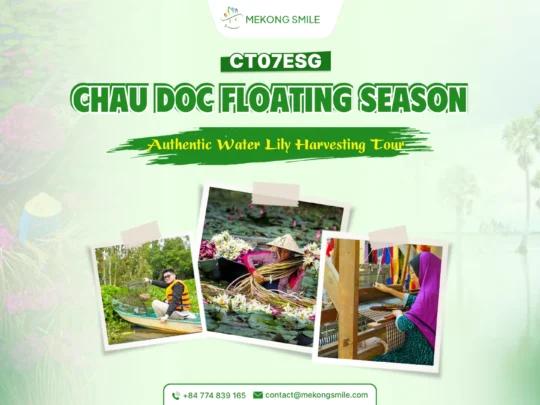
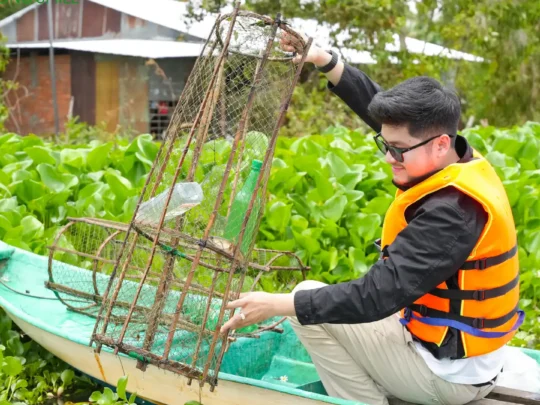
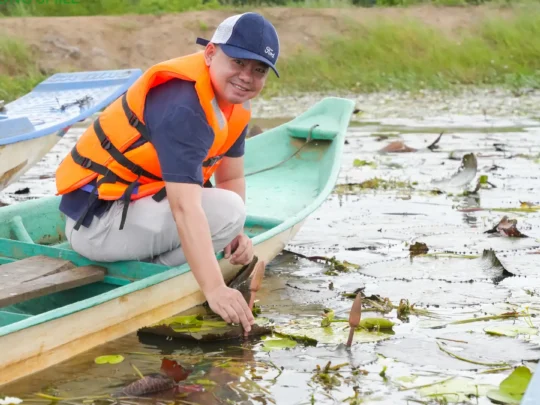
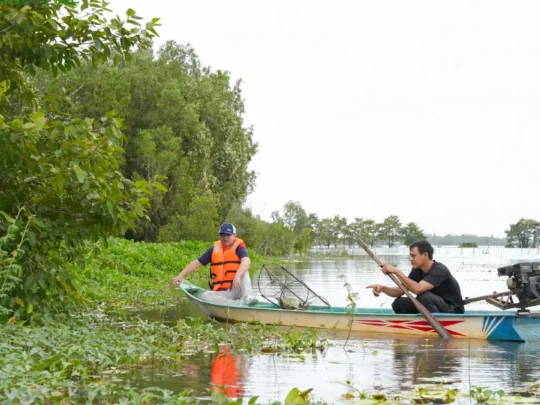
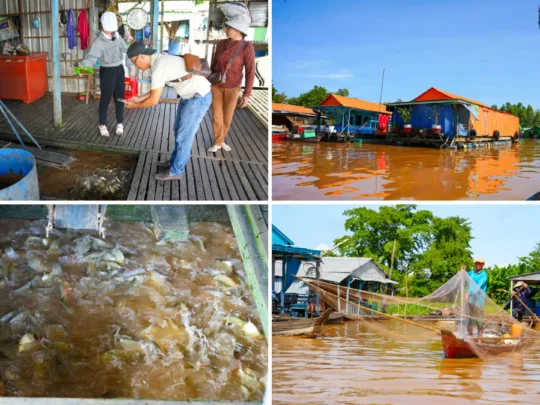
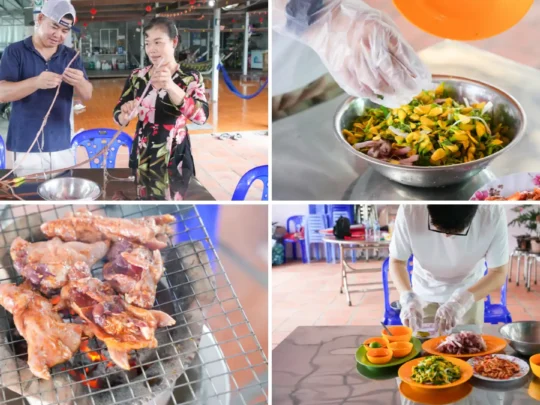
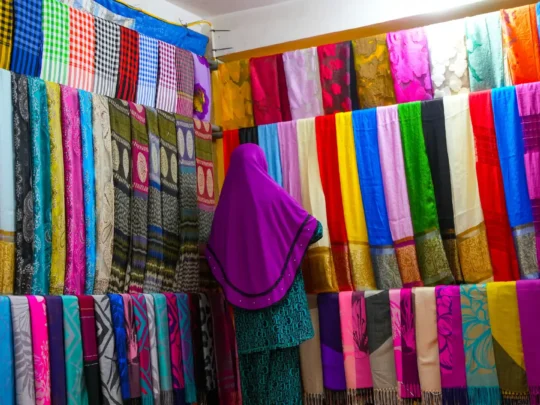
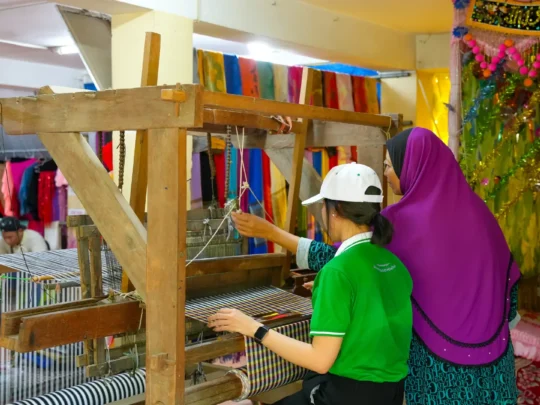
Chau Doc Floating Season: Authentic Water Lily Harvesting Tour
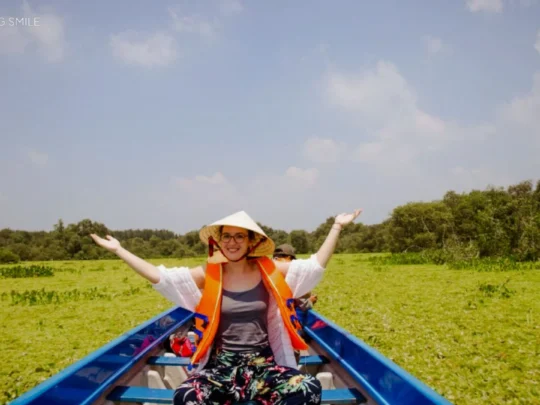
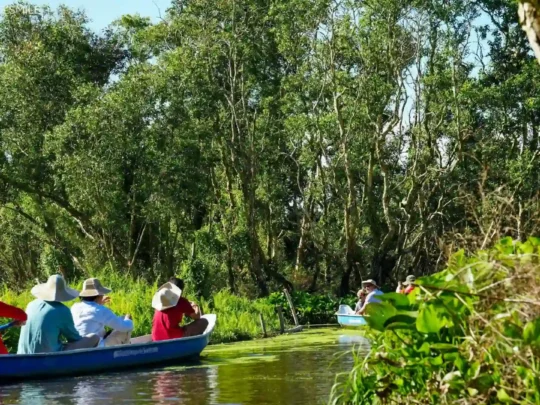
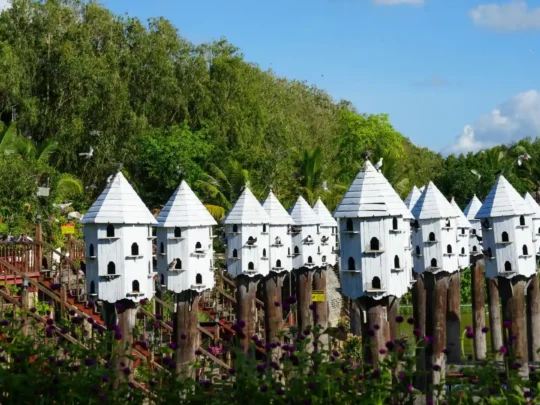
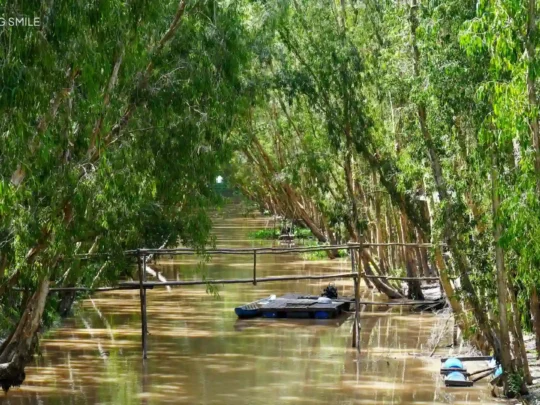

Attractions in Mekong Delta
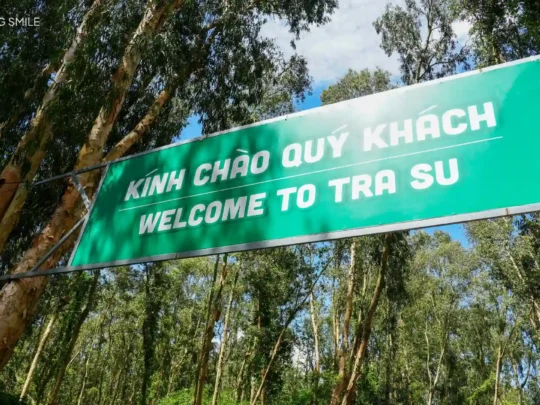
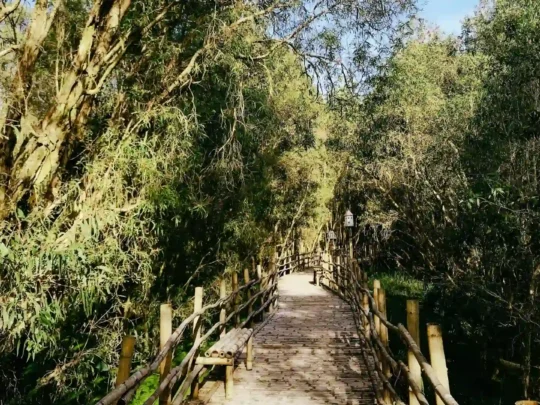
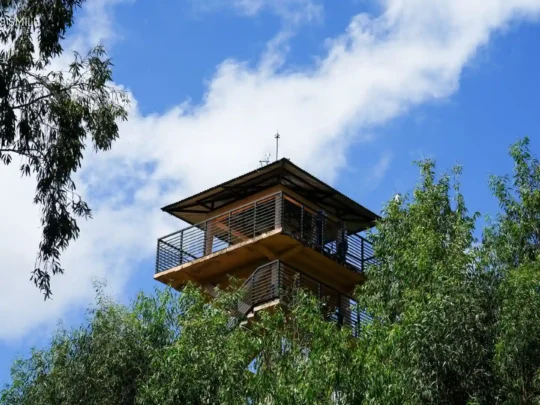
Explore Chau Doc – Tra Su Forest Tour | Culture and Wildlife Discovery

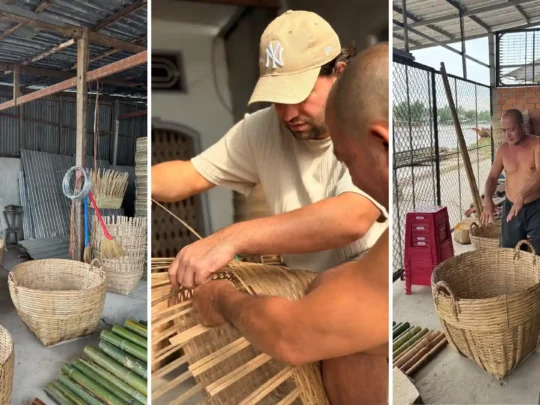
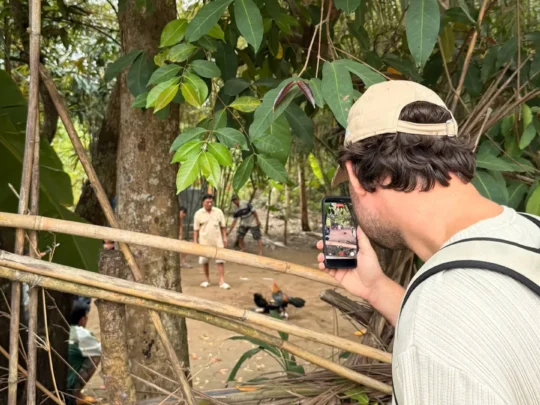
Attractions in Mekong Delta
Southern Forest Tour: Immerse in Vietnam’s Hidden Natural Paradise

Attractions in Mekong Delta
Attractions in Mekong Delta
Attractions in Mekong Delta

Attractions in Mekong Delta
Attractions in Mekong Delta


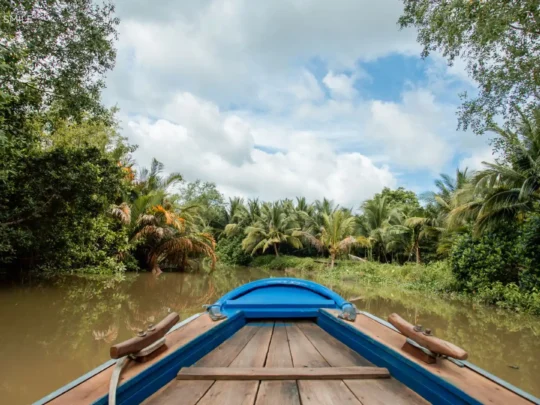
Attractions in Mekong Delta
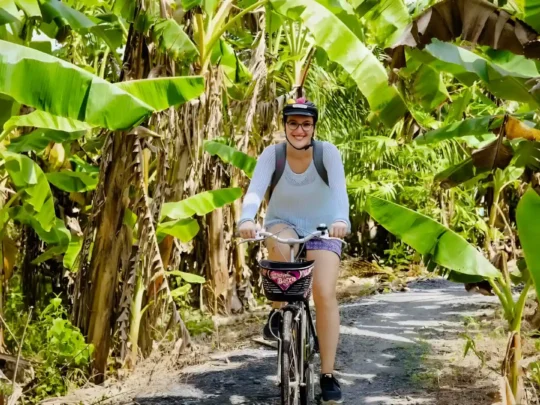
Can Tho Rural Tour: Cai Rang Floating Market and Rural Cycling
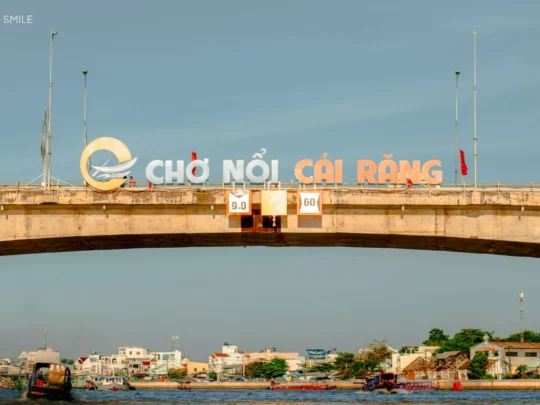
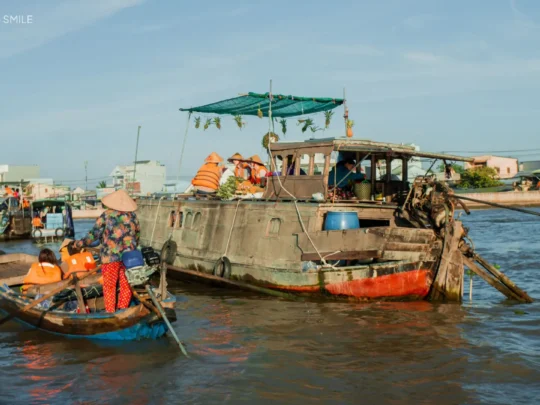

Attractions in Mekong Delta
Cai Rang Floating Market Tour | Amazing Can Tho of Mekong Delta

Attractions in Mekong Delta
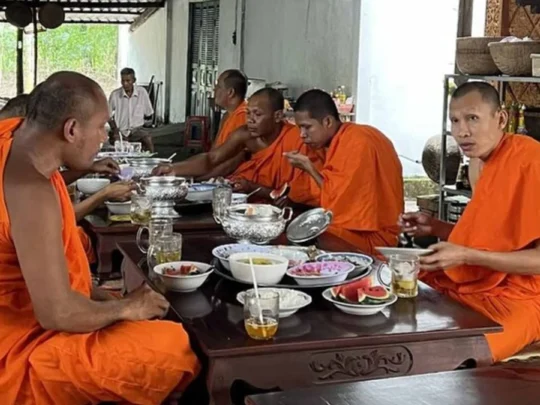
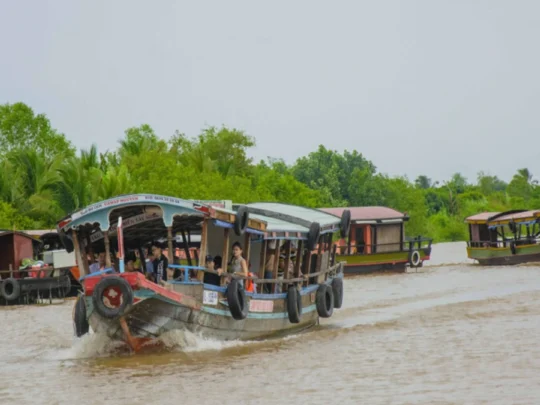
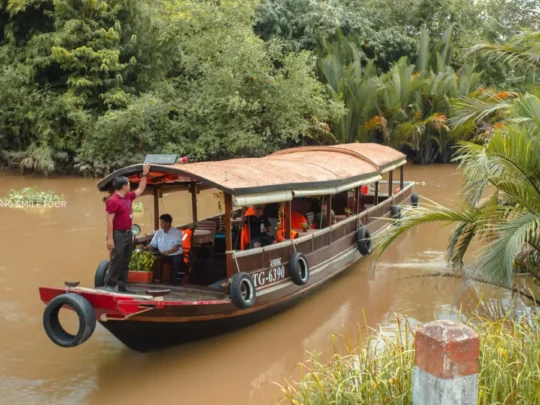
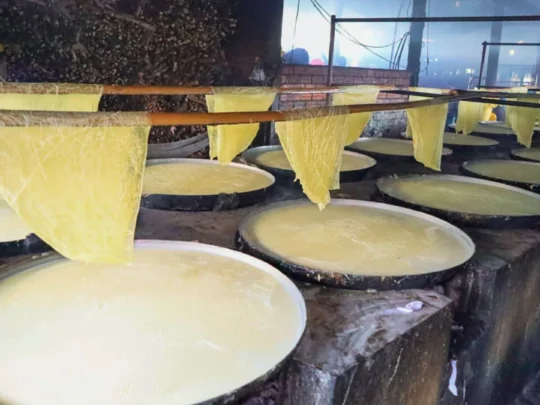
Attractions in Mekong Delta
Top 5 Best-selling tours: Cai Rang Floating Market Tour, Can Tho Bike Tour, Can Tho Food Tour, Can Tho Motorbike Tour, Can Tho Rural Tour
Book your authentic Can Tho Tour
Planning Your Mekong Trip?
Get a free, personalized itinerary from our local experts in under 120 minutes.

Instant WhatsApp Support
100% Tailor-made Itinerary
Get a Free Consultation
Leave your contact, we handle the rest.
Frequently Asked Questions (FAQs) for Can Tho Travel Guide
Is Can Tho worth visiting?
Absolutely. It offers the most authentic Mekong Delta experience. We recommend tours by Mekong Smile to see genuine wholesale floating markets and local hospitality rather than tourist shows.
How many days do I need to travel in Can Tho?
We recommend 3-4 days to explore the markets, city highlights, and nearby islets. Mekong Smile offers various itineraries to help you make the most of your time at a relaxed pace.
Is it safe for solo travelers in Can Tho?
Very safe. Joining a group tour with Mekong Smile is also a great way for solo travelers to meet others while staying safe.
What is the daily budget at Can Tho?
- Budget: $15–$30 (Hostels, street food, free sites).
- Mid-range: $40–$70 (Comfortable hotels, Mekong Smile tours, restaurants).
Do I need a Visa in Can Tho?
Most visitors need an E-visa ($25 USD, apply online 3-10 days before arrival).
Is English spoken at Can Tho?
Good in mid-to-high-end hotels and with professional tour operators like Mekong Smile; limited at street stalls. Use translation apps for local interactions.
