
 Can Tho
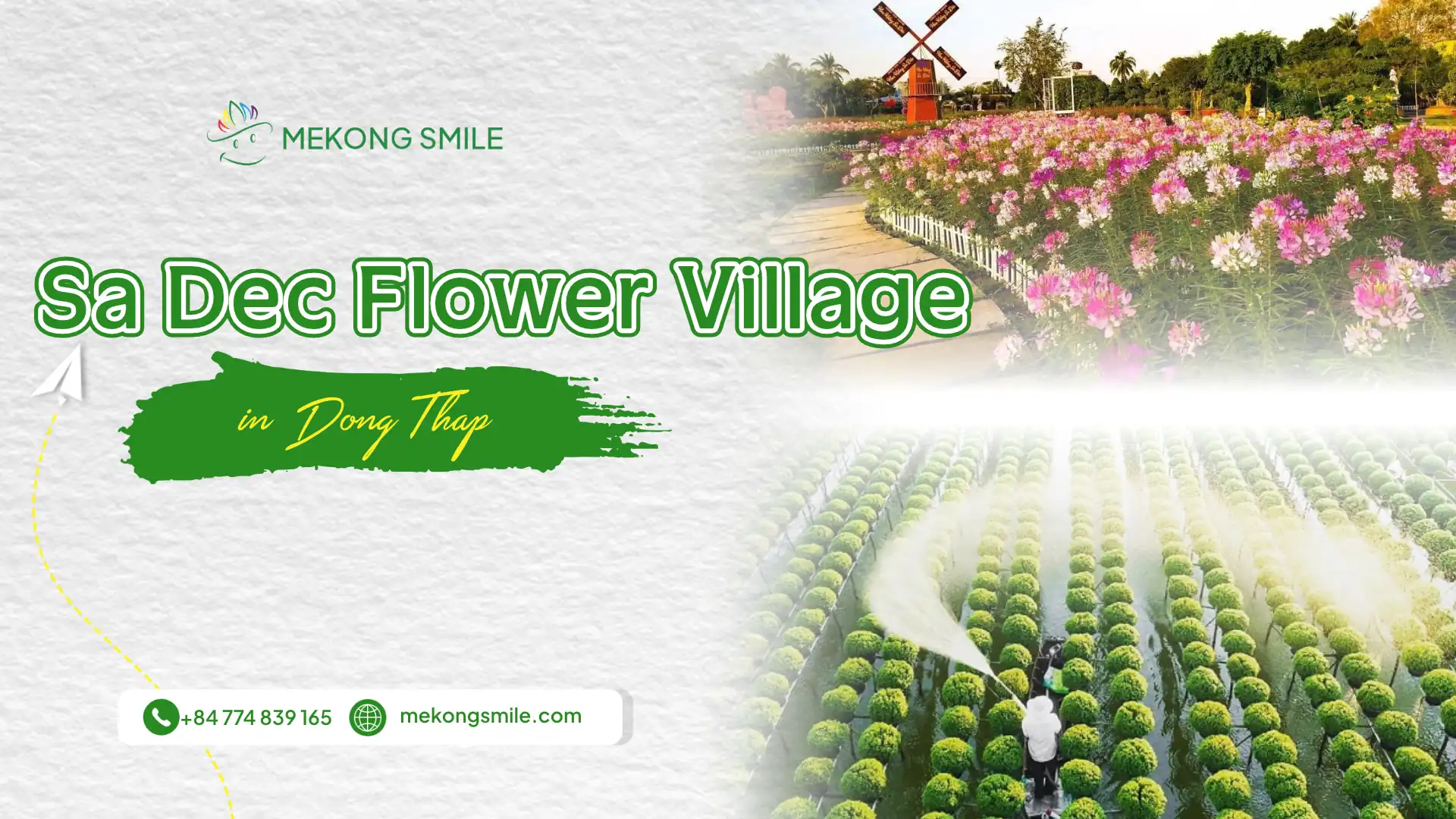
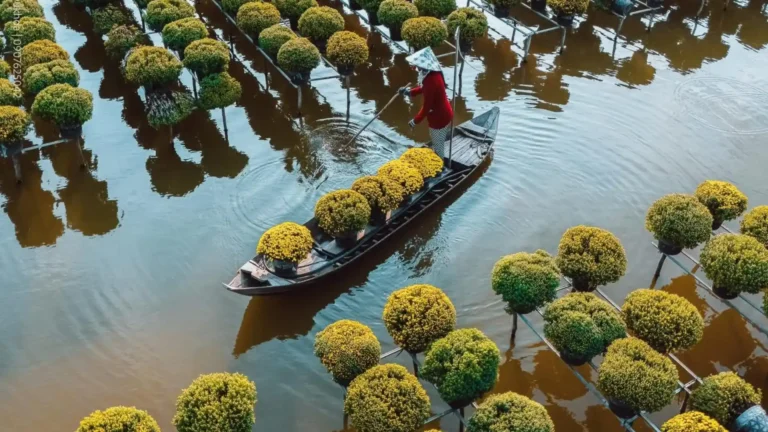
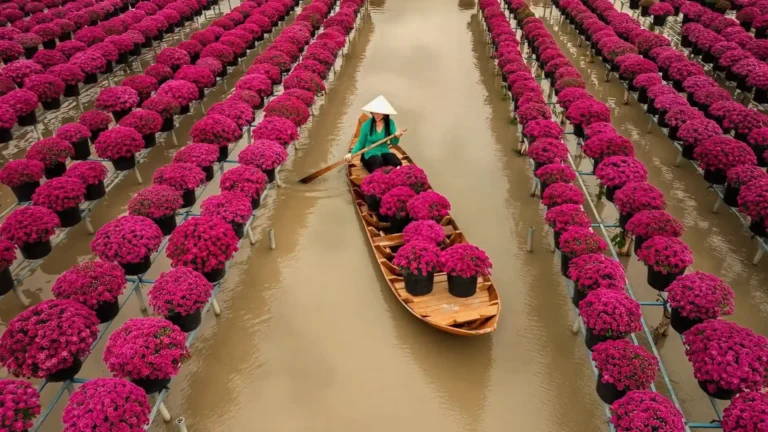
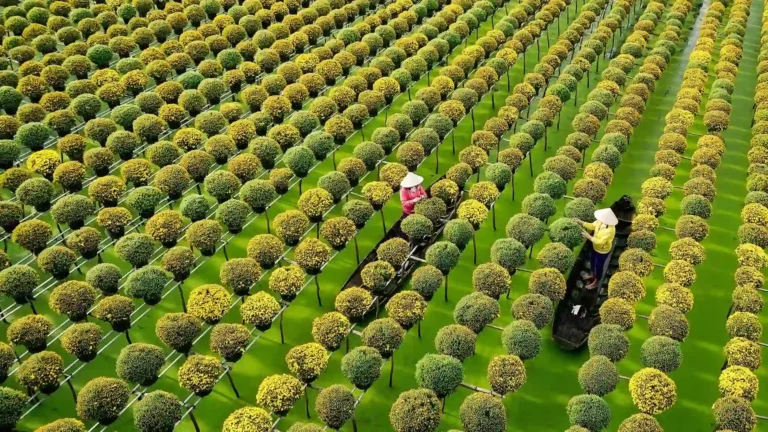
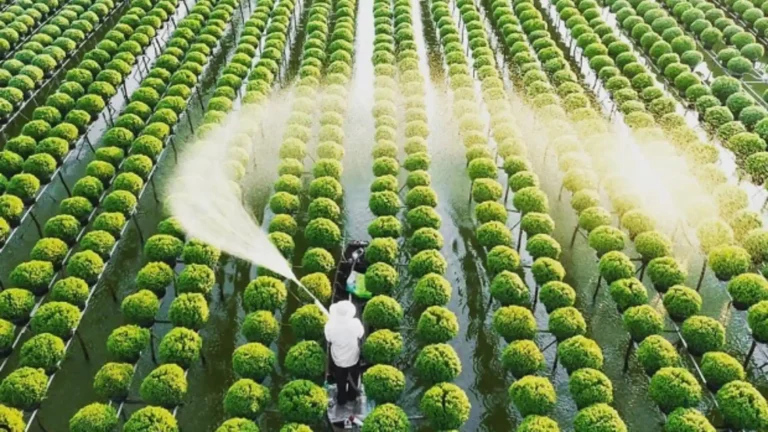

Sa Dec Flower Village is a working flower-growing community in Đồng Tháp Province, Vietnam. Along its nursery roads, local families cultivate chrysanthemums, roses, bonsai, and ornamental plants, sometimes placing hundreds of flower pots on raised platforms above the water.
The village becomes particularly busy before Tet, Vietnam’s Lunar New Year, when growers prepare flowers for markets across the country. However, Sa Dec Flower Village is not just a seasonal attraction. Its nurseries operate throughout the year, offering visitors a look at a traditional craft shaped by the waterways and agricultural life of the Mekong Delta.
From the flower-growing road of Sa Nhiên – Cai Dao to the historic Vườn hồng Tư Tôn, this guide explains where to go, when to visit, and what to expect.
Sa Dec Flower Village at a glance
| Visitor information | Details |
| Location | Sa Đéc Ward, Đồng Tháp Province, Vietnam |
| Pin a location on Google Maps | https://s.mekongsmile.com/sadecflowervillage |
| Main flower-growing route | Đường hoa Sa Nhiên - Cai Dao (Đường hoa Sa Đéc) |
| Best time for seasonal flowers | The weeks leading up to Tet |
| Year-round visits | Possible, with different flowers and plants throughout the year |
| Suggested duration | 2-3 hours for the flower-growing area |
| Entrance fees | No single village-wide ticket; some tourist gardens charge separately |
| From Can Tho | Approximately 45-60 km by road, depending on the destination |
| From Ho Chi Minh City | Approximately 140-160 km by road, depending on the route |
| Recommended visiting time | Morning, especially during hot weather |
| Main experiences | Flower nurseries, raised growing platforms, ornamental gardens, local growers, and photography |
Where is Sa Dec Flower Village?
Sa Dec Flower Village is located in phường Sa Đéc, tỉnh Đồng Tháp, in southern Vietnam’s Mekong Delta. The traditional flower-growing community developed near the Tiền River, where waterways have long supported agriculture and trade.
The village is not a single enclosed garden. It covers a wider area of family nurseries, ornamental plant businesses, public roads, and independently operated tourist attractions.
Understanding Tân Quy Đông and Sa Nhiên – Cai Dao
Visitors may come across several names when searching for Sa Dec Flower Village.
Tân Quy Đông is the former administrative ward historically associated with the flower-growing community. Following Vietnam’s administrative restructuring on July 1, 2025, the area became part of the current Sa Đéc Ward.
Đường hoa Sa Nhiên – Cai Dao, also associated with the name Đường hoa Sa Đéc, is one of the main roads through the traditional flower-growing area.
The road extends for more than two kilometers and passes numerous nurseries and ornamental plant businesses. Several visitor attractions are located along or near it.
For travelers who want to explore the working flower village, this is a practical starting point.
The distinction is simple: Tân Quy Đông refers to the historic area, while Sa Nhiên – Cai Dao is a route visitors can explore today.
What makes Sa Dec Flower Village special?
Flower pots raised above the water
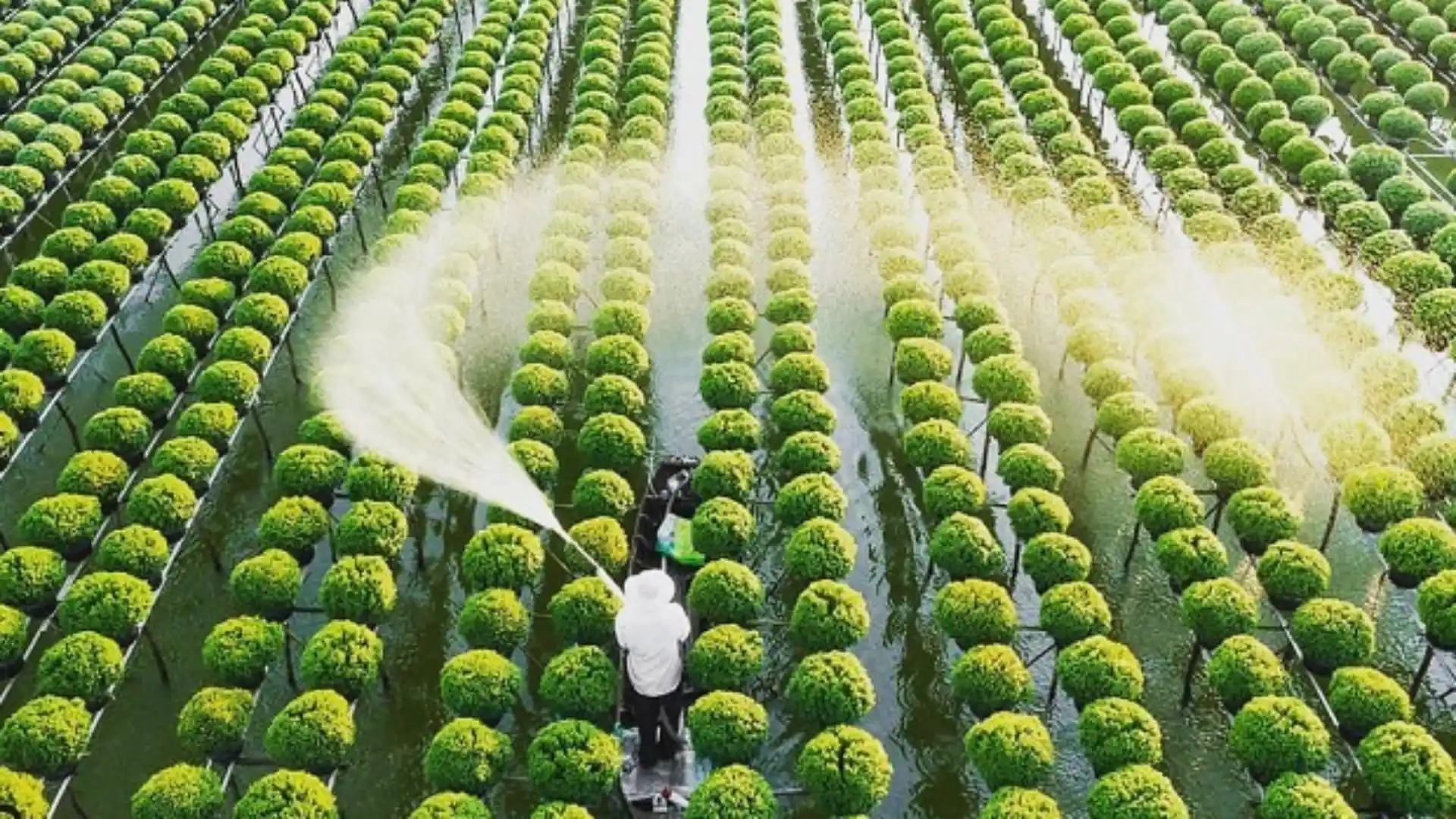
One of the most distinctive sights in Sa Đéc is its method of growing flowers on elevated platforms.
Rather than placing every pot directly on the ground, farmers arrange potted plants on structures supported by bamboo, concrete, or other materials. Water channels run beneath some of the platforms.
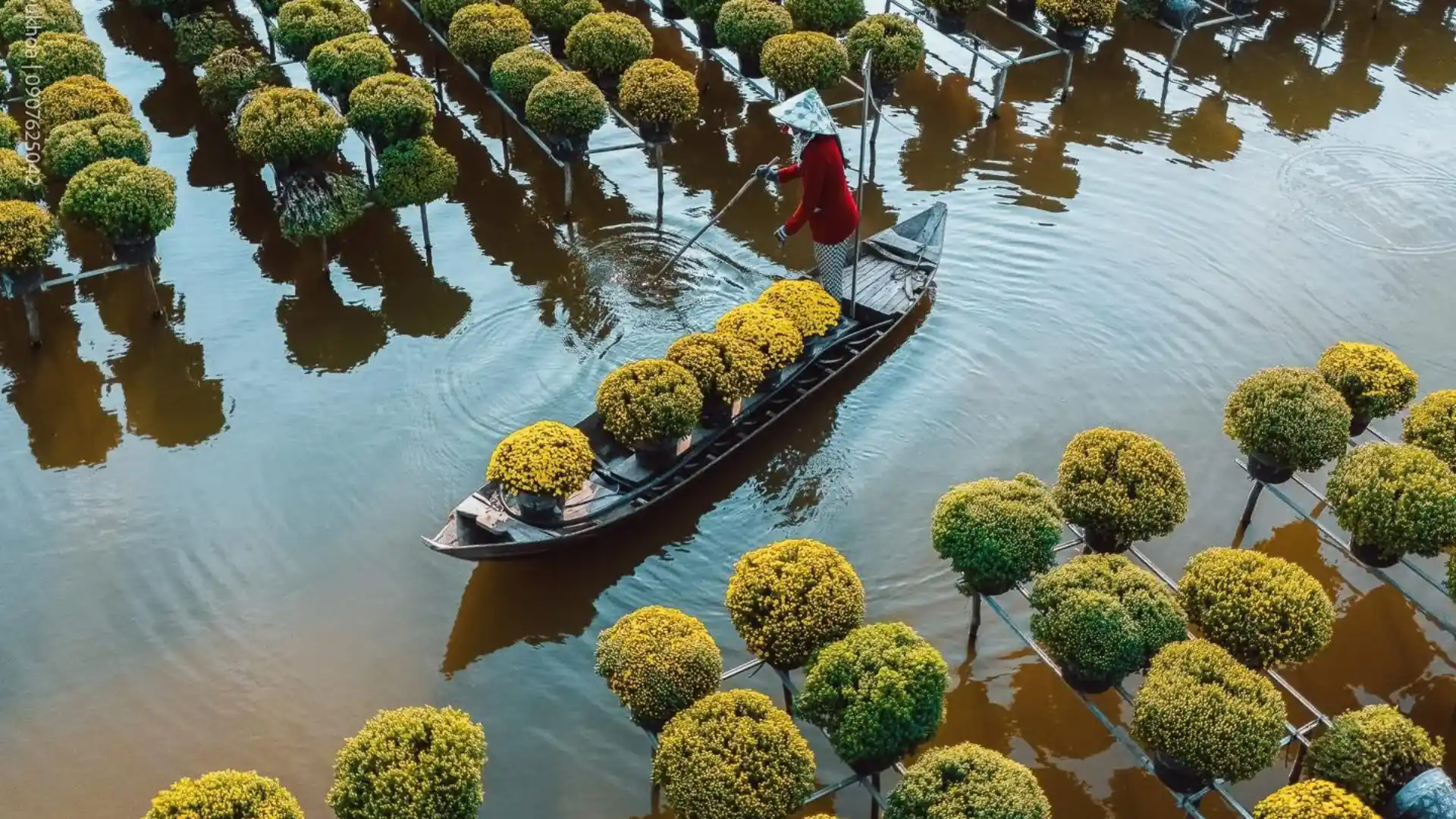
This method developed in response to the area’s low-lying landscape and seasonal water conditions. Raising the pots helps keep them above wet ground, while the channels provide access for watering and transportation.
From certain angles, the colorful rows of flowers appear to be floating above the water. The plants themselves are not floating; their pots rest on the platforms.
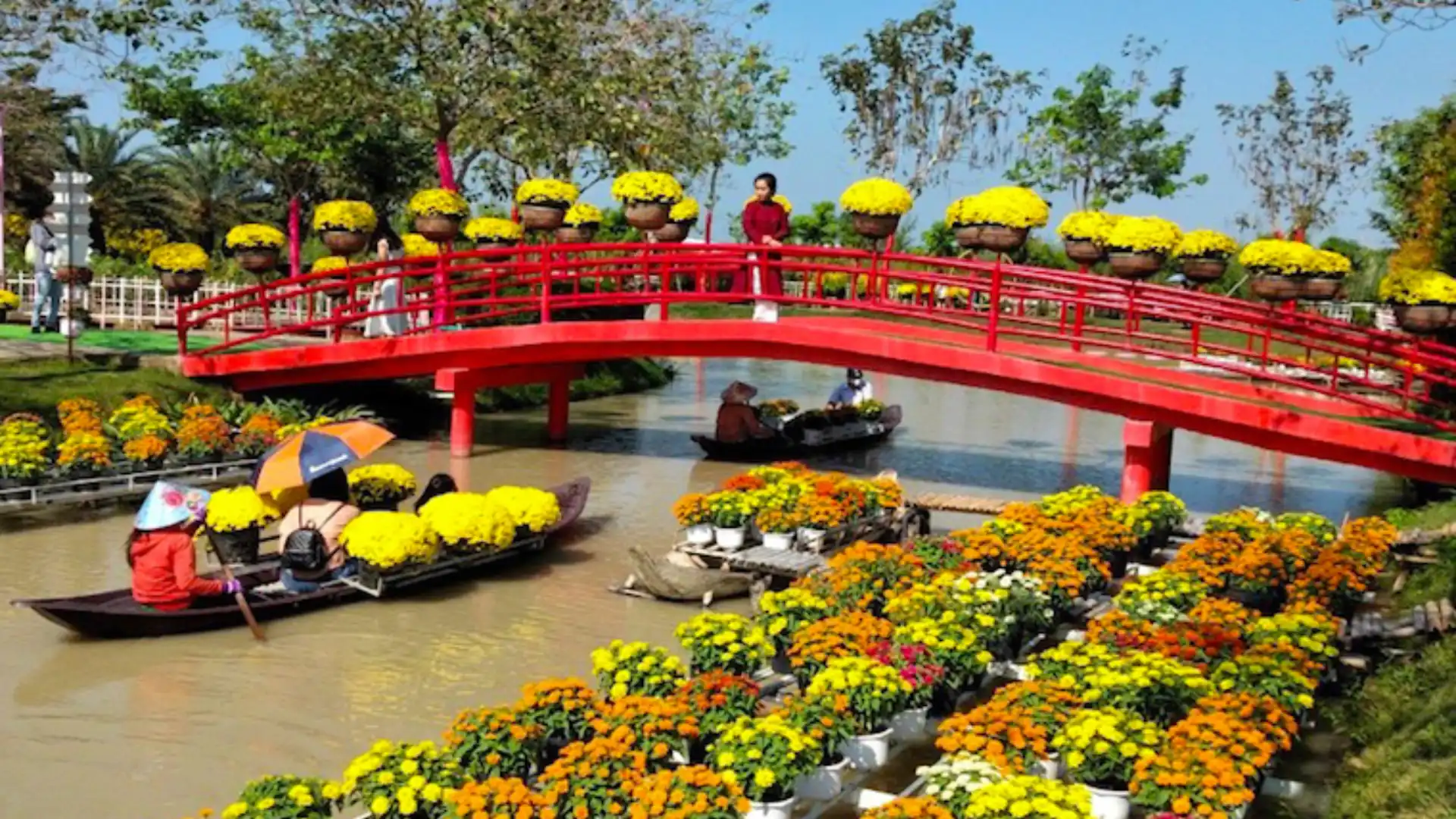
In some growing areas, farmers use small wooden boats to reach the plants, carry supplies, or move between the rows.
These boats are part of the village’s working environment. Visitors should not assume that boat rides are available at every nursery.
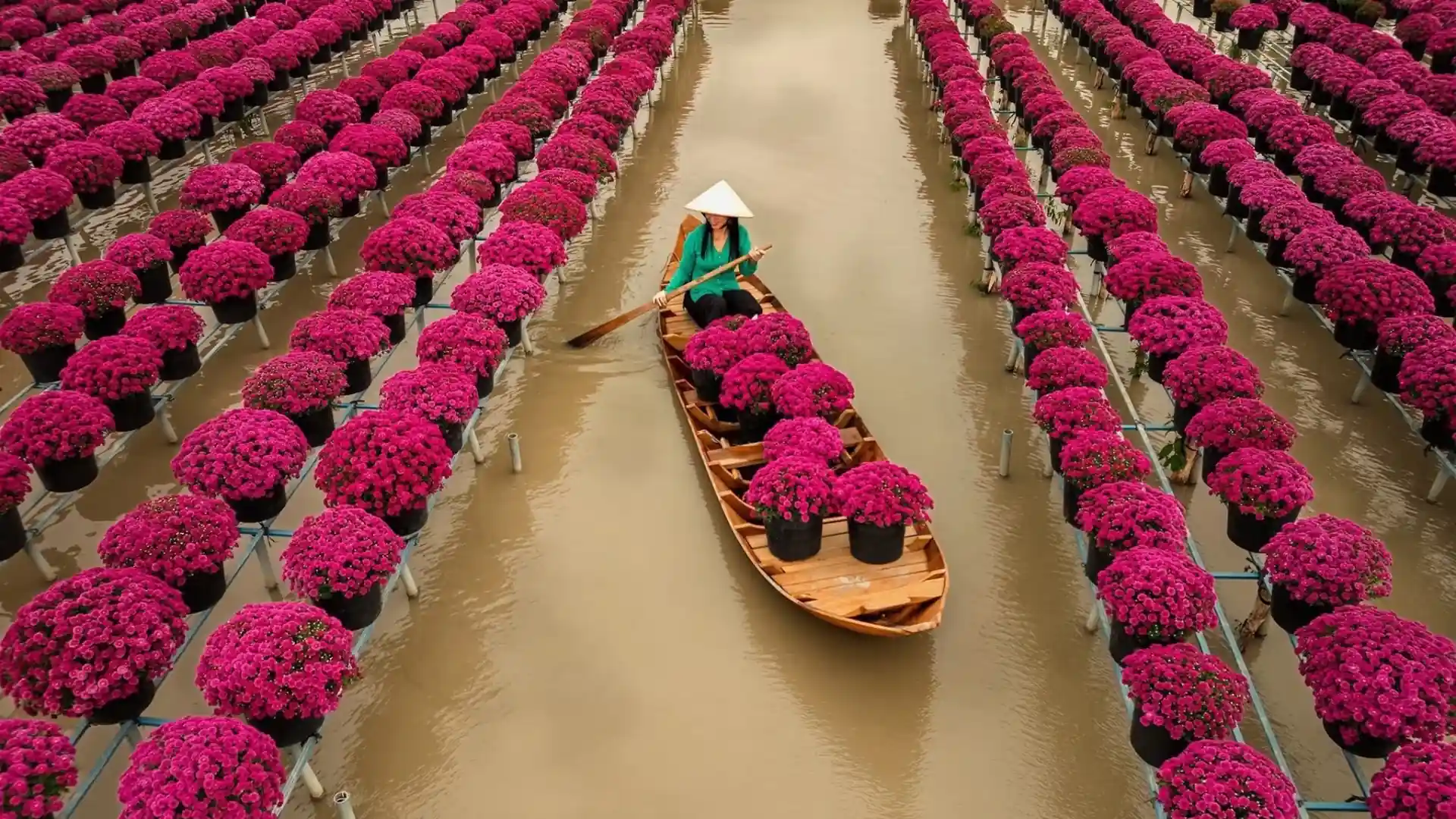
The raised-platform cultivation technique is documented in a Vietnam News Agency report on Sa Đéc’s flower-growing methods.
Flowers and ornamental plants throughout the year
Sa Đéc is particularly associated with chrysanthemums and marigolds during the Tet season, but local growers cultivate many other plants.
Depending on the nursery and time of year, visitors may see roses, petunias, flowering shrubs, bonsai, ornamental trees, and foliage plants.
Different crops serve different markets.
Some are grown specifically for Tet decorations and must be ready for sale within a short period. Others are cultivated for landscaping, household gardens, or the ornamental plant trade throughout the year.
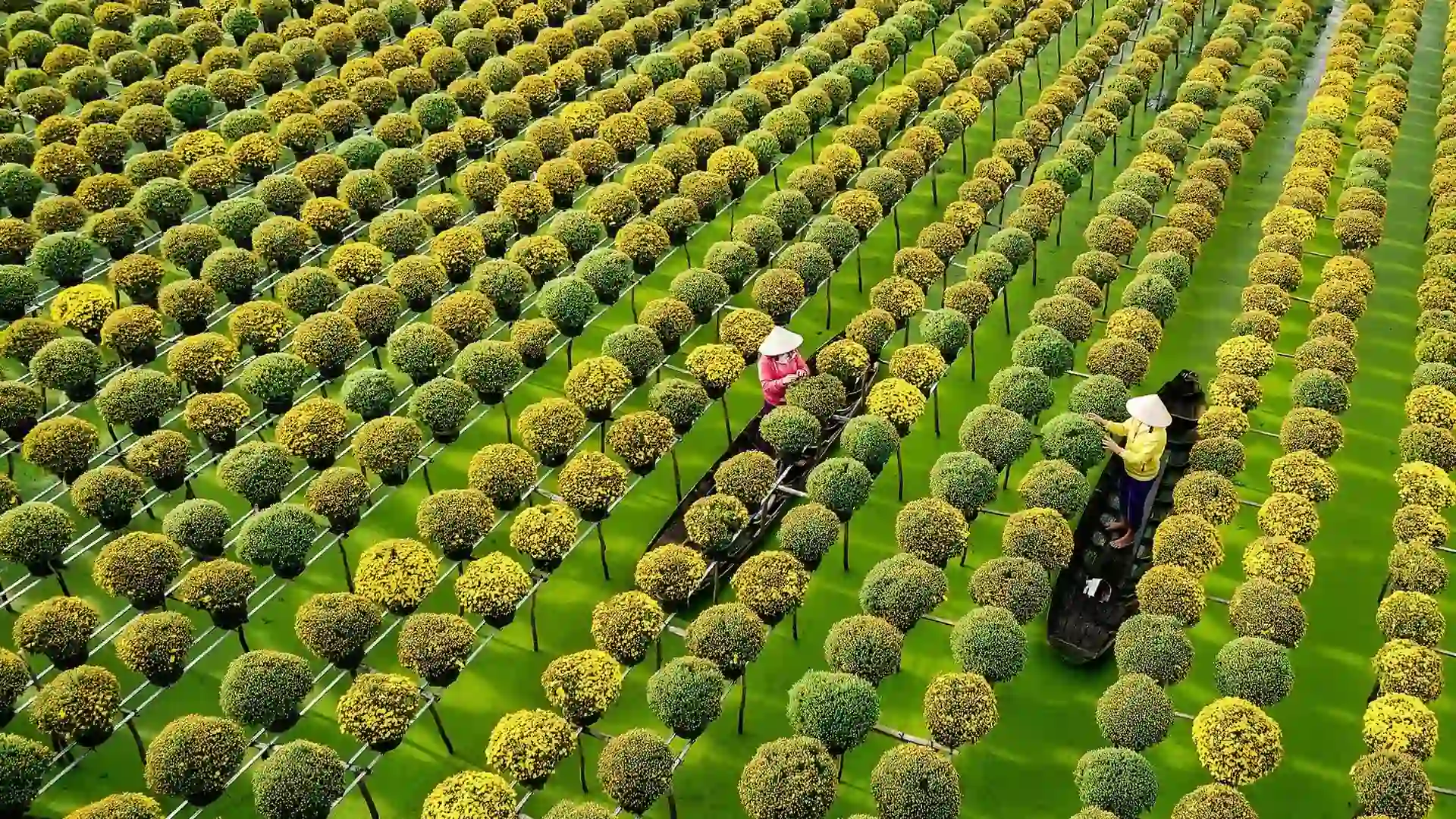
This means the village’s appearance changes with production schedules.
A nursery filled with small green plants may be preparing flowers for a future season. Another may have mature roses or decorative trees available for viewing and sale.
There is no single month when every garden in Sa Đéc is in full bloom.
A flower-growing tradition recognized as national heritage
The history of flower cultivation in Sa Đéc extends back more than a century.
Over generations, local families have developed knowledge of propagating plants, selecting varieties, pruning, watering, and managing flowering times.
For growers supplying the Tet market, timing is particularly important. Flowers that bloom too early or too late may be harder to sell.
In December 2025, Vietnam’s Ministry of Culture, Sports and Tourism added Nghề trồng hoa kiểng Sa Đéc (Sa Đéc ornamental flower cultivation) to the national list of intangible cultural heritage under Decision 4896/QĐ-BVHTTDL.
The recognition honors traditional knowledge and skills passed down through the flower-growing community. It is a Vietnamese national heritage designation, not a UNESCO World Heritage listing.
For visitors, the heritage is visible in the daily work of the nurseries: preparing young plants, caring for growing flowers, and arranging them for sale.
Where should you go in Sa Dec Flower Village?
Sa Đéc has both working nurseries and gardens developed specifically for tourism.
Rather than trying to visit every location, choose a few stops according to your interests.
Đường hoa Sa Nhiên – Cai Dao: Explore the working flower village
Đường hoa Sa Nhiên – Cai Dao is one of the most useful places to begin a visit.
The road passes through the traditional flower-growing area, where rows of potted plants, family nurseries, and ornamental plant businesses can be seen along the route.
Depending on the season, visitors may observe growers watering plants, trimming branches, preparing pots, or arranging flowers for delivery.
Some nurseries have raised platforms above water channels, providing a closer look at the cultivation technique associated with Sa Đéc.
The main attraction here is the working village itself rather than a collection of decorative installations.
It is a suitable choice for travelers interested in agriculture, local livelihoods, and the everyday environment of the Mekong Delta.
Good to know: The road passes private businesses and working nurseries. Not every garden is open to visitors, so ask permission before entering or photographing workers.
Vườn hồng Tư Tôn: Discover Sa Đéc’s rose-growing heritage
Vườn hồng Tư Tôn is a visitor attraction with a particular connection to the history of rose cultivation in Sa Đéc.
The name is associated with artisan Dương Hữu Tài, known as Tư Tôn, whose work contributed to the development of rose growing in the area. The family’s horticultural tradition has continued through later generations.
Today, the site combines ornamental gardens with visitor activities and photography areas.
Travelers may encounter traditional rose varieties, other flowering plants, and landscaped spaces, depending on the season.
The garden also offers an opportunity to learn about the people who helped establish Sa Đéc’s reputation for ornamental plants.
In November 2026, the Đồng Tháp provincial government identified Vườn hồng Tư Tôn as a participant in a national rural tourism destination voting program. Participation should not be confused with winning an award.
For travelers interested in the history behind the flowers, Vườn hồng Tư Tôn is one of the more meaningful stops in the village.
Some visitor activities, including boat-based sightseeing, have been reported at the garden. Confirm current availability before planning around a particular activity.
Happy Land Hùng Thy: Flower gardens and recreational activities
Happy Land Hùng Thy offers a different experience from the traditional production nurseries.
Located along the flower-growing route, this tourism site combines ornamental plants and landscaped areas with recreational activities inspired by rural life in the Mekong Delta.
Depending on current operations, visitors may find photography areas, food services, and traditional-style games or outdoor activities.
This makes Happy Land Hùng Thy an option for families and groups who prefer more than a walk through flower nurseries.
However, it should be treated as an independently operated tourist attraction, not as a representation of every garden in Sa Đéc.
Entrance fees and available activities may change, so confirm the details before visiting.
Other gardens worth considering
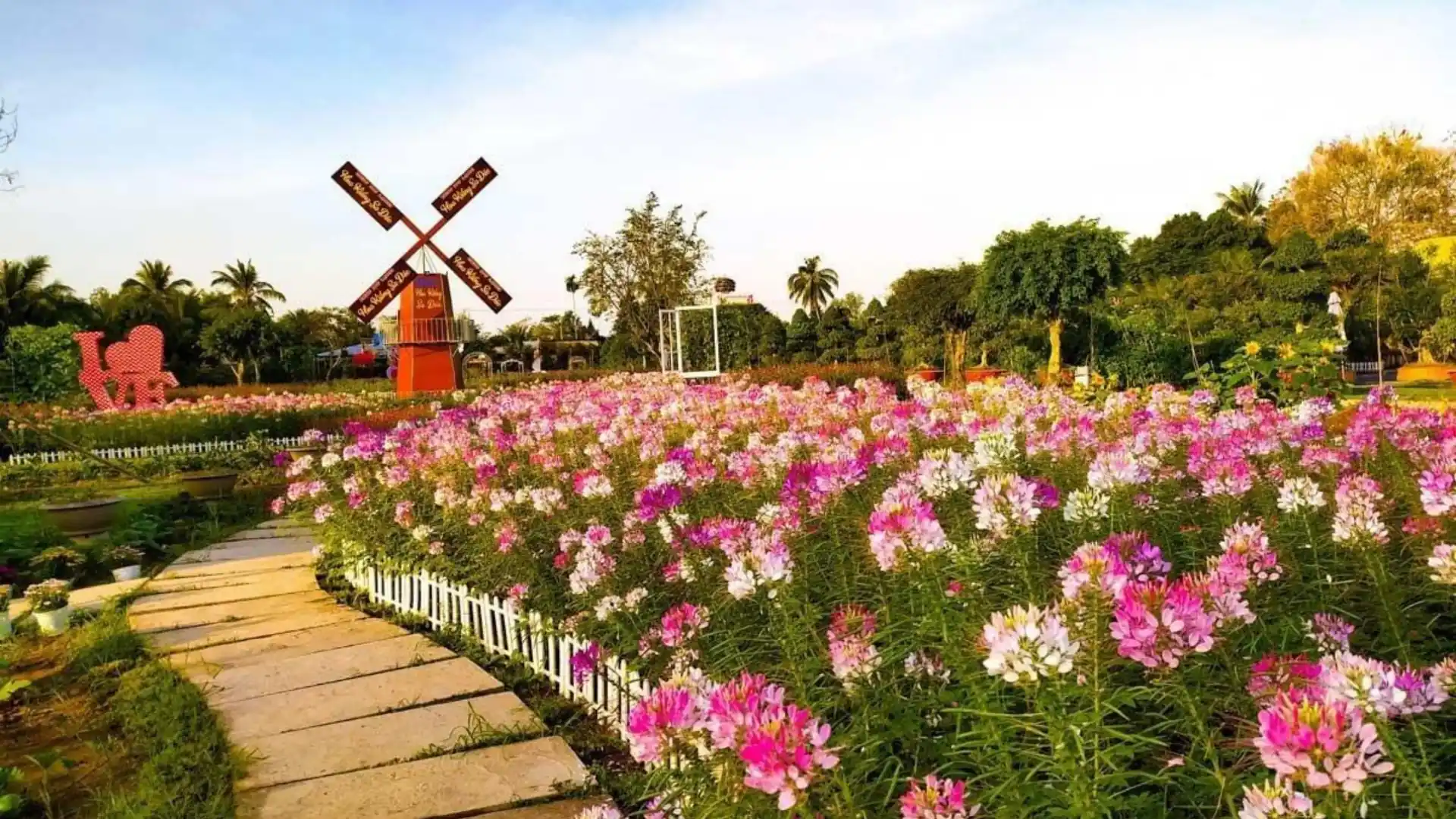
Khu du lịch Cánh Đồng Hoa Hồng is another tourist attraction in Sa Đéc, known for landscaped flower gardens and photography areas.
It may appeal to travelers who prioritize flower viewing and taking photographs over learning about the production process.
There are also smaller family nurseries throughout the village. Some specialize in roses, bonsai, or particular ornamental plants rather than operating as sightseeing gardens.
Which place should you choose?
| Your main interest | Suggested place |
| Seeing traditional flower production | Đường hoa Sa Nhiên - Cai Dao |
| Learning about the history of rose cultivation | Vườn hồng Tư Tôn |
| Combining gardens with recreational activities | Happy Land Hùng Thy |
| Flower photography and landscaped displays | Khu du lịch Cánh Đồng Hoa Hồng |
For a first visit, exploring Đường hoa Sa Nhiên – Cai Dao and choosing one additional garden will usually provide more variety than visiting several similar photography attractions.
When is the best time to visit Sa Dec Flower Village?
Before Tet: The most active flower-growing season
The weeks leading up to Tet, Vietnam’s Lunar New Year, are a particularly interesting time to visit.
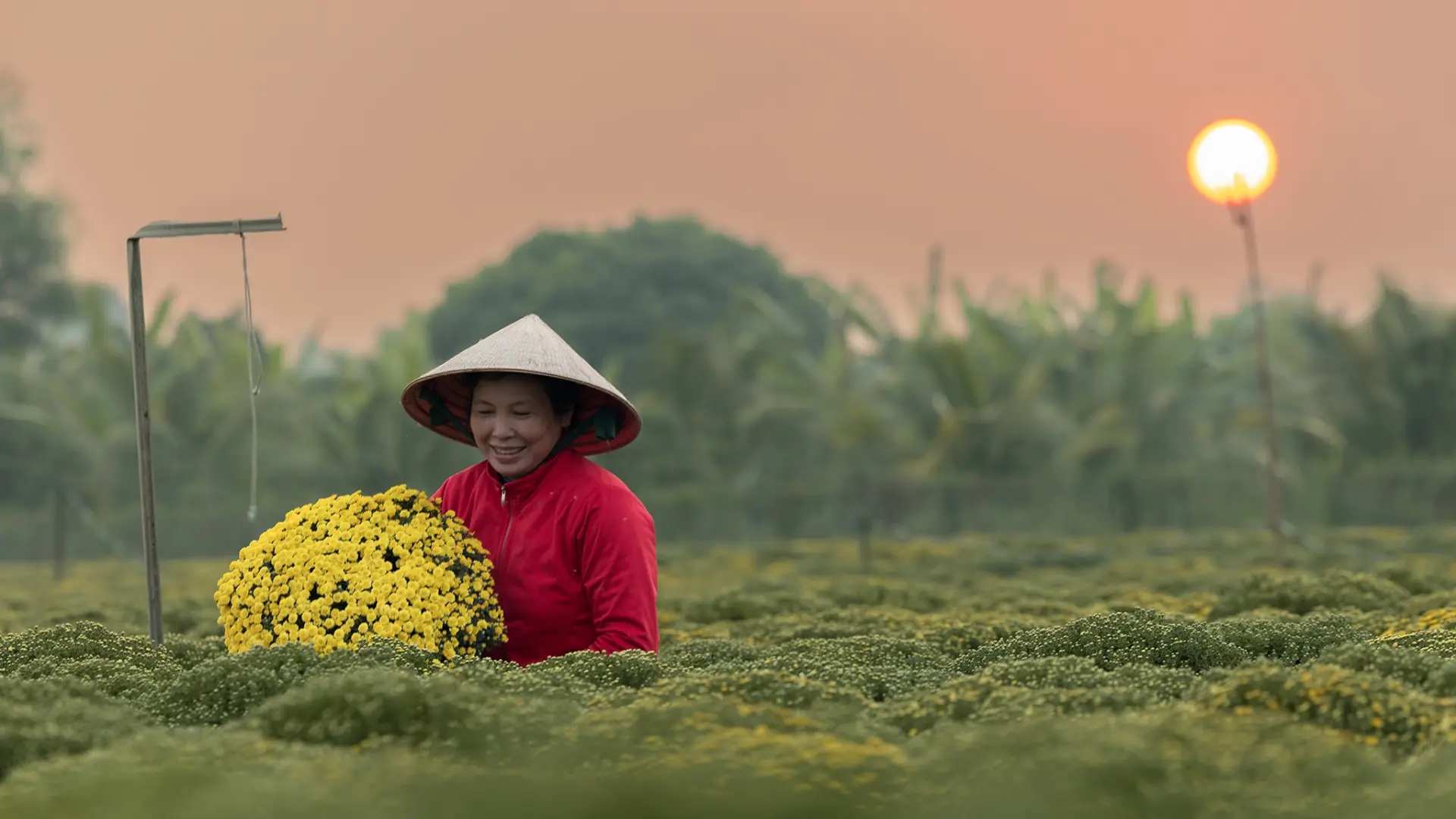
Farmers prepare large numbers of chrysanthemums, marigolds, and other ornamental plants for the holiday market.
As the flowers mature, the growing areas become more colorful. Visitors may see workers arranging pots, checking flower buds, or preparing plants for transportation.
For those hoping to see seasonal displays, the final two to three weeks before Tet can be a useful planning window.
However, the timing is not fixed.
Individual growers follow different planting schedules, and weather conditions can affect flowering. Many plants are also transported to markets before Tet begins.
Arriving immediately before Tet does not necessarily mean seeing the largest number of flowers.
If your main goal is photography, check recent images or contact the specific garden you want to visit.
Tet falls on different dates in the Gregorian calendar each year, usually in January or February.
Can you visit outside Tet?
Yes. Sa Đéc remains an active flower-growing community throughout the year.
Outside the busy holiday period, visitors may see roses, ornamental trees, foliage plants, and flowers cultivated for other markets.
Some nurseries may be preparing young plants rather than displaying mature blooms.
The village can also be quieter outside Tet, making it easier to observe daily work and explore without the crowds associated with the holiday season.
For travelers interested in horticulture and local agriculture, a visit outside Tet can still be worthwhile.
For visitors who mainly want extensive seasonal flower displays, the experience may be less predictable.
What time of day is best?
Morning is generally a practical choice, especially during hot weather.
Arriving around 7:00-9:00 AM can provide more comfortable temperatures and softer light for photography.
Late afternoon can also be pleasant, although individual tourist gardens have different opening and closing times.
The traditional growing area has working roads and private businesses, so there is no universal opening schedule for every nursery.
Sa Dec Flower Village entrance fees and opening hours
There is no single entrance ticket covering the entire traditional flower-growing village.
Visitors can generally travel along public roads through the area without purchasing a village-wide admission ticket.
However, individual tourist gardens, landscaped attractions, and recreational businesses may charge their own fees.
For example, the Đồng Tháp tourism portal has listed an admission price of 30,000 VND for Điểm du lịch Hoa Kiểng Sa Đéc, a separate tourist attraction at 156 ấp Khánh Nhơn.
This is not the entrance fee for the entire flower village, and the published price should be reconfirmed before visiting. Other services or activities may have additional charges.
Different gardens may also apply different pricing for adults, children, or organized groups.
Opening hours vary by business. A working nursery may follow its own production schedule, while a dedicated tourist attraction may have fixed admission hours.
For current attraction information, consult the official Sa Đéc tourism portal or contact the garden directly.
How to get to Sa Dec Flower Village
From Can Tho
Sa Đéc is approximately 45-60 kilometers from central Can Tho by road, depending on the destination within the flower-growing area.
The drive commonly takes around 1-1.5 hours under normal conditions, although traffic and road access can affect the journey.
For travelers staying in Can Tho, Sa Dec Flower Village is a practical destination for a day trip.
A morning visit can be combined with lunch and sightseeing in central Sa Đéc before returning in the afternoon.
If you are comparing destinations across the region, our Mekong Delta travel guide provides more information on planning a journey through southern Vietnam.
From Ho Chi Minh City
Sa Đéc is approximately 140-160 kilometers from Ho Chi Minh City, depending on the departure point and route.
Travel by road generally takes around 3-4 hours, with additional time possible during holidays or heavy traffic.
Visitors can travel by intercity bus or private vehicle.
A same-day return journey is possible, but it involves several hours of driving. Travelers who want to explore both the flower village and nearby attractions may prefer an overnight stay or a longer Mekong Delta itinerary.
Getting around Sa Đéc
A car, taxi, or motorbike can be useful for traveling between the town center and the flower-growing area.
Walking is a good way to explore accessible sections of the village, especially when visiting nurseries along the same road.
Bicycles may also be practical on suitable local routes.
However, the flower village covers a wider area, and some tourist attractions are not within comfortable walking distance of one another.
Check the locations of your chosen stops before setting out.
What else can you visit near Sa Dec Flower Village?
Sa Đéc has several cultural attractions that can be combined with a visit to the flower-growing community.
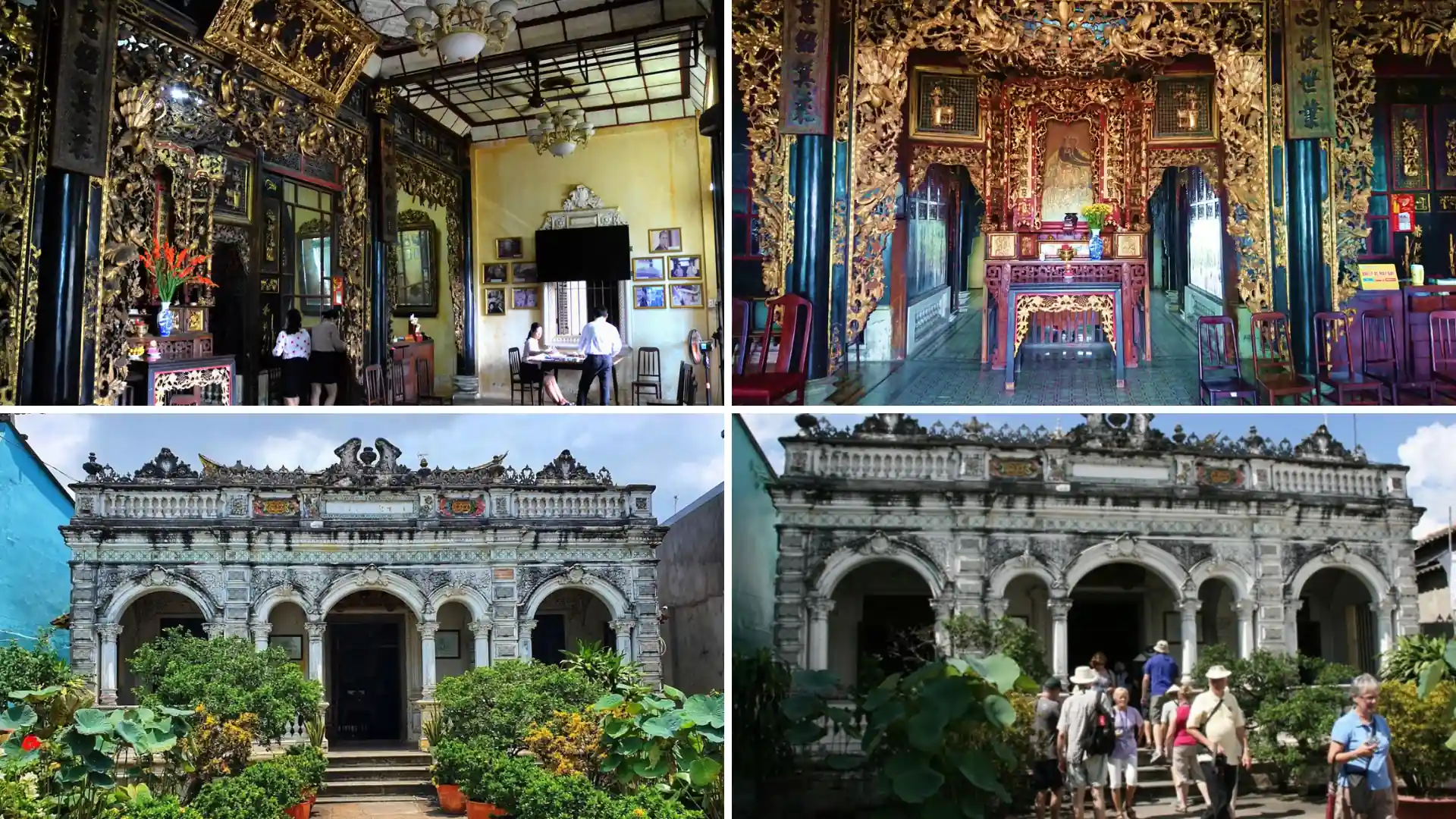
Nhà cổ Huỳnh Thủy Lê (Huynh Thuy Le Ancient House)
Nhà cổ Huỳnh Thủy Lê is one of Sa Đéc’s best-known historic houses.
Located on Nguyễn Huệ Street, the property is associated with Huỳnh Thủy Lê and French writer Marguerite Duras, whose novel The Lover draws on their relationship.
The house was originally built in 1895 and renovated in 1917. Its architecture combines Vietnamese, Chinese, and Western influences.
Visitors can see decorative wooden details, traditional architectural elements, and displays connected to the house’s history.
It offers a cultural contrast to the agricultural landscape of the flower village.
Kiến An Cung (Kien An Cung Temple)
Kiến An Cung is a Chinese-Vietnamese temple in central Sa Đéc.
The temple is known for its decorated roof, carved details, and traditional architectural features associated with the local Chinese community.
It is both a place of worship and a cultural landmark.
Visitors should dress respectfully and avoid disturbing religious activities.
Together, the ancient house and Kiến An Cung offer a broader understanding of Sa Đéc beyond flower cultivation.
Suggested half-day itinerary in Sa Đéc
If you have half a day, you can combine the flower village with two cultural attractions in town.
| Suggested time | Activity |
| 7:30-9:00 AM | Explore Đường hoa Sa Nhiên - Cai Dao and observe the working nurseries |
| 9:00-10:00 AM | Visit Vườn hồng Tư Tôn or Happy Land Hùng Thy |
| 10:15-11:00 AM | Explore Nhà cổ Huỳnh Thủy Lê |
| 11:00-11:30 AM | Visit Kiến An Cung |
| After 11:30 AM | Have lunch in Sa Đéc or continue to your next destination |
This is a suggested route, not a fixed guided tour. Travel times, opening hours, and activity availability may differ.
If your main interest is photography, consider spending more time in the flower gardens and visiting fewer historic attractions.
For travelers interested in architecture and history, one flower-growing stop followed by the ancient house and temple may provide a more varied experience.
Practical tips for visiting Sa Dec Flower Village
Sa Dec Flower Village is both a tourist destination and a place where people work. Visitors should approach the gardens with that in mind.
- Respect private nurseries. Stay on accessible paths and ask permission before entering working gardens.
- Avoid touching or moving flower pots. Some plants are being prepared for sale or delivery.
- Ask before photographing growers. Farmers may be busy tending crops, particularly before Tet.
- Wear comfortable shoes. Paths around growing platforms and water channels can be wet or uneven.
- Bring sun protection and drinking water. Many nursery areas have limited shade.
- Carry some cash. Smaller businesses may use cash for admission, refreshments, or purchases.
- Check recent garden photographs. Flower displays can change quickly according to planting and selling schedules.
During the weeks before Tet, roads may become busier with visitors and vehicles carrying flowers to market. Allow extra time and avoid blocking entrances used by growers and delivery vehicles.
FAQs about Sa Dec Flower Village
Is Sa Dec Flower Village open all year?
Yes. Flower and ornamental plant cultivation continues throughout the year. However, individual tourist gardens may have their own operating hours, and the types of flowers visible change with the season.
Is there an entrance fee to Sa Dec Flower Village?
There is no single admission fee for the entire flower-growing community. Public roads are generally accessible, while individual tourist gardens and recreational attractions may charge entrance fees.
Can visitors take a boat through the flower gardens?
Boat activities have been offered at some visitor attractions, including Vườn hồng Tư Tôn. However, they are not available throughout the village. Farmers also use boats for work in certain growing areas, which should not be confused with tourist boat services.
Where should first-time visitors go?
Đường hoa Sa Nhiên – Cai Dao is a practical starting point for seeing the traditional flower-growing area. You can then choose Vườn hồng Tư Tôn for its horticultural history or Happy Land Hùng Thy for recreational activities.
Can I visit Sa Dec Flower Village on a day trip from Can Tho?
Yes. Sa Đéc is generally around 1-1.5 hours from central Can Tho by car, depending on traffic and the specific destination. The flower village can be combined with other attractions in Sa Đéc during a day trip.
Will all the gardens be full of flowers before Tet?
Not necessarily. Growers work to different production schedules, and some flowers may already have been transported to markets. Checking current garden conditions is the best way to plan a visit focused on seasonal blooms.
Sa Dec Flower Village offers more than a place to photograph colorful flowers. Its raised growing platforms, family nurseries, and ornamental plant businesses show how generations of growers have adapted their work to the Mekong Delta’s environment.
A visit along Đường hoa Sa Nhiên – Cai Dao, combined with a garden such as Vườn hồng Tư Tôn, provides a closer look at a traditional craft that continues to support local livelihoods.
For more places to explore, browse Mekong Smile’s destination guides. If you are arranging a journey through the Mekong Delta and would like advice on combining destinations, you can also contact Mekong Smile.
Planning Your Mekong Trip?
Get a free, personalized itinerary from our local experts in under 120 minutes.

Get a Free Consultation Leave your contact, we handle the rest.
