
 Can Tho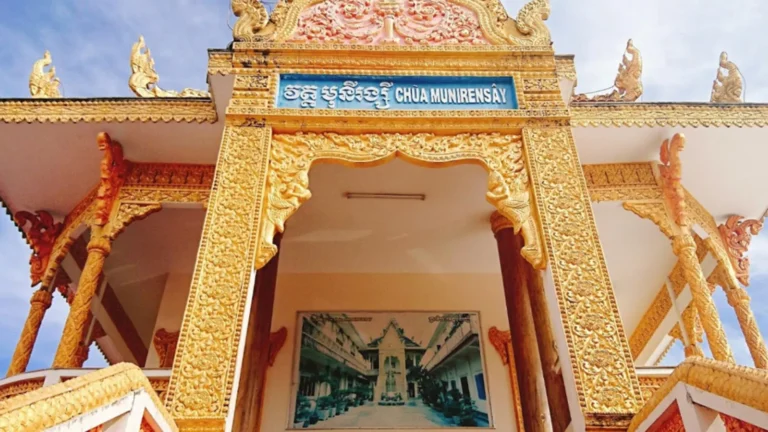
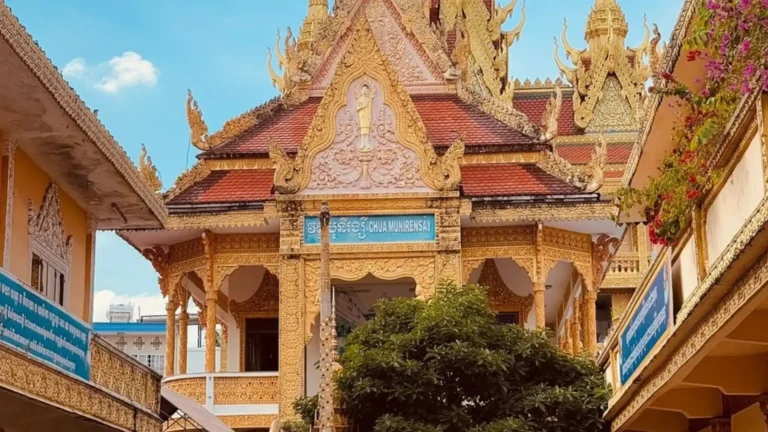
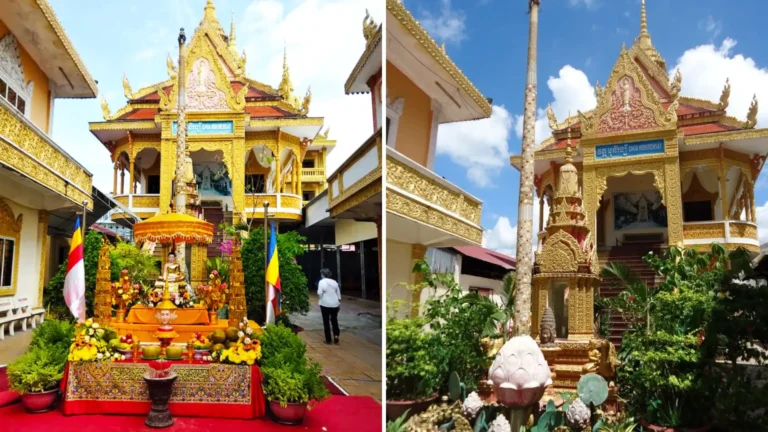

Located in the vibrant heart of the Western Capital, Munir Ansay Pagoda stands as a golden masterpiece of Khmer Theravada Buddhism and a “living museum” of Angkor-style architecture. This guide invites you on a transformative journey to discover the vibrant living heritage of Can Tho’s most radiant sanctuary. You will discover What Makes Munir Ansay Pagoda Special by decoding the symbolic language of its mythical carvings and celestial guardians. We help you in Planning Your Visit with essential logistics to ensure The Experience at Munir Ansay Pagoda is one of mindful stillness and deep cultural connection.
Lastest update by Mr Jimmy at Mekong Smile | Official Can Tho Travel Guide
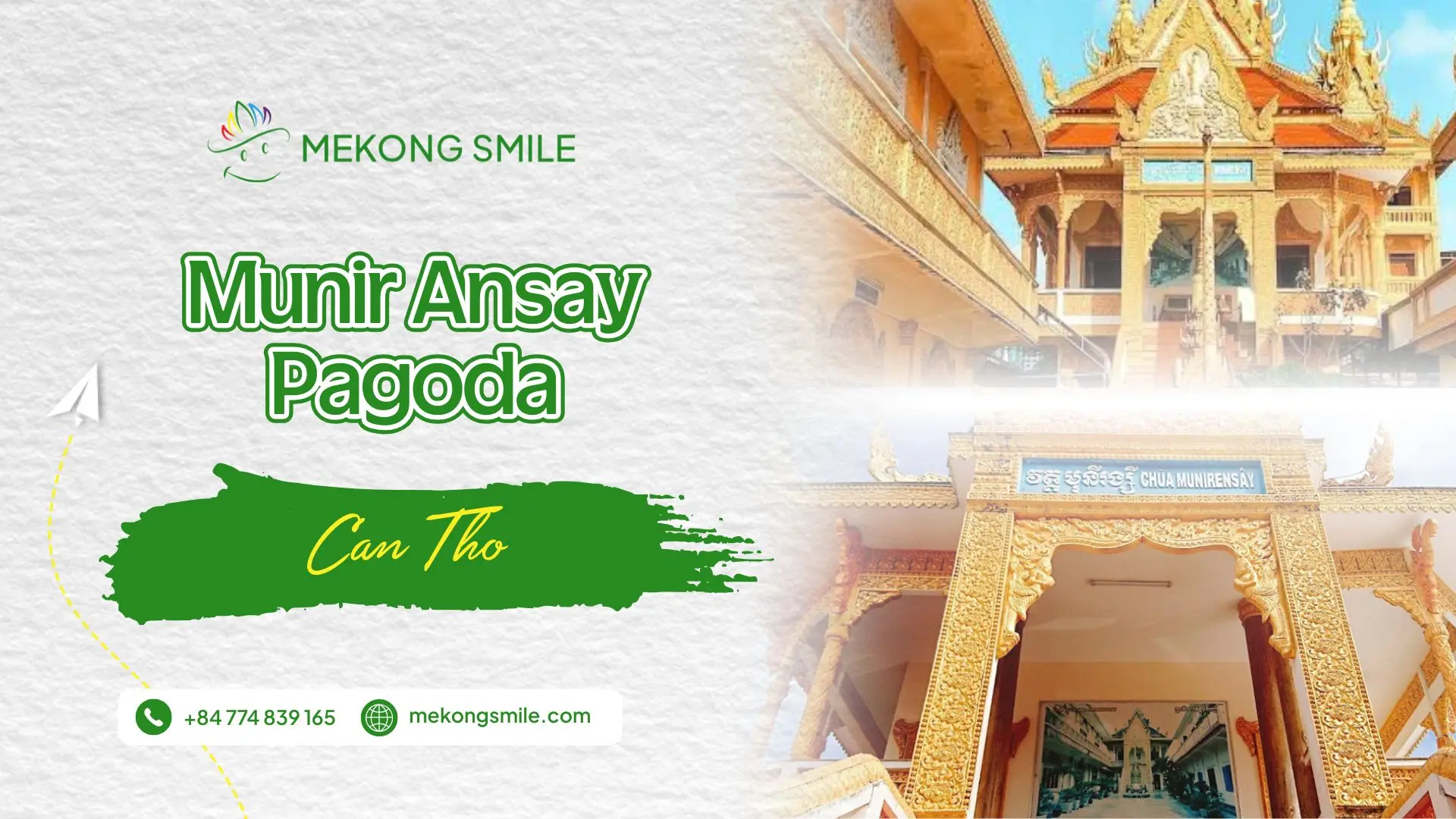
An Overview of Munir Ansay Pagoda
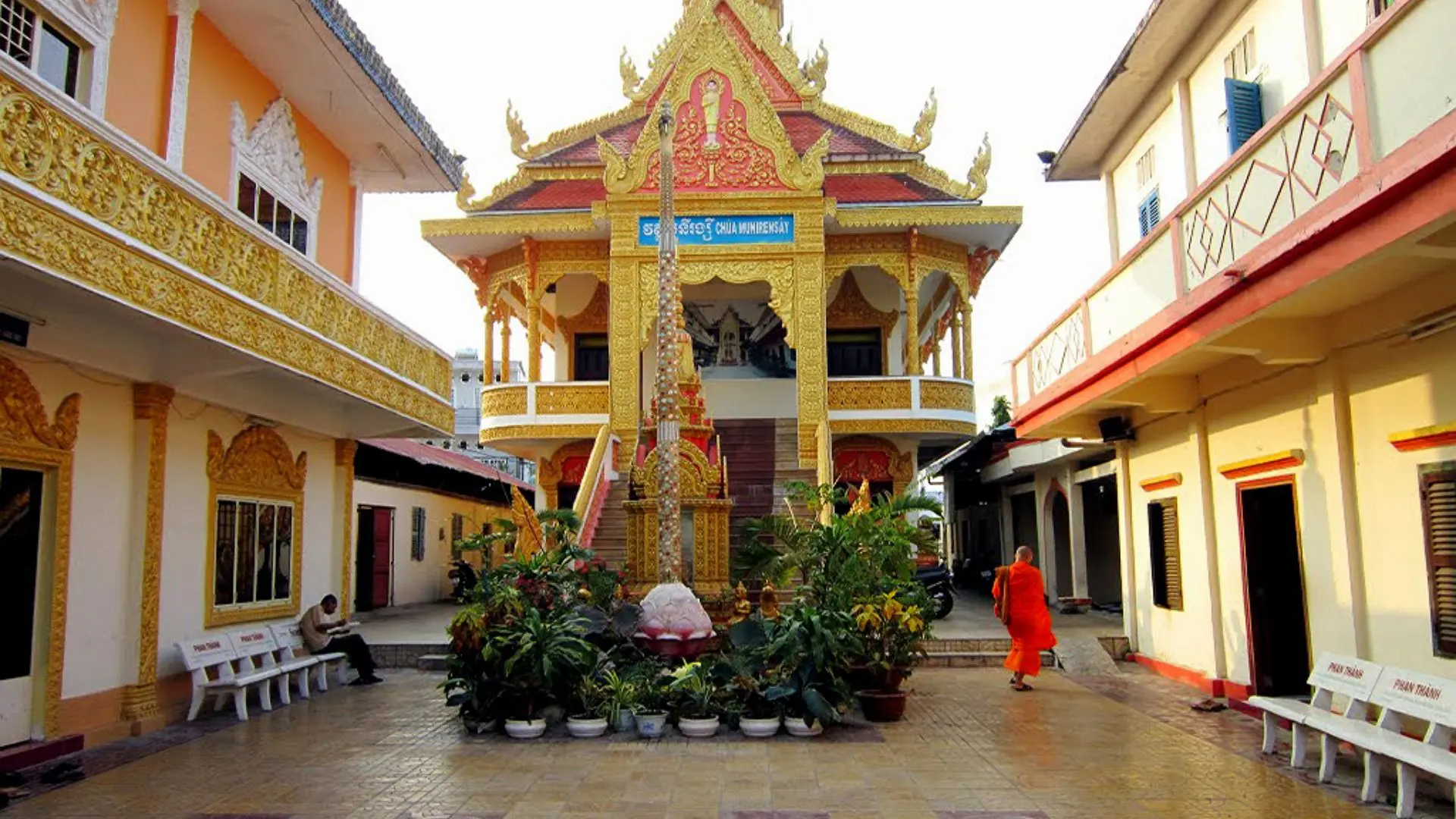
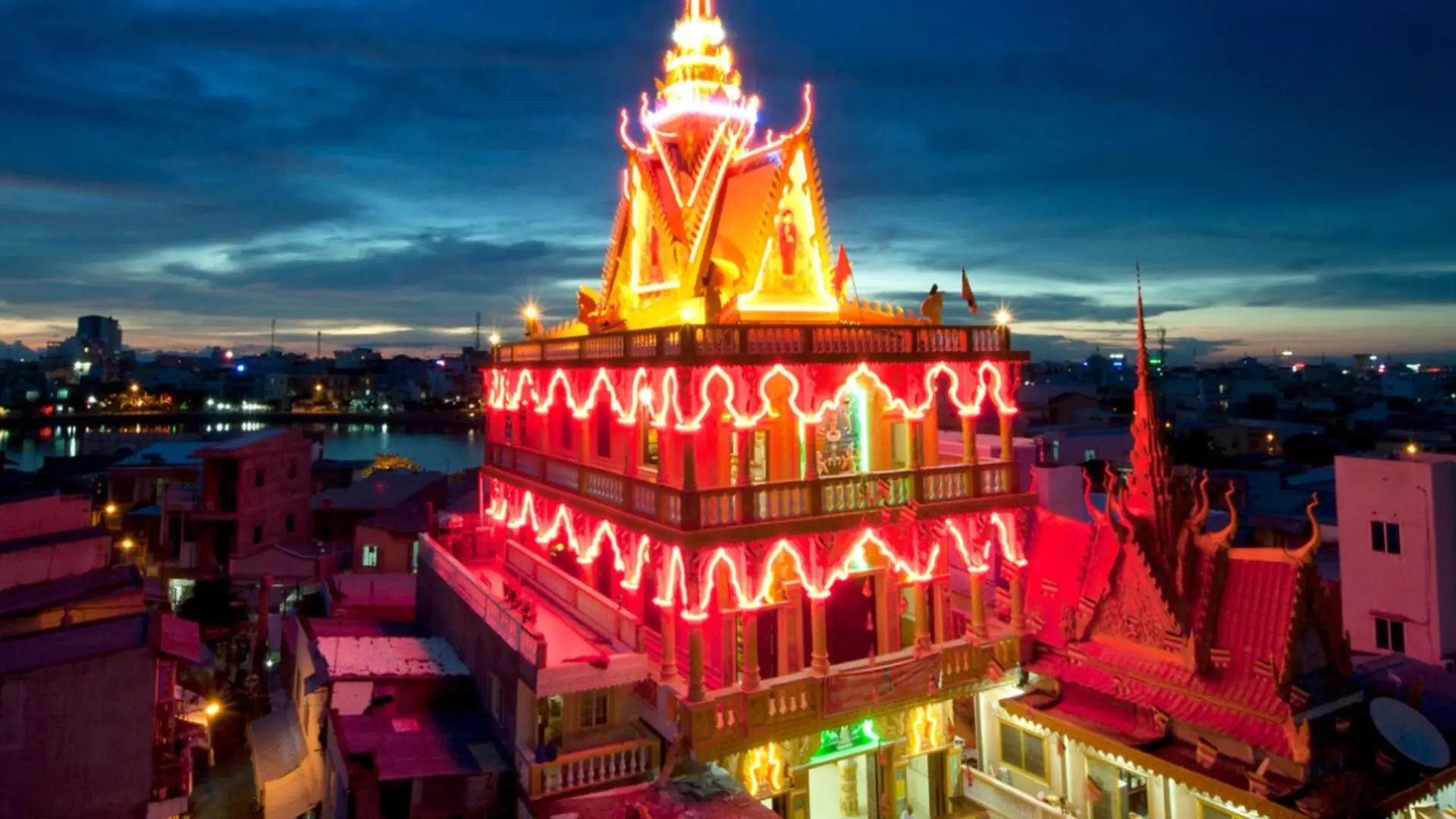
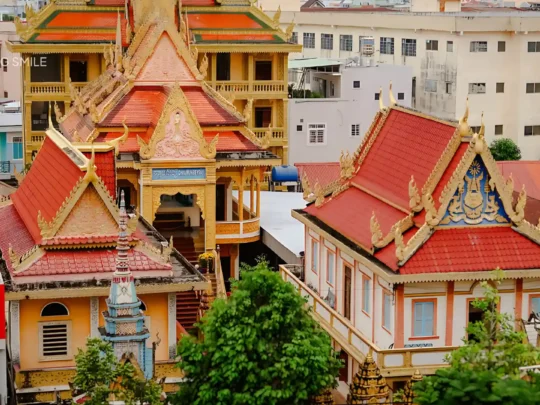
A glance of Munir Ansay Pagoda
- Location: 36 Hoa Binh Boulevard, Tan An Ward, Ninh Kieu District, Can Tho City.
- Site Type: Khmer Theravada Buddhist Pagoda and Community Cultural Center.
- Significance: The largest and most beautiful Khmer pagoda in Can Tho city center, serving as a spiritual anchor for the local Khmer population.
- Atmosphere: Radiant, serene, and culturally rich, characterized by bright yellow and gold hues and a quiet courtyard.
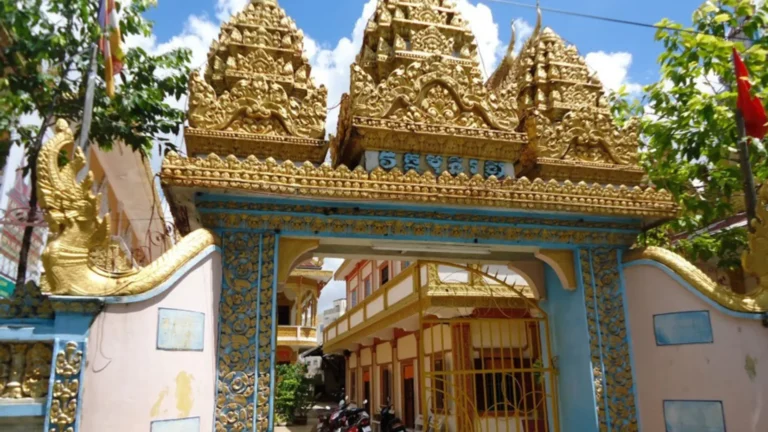
- Key Highlights: The three-tiered gate, the grand sanctum with intricate reliefs, and the traditional festivals (Chol Chnam Thmay, Ok Om Bok).
- Opening Hours: 08:00 AM – 06:00 PM (Daily).
- Entrance Fee: Free (Donations welcome).
- Average Visit Duration: 45 minutes – 1 hour.
Understanding Munir Ansay Pagoda: A Legacy of Faith
The story of Munir Ansay began in 1948, originally built with humble materials like bamboo and palm leaves. It was not until 1954 that the pagoda was rebuilt with its current architectural grandeur, drawing inspiration from the legendary Angkor Wat temples.
Over the decades, it has served not only as a place of worship but as a “living museum” and school for the Khmer youth to learn their language and traditions. This legacy represents the “vibrant living heritage” of Can Tho—a testament to how a community maintains its “resilient spirit” and cultural identity in the heart of a rapidly developing city.
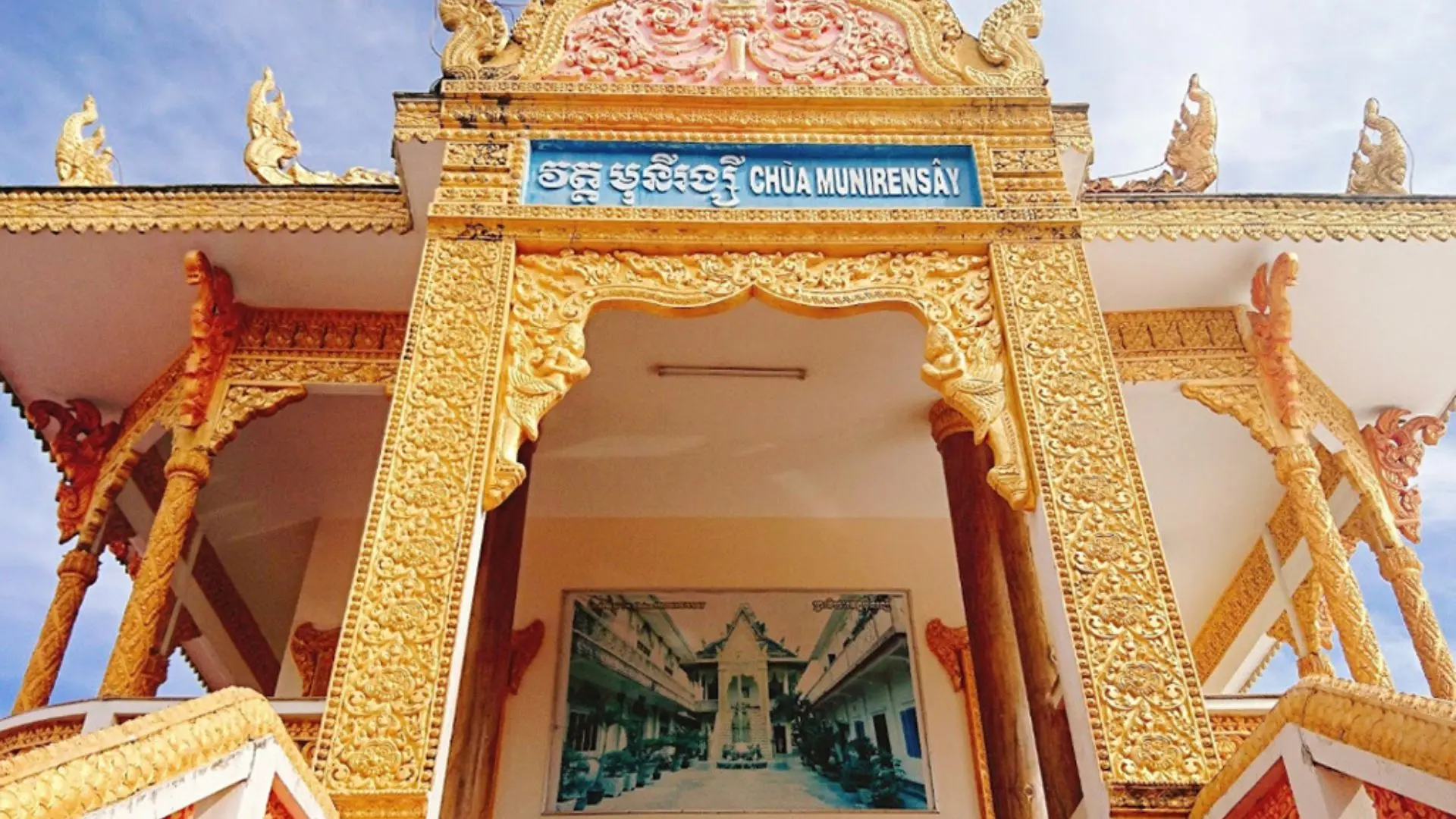
Video about Munir Ansay Pagoda (Eng subtitles)
To witness the intricate carvings and the peaceful atmosphere of the pagoda during a morning prayer, watch a short cinematic tour:
What Makes Munir Ansay Pagoda Special?
Munir Ansay Pagoda is the soul of Khmer heritage in Ninh Kieu. It is not just a religious site; it is a structural masterpiece of symbolism that bridges the terrestrial and celestial worlds.
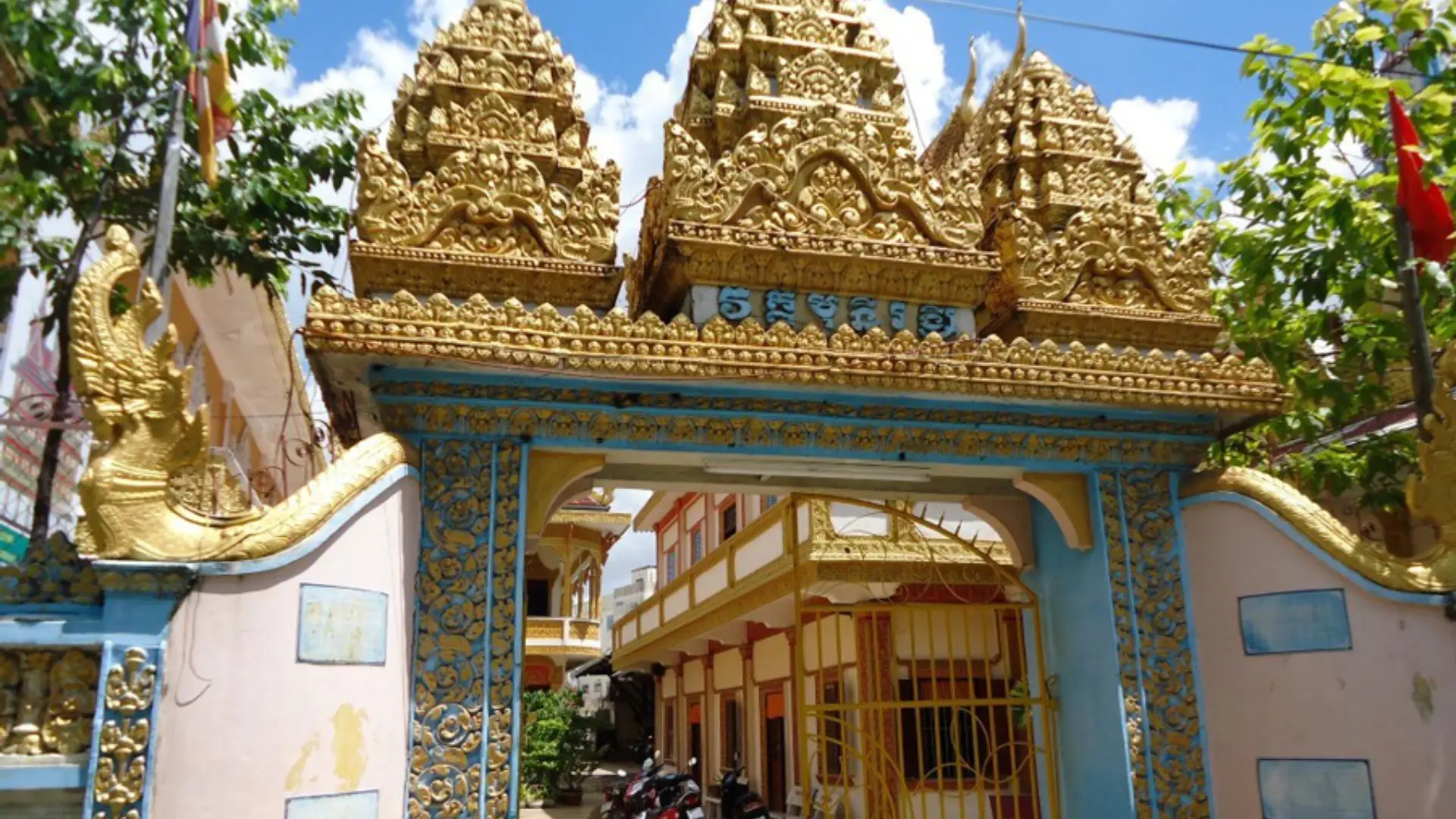
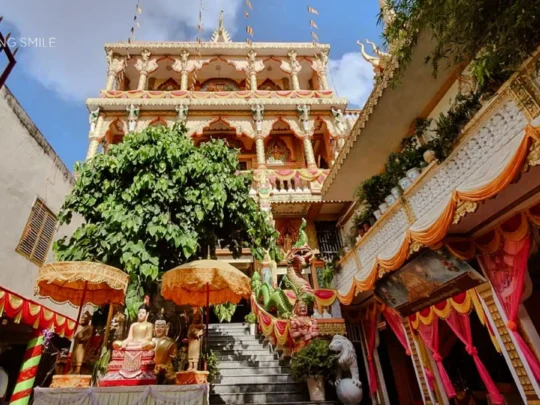
Today, it stands as a symbol of ethnic harmony. Visitors can observe the unique “Three Jewels” architecture, featuring three main towers that represent the Buddha, the Dharma, and the Sangha. Observing the statues of Reahu (the moon-swallowing titan) and the Keyno (celestial dancers) on the pillars highlights the deep connection between ancient mythology and the rhythmic development of Southern Vietnamese Buddhism.
“With Mekong Smile experts, you will discover that Munir Ansay is an ‘illustrated bible’ of Khmer cosmology. We decode for you the meaning behind the dominant Yellow and Red colors as well as the significance of the Naga snake motifs on the roof corners” – Mr Jimmy, Senior Expert of Mekong Smile.
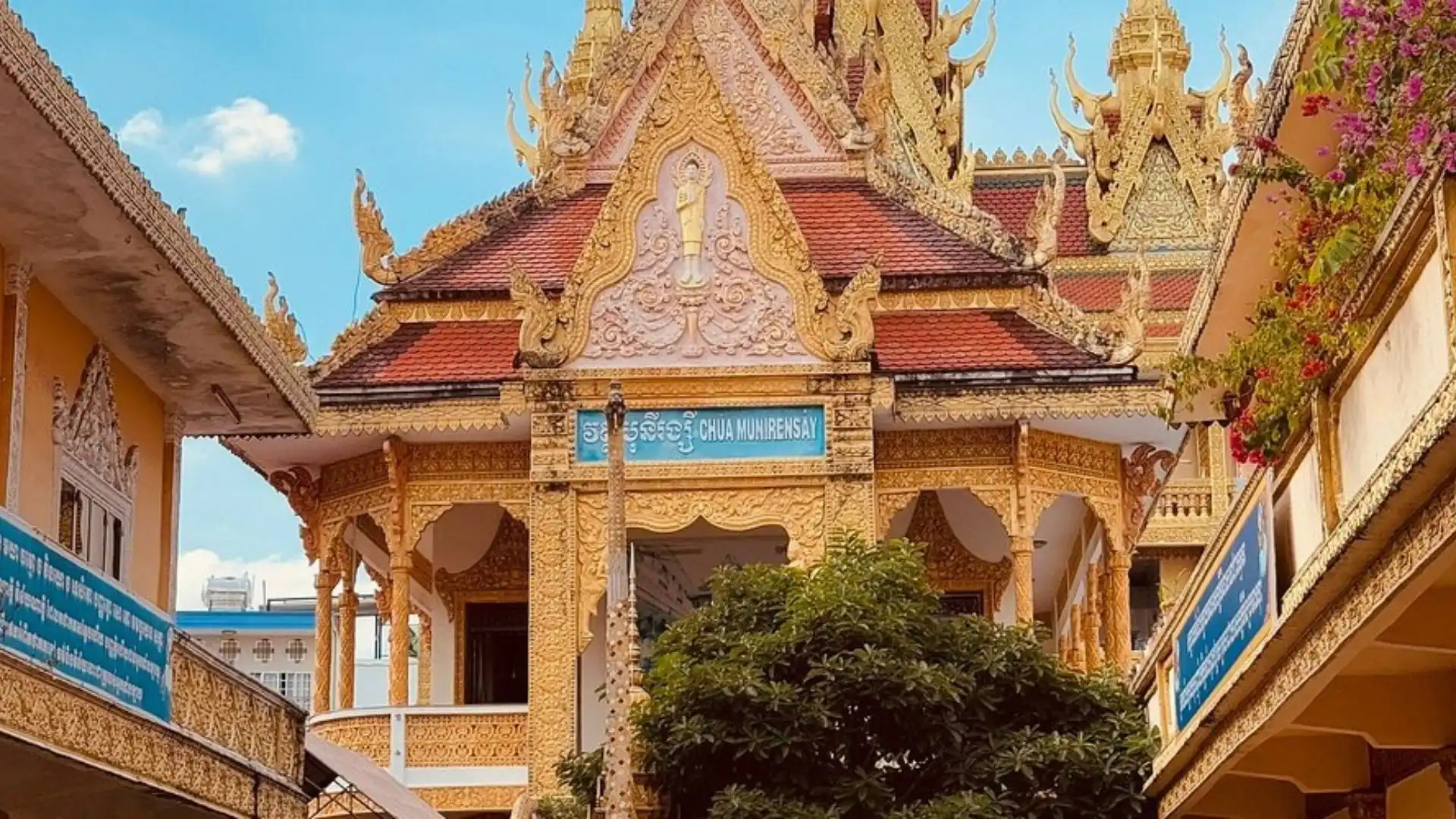
Planning Your Visit to Munir Ansay Pagoda
Location & Address
The pagoda is conveniently located in the most beautiful administrative area of the city:
- Address: 36 Hoa Binh Avenue, Tan An Ward, Ninh Kieu District, Can Tho City.
- Distance: Just a 3-minute walk from the Can Tho Museum and 5 minutes from Ninh Kieu Wharf.
How to Get There
- By Foot: If you are exploring the Ninh Kieu riverfront or Hoa Binh boulevard, the pagoda is an unmissable golden landmark.
- By Cyclo: For a nostalgic city experience, take a cyclo ride to the pagoda’s gate for a perfect entrance.
- The Mekong Smile Way: We include Munir Ansay as a spiritual highlight of our Can Tho Motorbike Tour, providing expert narratives on Khmer customs that are often missed by independent travelers.
Best Time to Visit
- Operating Hours: 08:00 AM – 06:00 PM (Daily).
- The Morning Peace: 08:30 – 10:00 AM is ideal for catching the sunlight reflecting off the golden carvings.
- Festival Windows: Visit during Chol Chnam Thmay (Khmer New Year in mid-April) or Ok Om Bok (Moon Worship in October/November) to see the pagoda at its most vibrant with traditional music, costumes, and the “stork symphony” of communal celebrations.
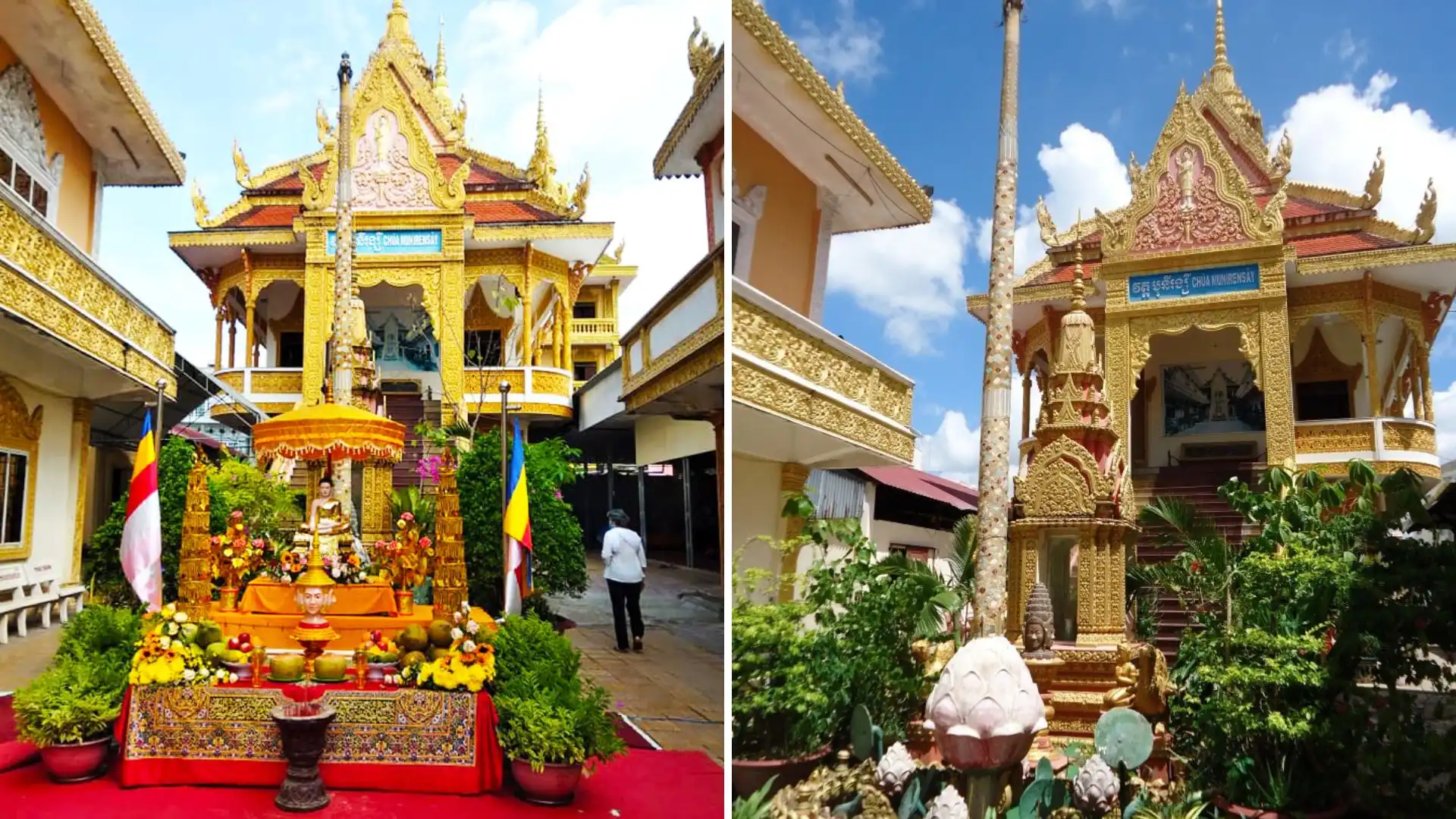
The Experience at Munir Ansay Pagoda
The Triple-Tower Gate
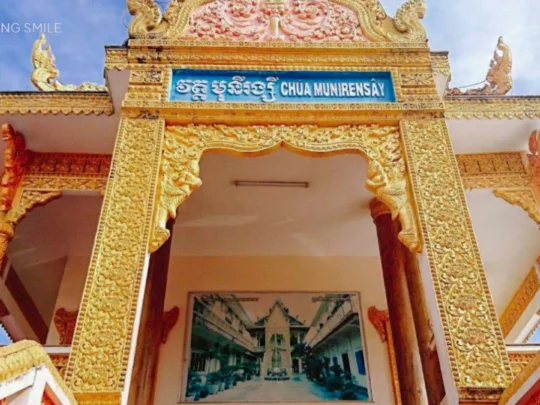
Admire the grand entrance, which features three stupa-style towers. This architectural gateway marks the transition from the busy street into a world of “mindful stillness.”
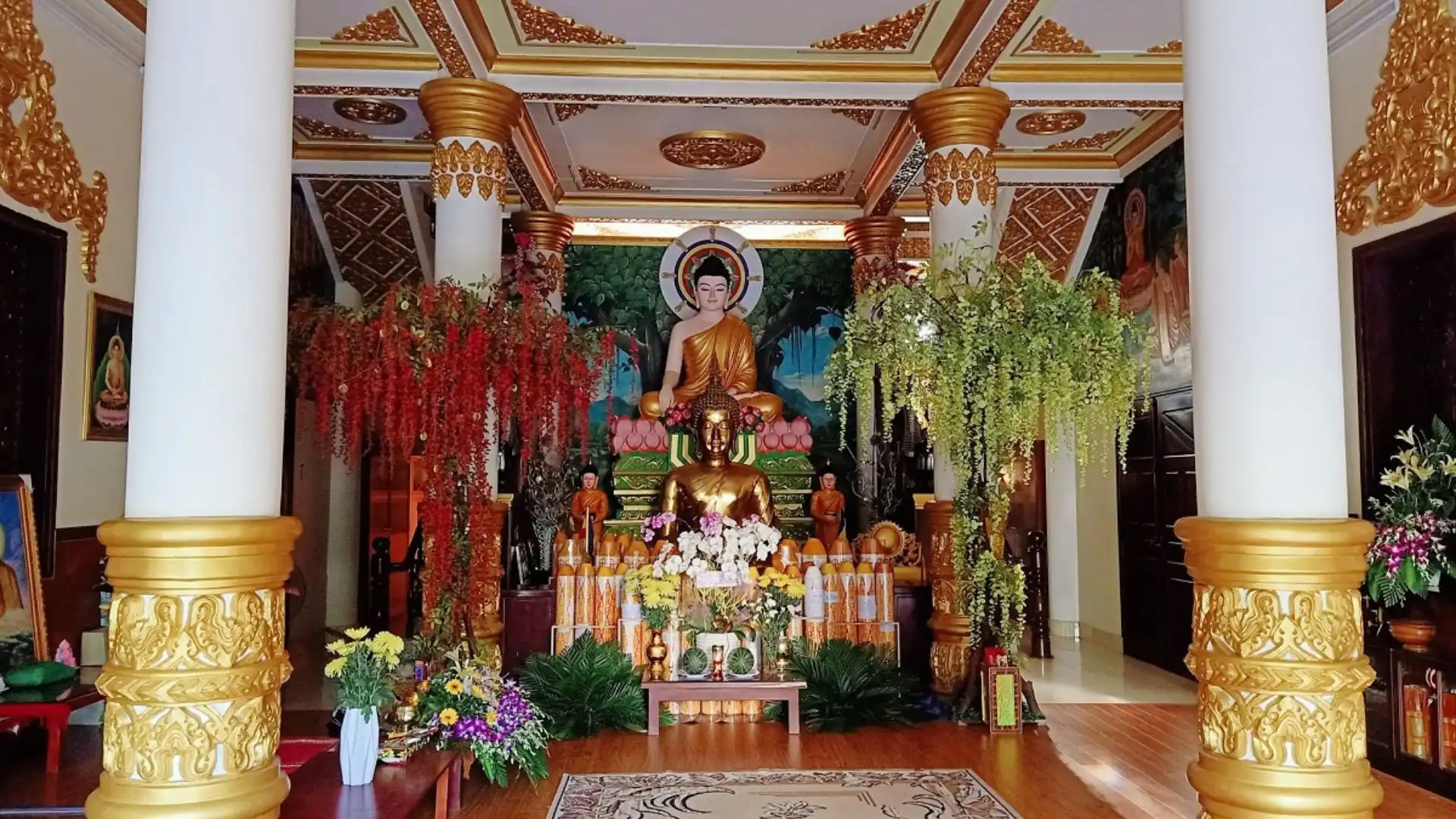
The Main Sanctum (Sala)
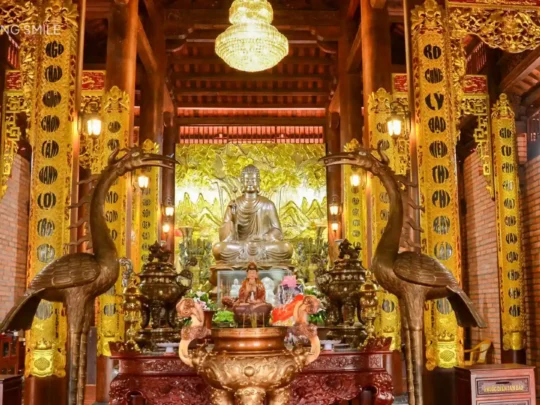
Step inside the main hall to see the life story of the Buddha depicted in colorful murals. The serene atmosphere and the scent of incense create a “transformative journey” into the heart of inner peace.
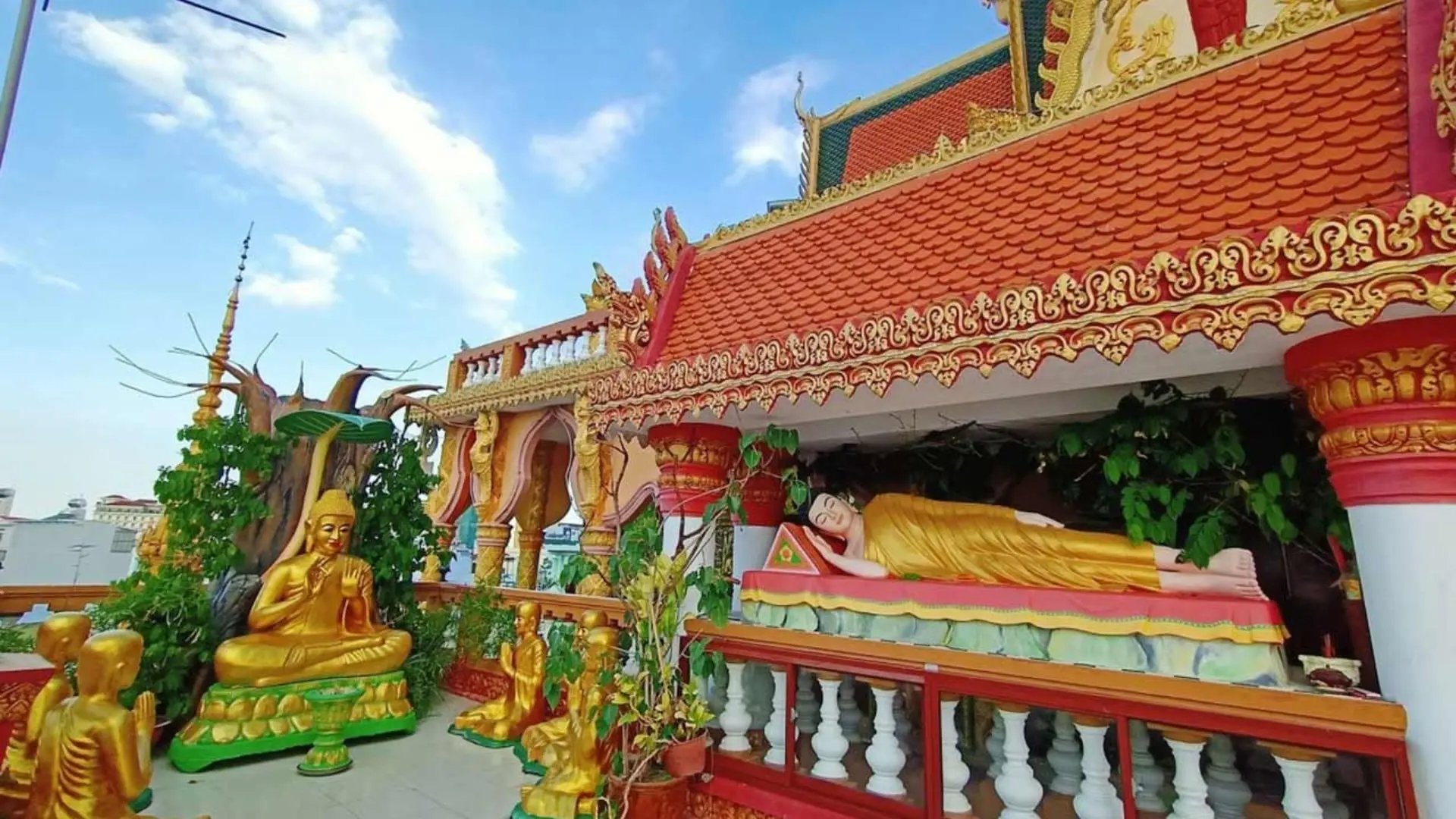
Mythical Statuary Exploration
Follow your Mekong Smile guide to identify the various mythical creatures protecting the pagoda. From the fierce Yak giants at the entrance to the elegant Keyno goddesses supporting the roof, these figures embody the “resilient spirit” of Khmer artistry.
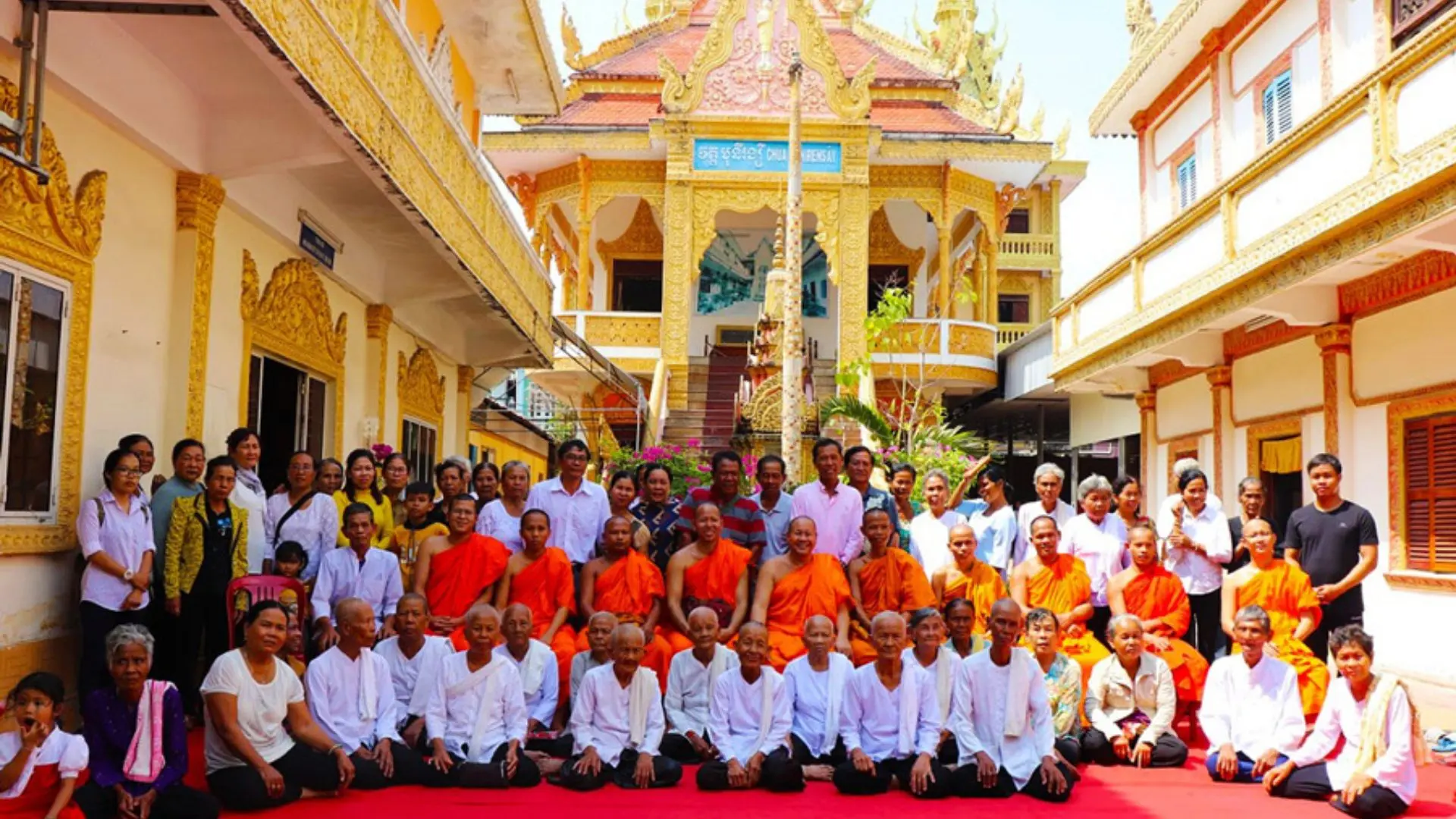
Interacting with the Monks
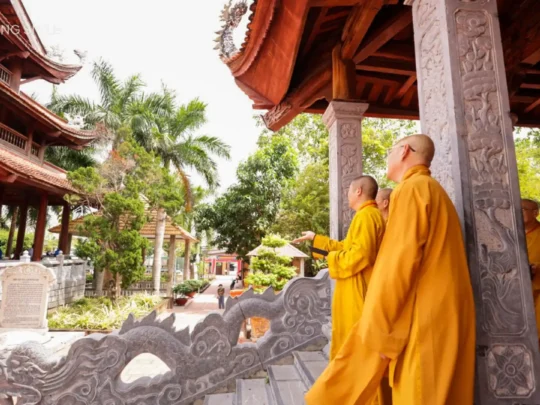
The pagoda is a place of learning. You may see young monks studying or practicing traditional ceremonies. Observing their “rhythmic life” provides a deep understanding of the Theravada Buddhist way of life in the Mekong Delta.
Photography of the Golden Details
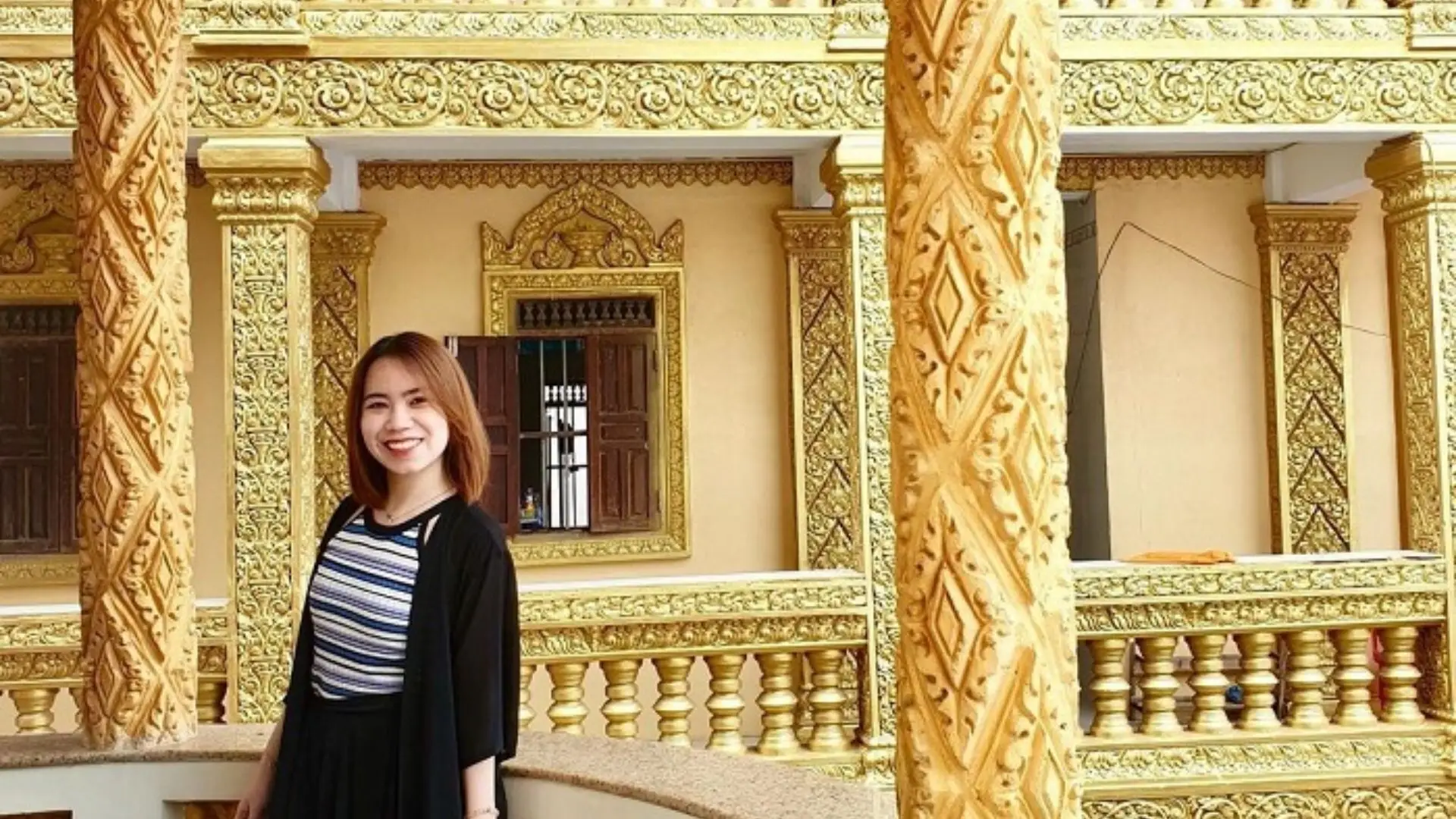
For photography enthusiasts, the high-contrast yellow walls and intricate red-gold motifs offer endless creative opportunities. We encourage respectful photography that captures the “spirit of the land” without disturbing the worshippers.
Combining Munir Ansay Pagoda with Nearby Attractions
Munir Ansay Pagoda is a central jewel in the city’s heritage belt. After your visit, take a 5-minute walk to the Can Tho Museum to see Oc Eo artifacts or visit the Can Tho Prison for a look at resistance history. For an artistic contrast, explore the Can Tho Tarot Museum or the Chinese-style Ong Pagoda nearby. For a change of pace, stroll along Ninh Kieu Wharf, cross the Pedestrian Bridge, and visit the Can Tho Old Market. This combination ensures a journey that captures the full spectrum of the Delta’s historical, spiritual, and modern urban soul. To complete your experience, check our list of top hotels in Can Tho and our guide to the top restaurants in Can Tho.
Our Signature Can Tho Tours
Experience the best of the “Western Capital Soul” with our curated journeys designed for deep cultural connection:
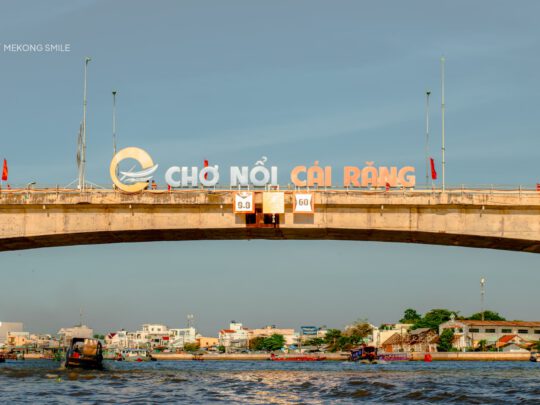
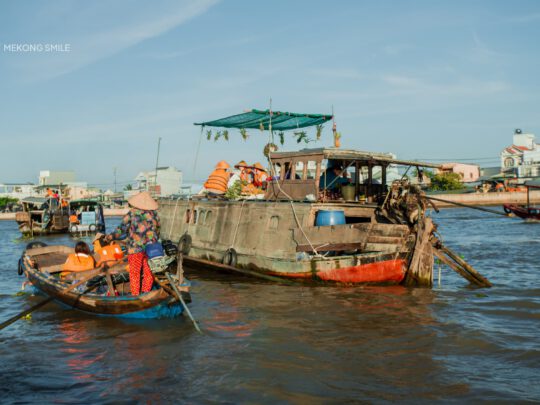
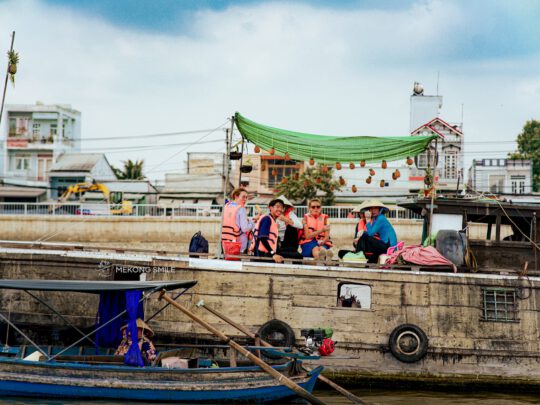

Attractions in Mekong Delta

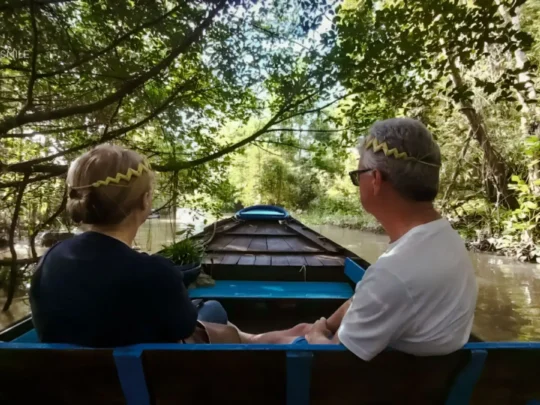
Attractions in Mekong Delta

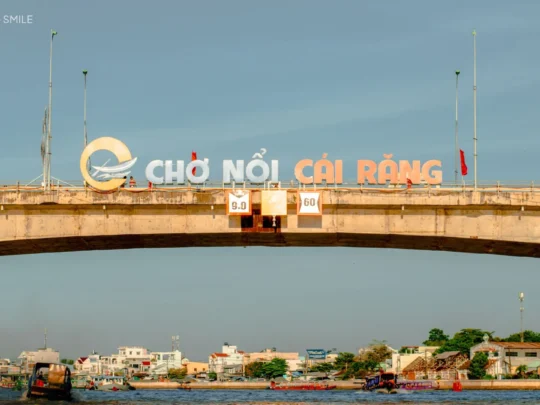
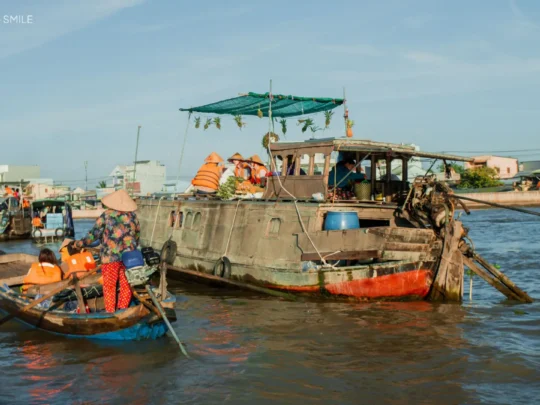


Attractions in Mekong Delta


Attractions in Mekong Delta
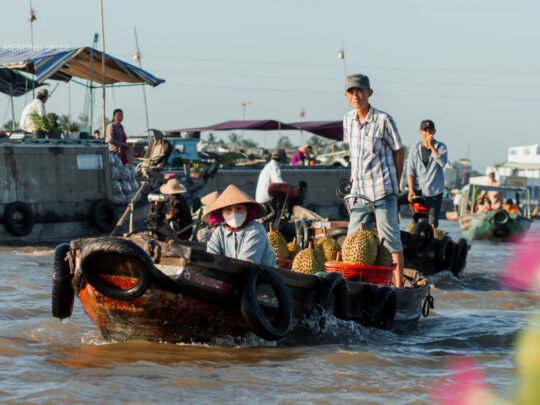
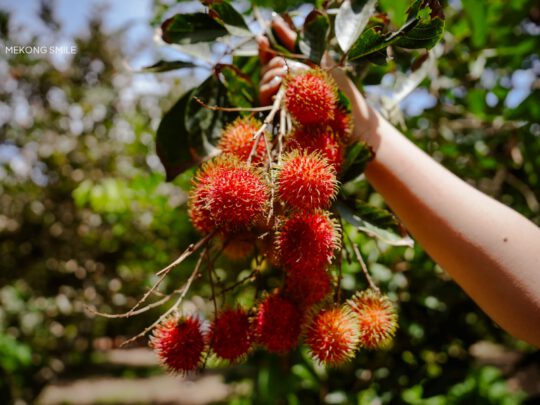
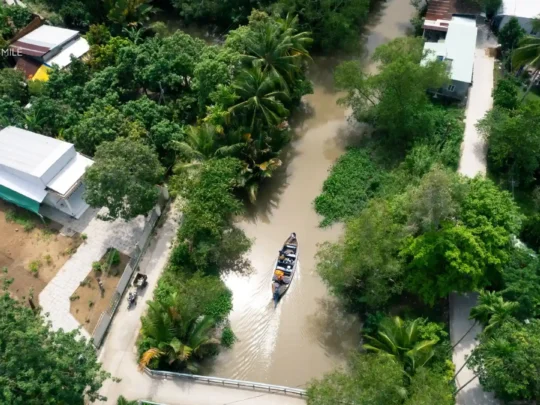
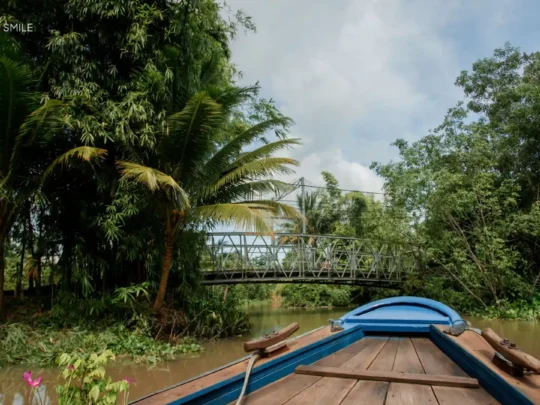
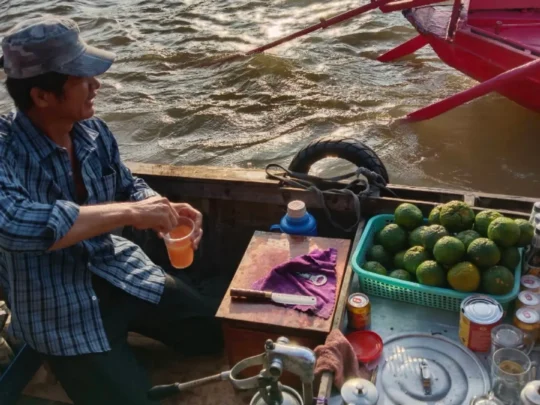
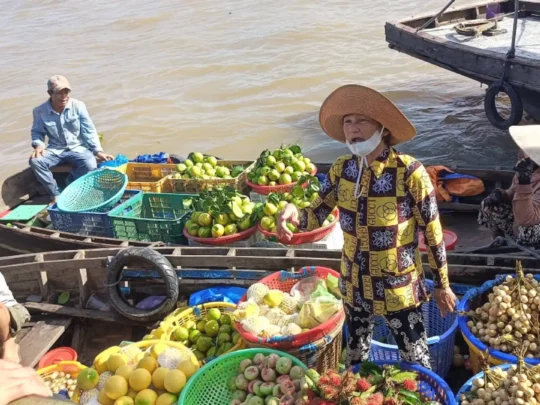
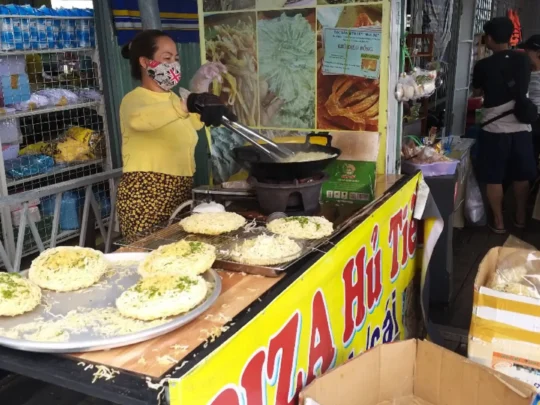
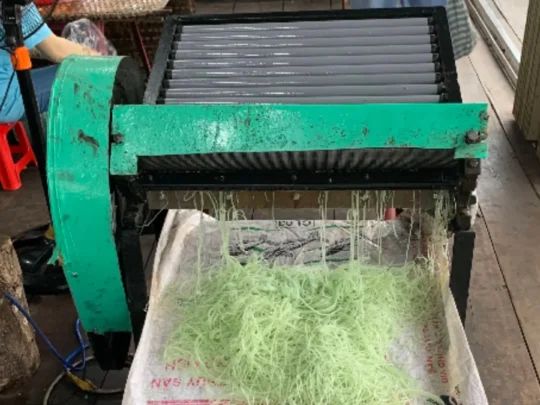
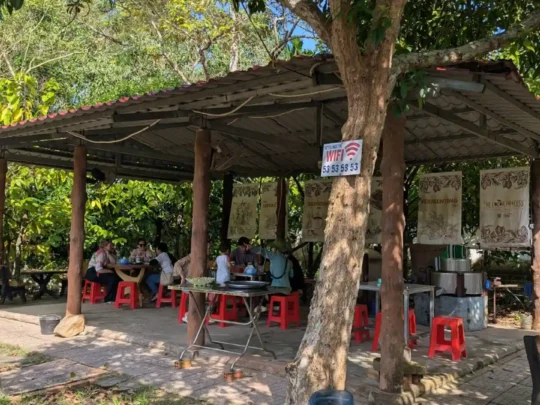
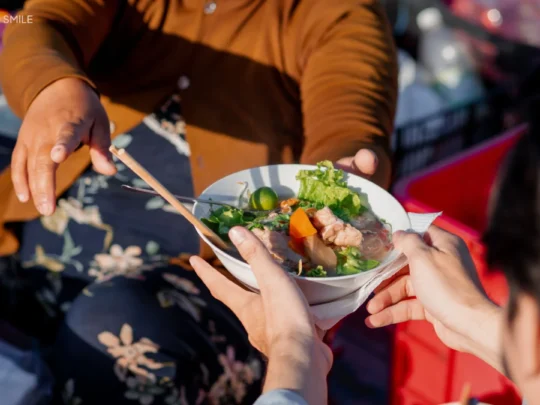
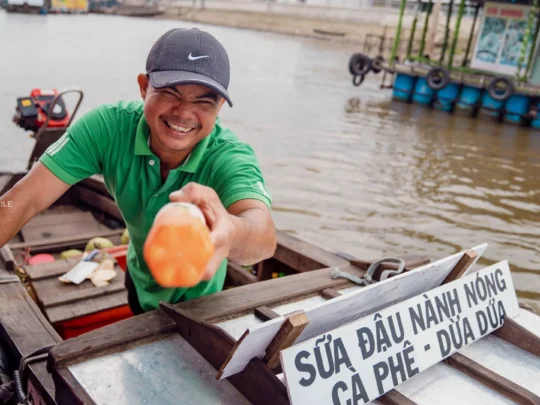
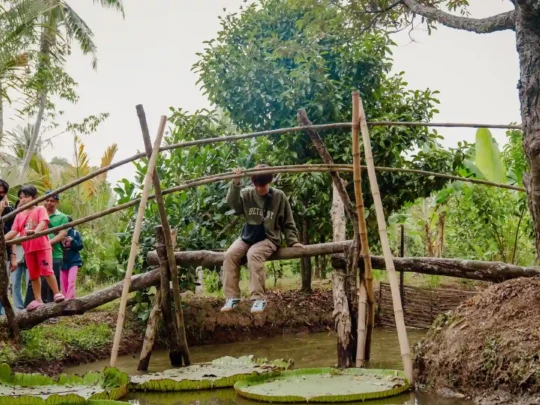
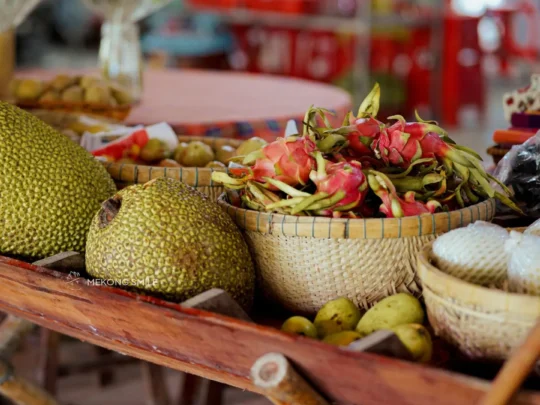
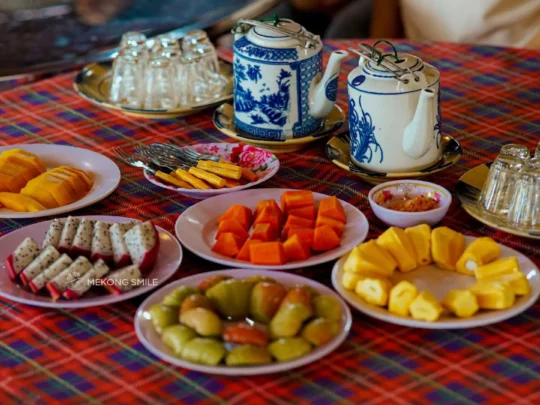
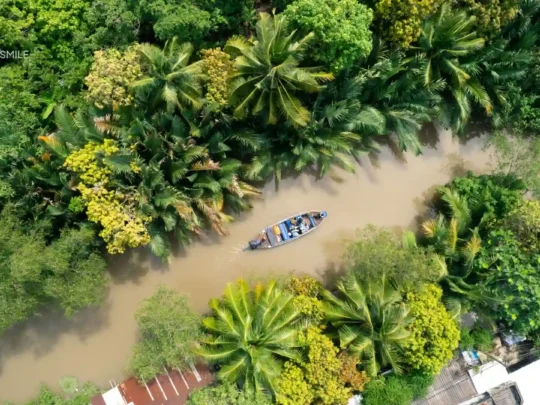
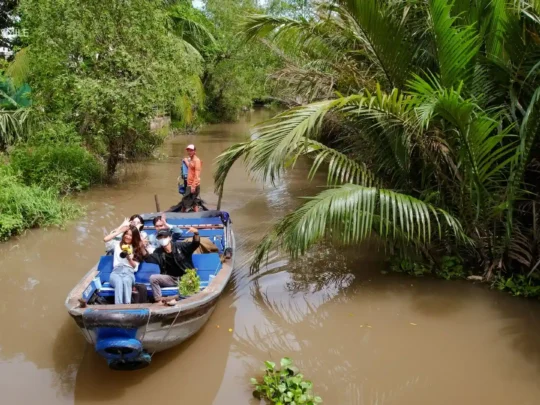
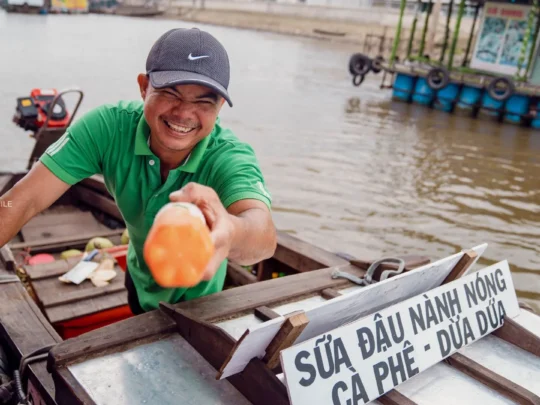
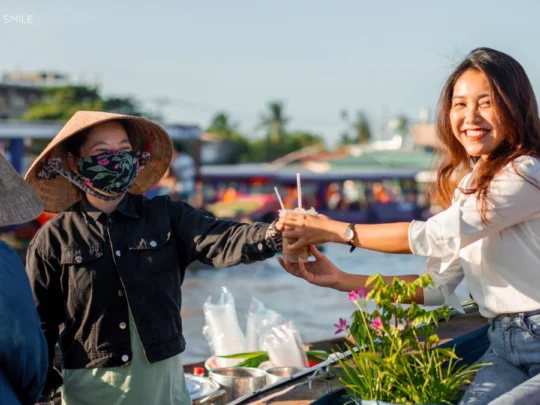
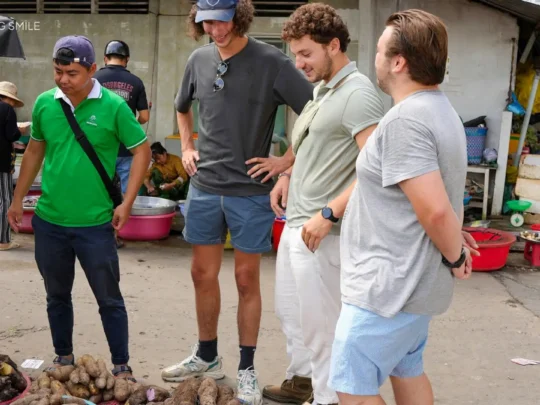
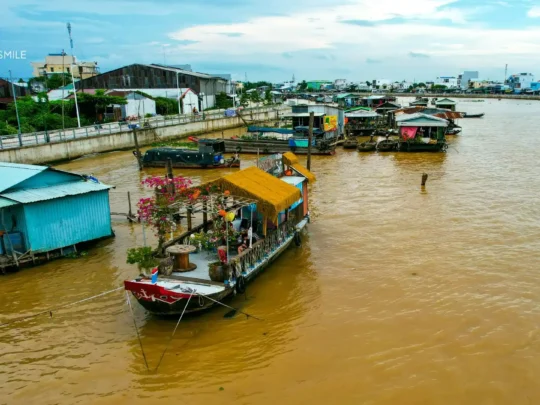
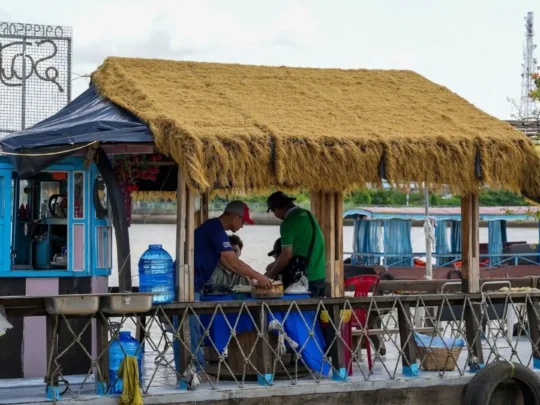
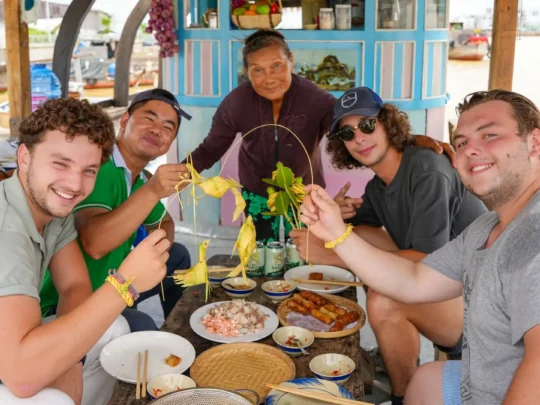
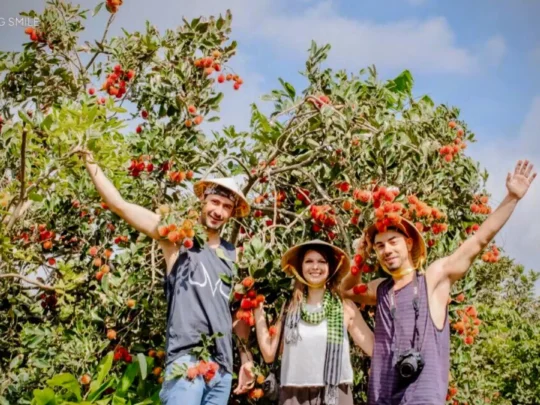
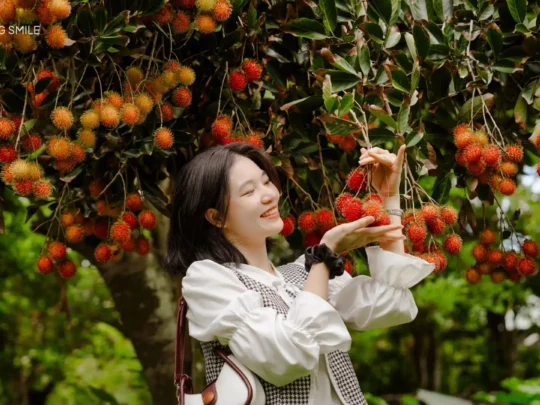
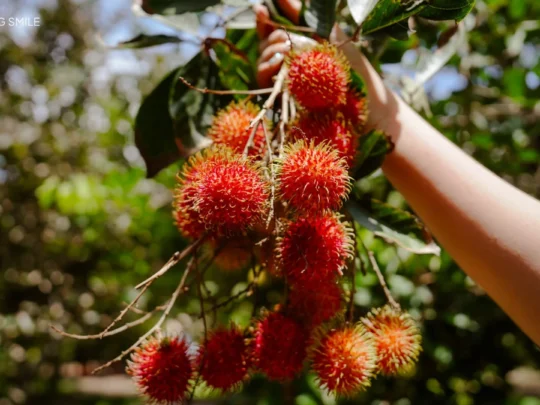
Can Tho Floating Market & Fruit Garden Tour: Mekong Tropical Sense


Attractions in Mekong Delta
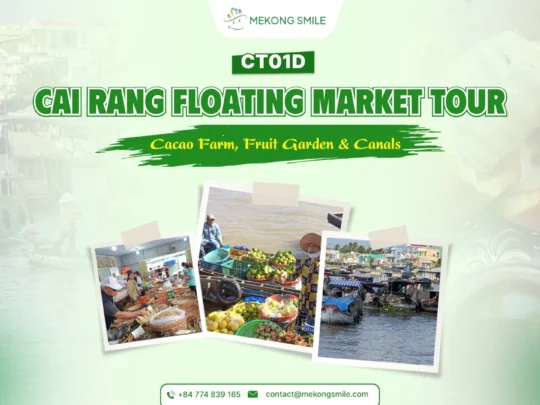
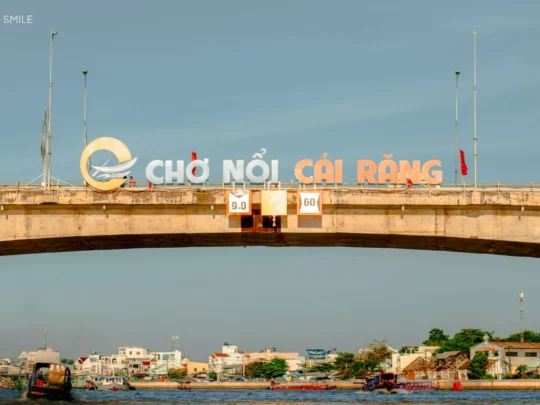
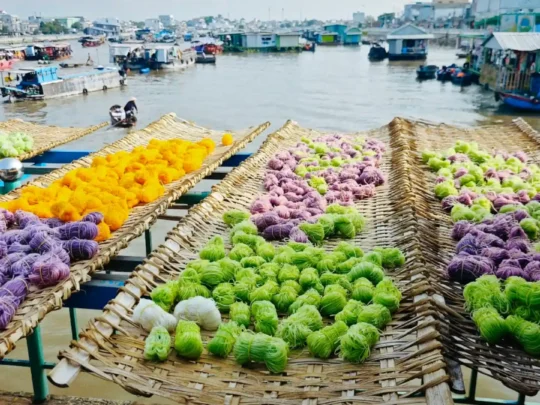
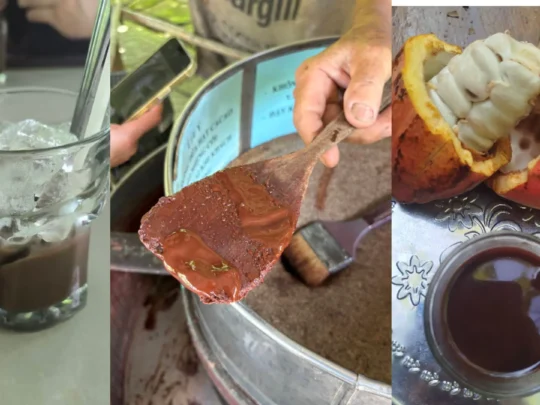
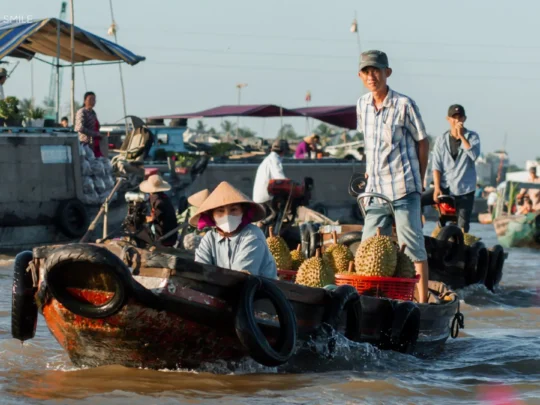
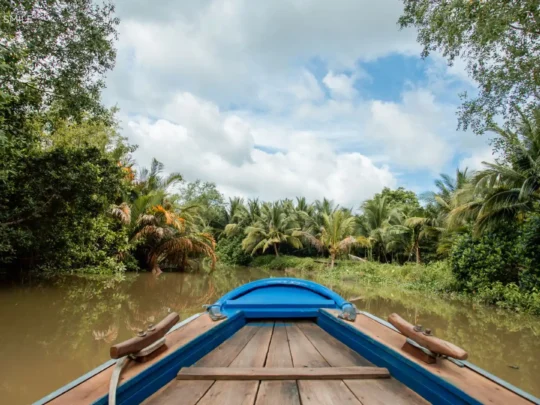
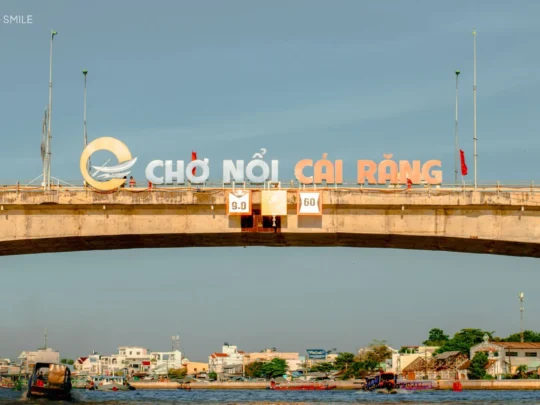
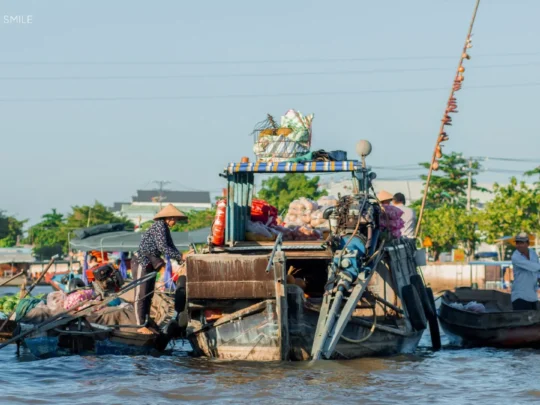
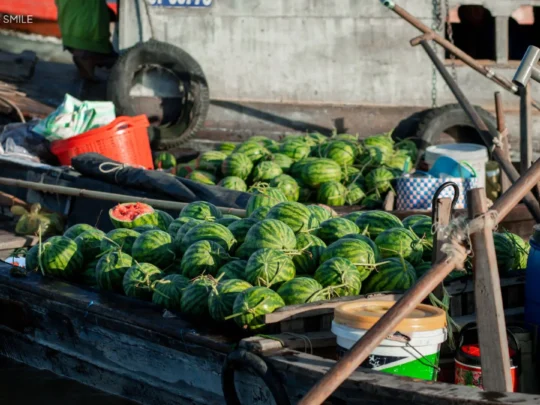
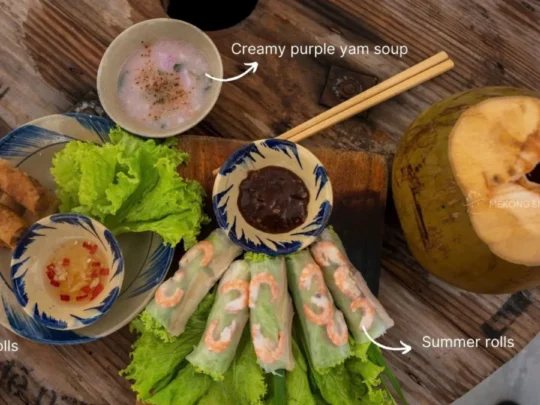
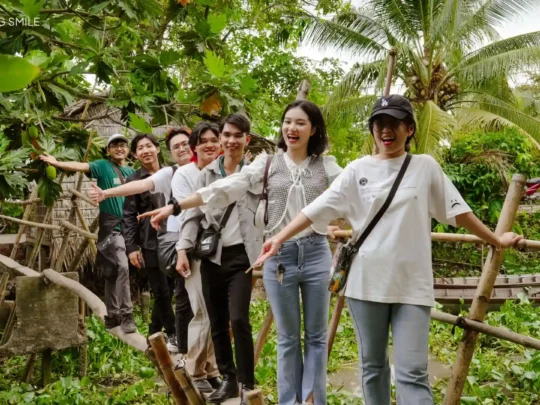
Cai Rang Floating Market Tour: Cacao Farm, Fruit Garden & Canals


Attractions in Mekong Delta
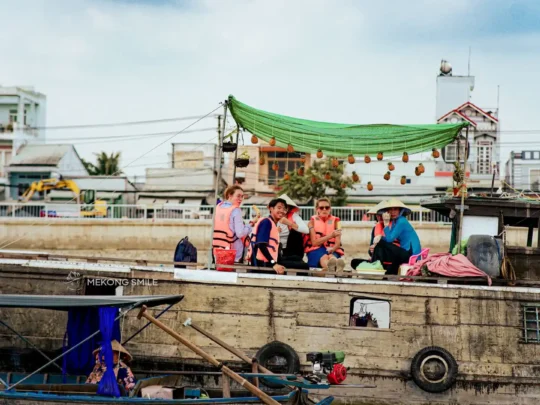
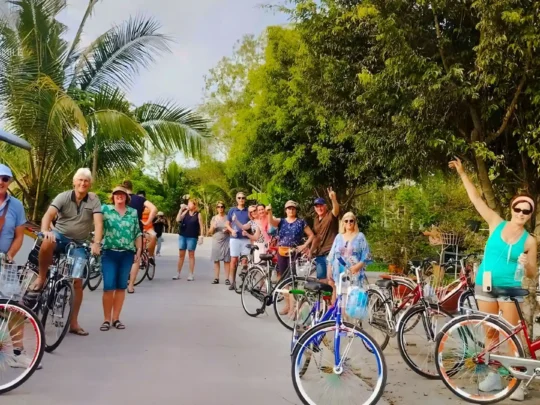
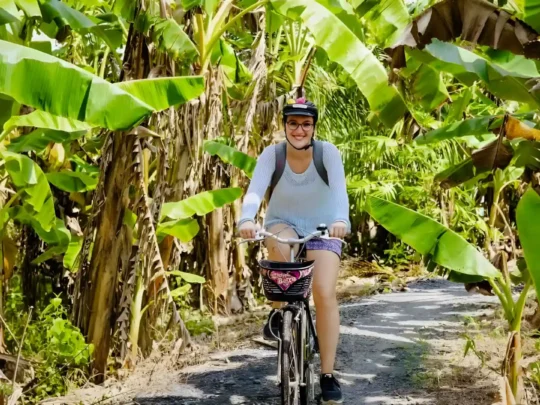
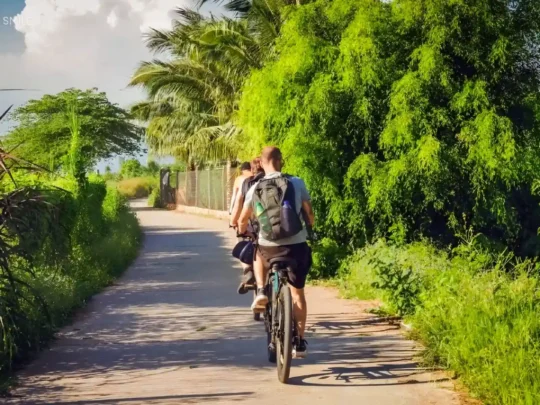
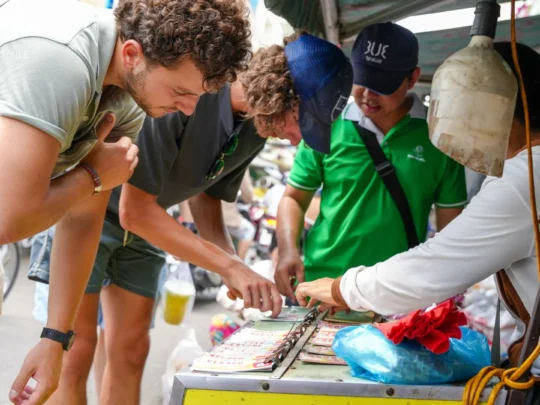
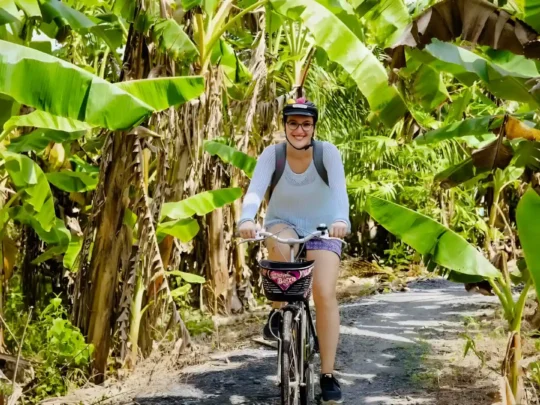
Can Tho Rural Tour: Cai Rang Floating Market and Rural Cycling
Attractions in Mekong Delta

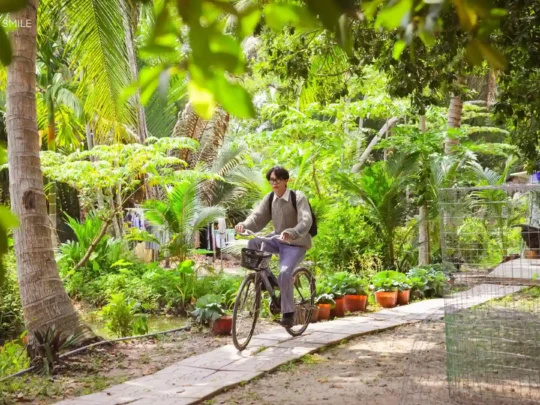
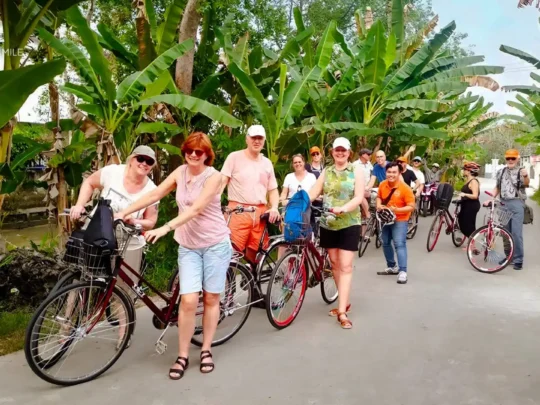
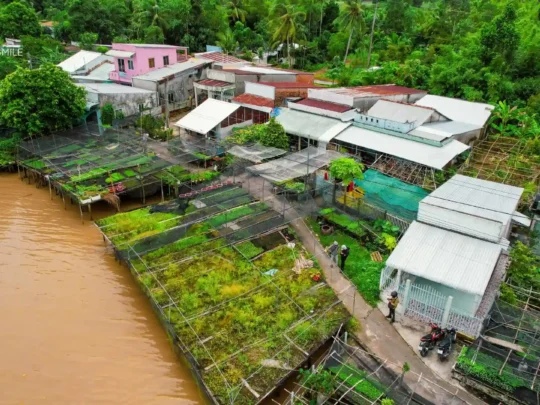
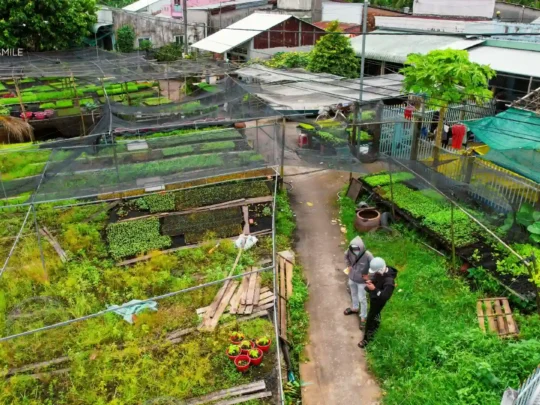
Attractions in Mekong Delta

Attractions in Mekong Delta



Attractions in Mekong Delta
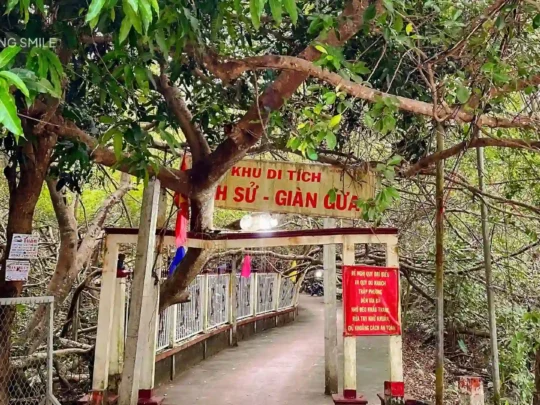
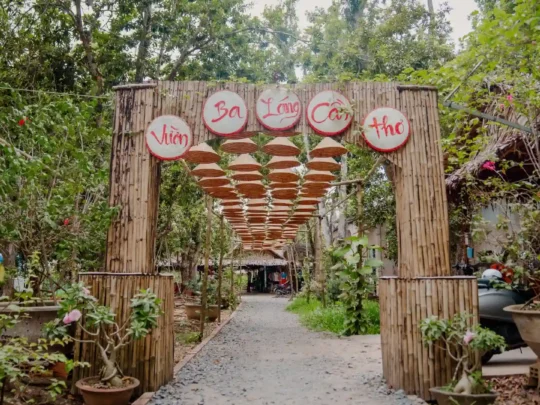
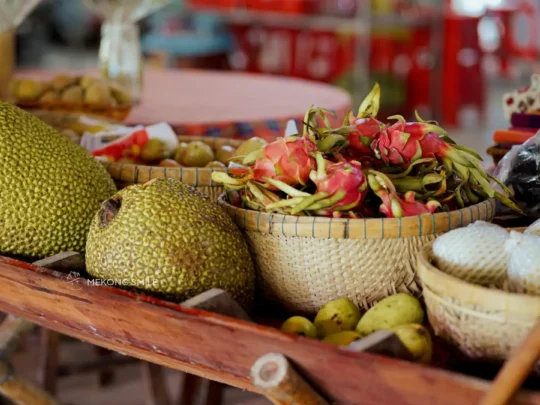
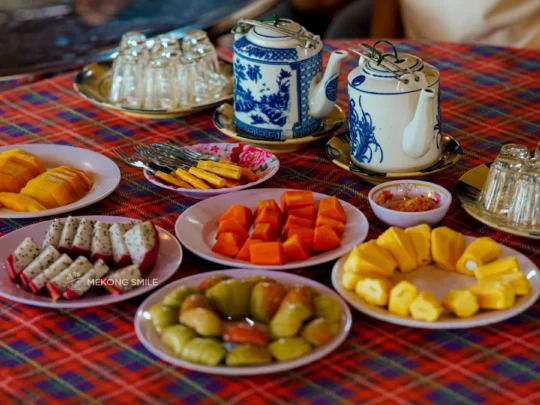
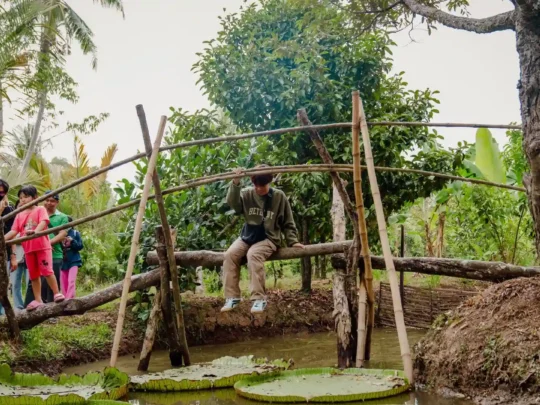
Attractions in Mekong Delta

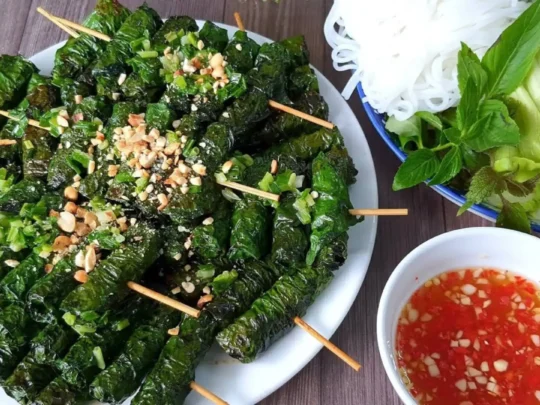
Attractions in Mekong Delta
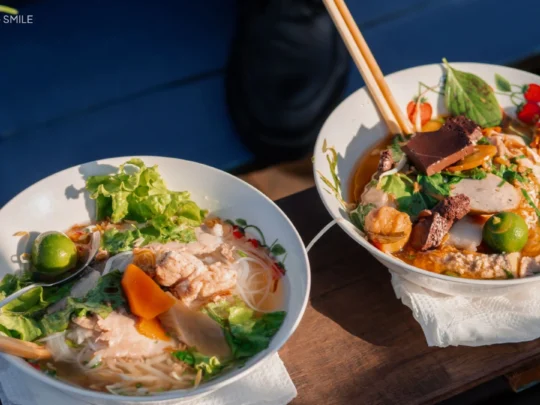
Top 5 best-selling tours at Mekong Smile: Cai Rang Floating Market Tour, Can Tho Rural Tour, Son Islet Tour, Can Tho Motorbike Tour, Can Tho Food Tour
Ready for the Real Mekong? Book Your Authentic Tour Today
Planning Your Mekong Trip?
Get a free, personalized itinerary from our local experts in under 120 minutes.

Get a Free Consultation Leave your contact, we handle the rest.
Frequently Asked Questions about Munir Ansay Pagoda
Is Munir Ansay Pagoda different from a regular Vietnamese temple?
Yes. It follows Khmer Theravada Buddhism (influenced by Cambodia/India), unlike the typical Vietnamese Mahayana style. Instead of dragons and red tiles, you will see golden spires, sharp roof ridges, and mythical Angkor-style carvings.
Is there an entrance fee for Munir Ansay Pagoda?
No, admission is completely free for all visitors. You may leave a voluntary donation in the box inside the main hall if you wish.
Can I meet the monks at the Munir Ansay Pagoda?
Yes, monks live and study here and are often friendly to visitors. However, please be respectful, ask before taking photos, and remember that women should avoid physical contact with monks.
What should I wear when visiting the Munir Ansay Pagoda?
Dress modestly. You must cover your shoulders and knees. Also, remember to remove your shoes before entering the Main Hall or any prayer areas.
Is the Munir Ansay Pagoda open during lunchtime?
The gates are open from 8:00 AM to 6:00 PM, but the Main Hall (Sanctuary) may close briefly for the monks’ rest period between 11:30 AM and 1:30 PM.
Where is the Munir Ansay Pagoda located?
It is at 36 Hoa Binh Avenue, right in the city center. Look for the distinctive golden arched gate directly opposite the Ninh Kieu District People’s Committee.
