
 Can Tho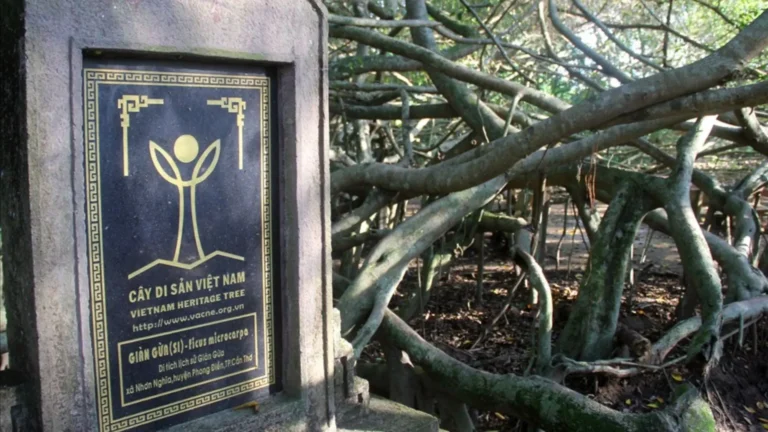

Uncover one of the Mekong Delta’s most mysterious hidden gems at Gian Gua Relic, a unique ecological and historical site in the quiet countryside of Phong Dien, where a “matrix” of roots covers nearly 3,000 square meters. This comprehensive Gian Gua Relic travel guide takes you deep into the “jungle,” revealing the fascinating story of how this tree served as a secret revolutionary hideout and exploring the sacred temple of the “Lady of the Upper Realm”.
From the best times to essential experiences and combining your trip with the nearby, we provide everything you need for an unforgettable eco-adventure.
Lastest update by Hai Yen Nguyen at Mekong Smile | Official Can Tho Travel Guide
An Overview of Gian Gua Relic
A glance of Gian Gua Relic
- Location: Nhon Nghia Commune, Phong Dien District, Can Tho City.
- Site Type: Natural Heritage, Historical Relic, and Spiritual Sanctuary.
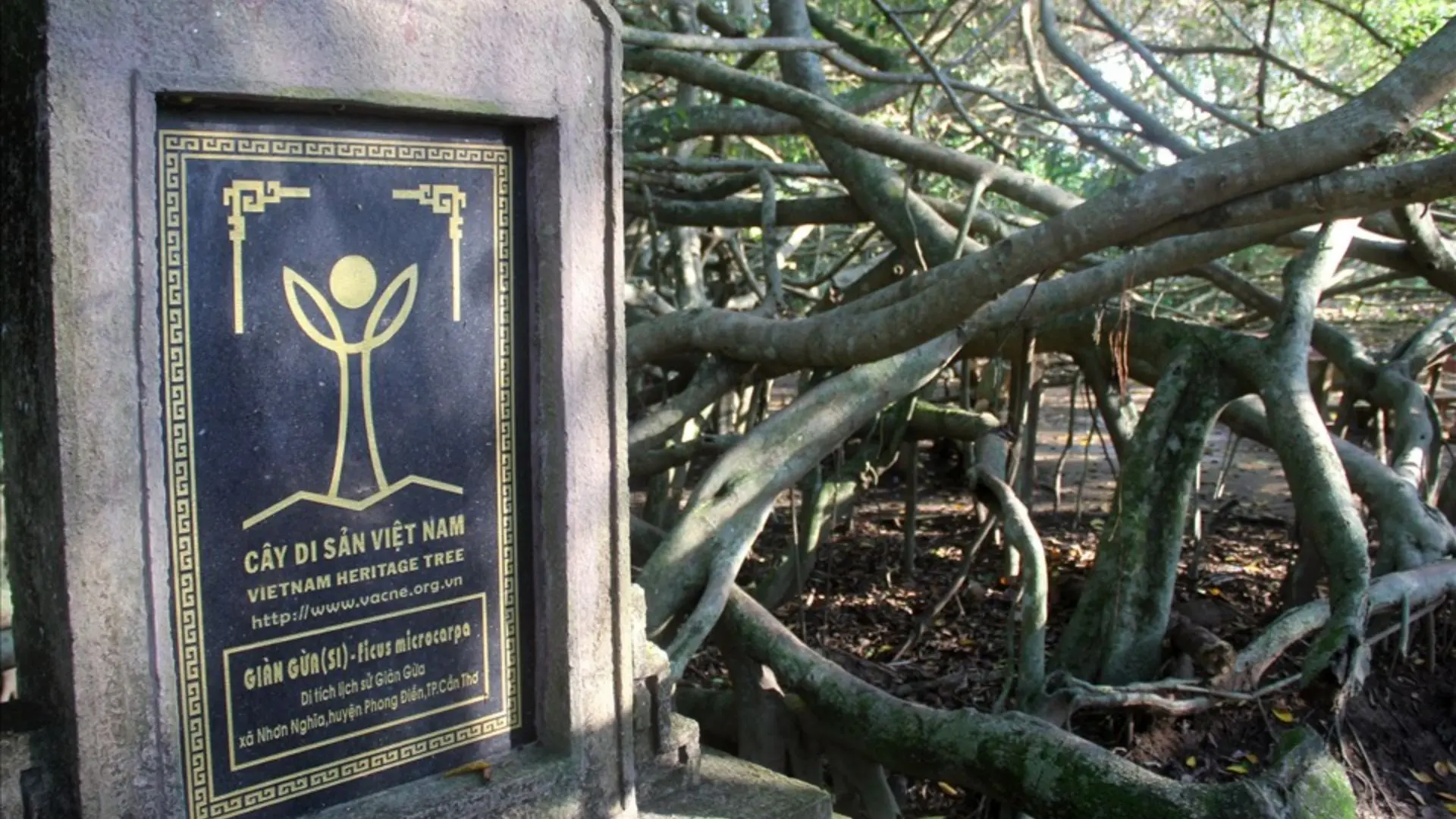
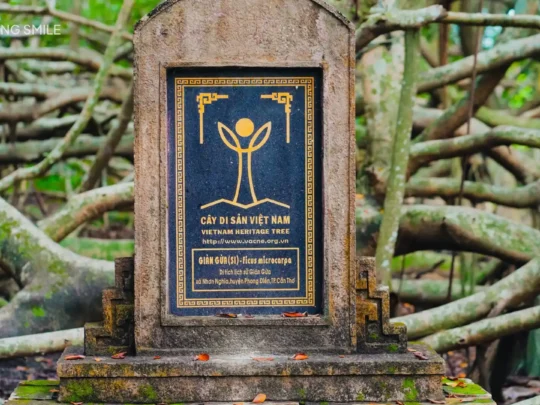
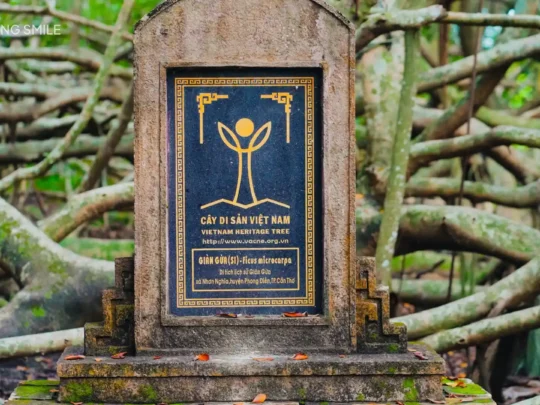
- Significance: A rare 2,700-square-meter canopy of a single ancient Banyan tree, recognized as a Vietnam Heritage Tree and a National Historical Site.
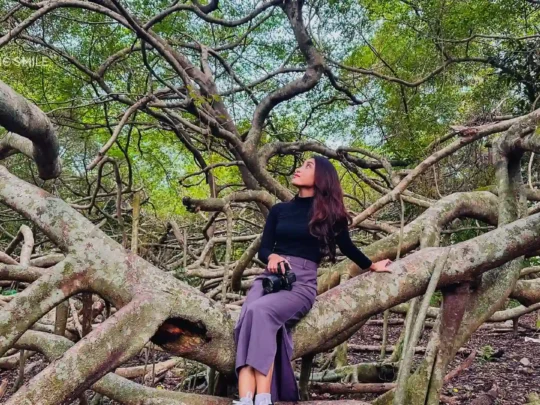
- Atmosphere: Mystical, cool, and evocative, characterized by a massive, tangled web of branches and aerial roots.
- Key Highlights: The expansive 150-year-old Gua tree canopy, the Shrine of Ba Chua Xu (The Lady of the Realm), and the historical revolutionary bunker.
- Opening Hours: 07:00 AM – 06:00 PM (Daily).
- Entrance Fee: Free (Donations welcome).
- Average Visit Duration: 45 minutes – 1 hour.
Understanding Gian Gua Relic: A Legacy of Shelter
The history of Gian Gua is a saga of nature’s “resilience and spirit.” In the mid-19th century, the Nguyen family migrated here and discovered a small Gua tree. Over 150 years, the tree expanded its reach, its branches touching the ground and taking root again to form a giant, singular ecosystem. During the resistance wars against the French and Americans, this impenetrable green labyrinth served as a secret base for local revolutionaries. This legacy represents the “vibrant living heritage” of Can Tho—a place where a tree became a fortress for the people and a sacred home for the gods.
Video about Gian Gua Relic (Eng subtitles)
To see the incredible scale of the branches and feel the cool, shaded atmosphere of the relic, watch our short cinematic tour:
What Makes Gian Gua Relic Special?
Gian Gua Relic is the soul of ecological heritage in Phong Dien. it is not just a park; it is a structural masterpiece of nature that has adapted perfectly to the riverine environment of the Mekong.
Today, it stands as a symbol of regional identity. Visitors can observe how the Gua tree (Ficus microcarpa) has created a sprawling roof that lowers the temperature by several degrees, providing “mindful stillness” even in the midday heat. Observing the interaction between the sacred shrine and the ancient vines highlights the deep connection between the “spirit of the land” and the rhythmic development of local folk beliefs.
“With over 9 years in Mekong Travel, our experts will decode for you the ‘Aerial Root’ strategy and turns your visit into a deep ‘transformative journey’ into the survival wisdom of the Mekong’s oldest residents.” – Mr. Jimmy, Senior Expert at Mekong Smile.
Planning Your Visit to Gian Gua Relic
Location & Address
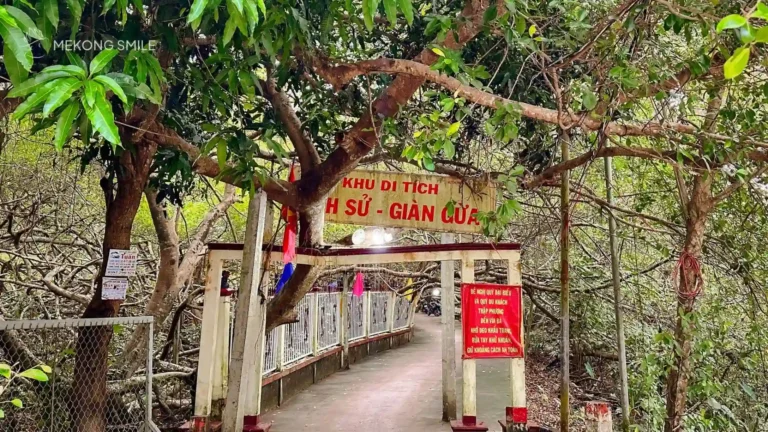
Gian Gua Relic is located in a quiet rural area of Phong Dien District, far removed from the city noise.
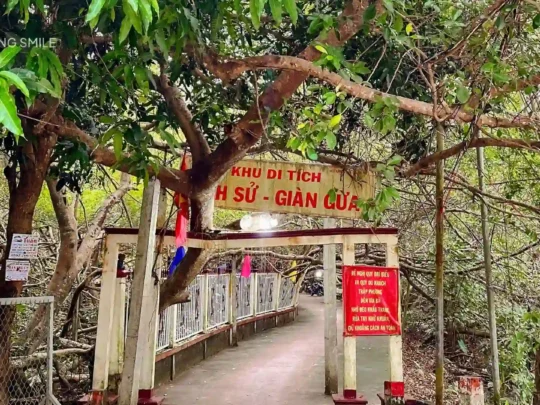
- Address: Nhon Khanh Hamlet, Nhon Nghia Commune, Phong Dien District, Can Tho City.
- Distance: It is approximately 14 km from Can Tho city center (Ninh Kieu Wharf).
How to Get There
- By Motorbike/Car: Take the scenic Vong Cung Route (Route 923). This 30-minute drive from Ninh Kieu Wharf winds through lush orchards, offering a peaceful glimpse into the “rhythmic life” of Phong Dien.
- By Boat: Travel through narrow canals from Phong Dien for a traditional and serene riverine arrival.
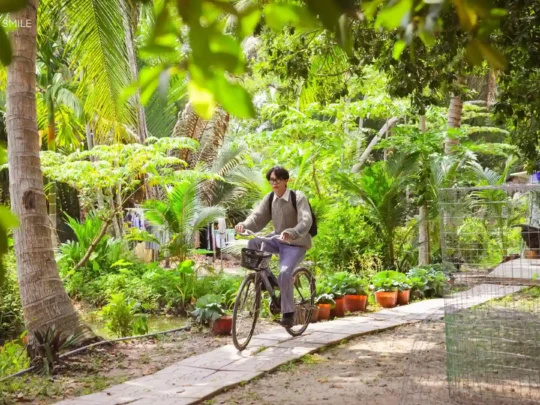
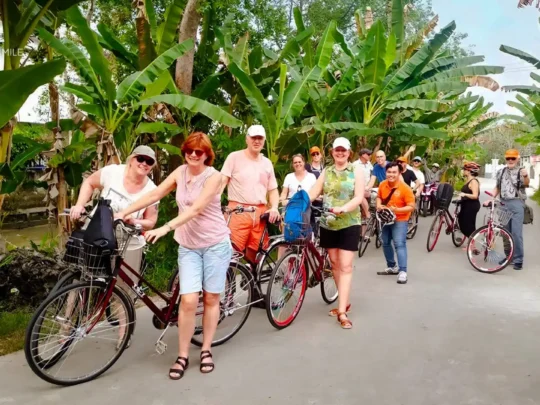
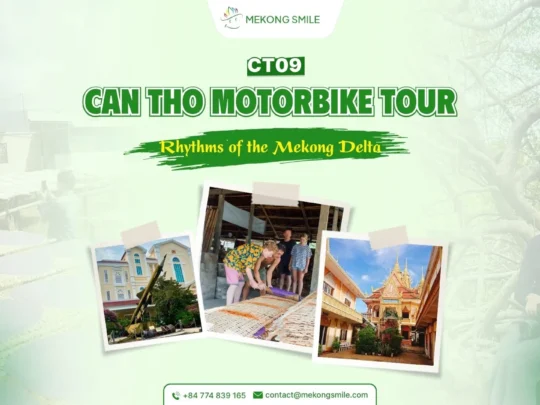
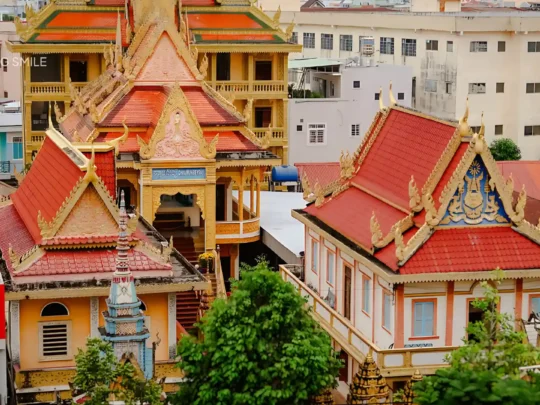
- The Mekong Smile Way: We include Gian Gua in our Can Tho Motorbike Tour and Can Tho Bike Tour. These tours use local paths, connecting the relic with Truc Lam Zen Monastery and artisan Cacao Gardens.
Best Time to Visit
- Operating Hours: 07:00 AM – 06:00 PM (Daily).
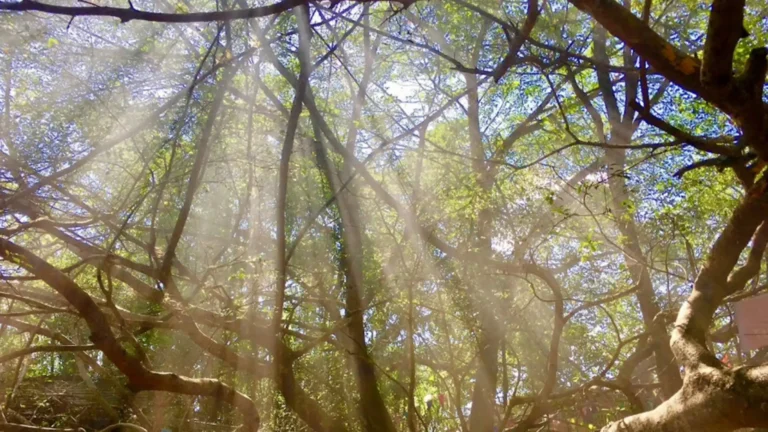
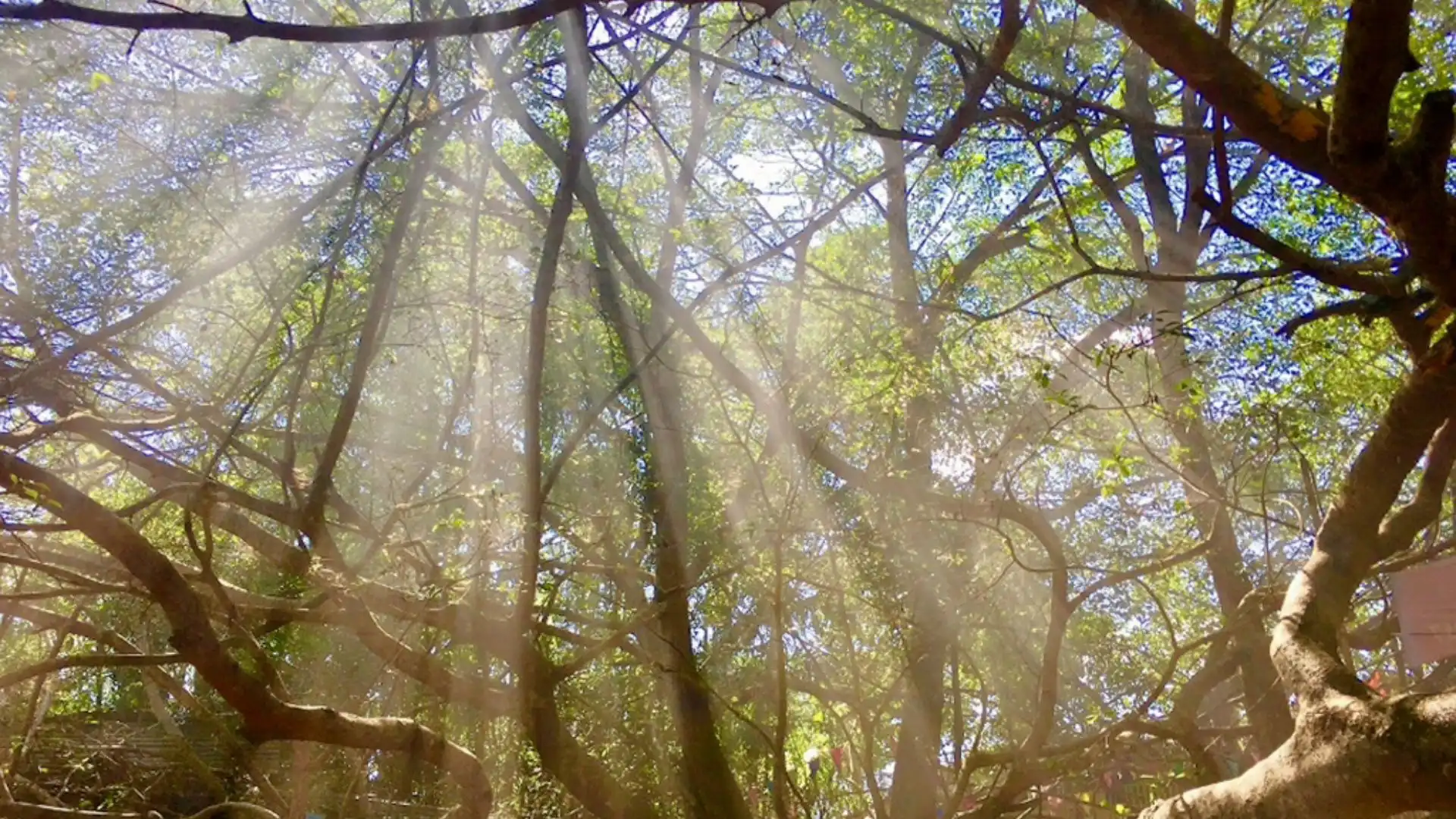
- The Morning Calm: 08:00 – 10:00 AM is ideal for seeing the sunlight filter through the dense canopy, creating a “stork symphony” of light and shadow.
- The Festival Season: The 28th day of the 2nd Lunar month is the major festival of Ba Chua Xu, when the relic becomes a vibrant hub of traditional music and rituals.
Must-Try Experiences at Gian Gua Relic
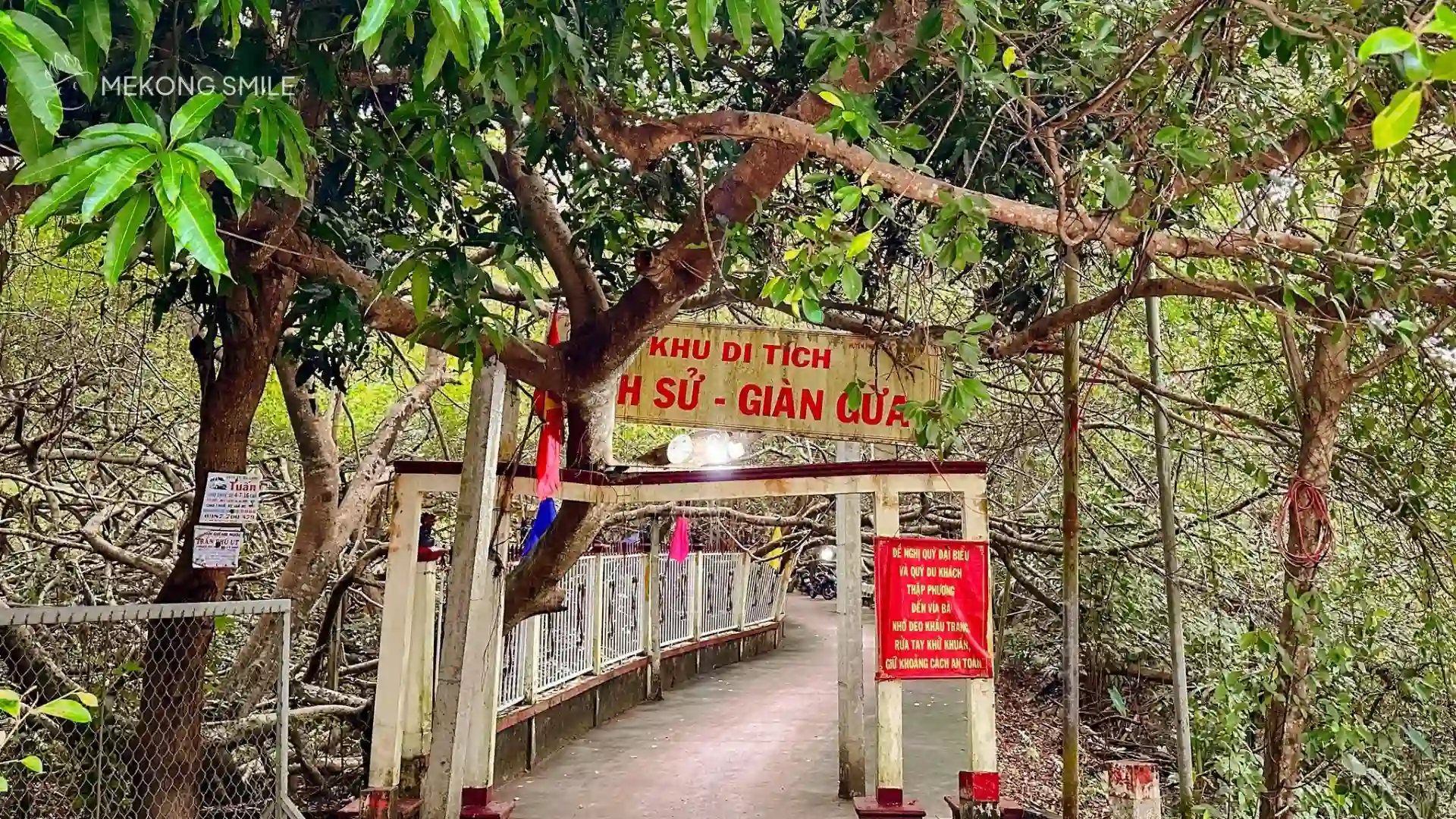
The Ancient Canopy Walk
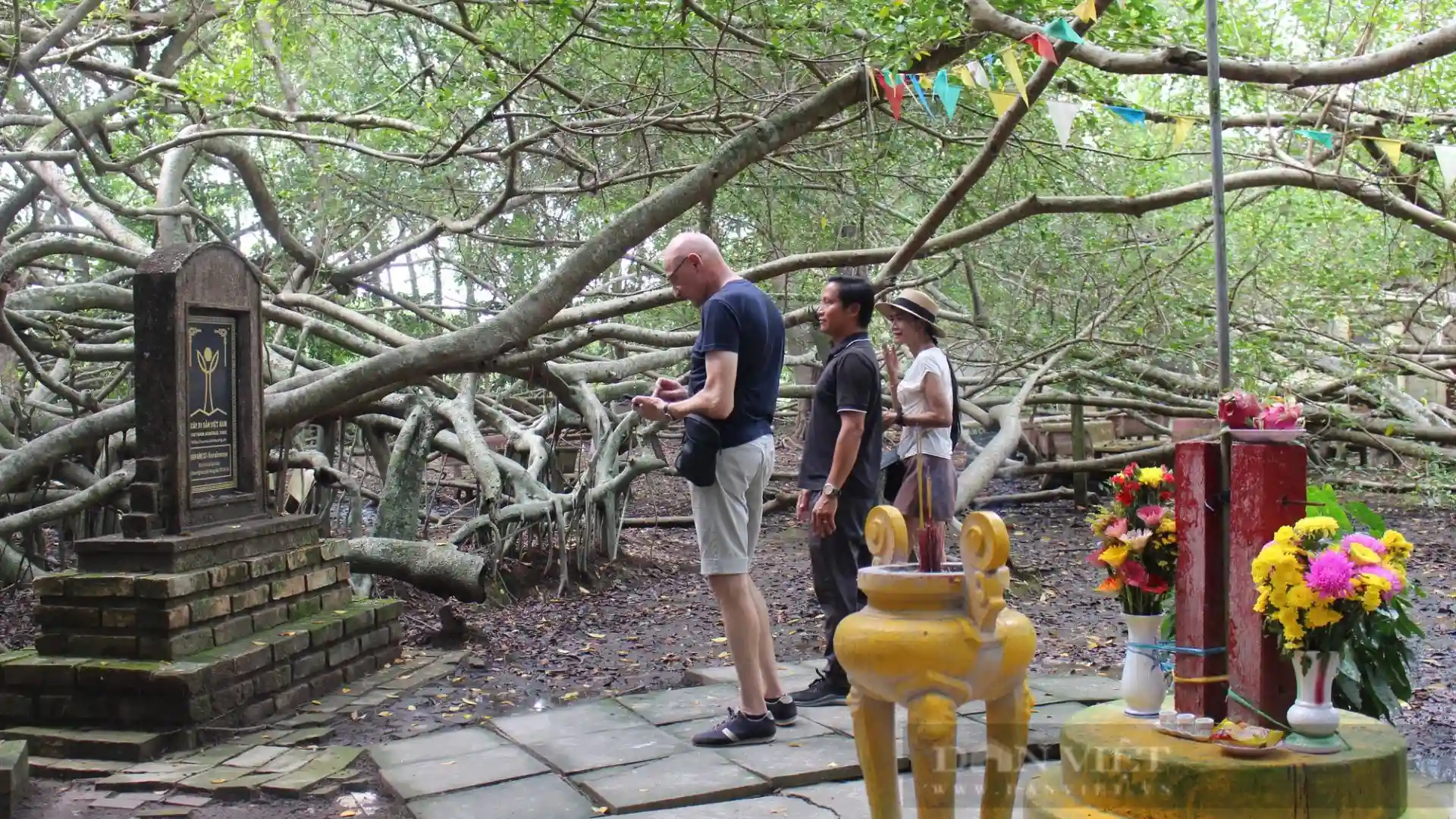
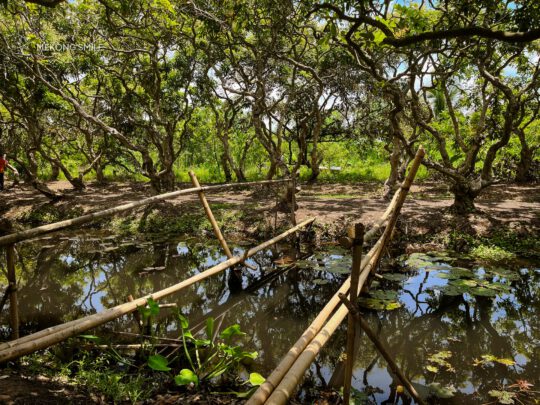
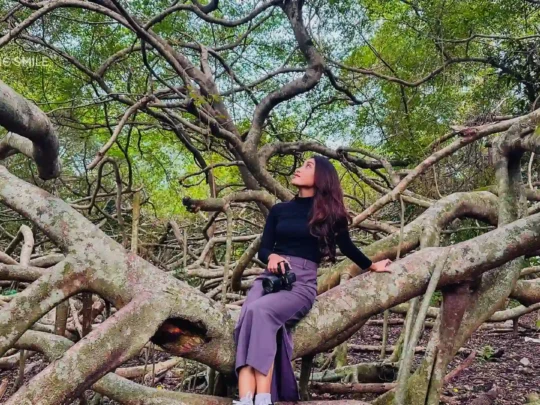
Walk beneath the sprawling roof of branches. The sheer scale of the 2,700sqm canopy creates a sense of awe, making you feel small amidst the “rhythmic life” of nature. The tangled branches overhead form a natural cathedral that has stood for over 150 years.
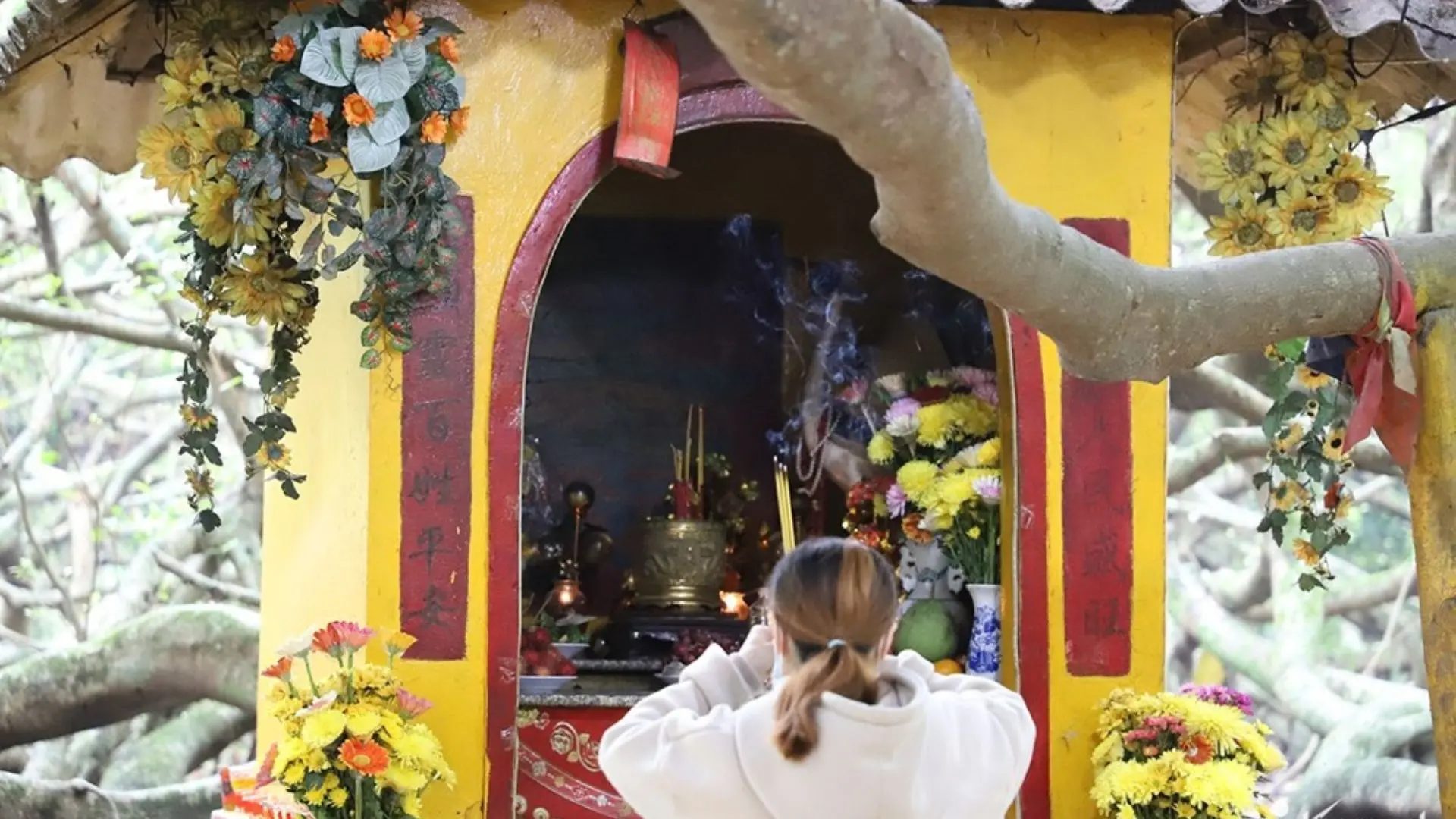
The Shrine of Ba Chua Xu
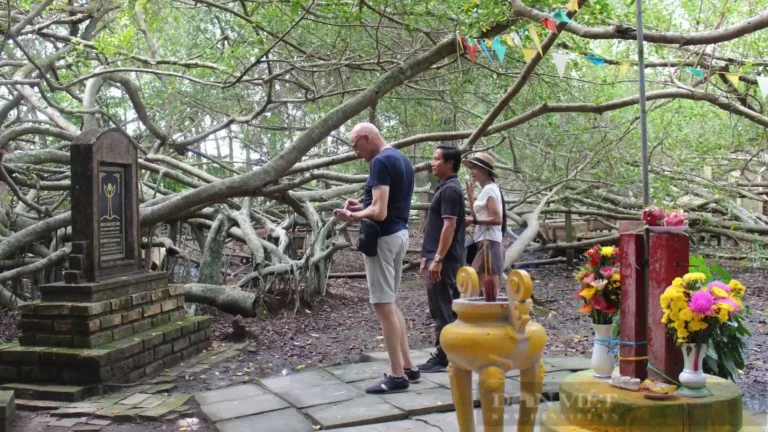
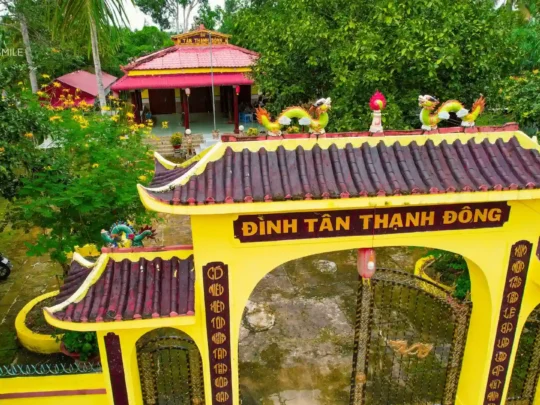
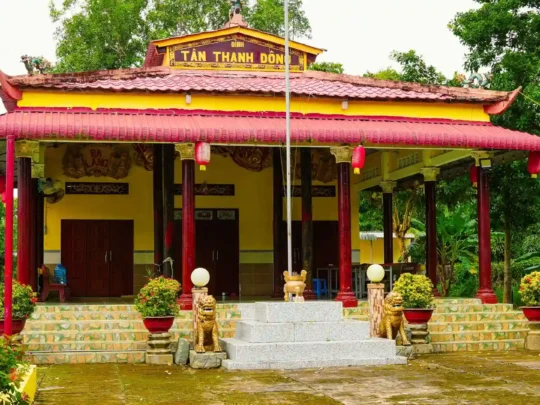
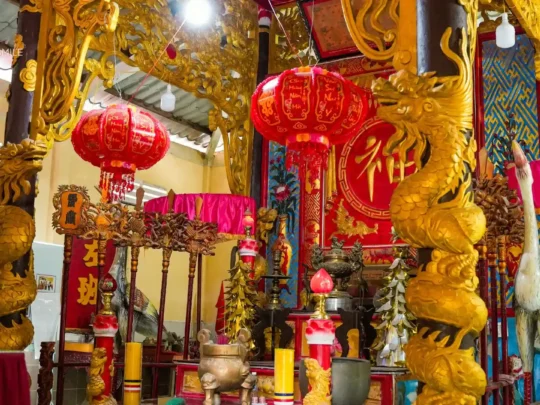
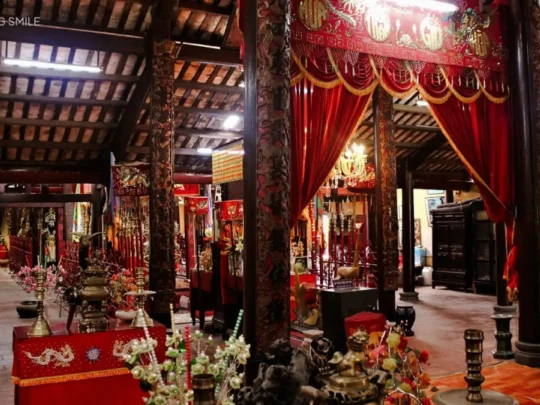
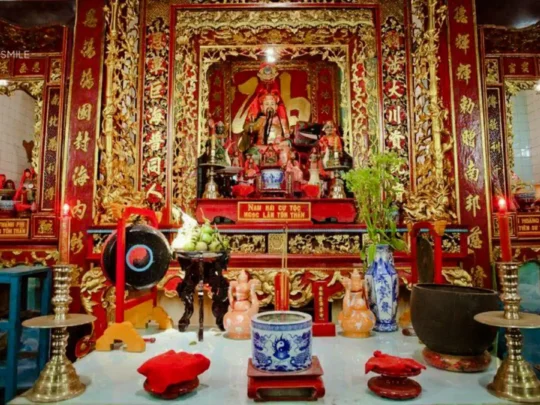
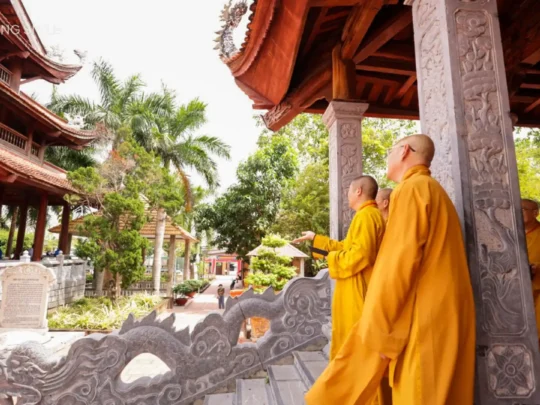
Pay your respects at the colorful shrine dedicated to the Lady of the Realm. Here, you can observe the “vibrant living heritage” of Southern folk religion, where locals come to pray for protection and good harvests, continuing the traditions of their ancestors.
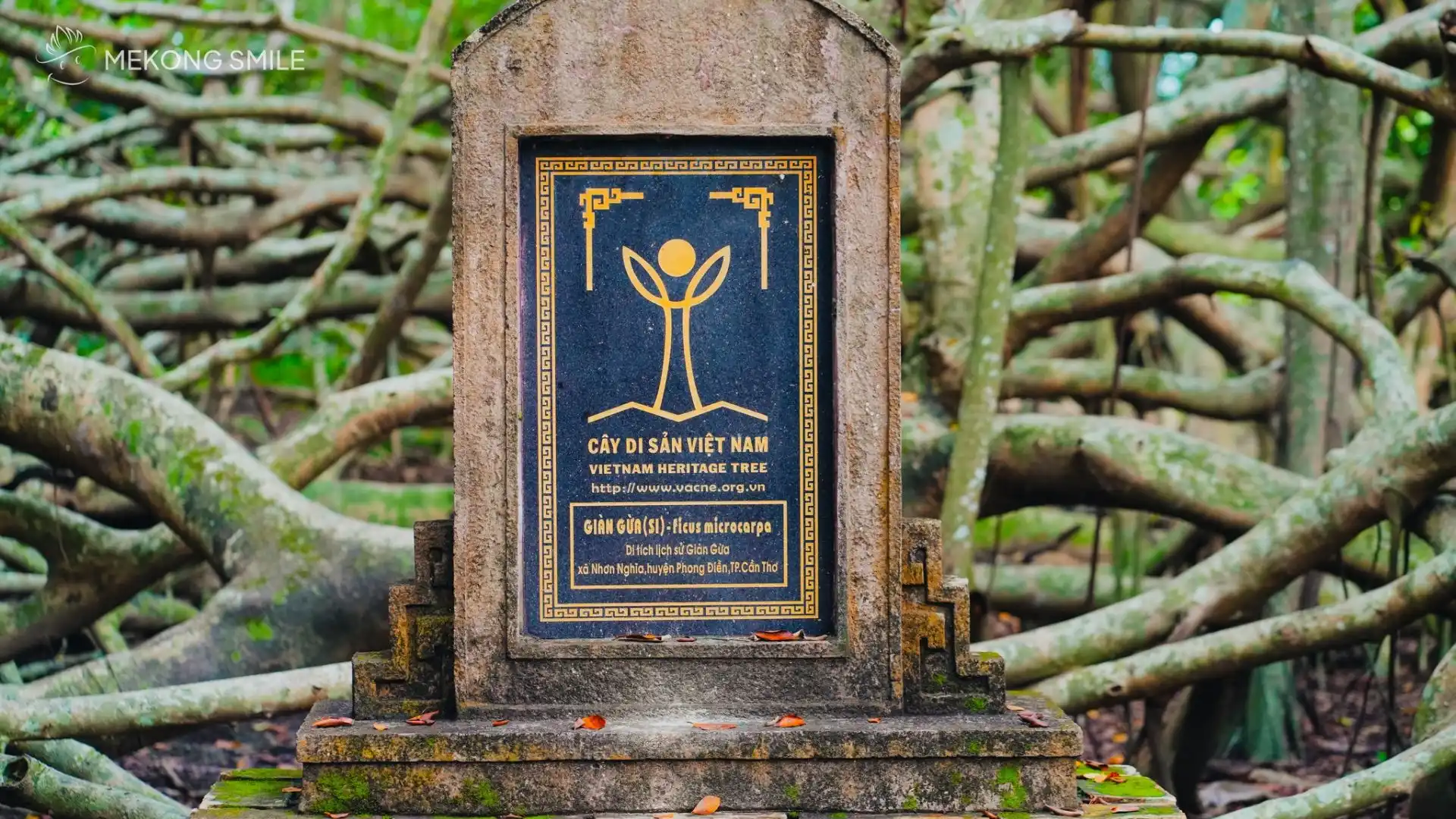
Exploring the Revolutionary Base
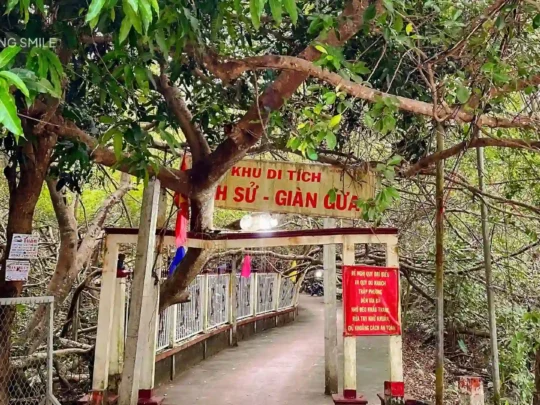
Look for the historical markers that identify where secret meetings and troop deployments were held during the wars. The dense branches provided a perfect camouflage, embodying the “resilient spirit” of the Mekong people in their struggle for independence.
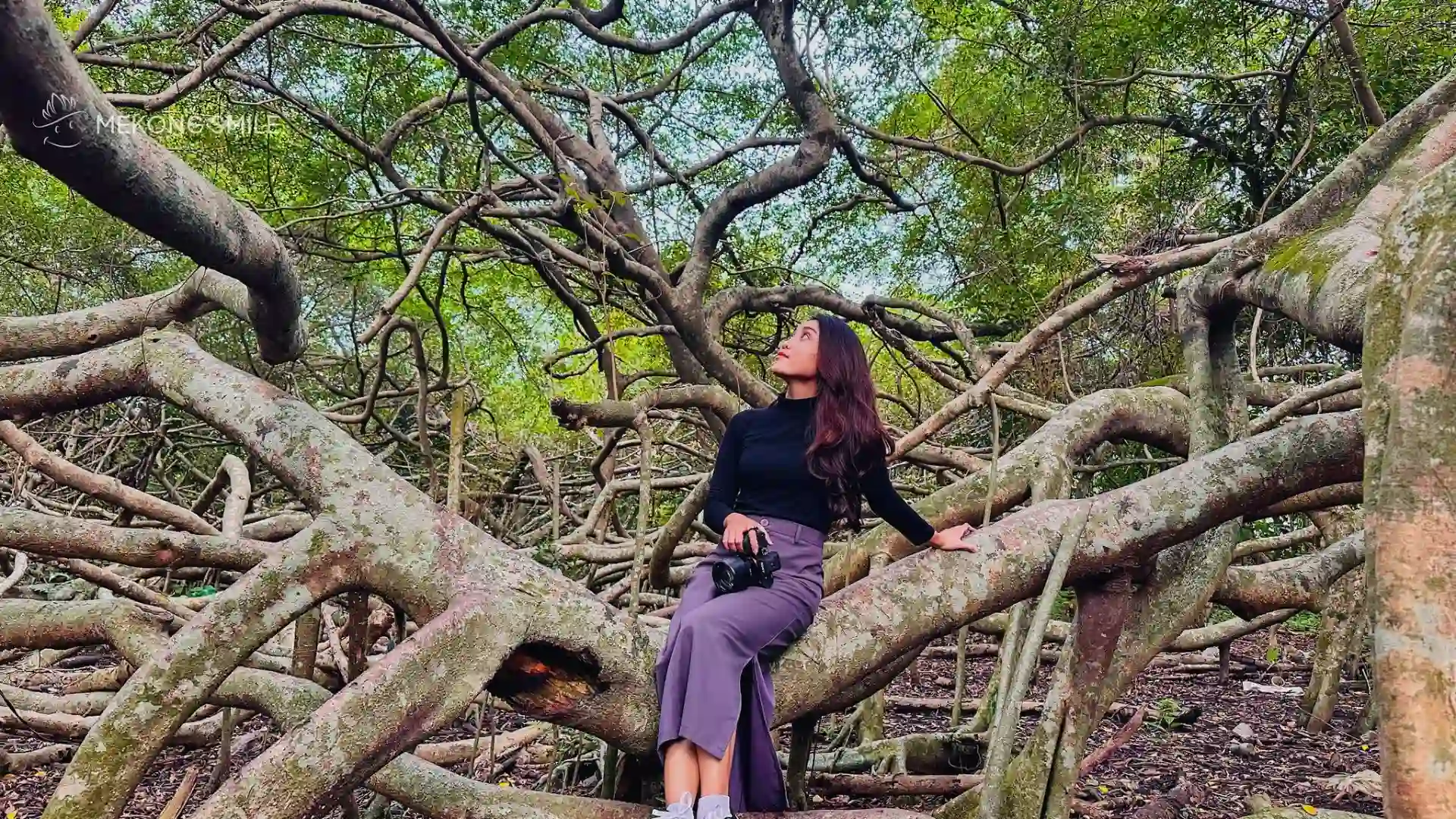
Photography & Mindful Observation
For photography enthusiasts, the geometric patterns of the Gua roots are a dream. For those seeking peace, find a quiet spot under the shade to practice “Mindful Stillness,” listening to the rustle of the leaves and the distant sound of canal water.
Combining Gian Gua Relic with Nearby Attractions
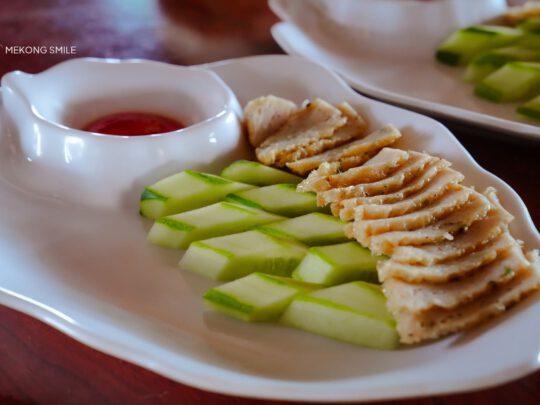
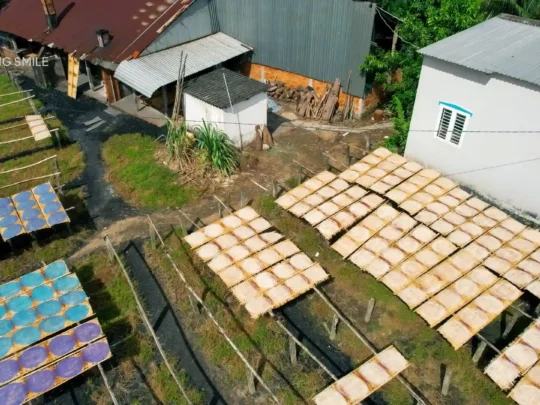
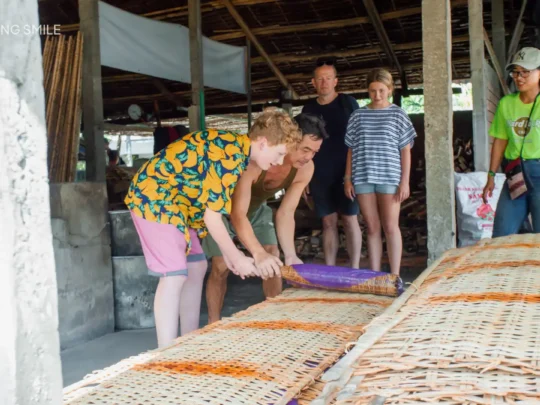
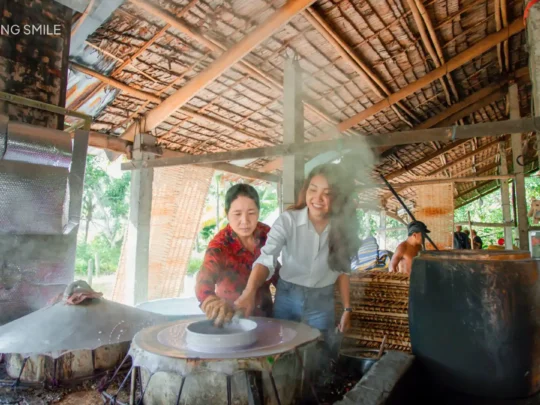
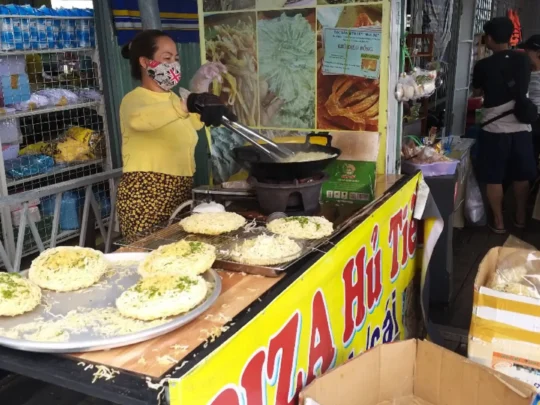
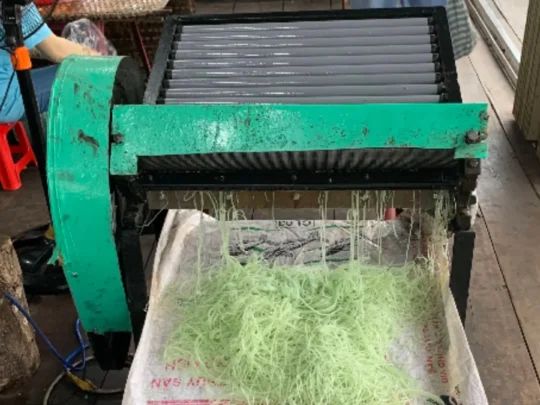
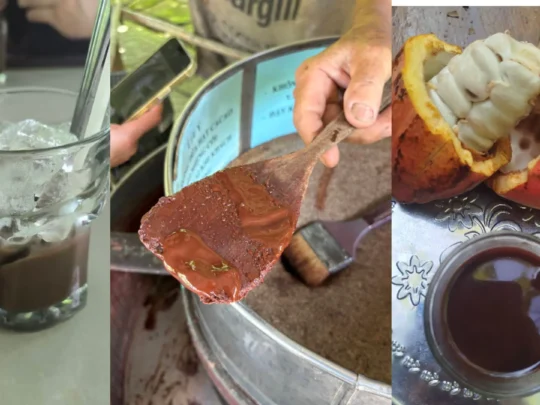
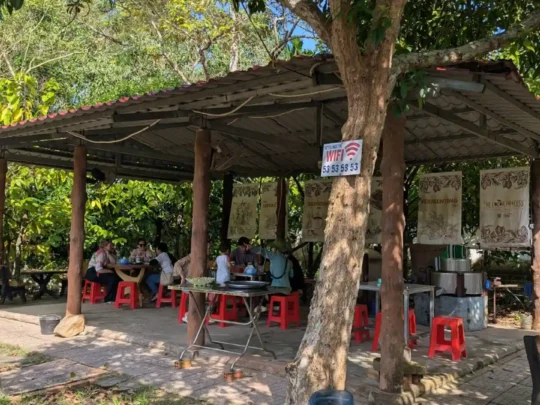
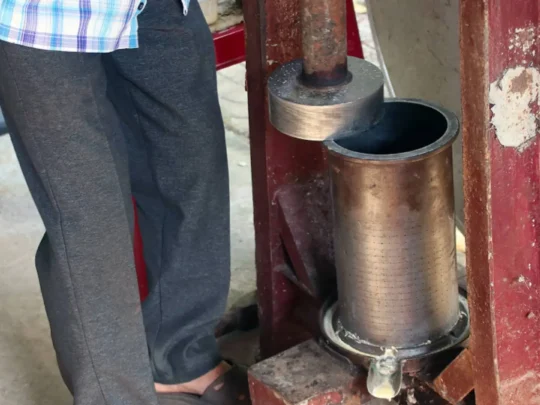
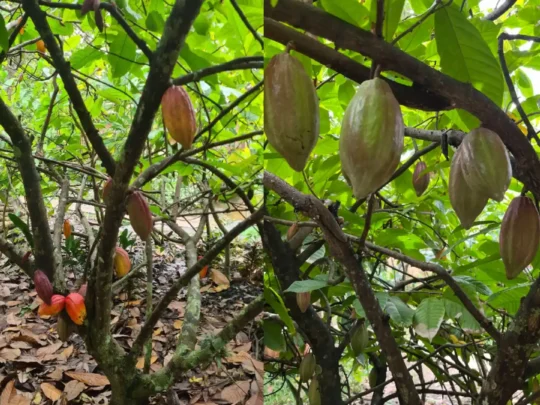
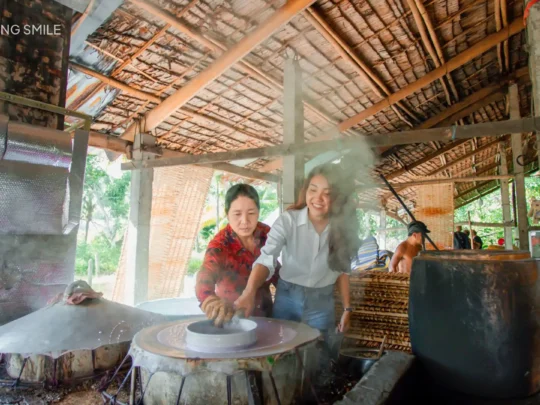
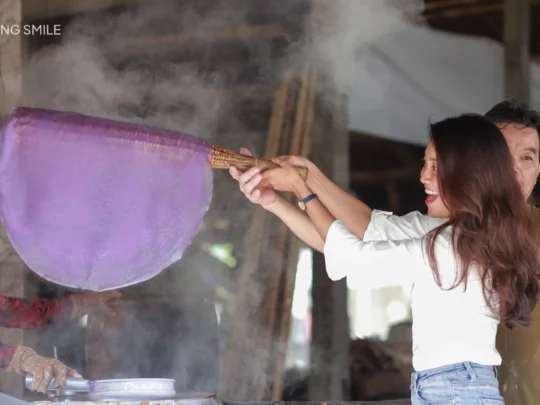
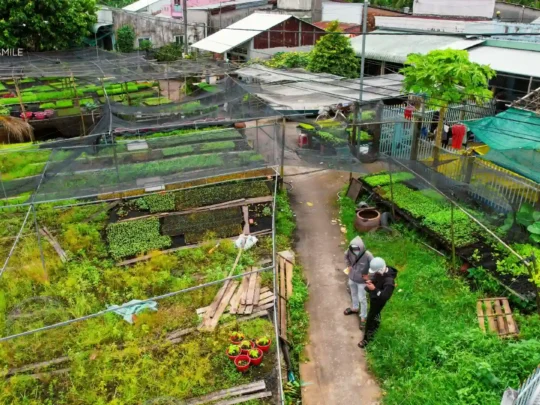
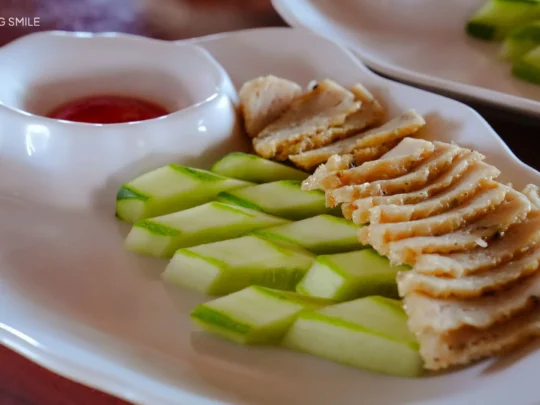
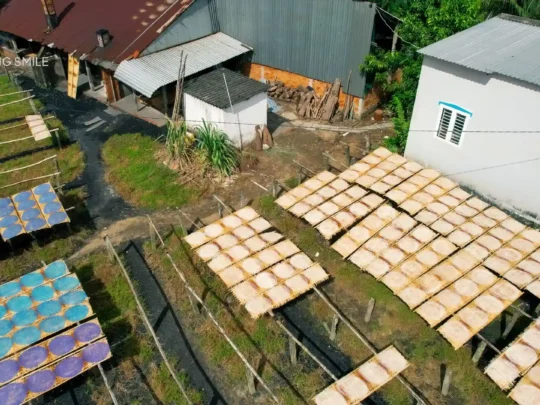
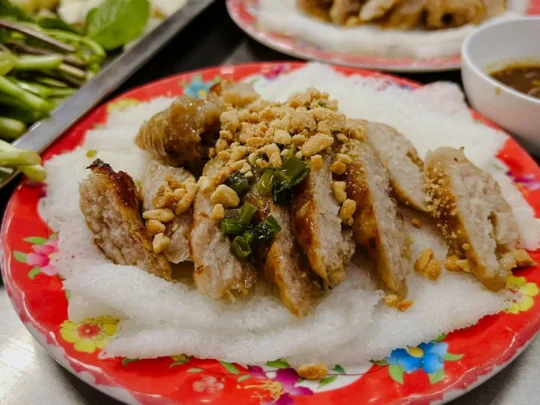
Gian Gua is a gateway to the deeper traditions of Phong Dien. After your visit, head to the Truc Lam Phuong Nam Zen Monastery or visit the Lu Gia Xeo Nhum Ecological Garden for rustic ditch-fishing. For a culinary twist, explore the Muoi Cuong Cacao Garden to see artisan chocolate making or the Sau Hoai Rice Noodle Factory to taste the famous “noodle pizza.”
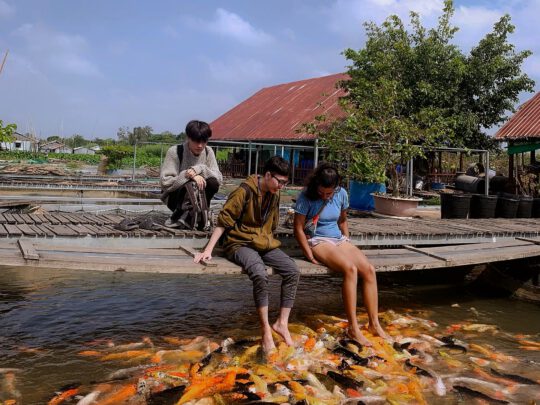
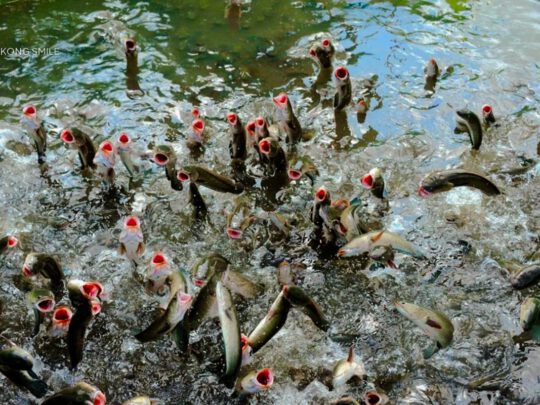
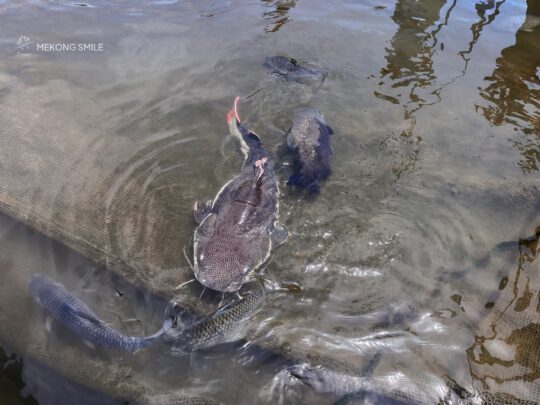
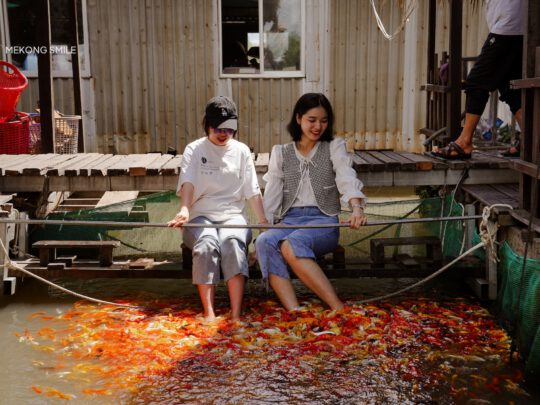
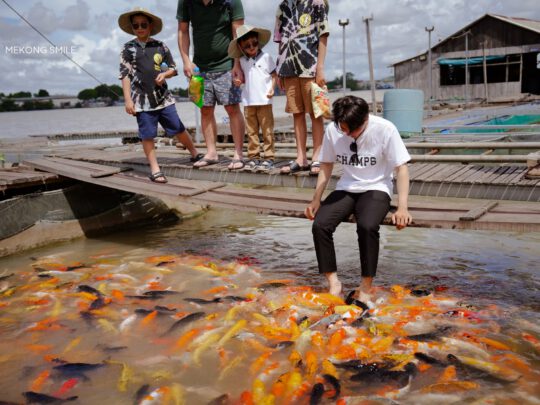
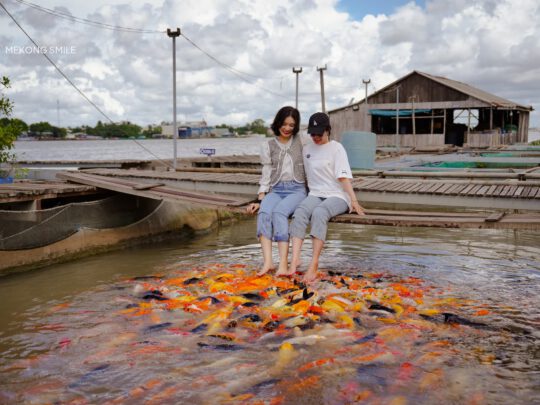
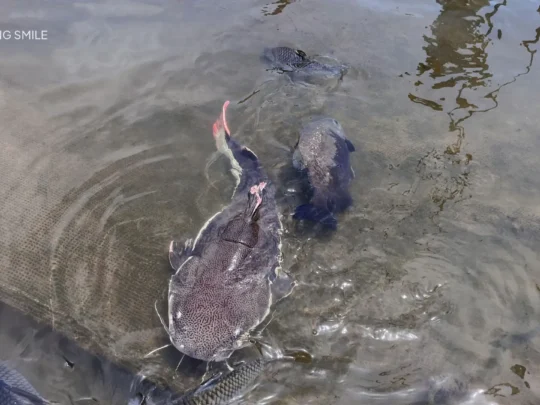
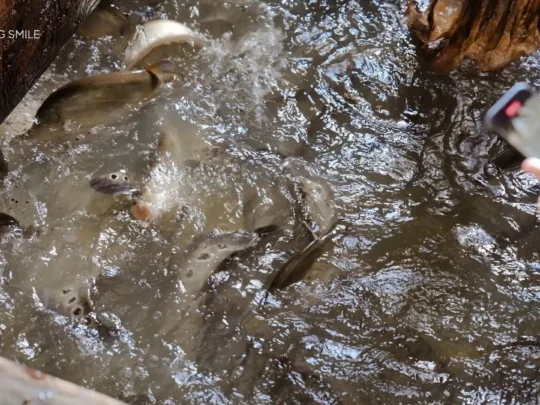
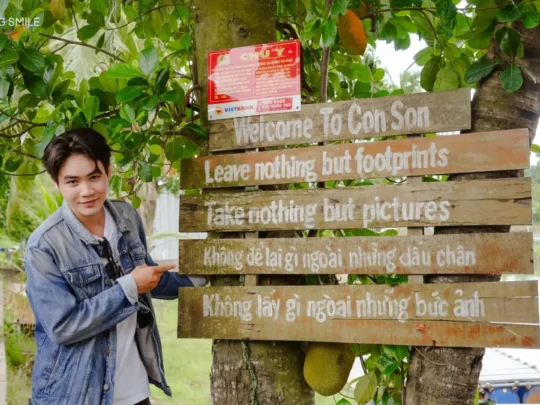
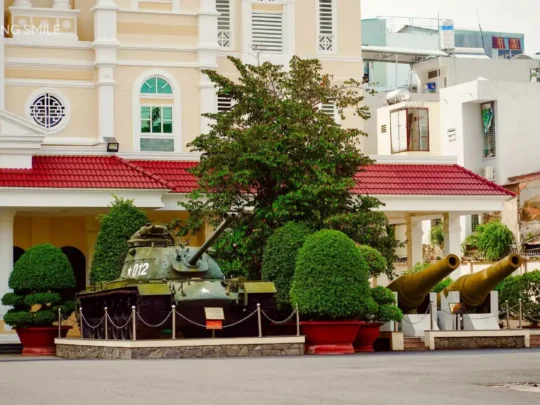
To fully capture the Mekong soul, head to the mainland for the architectural masterpiece of the Binh Thuy Ancient House, the majestic Hung King Temple, or witness the “flying fish” at Son Islet (Con Son) and the Can Tho Floating Fish Farm. For urban cultural immersion, wander through Ninh Kieu Wharf and visit the Can Tho Museum, the Can Tho Prison, or the mystical Can Tho Tarot Museum.
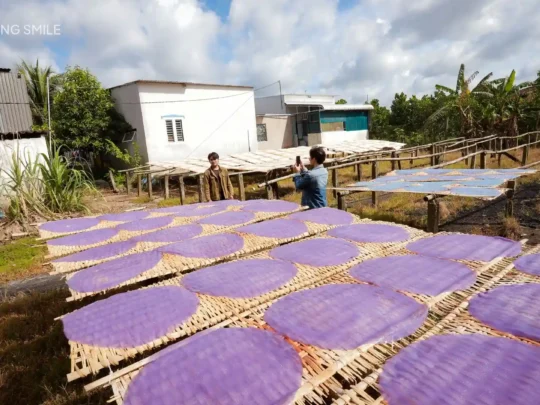
Nature lovers should not miss the sunset symphony at Bang Lang Stork Garden or the artisanal legacy of the Thuan Hung Rice Paper Village. This combination ensures a journey that honors the Delta’s resilient, spiritual, and ecological soul.
Visitors interested in more countryside activities can also explore Lung Cot Cau Ecotourism Area, which is known for its fruit gardens, traditional folk games, and Southern Vietnamese food.
Our Signature Authentic Can Tho Tour
Experience the fusion of spirituality and nature through our curated journeys:



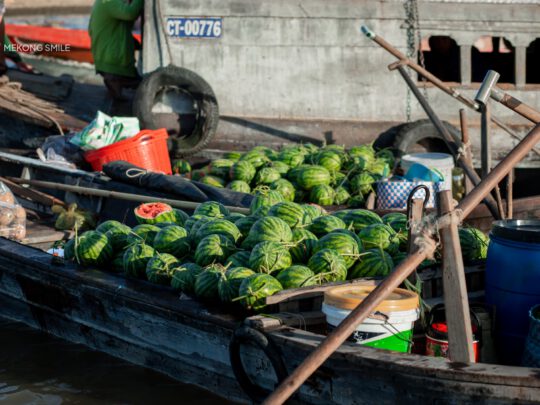


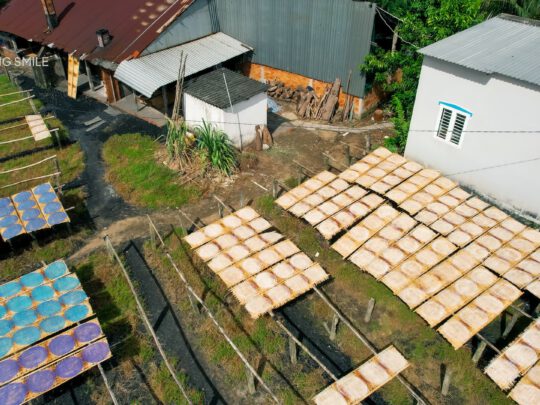
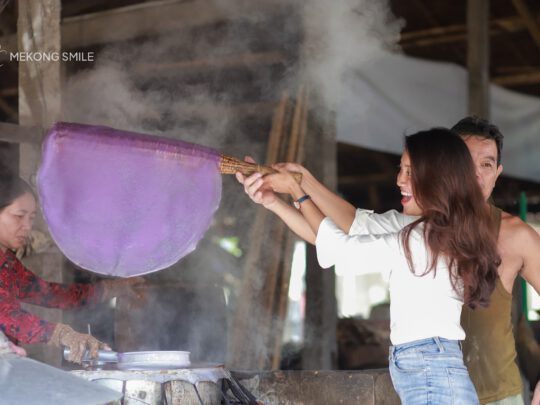
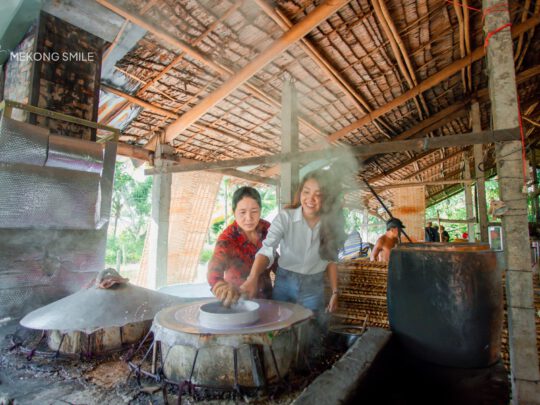
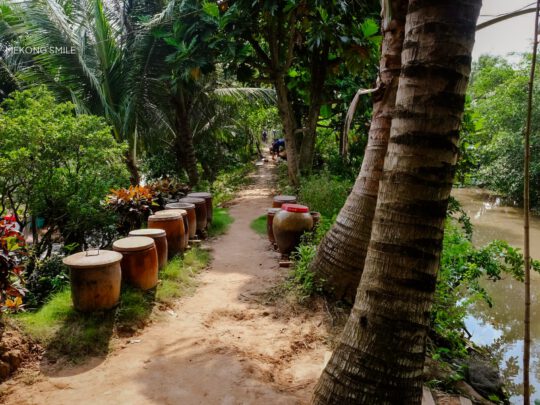
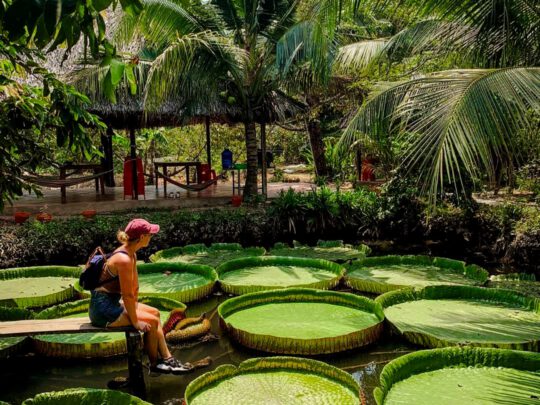
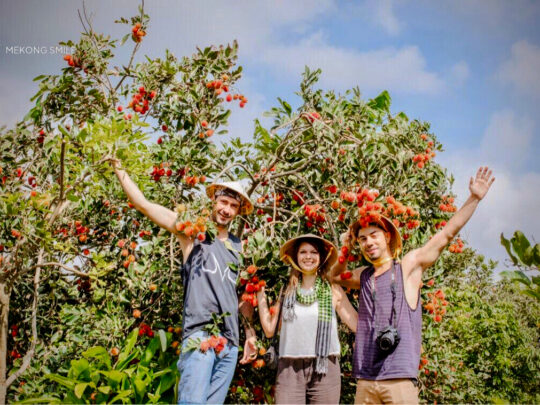
Attractions in Mekong Delta




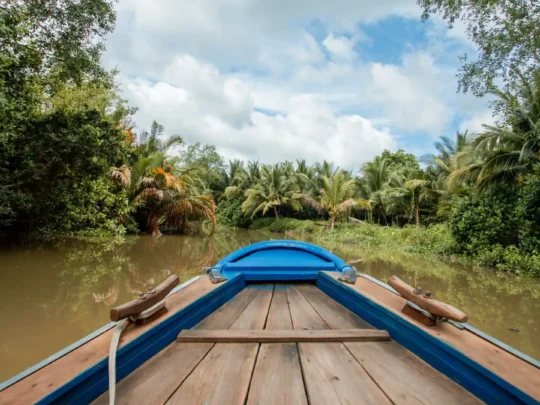




Attractions in Mekong Delta

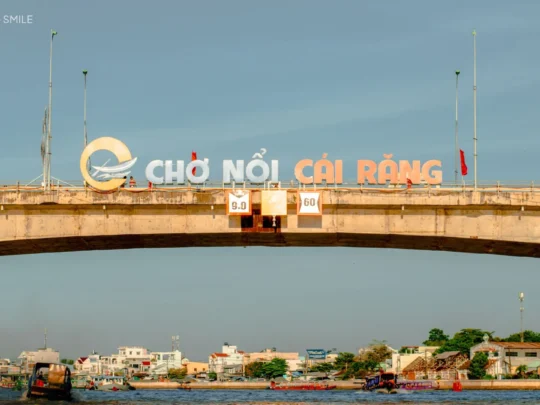

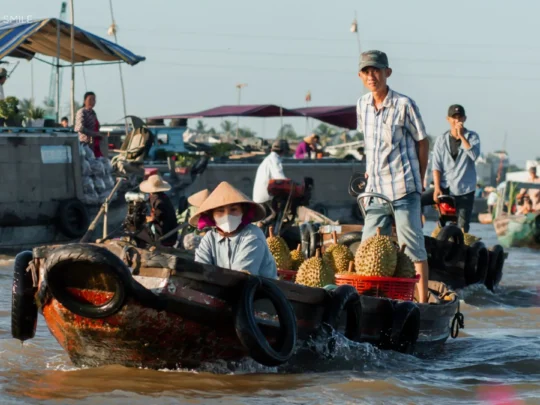


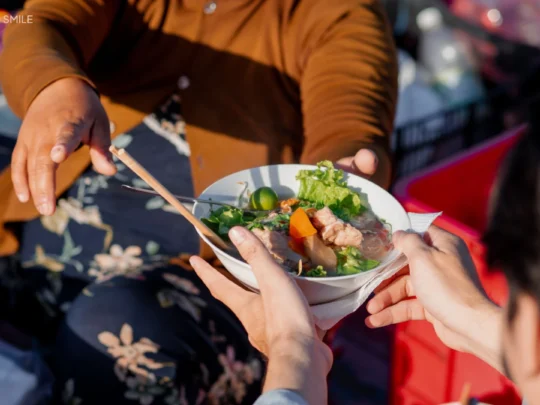
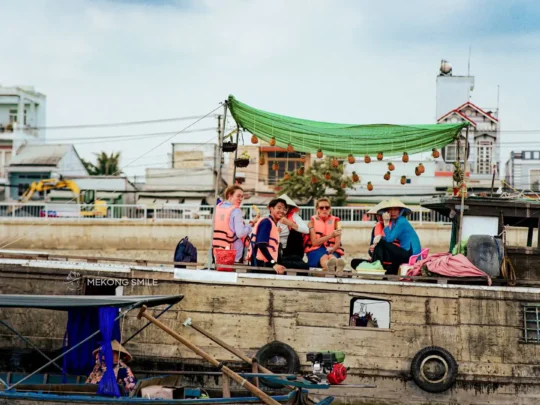



Attractions in Mekong Delta





Attractions in Mekong Delta
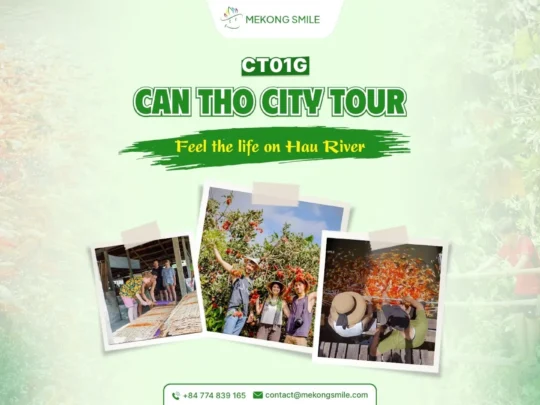
Can Tho Floating Market & Fruit Garden Tour: Mekong Tropical Sense




Attractions in Mekong Delta
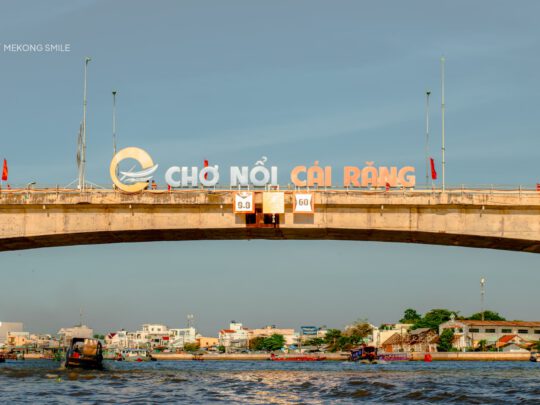
Cai Rang Floating Market Tour: Cacao Farm, Fruit Garden & Canals

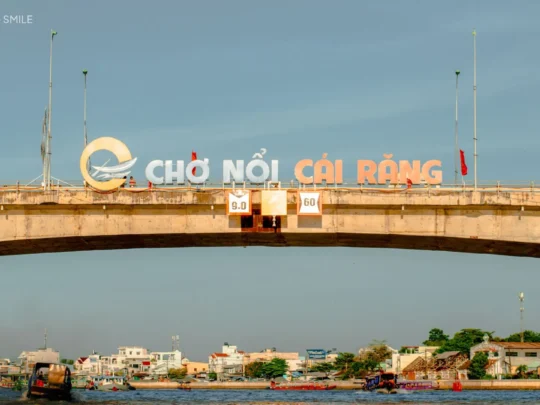

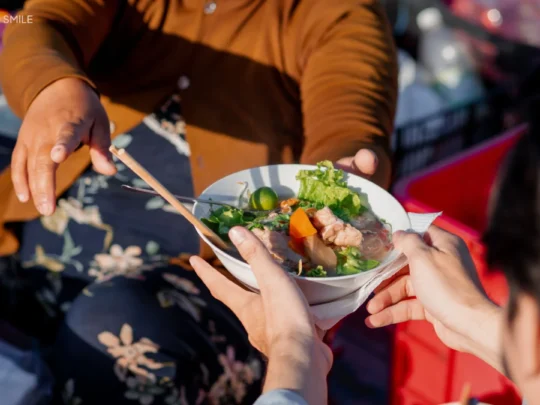

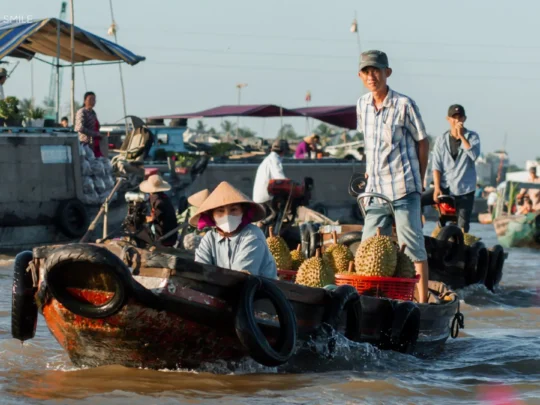
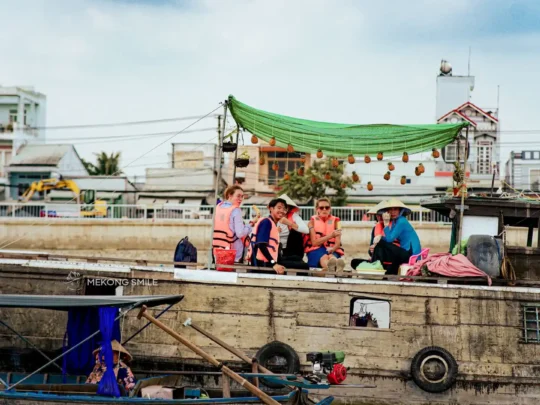
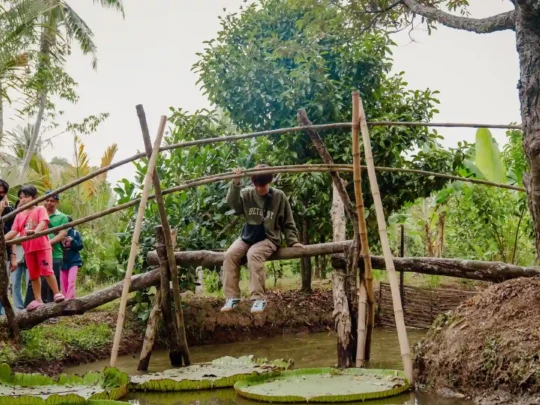
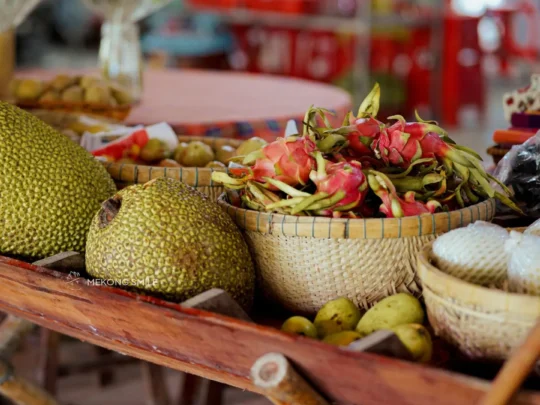
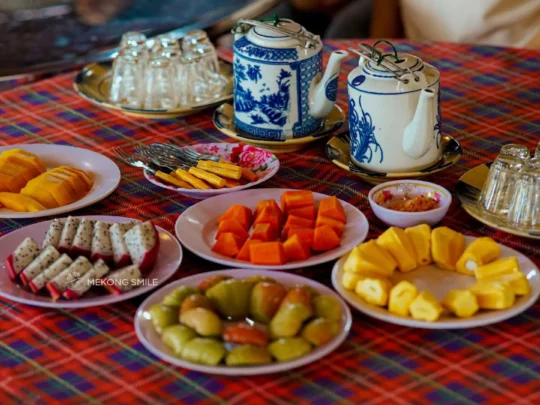






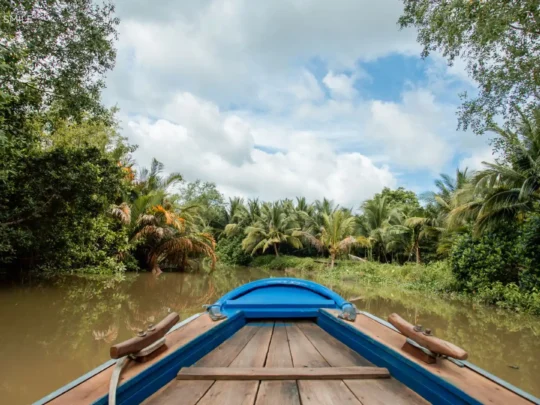
Attractions in Mekong Delta
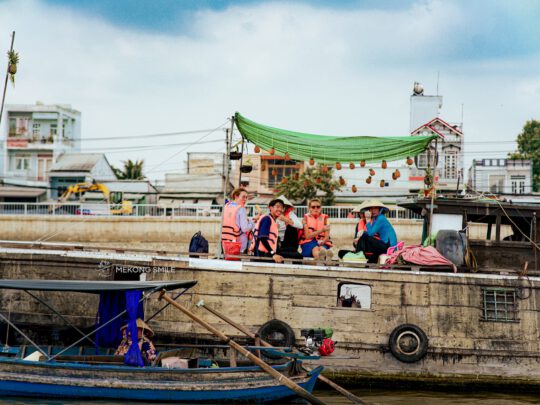
Can Tho Rural Tour: Cai Rang Floating Market and Rural Cycling





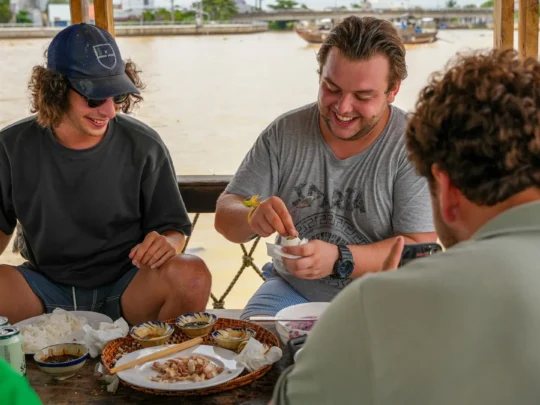
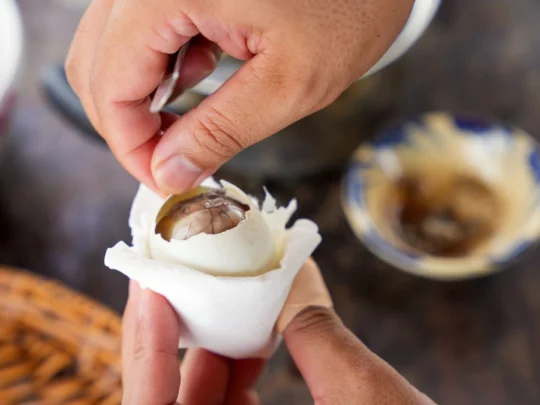
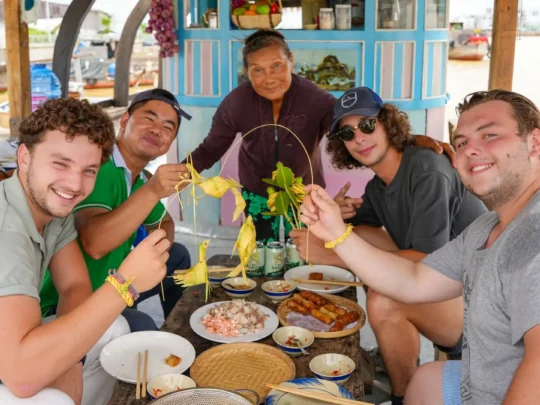
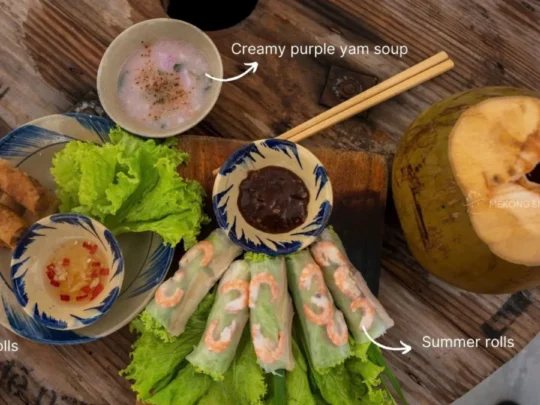
Attractions in Mekong Delta





Attractions in Mekong Delta















Attractions in Mekong Delta

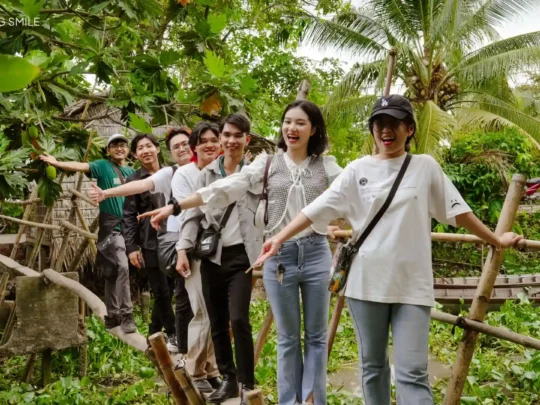
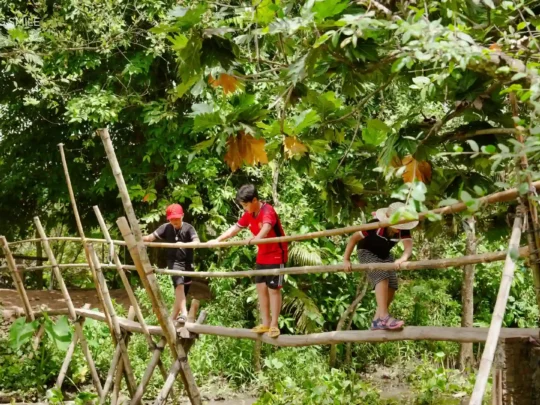
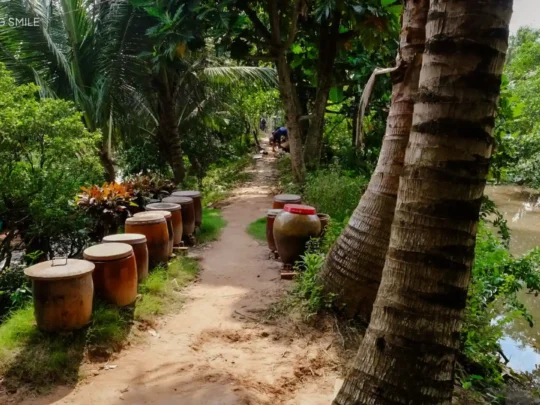
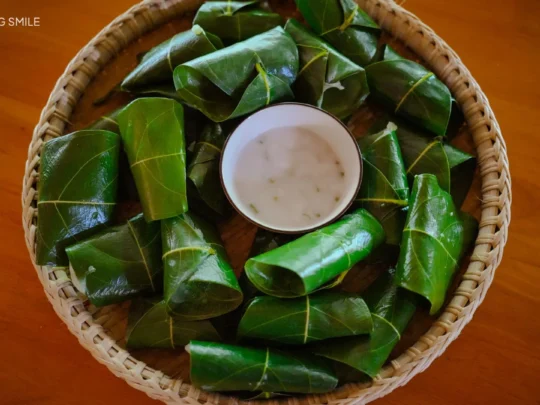

Attractions in Mekong Delta


Attractions in Mekong Delta
Attractions in Mekong Delta
The top 2 tours include a visit to the Gian Gua Relic: Can Tho Bike Tour, Can Tho Motorbike Tour,
Get an Advisor and Book Your Authentic Mekong Delta Tour
Planning Your Mekong Trip?
Get a free, personalized itinerary from our local experts in under 120 minutes.

Get a Free Consultation Leave your contact, we handle the rest.
Frequently Asked Questions about Gian Gua Relic
Is there an entrance fee for Gian Gua Relic?
No, admission to Gian Gua Relic is completely free for all visitors. The site is open to the public as both a historical monument and a place of worship. There is a small donation box at the temple if you wish to contribute to the upkeep of the site, but it is not mandatory.
How old is the giant Gian Gua Relic tree?
The exact age is difficult to determine due to the complex root system, but researchers and locals estimate the tree to be over 150 years old. It is officially recognized as a “Heritage Tree” of Vietnam due to its massive size, unique regeneration, and historical significance.
Is it difficult to get Gian Gua Relic?
Not anymore. In the past, it was only accessible by boat or rough trails. Today, there is a paved road leading almost all the way to the entrance, accessible by motorbikes and cars (4-7 seats). It is about a 30-40 minute drive from Can Tho city center.
Can I climb the tree roots in Gian Gua Relic for photos?
No, climbing on the roots is strictly prohibited. The site is considered a sacred place of worship, and climbing the tree is seen as disrespectful to the spirits. Additionally, stepping on the roots can damage the ancient bark and affect the tree’s health. Please stay on the designated paved walkways.
What is the best time to visit Gian Gua Relic?
The site is open all day, but the best time to visit is in the morning (8:00 AM – 10:00 AM). At this time, the sunlight filters through the dense canopy creating beautiful light rays (sunbeams) perfect for photography, and the temperature is cooler.
Is there food available at the Gian Gua Relic?
There are no restaurants or food stalls inside the relic site itself, only a few small vendors selling drinks and incense outside the gate. It is recommended to combine your visit with a nearby fruit garden (like Vam Xang) or an eco-resort for lunch.

