
 Can Tho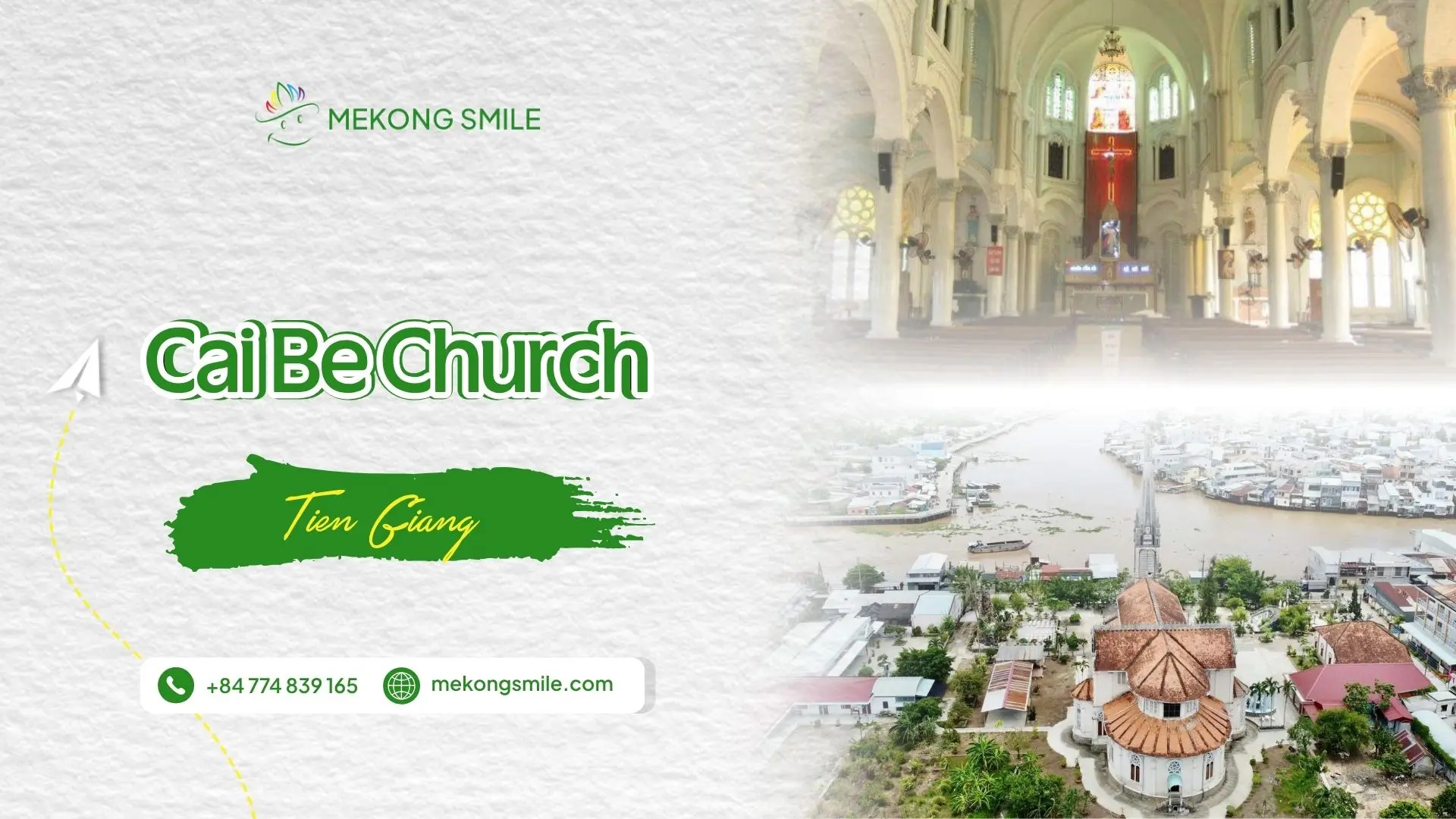
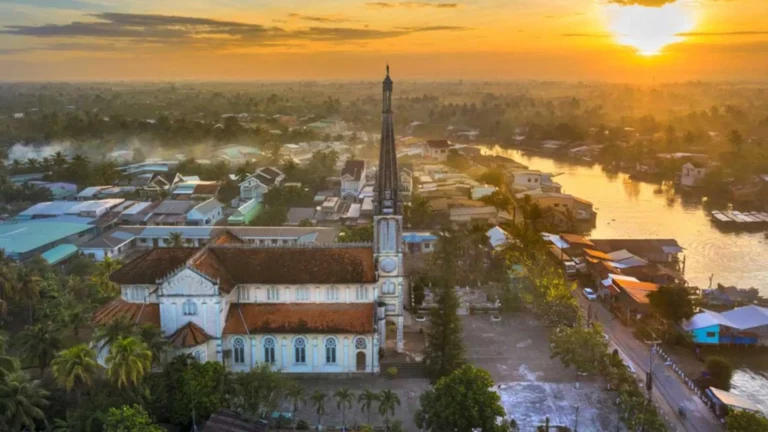
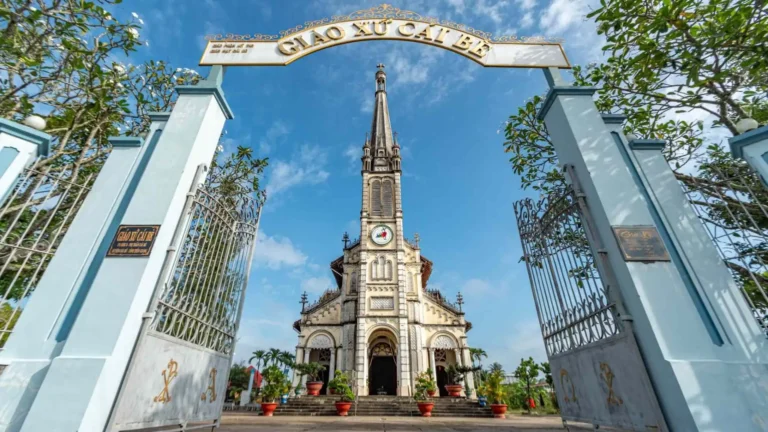

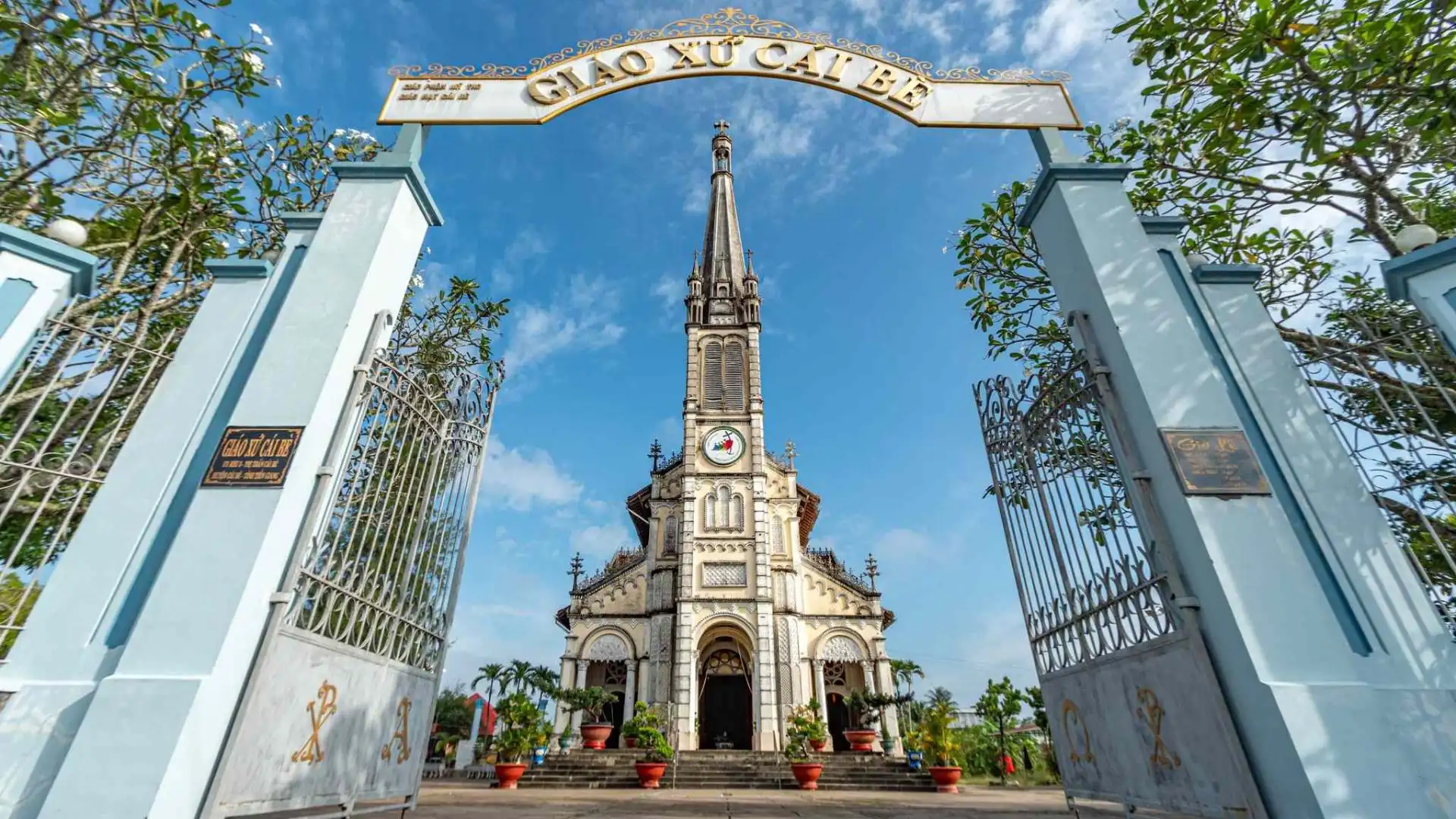
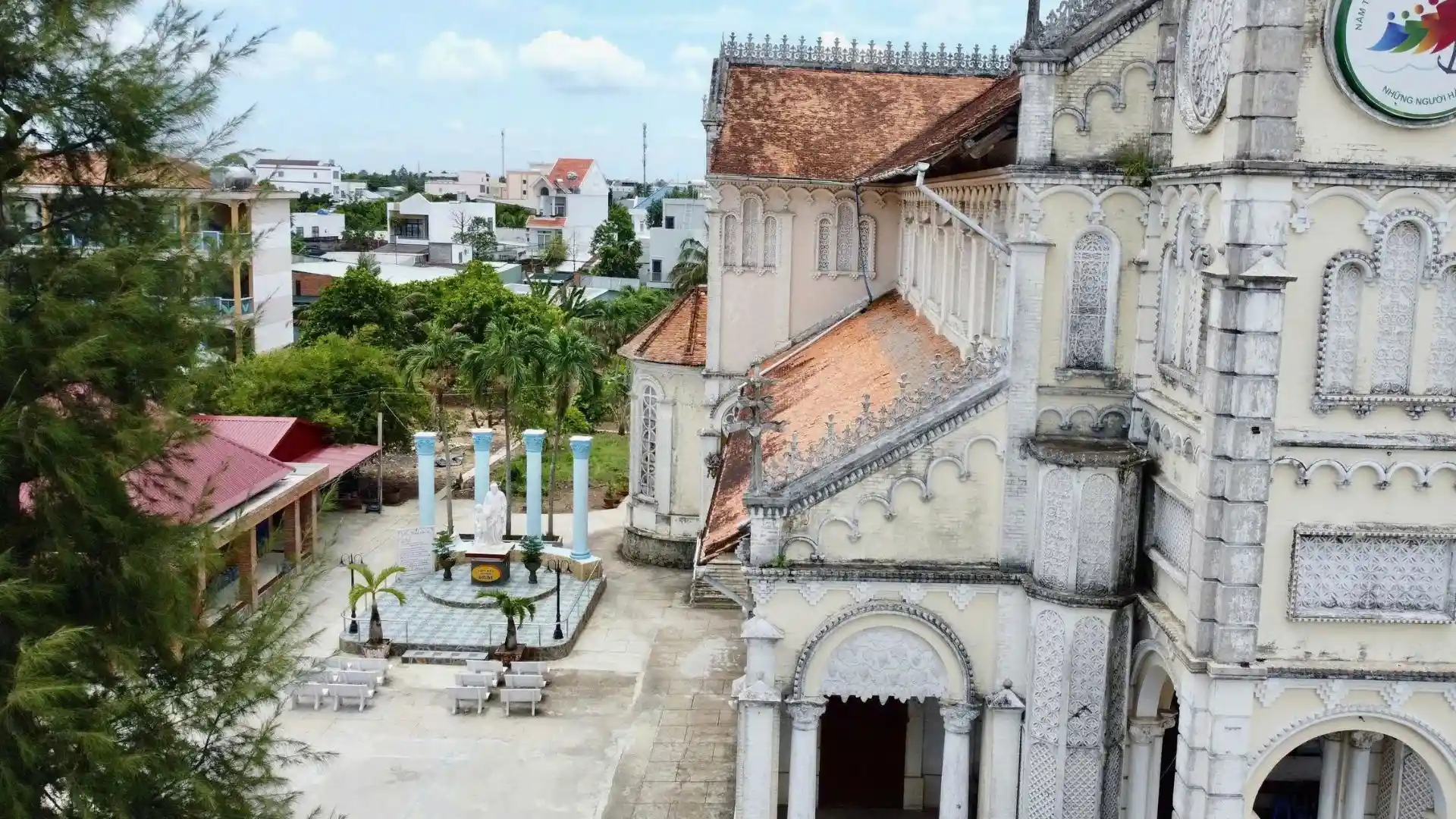
Located right in the heart of Cai Be town at the confluence of the Tien River, Cai Be Church welcomes travelers to discover a magnificent Roman Catholic cathedral and a true architectural heritage landmark of the Mekong Delta. Built between 1929 and 1932 in a traditional Romanesque style, this solemn sanctuary is renowned for its elegant white stone facade, beautiful stained-glass windows, and the tallest bell tower in the region featuring historic French bronze bells.
In this complete Cai Be Church travel guide, you’ll discover everything you need to plan your visit with confidence: how to arrive uniquely by boat, the best time to catch the morning light on its striking architecture, the fascinating acoustic design of its bell tower, and how to include this iconic stop in your Cai Be floating market itinerary.
Lastest update by Hai Yen Nguyen at Mekong Smile | Official Tien Giang Travel Guide
Overview of Cai Be Church
A Glance at Cai Be Church
- Location: Cai Be Town, Cai Be District, Tiền Giang Province.
- Site Type: Roman Catholic Cathedral and Architectural Heritage Landmark.
- Significance: Known for having the tallest bell tower in the Mekong Delta and its unique position facing the river.
- Atmosphere: Solemn, airy, and aesthetically stunning, characterized by white stone facades and stained glass.
- Key Highlights: The 52-meter high bell tower, the Romanesque arched doorways, and the view of the floating market from the church grounds.
- Opening Hours: 07:30 AM – 11:30 AM and 02:00 PM – 05:00 PM (Daily).
- Entrance Fee: Free (Donations welcome).
- Average Visit Duration: 45 minutes – 1 hour.
The history of Cai Be Church
The history of Cai Be Church is deeply rooted in the French colonial period, with its main construction taking place between 1929 and 1932, although some visitor reviews occasionally mention 1925. The ambitious project was led by a German priest named Adolphe Keller, who collaborated closely with the dedicated local parishioners of Cai Be.
Built robustly from reinforced concrete and cast stone, the church reflects a traditional Romanesque architectural style of Western Catholicism. A major historical addition to the church was its impressive set of bronze bells, which were cast in France in 1931 utilizing highly advanced pendulum and rod design techniques.
Today, despite being nearly a century old and bearing the mossy marks of time, the church continues to stand firmly, retaining its elegant, ancient, and solemn beauty along the banks of the Tien River.
Video of Cai Be Church
To witness the Church’s silhouette reflecting on the water at dawn and the intricate details of its stained glass, watch our short cinematic tour:
What Makes Cai Be Church Special?
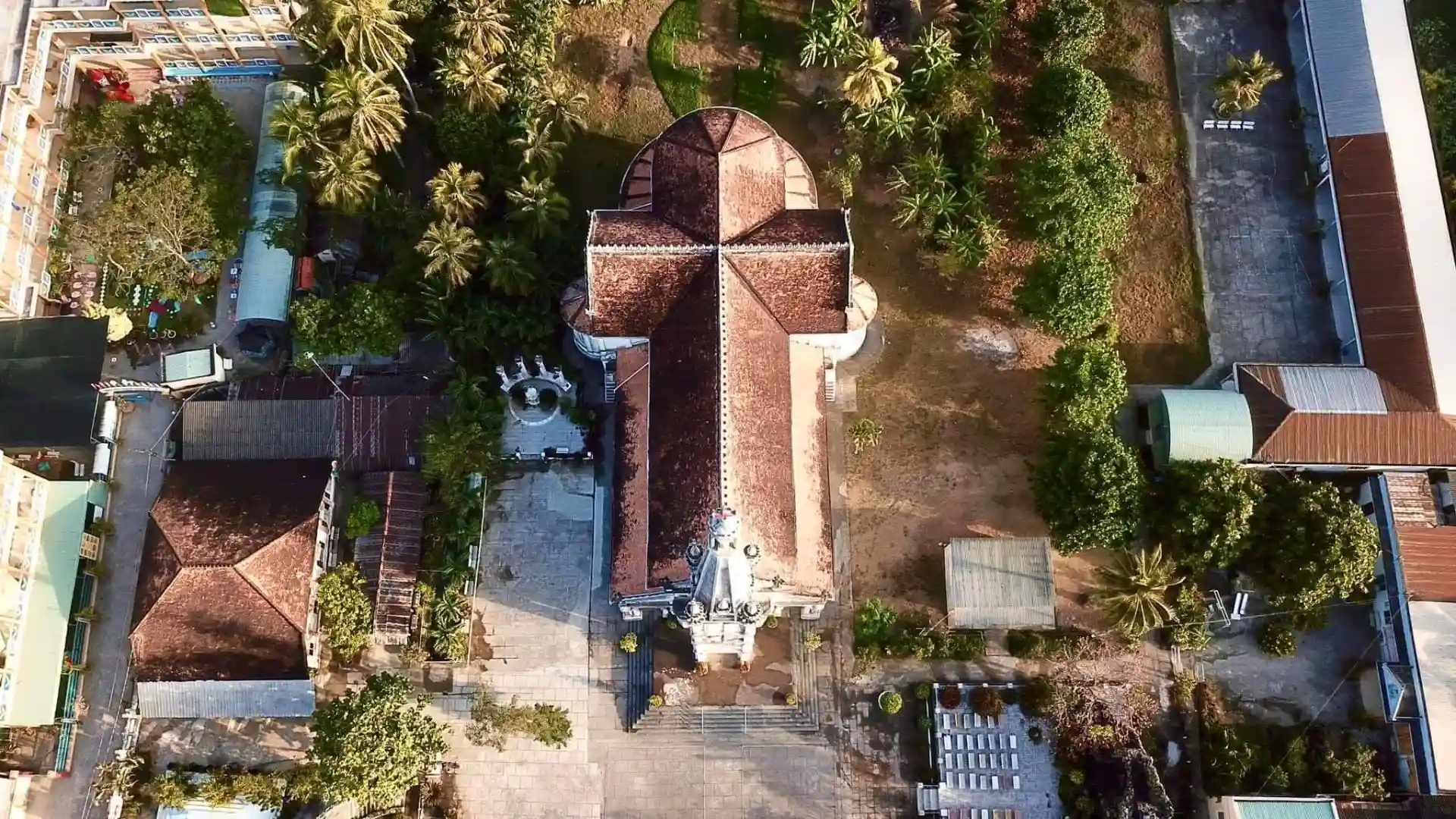
Cai Be Church is a remarkably special landmark due to its unrivaled location at the Tien River confluence, directly facing the bustling Cai Be floating market. Constructed between 1929 and 1932 in a traditional Romanesque style, the building features a perfectly balanced cross-shaped design made of reinforced concrete and cast stone.
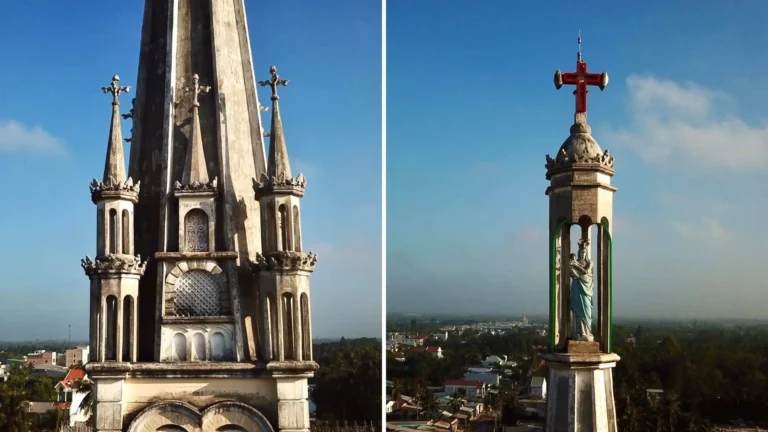
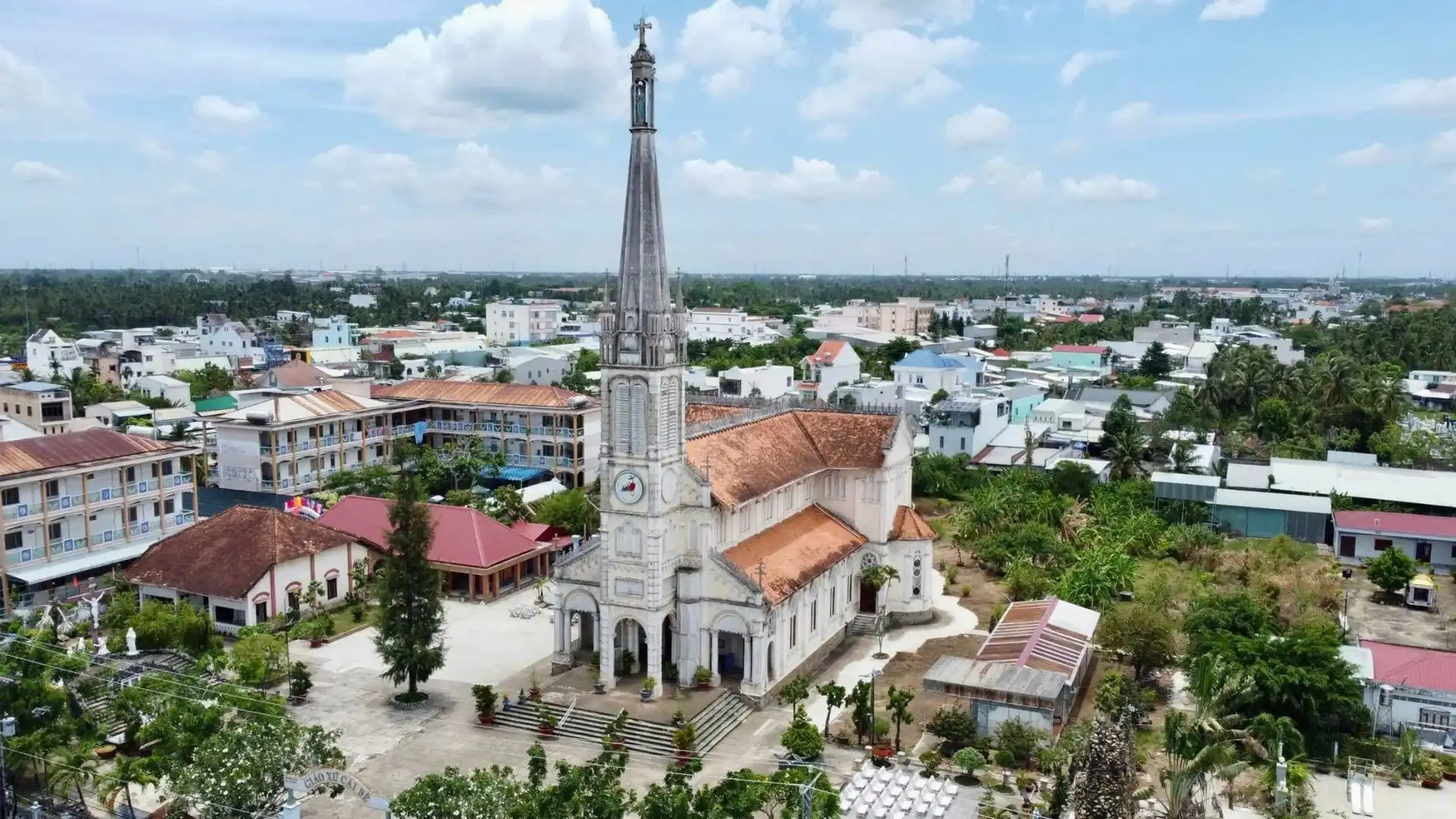
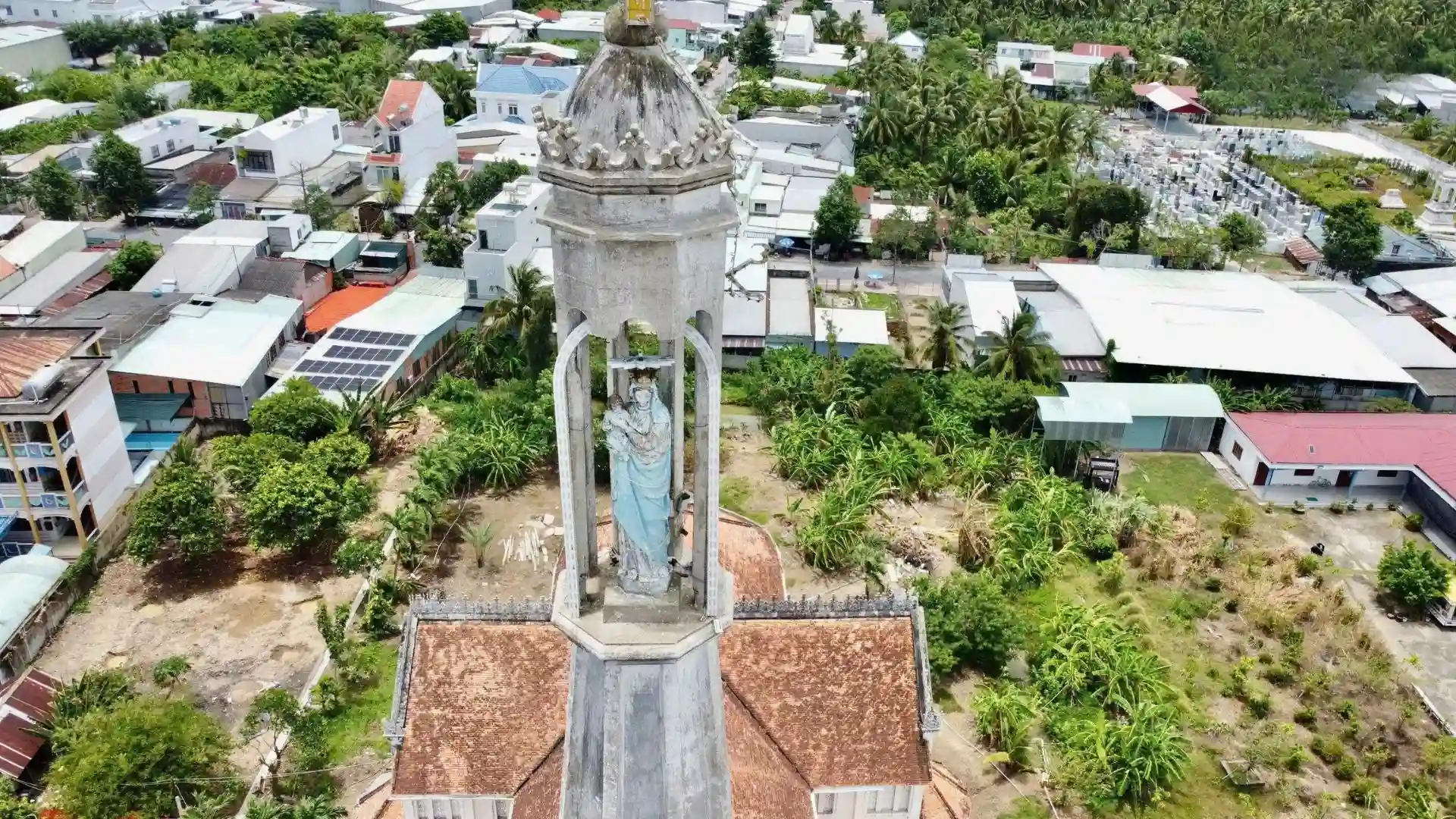
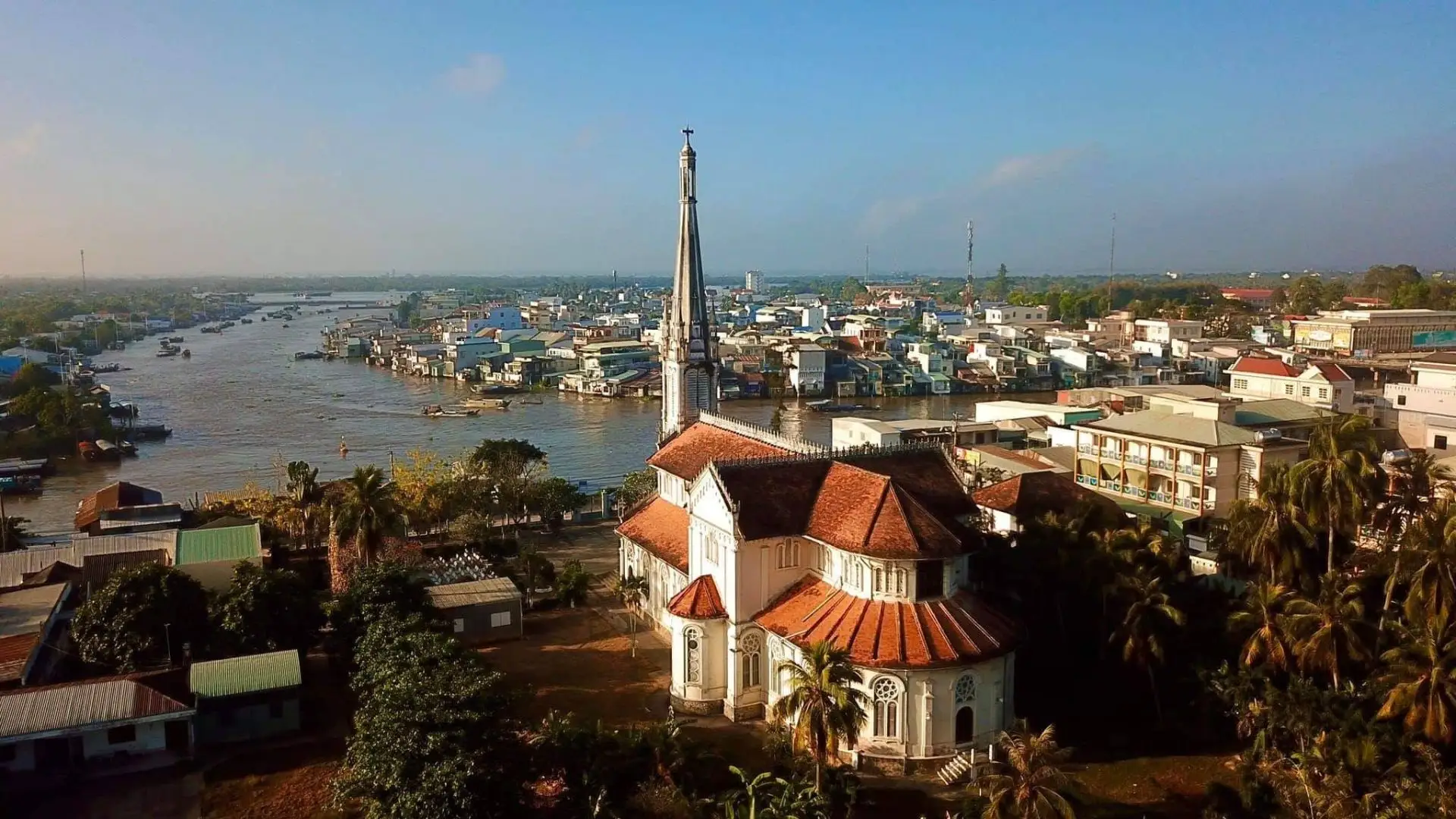
Its most exceptional attribute is the 52-meter-high bell tower—the tallest in the Mekong Delta—crowned by a terracotta Virgin Mary statue. The tower houses a historic set of massive French bronze bells cast in 1931 utilizing advanced pendulum technology, whose sound is amplified for kilometers by a unique water cellar at its base. With intricate exterior bas-reliefs, high vaulted ceilings, clever stained-glass windows, and five prized marble altars, the Church remains a unique cultural and architectural treasure.
“With Mekong Smile experts, you will discover that the church’s bell tower is a technical wonder of its time. We decode for you the Gothic-Romanesque blend and how its peal was once used to navigate boats through the morning mist” – Mr. Jimmy, Business Development of Mekong Smile
Planning Your Visit to Cai Be Church
Location on Google Map
- Exact Address: Cai Be Town, Cai Be District, Tiền Giang Province.
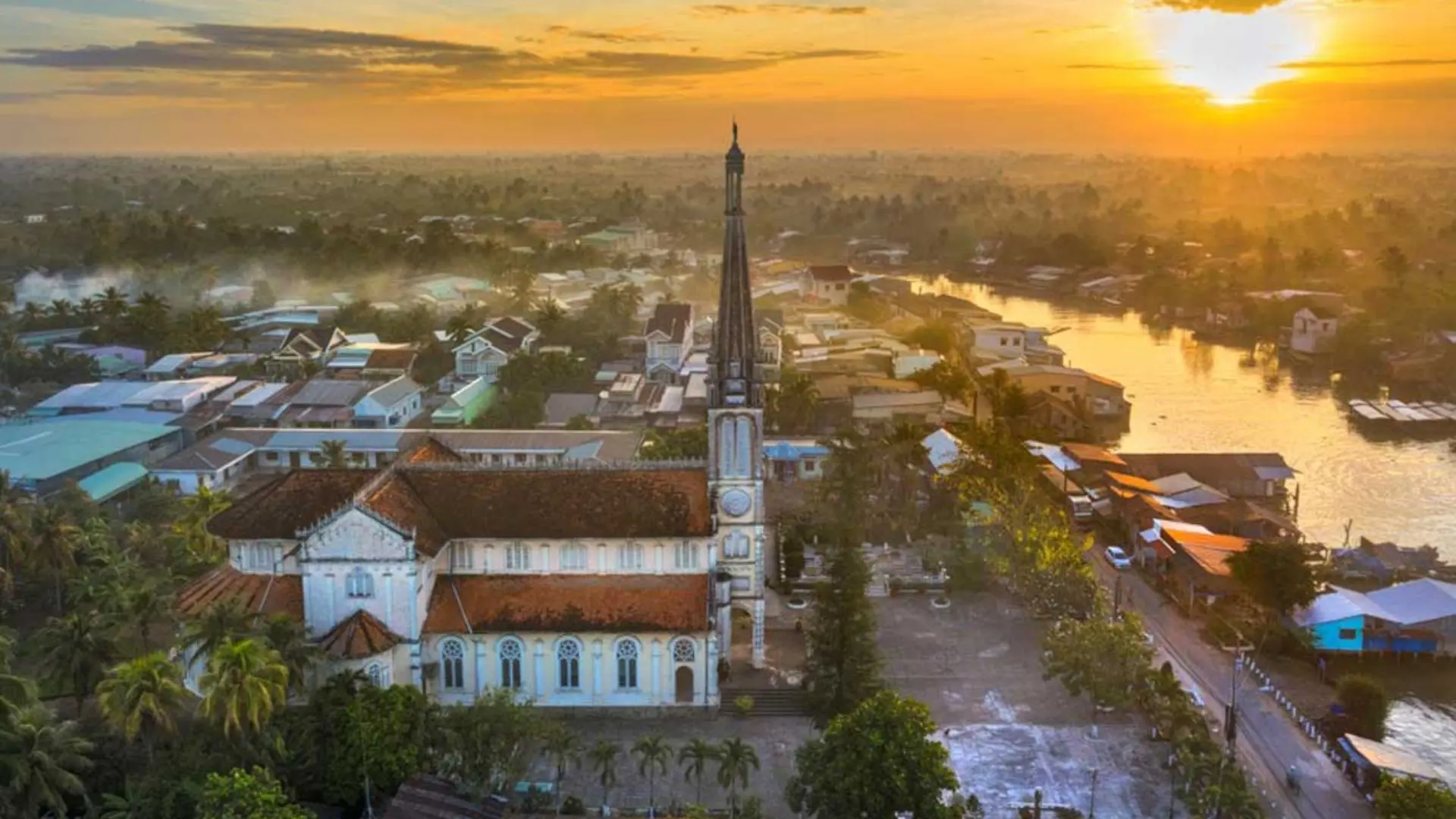
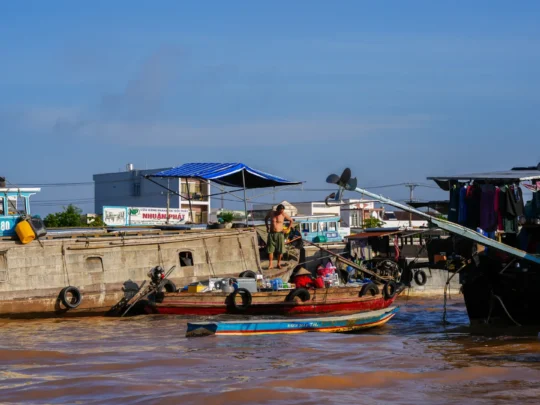
- Proximity: The church is located right in the heart of Cai Be town, immediately adjacent to the Cai Be Wharf. It overlooks the busy waterway where the Cai Be Floating Market once flourished at its peak.
- Distance: Approximately 110km from Ho Chi Minh City and 80km from Can Tho.
How to Get to Cai Be Church
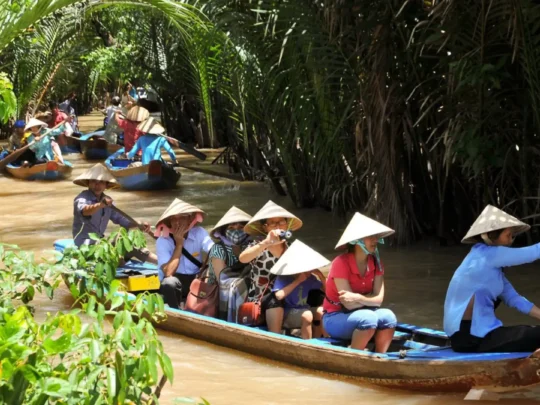
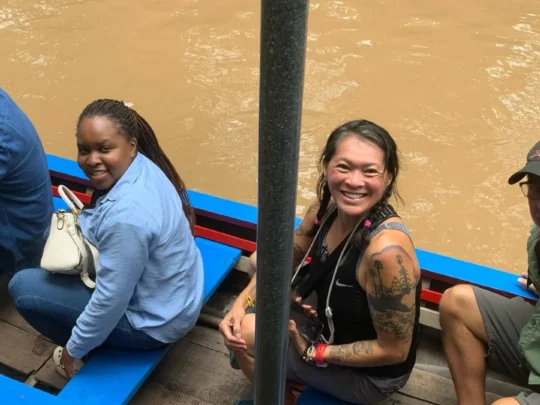
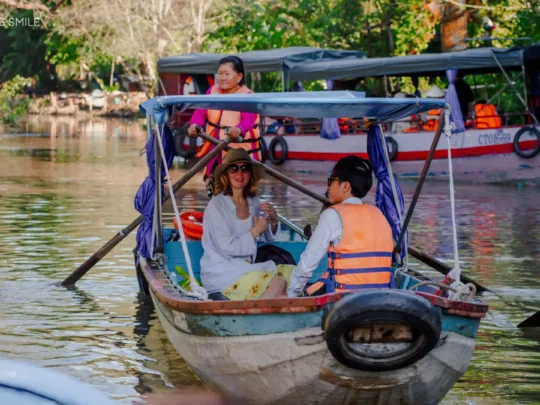
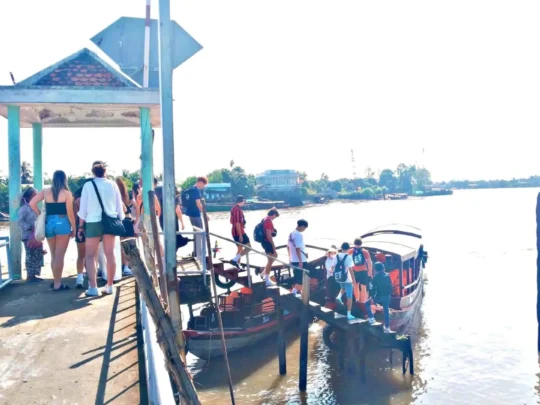
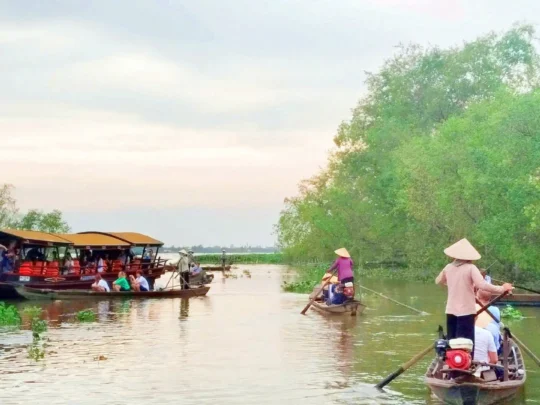
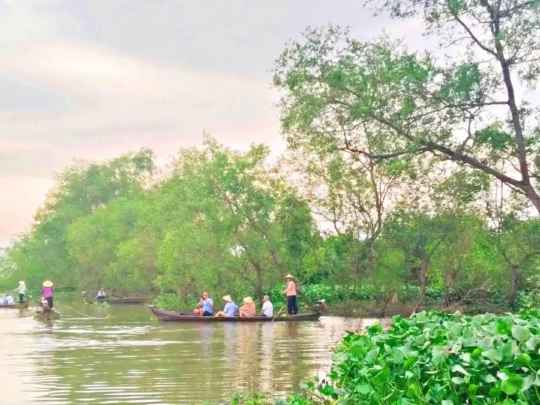
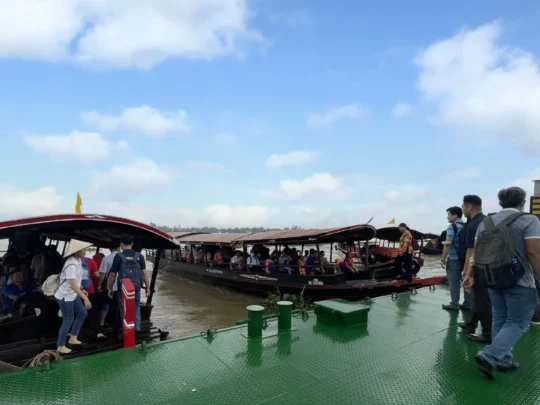
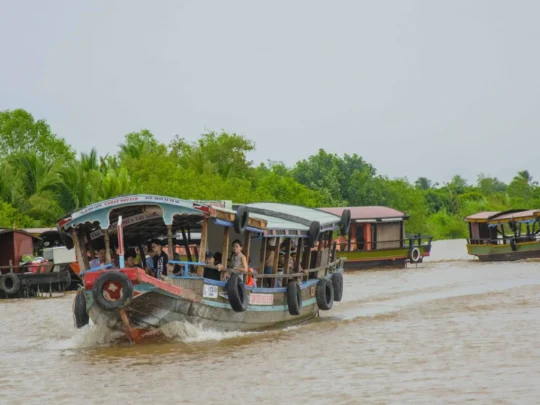
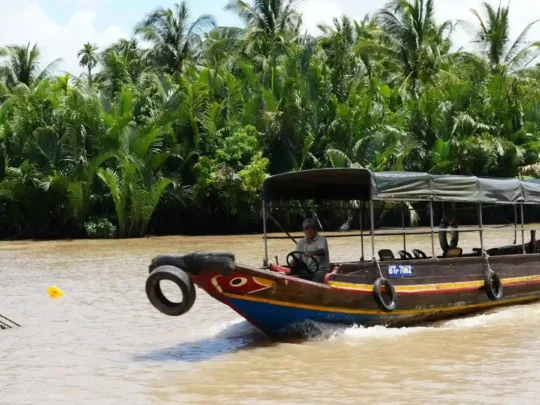
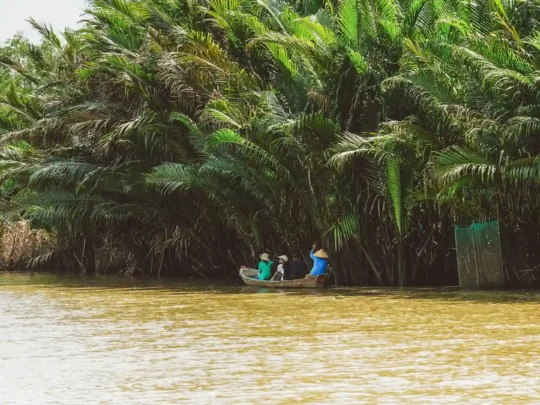
- By Boat: The most “Mekong” way to arrive. A private sampan from the river provides the best angle to photograph the church’s white spire against the blue sky. Most travelers stop here during their tour of the floating market.
- By Car/Motorbike: Easily accessible via National Highway 1A. Once in Cai Be town, the church is a visible landmark that is easy to find.
- The Mekong Smile Way: We can integrate Cai Be Church as the add-on cultural opening of our Cai Be tour. We coordinate boat arrivals that let you see the facade from the water before stepping onto the grounds.
Opening Hours and Entrance Fee
- Opening Hours: 07:30 AM – 11:30 AM and 02:00 PM – 05:00 PM (Daily). Please note that during Sunday Mass (typically 05:00 AM and 04:00 PM), interior sightseeing is restricted to worshippers only.
- Entrance Fee: Free. There is no ticket required. Mekong Smile recommends a small donation in the merit boxes to assist the parish in maintaining the 90-year-old stone structures.
Best Time to Visit
- Golden Hour: 08:00 – 09:30 AM is perfect for seeing the white stone walls glow in the morning sun.
- Quiet Hours: Weekday afternoons offer the most tranquility, as you can hear the symphony of the river while exploring the church gardens.
The Experience at Cai Be Church
The Iconic Bell Tower
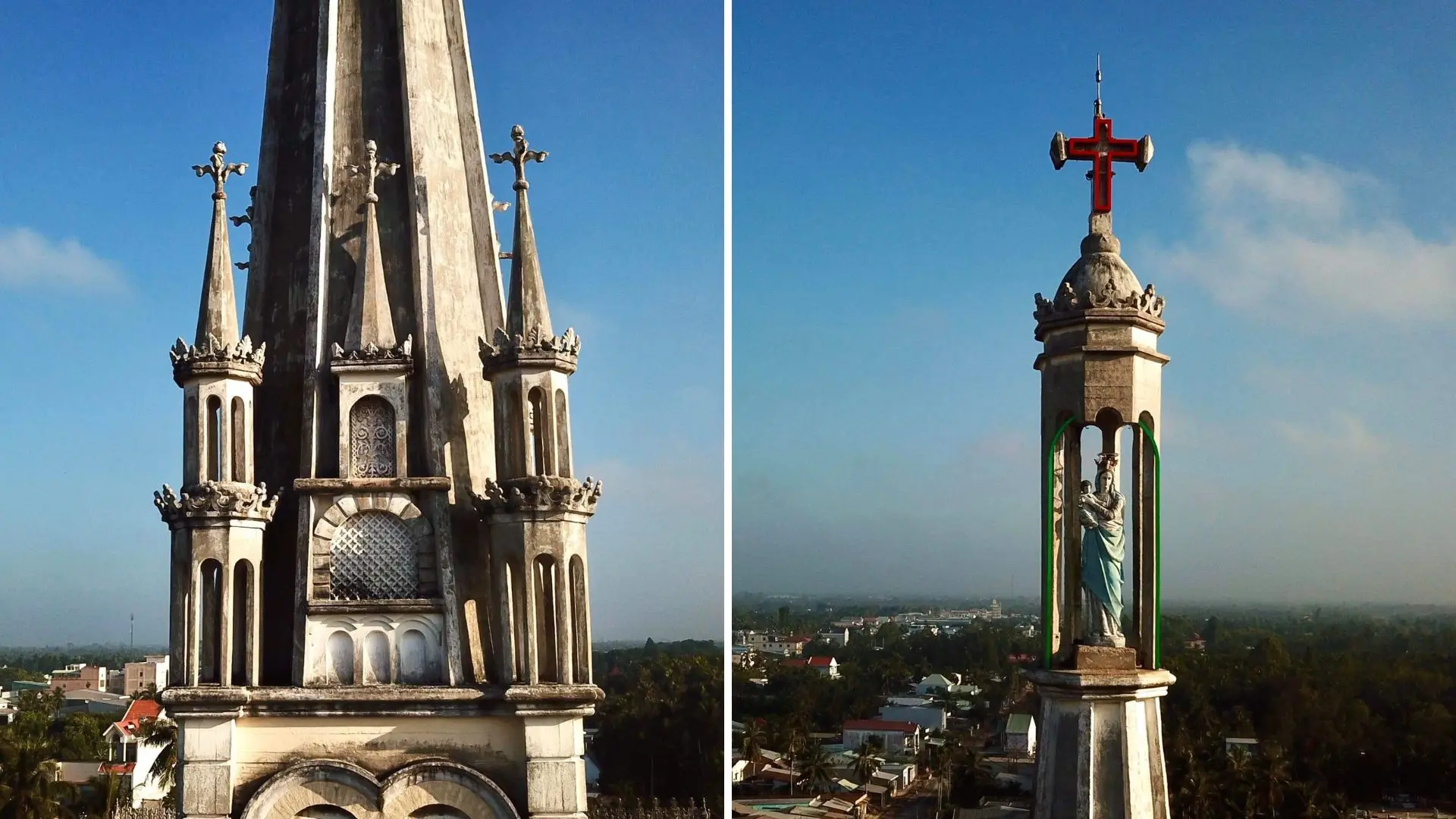
The bell tower of Cai Be Church is a prominent highlight, widely recognized as the tallest among all churches in the Mekong Delta, reaching a height of 52 meters. The tower houses a massive set of five French bronze bells that were cast in 1931. Weighing a total of 4,500 kg, these bells were crafted using highly advanced pendulum and rod design techniques that surpass even those of the Notre Dame Cathedral in Saigon.
Remarkably, at the base of the tower lies a large water cellar specifically designed to amplify the bells’ sound, allowing it to echo for kilometers. Crowning this majestic structure is a 2.3-meter-tall terracotta statue of the Virgin Mary.
The Romanesque Facade & Reliefs
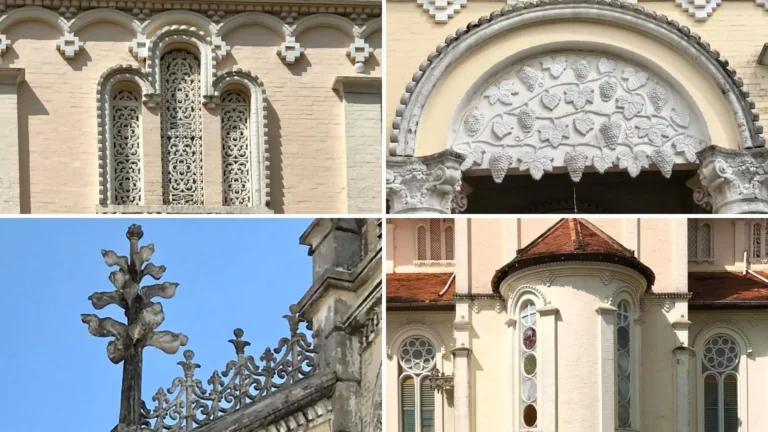
Constructed between 1929 and 1932 from reinforced concrete and cast stone, the church proudly showcases traditional Western Romanesque architecture. The building is perfectly balanced with a cross-shaped floor plan.
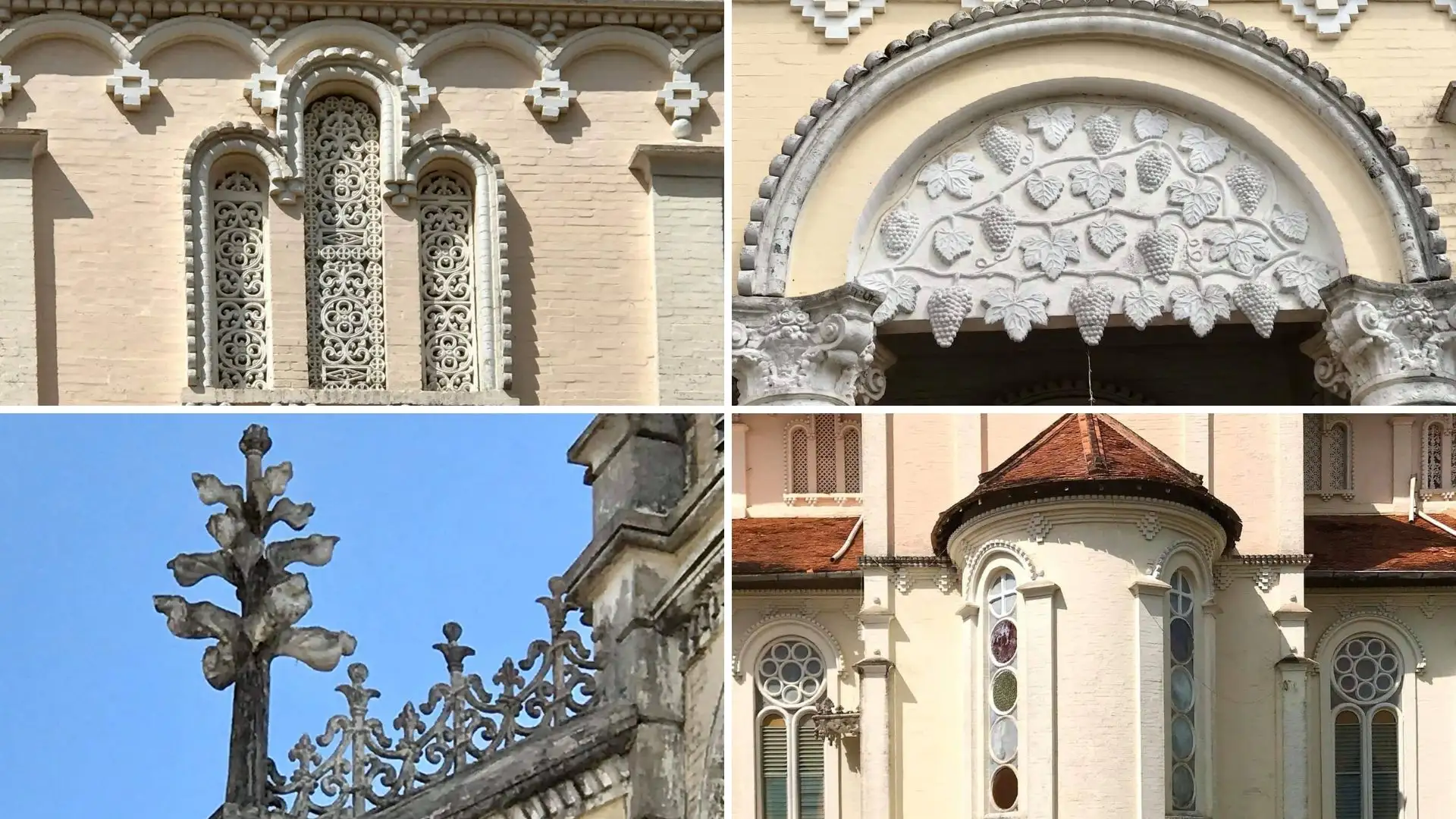
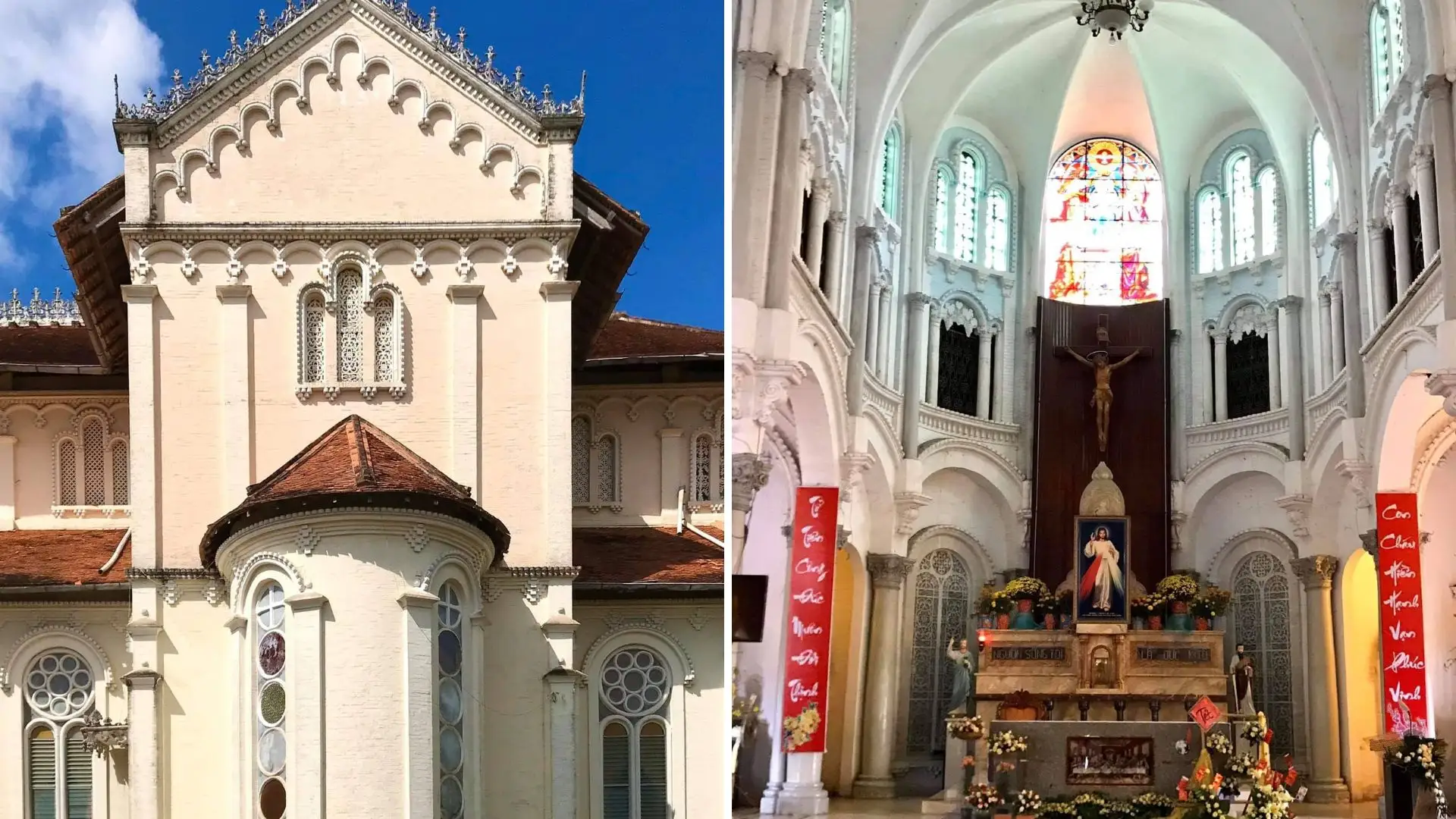
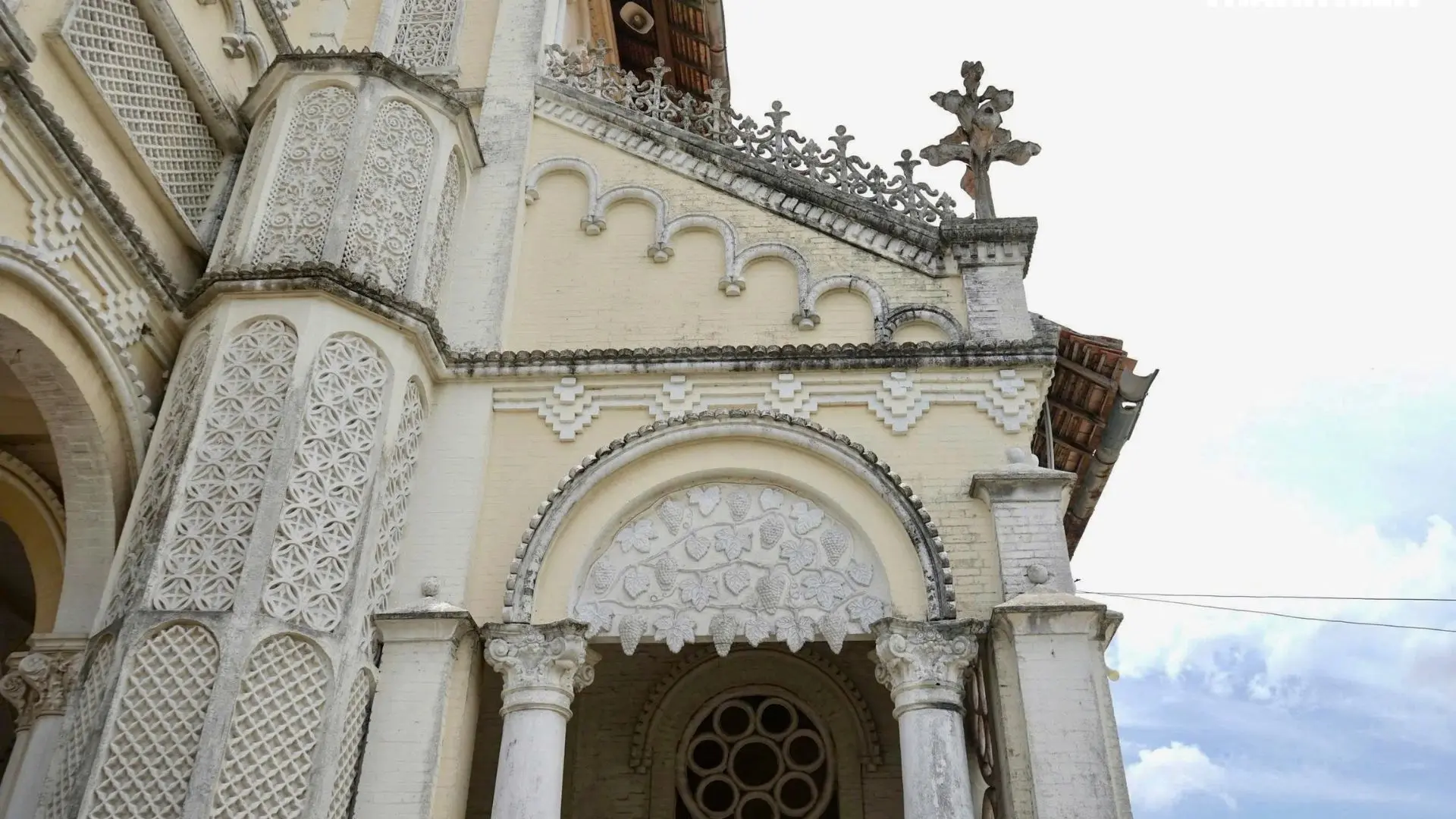
Its exterior is adorned with sophisticated bas-reliefs and impressive decorative elements. Notably, the two side gates at the front feature intricately carved vine patterns. Despite bearing the mossy marks of time over nearly a century, the facade retains a dignified, elegant, and ancient beauty.
Stained Glass & Interior Light
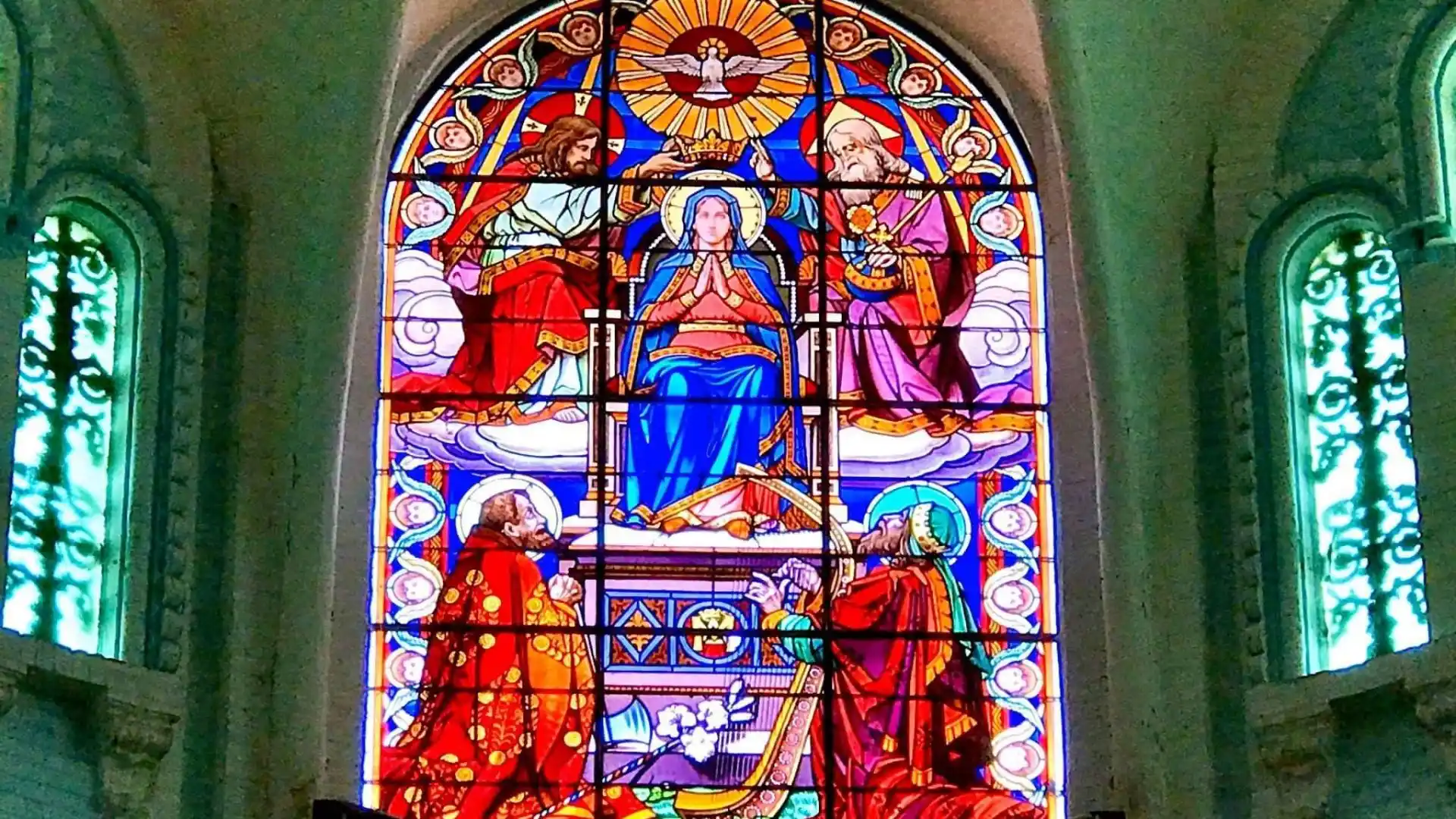
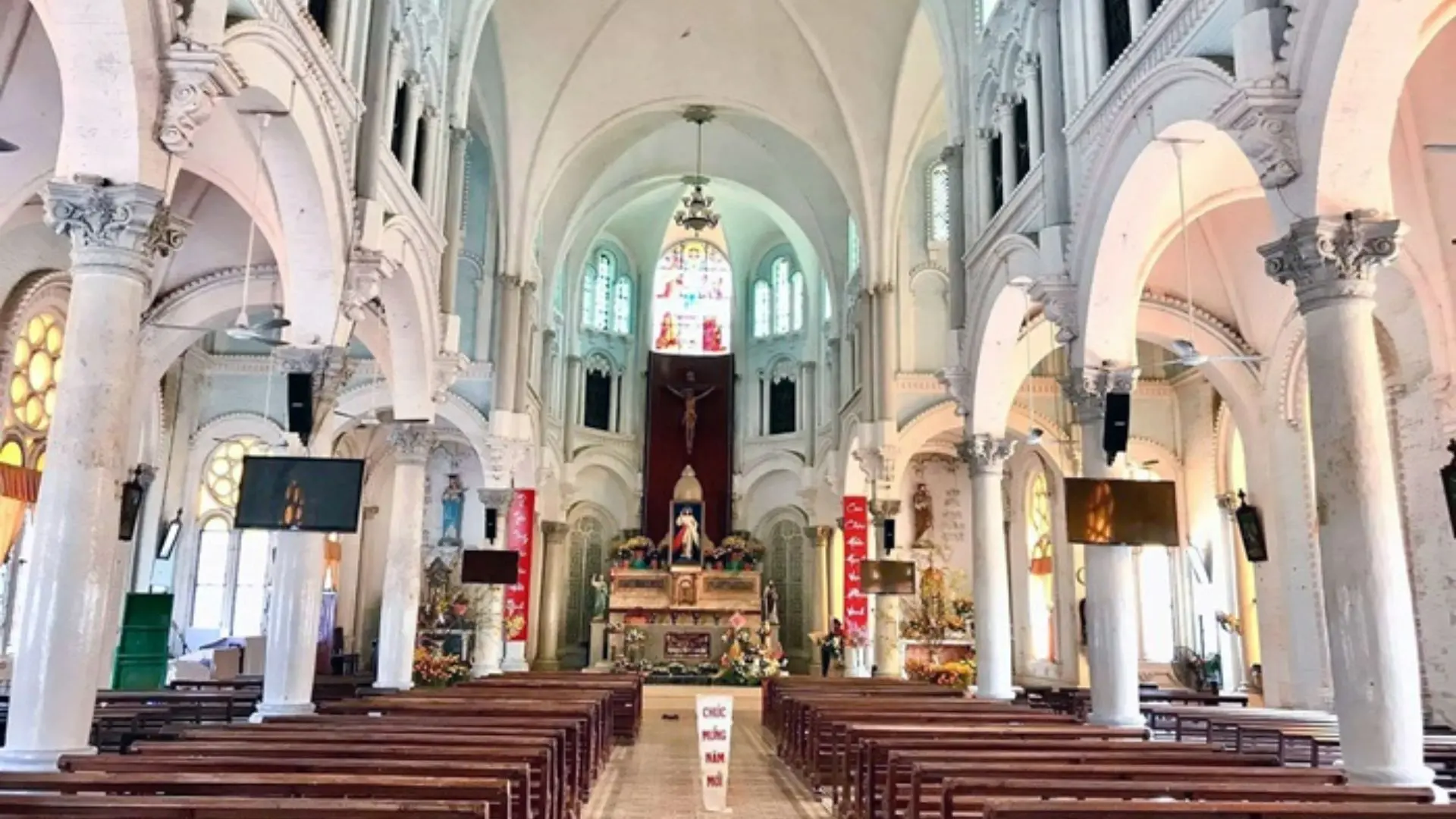
The interior of the main hall is meticulously designed with a high vaulted dome featuring simple yet delicate patterns. The clever installation of windows and beautiful stained-glass panels perfectly captures natural light, illuminating the church and creating a highly aesthetic and sacred space for prayer. Furthermore, the magnificent interior is solemnly decorated with paintings and features five unique and highly prized marble altars.
The Riverside Garden
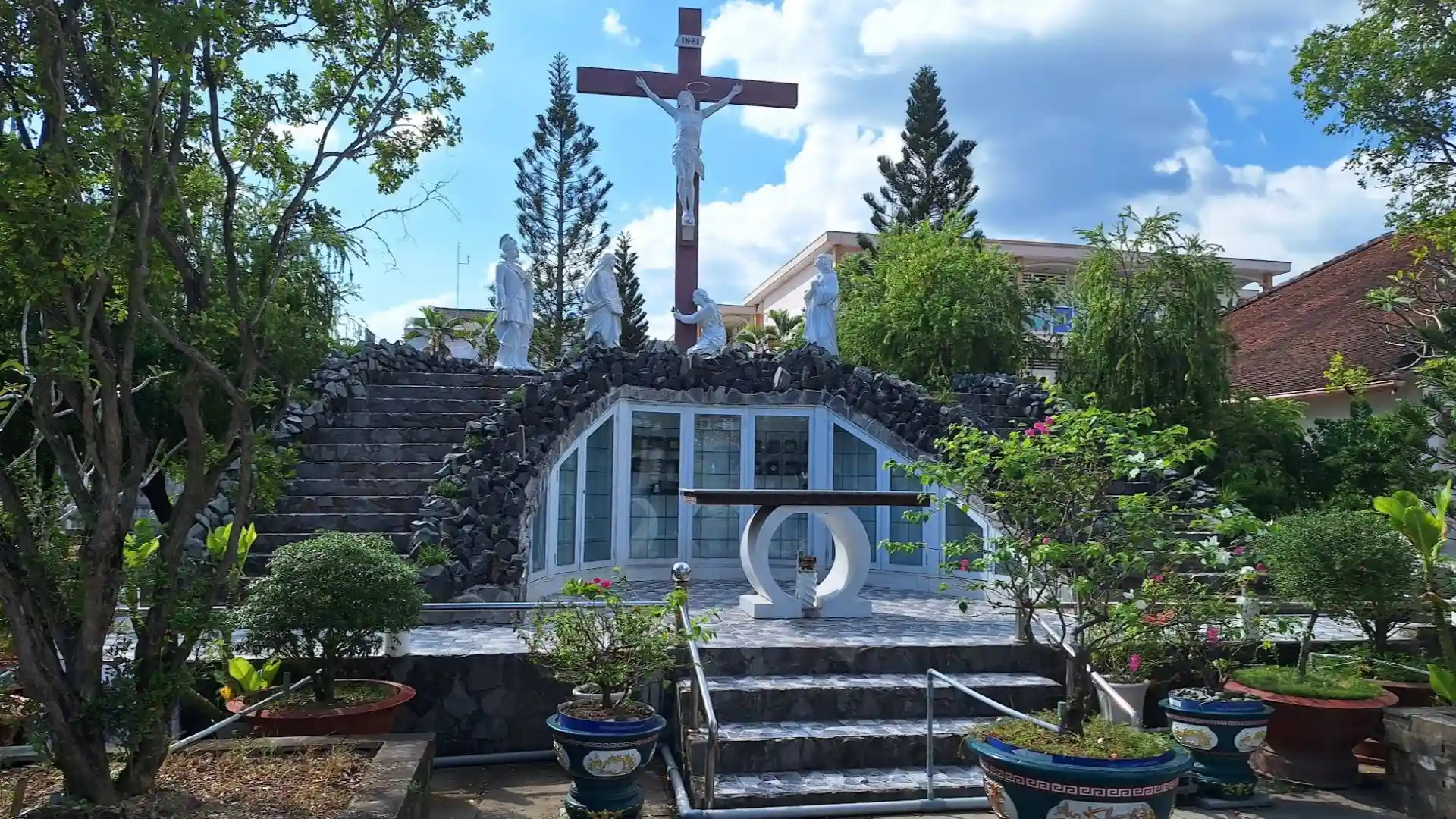
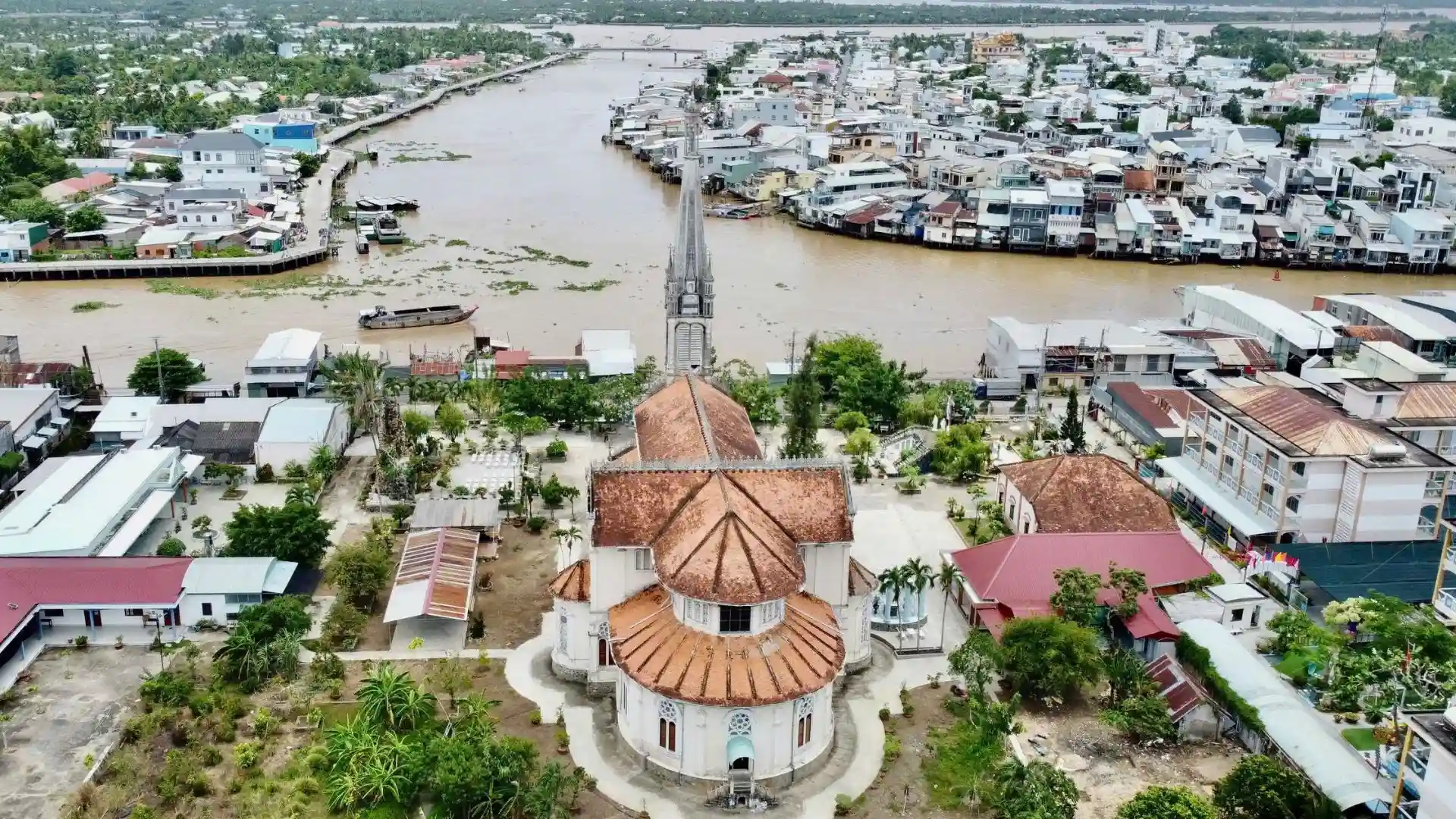
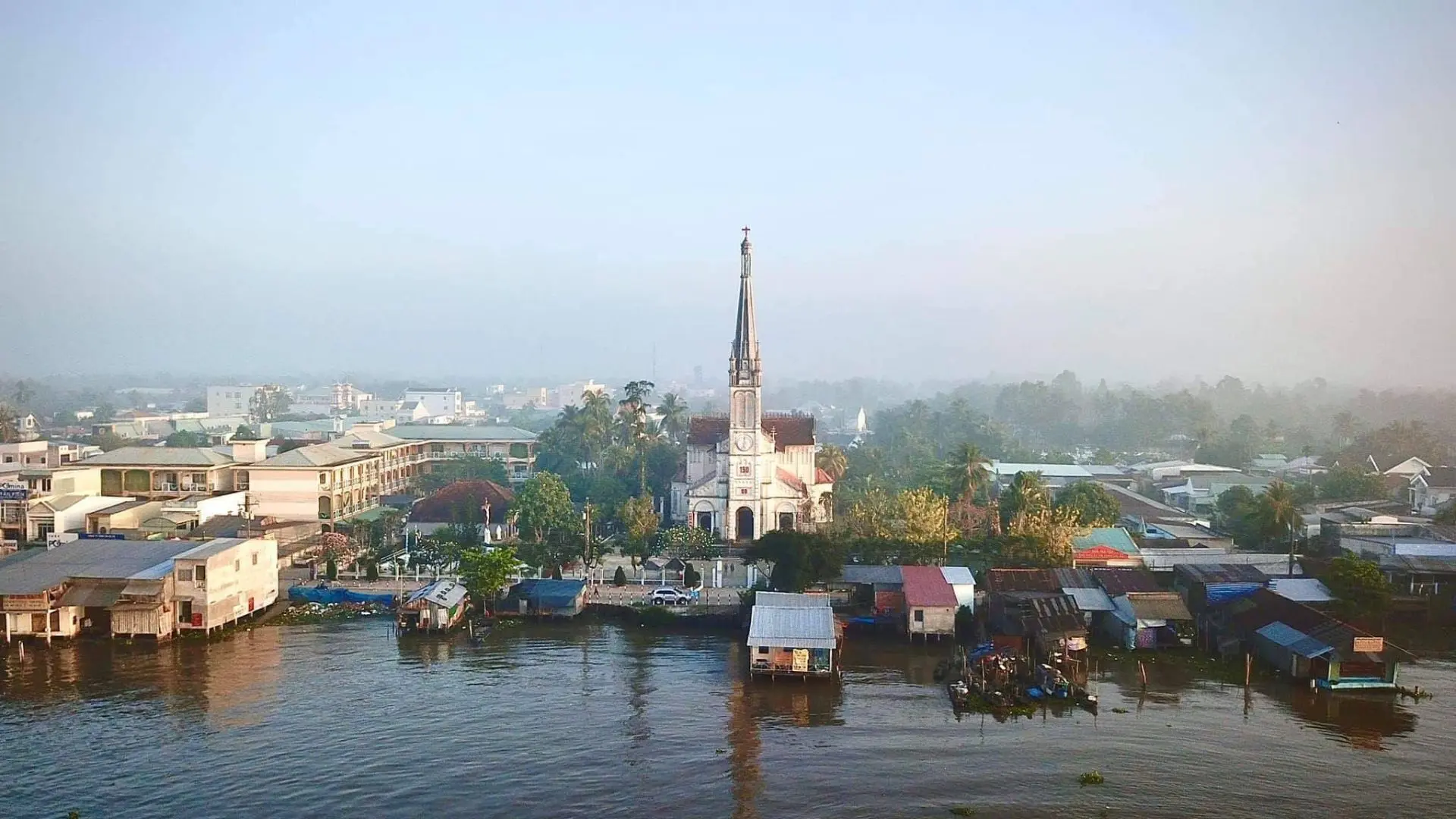
Situated beautifully at the confluence of the Tien River, the church directly faces the bustling Cai Be floating market. The spacious, green, and cool campus surrounding the church serves as a peaceful retreat. The grounds are highlighted by three main religious elements: a statue of the Virgin Mary, a cluster of statues depicting the crucifixion of Jesus, and a statue of the Infant Jesus. Together, they create a sacred, solemn, yet intimate space that welcomes both local parishioners and travelers from afar.
Real Images of Cai Be Church from Mekong Smile
Combining Cai Be Church with Tien Giang’s Hidden Gems
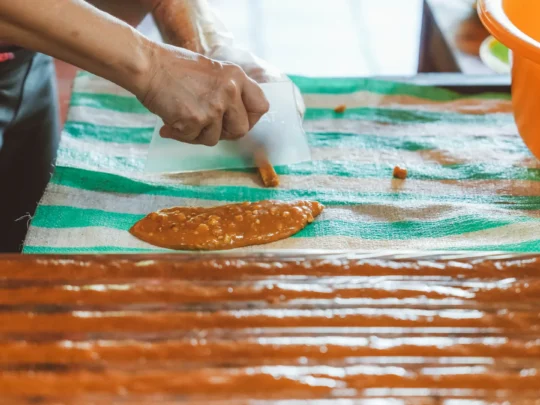
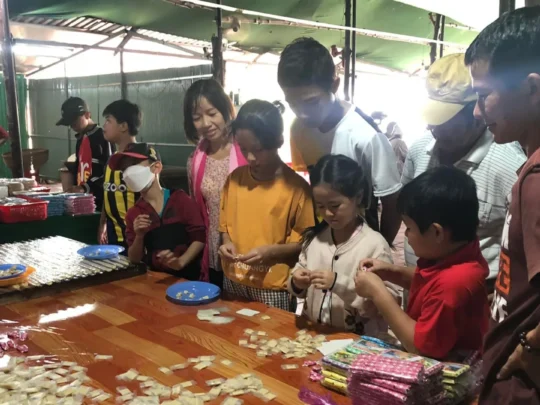
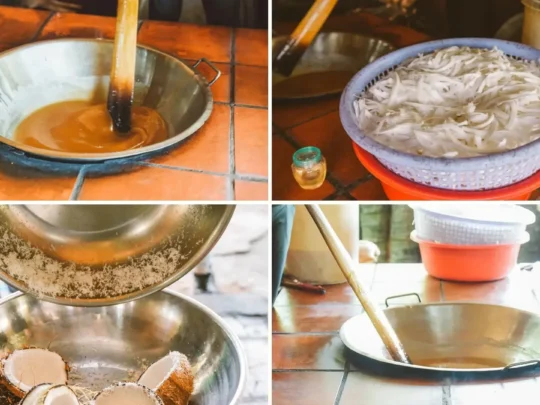
Cai Be Church is the architectural anchor of the district. After your visit, take a boat trip to the Dong Hoa Hiep Ancient Village (Ba Kiet or Cai Huy) to see traditional 19th-century elite architecture. Explore the lush Tan Phong Islet for rambutan picking and traditional music. Discover local crafts like rice paper and candy making at nearby Coconut Candy Traditional Villages. For history seekers, explore the Xeo Quit Relic, a former base in a swamp forest, or visit the Rach Gam – Xoai Mut Victory Monument and the Ap Bac Relic Site.
Heading toward My Tho, visit the architectural “stars” of the city: the majestic Vinh Trang Pagoda, the antique Buu Lam Pagoda, and the Dieu Hoa Temple. Nature lovers should stop at Dong Tam Snake Farm for wildlife conservation or the Man Dinh Hong Flower Garden for a sensory escape. Spiritual seekers can visit the Indian-style stupas of Truc Lam Chanh Giac Zen Monastery.
Our Signature Mekong Delta Tours
Experience the spiritual and riverine heart of the Delta through our curated journeys:
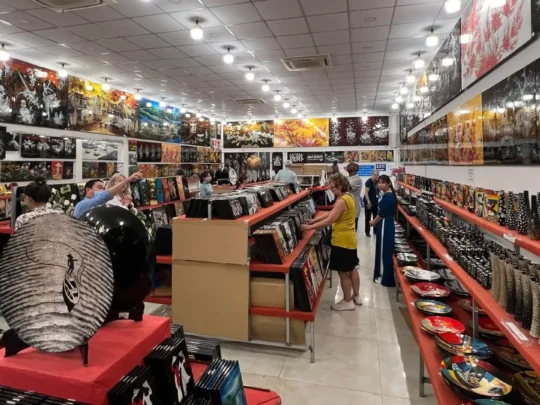

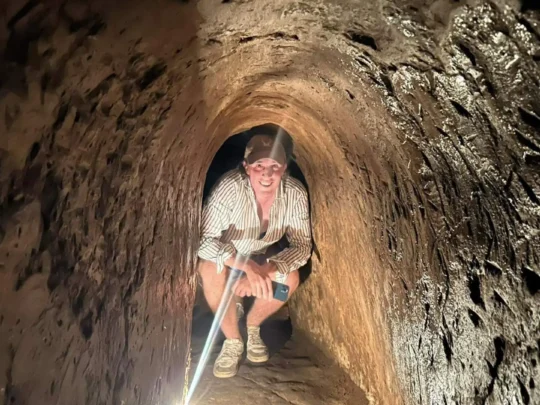
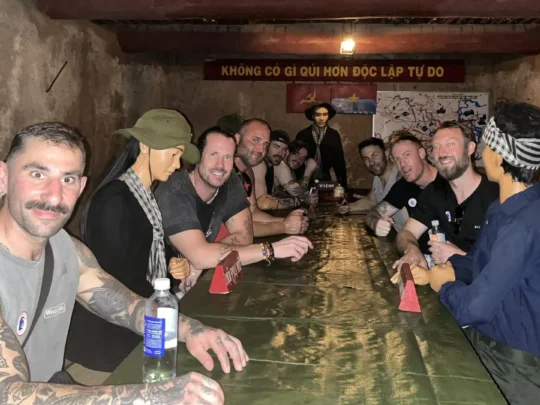
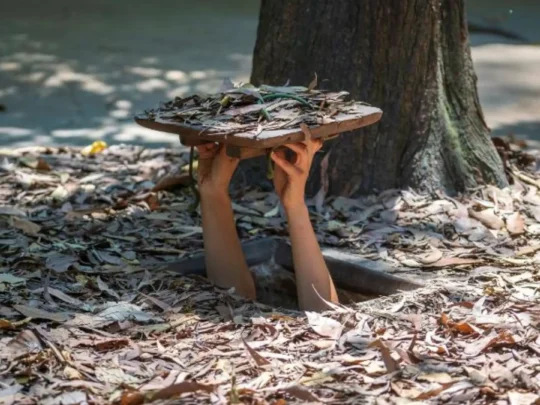
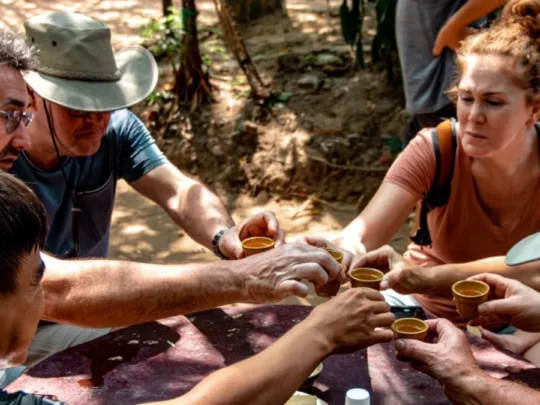
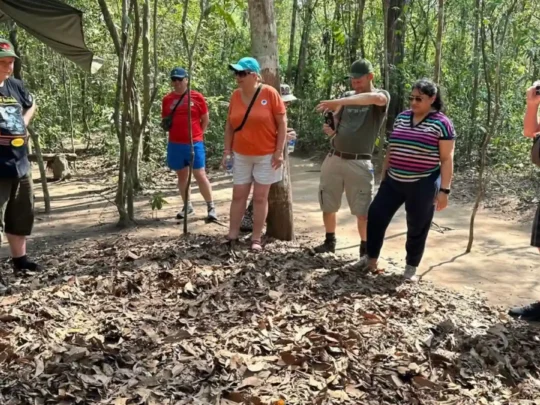
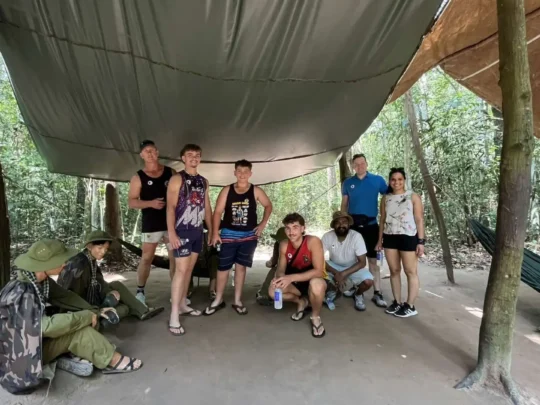
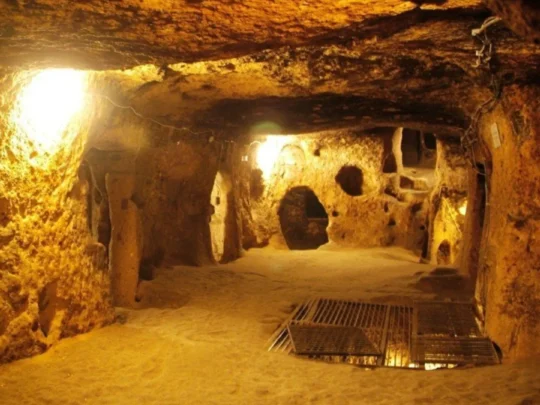
Attractions in Mekong Delta
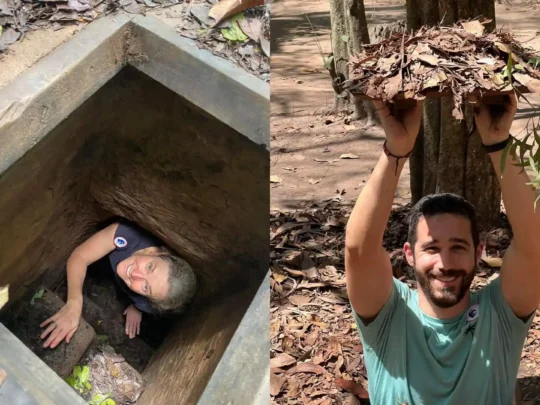
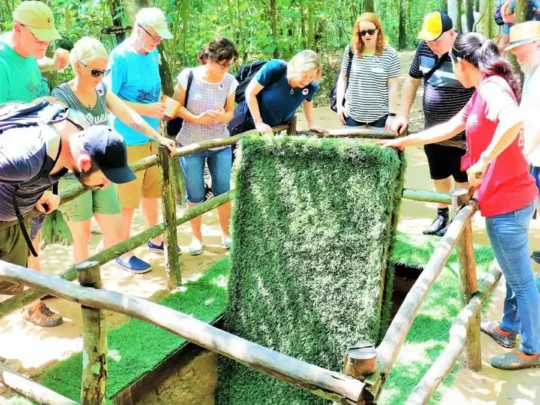
Half-day Cu Chi Tunnels Tour | Vietnam Underground History Expedition
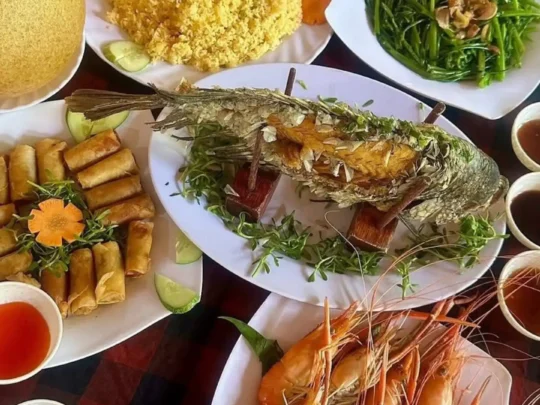
Attractions in Mekong Delta
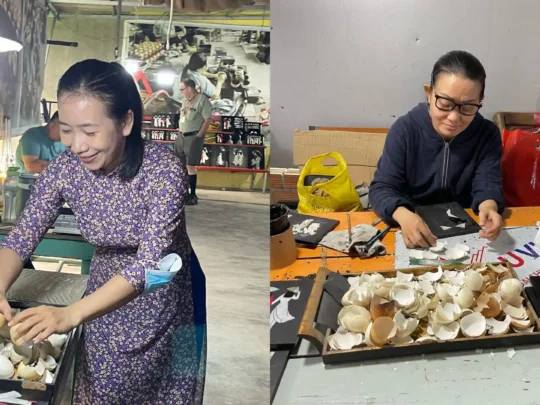
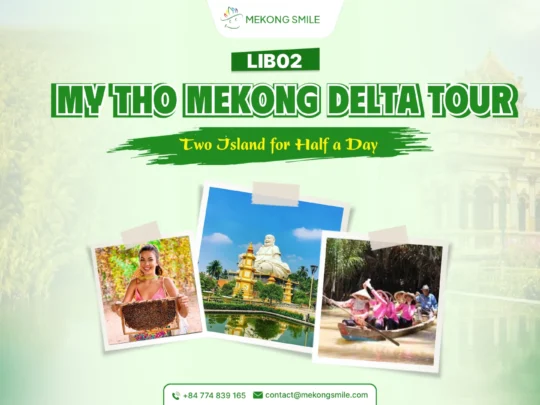
Authentic My Tho Mekong Delta Tour: Two Islands for Half a Day
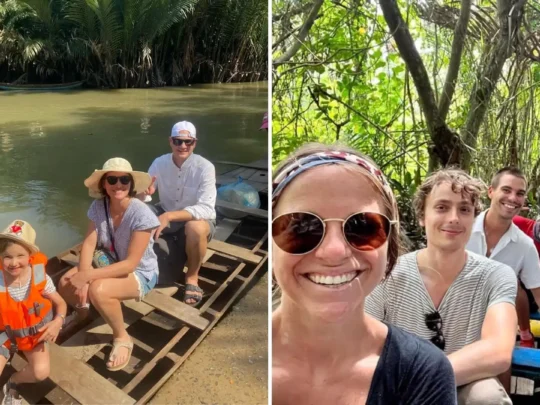
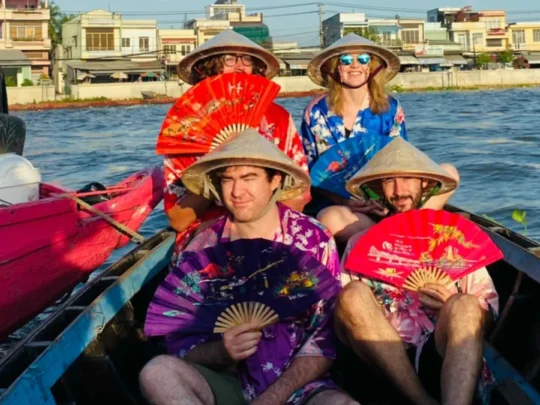

Attractions in Mekong Delta
Mekong Delta 2 Day Tour from Ho Chi Minh City: My Tho – Ben Tre – Can Tho
Attractions in Mekong Delta

Attractions in Mekong Delta
Attractions in Mekong Delta
An Binh Islet Tour | A Scenic Mekong River Escape from Can Tho
Attractions in Mekong Delta
Ben Tre Tour from Can Tho: River Life, Coconut Workshops & Village Crafts
Our top 5 best authentic Mekong Delta Tours: My Tho Mekong Delta Tour, Ben Tre Tour, Cu Chi Tunnels Tour, Mekong Delta Tour 1 Day, Mekong Delta Tour Cai Be
Ready for the Real Mekong? Book Your Authentic Tour Today
Planning Your Mekong Trip?
Get a free, personalized itinerary from our local experts in under 120 minutes.

Get a Free Consultation Leave your contact, we handle the rest.
Frequently Asked Questions about Cai Be Church
Where is Cai Be Church located?
The church is situated in the center of Cai Be Town, right where the Tien River meets the canal. Mekong Smile provides private boat transfers that offer a stunning riverside view of the church before you land.
Can I visit Cai Be Church during Sunday Mass?
Sightseeing inside is restricted during Mass (usually at 5:00 AM and 4:00 PM on Sundays). Mekong Smile guides plan your itinerary to ensure you can appreciate the architecture without disturbing the services.
What is the dress code for visiting Cai Be Church?
As a sacred site, visitors should wear modest clothing that covers shoulders and knees. Mekong Smile ensures all guests are briefed on local etiquette to maintain a respectful “mindful stillness” during the visit.
Is it true that Cai Be Church has the tallest bell tower in the Delta?
Yes, the bell tower stands at 52 meters, making it the tallest in the Mekong Delta. Mekong Smile experts can explain the unique water cellar technology used at its base to amplify the sound of its five French bronze bells.
Is photography allowed at Cai Be Church?
Photography is welcome in the gardens and the exterior. Inside, we recommend silence and no flash. Mekong Smile guides will show you the best spots to capture the spire against the “rhythmic life” of the river.
How do I get to Cai Be Church from Ho Chi Minh City?
It is a 110km drive (about 2.5 hours). Mekong Smile offers private, air-conditioned transfers that integrate a visit to the church with the nearby floating market for a complete day trip.
Is there an entrance fee for Cai Be Church?
Entry is free for everyone. Mekong Smile suggests leaving a small donation to help the parish maintain this 90-year-old Romanesque “vibrant living heritage.”
Can I see the Cai Be Floating Market from the church?
Yes, the church directly faces the river confluence where the market once thrived. Mekong Smile takes you on a private sample ride to see the church’s silhouette from the water, just as the locals do.
What other attractions are near Cai Be Church?
The church is very close to Tan Phong Islet and several 19th-century ancient houses. Mekong Smile strategically pairs these sites to offer a balanced journey of history and nature.
