
 Can Tho
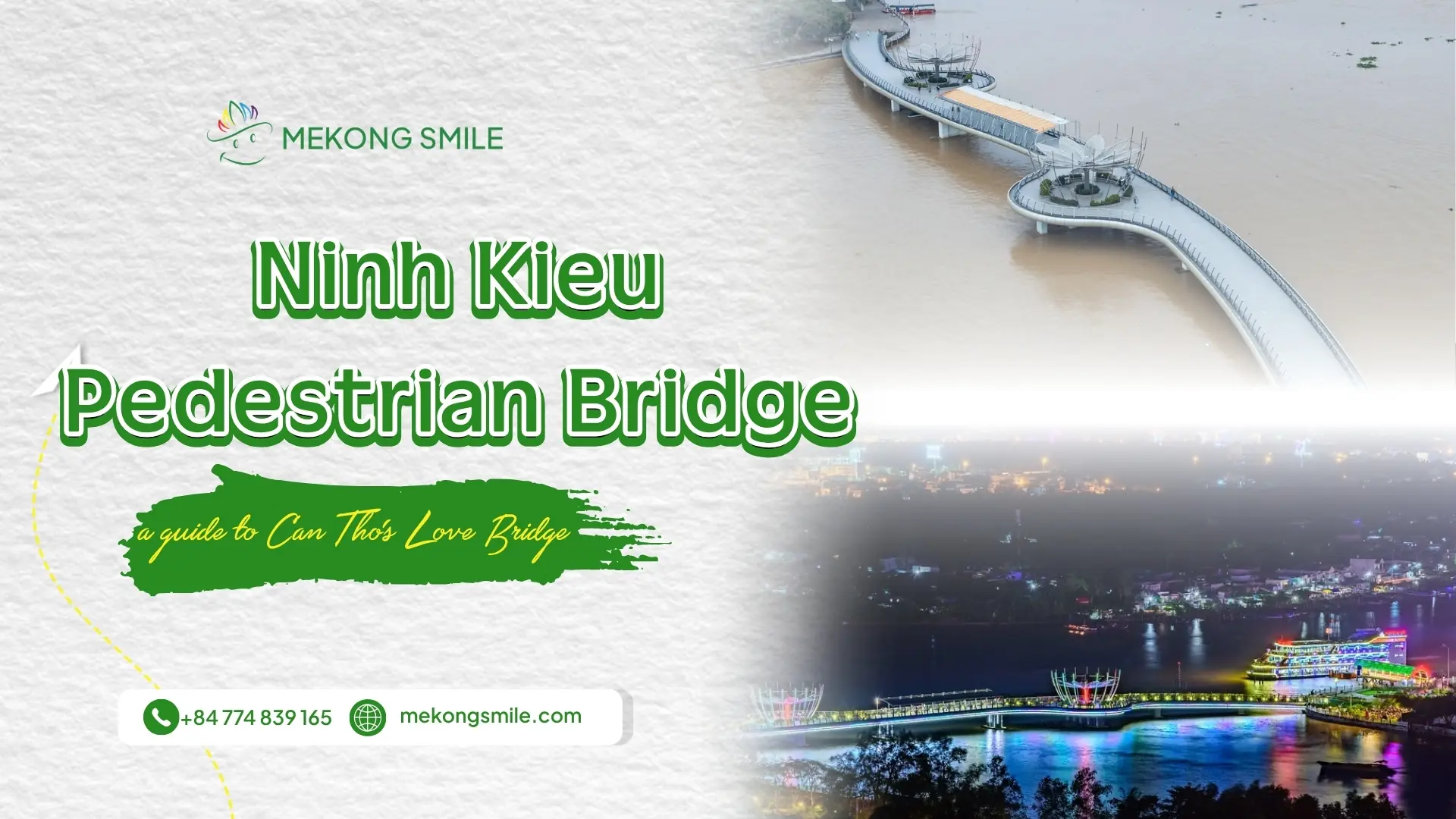
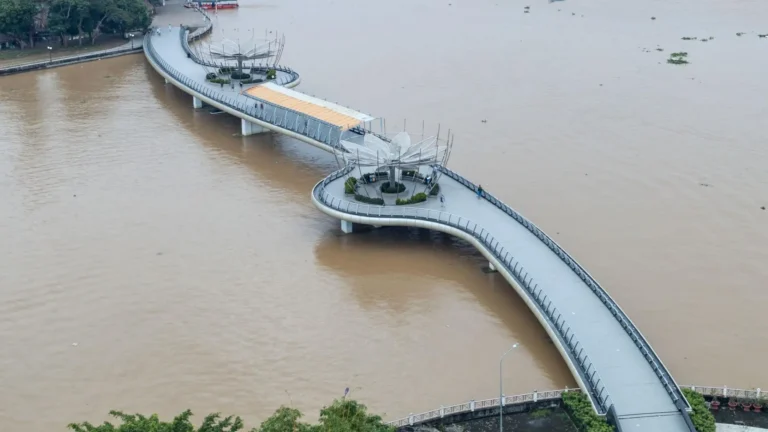
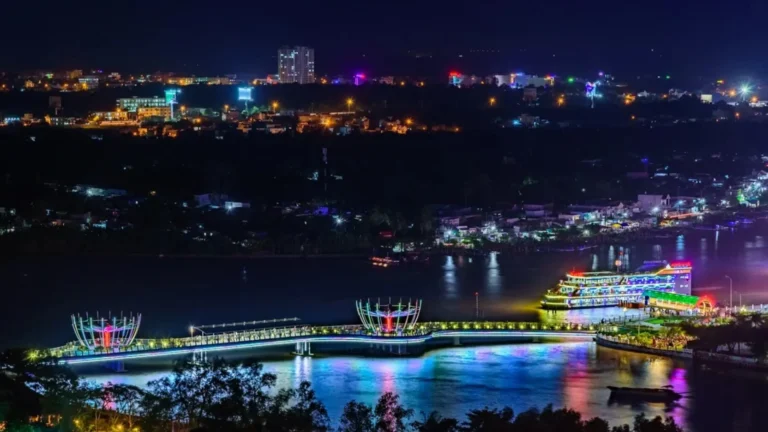
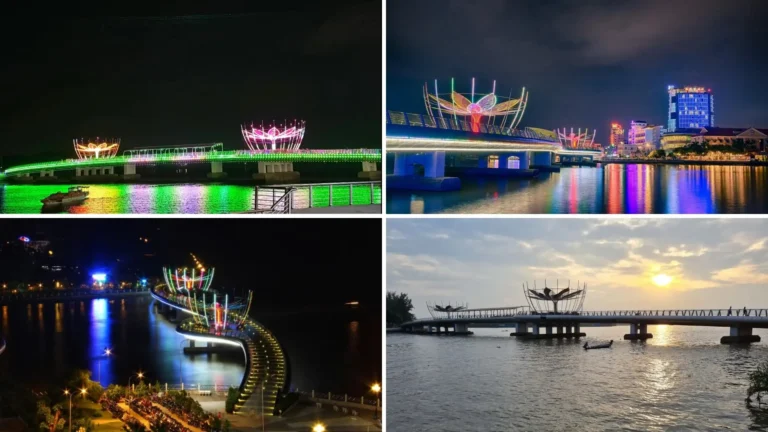
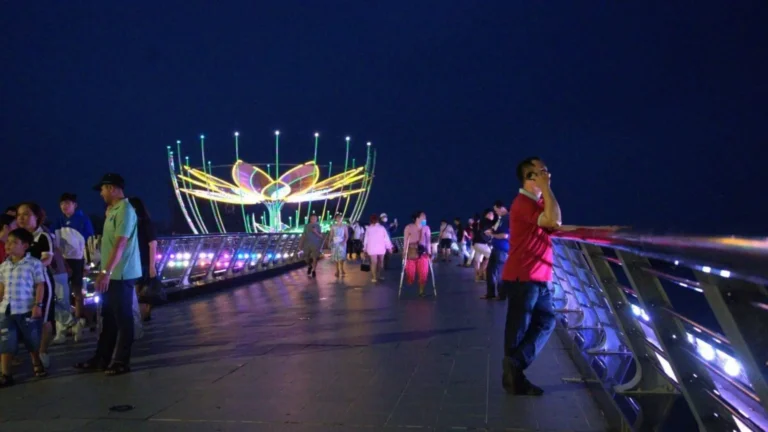

Ninh Kieu Pedestrian Bridge is one of the most recognizable landmarks along the Can Tho waterfront. With its gently curving walkway, two lotus-inspired structures, and colorful evening lights, the bridge offers a pleasant place to enjoy the riverside atmosphere in the city center.
Locally known as Cầu đi bộ Ninh Kiều or Cầu Tình Yêu (Love Bridge), it connects the Ninh Kieu Wharf area with Cai Khe Islet. Visitors can walk across the bridge for free, admire views toward the Hau River, and explore nearby attractions without arranging a guided tour.
Whether you are looking for a peaceful morning walk, a place to take photographs, or a relaxing evening activity, Ninh Kieu Pedestrian Bridge is an easy addition to your Can Tho itinerary.
Planning tip: Allow approximately 20-30 minutes to explore the bridge itself. For a longer outing, combine it with Ninh Kieu Wharf, the riverside promenade, and the nearby night market.
Ninh Kieu Pedestrian Bridge at a glance
| Information | Details |
| Vietnamese name | Cầu đi bộ Ninh Kiều (Cầu Tình Yêu) |
| Location | Ninh Kieu Ward, Can Tho City, Vietnam |
| Google Maps | https://s.mekongsmile.com/NinhKieuPedestrianBridge |
| Type | Public pedestrian bridge and riverside attraction |
| Admission | Free |
| Visiting access | Public pedestrian area; no ticketed visiting sessions |
| Length | Approximately 199 m (653 ft) |
| Width | Approximately 7.2 m (24 ft) |
| Opening date | February 6, 2016 |
| Suggested visit duration | 20-30 minutes |
| Recommended visiting time | Late afternoon and evening |
| Nearby attractions | Ninh Kieu Wharf, Can Tho Night Market, and the Hau River waterfront |
Ninh Kieu Pedestrian Bridge is a public space with no admission fee. Visitors can enjoy a riverside walk, take photographs, and admire the surrounding scenery without purchasing a ticket.
However, nearby river cruises, restaurants, cafés, and other commercial services have separate prices and operating schedules. Access to the bridge may occasionally be restricted for maintenance, severe weather, or public safety.
Where is Ninh Kieu Pedestrian Bridge?
Ninh Kieu Pedestrian Bridge is located beside Ninh Kieu Wharf, near Hai Ba Trung Street in central Can Tho.
The bridge spans the mouth of Khai Luong Canal, connecting the waterfront promenade near Ninh Kieu Wharf with the Cai Khe area. From here, visitors can enjoy views toward the Hau River, where passenger boats, sightseeing cruises, and other vessels travel through the city’s waterways.
Its central location makes the bridge particularly convenient for travelers staying near the waterfront or exploring Can Tho on foot.
How to get to Ninh Kieu Pedestrian Bridge
If your hotel is near Ninh Kieu Wharf, you can usually reach the bridge by walking along the riverside promenade.
From elsewhere in Can Tho, take a taxi or ride-hailing vehicle and search for one of these names:
- Ninh Kieu Pedestrian Bridge
- Cầu đi bộ Ninh Kiều
- Bến Ninh Kiều (Ninh Kieu Wharf)
The bridge is easy to recognize by its S-shaped walkway and two large lotus-inspired structures.
You do not need to purchase a ticket or arrange a boat transfer to visit. If arriving by car or motorbike, follow local signs for designated parking areas.
What makes Ninh Kieu Pedestrian Bridge special?
Ninh Kieu Pedestrian Bridge is more than a simple crossing. Its architecture and waterfront location have made it a familiar part of Can Tho’s modern cityscape.
Officially opened on February 6, 2016, the bridge was developed as part of the city’s waterfront landscape, creating additional public space for residents and visitors.
An S-shaped design
One of the bridge’s distinguishing features is its gently curving S-shaped walkway.
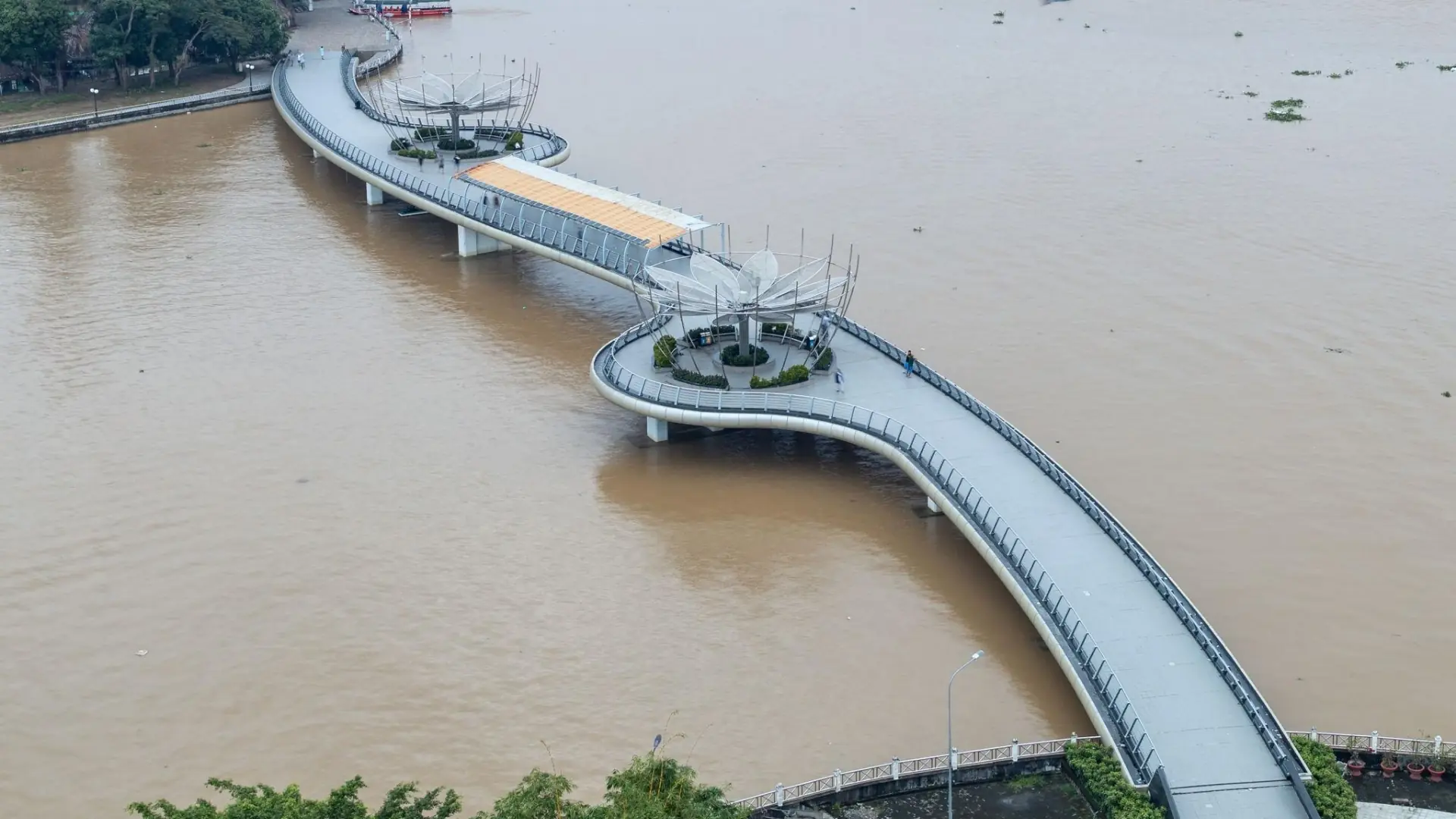
Rather than extending in a straight line, the bridge bends across the water, creating different views as visitors move from one end to the other.
Its S-shaped form is sometimes compared to the outline of Vietnam, adding a recognizable visual characteristic to the structure.
Measuring approximately 199 meters long and 7.2 meters wide, the bridge is suitable for a short walk while offering several places to pause and enjoy the surroundings.
Two lotus-inspired structures
Another recognizable feature is the pair of large lotus-inspired structures positioned along the bridge.
These structures stand above widened sections of the walkway, where visitors can pause, take photographs, and enjoy views of the surrounding waterways.
The lotus is a familiar symbol in Vietnamese culture, often associated with purity and resilience. Its use in the design adds a cultural element to the bridge’s contemporary appearance.
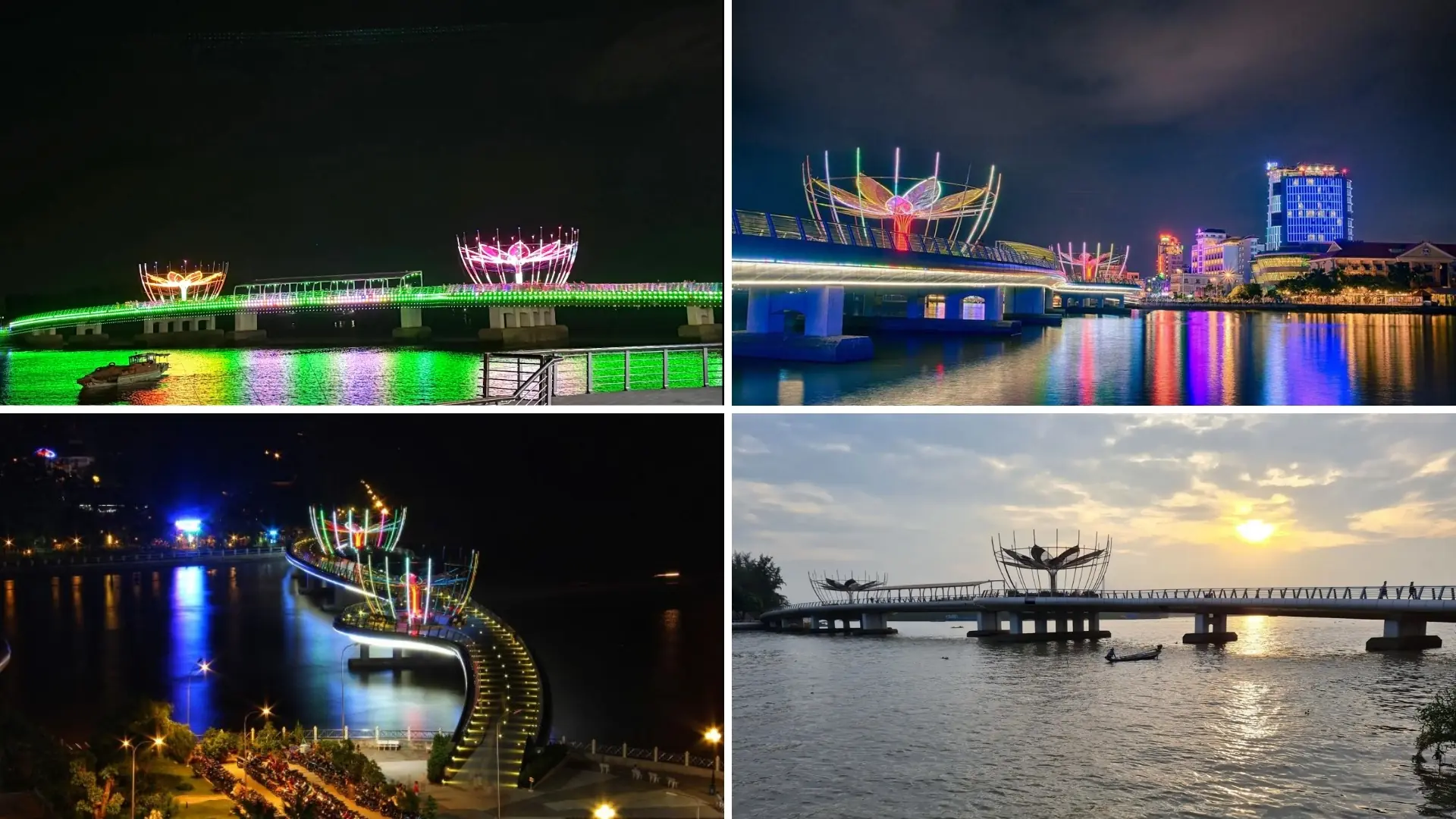
During the day, the structures are easy to appreciate in natural light. After sunset, decorative lighting adds color to the bridge and makes the lotus features stand out against the evening skyline.
A lively atmosphere after sunset
As evening approaches, the bridge takes on a different character.
Decorative lighting illuminates the lotus-shaped structures and sections of the walkway, while colorful reflections may appear on the water below.
The surrounding waterfront also becomes livelier as residents, families, and travelers come out to enjoy the cooler evening air.
Visitors can watch boats moving along nearby waterways, photograph the illuminated bridge, or simply take a short walk before continuing to nearby restaurants and market areas.
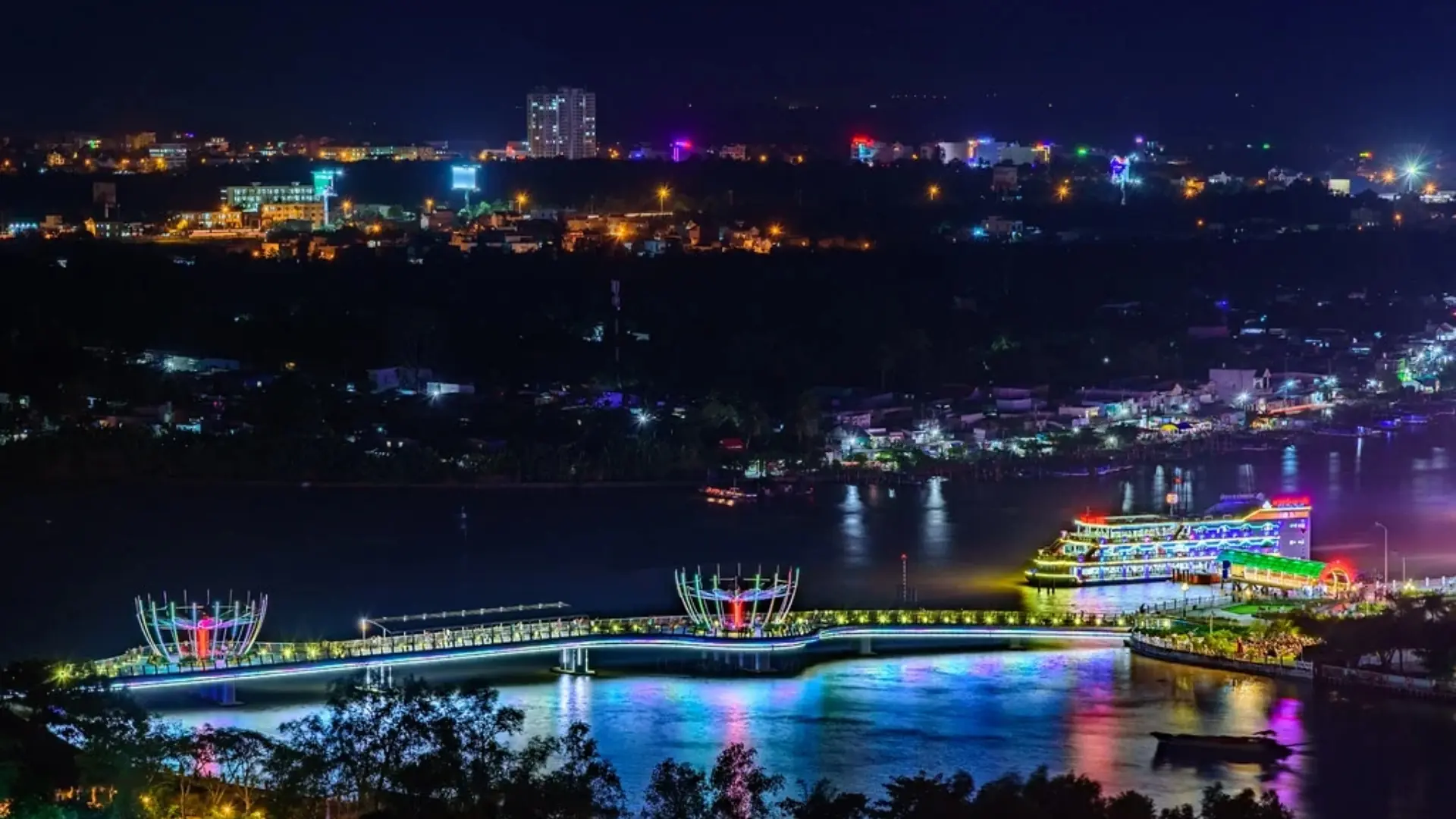
The bridge does not require several hours to explore. Its appeal lies in the combination of architecture, river views, and its convenient location within Can Tho’s waterfront district.
When is the best time to visit Ninh Kieu Pedestrian Bridge?
The bridge offers different experiences throughout the day. Choosing the right time depends on whether you prefer quieter surroundings, natural light, or the illuminated evening scene.
Early morning: a quieter riverside walk
Suggested time: 5:30 AM to 7:00 AM
Early morning is a pleasant option for visitors who prefer fewer crowds and more comfortable walking temperatures.
You can enjoy the riverfront before the busier daytime period and photograph the bridge in natural light.
This is also a convenient choice if you enjoy exploring the city on foot before breakfast.
Late afternoon: softer light for photography
Suggested time: 5:00 PM to 6:00 PM
Late afternoon is a good time to appreciate the bridge’s architecture before its decorative lighting becomes the main attraction.
The softer light helps reveal the walkway’s curves, lotus structures, and surrounding waterfront.
If you enjoy travel photography, arriving before sunset allows you to photograph the bridge in daylight and remain as the atmosphere changes toward evening.
Evening: lights and the waterfront atmosphere
Suggested time: 6:30 PM to 8:30 PM
Evening is one of the most popular times to explore Ninh Kieu Pedestrian Bridge.
The colorful lighting, river views, and activity along the waterfront create an enjoyable setting for a short walk.
You can also combine the bridge with nearby restaurants, cafés, or night market areas.
Good to know: These are suggested visiting times rather than official schedules. Decorative lighting and public access may occasionally be affected by maintenance, weather, or local safety arrangements.
Where to take photos at Ninh Kieu Pedestrian Bridge
Ninh Kieu Pedestrian Bridge offers several photography opportunities, especially for visitors interested in architecture and riverfront scenery.
You do not need professional camera equipment to capture the bridge. Choosing a suitable viewpoint and time of day often makes the biggest difference.
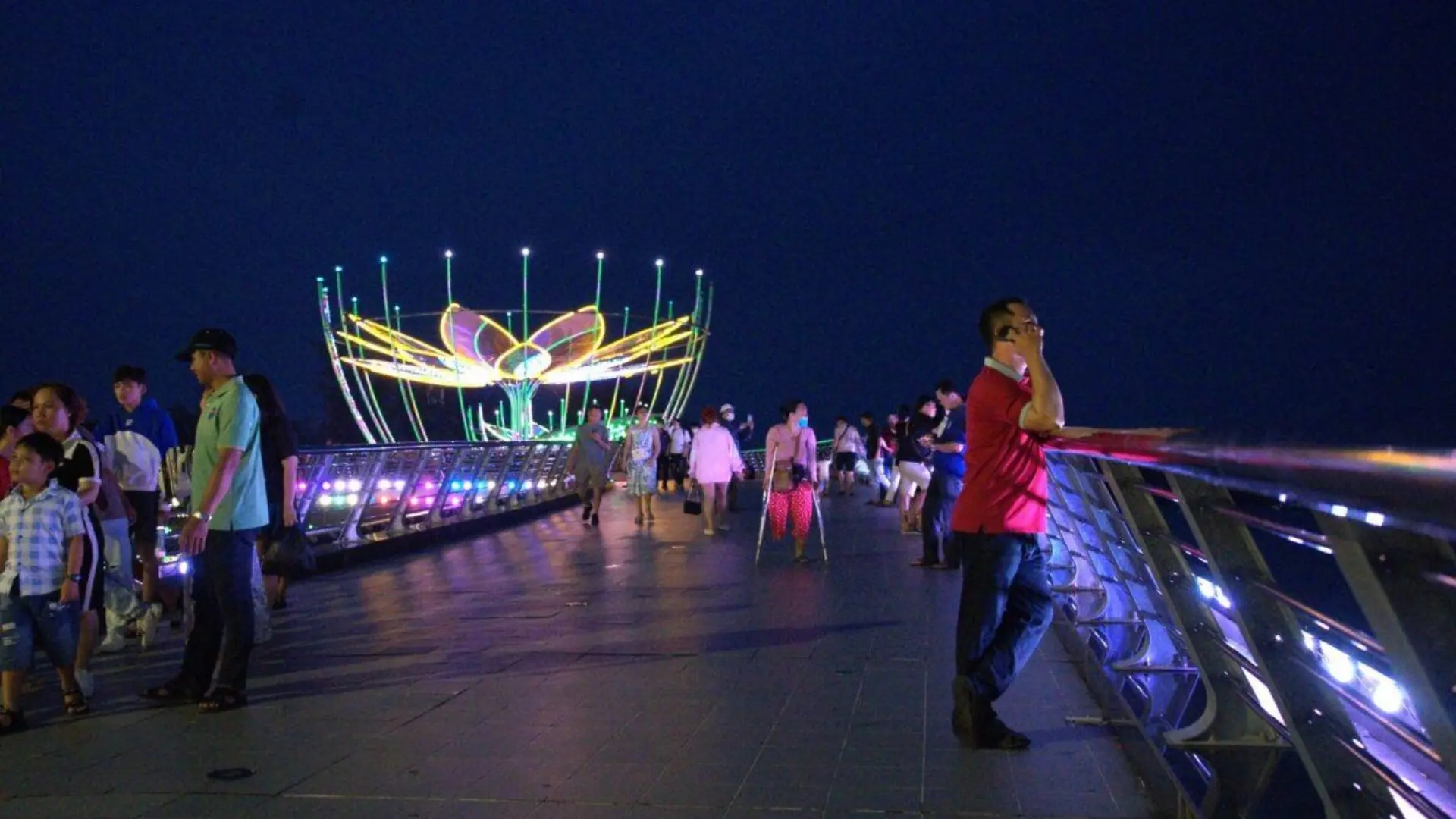
1. From the Ninh Kieu Wharf entrance
Start near the entrance on the Ninh Kieu Wharf side and look along the walkway.
From a suitable position, you can photograph the curved design with the lotus structures in the background.
This viewpoint works particularly well during daylight, when the architectural details are easier to see.
2. Near the lotus-shaped structures
The widened sections of the bridge offer views toward the surrounding waterways and cityscape.
For portraits, the lotus-inspired structures provide a recognizable Can Tho backdrop.
Try different angles rather than standing directly beneath the structures. This allows you to include more of their shape in your photographs.
Be considerate of other visitors and avoid blocking the walkway.
3. From the surrounding waterfront
Some photographs work better when taken from outside the bridge.
From a suitable position along the riverside, you may be able to capture more of its curved structure, including the lotus features and reflections on the water.
This perspective is particularly attractive after sunset when the decorative lighting is operating.
For nighttime photography, keep your camera steady and avoid excessive digital zoom.
An easy evening itinerary around Ninh Kieu Wharf
One advantage of visiting Ninh Kieu Pedestrian Bridge is its proximity to other attractions in central Can Tho.
You can combine the bridge with a riverside walk, local food, and casual shopping without arranging transportation between each stop.
Here is a suggested itinerary lasting approximately 1.5-2 hours, excluding a long dinner.
5:30 PM: Start at Ninh Kieu Wharf
Begin your evening at Ninh Kieu Wharf, one of Can Tho’s main waterfront landmarks.
Walk along the promenade, watch boats moving along the Hau River, and enjoy the riverside atmosphere.
This is a good opportunity to see the waterfront before the evening lights become prominent.
6:00 PM: Walk across Ninh Kieu Pedestrian Bridge
Continue toward the pedestrian bridge and take your time crossing it.
Stop near the lotus-inspired structures to enjoy the views and take photographs.
If you arrive around sunset, you may see the transition from natural daylight to the bridge’s evening illumination.
7:00 PM: Explore Can Tho Night Market
After visiting the bridge, return toward the central waterfront and explore the nearby Can Tho Night Market.
The surrounding area offers casual shopping, local snacks, and opportunities to experience the city’s evening atmosphere.
You can also explore nearby streets for additional restaurants and local food options.
The itinerary is flexible, so you can spend more time at any stop depending on your interests.
Discover Can Tho through its local food
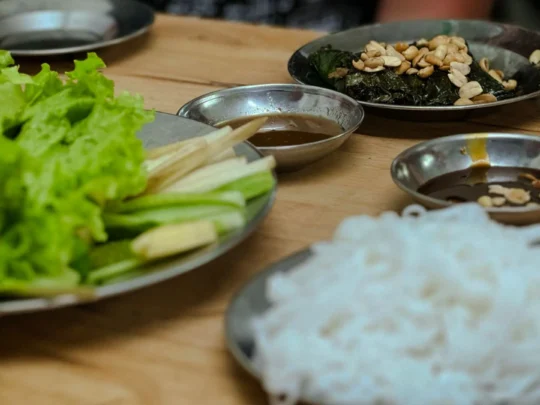
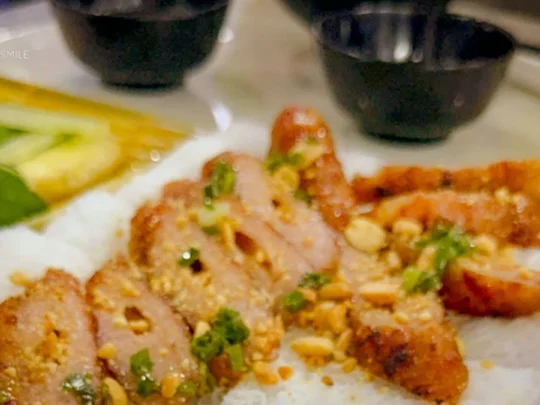
Can Tho’s evening food scene offers another way to explore the city beyond its waterfront landmarks.
From familiar Vietnamese dishes to regional Mekong Delta specialties, local food reflects the ingredients and culinary traditions of southern Vietnam.
For travelers interested in learning more about these flavors, a guided food experience can complement an evening around Ninh Kieu Wharf.
Can Tho Food & Culinary Tours









Attractions in Mekong Delta
















Attractions in Mekong Delta
What about Ninh Kieu walking street?
On weekend evenings, the nearby Ninh Kieu walking street may add cultural activities, local entertainment, and food stalls to the waterfront experience.
The walking street is a separate public space from Ninh Kieu Pedestrian Bridge, and its event schedules may vary.
Visitors can enjoy the pedestrian bridge independently of any organized walking-street activities.
Practical tips for visiting Ninh Kieu Pedestrian Bridge
A visit to the bridge is straightforward, but a few practical considerations can make the experience more comfortable.
- Wear comfortable shoes. The bridge is short, but you may walk considerably farther when exploring the surrounding waterfront.
- Check the weather. Sudden rain and thunderstorms can make outdoor sightseeing less comfortable, particularly during the rainy season.
- Be cautious during high tides. Some low-lying riverside areas may be affected by rising water levels.
- Keep personal belongings secure. Take normal precautions in crowded public areas, particularly during busy evenings.
- Respect other visitors. Avoid blocking the walkway when stopping to take photographs.
- Bring drinking water during hot weather. Midday temperatures can make outdoor walking less comfortable.
- Allow time for nearby attractions. Although the bridge itself takes only a short time to explore, the surrounding waterfront is worth visiting.
Families with young children should provide appropriate supervision, particularly near railings and during busy periods.
Visitors with limited mobility may wish to check the condition of nearby paths and entrances before visiting.
Is Ninh Kieu Pedestrian Bridge the same as Can Tho Bridge?
No. Ninh Kieu Pedestrian Bridge and Can Tho Bridge are two different landmarks. Their similar English names can sometimes cause confusion.
Ninh Kieu Pedestrian Bridge is a short S-shaped pedestrian bridge beside Ninh Kieu Wharf. It crosses the mouth of Khai Luong Canal and is designed for walking and waterfront recreation.
Can Tho Bridge, on the other hand, is a large cable-stayed road bridge spanning the Hau River and connecting Can Tho City with Vinh Long Province.
If you want to visit the bridge with lotus-inspired structures, search for Cầu đi bộ Ninh Kiều.
If you want to see the large bridge with tall pylons and cables, search for Cầu Cần Thơ.
Both are recognizable parts of Can Tho’s landscape, but they serve different purposes and offer different experiences.
Explore more of Can Tho after your visit
Ninh Kieu Pedestrian Bridge is an easy introduction to Can Tho’s waterfront, but there is much more to explore beyond the city center.
If you are planning a longer stay, our Can Tho travel guide covers local attractions, food, transportation, river experiences, and practical travel suggestions.
Travelers who want to explore more of Can Tho can also combine sightseeing with experiences that introduce local culture and cuisine.
Can Tho Sightseeing Tours with Culinary Experiences











Attractions in Mekong Delta












Attractions in Mekong Delta










Attractions in Mekong Delta

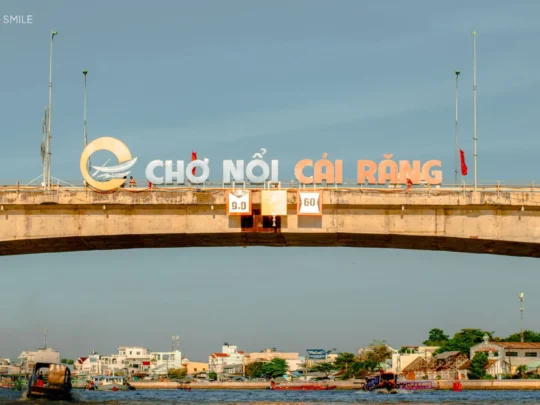
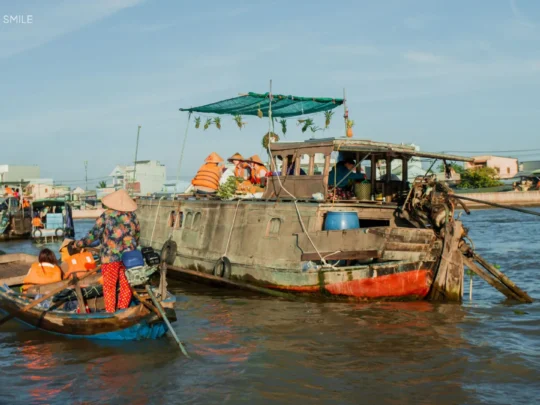



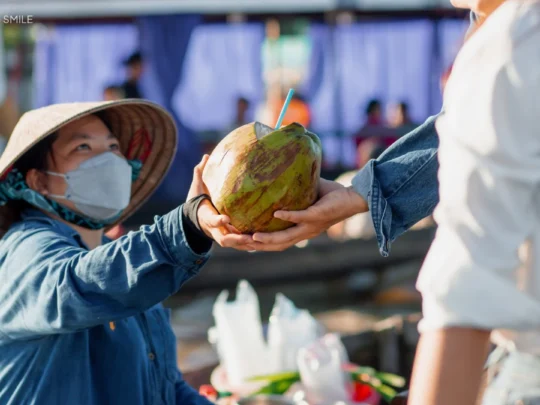

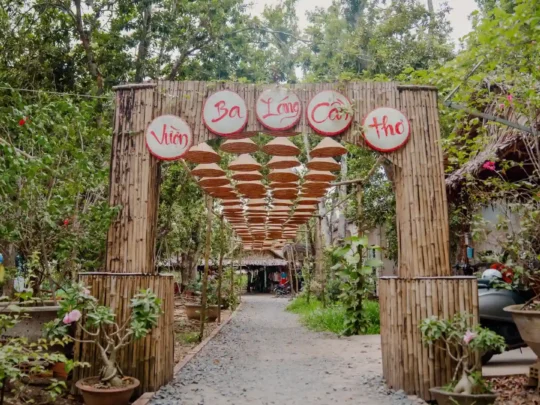


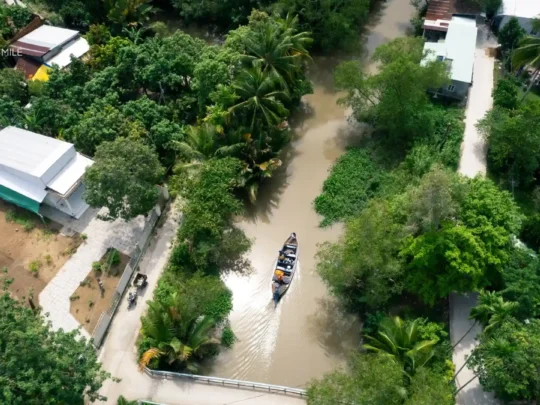
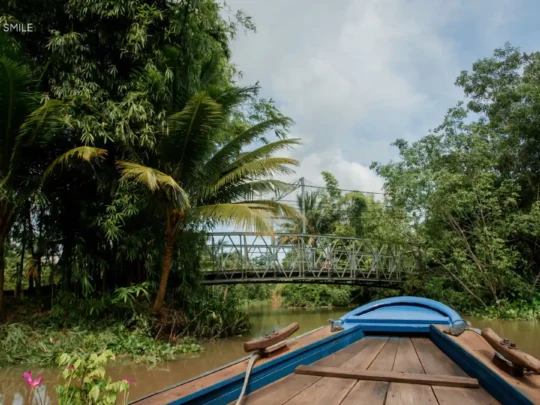

Attractions in Mekong Delta
Can Tho Floating Market & Fruit Garden Tour: Mekong Tropical Sense
From an evening walk to a morning on the river
If you spend the evening around Ninh Kieu Wharf, consider exploring another side of Can Tho the following morning.
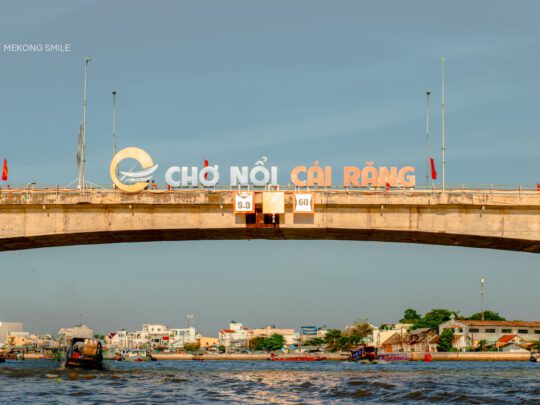
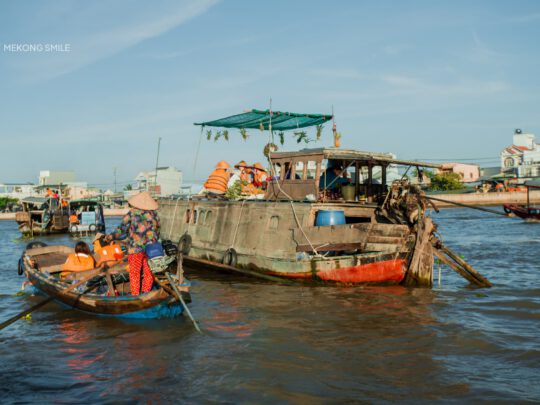
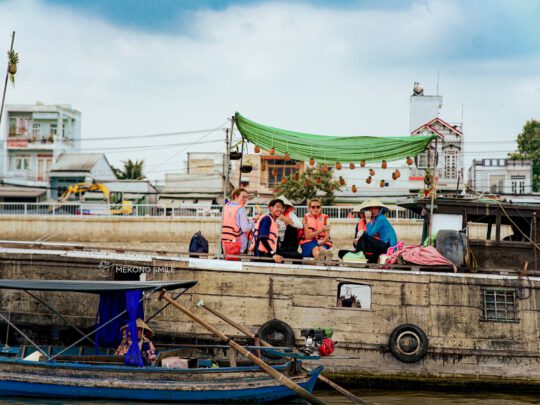
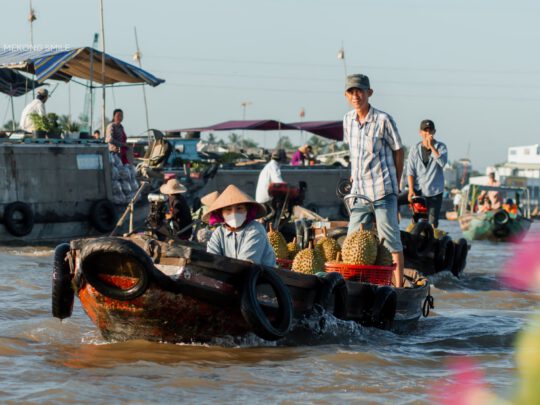
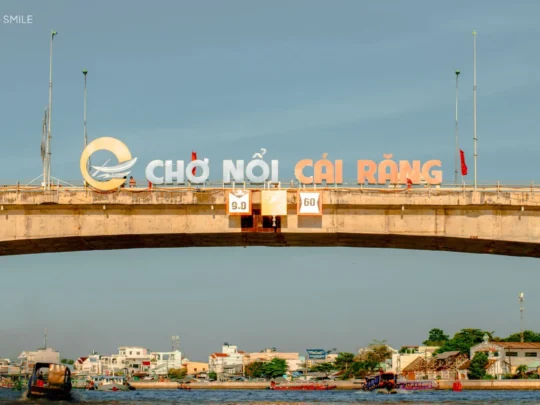
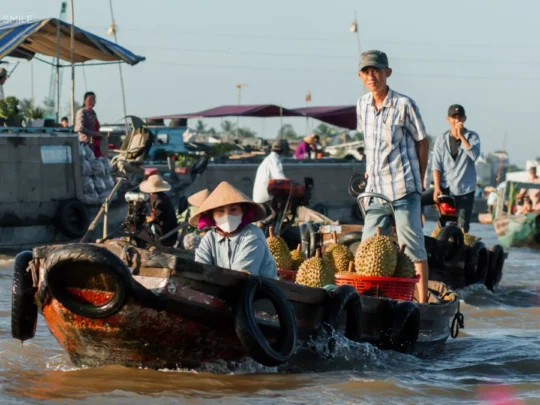
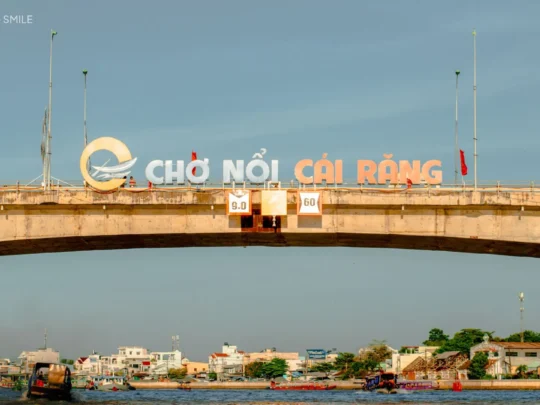
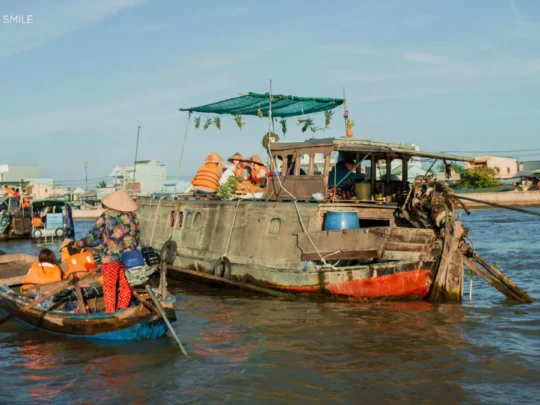
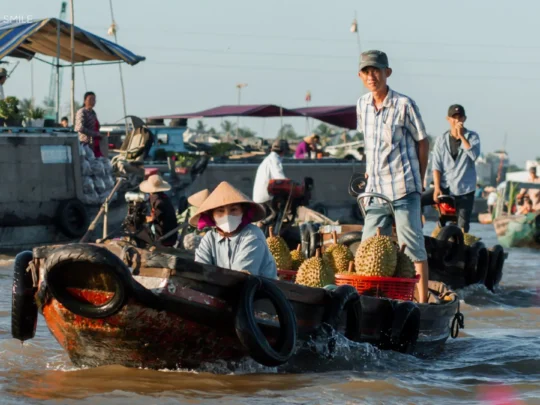
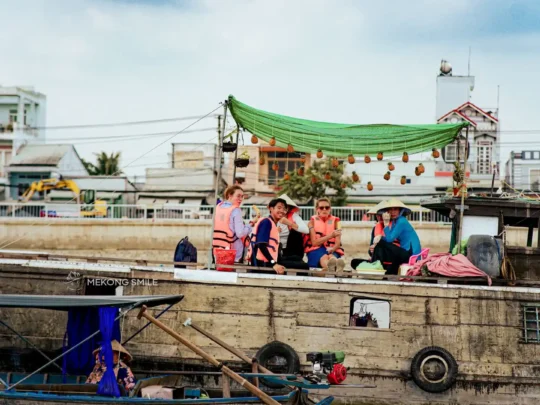
Cai Rang Floating Market is one of the city’s most distinctive river experiences. Visiting in the early morning gives travelers an opportunity to observe trading activities and daily life along the waterways.
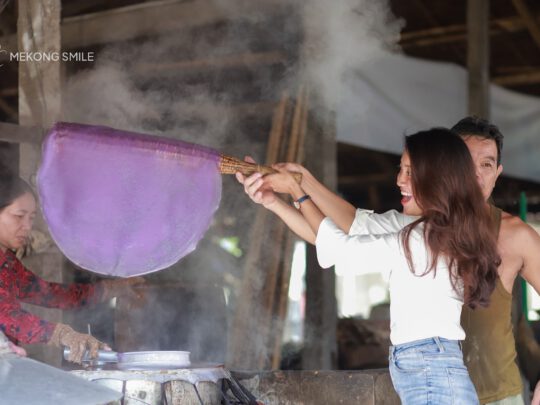
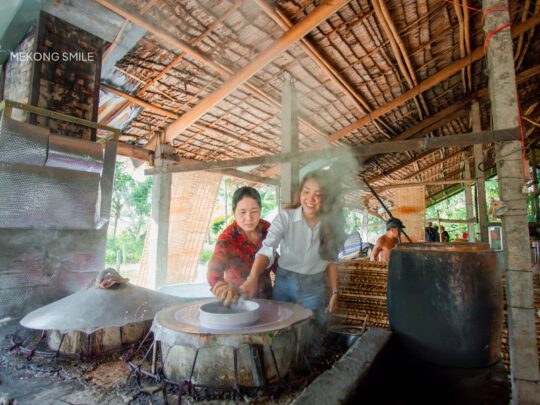
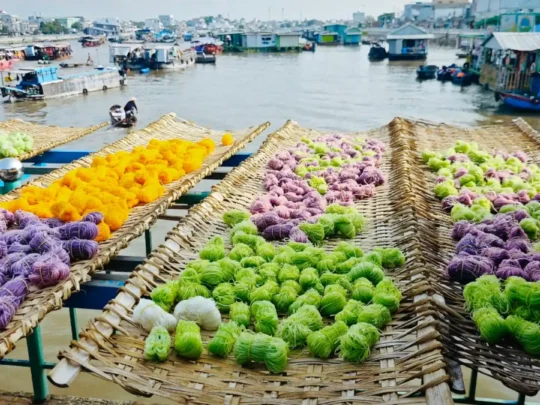
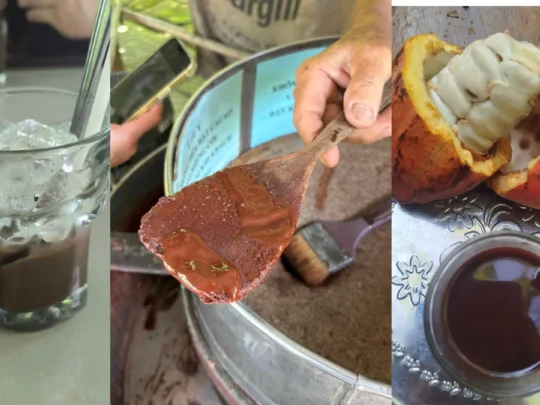
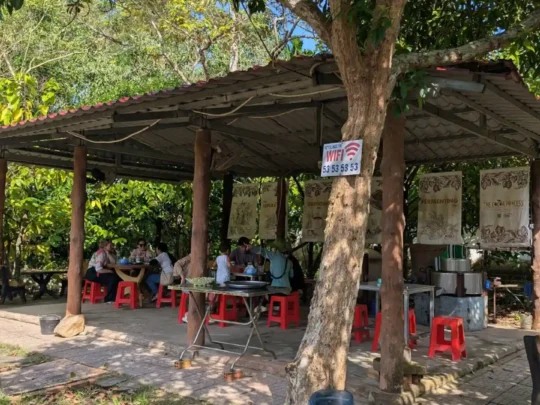
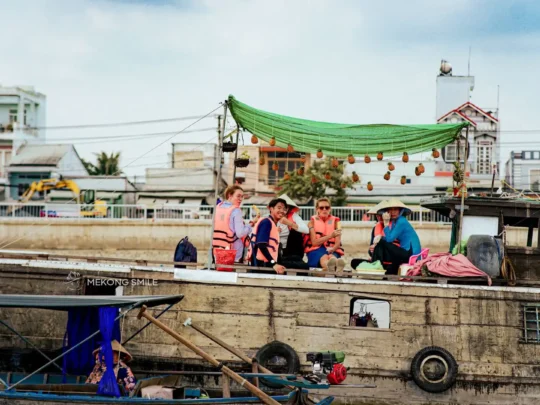
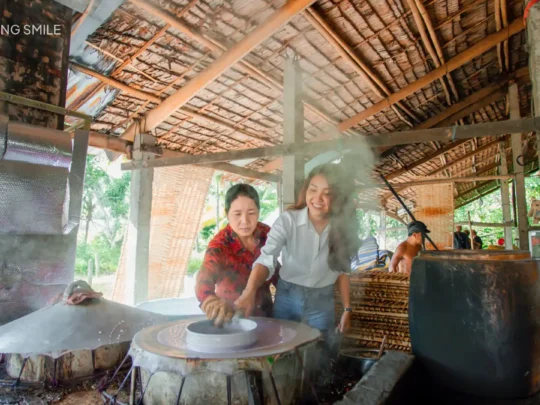
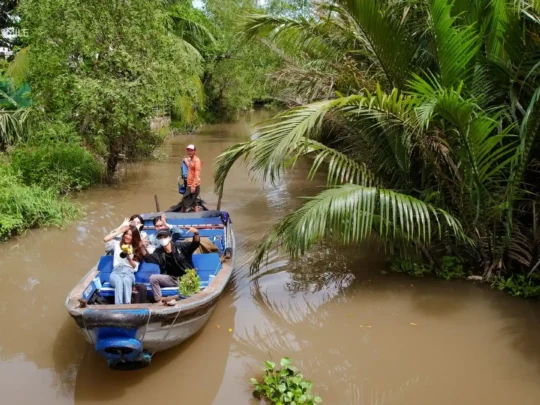
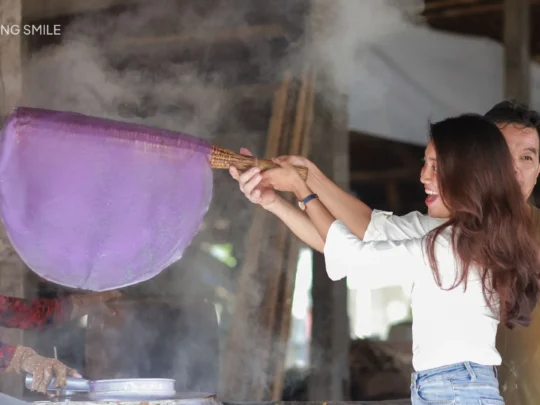
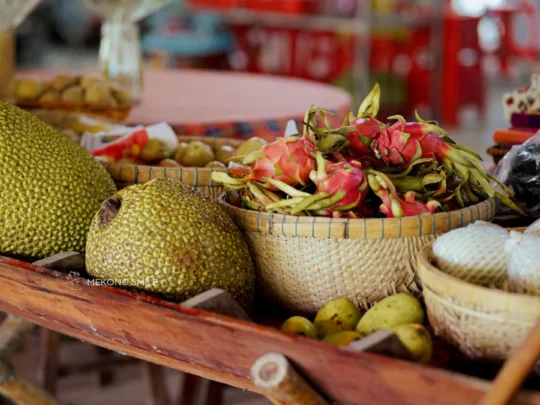
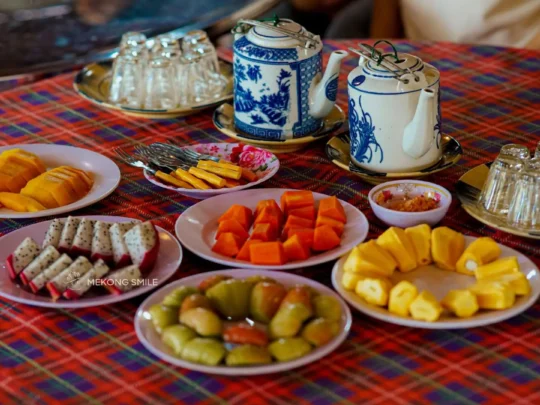
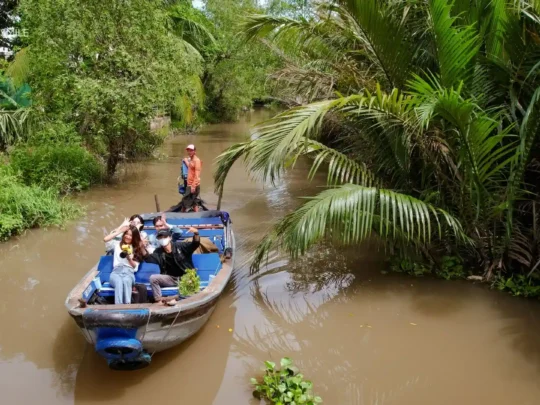
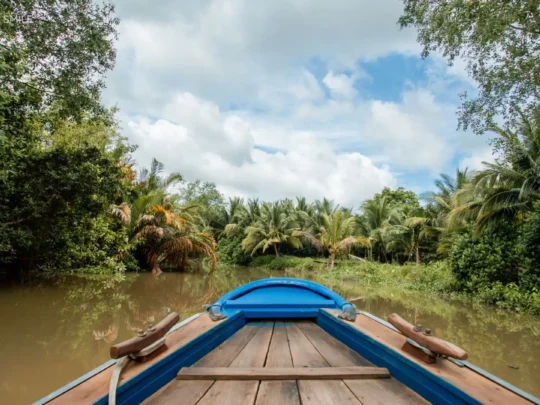
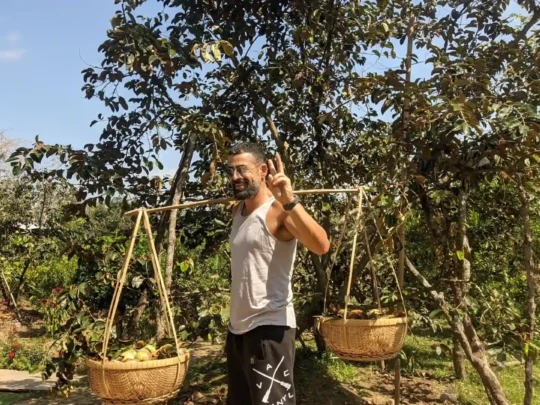
Mekong Smile offers several Can Tho river experiences featuring Cai Rang Floating Market, with itineraries that may include breakfast on a boat, a traditional rice noodle workshop, fruit gardens, or smaller canals, depending on the selected tour.
For travelers interested in combining the waterfront with a morning river journey, explore the tours below.
Explore Can Tho Tours & Cai Rang Floating Market Experiences
Planning to explore Can Tho? Browse our selection of tours, including options that feature a visit to Cai Rang Floating Market. Each tour offers a different itinerary, so you can choose the experiences that best match your interests and travel plans.
Attractions in Mekong Delta

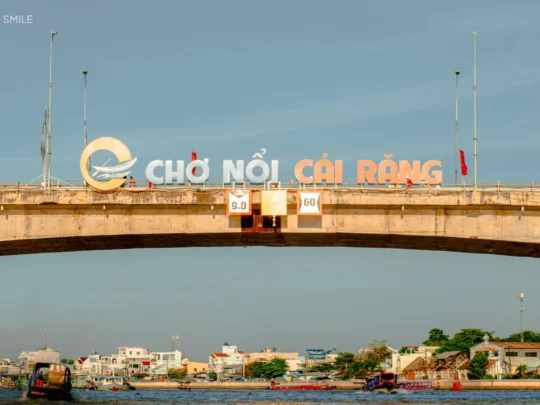
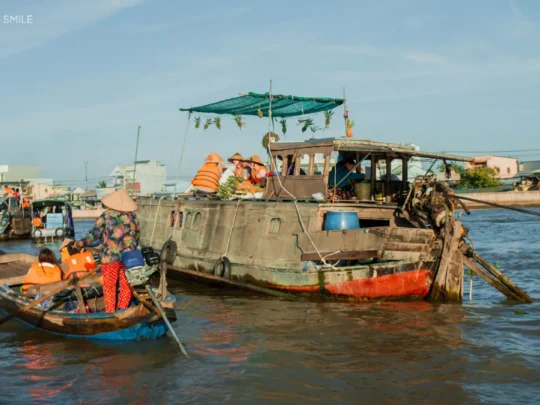








Attractions in Mekong Delta
Can Tho river tour: floating market and rice noodle workshop in 3 hours
Attractions in Mekong Delta
Can Tho Floating Market & Fruit Garden Tour: Mekong Tropical Sense











Attractions in Mekong Delta
Can Tho Rural Tour: Cai Rang Floating Market and Rural Cycling
Attractions in Mekong Delta
Attractions in Mekong Delta


Attractions in Mekong Delta
Antique Mekong Delta Cruise: Premium Cai Rang Floating Market


Attractions in Mekong Delta
Bassac Cruise Cai Be Can Tho Tour: Authentic Mekong River Journey


Attractions in Mekong Delta

















Attractions in Mekong Delta
Mekong Delta 2 Day Tour from Ho Chi Minh City: My Tho – Ben Tre – Can Tho


Attractions in Mekong Delta
Plan your Can Tho experience with Mekong Smile
Whether you are visiting Can Tho for a short stay or planning a longer journey through the Mekong Delta, choosing activities based on your available time and interests can help you make the most of your trip.
Mekong Smile offers locally guided experiences covering Can Tho’s waterways, rural communities, cultural attractions, and regional cuisine.
If you need help choosing an itinerary or planning activities around your travel dates, contact our team using the form below.
Planning Your Mekong Trip?
Get a free, personalized itinerary from our local experts in under 120 minutes.

Get a Free Consultation Leave your contact, we handle the rest.
Frequently asked questions about Ninh Kieu Pedestrian Bridge
Is Ninh Kieu Pedestrian Bridge free to visit?
Yes. Ninh Kieu Pedestrian Bridge is a public pedestrian bridge with no admission fee. Visitors can walk across it, take photographs, and enjoy the riverside views for free. Nearby river cruises, restaurants, cafés, and other commercial services have separate charges.
Can you visit Ninh Kieu Pedestrian Bridge at night?
Yes. The bridge is a public pedestrian area and a popular place for evening walks. Its decorative lighting creates a colorful atmosphere after sunset. Access may occasionally be restricted due to maintenance, severe weather, or local safety measures.
What is the best time to visit Ninh Kieu Pedestrian Bridge?
Late afternoon and evening are particularly pleasant times to visit. Arriving around 5:00-6:00 PM allows you to appreciate the bridge’s architecture in natural light, while visiting after sunset offers views of its decorative lighting when operating. Early morning is another good option for a quieter walk.
How long does it take to visit Ninh Kieu Pedestrian Bridge?
Most visitors spend around 20-30 minutes walking across the bridge and taking photographs. If you also explore Ninh Kieu Wharf, the nearby night market, and the surrounding waterfront, allow approximately 1-2 hours.
Where is Ninh Kieu Pedestrian Bridge located?
The bridge is located beside Ninh Kieu Wharf in Ninh Kieu Ward, Can Tho City, Vietnam. It crosses the mouth of Khai Luong Canal, connecting the Ninh Kieu waterfront area with Cai Khe Islet. It is easily accessible from the city center.
Is Ninh Kieu Pedestrian Bridge the same as Love Bridge?
Yes. Ninh Kieu Pedestrian Bridge is commonly known as Love Bridge, or Cầu Tình Yêu in Vietnamese. It is recognizable by its S-shaped walkway and two large lotus-inspired structures.
Does Ninh Kieu Pedestrian Bridge cross the Hau River?
No. The bridge crosses the mouth of Khai Luong Canal rather than the main Hau River. However, its waterfront location offers views toward the Hau River and the surrounding cityscape.
What attractions are near Ninh Kieu Pedestrian Bridge?
Visitors can combine a walk across the bridge with nearby attractions such as Ninh Kieu Wharf, Can Tho Night Market, and the surrounding riverside promenade. Restaurants, cafés, and river cruises are also available in the area.
Is Ninh Kieu Pedestrian Bridge suitable for families with children?
Yes. The bridge is a popular public walking area for families. Children should remain supervised, particularly during busy evenings, and visitors should avoid climbing railings or blocking pedestrian pathways.
Is Ninh Kieu walking street the same as Ninh Kieu Pedestrian Bridge?
No. Ninh Kieu Pedestrian Bridge is a permanent pedestrian crossing, while Ninh Kieu walking street is a nearby public area that hosts entertainment, cultural activities, and food stalls on scheduled evenings. Walking-street activities may vary, but you do not need to attend an event to enjoy the bridge.
