
 Can Tho


Last updated: June 2026
First, Decide What You Want from the Sea
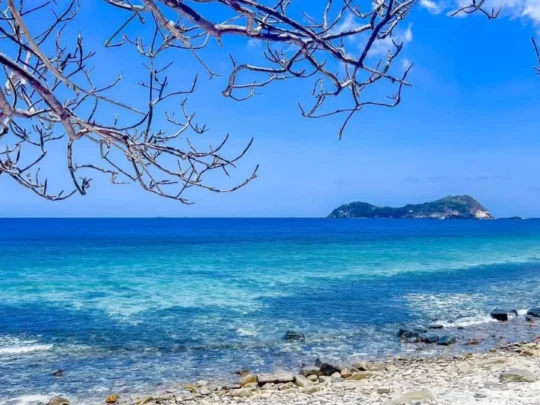
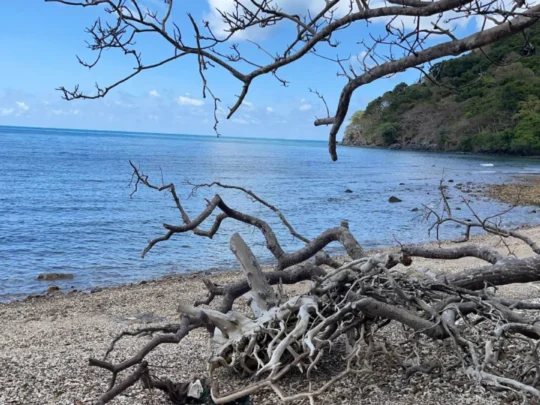
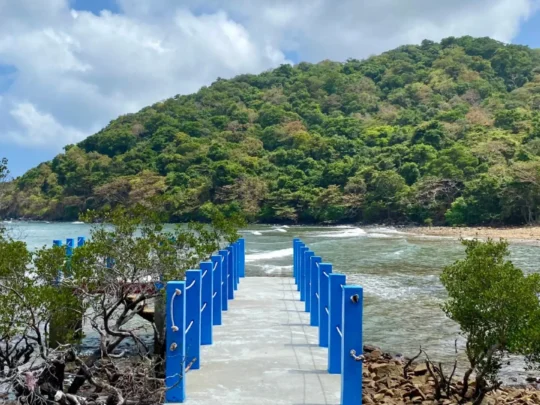
The main Con Dao reef experiences can be grouped into several styles: giant clam habitat, reef and wildlife routes, afternoon sea routes, seabird island routes, and conservation-focused island routes.
For focused reef habitat, Bamboo Lagoon is worth comparing. Bay Canh and Hon Tai combine reef scenery with island wildlife, while Ba Island has a softer afternoon rhythm with reef time and sunset scenery. Trung Island leans more toward seabirds and offshore island ecology. Bay Canh and Cau Island add conservation context, mangroves and island history.
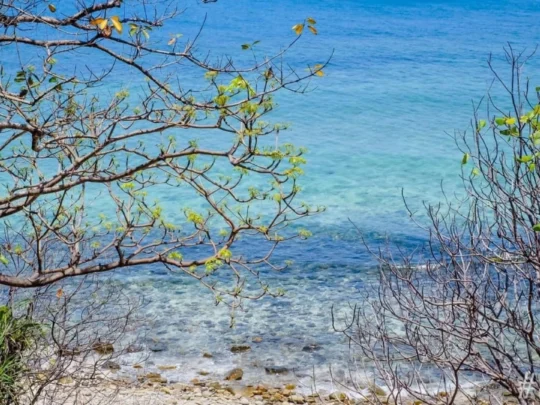
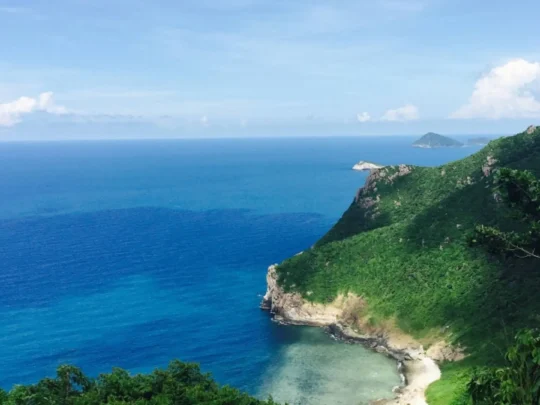
Start with the role you want the sea route to play in your trip: reef habitat, clear-water scenery, wildlife, island context or conservation background. Sea conditions also matter. Water visibility, comfort in the sea and route operation can change with wind, tide, weather and safety decisions.
Travelers still deciding between forest, reef, wildlife or conservation can start with our overview of Con Dao nature experiences before choosing a specific reef or sea route.
Reef Experiences in Con Dao Are Not All the Same
It is easy to group every sea-based route under “snorkeling”, but that can create the wrong expectation.
Some routes center on reef habitat. Some combine reef time with island wildlife. Some are more scenic and relaxed. Some include seabirds or fishing. Some use water time as one part of a wider conservation route.
That difference matters when you compare Con Dao reef experiences. A traveler interested in giant clam habitat should not compare routes in the same way as someone who mainly wants seabirds. A traveler who wants a calm afternoon on the water may not want a full-day forest-and-sea route. A traveler who wants conservation context should not judge the experience only by time in the water.
Before comparing routes, ask a simpler question: do you want reef life, island ecology, a relaxed afternoon, or a better understanding of Con Dao’s protected marine landscape?
Main Reef and Sea Routes to Compare
Bamboo Lagoon: Giant Clam Habitat
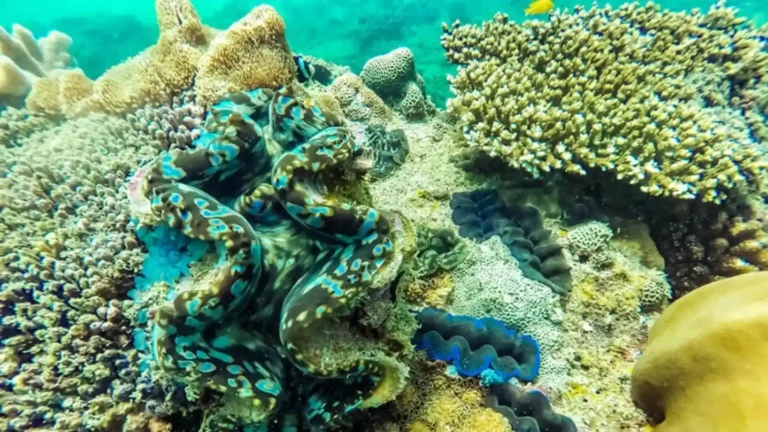
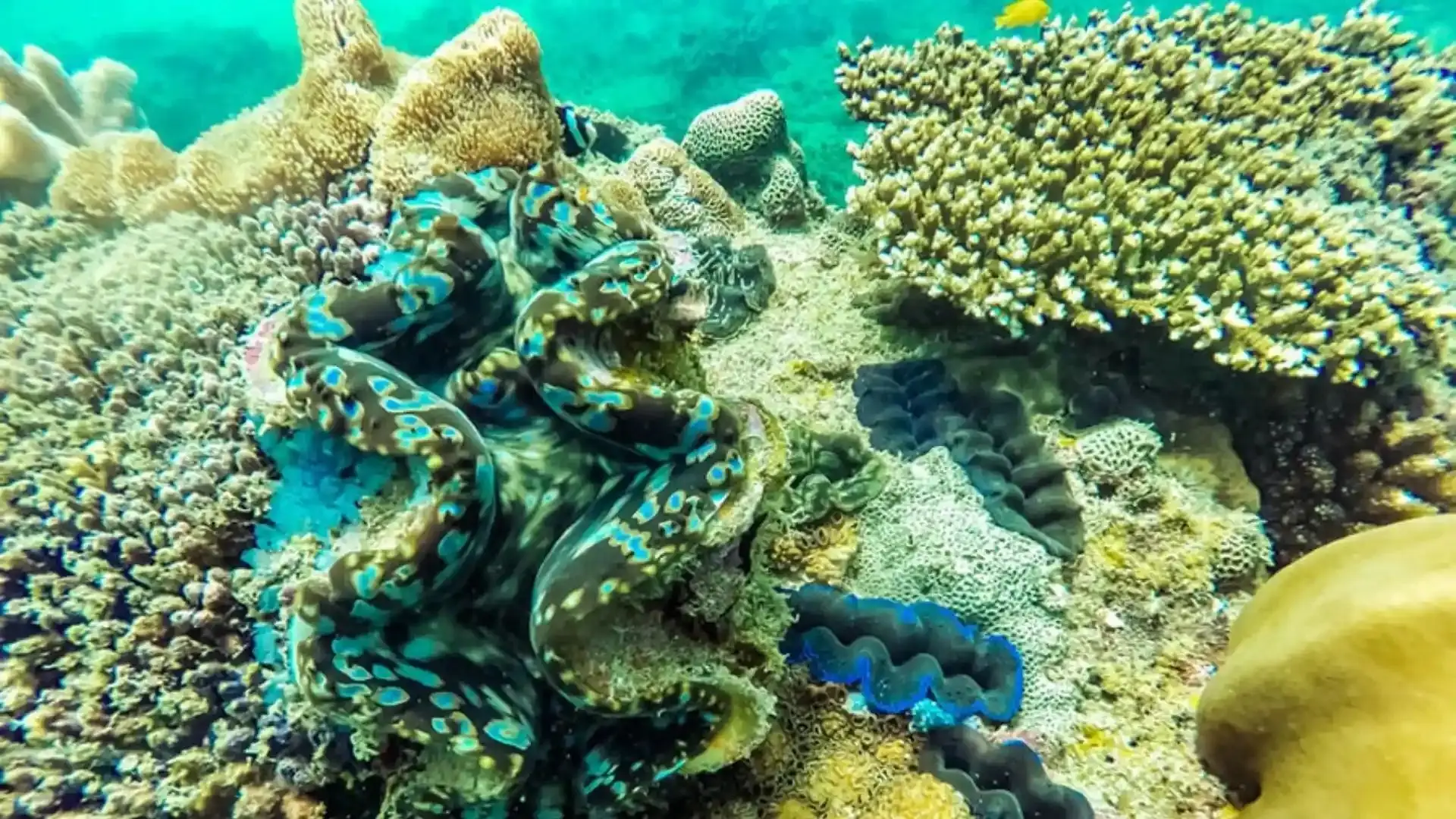
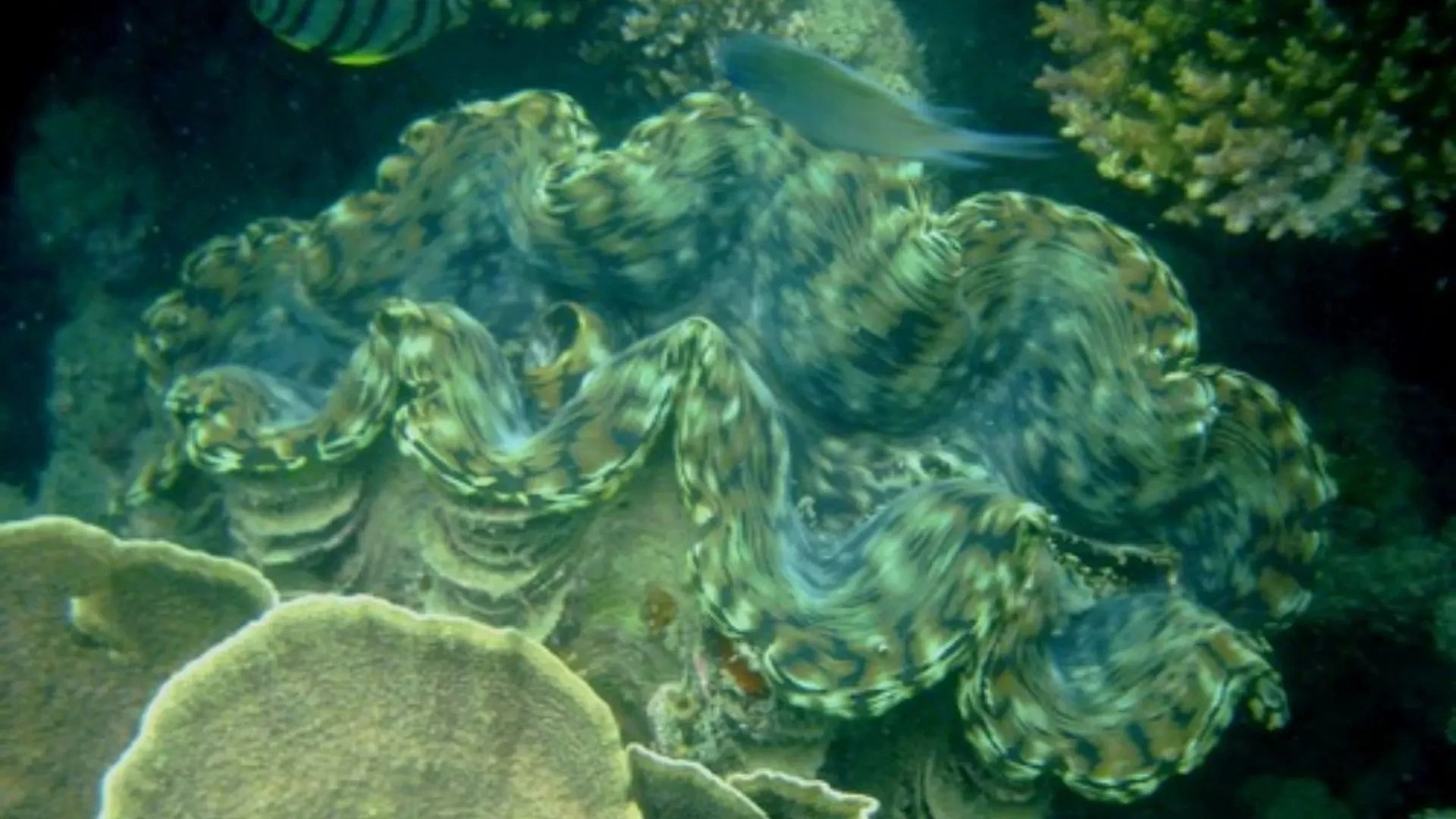
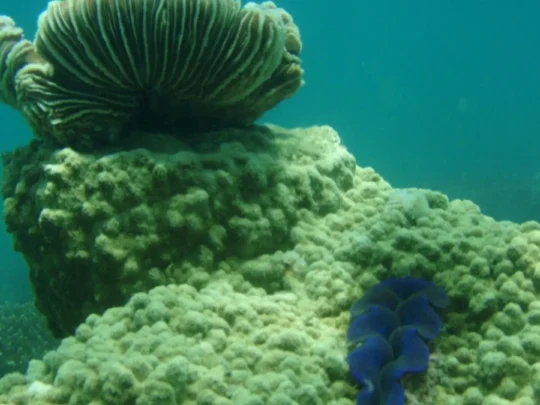
For travelers who mainly care about reef habitat, the Bamboo Lagoon giant clam habitat route is a focused option.
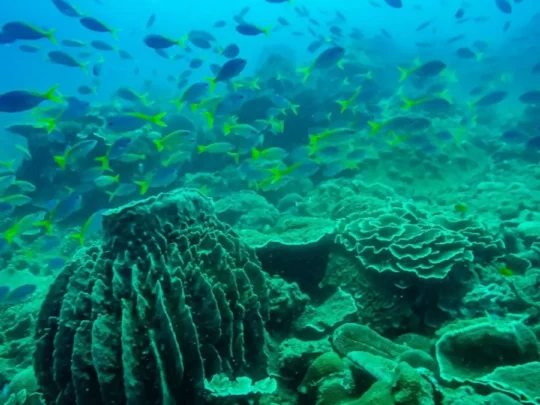
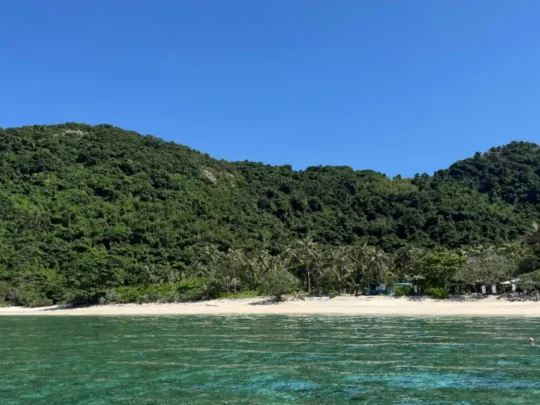
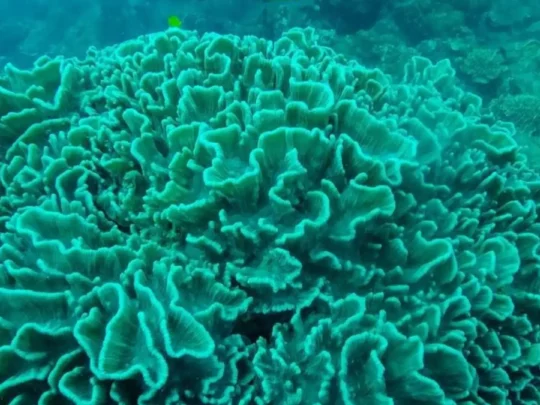
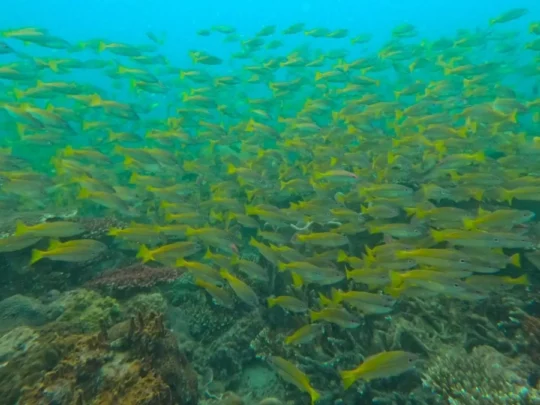
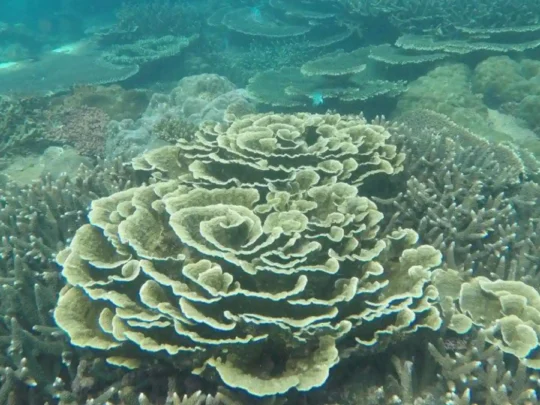
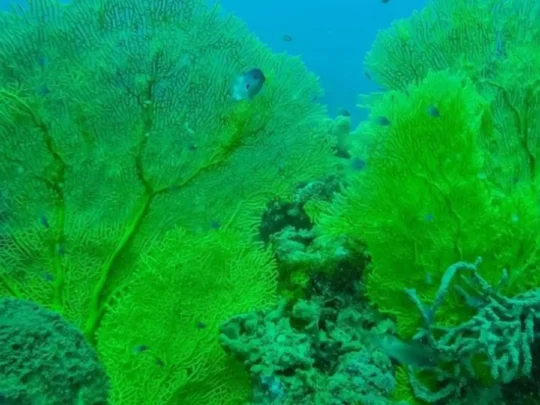
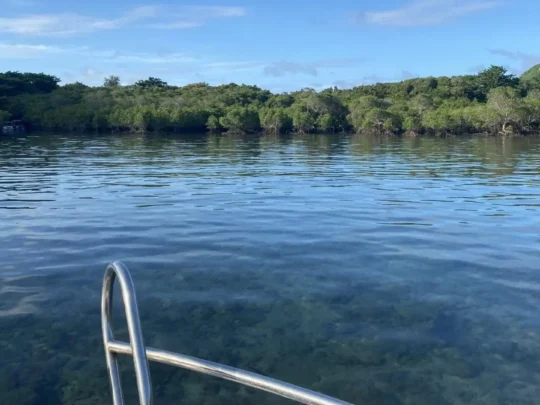
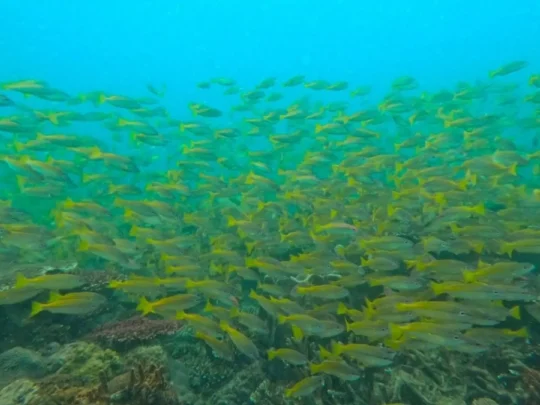
The experience centers on Bamboo Lagoon, coral scenery, tropical fish and giant clam habitat. A short viewpoint element adds land-based context, so the route is not only about getting in the water.
This route works well when you want a compact sea program instead of a full-day outdoor route. It is less suitable if you expect a long island walk, historical context or a broader nature day.
Bay Canh and Hon Tai: Reef, Wildlife and Island Context
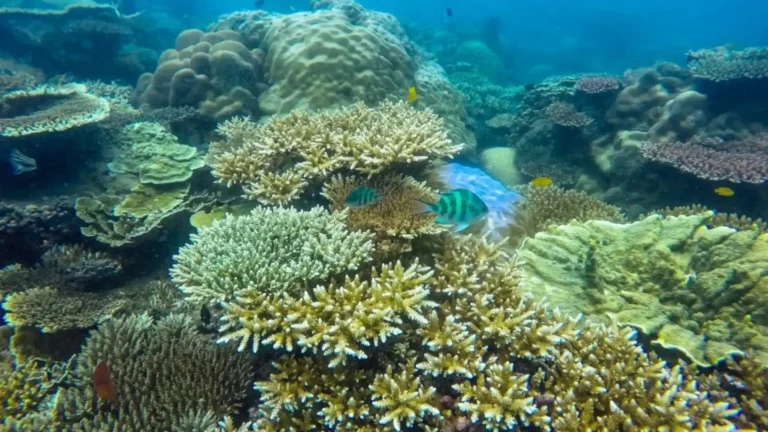
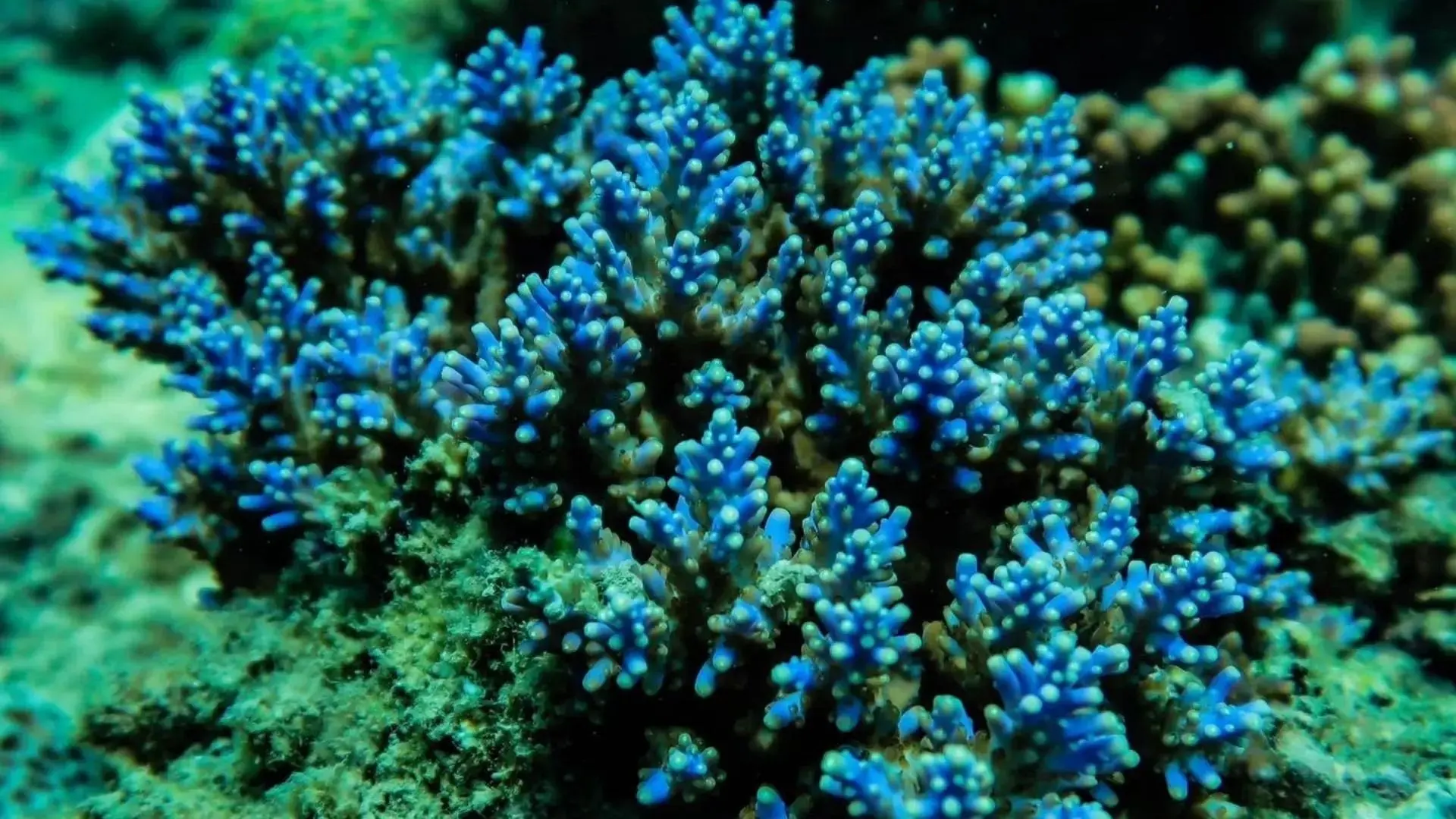
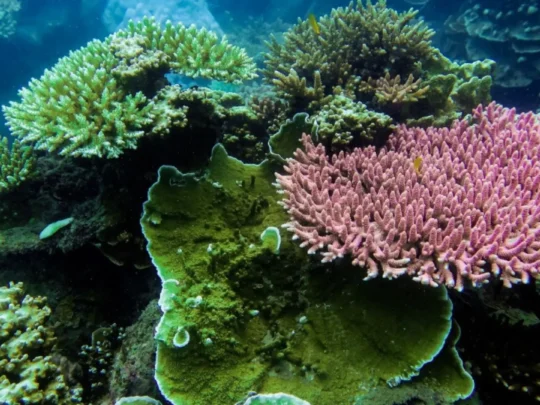
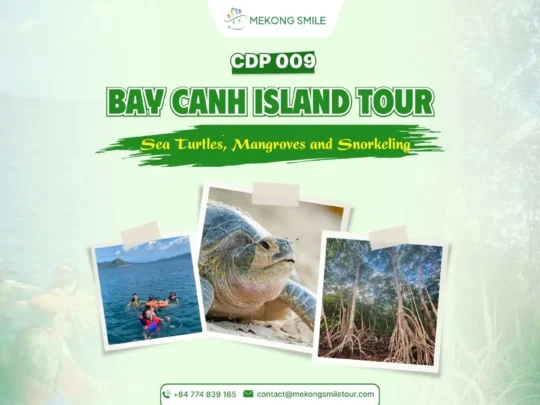
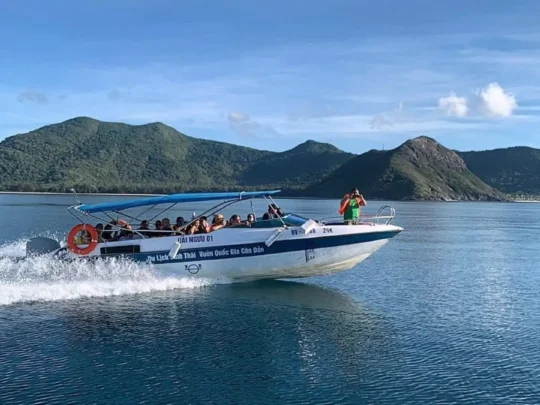
The Bay Canh and Hon Tai reef route brings together reef scenery, island wildlife and conservation context in one compact program.
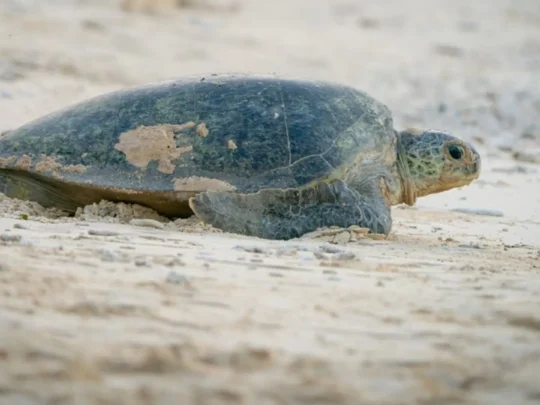
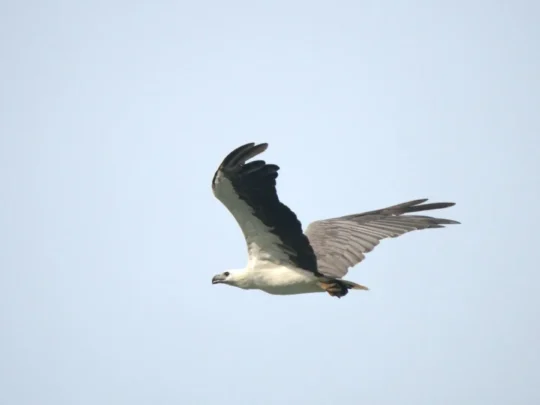
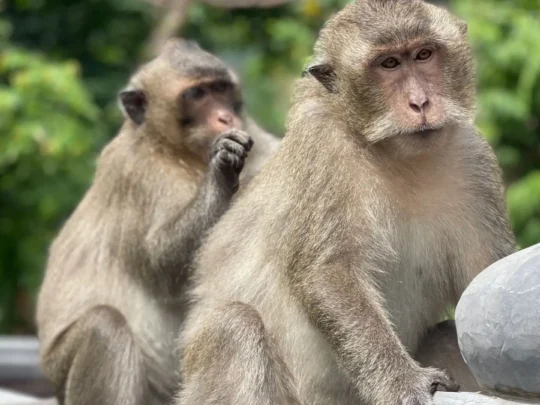
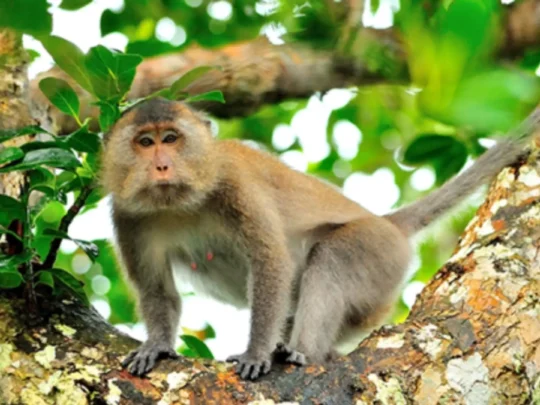
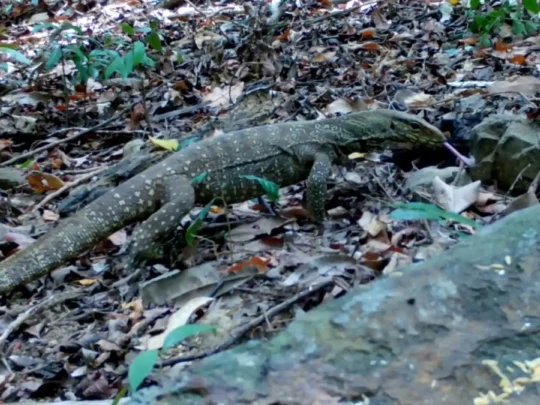
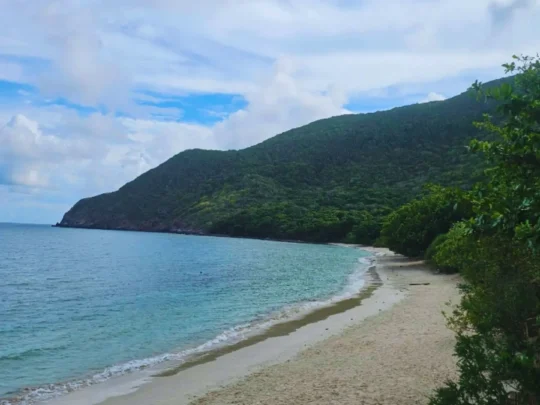
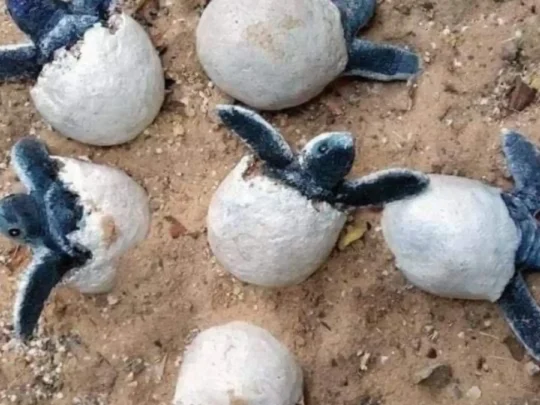
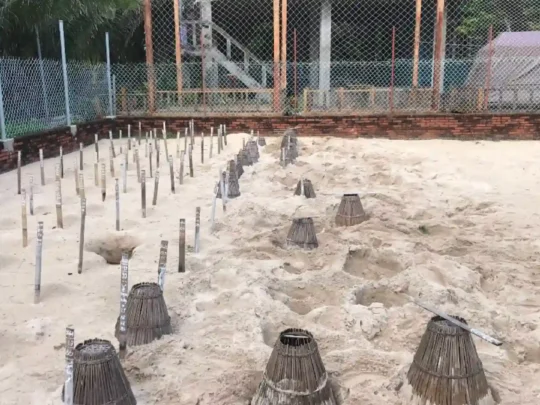
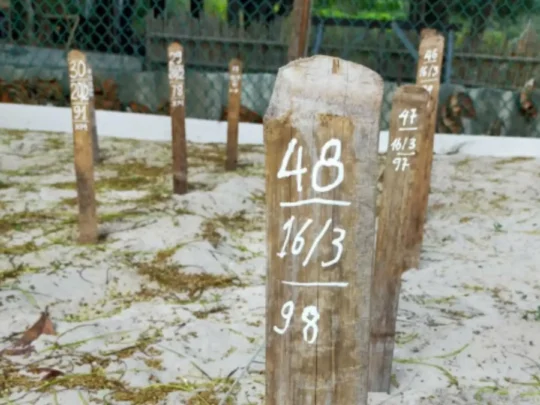
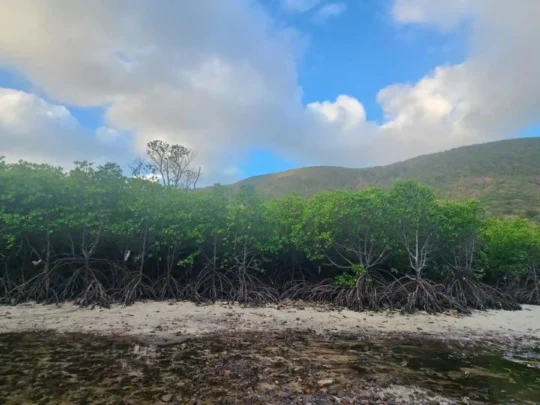
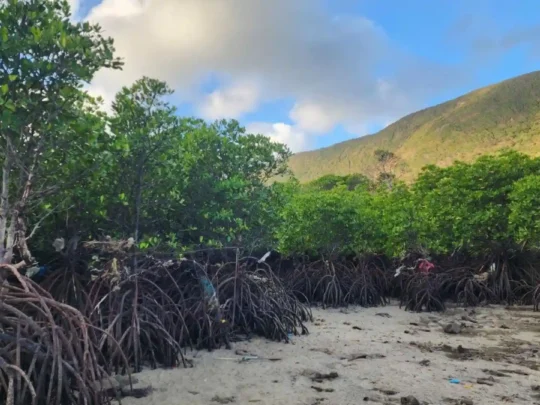
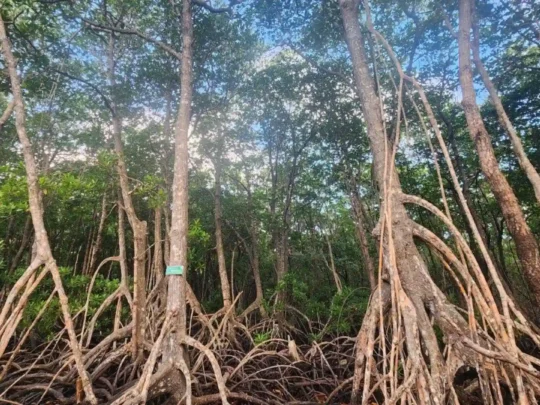
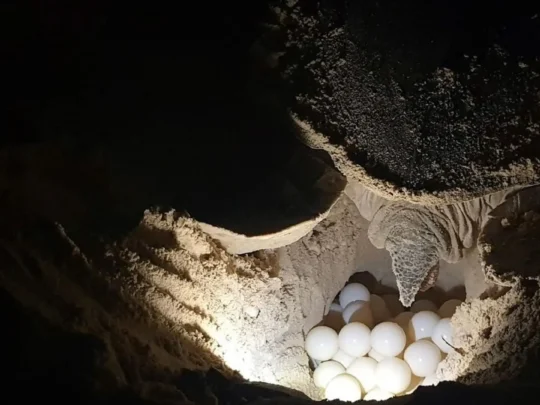
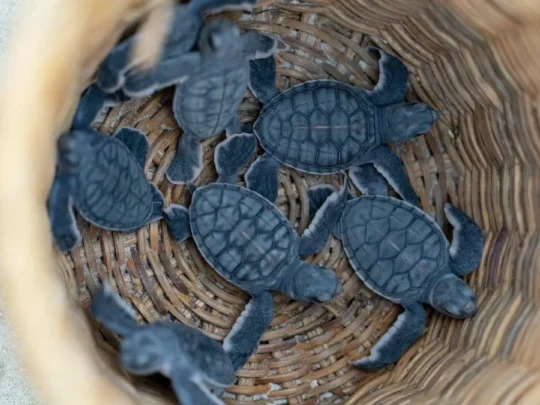
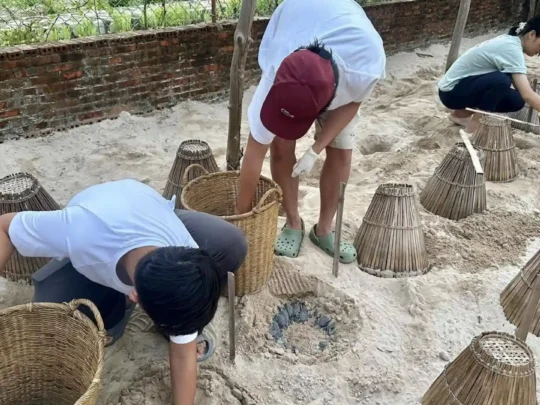
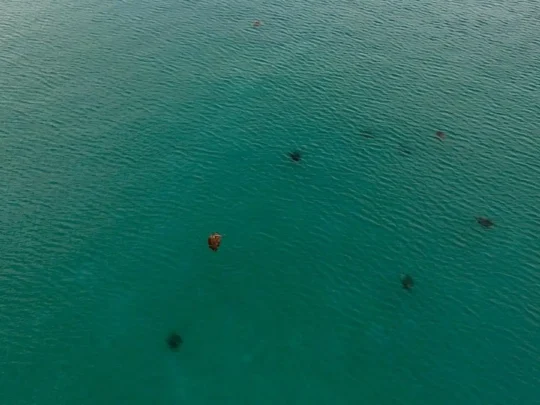
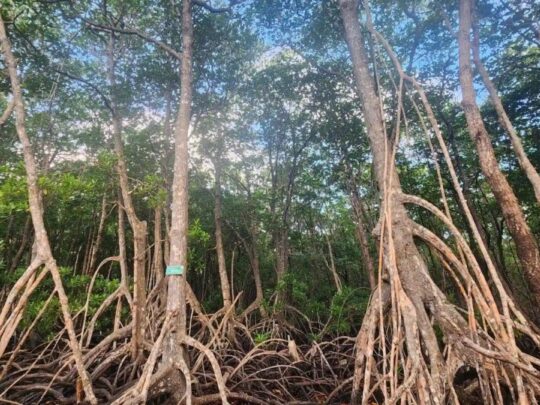
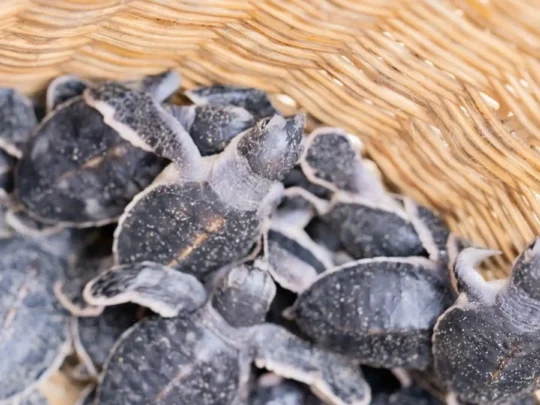
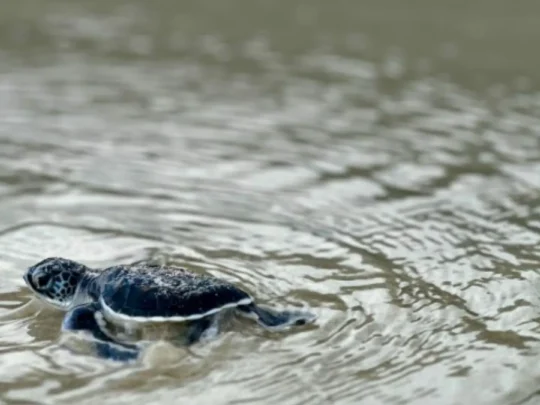
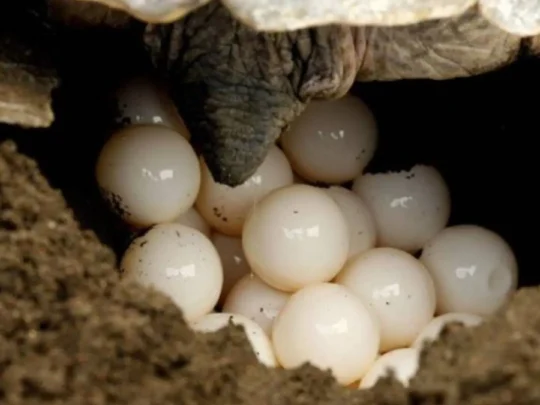
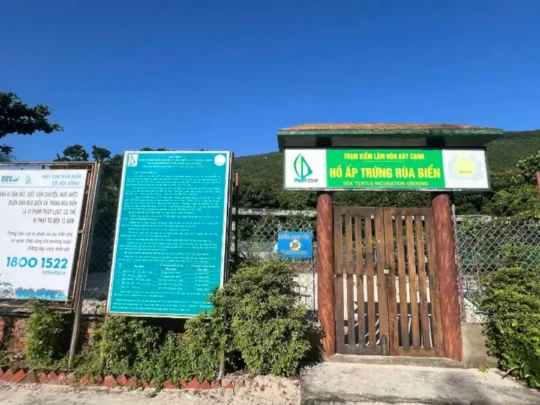
Bay Canh adds turtle conservation and mangrove context. Hon Tai adds island scenery and wildlife interest. The reef element matters, but it is not the only reason to compare this route.
This experience fits travelers who want several nature layers in one route: reef habitat, protected island setting, possible wildlife observation and conservation background. As with any reef route, the water experience depends on sea conditions, visibility and operating decisions on the day.
Ba Island: Afternoon Reef and Sunset Scenery
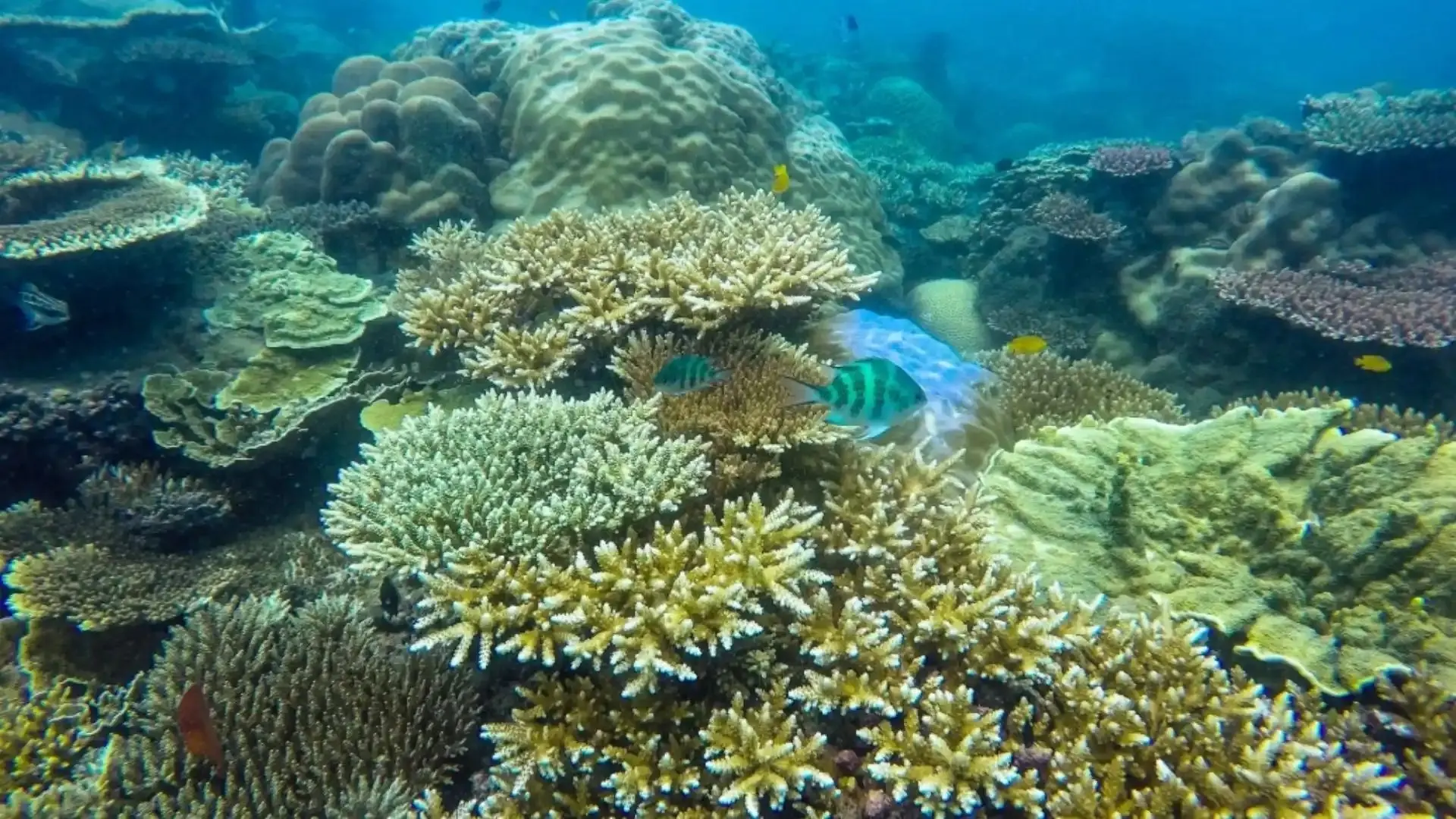
The Ba Island afternoon reef and sunset experience has a softer rhythm.
Instead of feeling like a reef-only program, it combines island nature, coral reef time and late-day scenery. The pace fits travelers who want an afternoon on the water without turning the day into a physically demanding route.
Ba Island may be a good match if you want reef time but also care about atmosphere: forest, island views, fruit on board, sunset light and a relaxed end to the day.
Trung Island: Seabirds and Offshore Island Ecology
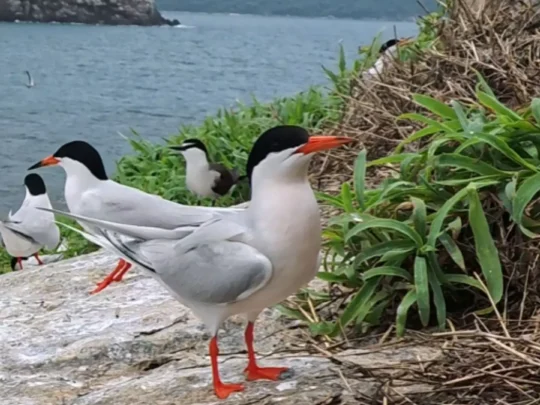
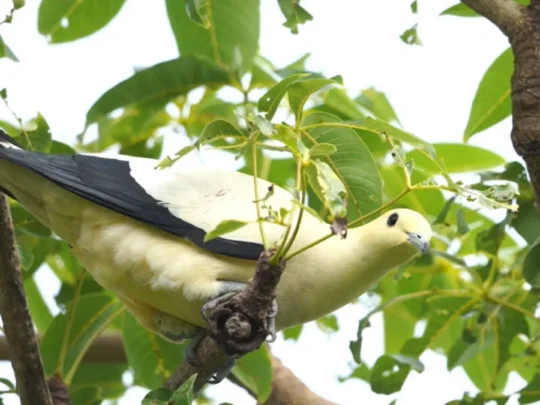
The Trung Island seabird route should be viewed differently from a reef-only route because seabird ecology is part of the experience.
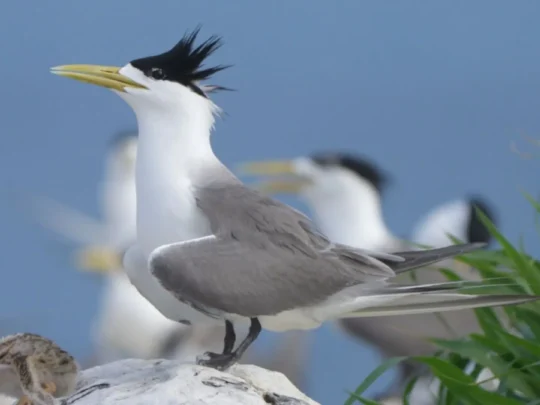
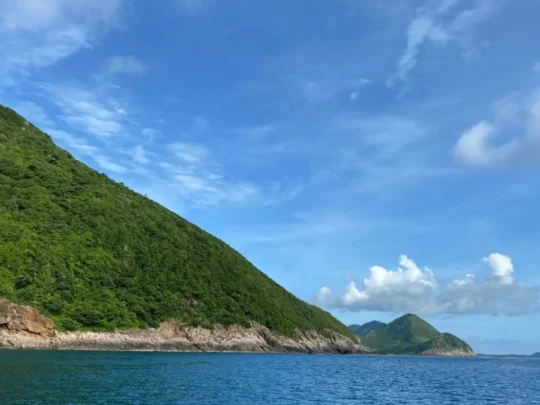
It combines offshore island scenery, seabird observation, snorkeling and leisure fishing. The route works for travelers who want a sea program with wildlife context, not just underwater scenery.
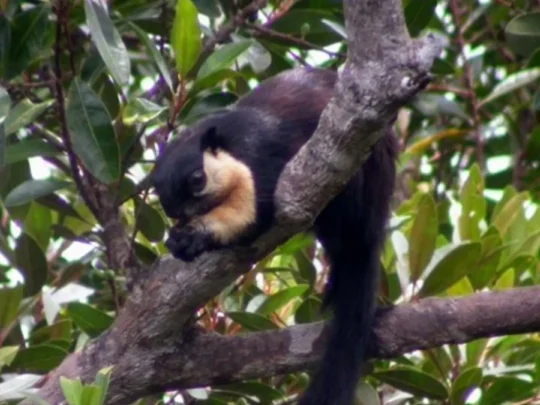
Trung Island is worth comparing if you are interested in seabirds, remote island atmosphere and the wider marine ecosystem of Con Dao. Wildlife observation should always be treated as possible rather than guaranteed. Season, weather, timing and natural behavior all affect what visitors may see.

Bay Canh and Cau Island: Conservation and History Context
The Bay Canh conservation and Cau Island route is useful for travelers who want conservation context alongside island scenery.
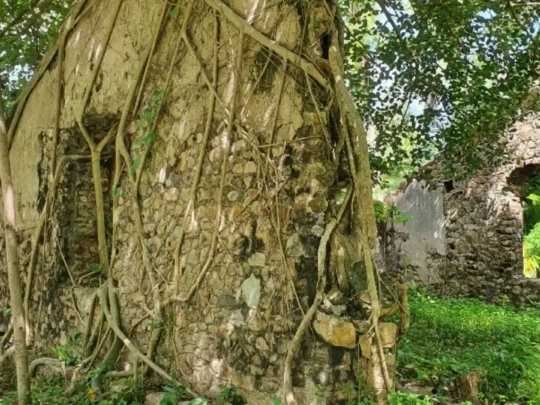
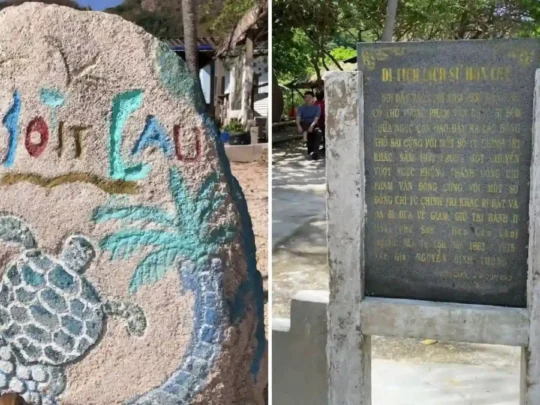
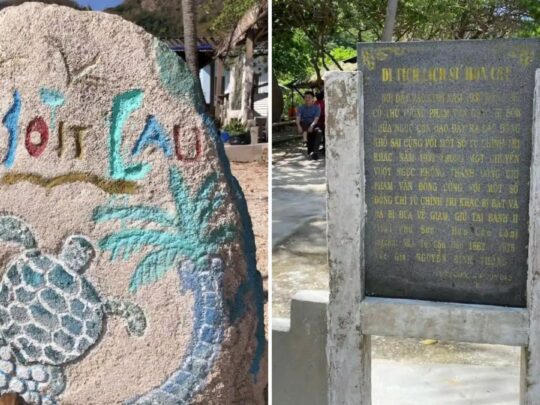
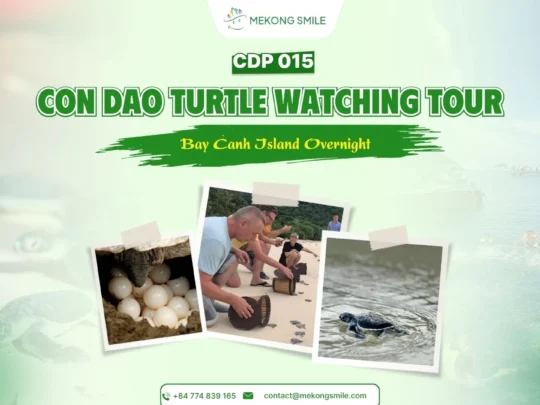
This route includes Bay Canh Island, sea turtle conservation background, mangrove forest context and Cau Island history. Snorkeling may be part of the experience, but the route should not be judged only by time in the water.
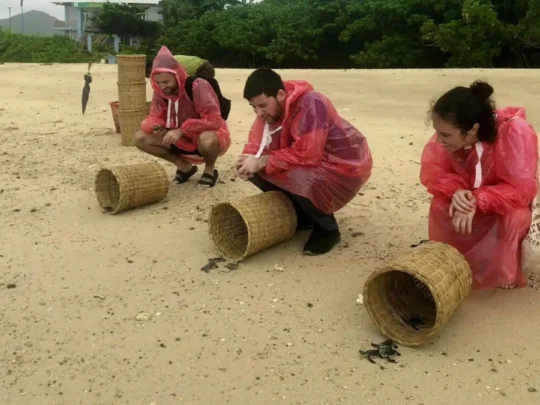
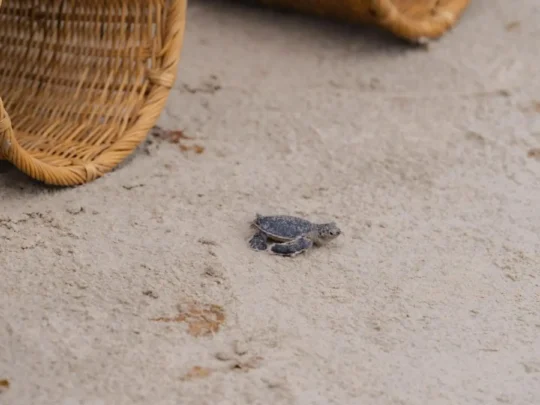
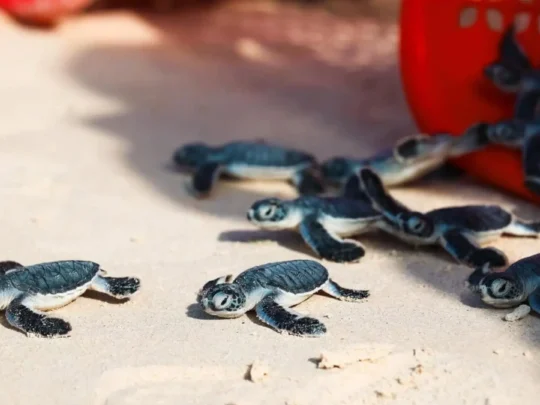
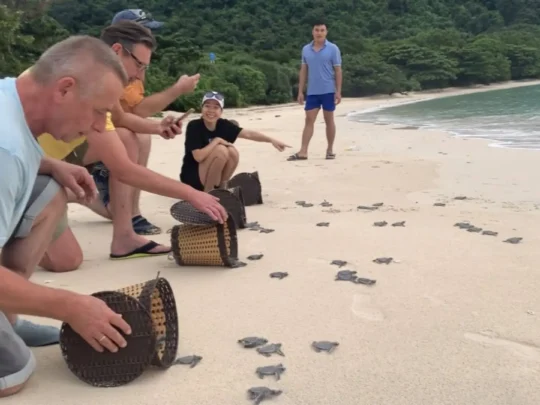
This route should not be confused with a seasonal turtle release experience. Turtle-related activities depend on National Park operations, natural timing and conservation conditions.
Bamboo Lagoon Full-Day Route: Forest, Lagoon and Reef Context
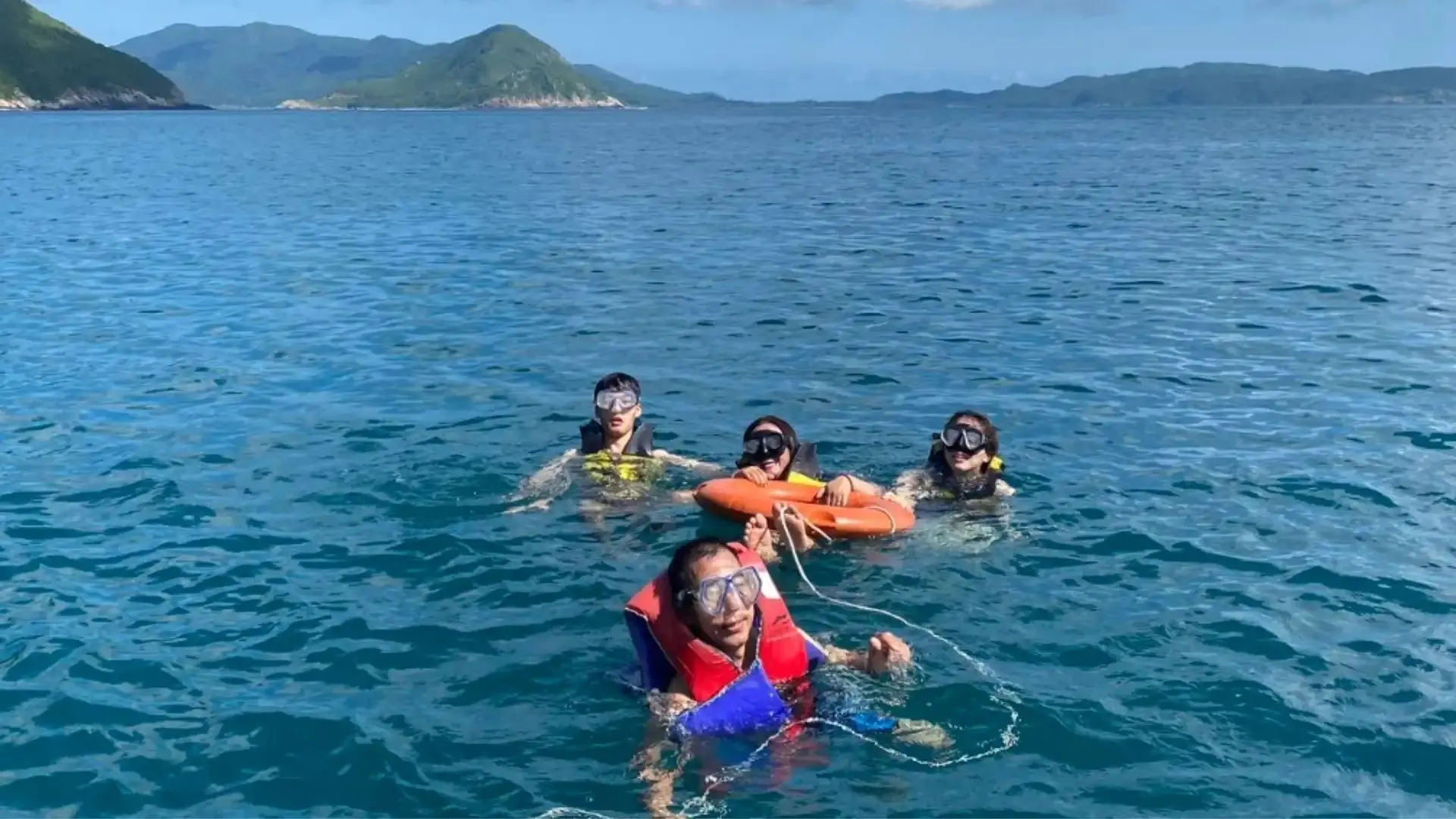
Some travelers want reef context, but also want a longer land-and-sea day. In that case, the Bamboo Lagoon forest and sea route is worth comparing.
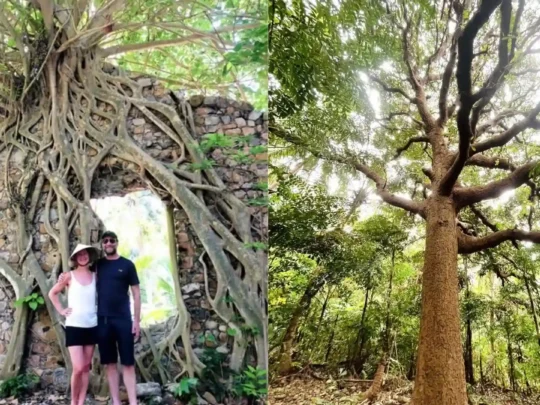
This is not a short reef route. It combines Vong Beach, forest trails, Bamboo Lagoon, reef context, giant clam habitat and a ranger-station lunch. The route asks for more time and more outdoor comfort than a compact sea program.
Consider this route if you want the sea to be one part of a wider nature day. If you mainly want a short reef session, the focused Bamboo Lagoon giant clam habitat route may fit better.
Con Dao Reef Experience Comparison Table
Use the table below to compare Con Dao reef experiences by route style, time, main interest and conditions to keep in mind.
| Reef or sea route | Approx. time | Route style | Main interest | Suitable for | Watch out for |
| Bamboo Lagoon giant clam habitat route | 3 hours | Focused reef route | Giant clams, coral reef, viewpoint | Travelers wanting a compact reef experience | Visibility depends on sea and weather conditions |
| Bay Canh and Hon Tai reef route | 3 hours | Reef and wildlife route | Coral reef, island wildlife, conservation context | Travelers wanting reef plus island nature | Not only a snorkeling stop |
| Ba Island afternoon reef and sunset experience | 4 hours | Afternoon sea route | Reef, island nature, sunset scenery | Travelers wanting a softer afternoon route | Less suited to travelers wanting a full-day hike |
| Trung Island seabird route | 6 hours | Wildlife and sea route | Seabirds, snorkeling, fishing, island ecology | Travelers interested in offshore wildlife context | Wildlife sightings vary by season and conditions |
| Bay Canh conservation and Cau Island route | 3 hours | Conservation island route | Turtle conservation, mangroves, Cau Island history | Travelers wanting conservation context | Not a turtle release guarantee |
| Bamboo Lagoon forest and sea route | 9 hours | Full-day forest and sea route | Forest, beach, lagoon, reef context | Travelers wanting a longer mixed nature day | Requires more time and outdoor comfort |
Explore Available Con Dao Tours with Mekong Smile

From $561,380,000₫
8:00 AM or 1:30 PM • 3-4 hours (approx.)
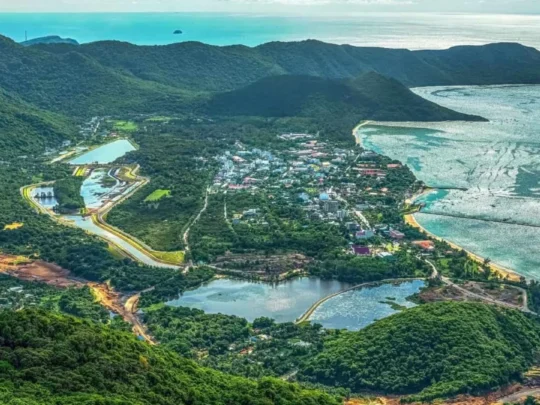
From $561,380,000₫
8:00 AM or 1:30 PM • 3-4 hours (approx.)
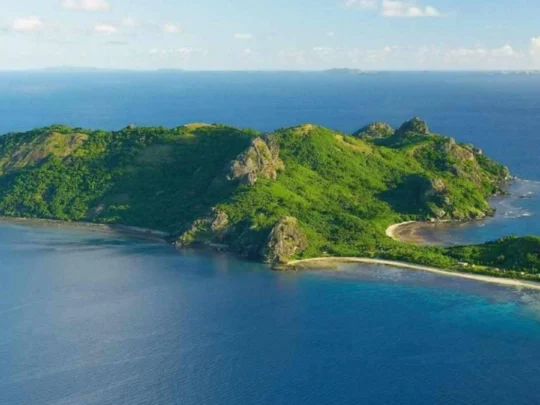
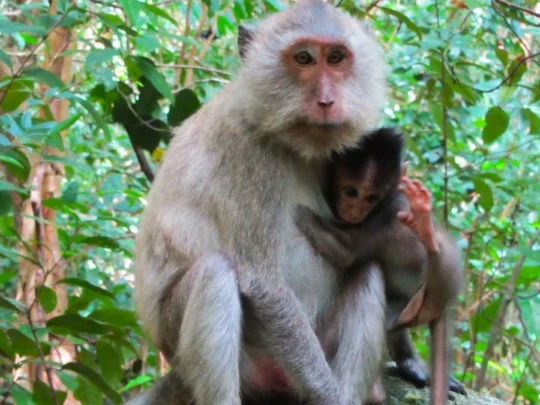
From $561,380,000₫
8:00 AM • 8 hours (approx.)
From $1203,000,000₫
8h00 or 13h30 • 4 hours (approx.)
From $1002,500,000₫
6:50 AM • 3-4 hours (approx.)
From $2285,700,000₫
2:45 PM • 2 days 1 night (approx.)
What Affects Sea and Snorkeling Conditions?
Sea conditions in Con Dao can change from day to day. Even when a route is planned carefully, the sea still decides part of the experience.
Wind can affect waves and surface comfort. Tide and current can influence where it is safe or suitable to enter the water. Recent rain or rough weather can reduce visibility. Safety decisions may also change the order of activities or the water location.
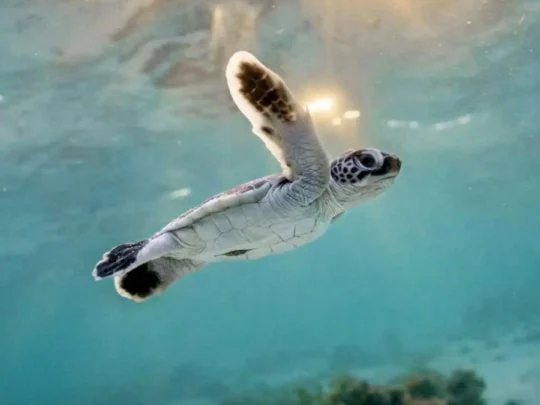
This is why reef routes should be chosen for the overall experience, not only for the promise of clear water. A calm day may bring better visibility and easier water time. Another day may still offer island scenery and nature context, even if the water is less clear than expected.
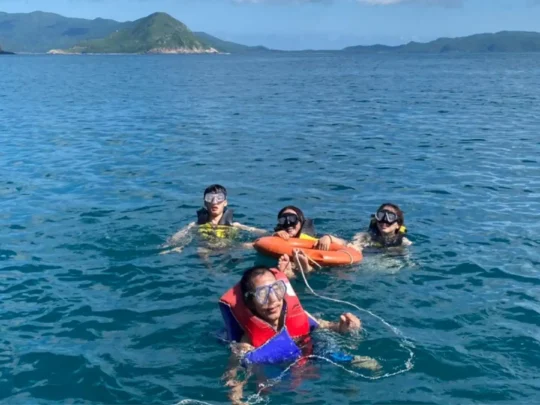
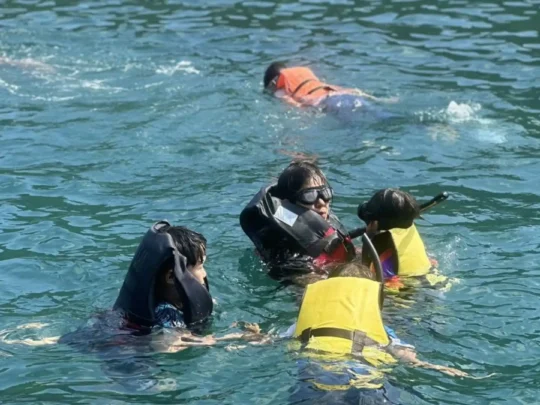
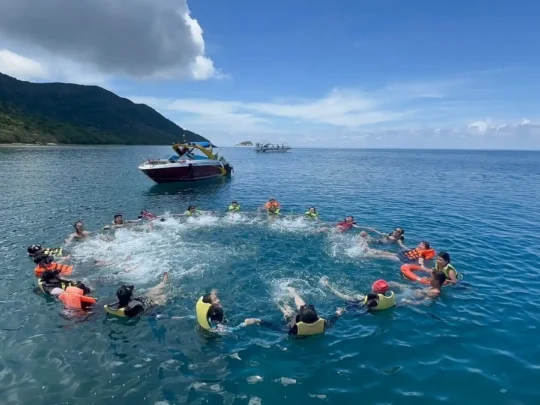
Travelers who are new to snorkeling should be honest about comfort in the water. If you are not confident, ask about life jackets, guide support and how much time is spent in the water before choosing a route. If you are sensitive to boat movement, check the expected transfer time and prepare motion sickness medicine before departure.
What Not to Expect
-
Not every sea route is built around snorkeling. Some routes use reef time as one part of a wider island experience.
-
Underwater visibility is not guaranteed. Conditions can shift with wind, tide, current, recent weather and safety decisions.
-
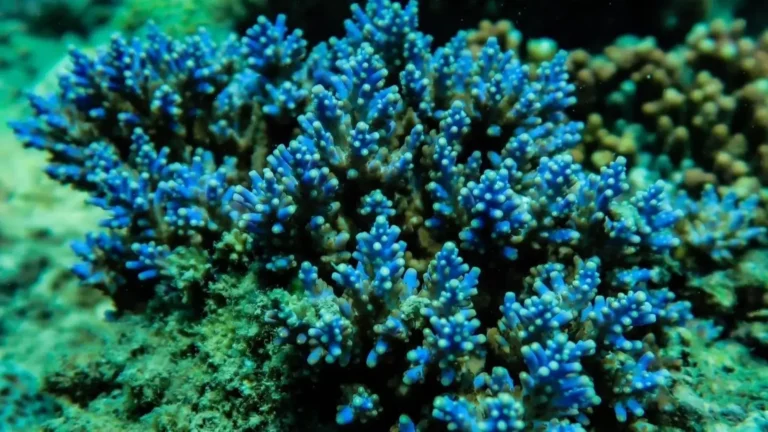
Marine life does not appear on schedule. Coral reefs, fish, giant clams, seabirds and turtles are part of living ecosystems.
-
A conservation route should not be judged only by swimming time. Its value may come from mangroves, turtle context, island history or protected-area interpretation.
-
A reef route should not be treated like a theme-park activity. The experience depends on nature, comfort in the water and responsible behavior from visitors.
Responsible Reef and Snorkeling Notes
-
Con Dao’s reef habitats are sensitive. Responsible behavior helps protect the same marine life travelers come to see.
-
Do not touch coral, stand on reef or kick the reef with fins. Coral can be damaged by small contact.
-
Do not collect shells, coral pieces or marine life. Leave the reef exactly where it is.
-
Do not chase fish or try to touch giant clams. Observe slowly and keep a respectful distance.
-
Use a life jacket if required or if you are not fully confident in the water. Staying relaxed makes the experience safer and helps avoid accidental contact with the reef.
-
Follow guide and ranger instructions. If the guide changes the plan because of weather, tide or safety, treat that as part of responsible operation, not a problem with the route.
What to Prepare
-
Bring swimwear, a towel and dry clothes if your route includes time in the water. A dry bag is useful for phones, cameras and personal items during boat transfers.
-
Use reef-safe sun protection where possible, and avoid applying heavy sunscreen immediately before entering the water. A rash guard or long-sleeve swim shirt can help reduce sun exposure.
-
Bring motion sickness medicine if you are sensitive to boat movement. Sea conditions can change, and even short transfers may feel different from day to day.
-
If you wear glasses, consider whether you need prescription swim goggles or contact lenses. Clear vision makes reef observation more comfortable.
-
Bring patience. Sea routes depend on weather, tide, visibility, safety and National Park operations. You will enjoy the route more if you keep the plan flexible.
Frequently Asked Questions About Con Dao Reef Experiences (FAQ)
What are the main Con Dao reef experiences?
The main Con Dao reef experiences include Bamboo Lagoon, Bay Canh and Hon Tai, Ba Island, Trung Island, Bay Canh and Cau Island, and the full-day Bamboo Lagoon forest-and-sea route. Each route has a different focus, from giant clam habitat to wildlife, sunset scenery or conservation context.
Which reef route should I compare if I want giant clam habitat?
Bamboo Lagoon is a useful route to compare if giant clam habitat is your main interest. It is a focused reef route with coral scenery, tropical fish, giant clams and a short viewpoint element.
Is snorkeling visibility guaranteed in Con Dao?
No. Snorkeling visibility depends on wind, tide, current, recent weather and safety decisions. A reef route can be planned carefully, but underwater visibility cannot be guaranteed.
Which route combines reef and wildlife?
Bay Canh and Hon Tai combines reef scenery with island wildlife and conservation context. Trung Island is also worth comparing if you are interested in seabirds and offshore island ecology.
Which route has a softer afternoon pace?
Ba Island may fit travelers who want reef time, island scenery and sunset atmosphere without a full-day hiking structure.
Is Bay Canh the same as a turtle release experience?
No. Bay Canh can provide turtle conservation context, but a turtle release experience is seasonal and depends on hatchery timing, natural conditions and National Park operations.
What should I bring for a reef or sea route in Con Dao?
Bring swimwear, a towel, dry clothes, sun protection, a dry bag and motion sickness medicine if needed. If you are not confident in the water, ask about life jackets and guide support before choosing a route.
Final Recommendation
A practical way to compare Con Dao reef experiences is to look beyond the word “snorkeling”.
Bamboo Lagoon fits travelers focused on reef habitat and giant clams. Bay Canh and Hon Tai bring reef scenery together with island wildlife. Ba Island works better for a softer afternoon rhythm, while Trung Island leans toward seabirds and offshore island ecology. Bay Canh and Cau Island add conservation and history context. The full-day Bamboo Lagoon route suits travelers who want reef context as part of a longer forest, beach and lagoon experience.
Before choosing, consider your comfort in the water, available time and expectations for sea conditions. Reef experiences in Con Dao are more rewarding when treated as nature-based routes, not fixed underwater shows.
