
 Can Tho

Last updated: June 2026
Start with How Turtle Activities Actually Work
Sea turtle season in Con Dao is not a fixed sightseeing schedule. Turtle nesting, egg protection, hatching and release activities follow natural timing. Weather, tide, hatchery conditions and Con Dao National Park operations can affect what visitors may experience on a specific date.
For Mekong Smile’s seasonal turtle conservation experience, the operating window is from June to mid-October. The program is usually arranged as a short morning conservation experience of around 3–4 hours, with a speedboat route to Bay Canh Island, Cau Island or Tai Island depending on National Park operations.
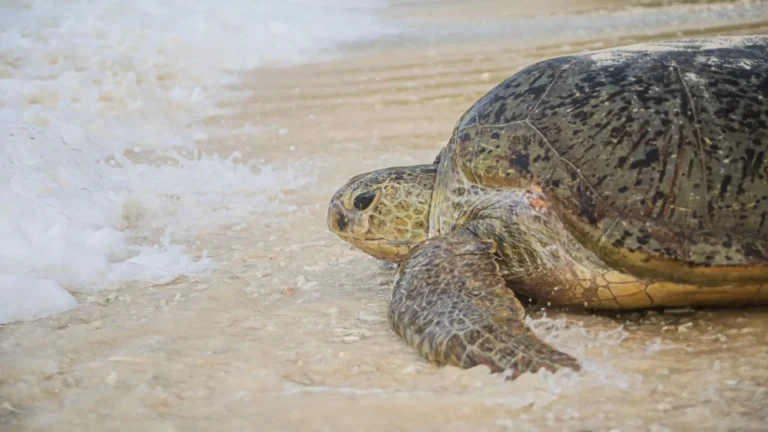
The main point to understand is simple: turtle-related activities are nature-dependent. A hatchery visit may happen. A baby turtle release may happen. The island route may change. Adult turtle sightings should not be expected as a guaranteed part of the experience.
Travelers still comparing forest, reef, wildlife or conservation routes can start with the overview of Con Dao nature experiences before choosing a turtle-related or Bay Canh-focused route.
Video of baby turtles being released into the sea
Video source: Con Dao National Park
Video source: Con Dao National Park
Why Sea Turtles Matter in Con Dao
Sea turtles are closely linked with Con Dao’s conservation identity. The islands are known for protected beaches, hatchery work and ranger-led conservation activities. For travelers, this creates a chance to learn how turtle protection works in practice, not just watch a short activity on the beach.
A responsible turtle experience is different from ordinary sightseeing. The value comes from understanding the nesting cycle, how eggs are protected, why hatchery timing matters and why visitors need to follow strict behavior rules around turtles and nesting areas.
This is also why turtle activities should be approached with patience. A route may still be meaningful even when no hatchlings are ready for release on that exact morning. Conservation is not controlled for visitor convenience.
Nesting, Hatchery Visit and Release Are Not the Same
Many travelers use the same words for different turtle experiences. That can create confusion before booking.
- Nesting refers to adult female turtles coming ashore to lay eggs. This is sensitive and usually managed under strict protection. Visitors should not assume they can freely enter nesting areas or watch adult turtles without permission.
- A hatchery visit helps travelers understand how eggs and hatchlings are protected after nesting. Depending on the operating day, visitors may learn about egg protection, hatchery care and the role of rangers in the conservation process.
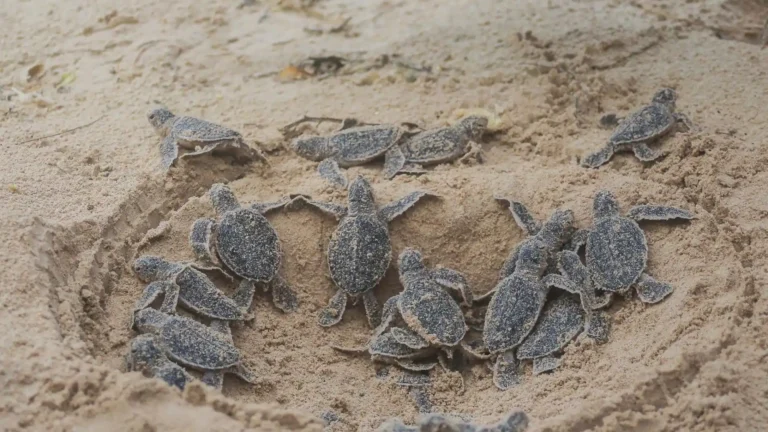
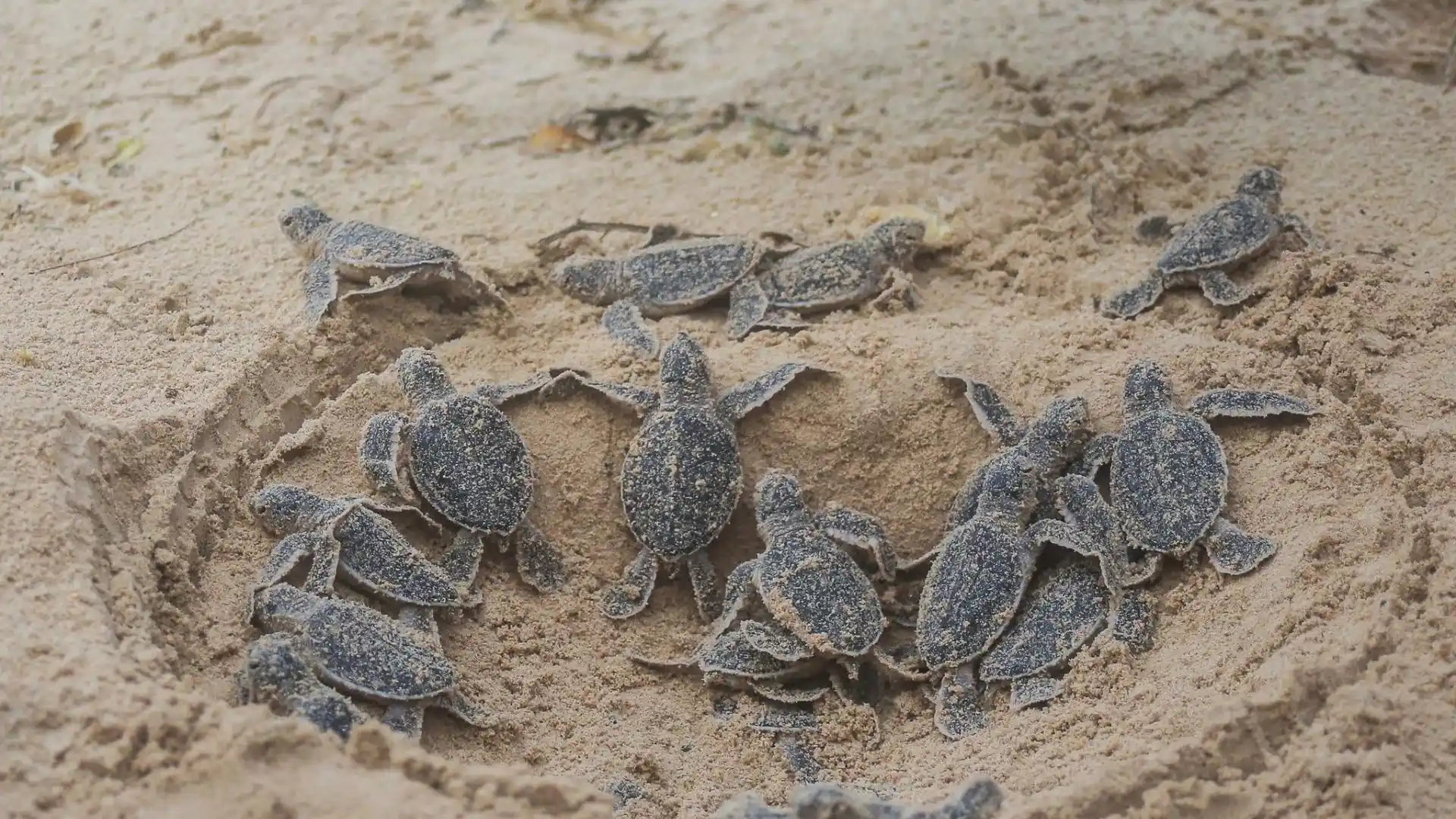
- Hatching happens when baby turtles emerge from eggs. This follows natural timing and cannot be scheduled exactly for travelers.
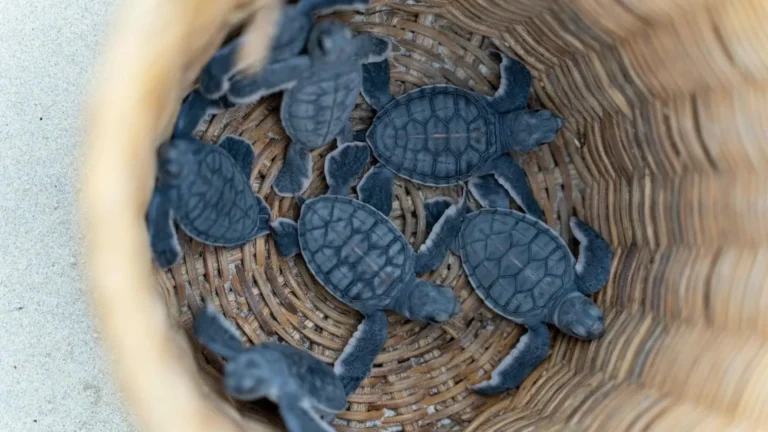
- Release refers to baby turtles being guided toward the sea under controlled conservation conditions. This activity depends on hatchery timing, weather, tide and National Park operations. It does not happen every day.
Understanding these differences helps set the right expectation before choosing a turtle-related experience.
When Is Sea Turtle Season in Con Dao?
For travelers, the useful planning window is the period when turtle-related conservation experiences are available and operationally possible.
Mekong Smile’s seasonal turtle conservation experience is sold from June to mid-October. This does not mean baby turtle release happens every morning during that period. It means the season is suitable for arranging the program when hatchery timing, weather, tide and National Park operations allow.
Travelers visiting outside this window may still learn about Con Dao’s conservation context through other nature routes, but they should not expect a release-focused experience to be available in the same way.
Dates matter, but expectations matter more. A traveler visiting in season should still be prepared for route changes, weather changes or a morning where turtle activity is not ready to happen.
Can Baby Turtles Be Bought for Release?
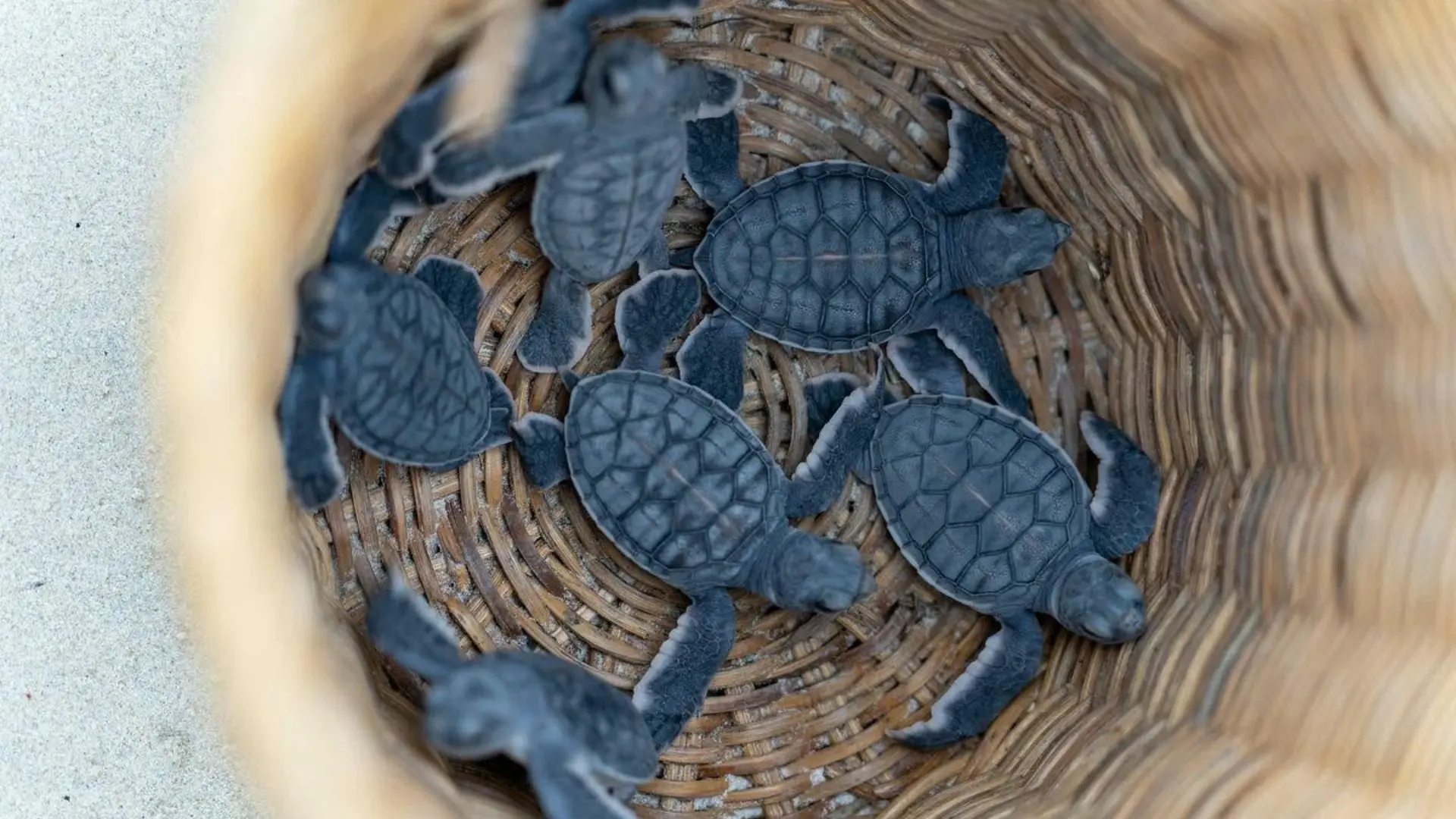
No. Baby turtles are not bought, added or prepared separately for visitor release activities.
A baby turtle release depends on the natural hatching cycle. During the nesting season, mother turtles come ashore to lay eggs. The eggs hatch according to natural timing. When more hatchlings emerge, there may be more baby turtles ready for release. When fewer hatchlings emerge, the number released will be lower. This can also change from day to day.
Most hatchlings are released to the sea at night soon after they emerge. Visitors only have a chance to join a release when some nests hatch late enough, close to early morning, and when the activity is approved under Con Dao National Park operations.
This is why the number of baby turtles can vary. One morning may have many hatchlings ready for release, while another morning may have only a few or none at all. The experience follows nature and conservation rules, not visitor demand.
What Travelers Can Expect
-
A turtle-related experience in Con Dao can include conservation context, ranger or guide interpretation, hatchery learning, island scenery and a short morning route by speedboat. Depending on the day, it may also include a baby turtle release under controlled conditions.
-
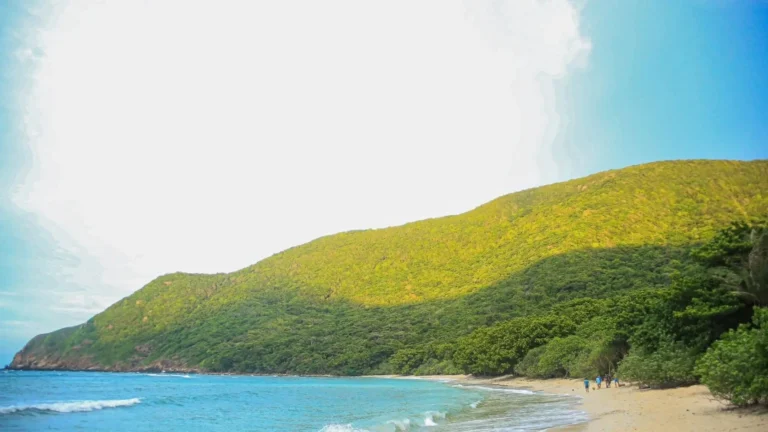
The route may go to Bay Canh Island, Cau Island or Tai Island, depending on National Park operations. Bay Canh is often associated with turtle conservation, but island assignment should not be treated as fixed for every date.
-
Travelers may also have time for island exploration or water activities after the conservation portion, depending on the approved route and operating conditions.
-
This type of experience suits travelers who want a short, meaningful conservation morning rather than a long trekking day or a reef-only route.
What Not to Expect
-
Baby turtle release does not happen every day during the season. Hatchlings emerge according to natural timing, not visitor schedules.
-
The number of baby turtles cannot be requested or increased for visitors. Hatchlings are not bought or added for release activities. The number depends on natural hatching timing and National Park operations.
-
Adult turtle sightings should not be expected as part of a standard morning program. Adult turtle nesting is sensitive and follows different timing and protection rules.
-
The same island is not guaranteed on every departure. Con Dao National Park operations, weather, tide and conservation conditions can affect the route.
-
Hatchlings should not be treated as objects for photos or handling. Visitors should follow ranger or guide instructions at all times.
-
A turtle conservation route should not be compared only by how many activities are included. The main value is the conservation context and the chance to observe a protected natural process responsibly.
Bay Canh and Turtle Conservation Context
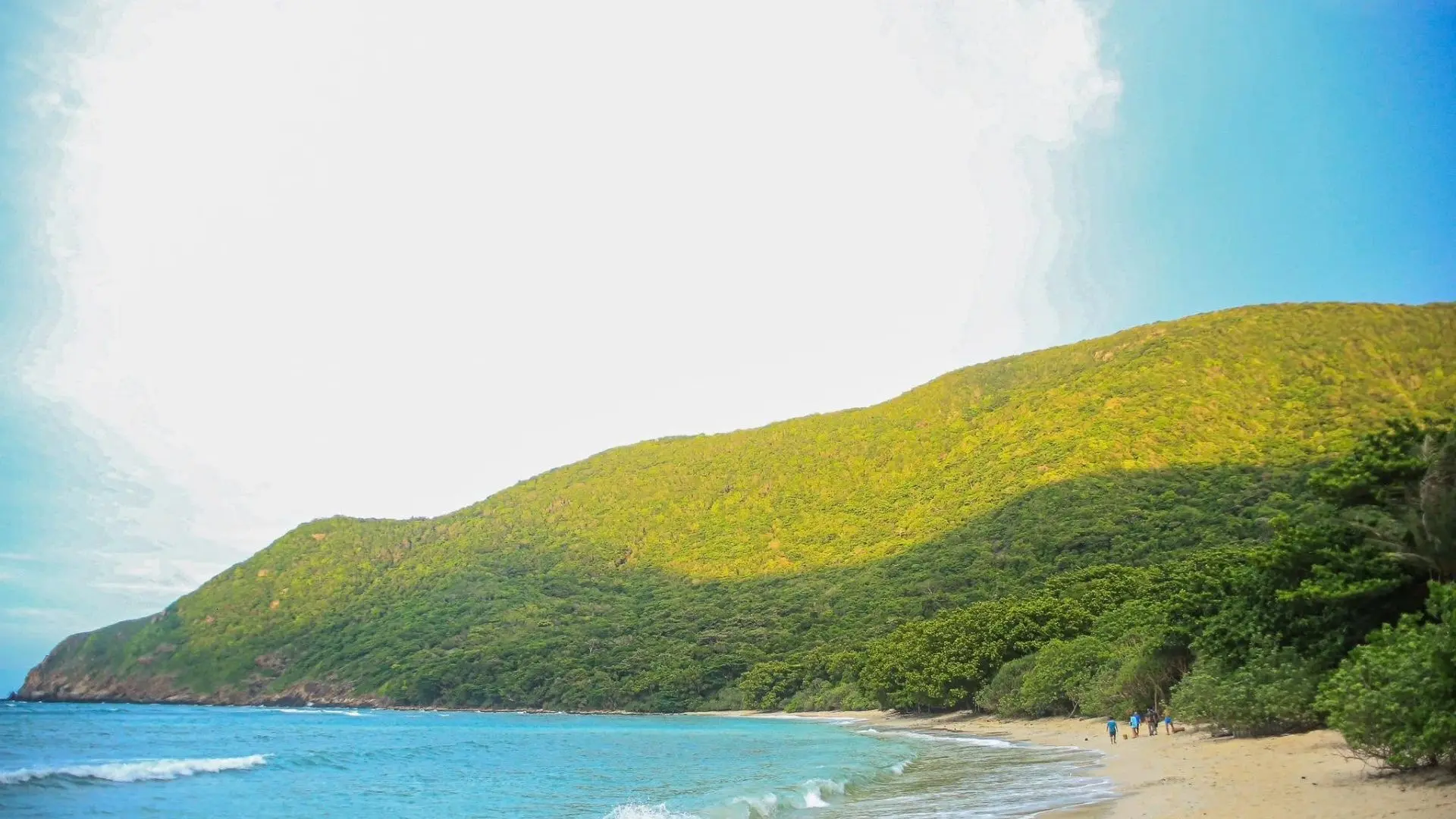
Bay Canh is closely associated with turtle conservation in Con Dao. A Bay Canh-focused route can help travelers understand protected island landscapes, turtle conservation background and mangrove context.
The Bay Canh conservation and Cau Island route suits travelers who want conservation context without depending entirely on hatchery timing or a release activity. This route may include Bay Canh Island, turtle conservation background, mangrove forest context and Cau Island history.
Cau Island adds a different layer because it is connected with Con Dao’s historical landscape. For travelers who want more than a water activity, this type of route gives both island nature and cultural-historical context.
This is different from the seasonal turtle conservation experience. Bay Canh can provide turtle context, but it should not be treated as a guaranteed release experience.
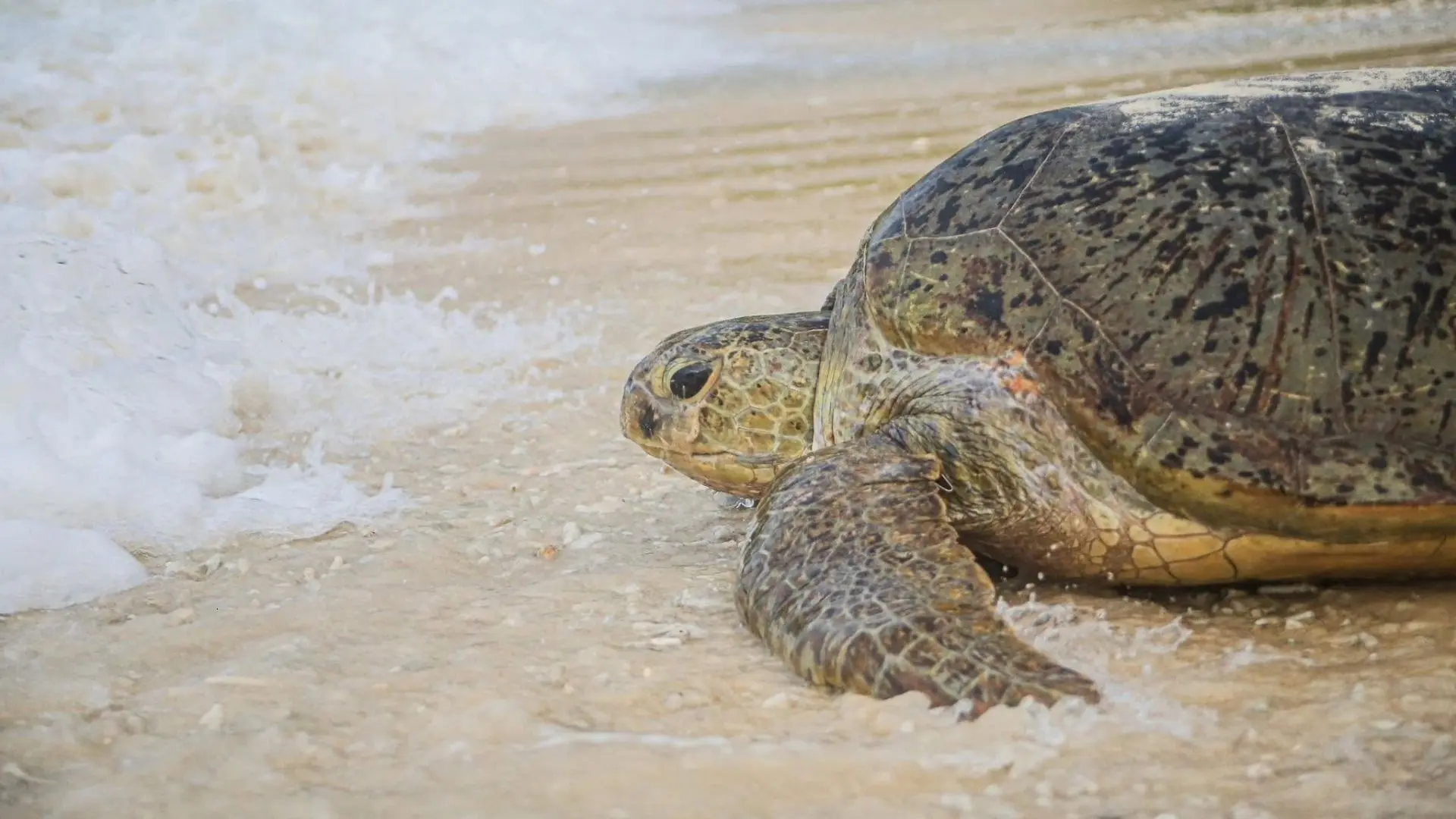
Seasonal Turtle Conservation Experience
-
The seasonal turtle conservation experience is designed for travelers visiting during the operating season and looking for a short conservation-focused morning.
-
The program usually starts early, with a speedboat departure around 7:00 AM from Con Dao. The exact island may be Bay Canh, Cau Island or Tai Island depending on National Park operations. The conservation portion may include a hatchery visit and baby turtle release when hatchlings are ready and conditions allow.
-
This route is suitable for travelers who accept uncertainty. The experience can be meaningful because it follows real conservation timing, not because every part is guaranteed.
-
Before choosing this route, check your travel dates, sea conditions and current operation notes. The season is June to mid-October, not all of October.
Video of 500 baby turtles returning to the sea at night
Video source: Con Dao National Park
Video source: Con Dao National Park
Turtle-Related Experience Comparison Table
Use the table below to compare turtle-related and Bay Canh-focused experiences by purpose, season sensitivity and expectation.
| Criteria | Seasonal turtle conservation experience | Bay Canh conservation and Cau Island route |
| Main purpose | Hatchery learning, possible baby turtle release, conservation context | Turtle conservation context, mangroves, Cau Island history |
| Season sensitivity | High | Medium |
| Suitable for | Travelers visiting from June to mid-October | Travelers wanting conservation background without relying only on release timing |
| Watch out for | Release depends on natural timing and operations | Not a turtle release guarantee |
| Check now | Seasonal turtle conservation experience | Bay Canh conservation and Cau Island route |
Responsible Turtle Travel Rules
-
Turtle-related experiences require careful behavior. Small actions can disturb turtles, hatchlings or protected beach areas.
-
Follow ranger and guide instructions at all times. Do not enter nesting or hatchery areas without permission.
-
Do not use flash around turtles or hatchlings. Strong light can disturb natural movement and orientation.
-
Do not make loud noise near turtle activity areas. Keep movement slow and controlled.
-
Do not touch turtles, eggs or hatchlings unless a ranger specifically instructs you as part of a controlled conservation process.
-
Do not block the path between hatchlings and the sea. Give space and avoid crowding.
-
Do not leave trash on beaches, boats or island trails. Conservation routes only make sense when visitors help reduce pressure on the habitat.
What to Prepare
-
Wear comfortable clothes for an early morning route. A light layer may be useful before sunrise or during boat transfer.
-
Bring sandals or shoes that can handle sand, boat movement and light walking. Avoid footwear that becomes difficult to manage on wet surfaces.
-
Bring sun protection, drinking water, a small dry bag and motion sickness medicine if you are sensitive to boat movement.
-
Use a camera respectfully. Photos should not interfere with rangers, hatchlings or other travelers. Avoid flash around turtle-related activities.
-
Bring patience. Turtle conservation depends on natural timing, and the most responsible plan is often the one that stays flexible.
Frequently Asked Questions About Sea Turtle Season in Con Dao (FAQ)
When is sea turtle season in Con Dao?
For Mekong Smile’s seasonal turtle conservation experience, the operating window is from June to mid-October. This period does not guarantee baby turtle release every day, because hatchery timing, weather, tide and National Park operations still determine what can happen.
Is turtle release guaranteed in Con Dao?
No. Turtle release depends on natural hatching timing, hatchery conditions, weather, tide and Con Dao National Park operations. Travelers should treat release as a possible conservation activity, not a guaranteed show.
Can visitors see adult turtles in Con Dao?
Adult turtle nesting is sensitive and usually follows different timing and protection rules. Visitors should not expect adult turtle sightings as part of a standard morning conservation route.
What is a turtle hatchery visit?
A hatchery visit helps travelers understand how turtle eggs and hatchlings are protected after nesting. Depending on the operating day, visitors may learn about egg protection, hatchery care and ranger-led conservation work.
Is Bay Canh the same as a turtle release experience?
No. Bay Canh is closely connected with turtle conservation context, but a Bay Canh route is not automatically the same as a release-focused experience. Turtle release depends on hatchery timing and National Park operations.
What should travelers avoid during turtle activities?
Avoid flash, loud noise, touching turtles or hatchlings without ranger instruction, entering restricted areas, blocking hatchlings’ path to the sea and leaving trash on beaches or island trails.
What happens if no hatchlings are ready?
The route may still include conservation interpretation, hatchery learning, island scenery or other approved activities depending on National Park operations and weather. This is why expectations should stay flexible.
Can baby turtles be bought for release in Con Dao?
No. Baby turtles are not bought or added for visitor activities. A release depends on natural hatching timing, hatchery conditions and Con Dao National Park operations. Some mornings may have many hatchlings ready for release, while others may have only a few or none.
Final Recommendation
A practical way to plan around sea turtle season in Con Dao is to separate conservation context from guaranteed activity.
The seasonal turtle conservation experience suits travelers visiting from June to mid-October who accept that release depends on natural timing and National Park operations. Bay Canh and Cau Island suit travelers who want turtle conservation context, mangroves and island history without relying only on release timing.
Before choosing, check your travel dates, comfort with early morning boat travel and expectations around turtle activity. A responsible turtle experience is more meaningful when it is treated as conservation, not a scheduled performance.

