

Which Con Dao Nature Experience Should You Choose?
If you are researching Con Dao outdoor activities, the right choice depends on four things: how much time you have, how active you want to be, whether you prefer forest or sea, and whether you care more about wildlife, reef habitats or conservation.
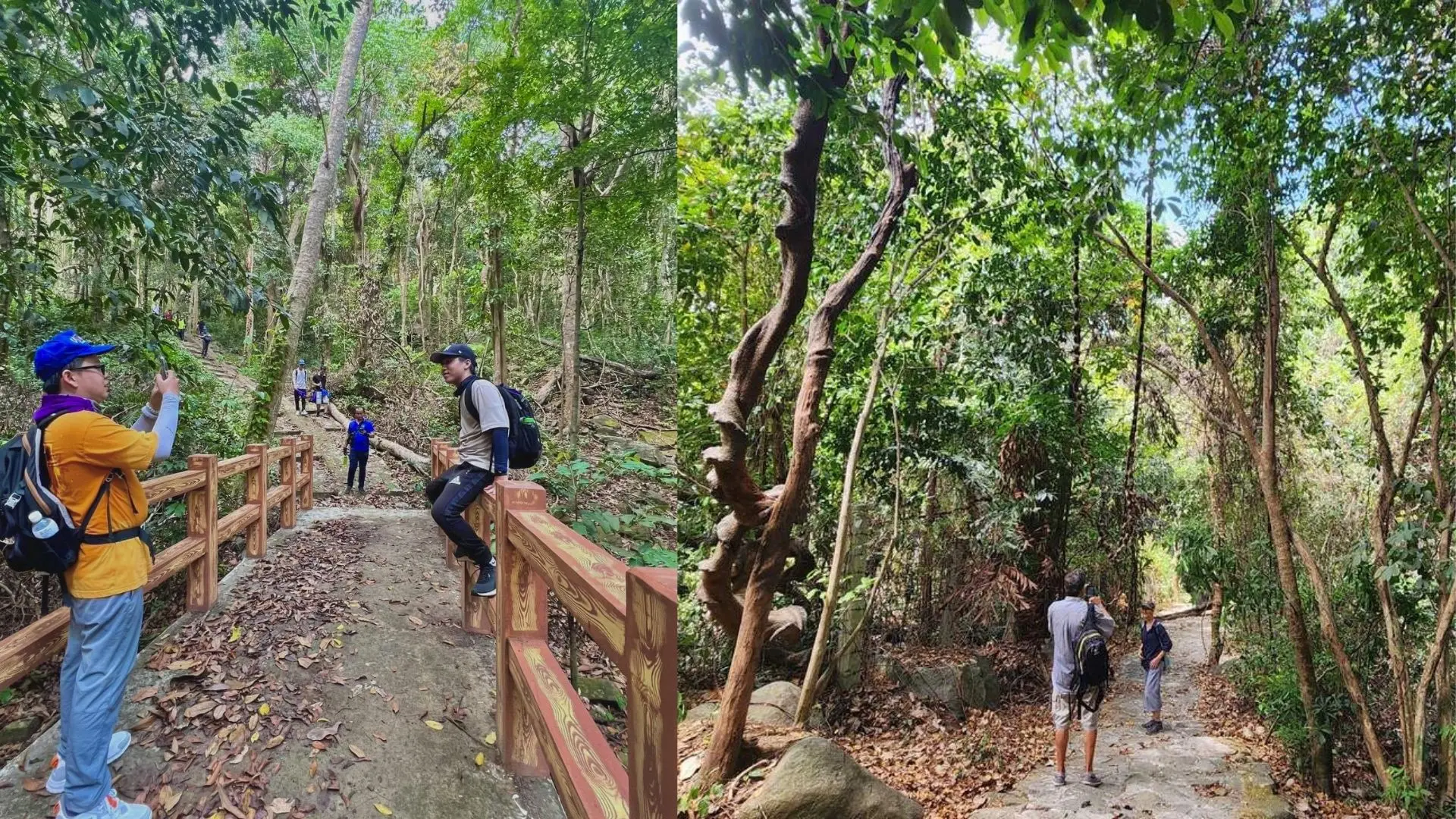
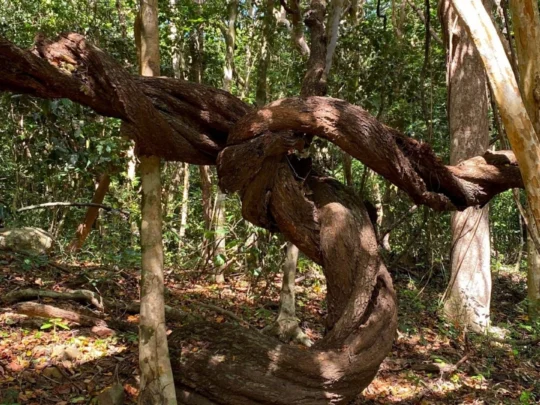
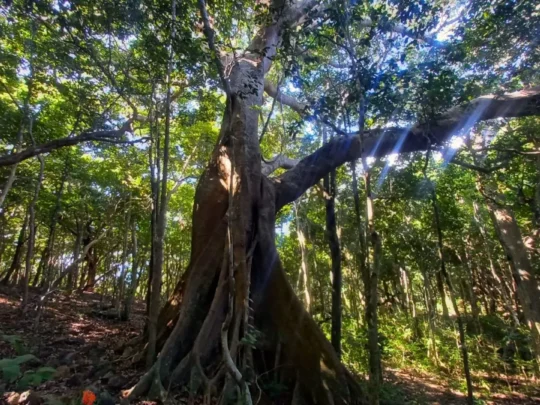
Choose a forest experience if you want shaded trails, National Park context and a closer look at the island’s tropical ecosystem.
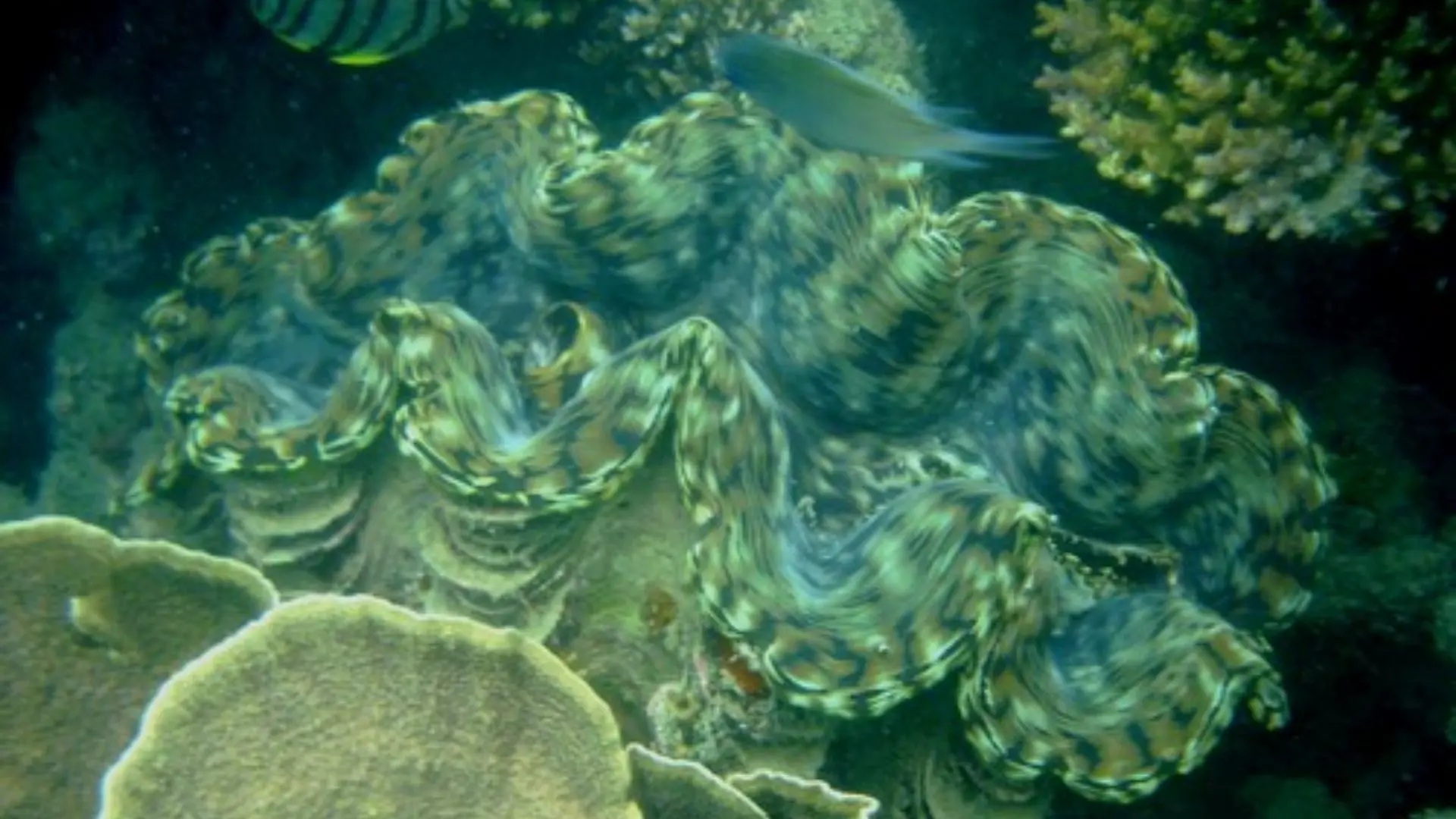
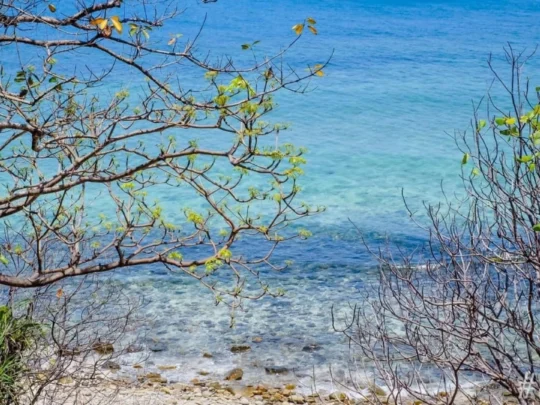
Choose a reef experience if you want coral habitats, giant clams, tropical fish or island sea routes. Choose a wildlife experience if seabirds, monkeys, offshore islands or quiet nature observation matter more than beach time. Choose a conservation experience if you want to learn about sea turtles, hatcheries, mangroves or protected-area work.
If you have only 3-4 hours, choose a short forest walk, a focused reef route or a compact conservation route. If you have a full day, choose a longer forest-and-beach route, summit route or mixed forest-and-sea experience.
This guide compares the main Con Dao nature experiences by time, activity level, travel season and main interest, so you can choose the right route before looking at specific programs.
Updated June 2026 by Mekong Smile. This guide is part of our Con Dao Travel Guide series.
Con Dao Is a Forest-and-Sea Destination, Not Just a Beach Stop
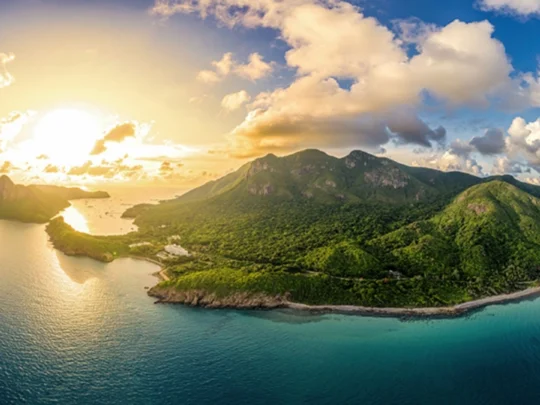
Many travelers first think of Con Dao as a quiet island destination. That is true, but it is incomplete. Con Dao’s nature is shaped by both land and sea. Forest trails, offshore islands, coral reef habitats, mangroves, sea turtle nesting areas, seabird sites and wildlife zones all sit within a sensitive protected landscape. That is why two travelers can both look for Con Dao outdoor activities and things to do in Con Dao for nature lovers, but still need very different routes. A traveler who wants a soft introduction to the forest should not choose the same route as someone who wants a summit hike. A traveler who wants reef habitat should not expect every island route to be snorkeling-heavy. A traveler interested in sea turtles should understand that conservation activities follow natural cycles, not fixed showtimes. That is why the most useful way to compare forest and reef experiences in Con Dao is not by asking which place is “better”, but by asking what kind of nature you want: forest, reef, wildlife, conservation, sunset scenery or a more active summit route.
Choose by Time Available
If You Have 3-4 Hours
A short program works well if you want a focused nature experience without using the whole day.
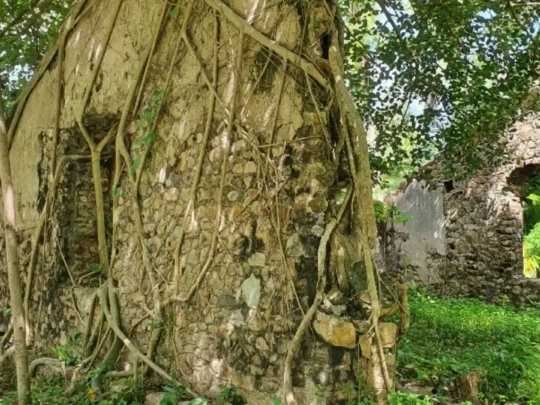
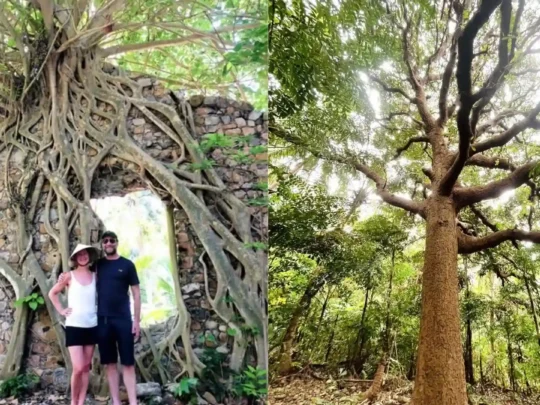
- For a light forest introduction, the short Heritage Tree forest walk is suitable for travelers who want nature interpretation, forest walking and a Vietnam Heritage Tree in one compact route.
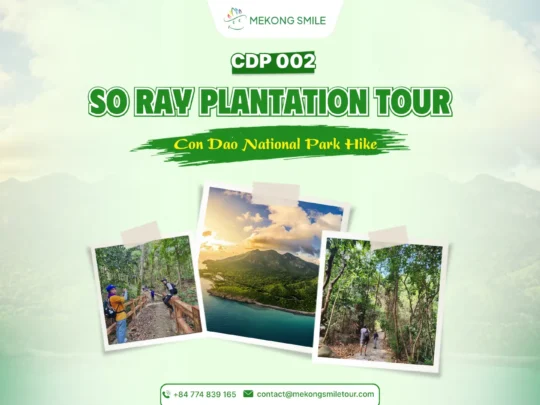
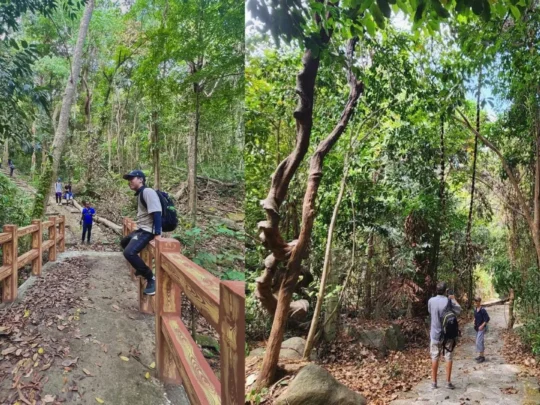
- If you prefer forest plus viewpoint scenery, the So Ray Plantation viewpoint route is another short option. It is better for travelers who want a forest route with a stronger viewpoint element.
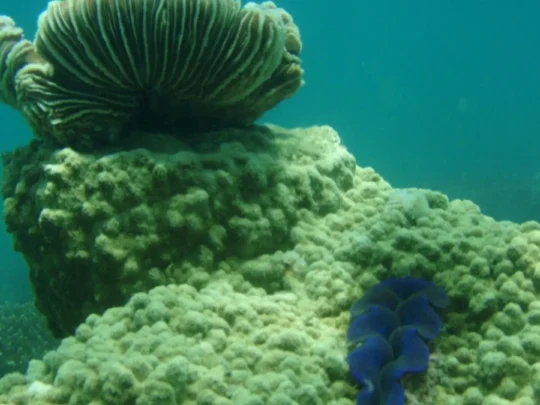
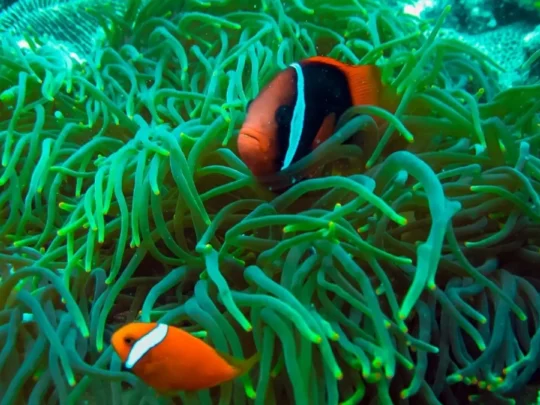
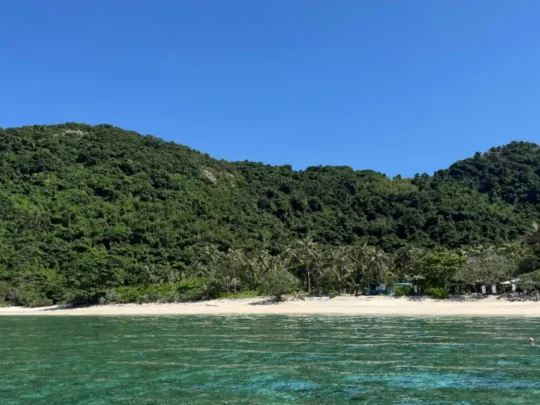
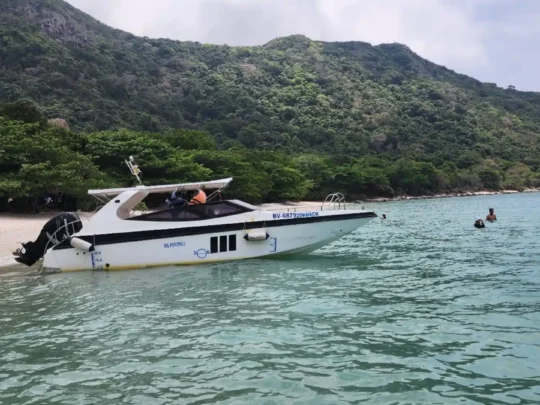
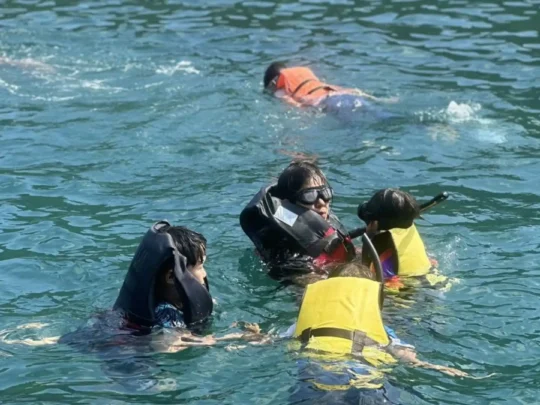
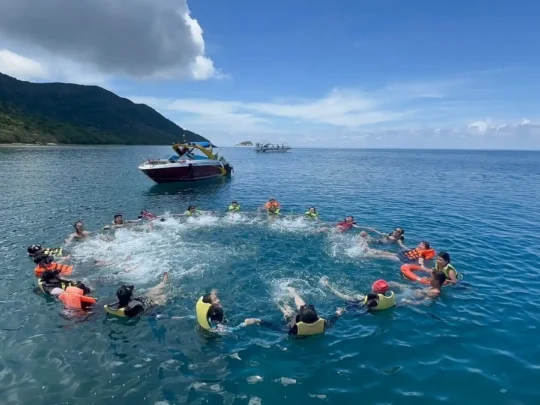
- For reef-focused travelers with limited time, the Bamboo Lagoon giant clam habitat route is a compact sea experience built around Bamboo Lagoon, reef habitat, giant clams and a viewpoint.
- If you want a short route with conservation context, compare Bay Canh-focused options based on whether your priority is turtle conservation, reef scenery, wildlife or island history.
If You Have Half a Day
A half-day experience gives more room for island scenery, wildlife or a softer afternoon route.
- The Ba Island afternoon reef and sunset experience fits travelers who want forest, reef and sunset scenery without turning the day into a hard physical challenge.
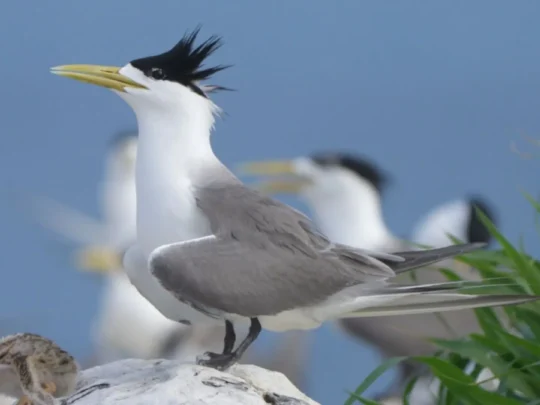
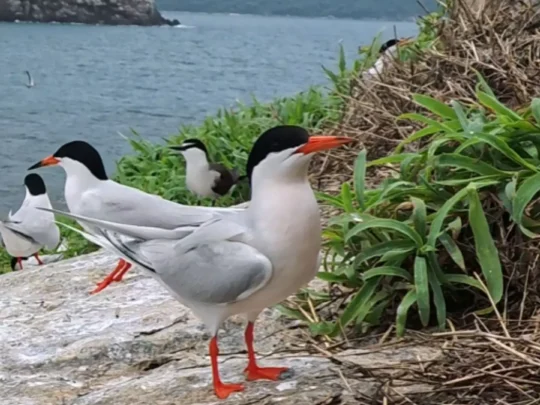
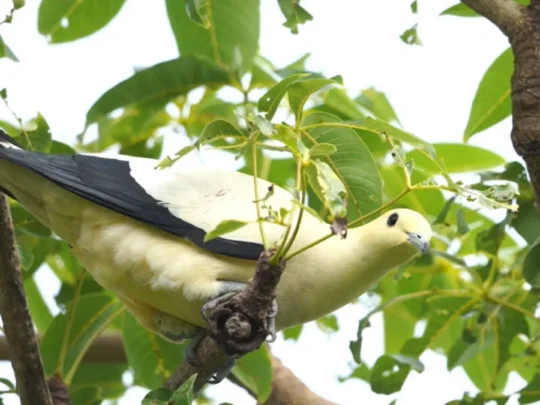
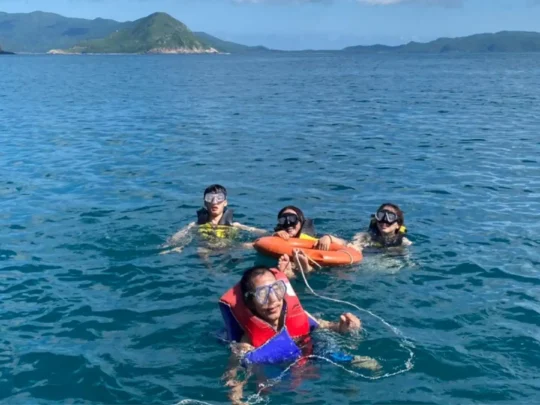
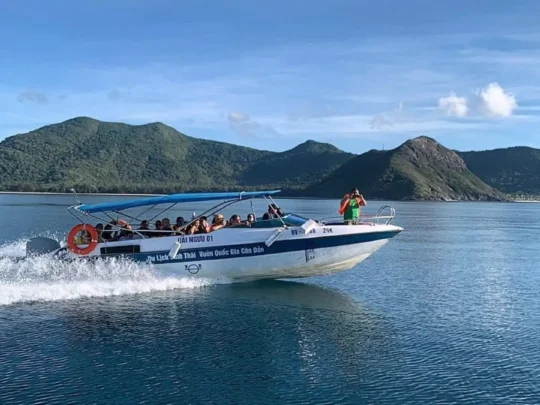
- The Trung Island seabird route fits travelers who are more interested in seabirds, offshore island ecology, snorkeling and fishing than in a standard beach stop.
A half-day route is useful when you want more than a short walk but do not want a full trekking day.
If You Have a Full Day
A full-day route is better if you want the landscape to change throughout the experience.
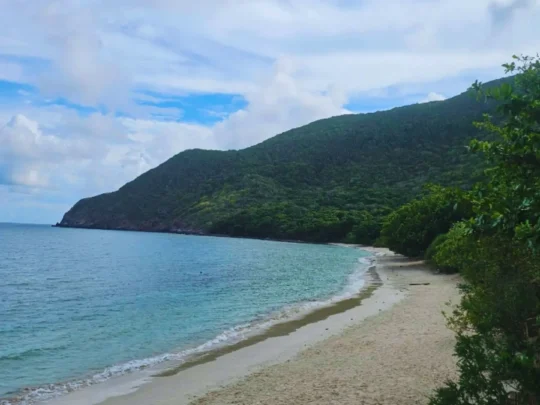
- Dat Tham and Bang Beach combine forest, beach scenery and a longer outdoor rhythm.
- Bamboo Lagoon’s forest-and-sea route connects beach walking, forest trails, lagoon scenery, reef context and a ranger-station lunch.
- Nui Chua is more suitable for travelers who want a stronger summit route.
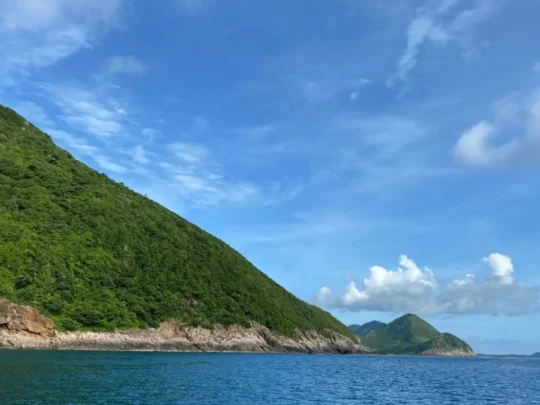
- Love Peak fits travelers who want an offshore island setting and a summit view from Ba Island.
Full-day routes are not simply longer versions of short routes. They usually require better fitness, more heat tolerance and a more flexible mindset.
Choose by Activity Level
Easy
Choose an easier experience if you want nature without pushing your fitness. Shorter forest routes and compact reef experiences usually fit this group better.
Good fits include Heritage Tree, So Ray and focused short sea routes.
Moderate
Choose a moderate experience if you are comfortable walking, moving between sites, boarding boats or spending several hours outdoors.
Ong Cau, Ba Island, Trung Island, Bay Canh and some reef routes fit this level depending on weather and sea conditions.
Active or Challenging
Choose an active route if you want the route itself to be part of the reward, or if you are specifically looking for more intense Con Dao outdoor activities that match your fitness level.
Nui Chua, Dat Tham, Bamboo Lagoon’s full-day forest-and-sea route and Love Peak are more suitable for travelers who are comfortable with longer outdoor activity.
Do not choose an active route just because the destination sounds familiar. Choose it because the activity level matches your body and schedule.
Choose by Main Interest
When evaluating forest and reef experiences in Con Dao, or deciding between wildlife and conservation routes, it helps to understand what each environment offers.
Forest
The lighter choices are Heritage Tree and So Ray. More active choices include Ong Cau, Dat Tham, Bamboo Lagoon hiking, Nui Chua and Love Peak.
Forest routes are not all the same. Some are short and interpretive. Some include beach scenery. Some are full-day routes. Some require summit-level effort.
Reef
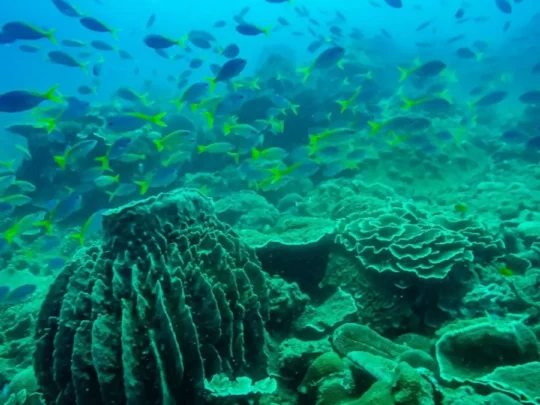
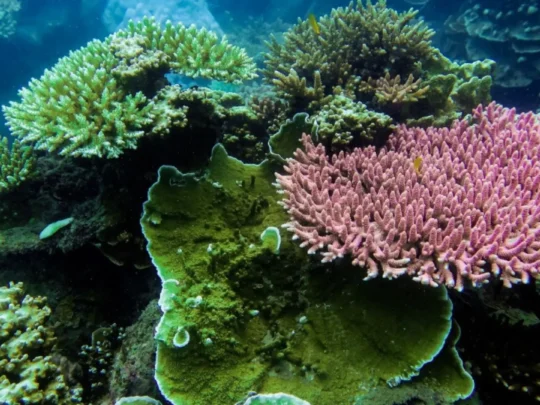
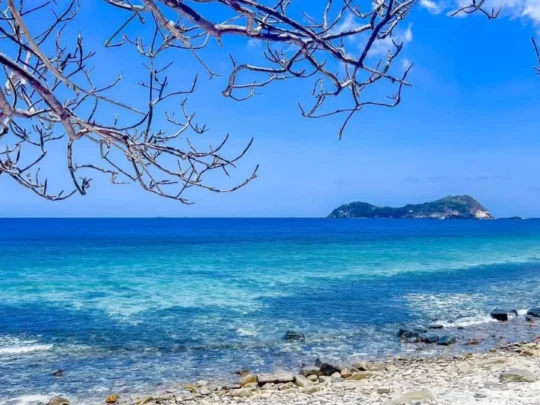
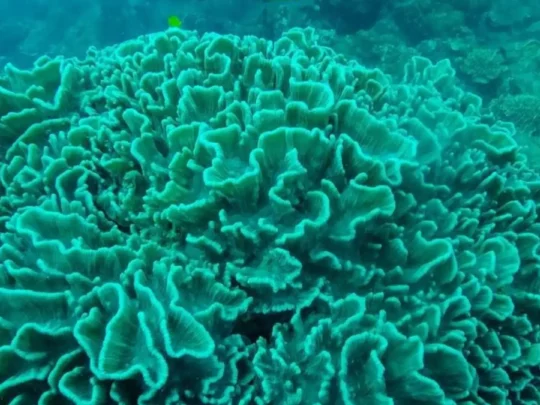
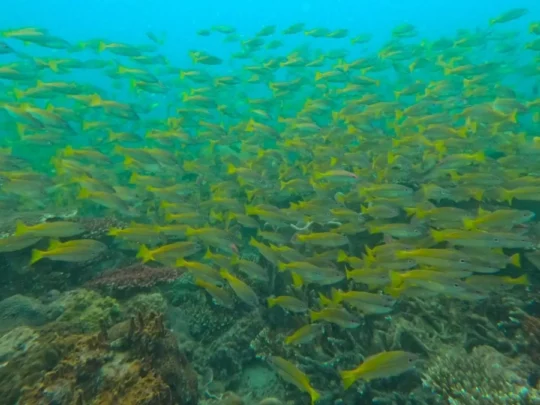
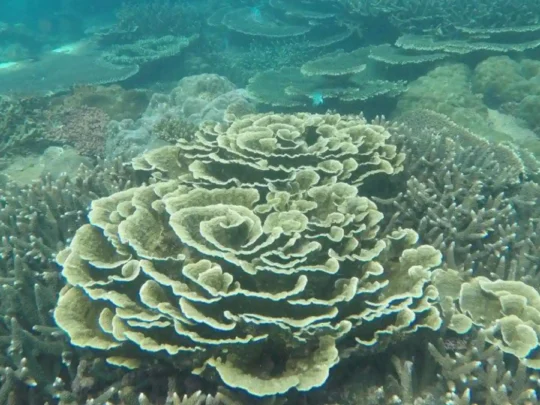
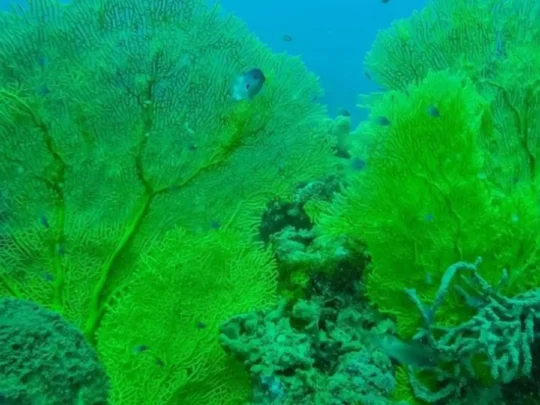
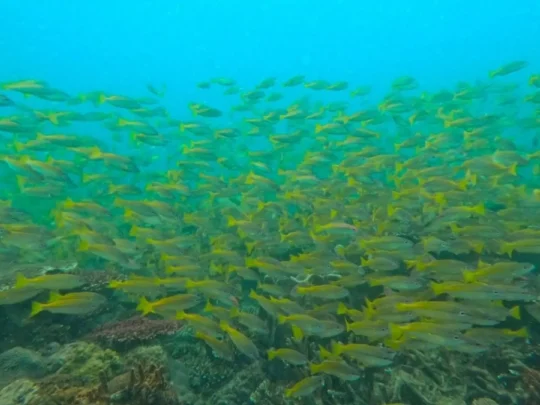
Choose a reef experience if your priority is coral, tropical fish, giant clam habitat, clear water and marine scenery.
Bamboo Lagoon is the clearest fit for giant clam habitat. Bay Canh and Hon Tai combine reef, island wildlife and conservation context. Ba Island offers a softer afternoon reef and sunset experience.
Remember that reef experiences depend on sea conditions. Visibility is never guaranteed.
Wildlife
Choose wildlife-oriented routes if you care about observing animals in their natural environment.
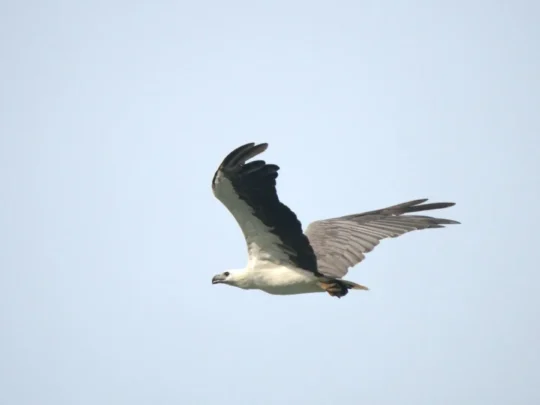
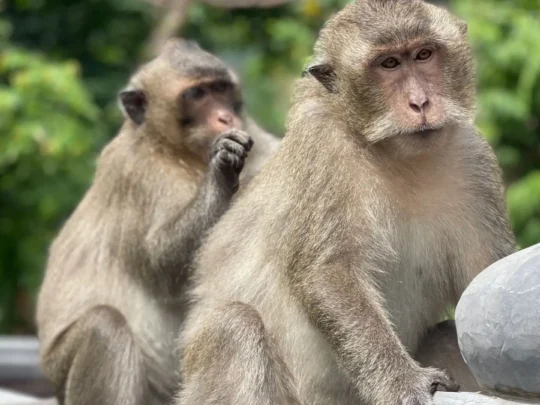
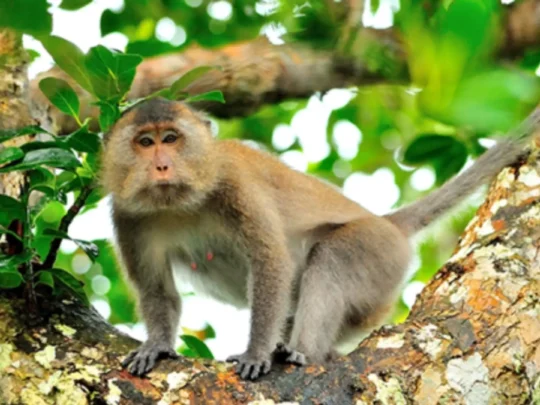
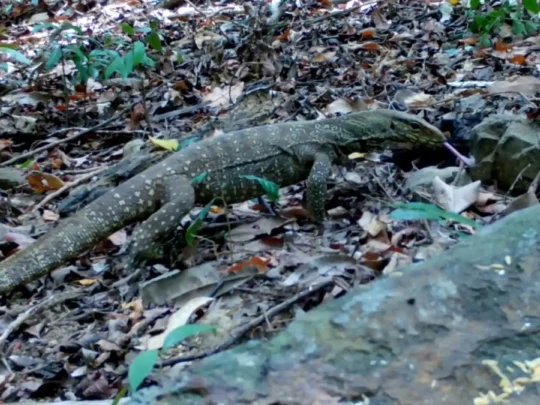
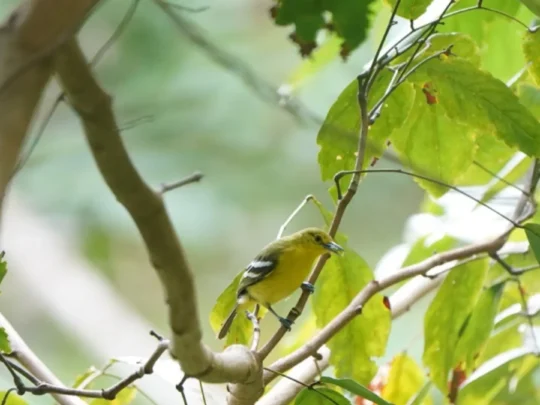
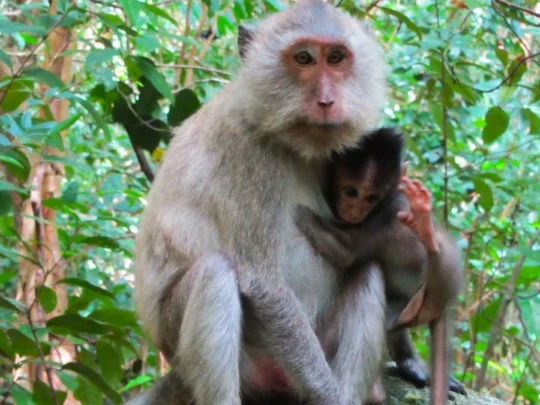
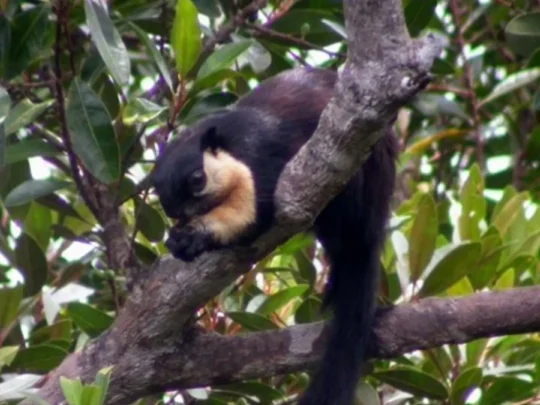
Trung Island is suitable for seabirds and offshore island ecology. Hon Tai may fit travelers interested in island wildlife. Forest routes can also offer chances to see monkeys, squirrels, birds or reptiles, but sightings should be treated as possible rather than guaranteed.
Wildlife observation is not wildlife interaction. Do not feed, touch, chase or call animals for photos.
Conservation
Choose a conservation-focused experience if you want to understand why Con Dao’s protected areas matter.
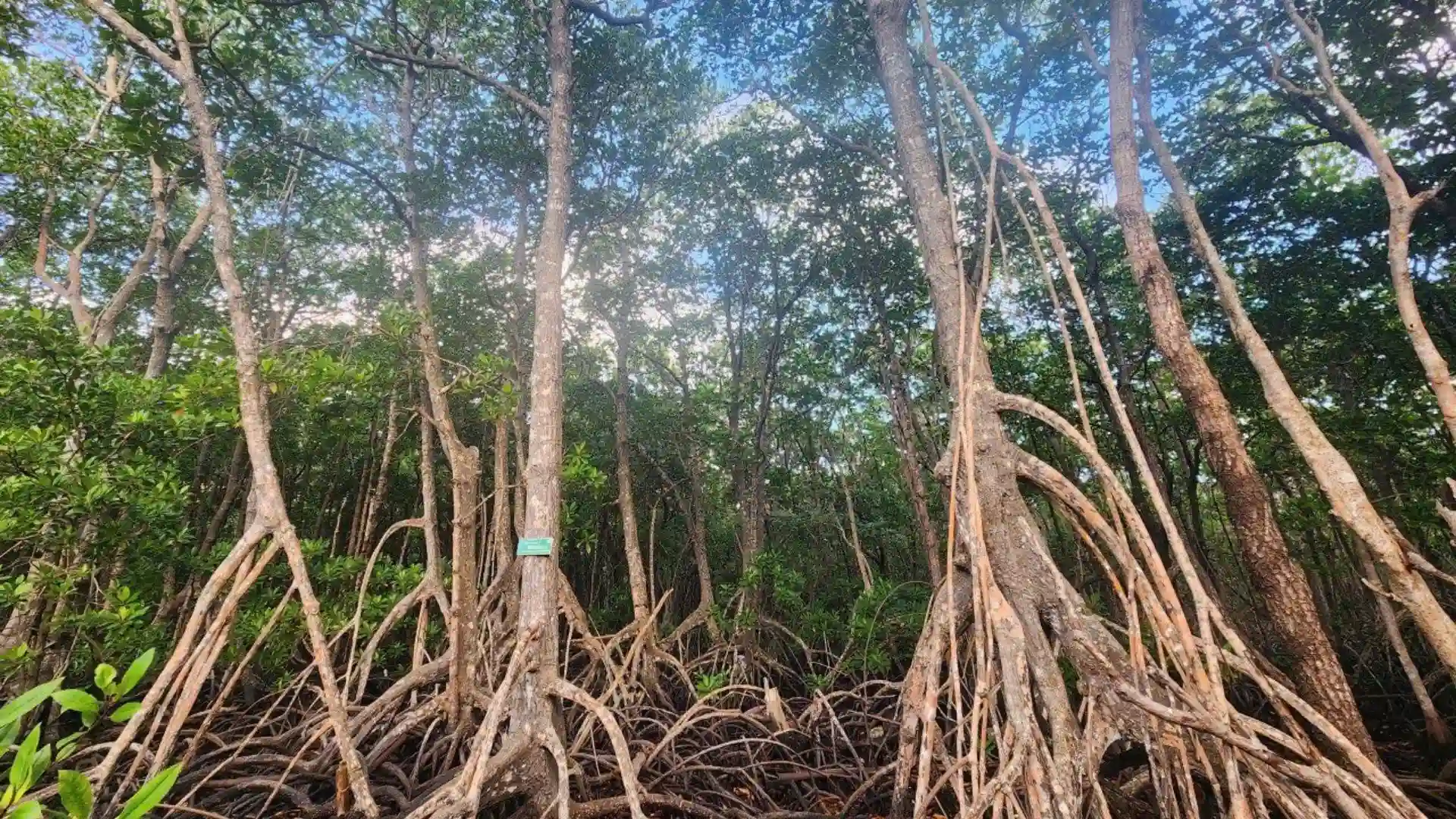
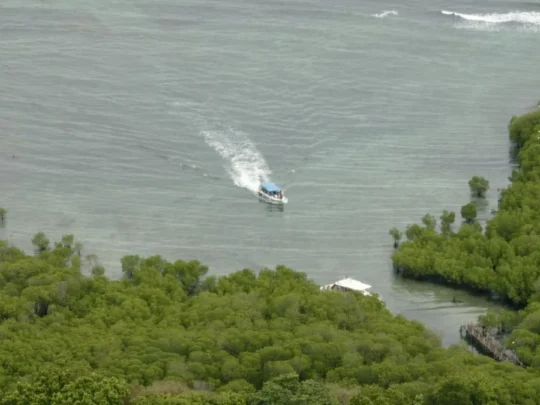
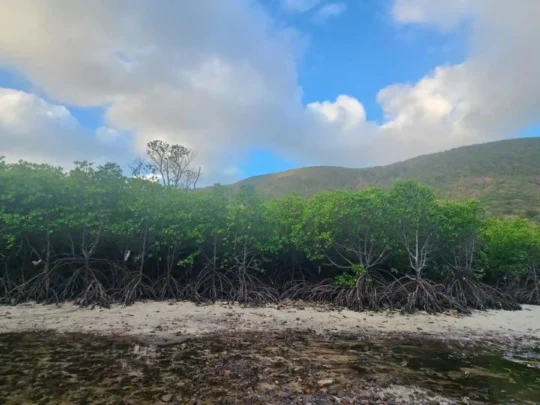
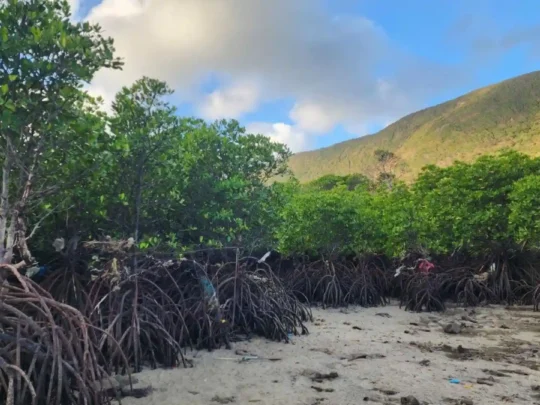
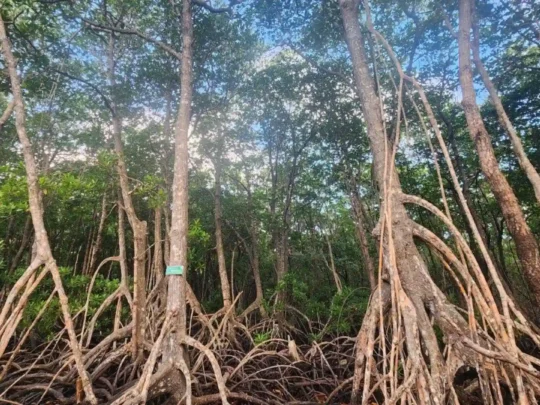
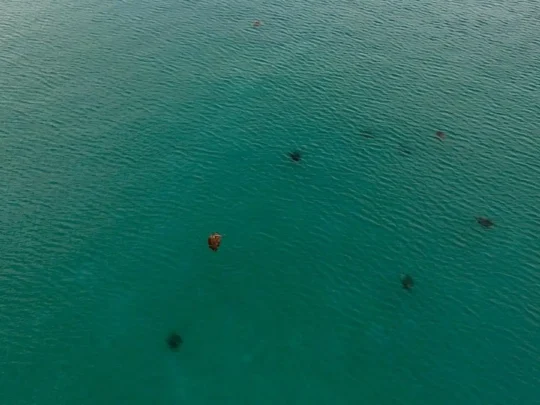
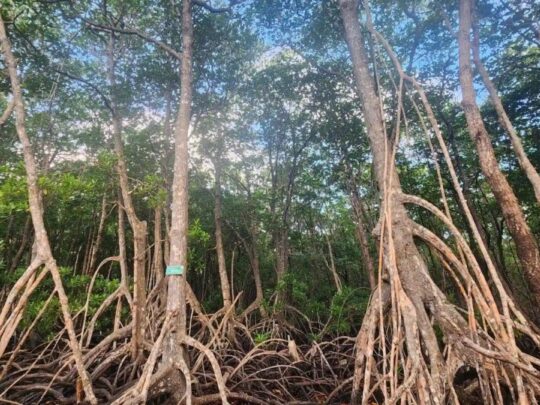
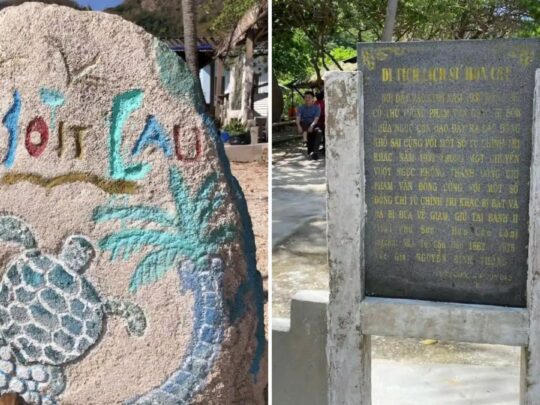
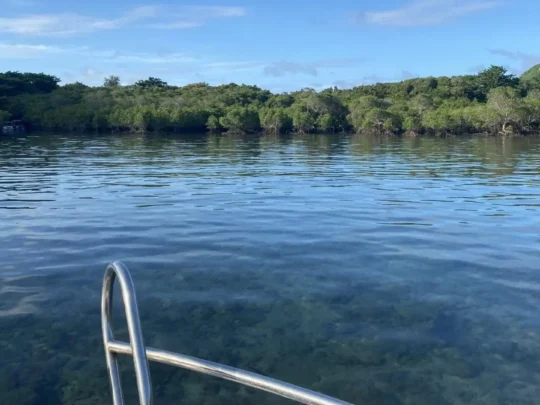
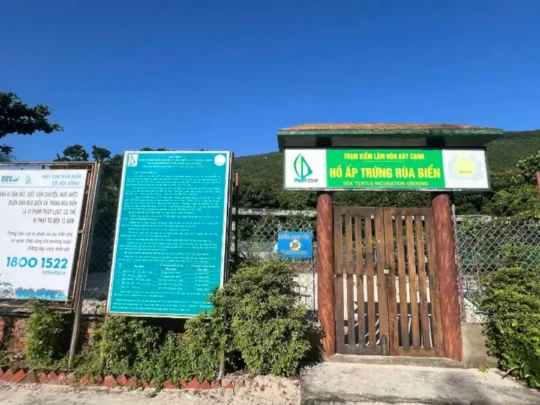
The Bay Canh conservation and Cau Island route is suitable for travelers interested in sea turtle conservation context, mangroves and Cau Island history.
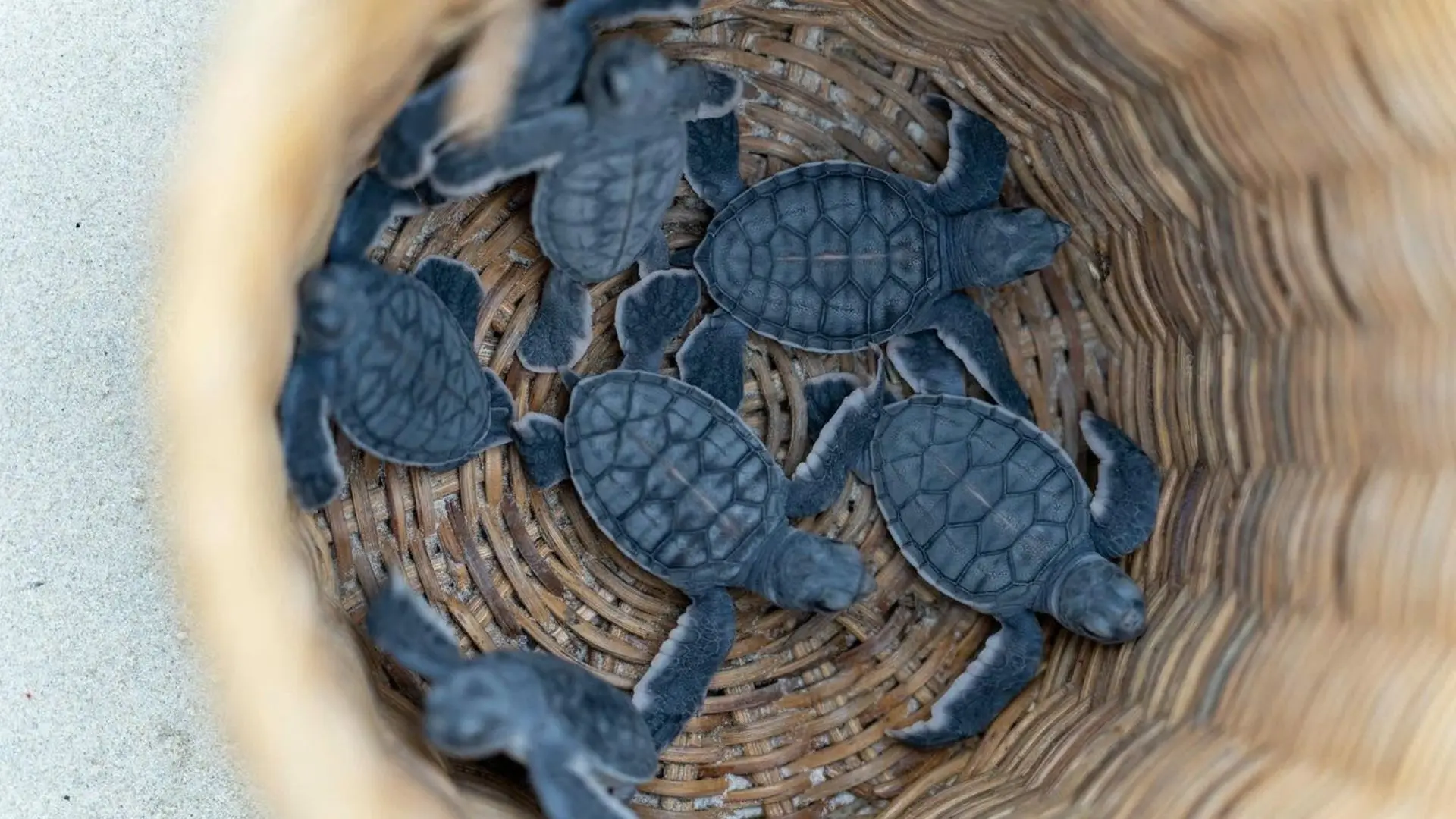
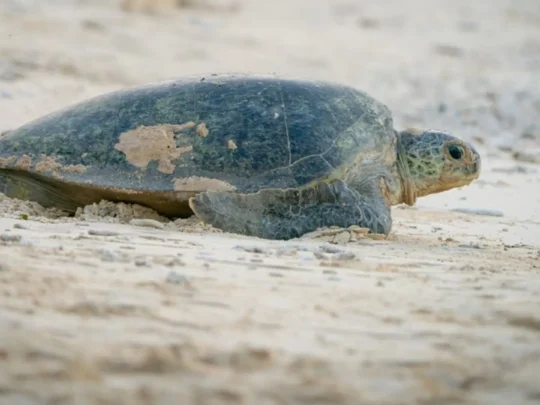
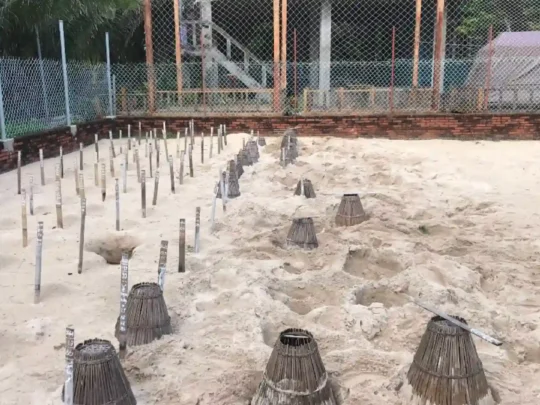
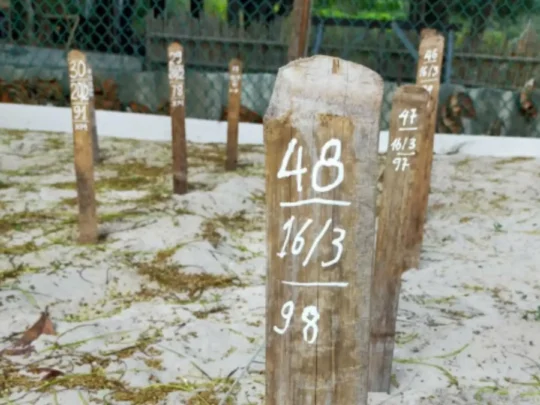
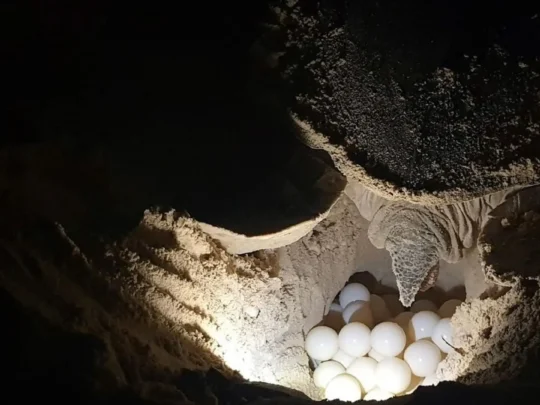
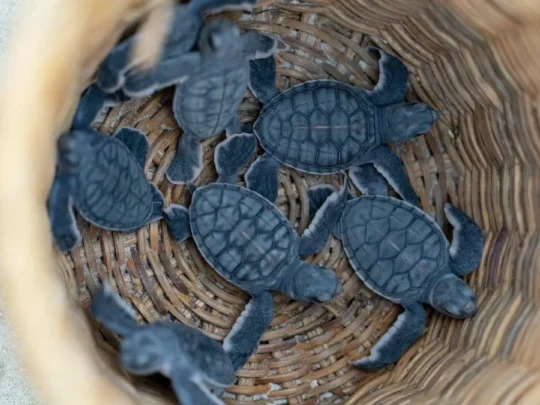
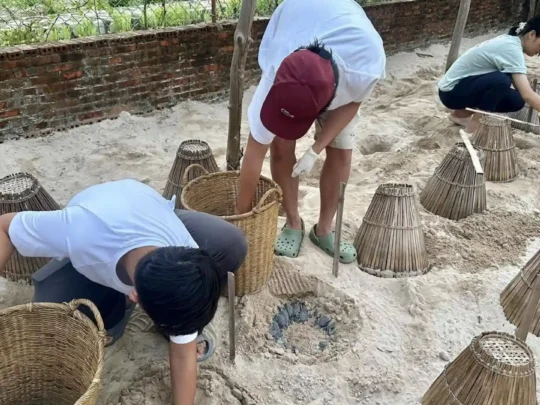
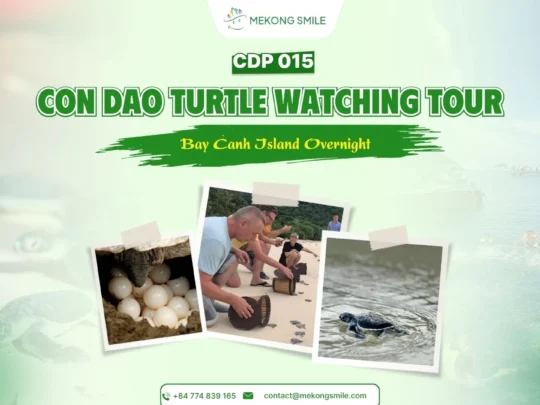
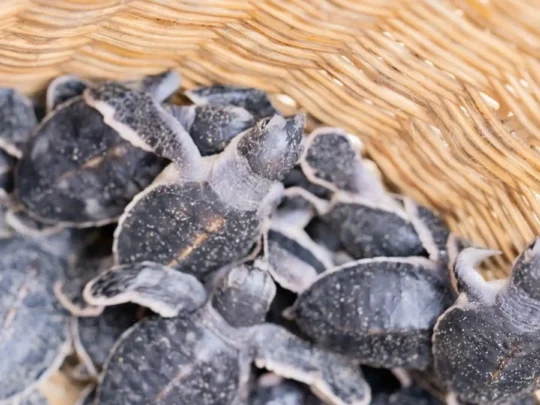
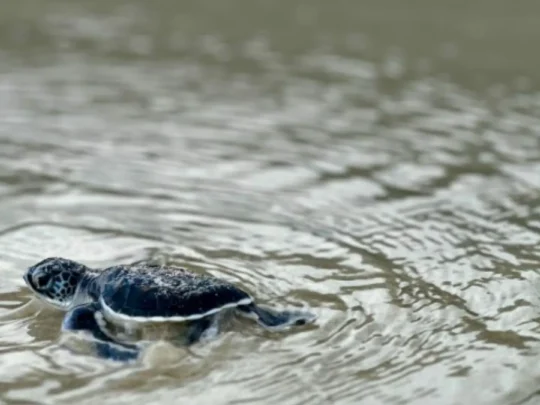
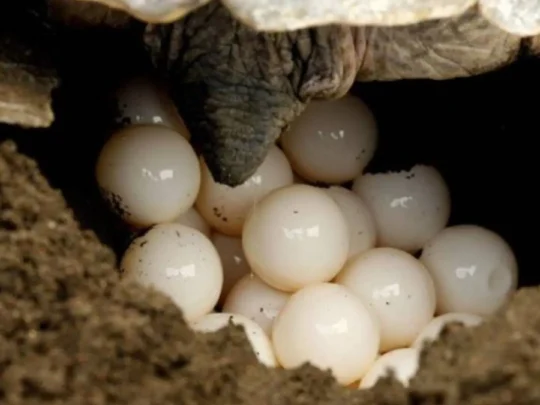
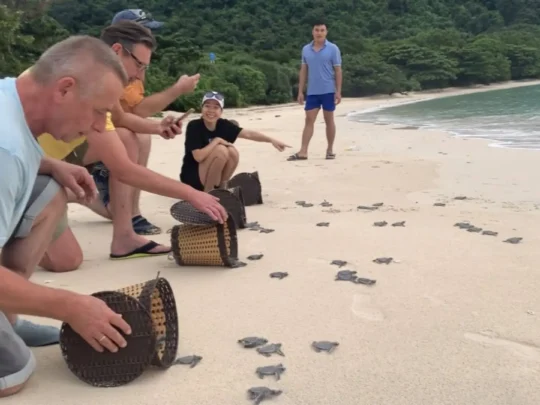
A seasonal turtle conservation experience is more specific. It depends on turtle activity, hatchery timing, tide, weather and National Park operations.
This type of experience is best for travelers who respect uncertainty. Conservation is not a performance; it follows nature.
Sunset
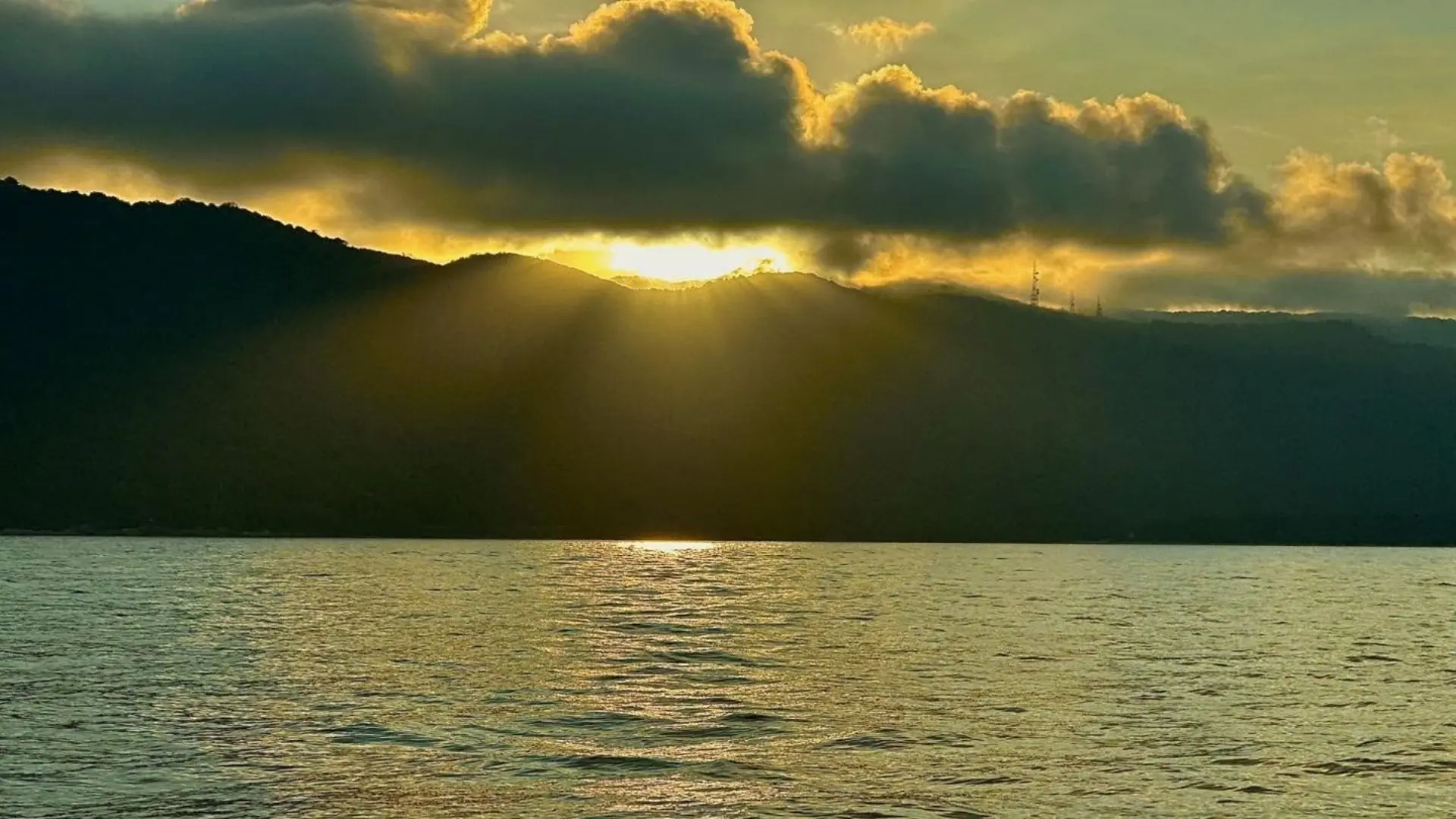
Choose a sunset-oriented route if you want a softer afternoon pace, scenic island atmosphere and reef time without a full-day trek.
Ba Island is the clearest fit for this style because it combines island nature, reef scenery and sunset views.
Comparison Table: Con Dao Nature Experiences by Time, Effort and Interest
Use the table below to compare the main Con Dao nature experiences by time, effort and travel interest before choosing a specific route.
| Experience style | Approx. time | Activity level | Main interest | Suitable for | Watch out for | Contact Us |
| Heritage Tree forest walk | 3 hours | Easy | Forest, nature education | First-time visitors, short-stay travelers | Not a full-day trek | Contact Us |
| So Ray Plantation viewpoint route | 3 hours | Easy to moderate | Forest, viewpoint | Travelers wanting forest plus views | Not a summit route | Contact Us |
| Ong Cau forest and coastal route | 3-4 hours | Easy to moderate | Forest, beach stop | Travelers wanting forest plus coast | Swimming or snorkeling depends on weather | Contact Us |
| Dat Tham and Bang Beach route | 9 hours | Moderate | Forest, beach, full-day nature | Active travelers | Requires more time and stamina | Contact Us |
| Nui Chua summit route | 9 hours | Active | Summit, forest, elevation | Stronger hikers | Not suitable for light-walk expectations | Contact Us |
| Bamboo Lagoon forest and sea route | 9 hours | Moderate | Forest, lagoon, reef context | Travelers wanting a full-day mixed route | Longer outdoor exposure | Contact Us |
| Love Peak on Ba Island | 6 hours | Moderate to active | Island summit, forest, views | Travelers wanting an offshore hike | Requires comfort with boat transfer and hiking | Contact Us |
| Bamboo Lagoon reef habitat | 3 hours | Easy to moderate | Giant clams, reef, viewpoint | Reef-focused travelers | Visibility is weather-dependent | Contact Us |
| Bay Canh and Hon Tai reef route | 3 hours | Easy to moderate | Reef, wildlife, conservation context | Travelers wanting a compact sea route | Not only a swim stop | Contact Us |
| Ba Island afternoon route | 4 hours | Easy to moderate | Reef, forest, sunset | Travelers wanting a softer afternoon | Less suited to hard-trek travelers | Contact Us |
| Trung Island route | 6 hours | Moderate | Seabirds, island ecology, sea route | Wildlife-focused travelers | Wildlife sightings vary by season and conditions | Contact Us |
| Bay Canh and Cau Island route | 3 hours | Easy to moderate | Conservation, mangroves, history | Travelers interested in turtle context | Not a turtle release guarantee | Contact Us |
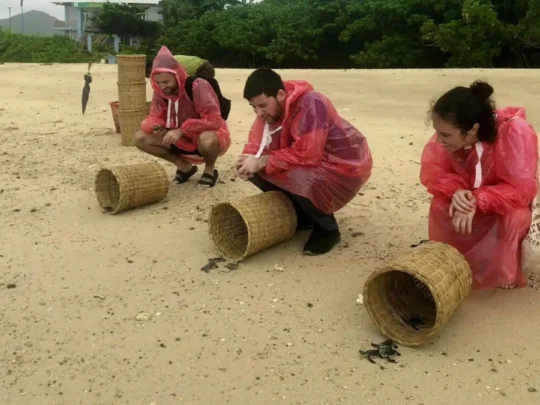
| Seasonal turtle conservation experience | 3-4 hours | Easy to moderate | Hatchery, release, conservation | Travelers visiting in season | Release depends on natural timing | Contact Us |
What Not to Expect
- Not every Con Dao nature route includes the same activities. A forest route may not include reef time, while a reef-focused route may not include a long island walk. A conservation route may include snorkeling, but snorkeling is not always the main value of the experience.
- Underwater visibility is not guaranteed. Reef conditions can change with wind, tide, current, recent weather and safety decisions made by guides or park operations.
- Wildlife sightings are also not guaranteed. Monkeys, seabirds, turtles and marine life are part of living ecosystems, not scheduled attractions.
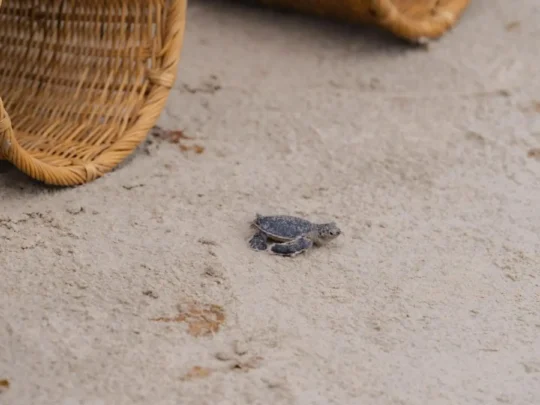
- Baby turtle release does not happen every day during the season. Turtle nesting, hatching and release depend on natural cycles, hatchery timing, weather, tide and Con Dao National Park operations.
- Instead of choosing only by price or destination name, compare each route by time, activity level, main interest and travel season.
Responsible Travel Notes
- Con Dao nature experiences take place in sensitive forest, marine and conservation areas. Responsible behavior is not optional.
- In forest areas, stay on permitted trails, do not remove plants or natural objects, and do not feed monkeys or other wildlife. Feeding wildlife changes animal behavior and can create safety problems for both animals and visitors.
- In reef areas, do not touch coral, stand on reef, collect shells, remove marine life or chase fish. Coral and reef organisms are fragile, and even small contact can cause damage.
- For turtle-related activities, follow ranger or guide instructions. Do not use flash, do not make loud noise, and do not touch turtles, eggs or hatchlings unless specifically instructed as part of a controlled conservation process.
- Carry out your trash, reduce single-use plastic, respect restricted areas and treat the National Park as a living protected landscape rather than a photo backdrop.
Recommended Routes by Traveler Type
First-Time Visitors
Start with an easier forest or viewpoint route. Heritage Tree and So Ray are practical choices because they introduce Con Dao’s forest ecosystem without requiring a long trekking day.
Short-Stay Travelers
Choose one clear priority. If you want forest, choose a short forest route. If you want reef, choose a focused reef habitat route. If you want conservation, choose a Bay Canh-focused route or a turtle-related experience if the season and operation allow.
Active Travelers
Compare Dat Tham, Bamboo Lagoon’s full-day forest-and-sea route, Nui Chua and Love Peak. These experiences give more physical movement and a deeper outdoor rhythm than compact routes.
Reef-Focused Travelers
Choose based on what you want to see. Bamboo Lagoon is more focused on giant clam habitat and reef scenery. Bay Canh and Hon Tai combine reef, wildlife and conservation context. Ba Island adds an afternoon and sunset feel.
Wildlife-Focused Travelers
Trung Island is suitable for seabird interest. Hon Tai and forest routes can also fit wildlife-focused travelers, but sightings should always be treated as possible rather than guaranteed.
Conservation-Focused Travelers
Choose Bay Canh if you want conservation context, mangroves and island history. Choose a seasonal turtle conservation experience only if your travel dates fit the season and you accept that turtle release depends on hatchery timing, weather, tide and National Park operations.

Plan Your Con Dao Nature Experience with Mekong Smile
Not sure which Con Dao nature experience is right for you? Mekong Smile (TripAdvisor 4.9★) can help you choose the best-fit forest, reef, wildlife or conservation route based on your time, fitness level and travel season. Contact our experts or Browse our Con Dao tours today.
Discover Con Dao Tours with Mekong Smile

From $561,380,000₫
8:00 AM or 1:30 PM • 3-4 hours (approx.)
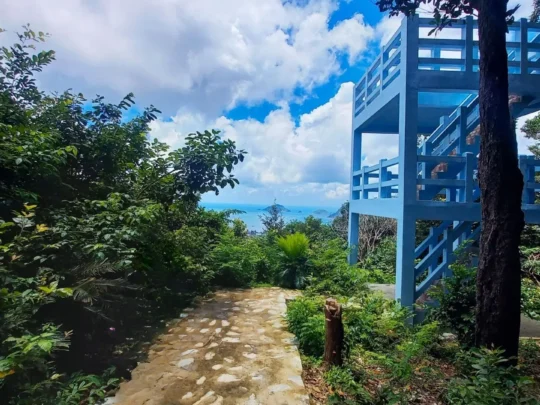

From $561,380,000₫
8:00 AM or 1:30 PM • 3-4 hours (approx.)
From $561,380,000₫
8:00 AM • 8 hours (approx.)


From $1203,000,000₫
8h00 or 13h30 • 4 hours (approx.)


From $1002,500,000₫
6:50 AM • 3-4 hours (approx.)
From $2285,700,000₫
2:45 PM • 2 days 1 night (approx.)
Frequently Asked Questions About Con Dao Nature Experiences (FAQ)
What are the main Con Dao nature experiences?
The main Con Dao nature experiences are forest routes, reef experiences, wildlife island routes, conservation-focused experiences, summit routes and sunset-oriented island routes. Some routes combine more than one type, but each route usually has one main purpose.
Which Con Dao nature experience is easiest?
Short forest routes such as Heritage Tree or So Ray are generally easier than full-day trekking or summit routes. Focused short reef routes may also be suitable for travelers who are comfortable with boats and water.
Which experience should I choose if I want coral or marine life?
Choose a reef-focused experience. Bamboo Lagoon is suitable for giant clam habitat and reef scenery, while Bay Canh and Hon Tai combine reef, wildlife and conservation context.
Which route is better for active travelers?
Active travelers should compare full-day or summit-style routes such as Dat Tham, Bamboo Lagoon’s forest-and-sea route, Nui Chua and Love Peak. These require more time, stamina and comfort outdoors.
Can I see turtles in Con Dao?
Sea turtles are part of Con Dao’s conservation story, but turtle activity is seasonal and nature-dependent. Hatchery visits, nesting and release activities depend on natural timing, weather, tide and National Park operations.
Is snorkeling visibility guaranteed?
No. Snorkeling visibility depends on sea conditions, wind, tide, current and recent weather. A reef route can be planned carefully, but the sea cannot be guaranteed.
How do I choose if I only have one day?
Pick one main interest. Choose forest if you want trails, reef if you want marine habitats, wildlife if you want seabirds or island ecology, and conservation if you want turtle or mangrove context. Do not try to fit every type of nature experience into one short day. Mekong Smile, rated 4.9 star on TripAdvisor (380+ reviews), can help you plan the right Con Dao nature route.
